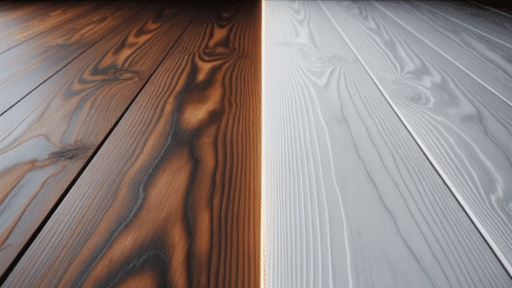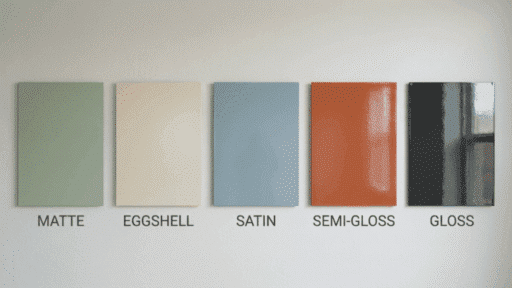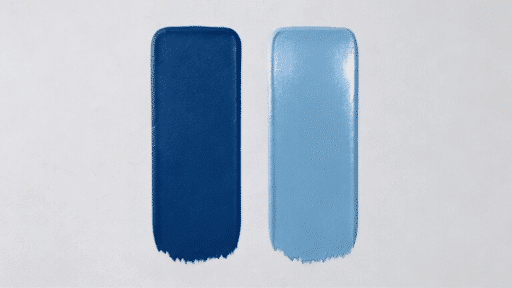
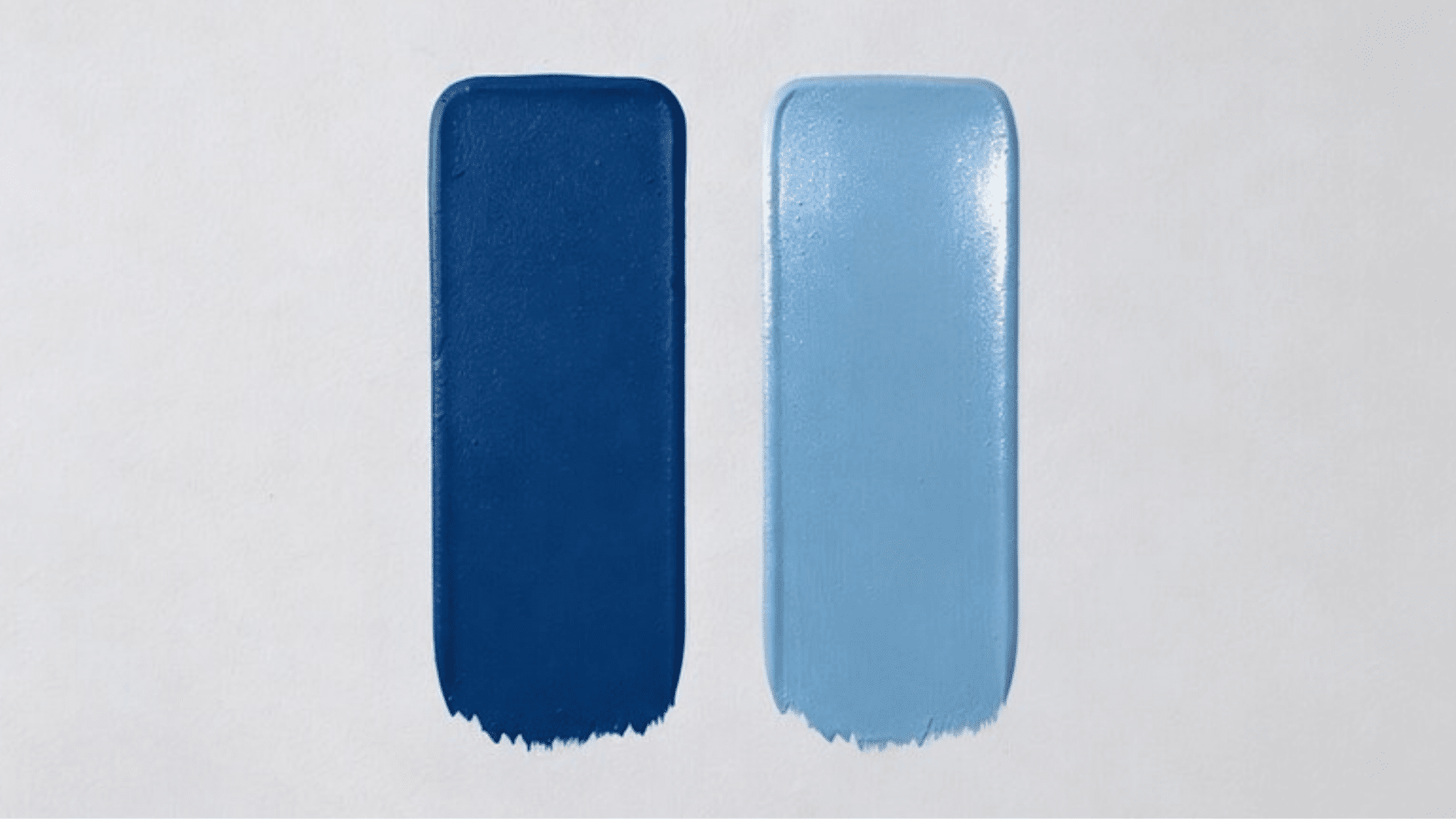

The debate around flat vs eggshell paint comes up more often than most people expect. Both finishes look similar on the swatch. But they behave very differently on the wall.
When comparing eggshell and flat paint, the difference comes down to three things: sheen level, durability, and where each finish actually belongs.
This blog breaks down how these two finishes compare across rooms, wall conditions, and maintenance needs, so anyone planning a paint project can make a confident, informed decision.
What is Flat Paint?
Flat paint has a matte finish with no sheen. It absorbs light rather than reflecting it, giving walls a smooth, uniform appearance that effectively hides dents, patches, and uneven textures.
It is commonly used on ceilings and in low-traffic areas, such as adult bedrooms or formal rooms, where walls see very little contact. The main tradeoff is durability.
Flat paint marks easily when cleaned and wears down faster in high-traffic areas, making it a less practical option for busy rooms. For best results, it works well on properly prepped surfaces that are unlikely to require frequent maintenance.
What is Eggshell Paint?
Eggshell paint sits just above flat on the sheen scale. It has a soft, low-level glow that reflects a small amount of light without appearing glossy, making it a popular choice for interior living spaces.
It is noticeably more durable than flat paint. It resists scuffs better, can be wiped down with a damp cloth, and holds up well in rooms that see regular use and occasional cleaning.
This combination of low sheen and practicality is exactly what sets eggshell paint apart from flat paint in most interior applications.
Flat vs. Eggshell Paint: Differences at a Glance
Knowing how flat and eggshell paint compares side by side makes it easier to pick the right finish for any space.
| Feature | Flat Paint | Eggshell Paint | Best Use Case |
|---|---|---|---|
| Sheen Level | No shine, completely matte finish | Soft, low sheen with slight visibility | Choose based on the desired finish and look |
| Light Reflection | Absorbs light and reduces glare | Reflects a small amount of light for a gentle glow | Eggshell for brighter rooms, flat for muted look |
| Durability | Less durable, prone to marks | More durable and handles scuffs better | Eggshell for high-traffic areas |
| Cleaning | Difficult to clean, may wear off | Easy to wipe with a damp cloth | Eggshell for homes with kids or pets |
| Wall Imperfections | Hides dents and uneven surfaces well | Can highlight flaws if walls aren’t smooth | Flat for older or imperfect walls |
| Typical Use | Ceilings and low-traffic areas | Interior walls like living rooms and hallways | Depends on room usage and traffic |
Which Finish Works for Specific Interior Spaces?
Choosing between flat and eggshell paint comes down to the room’s function, wall condition, and expected wear. Knowing where each finish works best makes the decision straightforward.
Flat Paint
Flat paint works best in low-traffic areas where a smooth, non-reflective finish helps hide imperfections.
1. Ceilings
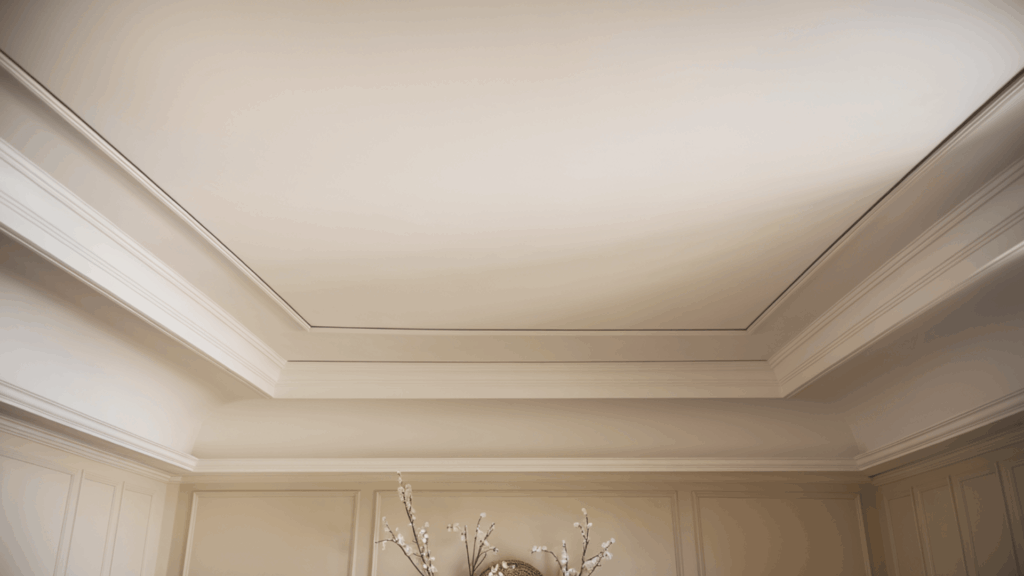
Flat paint is widely used on ceilings because it absorbs light rather than reflecting it. This quality helps keep roller marks, texture inconsistencies, and minor surface flaws from becoming visible under overhead lighting.
Since ceilings are rarely touched and do not need to be wiped down, the lower durability of flat paint is not a concern in this application. It delivers a clean, uniform appearance that works well across most ceiling types.
2. Low-Traffic Rooms

Adult bedrooms, guest rooms, and quiet sitting spaces see very little daily contact with walls. In these areas, flat paint performs well because the conditions do not demand a finish with high durability or easy washability.
The soft, matte appearance that flat paint provides also suits the calm tone of these spaces. It creates a smooth visual finish without drawing attention to the surface, which tends to complement relaxed and understated room settings.
3. Walls with Imperfections

Walls that have visible dents, patched areas, or uneven texture benefit from a flat finish. Because flat paint absorbs light evenly across the surface, it reduces how much attention those problem areas attract.
This makes it a good option in older homes or rooms that have undergone repairs. It covers surface-level flaws without requiring extensive prep work before painting. without requiring extensive prep work before painting.
Eggshell Paint
Eggshell paint is better for areas that need a balance between appearance and durability.
1. Living and Dining Rooms
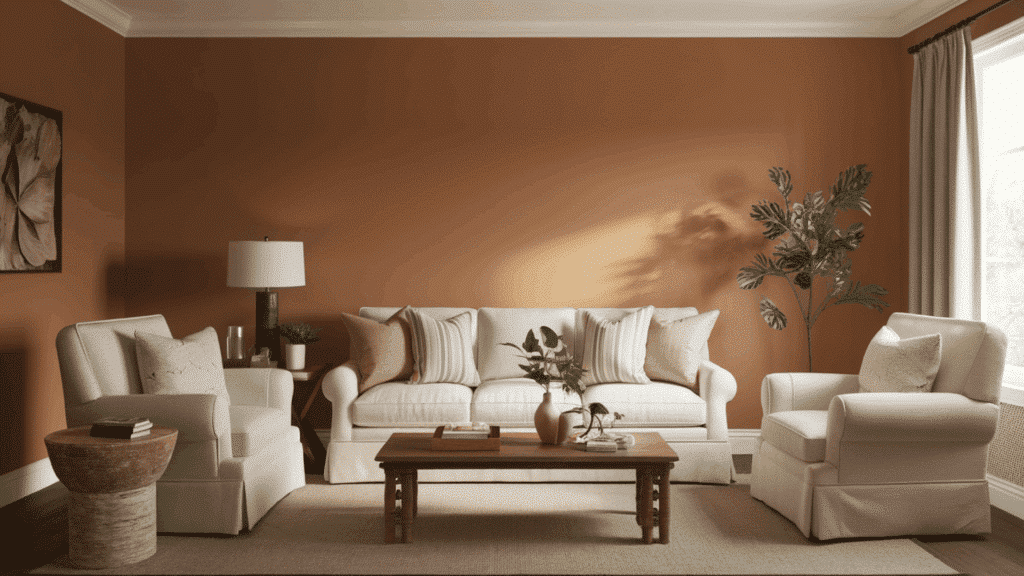
Living rooms and dining rooms are used consistently throughout the day. These spaces need a finish that can handle regular activity while still looking presentable over time.
Eggshell paint offers that balance well. Its low sheen adds a subtle warmth to the walls, and its durability means it holds up consistently in spaces that see daily activity without needing frequent touch-ups.
2. Hallways
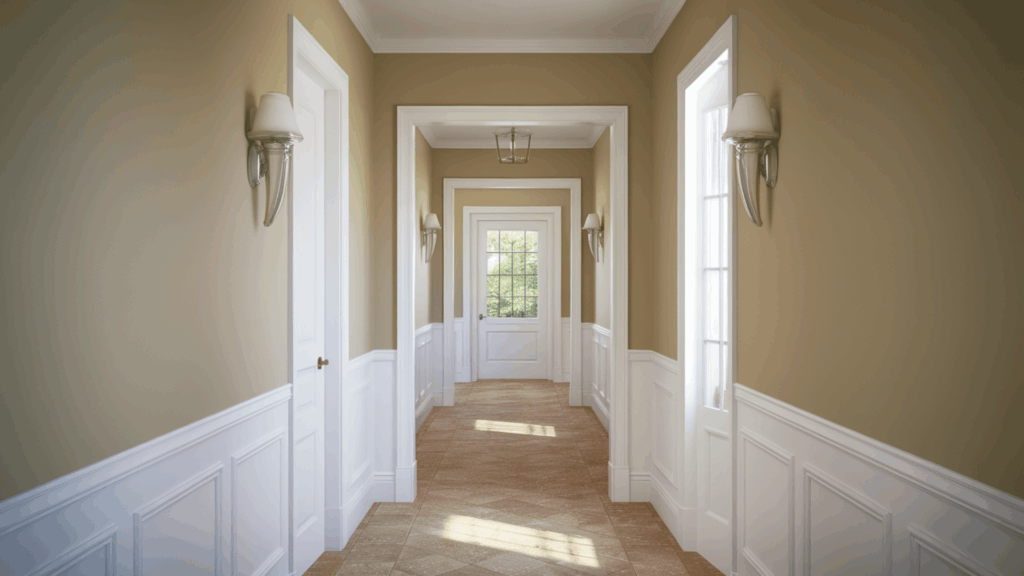
Hallways and shared family spaces tend to have more wall contact than most other rooms. Scuffs, brushing, and general wear are common in these areas, making finish durability an important factor.
Eggshell paint is a good choice here because it resists surface damage better than flat paint. It stays cleaner longer in busy spaces and reduces the need for touch-ups or full repainting.
3. Walls that Need Occasional Cleaning
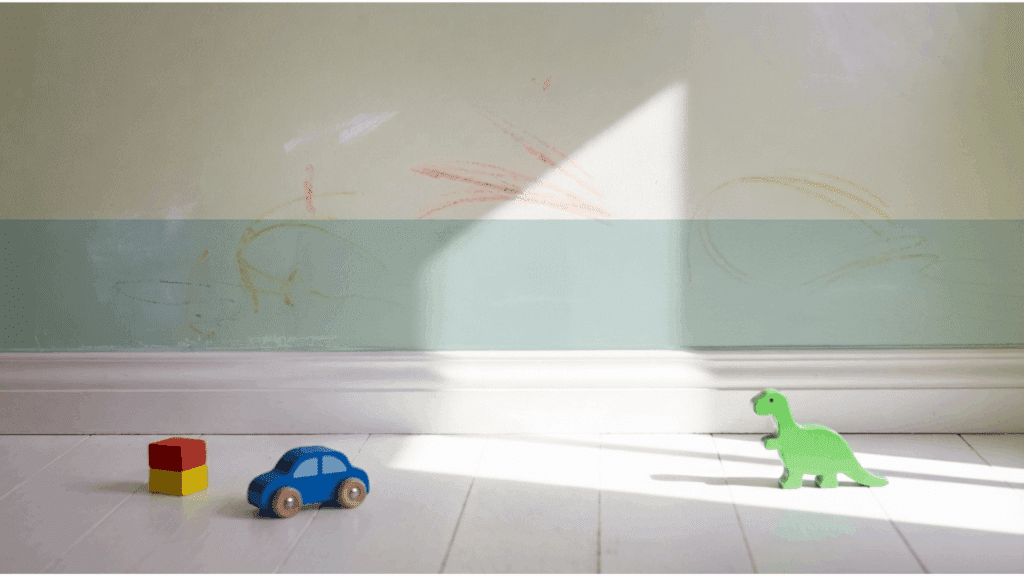
Some rooms regularly collect fingerprints, light stains, or other marks. In these spaces, having a finish that can be wiped down without damage makes a noticeable difference in how easy the walls are to maintain.
Eggshell paint allows for light cleaning with a damp cloth without breaking down the surface. This makes it a practical choice for children’s spaces, kitchen-adjacent walls, or any room where wall marks are common.
Eggshell vs. Flat Paint: How to Choose
The right paint finish depends on several practical factors beyond sheen and color alone. The table below compares both finishes across key factors to make the decision easier.
| Factor | Flat Paint | Eggshell Paint |
|---|---|---|
| Wall Condition | Works better for hiding dents and uneven patches | May highlight imperfections if the walls are not smooth |
| Traffic Level | Suitable for low-traffic areas | Better for moderate-traffic rooms |
| Cleaning Needs | Harder to clean without leaving marks | Allows light wiping and easy maintenance |
| Light Reflection | Absorbs light and reduces glare | Slight reflection adds a soft finish |
| Cost | Generally slightly cheaper per gallon | Costs a bit more but offers better long-term value |
| Best Use | Ceilings and quiet spaces | Most interior living spaces |
| Overall Verdict | Best reserved for ceilings and walls with visible imperfections, where hiding flaws matters more than durability | The more practical and reliable choice for most interior spaces due to better durability and easier maintenance |
Common Mistakes to Avoid When Choosing
Picking the wrong finish when deciding between flat and eggshell paint is an easy mistake to make, but knowing what to avoid can save time, money, and a lot of repainting. Look out for the following mistakes:
- Ignoring Room Function: Choosing a finish without considering how the space is used can lead to poor results. High-traffic areas need more durable finishes.
- Overlooking Cleaning Needs: Flat paint is harder to clean, so using it in messy areas like kitchens or hallways can be impractical.
- Focusing Only on Appearance: Picking a finish based only on how it looks may cause issues with durability and maintenance later.
- Using the Same Finish Everywhere: Different rooms have different needs, so one finish doesn’t work well for the entire house.
- Not Testing Before Applying: Skipping sample tests can lead to unexpected results once the paint is on the wall.
- Ignoring Lighting Conditions: Light affects how paint looks, so not checking finishes in different lighting can impact the final outcome.
Conclusion
Flat and eggshell paint each has a clear place in interior painting, and neither finish is universally better than the other. The right choice depends on your space rather than one being better overall.
When it comes to flat vs eggshell paint, flat paint holds its own on ceilings and walls with visible imperfections, whereas eggshell paint is the more practical option for living spaces that are regularly used.
If you’re unsure which to choose, consider how often the room is used and the condition of your walls. These two factors will help you select the most suitable finish.

Millie Anderson, a graduate of Textile Design from the Fashion Institute of Technology, has carved her name in fabric and material finishes for over 16 years. Her career took flight in a renowned textile manufacturing company, where she mastered combining textures and patterns. Millie joined our team in 2018, becoming a cornerstone for readers interested in the latest trends in textiles. Since then, she has been the lead editor for our home decor fabrics section, blending her deep knowledge of materials with a flair for contemporary design. Beyond her professional achievements, Millie is an enthusiastic quilter and often participates in community arts and crafts workshops, further nurturing her passion for fabrics and design.