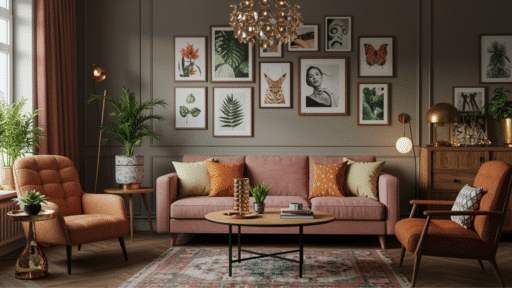
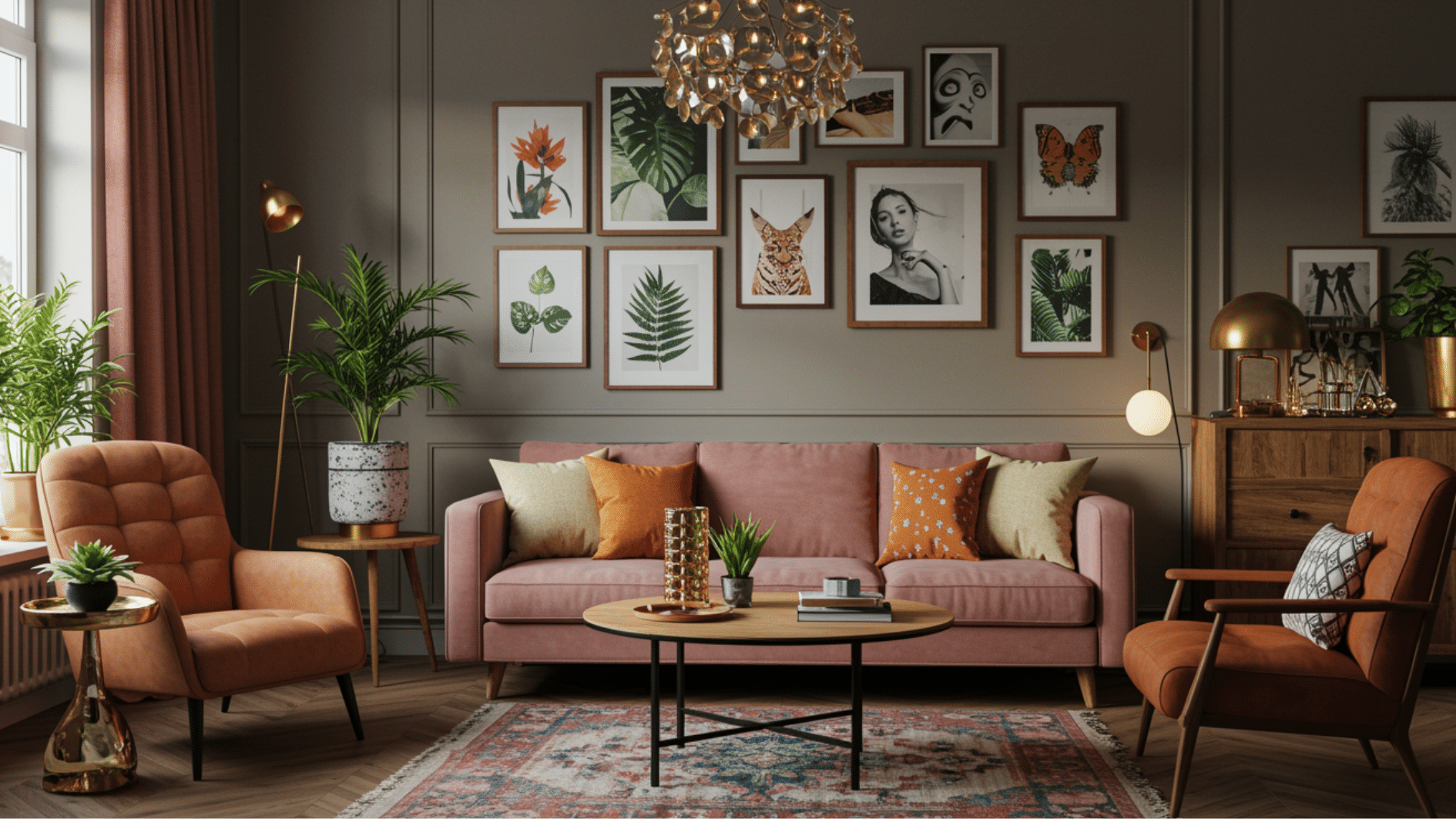

Your home doesn’t have to follow one fixed style to look good.
In fact, some of the most interesting spaces come from mixing different ideas, textures, and pieces that don’t usually go together at first glance.
That’s where things get fun – but also a little tricky. It’s easy to end up with a space that feels cluttered instead of well put together. The key is knowing how to mix things in a way that still feels balanced and intentional.
This blog will walk you through simple ideas, practical tips, and creative ways to bring everything together without overthinking it.
What is Eclectic Interior Design?
Eclectic interior design is about bringing together different styles, textures, and elements into one space that still feels balanced.
Instead of sticking to a single theme, it allows you to combine pieces that reflect your taste while keeping the overall look cohesive.
Some of the key elements of Eclectic design are:
- A mix of furniture styles from different periods
- Layered textures like wood, fabric, metal, and glass
- Bold colors balanced with neutral tones
- Personal decor pieces that add character
- Contrast in design with a sense of visual connection
Eclectic interior design works well in modern homes because it gives you greater freedom to style your space. You don’t have to replace everything to match one theme, which makes it practical and budget-friendly.
It also allows your home to feel more personal, since you can include pieces that matter to you instead of following a fixed look.
Eclectic Interior Design Ideas for Your Home
These ideas will help you mix different elements in a way that feels intentional, balanced, and easy to pull off in your own space.
1. Mix Old and New Furniture
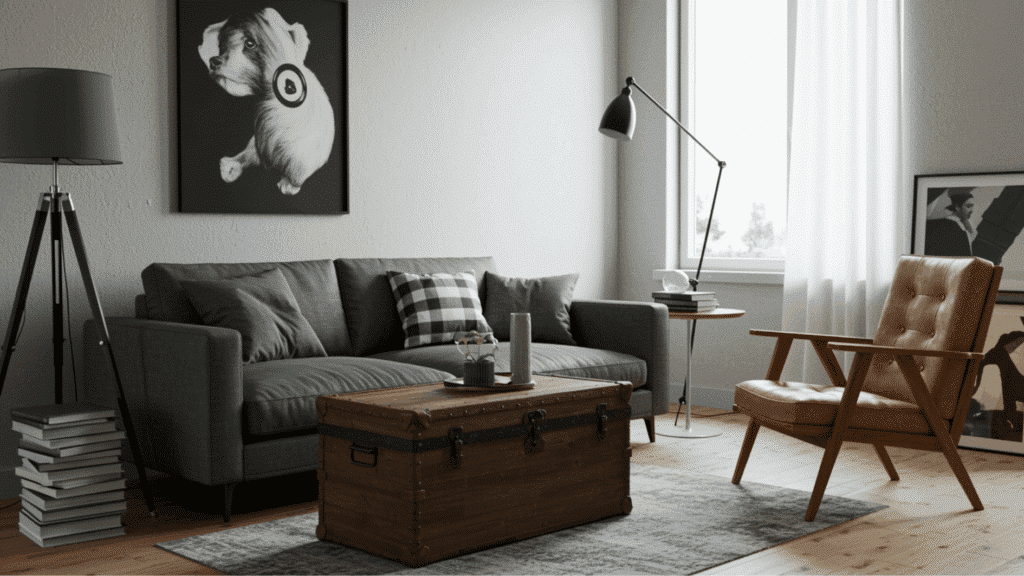
Pair modern furniture with vintage or antique pieces to create a contrast that feels natural instead of forced. A sleek sofa can sit alongside a carved wooden chair or an old trunk without looking out of place.
This combination adds depth and makes your space feel collected over time rather than bought all at once.
It also helps create a layered look that feels more lived-in. Keep at least one element like color, finish, or shape consistent so everything still connects.
2. Layer Different Textures
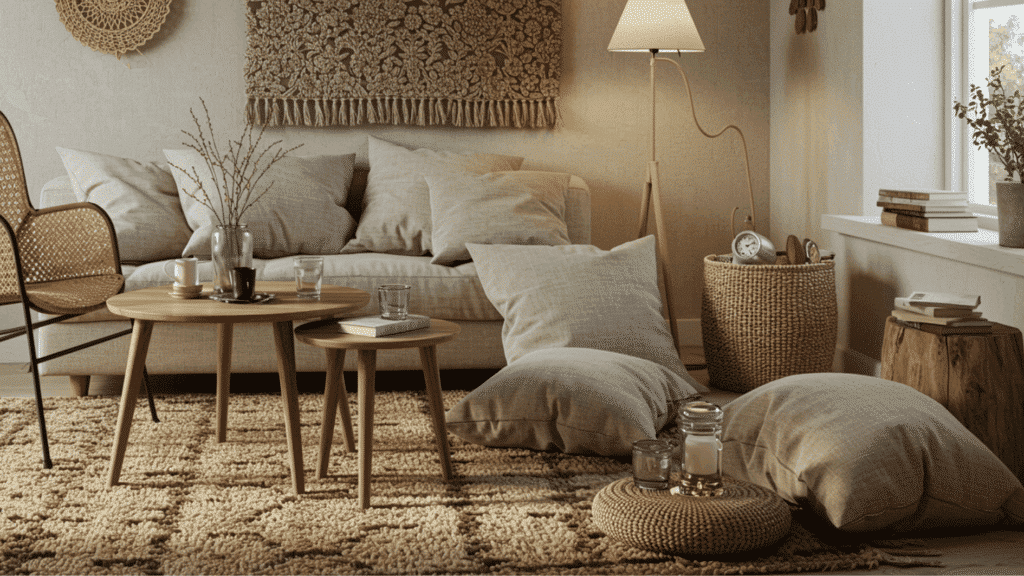
Use a mix of materials like wood, metal, glass, and fabric to add variety without relying only on color. Soft items like rugs, throws, and cushions can balance harder surfaces like tables or flooring.
This layering makes the space feel warm and comfortable while still visually interesting. It also helps avoid a flat or one-dimensional look. The key is to spread textures evenly, so no single material dominates the room.
3. Use a Bold Area Rug as a Base
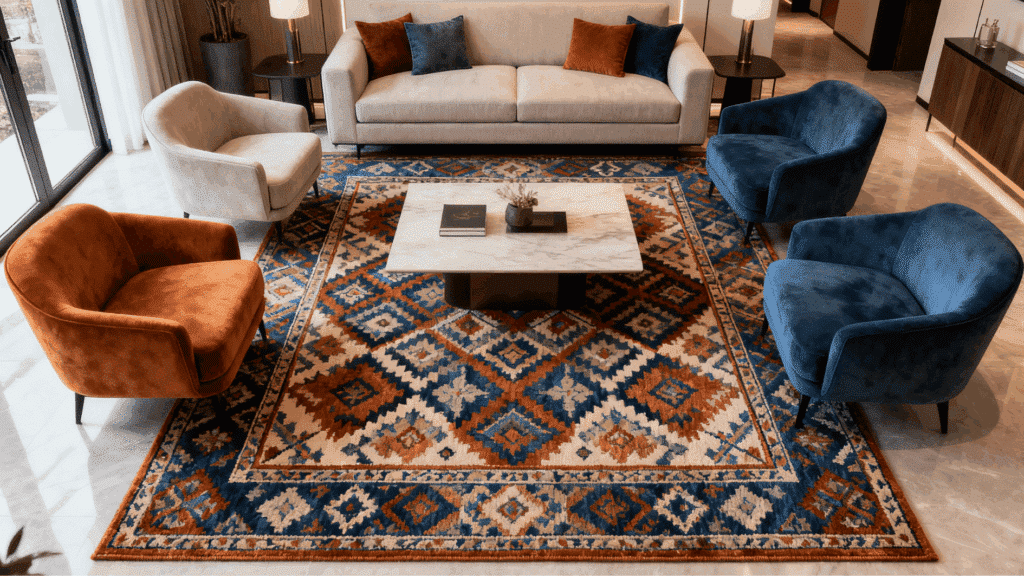
Start your design with a patterned or colorful rug to ground the entire space. A strong rug can guide your color choices for furniture and decor. It also helps define the area, especially in open layouts.
Pulling shades from the rug into other elements keeps everything feeling connected. This approach makes it easier to mix different styles without losing balance.
4. Create a Gallery Wall with Variety
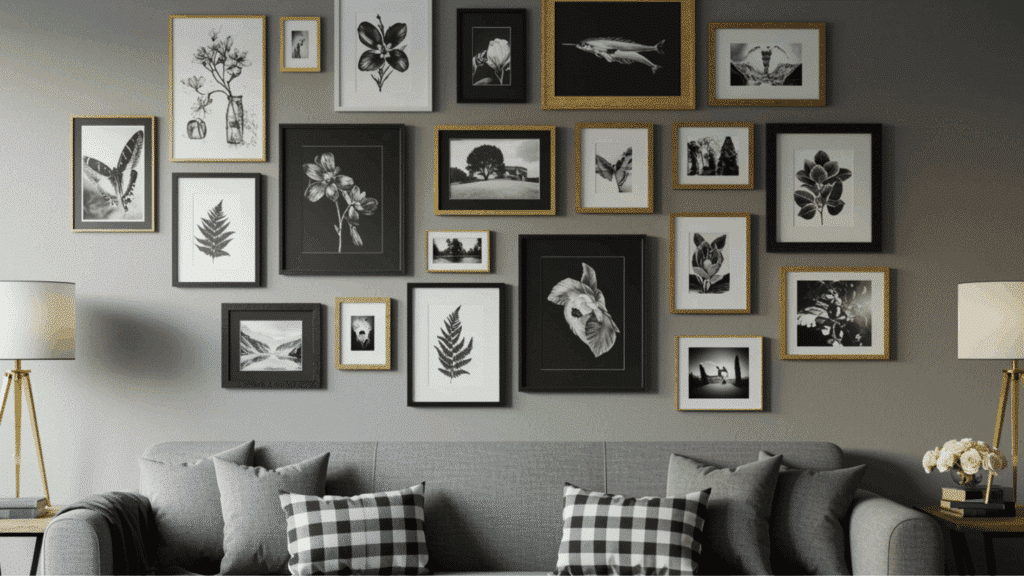
Combine artwork, photos, and prints in different sizes and frames to create a relaxed display. Avoid making everything match, as slight differences add character.
Focus on spacing and arrangement to make the wall feel intentional rather than scattered. This setup can become a central feature in the room. It also allows you to update or add pieces over time without redoing everything.
5. Combine Multiple Patterns Carefully
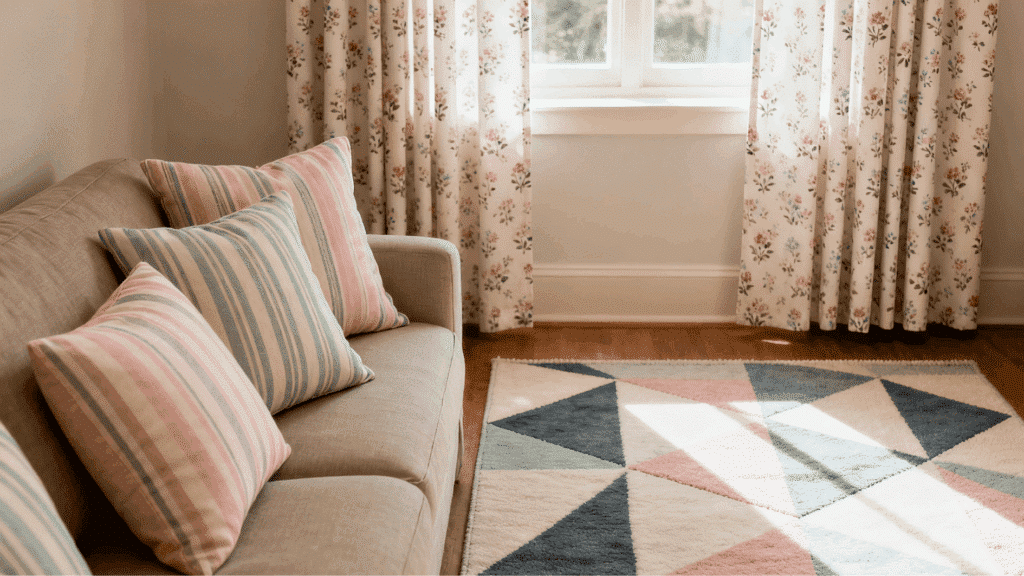
Mix patterns like stripes, florals, and geometric prints to bring energy into the space. Keep a consistent color palette so the patterns don’t compete with each other.
Use larger patterns for larger items, like rugs or curtains, and smaller ones for accents, like cushions.
This creates a balanced look that feels lively but not overwhelming. Spacing patterns out across the room also helps maintain visual comfort.
6. Add Statement Lighting
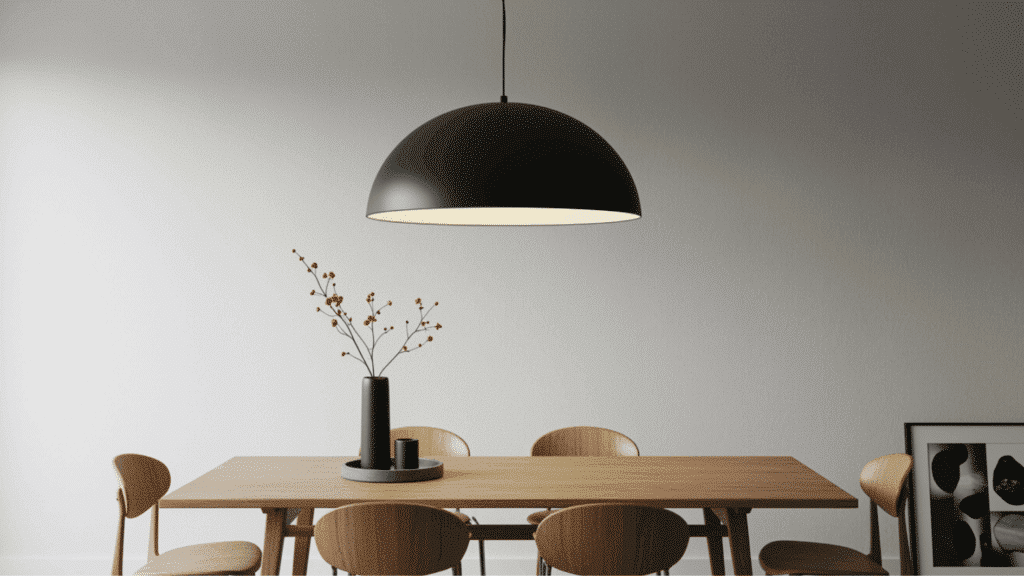
Choose lighting that stands out, such as a bold pendant light or an eye-catching lamp. It can serve as both a practical element and a design feature.
Even a simple room can feel more complete with the right lighting choice. Statement lighting helps draw attention and adds structure to the space. It also balances other design elements by creating a focal point above eye level.
7. Mix Different Wood Finishes
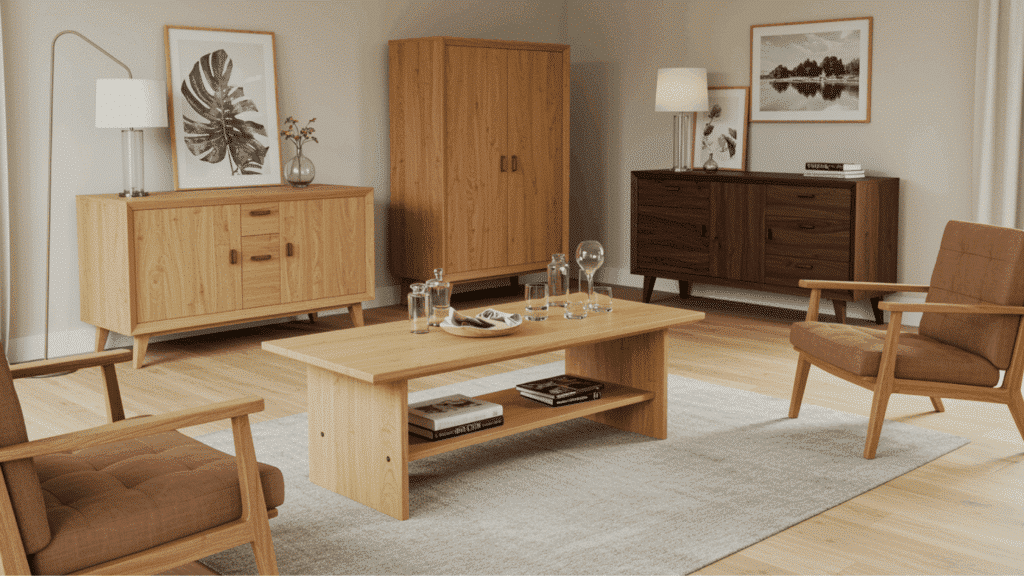
Use different wood tones instead of sticking to one shade throughout the room. Combining light and dark finishes creates contrast and prevents the space from feeling too uniform.
This approach makes the design feel more natural and less staged. To keep things cohesive, repeat each wood tone at least twice.
8. Use Books as Decor Elements
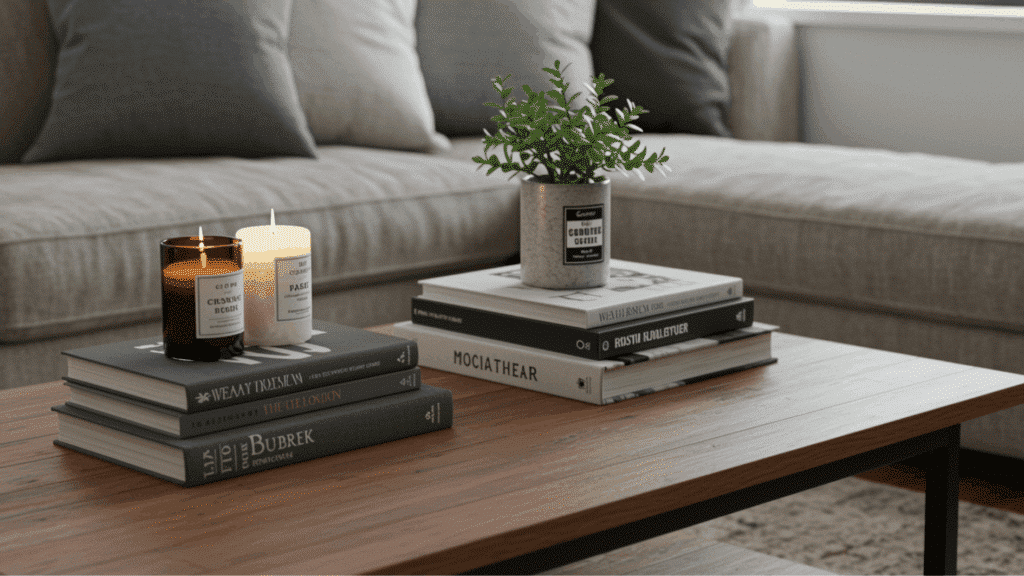
Books can serve both a functional and a decorative purpose in your home. Stack them on coffee tables, shelves, or even the floor to add layers.
Their colors and sizes bring subtle variety into the space. Pair them with small decor items like candles or plants for a styled look.
This method makes your space feel personal and relaxed without much effort.
9. Incorporate Global Decor Pieces
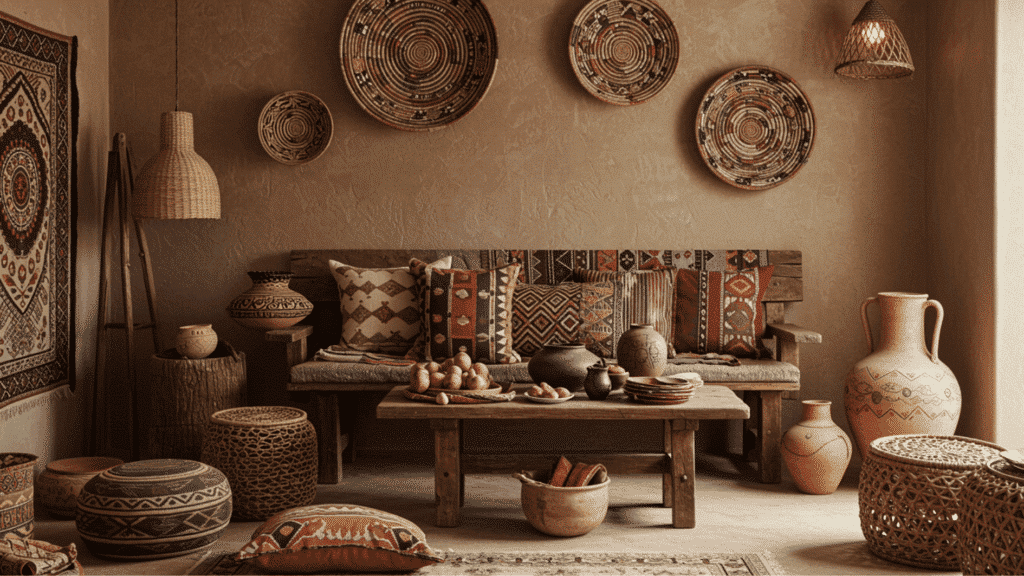
Add items such as woven baskets, textiles, or handcrafted decor from various cultures. These pieces bring uniqueness and depth into your home.
They also help break the uniform look of store-bought decor. Use them in small doses so they stand out without taking over the room.
10. Play with Wall Colors
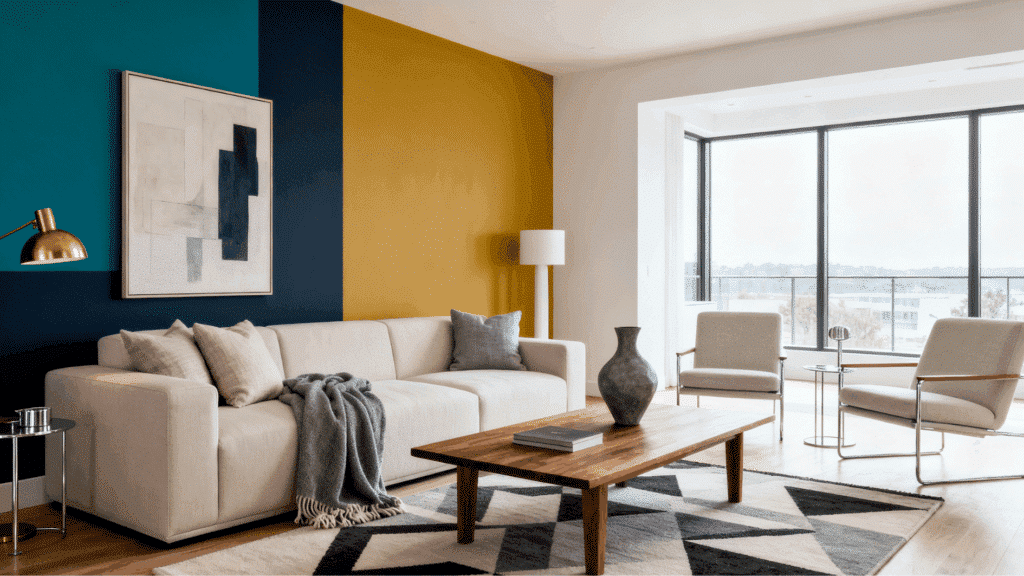
Use bold paint on one wall or in small sections to create contrast. This adds interest without overwhelming the entire room. You can pair strong wall colors with neutral furniture to keep things grounded.
It’s also a simple way to update your space without changing everything else. Repeating the wall color in small decor pieces helps maintain consistency.
11. Mix Metal Finishes
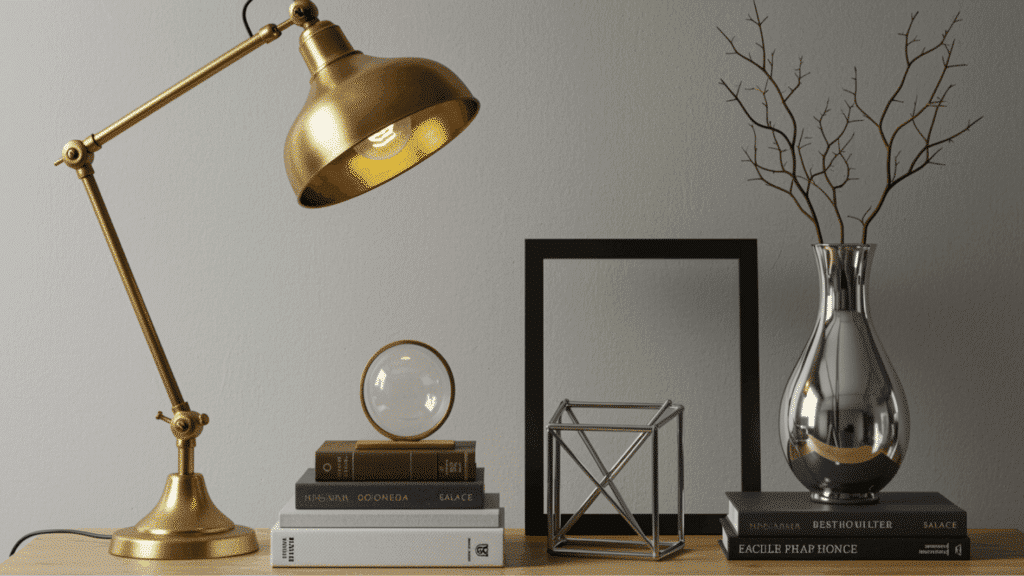
Combine metals like brass, chrome, and matte black in one space. This adds subtle contrast and keeps the design from feeling too uniform.
Use these finishes in lighting, hardware, or small decor pieces. Repeating each metal at least twice helps create balance.
12. Use Unexpected Furniture Pairings
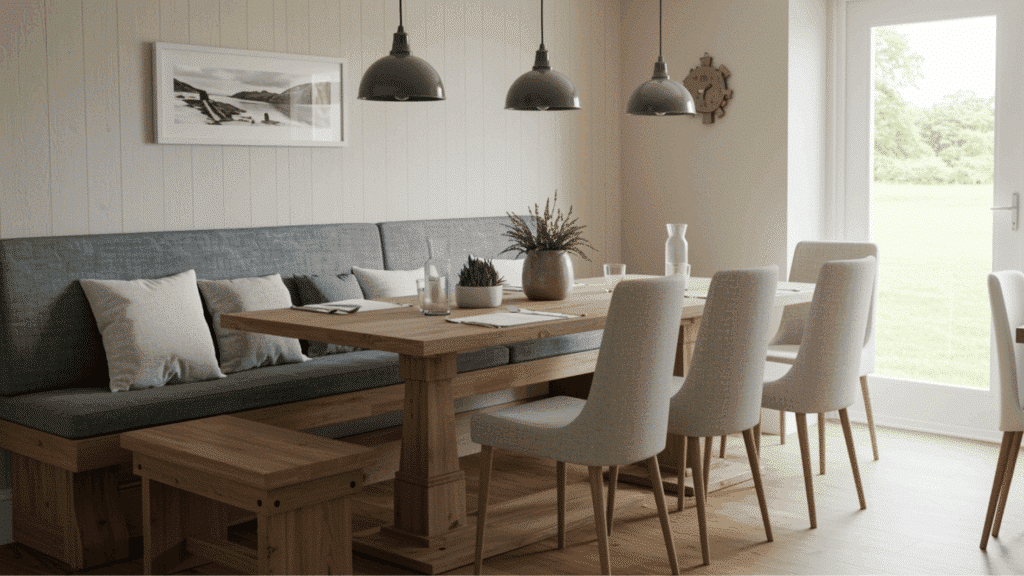
Try placing furniture together in ways that aren’t commonly seen.
For example, a bench can replace traditional dining chairs, or a trunk can act as a coffee table.
These combinations make the space feel more creative and less predictable. Keep proportions in mind so everything still fits comfortably.
13. Add Plants for Natural Balance
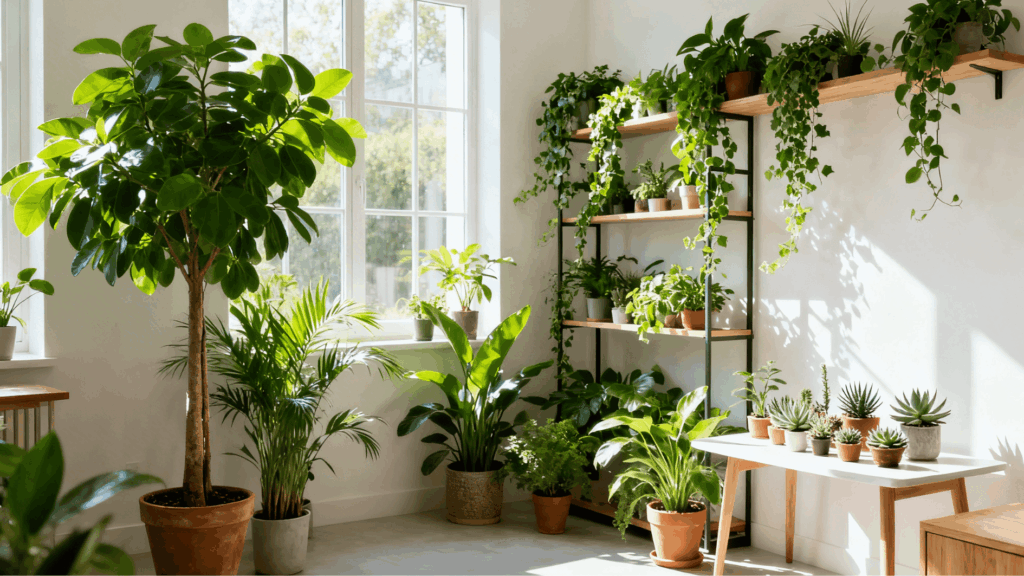
Plants bring a fresh element that softens mixed materials and colors. They help break up heavier furniture and add a sense of calm. Use different sizes and types to create variety.
Placing them at different heights adds depth to the room. This simple addition makes the space feel more complete and inviting.
14. Display Personal Collections
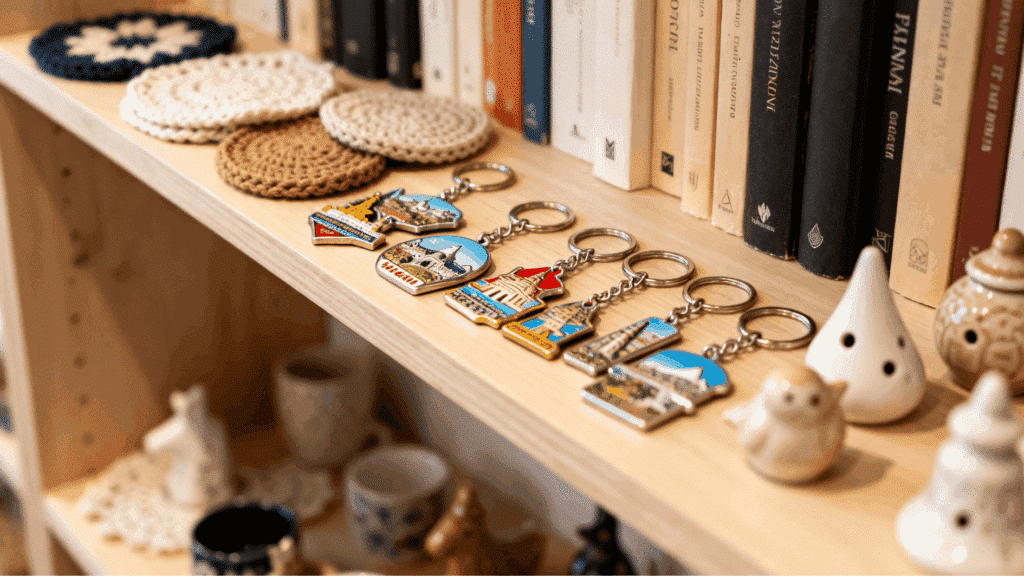
Showcase items like souvenirs, books, or handmade pieces that have meaning to you. This makes your space feel more personal and less generic. Group similar items together to keep things organized.
Avoid spreading them all over the room, as that can feel cluttered. A focused display helps highlight what matters most.
15. Use Open Shelving for Layering
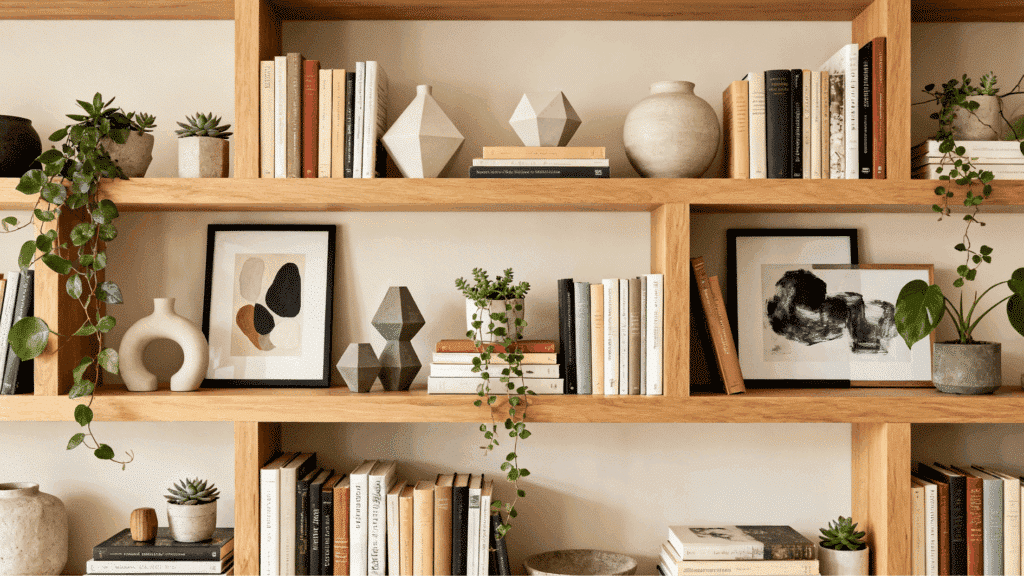
Open shelves give you the chance to mix different decor items in one place without making the room feel heavy.
Varying heights, shapes, and spacing help the setup feel relaxed instead of overly styled. This kind of arrangement adds depth to your space while keeping everything easy to access.
It also works well in smaller rooms since it doesn’t take up floor space. Another benefit is flexibility – you can switch items around, add new pieces, or remove things over time without much effort.
16. Try Mismatched Seating
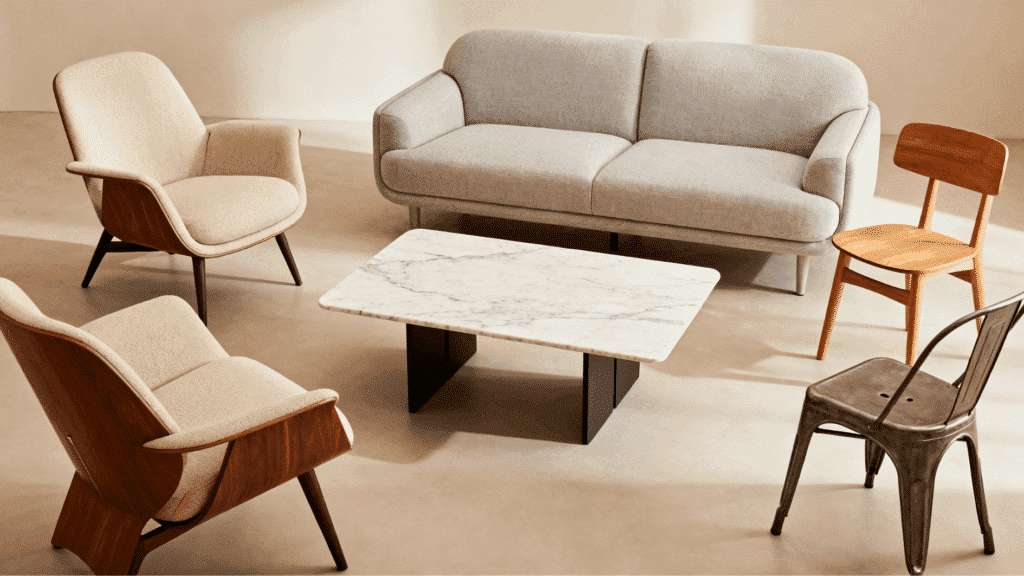
Use different chairs around a table or in a seating area for a relaxed look. This adds variety without needing extra decoration.
Keep a common detail like color or material to tie them together. It helps the mix feel intentional rather than random. This approach works well in both casual and formal spaces.
17. Add Mirrors with Unique Frames
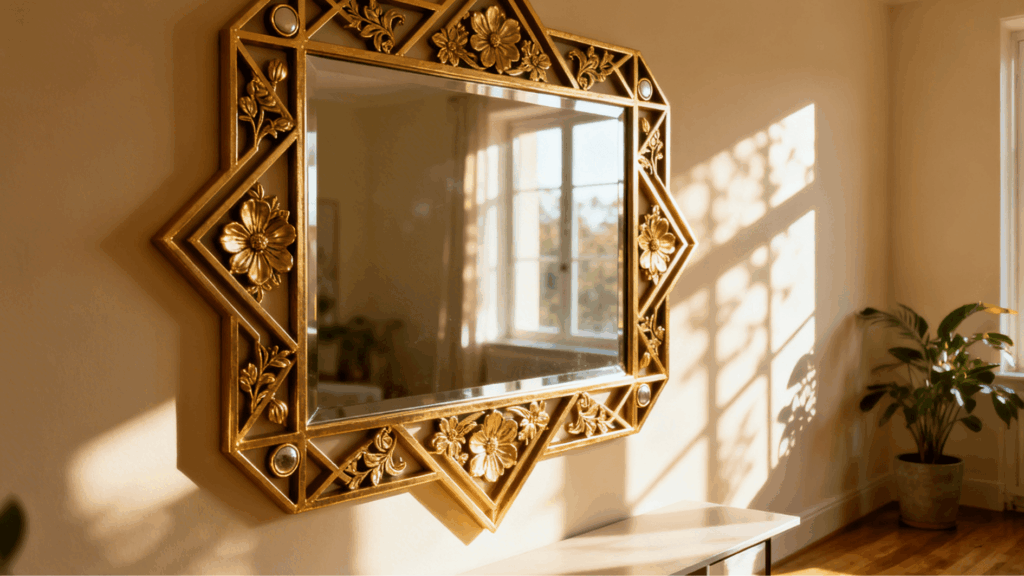
Choose mirrors with bold or unusual frames to act as statement pieces. They serve both functional and decorative purposes.
Mirrors also reflect light, making the room feel brighter and more open. Placing them across from windows can increase natural light. This adds depth without adding clutter.
18. Use Layered Lighting
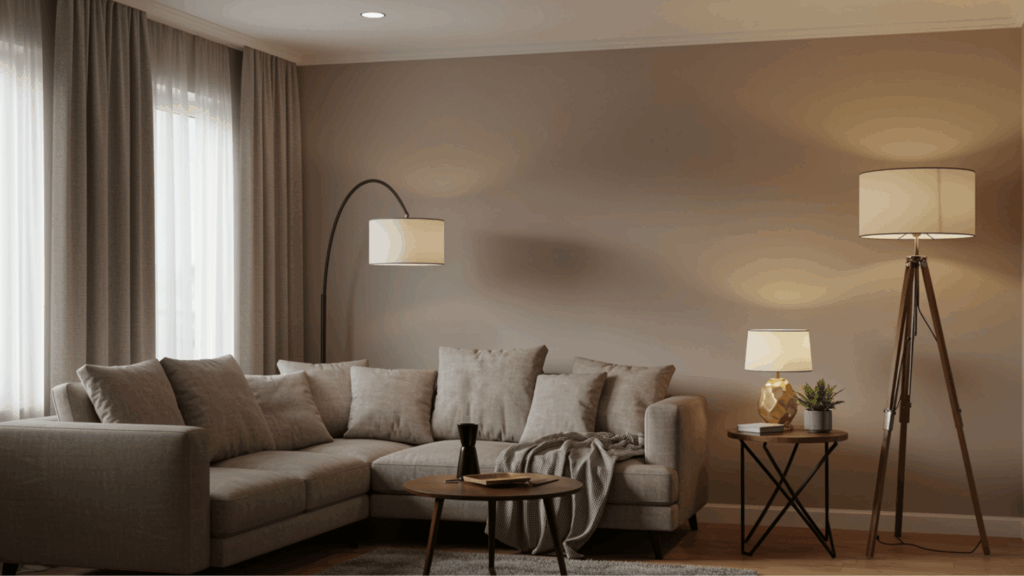
Combine ceiling lights, floor lamps, and table lamps to create a balanced setup. Different light sources make the room feel more complete and functional.
They also help set different moods depending on the time of day. Spread lighting across the space rather than relying on a single source. This creates depth and avoids harsh shadows.
19. Mix Minimal and Detailed Pieces
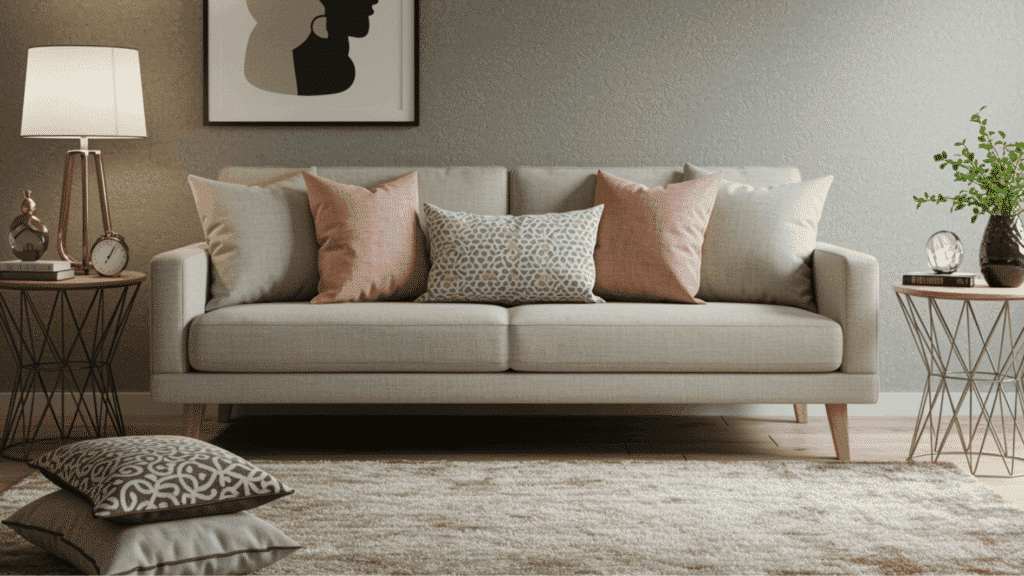
Pair simple furniture with more detailed decor to create contrast. This keeps the space from feeling too heavy or overly styled. It also helps certain pieces stand out more.
Balancing clean lines with textured or patterned items adds interest. This mix makes the design feel thoughtful and well planned.
20. Add One Oversized Art Piece
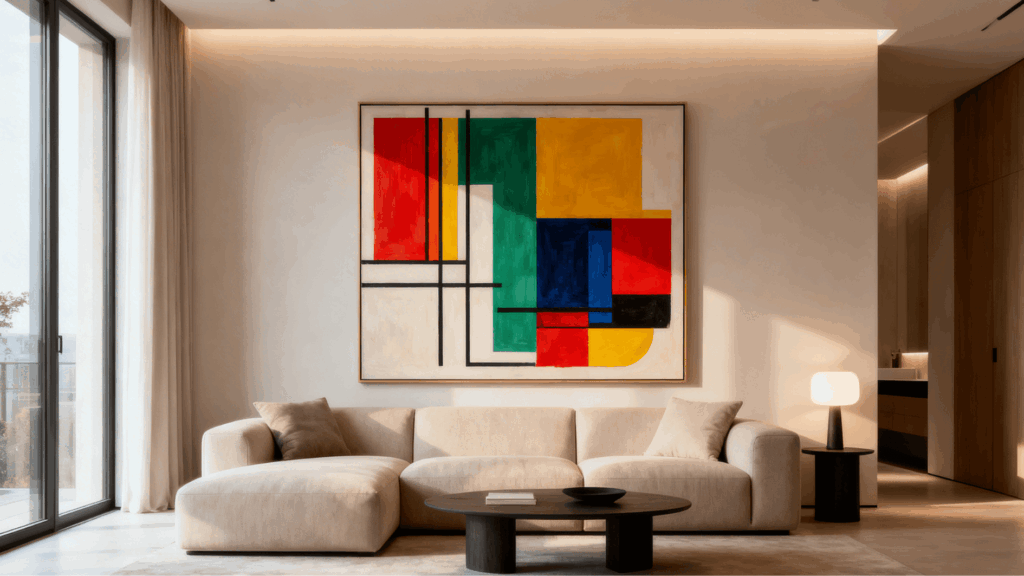
A large artwork can anchor the entire room and instantly draw attention. It sets the tone for the rest of the decor.
You can keep the surrounding elements more subtle to let it stand out. This reduces the need for too many smaller items. It’s an easy way to create a strong focal point.
21. Leave Some Space Empty
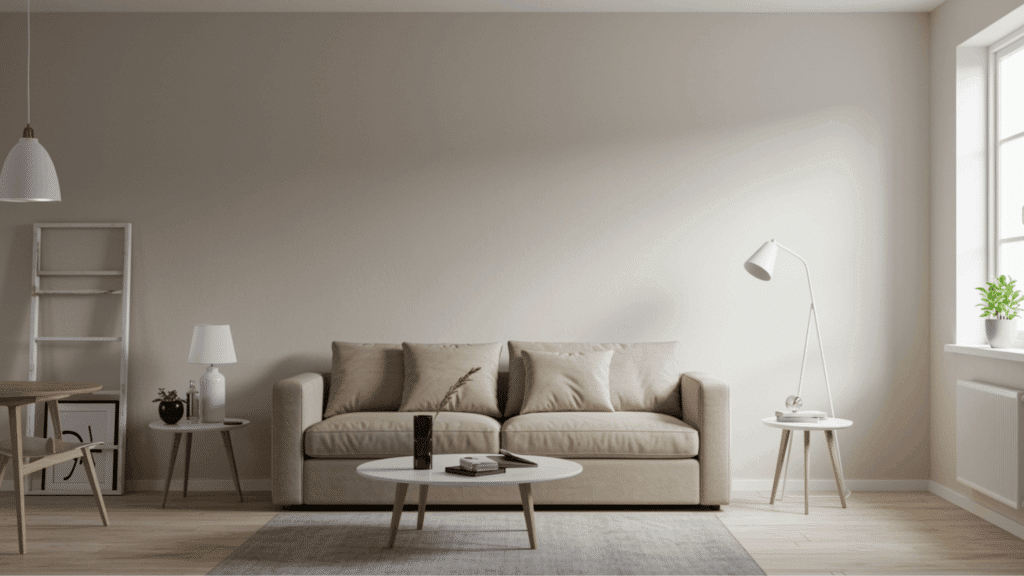
Not every area needs to be filled with decor or furniture. Empty space helps the room feel calm and organized. It also makes your key pieces stand out more clearly.
Leaving some areas open prevents the space from feeling crowded. This simple step can make a big difference in overall balance.
Rules that Keep Eclectic Design from Looking Messy
Eclectic spaces may look effortless, but a few simple rules can make all the difference in keeping everything balanced and easy on the eyes.
| Rule | What To Do | Why It Matters |
|---|---|---|
| Stick to a Color Base | Choose 2–3 main colors and repeat them across the space | Keeps everything connected and prevents visual clutter |
| Balance Bold and Neutral Pieces | Pair statement items with simple elements | Stops the space from feeling overwhelming |
| Repeat Shapes and Materials | Use similar textures or forms in different areas | Creates a smooth and cohesive flow |
| Focus on One Statement Piece | Highlight one main item, like a sofa or artwork | Gives the room a clear focal point |
Tips on How to Start Your Eclectic Interior Design
Starting an eclectic space doesn’t have to feel overwhelming. Taking small steps makes the process easier and more enjoyable.
- Begin With One Room: Start with a single room instead of trying to update your entire home at once. This helps you focus and understand what works best. You can test ideas without feeling pressured to get everything perfect.
- Choose a Base Color Palette: Pick a few main colors that will guide your design choices. These colors will act as a foundation for everything else. Repeating them across furniture and decor keeps the space connected.
- Add One Statement Piece: Start with one standout item, such as a sofa, rug, or artwork. This piece will set the tone for the rest of the room. It gives you a clear starting point when adding other elements.
- Layer Decor Over Time: Avoid decorating everything at once. Add items gradually so you can see how they fit into the space. This helps prevent clutter and unnecessary purchases. It also allows your style to develop naturally. Over time, your space will feel more balanced and personal.
- Edit and Adjust as Needed: Take a step back and review your space regularly. Remove items that don’t fit or feel out of place. Rearranging small things can make a big difference. This process helps refine your design without having to start over.
Conclusion
Eclectic interior design gives you the freedom to create a space that truly reflects your taste without being limited to one style.
Starting with a simple base makes the process easier. From there, you can add layers, experiment with combinations, and slowly shape the space in a way that feels right to you.
Over time, your home begins to tell a story through the pieces you choose.
With the right mix of color, texture, and layout, you end up with a space that feels comfortable, personal, and thoughtfully put together.

With a Master in Architectural Studies from University of Pennysylvania, Marwa Haydar has pioneered living spaces since 2005. Her expertise, initially honed in a prestigious architectural firm, is evident in her approach to creating environments. Marwa became part of our team in 2019 and has since been a driving force in our home improvement section, known for her practical yet stylish solutions. She’s been spearheading our design workshops since then, infusing her passion for teaching into her work. In her leisure time, Marwa enjoys exploring historic architecture and is an enthusiastic pottery hobbyist, further enriching her understanding of form and texture.