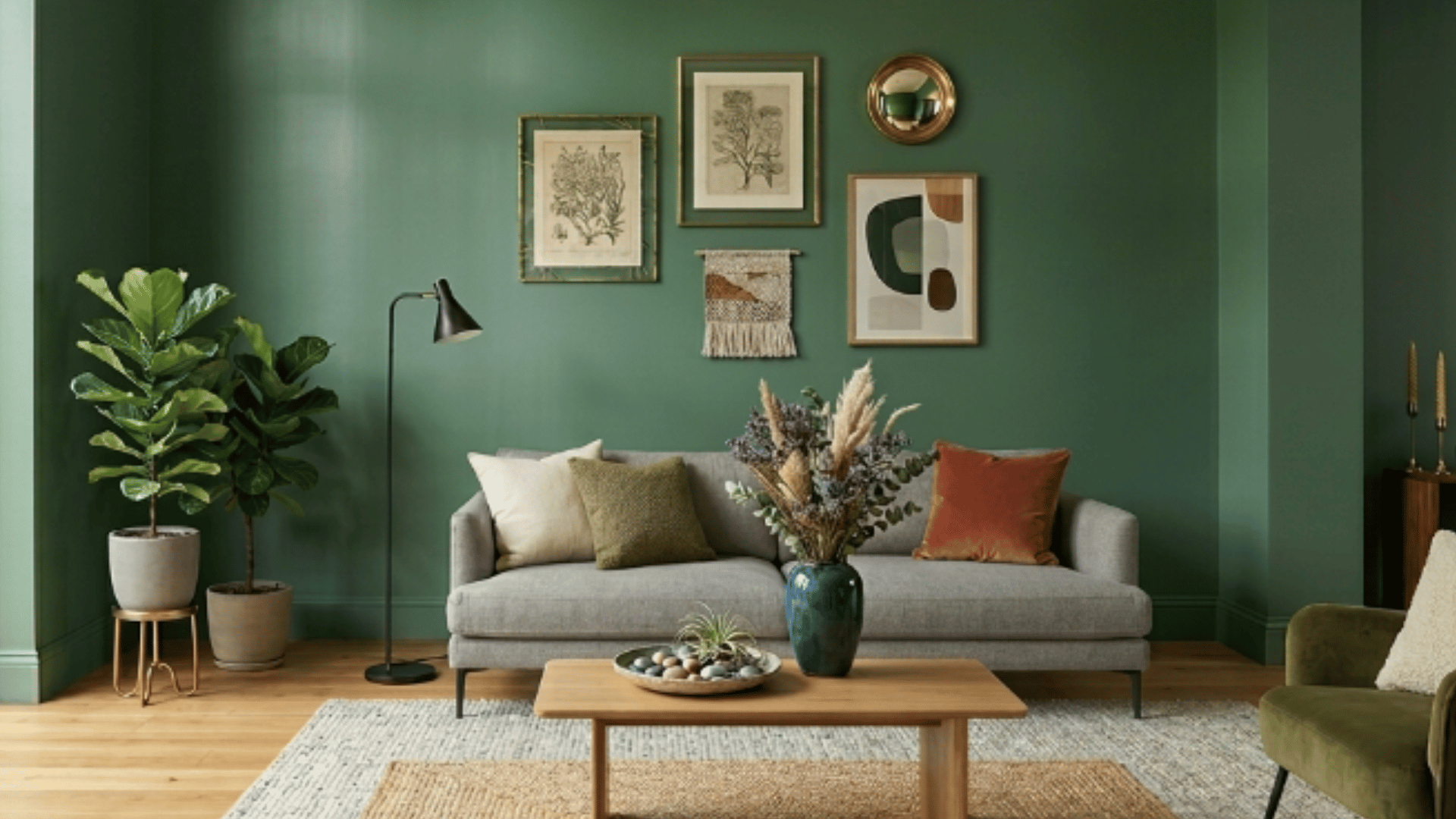

Paint does more than change a wall’s colour; the finish influences shine, durability, and how easily surfaces handle daily cleaning needs inside homes today.
Many people search for paint types before starting a project because each finish works better on certain surfaces in modern residential homes today and in the future.
Understanding common paint types helps avoid mistakes and makes it easier to pick a finish that fits both style and function perfectly for interior wall painting. This blog will help you make an informed decision. Let’s begin.
Why the Right Paint Type Matters?
Choosing the correct paint finish is important because different paint types perform differently depending on the surface, room usage, and cleaning needs.
- Durability in High-Traffic Areas: Certain types of paint withstand frequent contact better, helping walls and trim stay in good condition for longer.
- Easier Cleaning and Maintenance: Some finishes allow simple wiping and cleaning, making them practical for kitchens, hallways, and bathrooms.
- Better Appearance Over Time: The right finish helps walls maintain a consistent look without showing marks, smudges, or uneven patches for too long.
- Matching the Surface Condition: Paint finishes vary in how well they hide dents, patches, and wall imperfections, which affects the final wall appearance.
- Proper Function for Each Room: Using appropriate paint types for ceilings, walls, doors, and cabinets helps each area perform well in daily use.
Various Types of Paint for Your Home
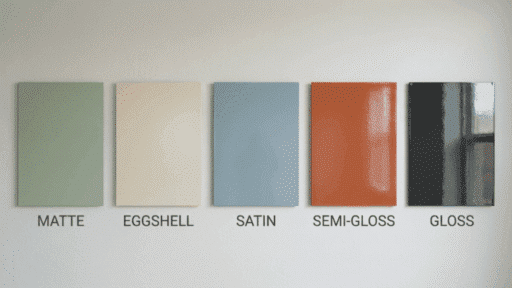
Paint finishes range from low shine to high shine. Lower sheen finishes hide surface marks better, while higher sheen finishes are easier to clean.
1. Flat Paint
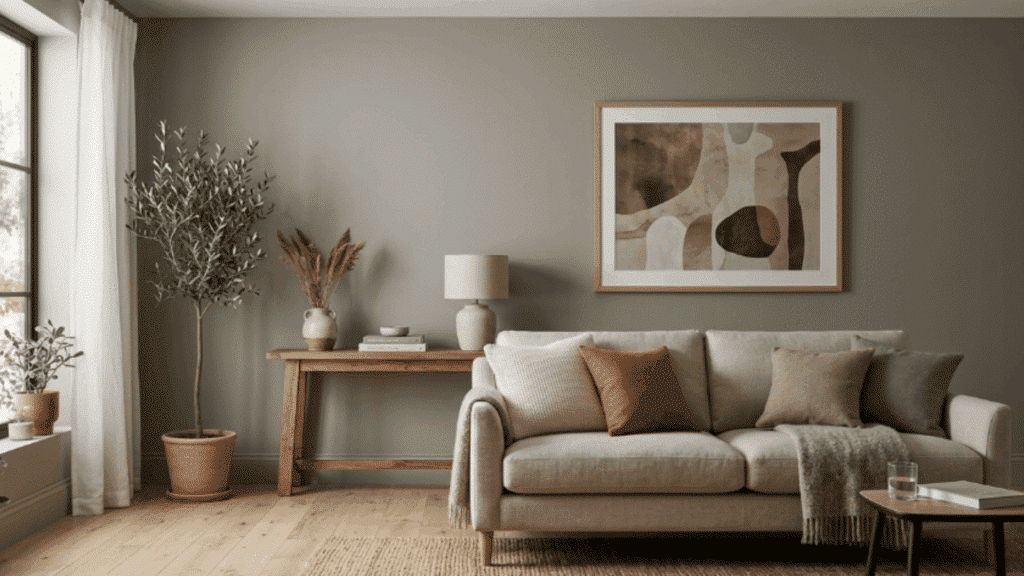
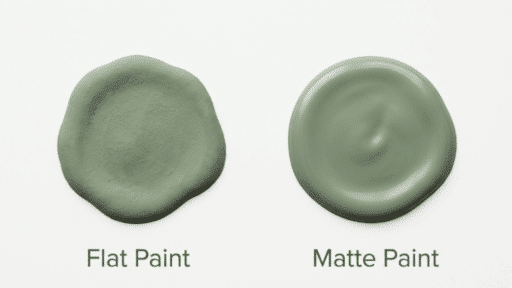
Flat paint has no shine and helps create a calm wall surface that hides small marks and uneven areas. This finish works well on uneven walls because the low sheen makes dents, patches, and surface repairs less noticeable.
Flat paint creates a gentle wall look that works well in quiet rooms where strong shine or reflection is unnecessary.
Best Uses:
- Ceilings: Flat paint is commonly used on ceilings because it reduces light reflection and helps hide small imperfections across large surfaces.
- Low-Traffic Rooms: Rooms with limited wall contact benefit from flat paint since it maintains a neat look without frequent cleaning.
- Older Walls with Marks or Patches: Flat finishes help cover minor repairs and surface inconsistencies, making older walls appear smoother after painting.
2. Matte Paint
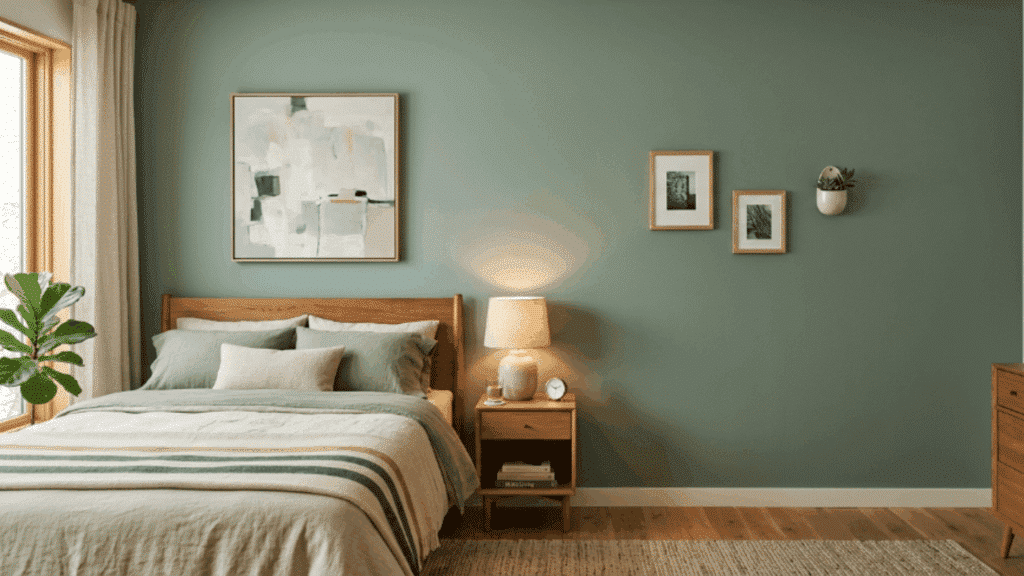
Matte paint offers a very low sheen while still providing a smooth, slightly stronger surface than flat paint. Matte paint has a low sheen, creating a smooth surface that looks neat without reflecting much light.
Compared with flat paint, matte finishes offer slightly better durability while still maintaining a calm, low-sheen wall appearance. It spreads evenly across surfaces, helping walls appear uniform while maintaining a soft, low-reflectance finish.
Best Uses:
- Bedrooms: Bedrooms benefit from matte paint because the finish keeps walls calm while maintaining a smooth and consistent painted surface.
- Dining Rooms: Matte finishes work well in dining rooms where a balanced wall appearance is preferred without strong shine.
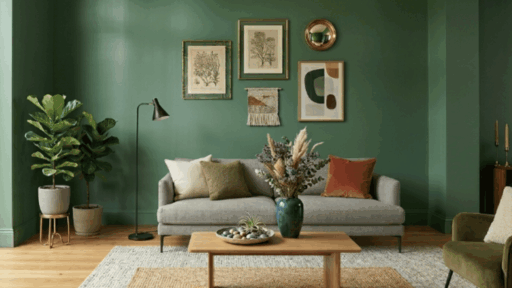
- Living Rooms: Living room walls often use matte paint because it offers better durability than flat paint while keeping a soft look.
3. Eggshell Paint
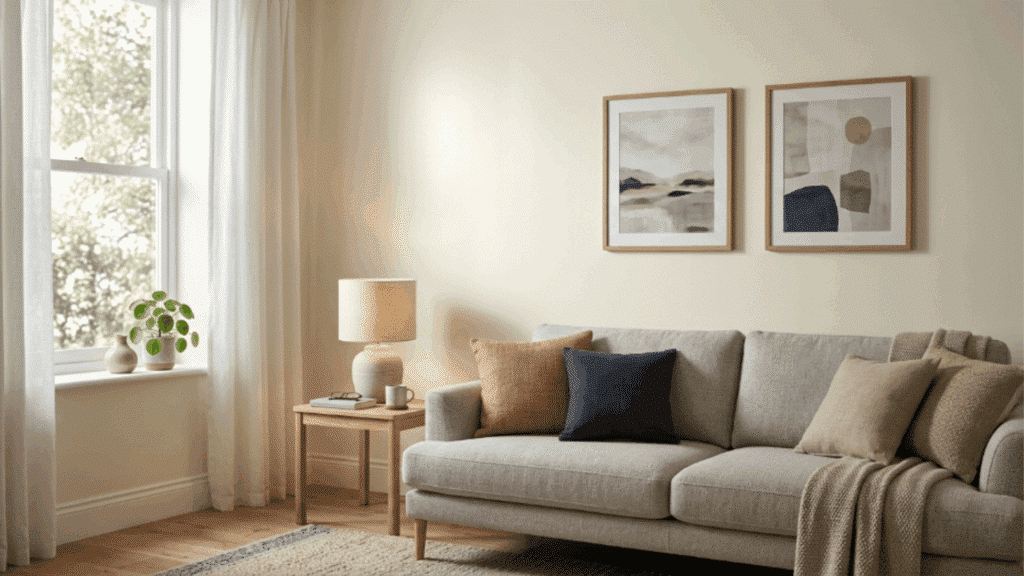
Eggshell paint reflects a small amount of light, creating a gentle glow that adds subtle brightness to interior walls.
This finish cleans up more easily than flat paint, making it suitable for rooms with moderate wall contact. It also offers both moderate durability and a pleasing wall look, making it popular for many interior painting projects.
Best Uses:
- Living Rooms: Eggshell paint works well in living rooms where walls need moderate durability while maintaining a soft and clean finish.
- Dining Rooms: Dining room walls often use eggshell paint because it balances durability and appearance without producing excessive wall shine.
- Hallways: Eggshell paint suits hallways because it tolerates occasional contact and cleaning while maintaining a smooth wall surface.
- Bedrooms: Bedrooms benefit from eggshell paint, as it provides a comfortable wall appearance while still allowing light cleaning.
4. Satin Paint
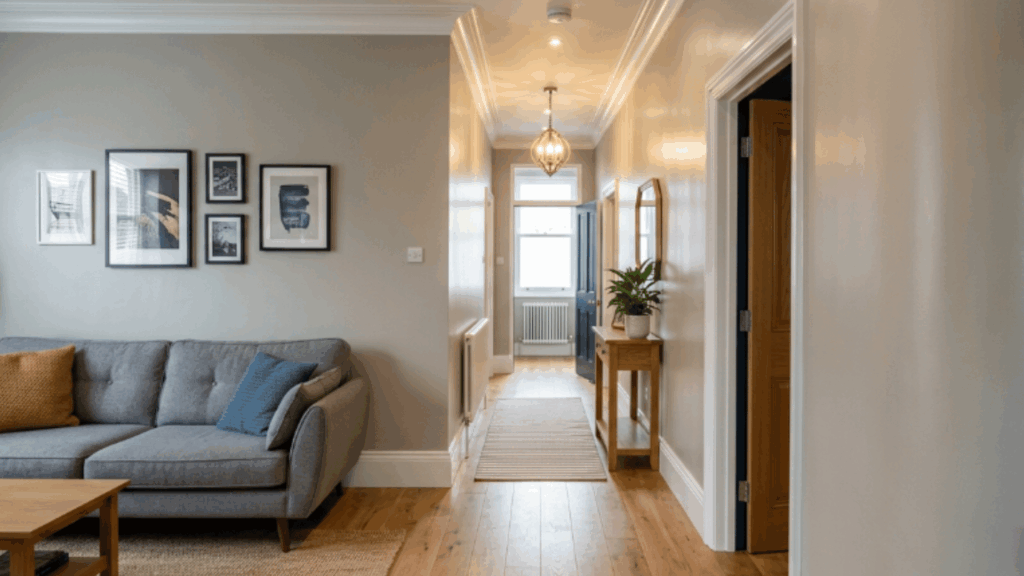
Satin paint reflects more light than eggshell finishes, giving walls and trim a slightly brighter surface appearance.
It offers improved durability, making it suitable for areas where walls are frequently touched. This finish spreads evenly across surfaces and forms a clean painted layer when applied carefully.
Best Uses:
- Windows: Window frames benefit from satin paint because the finish provides durability and makes cleaning easier.
- Doors: Doors painted with satin finishes hold up well to frequent use and regular surface contact.
- Trim: Trim surfaces often use satin paint because it provides durability while creating a noticeable surface sheen.
5. Semi-Gloss Paint
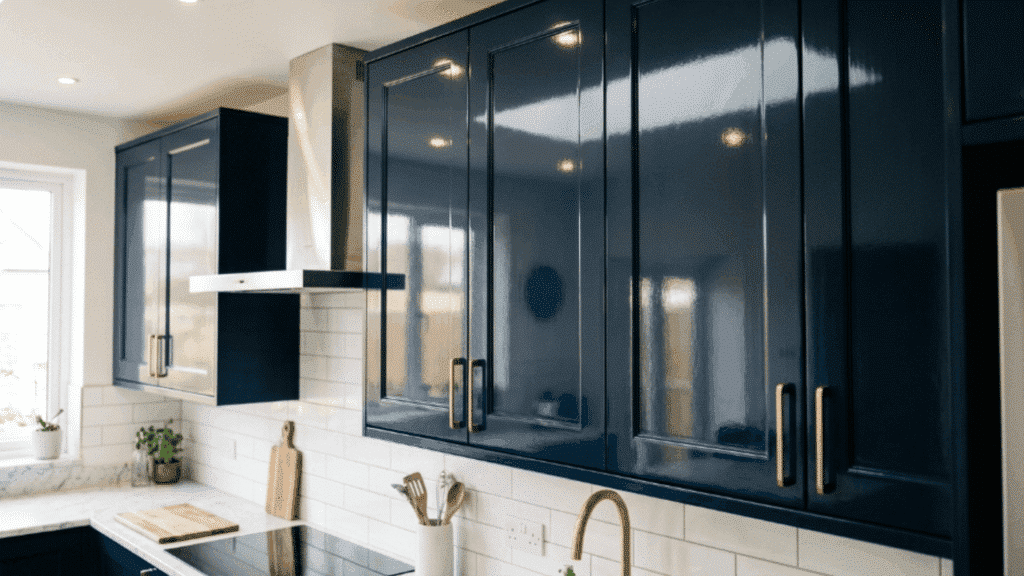
Semi-gloss paint has a reflective surface that provides strong durability and easy cleaning. It reflects noticeable light, producing a shiny finish that highlights trim and architectural details.
This paint type handles frequent cleaning and contact, making it useful in busy areas of a home. Semi-gloss surfaces allow easy wiping, helping remove stains, marks, and everyday dirt from painted areas.
Best Uses:
- Kitchen Cabinets: Semi-gloss paint is often used on cabinets because it resists stains and cleans easily.
- Trim and Molding: Trim and molding are often painted with semi-gloss paint to enhance durability and light reflection.
- Interior Doors: Interior doors benefit from semi-gloss finishes because the paint tolerates frequent use and cleaning.
- Bathrooms: Bathroom walls and trim are often painted with semi-gloss paint because it resists moisture and withstands regular cleaning.
6. High Gloss Paint
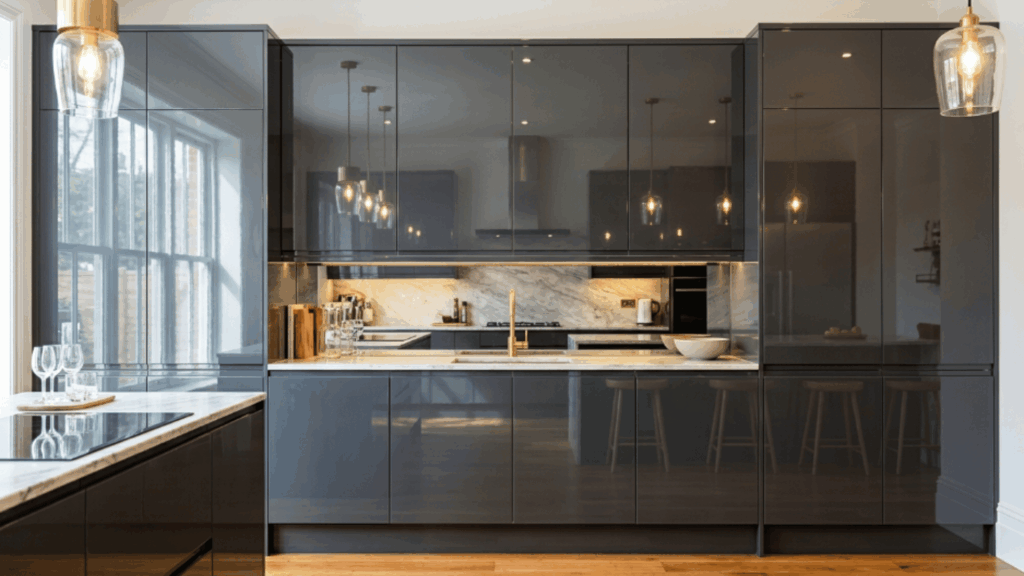
High gloss paint reflects significant light, producing a bright surface that draws attention to painted areas.
This finish provides strong resistance against stains and moisture, making it suitable for demanding surfaces. High-gloss surfaces make cleaning easy because the smooth finish prevents dirt from sticking.
Best Uses:
- Doors: High-gloss paint is often used on doors because the durable finish withstands regular contact and cleaning.
- Cabinets: Cabinets with high-gloss finishes resist stains and make cleaning easy in busy kitchens.
- Decorative Trim: Decorative trim can use high gloss paint to highlight details through strong light reflection.
- Furniture: Furniture surfaces may use high-gloss paint to provide durability and a bright, polished finish.
Quick Comparison of Paint Types
This quick comparison table helps readers understand key differences between common paint types, including shine level, durability, and ideal uses.
| Paint Finish | Shine Level | Durability | Best Use |
|---|---|---|---|
| Flat | No shine | Low | Ceilings |
| Matte | Very low | Medium | Bedrooms |
| Eggshell | Low | Medium | Living rooms |
| Satin | Medium-high | High | Doors |
| Semi-Gloss | High | High | Cabinets |
| High Gloss | Very high | Very high | Furniture |
How to Choose the Right Paint Type?
Choosing the right paint type makes a big difference in how your space looks and lasts over time. The right choice depends on the surface, location, and how much wear the area gets.
- Surface Type: Different surfaces like wood, drywall, or metal need specific paints. Using the right type ensures better adhesion and a smoother finish.
- Pick the Right Finish: Options like matte, satin, and gloss affect both look and durability. High-traffic areas usually need more durable finishes like satin or semi-gloss.
- Check for Moisture Exposure: Areas like kitchens and bathrooms need moisture-resistant or mildew-resistant paint. This helps prevent peeling and damage over time.
- Durability: Some paints are designed to handle scrubbing, stains, and daily wear. Choose durable paint for busy areas like hallways or living rooms.
- Indoor vs. outdoor paint: Exterior paints are made to handle weather, sunlight, and temperature changes. Interior paints focus more on finish and low odor.
- Drying Time and Odor: Low-VOC or quick-dry paints are better for indoor use. They make the process more comfortable and safer during application.
Conclusion
Understanding how finishes work helps people make smarter decisions when selecting paint types for different rooms, surfaces, and maintenance needs.
Each finish offers unique benefits, so choosing carefully ensures painted surfaces remain practical, clean, and visually consistent for everyday home use.
Taking time to compare paint types before starting a project can prevent mistakes and help achieve better, longer-lasting painting results.
Use this blog as a quick reference and choose finishes that match the needs of each space.

Millie Anderson, a graduate of Textile Design from the Fashion Institute of Technology, has carved her name in fabric and material finishes for over 16 years. Her career took flight in a renowned textile manufacturing company, where she mastered combining textures and patterns. Millie joined our team in 2018, becoming a cornerstone for readers interested in the latest trends in textiles. Since then, she has been the lead editor for our home decor fabrics section, blending her deep knowledge of materials with a flair for contemporary design. Beyond her professional achievements, Millie is an enthusiastic quilter and often participates in community arts and crafts workshops, further nurturing her passion for fabrics and design.