
In a world built around convenience, food has quietly become something we move through rather than experience. We reach for what’s easy, what lasts longer, what looks perfect on a shelf. It works, in a practical sense. But over time, something subtle gets lost. Flavor becomes secondary. Connection fades. Meals turn into a routine instead of something you actually notice.
And that’s where fresh ingredients begin to shift things back.
They slow the process down just enough to make you pay attention again. To the taste, to the texture, to where your food comes from, and what it took to get to your table. It’s a small change on the surface, but it reshapes the entire experience of eating in a way that feels surprisingly real.
The Quiet Power of Choosing Fresh
There is something quietly powerful about choosing fresh ingredients. It is not just about flavor or nutrition, though both matter. It is about connection. To the food itself. To the people who grew it. To the small, often overlooked moments that turn a simple meal into something meaningful.
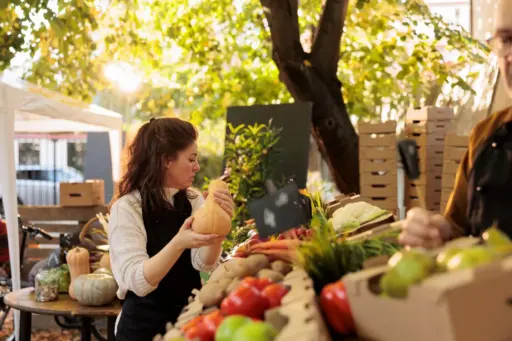
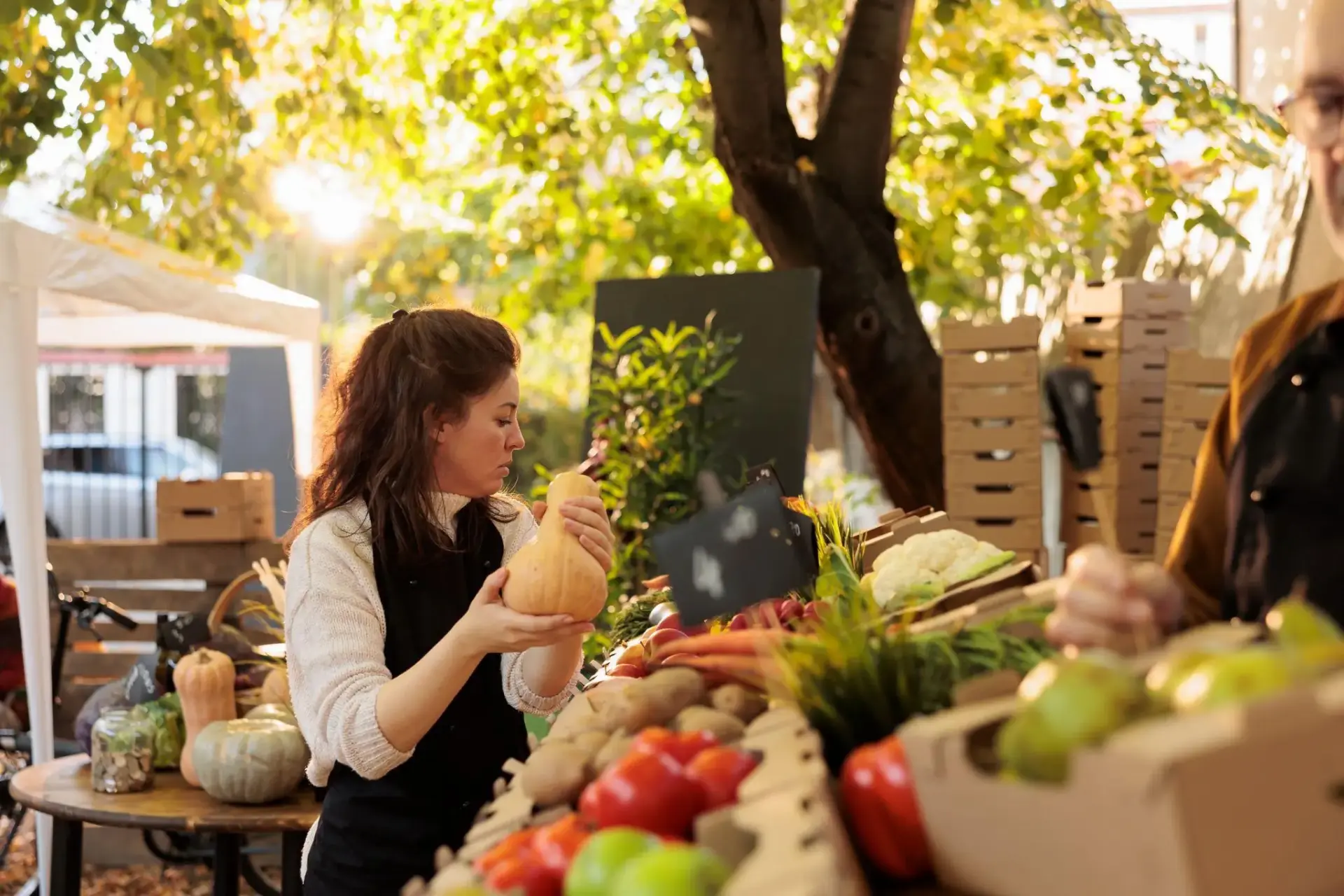
That becomes easier to notice in places like an Amish marketplace, where things move at a different pace. The colors feel more natural. The space feels calmer. You’re not just picking items off a shelf. You’re closer to the process behind them, even if only for a moment.
And that changes everything.
The Distance Between Food and Us
Most of us are used to convenience. Pre-packaged meals. Ingredients that have traveled across countries. Produce that looks perfect but tastes a little flat. It is efficient, yes. But it creates distance.
Food becomes something we consume rather than something we experience.
When ingredients travel long distances, they are often picked before they are ready. They are designed to last, not to taste. Over time, we adapt to that. We forget what a tomato is supposed to taste like when it is picked at the right moment. We forget that herbs can be vibrant, not just decorative.
That quiet loss builds slowly.
Fresh Ingredients, Real Flavor
Recent reflection on the matter has led me to the definite conclusion that fresh ingredients bring food back to life. A carrot pulled fresh from the earth is incredibly sweet, and doesn’t need any added sugar to bring out its flavor. A loaf of hot bread is wonderful. It is hot, fresh from the oven, with texture and depth of flavor that even the stalest, most similar-looking rye bread cannot match. We have been enjoying a harvest of fresh produce lately. So simple and delicious to make a variety of dishes with fresh fruits and vegetables. You do less because you need less. simple yet perfect. Olive oil, salt, and chopped herbs are all you need to showcase the ingredients’ greatness. No fuss, flavors you can’t help but love. You have to try it to go no further.

The Human Side of Food
Of course, there is also a human side to fresh produce, which you rarely get to hear in bigger supermarkets. On this site, you can meet the people behind the produce and read about their passion. Early risers, farmers who work from dawn till dusk to bring in a crop of delicious produce, expert bakers who have spent years perfecting a recipe, families making traditions with love. The connection between what we usually eat and the story of the People of God takes on a fresh light. We have been gradually developing a growing curiosity to learn more about the foods and drinks we consume. Questions about the country of origin of produce, how various cured meats are produced, and which season particular produce is in season have been on the rise.
Seasonality and Awareness
You also learn that using real, fresh ingredients to make food takes patience. Since many of the ingredients we used were not available year-round, we relied mostly on seasonal ingredients. And that’s made us more aware of timing. What we get from eating produce largely depends on whether it is in season. The produce that is in season, if you have waited for it, feels more in tune with the time of year than produce that is out of season.
This is in part due to our emotions about what is acceptable in certain weather. Root vegetables such as beetroot feel more appropriate to eat when it is cold and wet outside than on a hot summer’s day, whereas salads such as mixed leaves or rocket feel more in tune with warm weather. Another aspect is our sense of smell and taste of fresh produce. Many people agree that fresh strawberries taste better in summer than frozen or imported ones. This is because we associate strawberries with the taste and feel of summer, so we get more out of them by eating them when they are in season. There is a natural rhythm to it. I have started looking forward to my next meal instead of constantly snacking.
A Shift in How We Cook
Using fresh produce in your cooking opens new ways to interpret your ancestors’ food. It freshens up your perception of the culinary process, bringing a newfound respect and simplicity to your cooking. It is not about perfection. It is about awareness. Unlike other cookbooks, the ingredients change as you read through the pages, and you have to think on the spot as you alter your culinary plan. Very ‘hands-on’ and encourages the user to rely on their senses and really enjoy the cooking process. Even simple meals begin to feel intentional.
Small Changes, Lasting Impact
You don’t have to upend your world to get to fresh ingredients; you can just as easily go to a local market or grocery store for everything you need and have a fresh ingredients meal on tonight’s menu after just one short trip to the store, as opposed to waiting weeks for items to be delivered from storage. But those small changes build over time. You start to get a feel for what is good, great, and what regular table fare is supposed to taste like. You become a more discerning picker of foods. Not more restricted but more selective and appreciative of better fare. This shift in focus can also be applied to other areas of life.
Bringing It Back to the Table
At the end of the day, food is meant to bring people together. Fresh ingredients have a way of enhancing that experience without forcing it. Meals feel more thoughtful. Conversations feel more present. There is a sense that what you are sharing matters. It’s genuine, not fancy, but that’s what makes it true. From market to table, the journey of fresh ingredients is about more than food. It is about reconnecting with something simple and honest. Something that reminds you to slow down, to notice, and to appreciate what is right in front of you. And sometimes, that is exactly what we need.

Le Cordon Bleu–trained chef Sienna Park honed her palate in Michelin-star kitchens before launching a farm-to-table pop-up series. She came aboard in 2024 to share approachable recipes, flavor science, and plating hacks that turn weeknight dinners into celebrations. Outside the test kitchen, Sienna forages wild mushrooms and hosts community cook-alongs.