

Key Takeaways
- Regular vacuuming and rotation extend rug lifespan
- Immediate stain treatment prevents permanent damage
- Different materials (wool, silk, synthetic) require specific care
- Professional cleaning is essential for deep cleaning and preservation
- Proper storage and placement reduce wear and tear
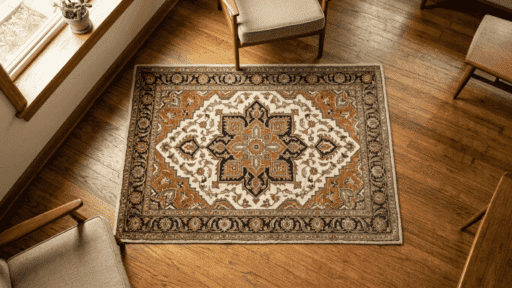
Rugs play an important role in both the comfort and design of your home. They add warmth, protect flooring, and enhance the overall aesthetic of a space. Whether you have a delicate handwoven rug or a modern synthetic one, proper care is essential to keep it looking its best.
Over time, rugs collect dust, dirt, and allergens deep within their fibers, which can affect both their appearance and longevity. That’s why routine maintenance and proper care are essential for preserving their condition and ensuring they remain a long-term investment rather than a short-term expense.
Why Proper Rug Care Matters
Rugs naturally act as filters, trapping particles that circulate in your home. While this helps improve indoor air quality, it also means that dirt and debris accumulate over time. If not properly cleaned, these particles can break down fibers, dull colors, and lead to premature wear.
According to the Environmental Protection Agency, indoor air pollutants—including dust and allergens trapped in soft surfaces—can significantly affect air quality if not properly managed. This makes regular rug maintenance an important part of a healthy home environment.
In addition to visible damage, neglected rugs can also contribute to allergies and unpleasant odors. Proper care is not just about appearance—it’s about maintaining a healthier living environment and protecting your investment.
Daily and Weekly Maintenance
Maintaining a rug doesn’t require complicated routines, but consistency is key. Regular vacuuming helps prevent dirt from settling deep into the fibers, where it becomes harder to remove. High-traffic areas may need more frequent attention, while delicate rugs should be handled carefully using low-suction settings.
Rotating your rug every few months is another simple but effective habit. This prevents uneven wear and fading caused by sunlight or foot traffic. Small, consistent actions like these can significantly extend the life of your rug.
How to Handle Stains Properly
Stains are unavoidable, but how you respond makes all the difference. Acting quickly is essential to prevent permanent damage. Instead of scrubbing, which can push the stain deeper into the fibers, gently blotting the area helps absorb the spill without spreading it.
Using mild cleaning solutions can be effective, but harsh chemicals should be avoided, especially for natural fiber rugs. In many cases, improper stain removal causes more damage than the stain itself, making careful handling critical.
Understanding Different Rug Materials
Each rug material requires a slightly different approach to care. Wool rugs are durable and resilient, but they absorb moisture easily and must be handled carefully to avoid shrinkage or fiber damage. Silk and viscose rugs are far more delicate and can be permanently damaged by water or aggressive cleaning methods.
Synthetic rugs are generally easier to maintain and more resistant to stains, but they still benefit from periodic deep cleaning. Understanding these differences helps you choose the right care method and avoid costly mistakes.
When Professional Cleaning Becomes Necessary
Even with consistent at-home care, rugs eventually require a deeper level of cleaning. Over time, dirt becomes embedded within the fibers, beyond the reach of regular vacuuming. This buildup can lead to dullness, odors, and gradual deterioration that simple household methods can’t fully resolve.
At this stage, many homeowners turn to professional rug cleaning in Los Angeles to safely restore their rugs with
out risking damage. Depending on the material and condition, specialized cleaning methods can remove deep-seated contaminants while preserving the rug’s structure, color, and texture.
Regular deep cleaning is typically recommended every 12 to 18 months, although homes with pets or heavy foot traffic may require more frequent service.
Long-Term Rug Preservation
Proper placement and preventive care play a major role in extending the life of your rug. Keeping rugs out of direct sunlight helps prevent fading, while using rug pads reduces friction and protects both the rug and the flooring underneath.
It’s also important to avoid placing heavy furniture on delicate areas for extended periods, as this can permanently flatten fibers. If you plan to store a rug, it should always be cleaned first and kept in a dry, well-protected environment to prevent mold, pests, or fiber damage.
Conclusion
Caring for your rugs is ultimately about consistency and attention to detail. Small, regular efforts can prevent long-term damage and help maintain both appearance and durability. By understanding your rug’s material, addressing issues early, and incorporating periodic deep cleaning into your routine, you can significantly extend its lifespan.
A well-maintained rug not only enhances your living space but also remains a valuable and lasting part of your home for years to come.

Tommy Hardy, an alumnus of the Georgia Institute of Technology with a degree in Mechanical Engineering, has been a go-to figure in residential upkeep and innovation for over 18 years. His career commenced in a leading home appliance manufacturing company, where he mastered the intricacies of household systems. Joining our platform in 2020, Tommy quickly became a reader favorite for his practical and easy-to-follow guides. He took the helm of our DIY section in 2019, consistently delivering content that empowers homeowners. Beyond his professional pursuits, Tommy is a passionate gardener and enjoys woodworking, skills enhancing his hands-on approach to home care.