
As a homeowner, knowing the basics of your heating and cooling systems can greatly improve your comfort and energy efficiency. These systems are essential for keeping your home cozy in winter and cool in summer. Proper maintenance allows you to enjoy a comfortable living space year-round.
Regularly checking your heating and cooling systems helps you find problems early and ensure they work well. Simple tasks like checking filters and thermostat settings can help you create an efficient environment. Let’s look at how to inspect your heating and cooling systems.
Furnace Maintenance
Making sure your furnace runs well is essential as colder months approach. Start by visually inspecting the unit for signs of wear, rust, or corrosion. A well-maintained furnace should have no visible issues and operate quietly. If something seems wrong, contact a professional furnace repair company.
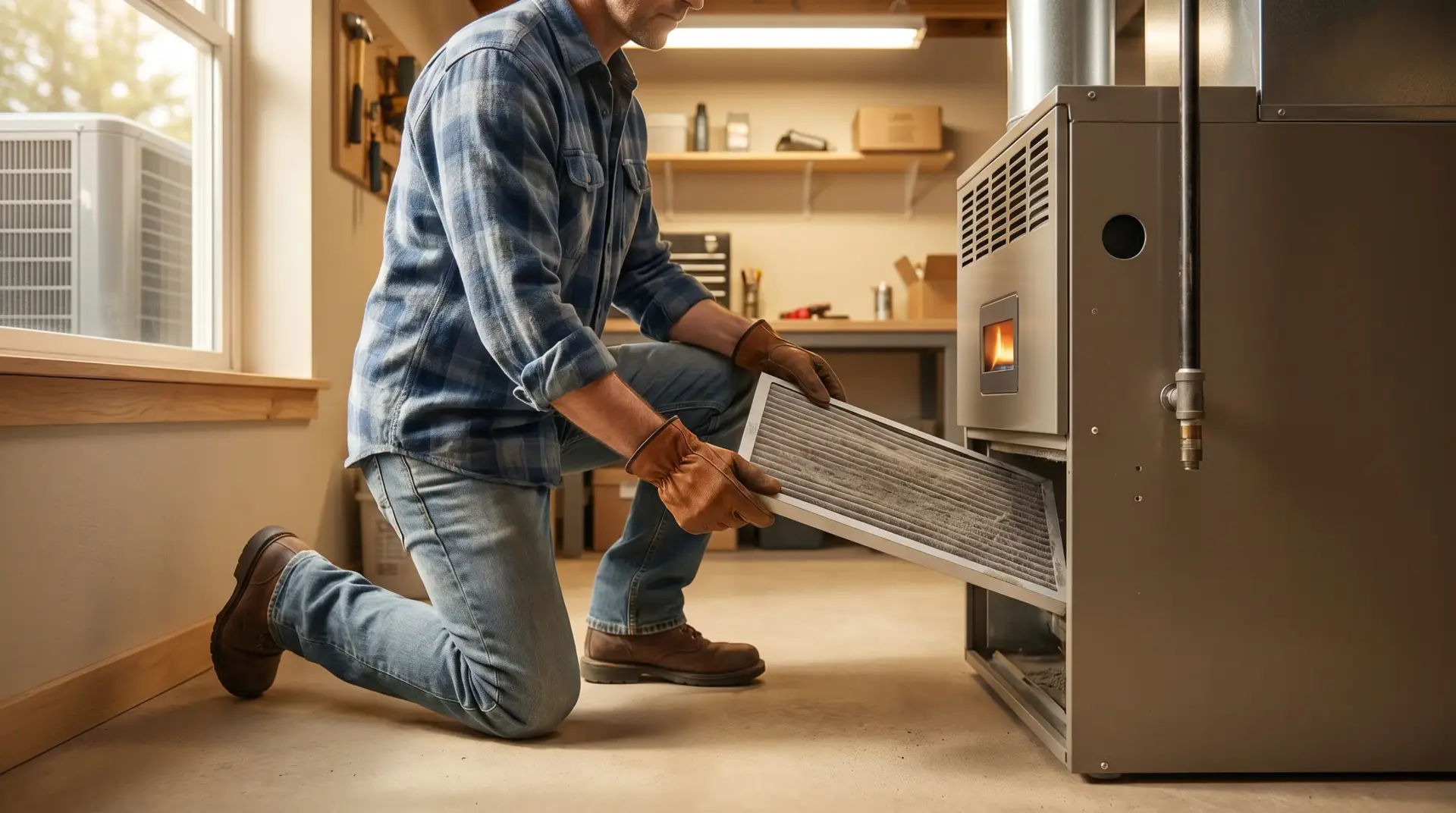
Regularly replacing the air filter is one of the easiest ways to keep your furnace running well. A dirty filter restricts airflow and puts extra strain on the furnace. Check the manufacturer’s instructions for how often to replace the filter, usually every one to three months, especially during busy seasons.
Check the Thermostat
Also, check the thermostat. Make sure it’s set to the desired temperature and working correctly. Smart thermostats can help you understand your heating patterns and manage energy use more effectively. If the readings are inconsistent, a technician can check the wiring and components.
Inspect the exhaust flue to ensure it’s clear of obstructions. Proper venting is crucial for safety and efficiency. A well-functioning furnace will keep your home warm and use energy efficiently, making it a key part of your comfort.
Air Conditioner Oversight
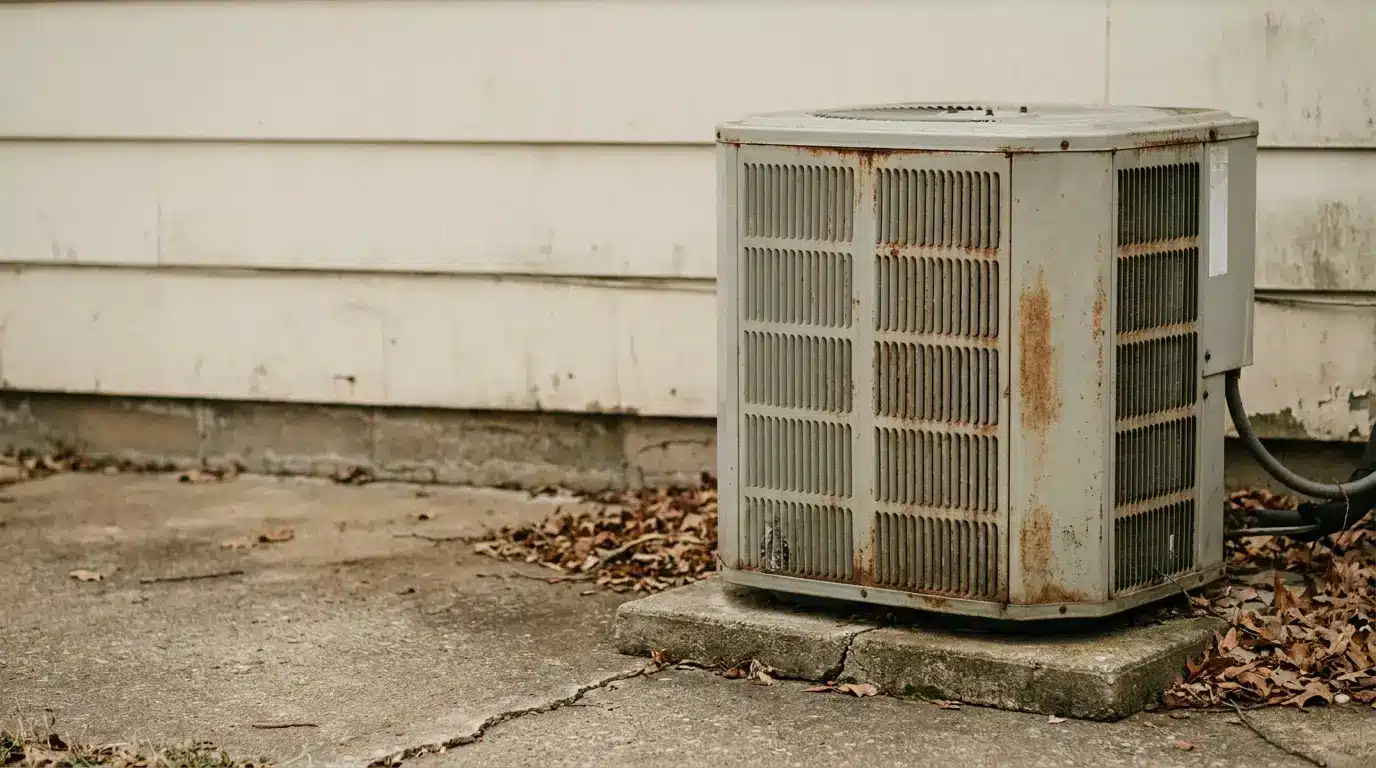
When temperatures rise, your air conditioner is important for keeping your home comfortable. Start your inspection by checking the outside unit. Make sure it’s free of debris, such as leaves or dirt, which can block airflow. Remove any obstacles to allow for proper circulation and efficient operation.
Checking the air filter in your air conditioning system is just as important as in your furnace. A clean filter helps airflow, allowing your AC to run effectively. Aim to replace it every month, especially during peak usage.
Check the coolant lines for any leaks around the compressor. Make sure the insulation is intact. Low refrigerant levels can affect your AC’s performance and lead to warmer indoor temperatures. If you suspect a leak, contact an air conditioner repair professional to handle it safely.
Duct System Inspection
Many homeowners overlook the importance of ductwork for comfort and efficiency. Clogged or damaged ducts can block airflow and create uneven temperatures in different rooms. Start by checking visible ductwork for damage or leaks. If you see gaps or disconnected sections, sealing the ducts can help prevent conditioned air from escaping.
If it’s been years since your last duct cleaning, consider hiring a professional service. Dust, debris, and allergens can build up over time, harming air quality and system efficiency. Clean ducts can greatly improve indoor air quality, making your home healthier for you and your family.
Also, check the dampers. They control airflow throughout your home. Make sure they open and close properly to direct air where it is needed. If some rooms are too warm and others are too cold, you can adjust the dampers to balance the temperature.
Energy Efficiency Checks
Checking the energy efficiency of your heating and cooling systems can save you money. Look at your energy bills for any unusual spikes that may indicate problems. A well-maintained system works less and can lower your utility costs over time.
Consider getting a programmable thermostat or smart technology that adjusts heating and cooling based on your habits. These devices can automatically adjust temperatures, saving energy without sacrificing comfort.
Also, check your insulation. Good insulation helps maintain temperatures and reduces the workload on your heating and cooling systems.
Using Humidifiers and Dehumidifiers
Keeping the right humidity levels in your home is important for comfort and health. A humidifier adds moisture to the air during dry winter months. This helps prevent dry skin, static electricity, and breathing problems. A dehumidifier, on the other hand, removes excess moisture in the summer. This reduces mould growth and makes the air feel cooler.
When using a humidifier, keep it clean to stop bacteria and mould from spreading. Check the water levels regularly and change the water often to keep it working well. With a dehumidifier, check the drainage system to ensure it works properly. Standing water can cause foul odours and promote mould growth.
Aim for a relative humidity level between 30-50%. This helps you feel comfortable and protects your home’s structure and furniture from problems caused by humidity imbalance.
Preparing for Seasonal Changes
As seasons change, adjust your heating and cooling systems for better efficiency and lifespan. Before winter, make sure your heating system is working well. In addition to regular furnace checks, inspect and seal windows and doors to prevent drafts that can cause heat loss.
In spring, when you switch to air conditioning, hire a professional for a seasonal tune-up. This should include checking refrigerant levels, cleaning coils, and inspecting electrical parts. Preparing your systems can prevent breakdowns during busy times.
Also, prepare the exterior of your home by clearing gutters and inspecting for leaks or damage to the roof and siding. These steps can improve energy efficiency and comfort, keeping your home welcoming year-round.

Tommy Hardy, an alumnus of the Georgia Institute of Technology with a degree in Mechanical Engineering, has been a go-to figure in residential upkeep and innovation for over 18 years. His career commenced in a leading home appliance manufacturing company, where he mastered the intricacies of household systems. Joining our platform in 2020, Tommy quickly became a reader favorite for his practical and easy-to-follow guides. He took the helm of our DIY section in 2019, consistently delivering content that empowers homeowners. Beyond his professional pursuits, Tommy is a passionate gardener and enjoys woodworking, skills enhancing his hands-on approach to home care.