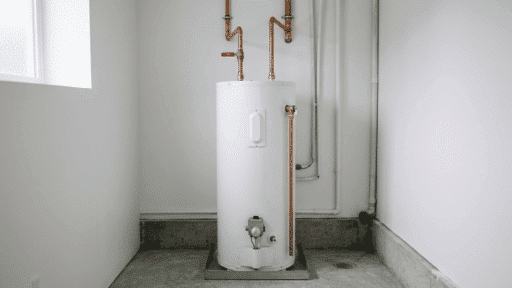

Hot water systems are something most people rely on daily without giving them much thought. But over time, small issues can build up and affect how well everything works.
Keeping things running smoothly often comes down to simple habits and timely attention. A little awareness can go a long way in avoiding unnecessary disruptions.
This blog takes a closer look at hot water heater maintenance and what it involves. It offers a clear starting point to help you stay on top of it with ease.
How Maintenance Keeps Your Water Heater Running Longer?
A water heater that runs without regular attention slowly becomes less efficient. It uses more energy to heat the same amount of water, and the system ages faster than expected.
Sediment settles at the bottom of the tank over time. This layer acts as a barrier between the heating element and the water, reducing heating efficiency with every cycle.
Maintenance for the hot water heater addresses these issues before they compound.
It keeps the unit operating at the right efficiency level, reduces strain on internal parts, and extends the overall lifespan of the system by a significant margin.
Signs Your Water Heater Needs Attention
Knowing when a water heater needs hot water heater maintenance can prevent small issues from turning into costly repairs. These are the most commonly reported warning signs:
- Rumbling or popping sounds from the tank often indicate sediment buildup that has been sitting undisturbed for too long.
- Discolored or rusty water coming out of the hot tap is a sign that something inside the tank is corroding or breaking down.
- Water that loses heat quickly or takes much longer than usual to warm up suggests the heating element is under strain.
- Moisture or small puddles forming near the base of the unit can indicate a slow leak that needs immediate attention.
- A strong or unusual odor coming from the hot water tap can signal bacterial growth or internal corrosion in the tank, which should be addressed without delay.
Essential Water Heater Maintenance Tasks
Staying on top of hot water heater maintenance comes down to a handful of specific tasks that address the most common causes of wear and damage. Here is what each one involves:
1. Flushing the Tank to Clear Sediment
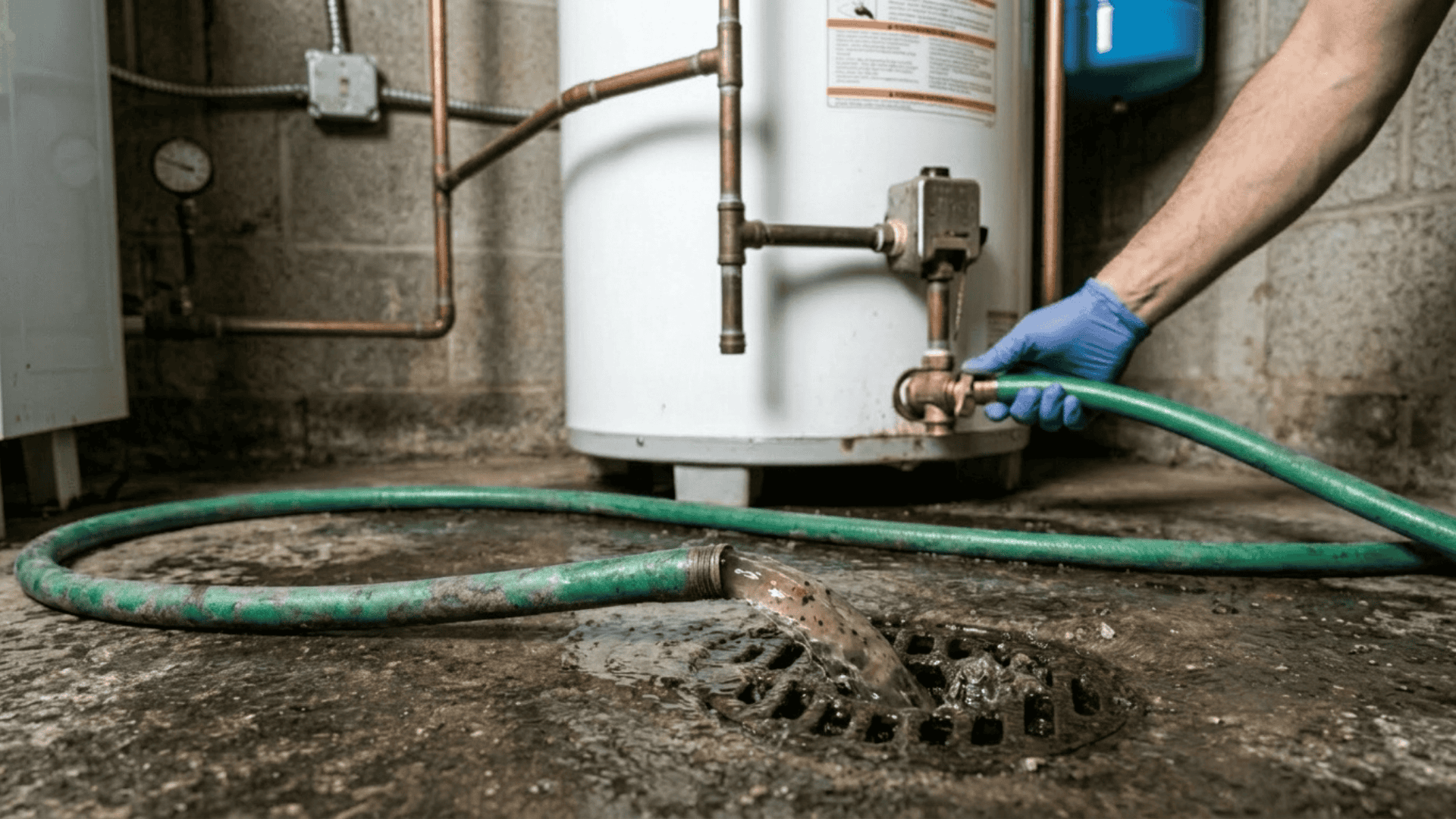
Mineral residue gradually collects at the base of the tank. This layer builds gradually, reducing overall heating performance.
Flushing involves connecting a hose to the drain valve and letting the water run until it clears. Most professionals suggest doing this once a year to keep the tank in good shape.
2. Checking the Anode Rod for Wear
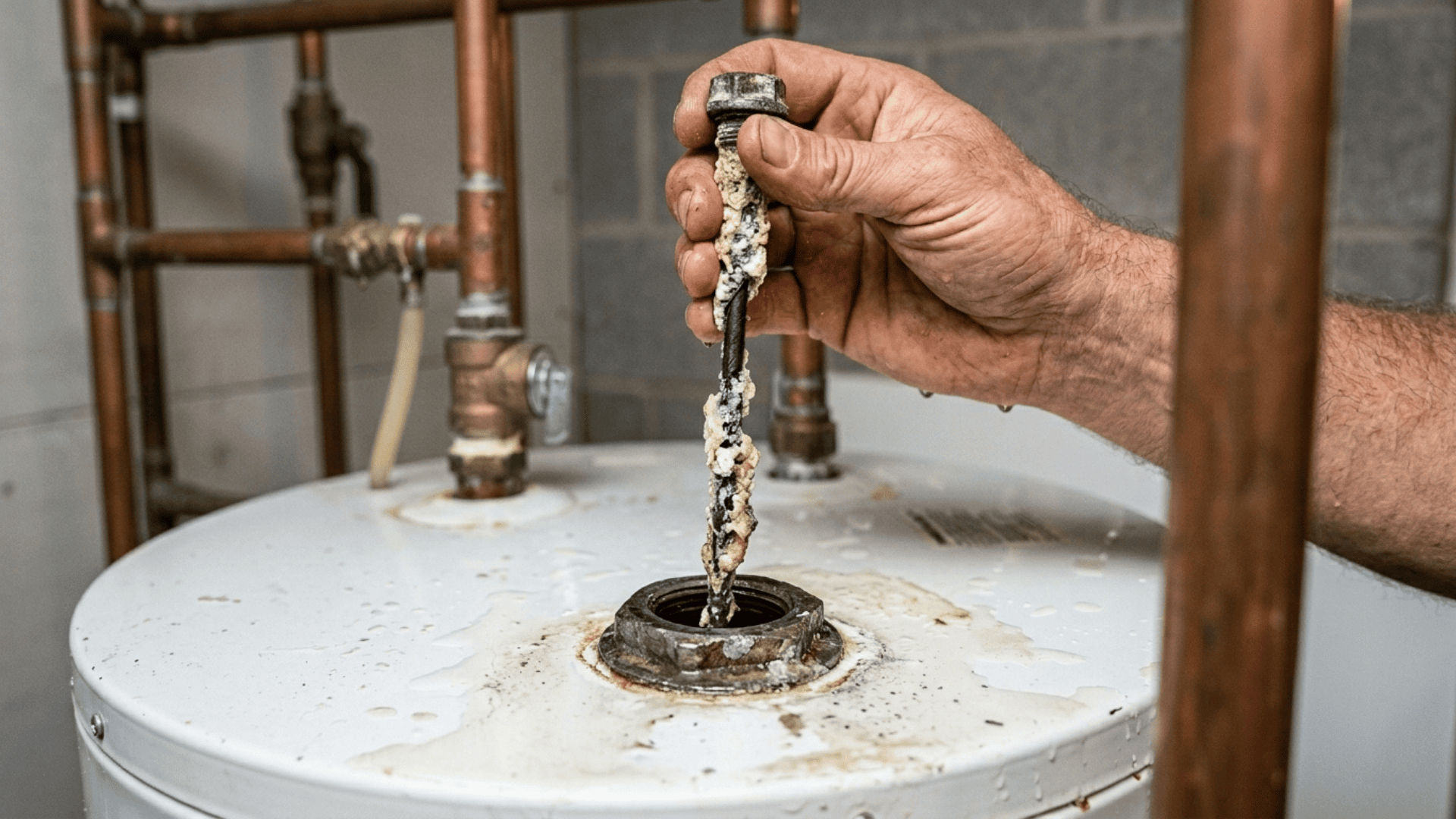
The anode rod is a metal component that sits inside the tank and slowly absorbs corrosion to protect the inner walls. Without it, the tank itself would rust from the inside out.
Most rods last around three to five years, but this varies based on water quality and usage.
Regular water heater maintenance should always include a quick check on the rod’s condition before it wears down completely.
3. Testing the Pressure Through the Relief Valve Safely
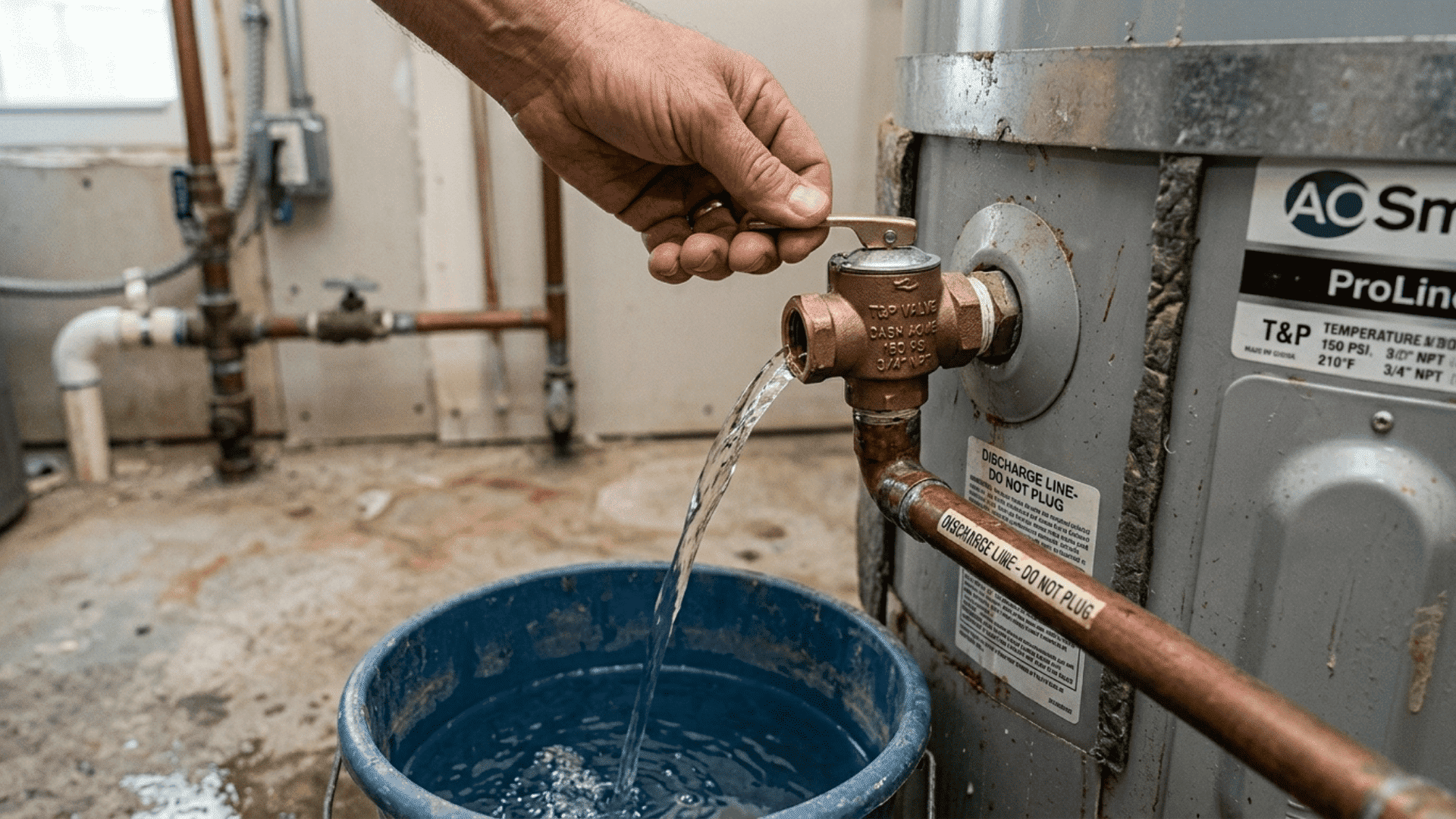
A pressure relief valve serves as a key safety component that releases pressure when the tank builds up too much. A faulty valve can turn a minor issue into a serious hazard.
Testing it involves briefly lifting the lever and checking if water flows out and stops cleanly. If the valve drips continuously or does not respond, it needs to be replaced right away.
4. Inspecting for Leaks and External Damage
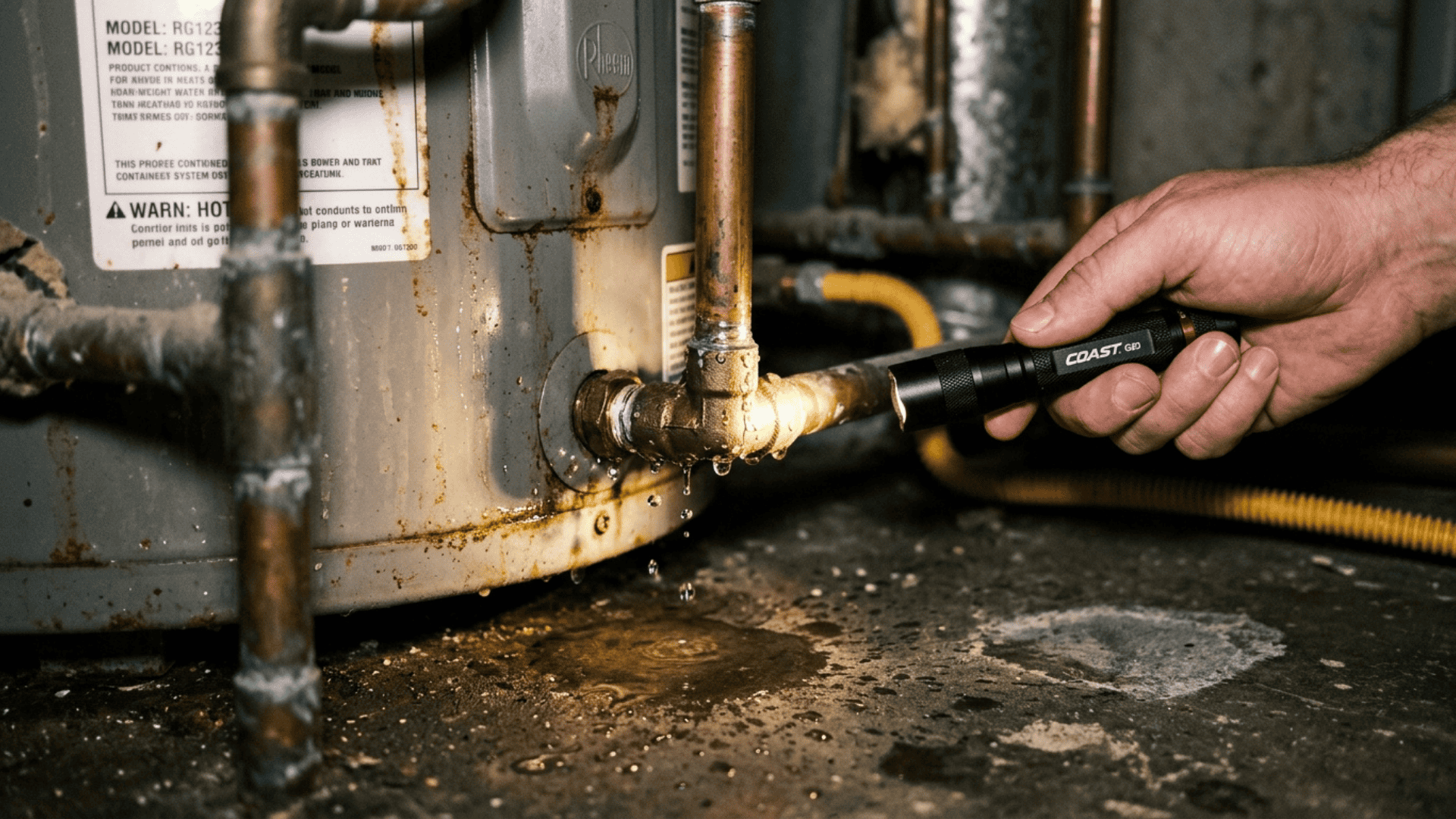
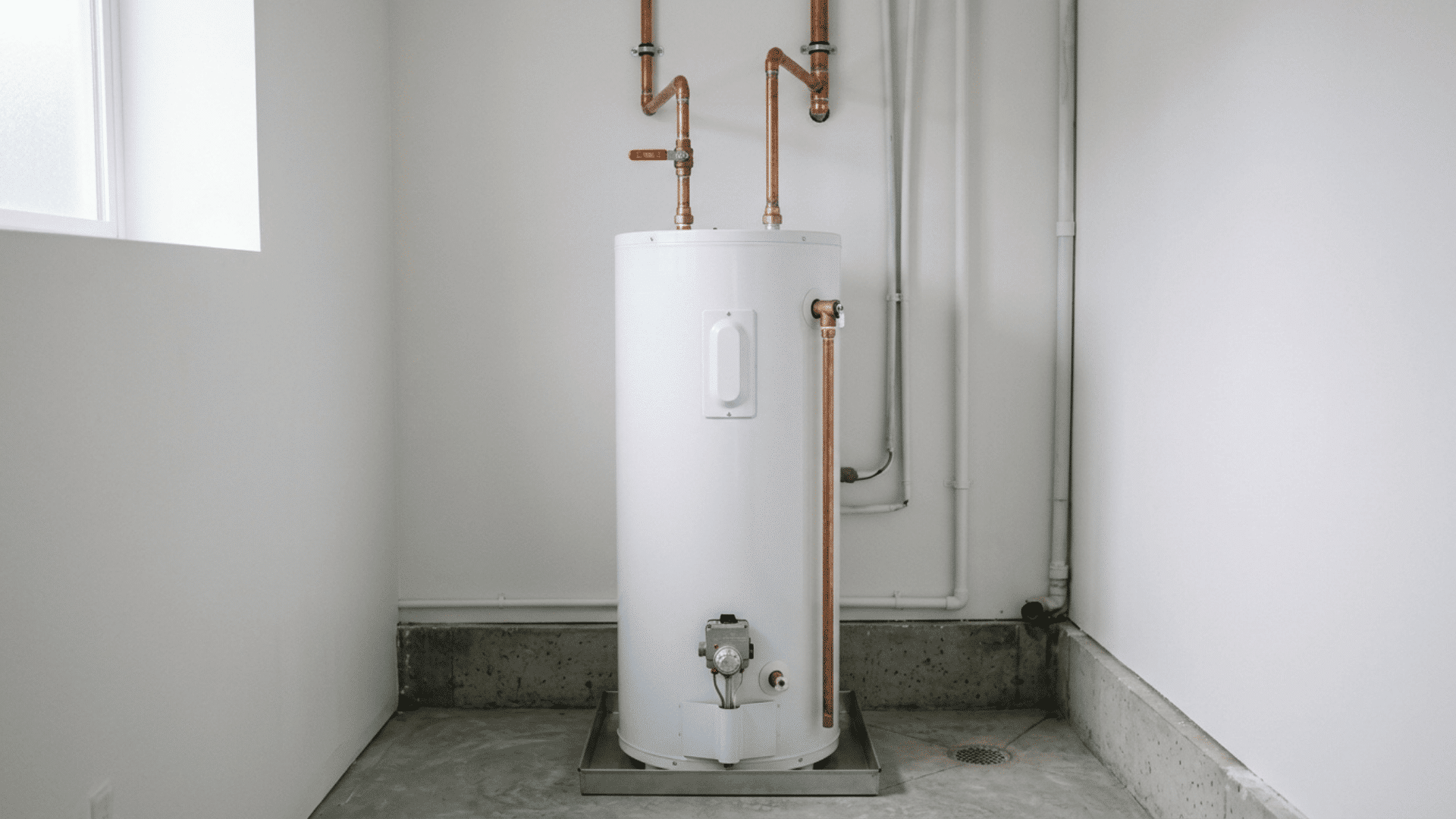
Visible damage around the unit is often the first sign that something is off inside. Checking the area around the base, the connections, and the pipes can catch problems before they get worse.
Small drips near fittings or moisture on the tank surface should never be ignored.
Catching these early during routine heater maintenance saves a lot of time and money compared to dealing with water damage later.
5. Setting the Right Water Temperature
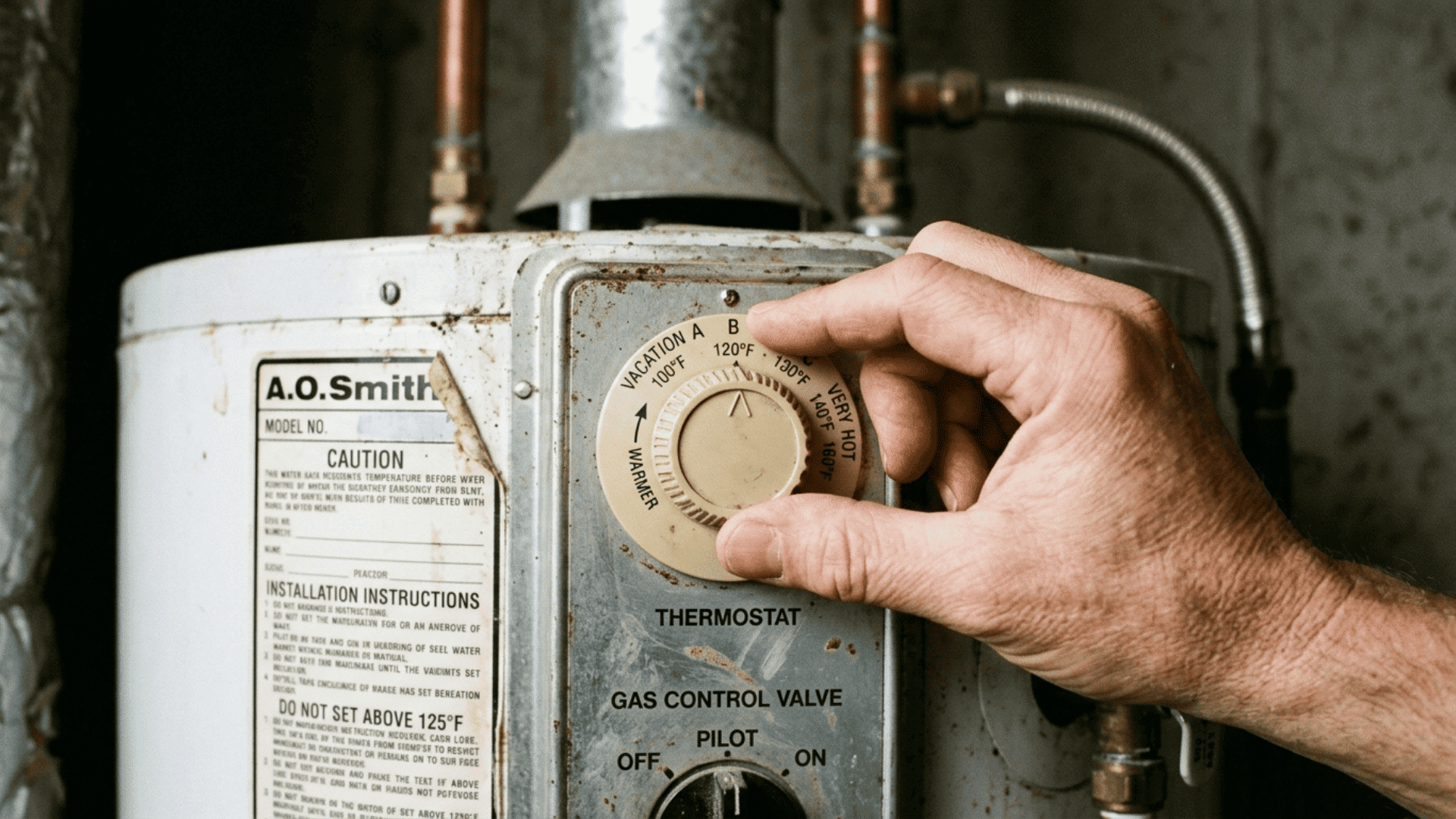
Most manufacturers recommend setting the thermostat between 120 and 140 degrees Fahrenheit for safe and efficient operation. Going too high puts unnecessary strain on the system and increases the risk of scalding.
Checking the temperature setting is a simple but often overlooked part of maintenance. Keeping it at the right level helps the unit run efficiently and reduces wear on internal components over time.
What People Say About Water Heater Maintenance
Real-world discussions often highlight patterns that standard advice misses. Many people talking about hot water heater maintenance share what they learned after dealing with issues firsthand.
Many people admit they didn’t think about flushing their water heater until it started making loud noises or losing efficiency after years of use. – Reddit householders discussion
A common observation is that most people skip regular maintenance entirely and only look into it when the system stops working properly. – HomeMaintenance thread
Some users who contacted professionals shared that basic yearly servicing usually involves flushing and a quick inspection, unless there’s a visible issue. – Ask a plumber for a discussion
A frequently shared tip is that flushing the tank every 6 to 12 months helps prevent buildup and keeps the system running more smoothly over time. – LifeProTips post
When to Call a Professional for Water Heater Maintenance?
Some situations go beyond basic hot water heater maintenance and need a trained eye to handle safely.
Persistent leaks, a pressure relief valve that isn’t working, or no hot water at all are signs that something more serious may be going on.
Gas or electrical concerns near the unit should never be handled as a DIY fix, as they pose real safety risks beyond a simple repair.
And if the unit is over 10 years old or keeps running into the same issues after routine maintenance, a full professional inspection is the right next step.
Catching these problems early can prevent costly breakdowns and keep the system running safely for longer.
Common Mistakes to Avoid
Even with the best intentions, certain habits can work against effective heater maintenance. These are the most frequently made mistakes:
- Waiting too long between checks allows small issues, like sediment and worn parts, to quietly build into something that requires a full repair.
- Ignoring the temperature dial is more common than people think. Leaving it too high puts constant strain on the system over time.
- Skipping the anode rod inspection is one of the biggest oversights householders make. By the time corrosion becomes visible, the damage is already done.
- Using the wrong tools or technique during basic checks can cause more harm than good, especially around the drain valve and pressure relief valve.
- Treating maintenance as a one-time task rather than a recurring habit means problems return faster and the unit never gets the consistent care it needs.
It’s a Wrap
A water heater that gets regular attention simply performs better and lasts longer. The core maintenance tasks are straightforward to handle.
Flushing the tank, checking the anode rod, testing the pressure valve, and keeping an eye on the temperature setting are all straightforward steps that make a real difference over time.
Small issues caught early rarely turn into major repairs, and when something does go beyond basic care, calling a professional at the right time saves more than it costs.

Tommy Hardy, an alumnus of the Georgia Institute of Technology with a degree in Mechanical Engineering, has been a go-to figure in residential upkeep and innovation for over 18 years. His career commenced in a leading home appliance manufacturing company, where he mastered the intricacies of household systems. Joining our platform in 2020, Tommy quickly became a reader favorite for his practical and easy-to-follow guides. He took the helm of our DIY section in 2019, consistently delivering content that empowers homeowners. Beyond his professional pursuits, Tommy is a passionate gardener and enjoys woodworking, skills enhancing his hands-on approach to home care.