
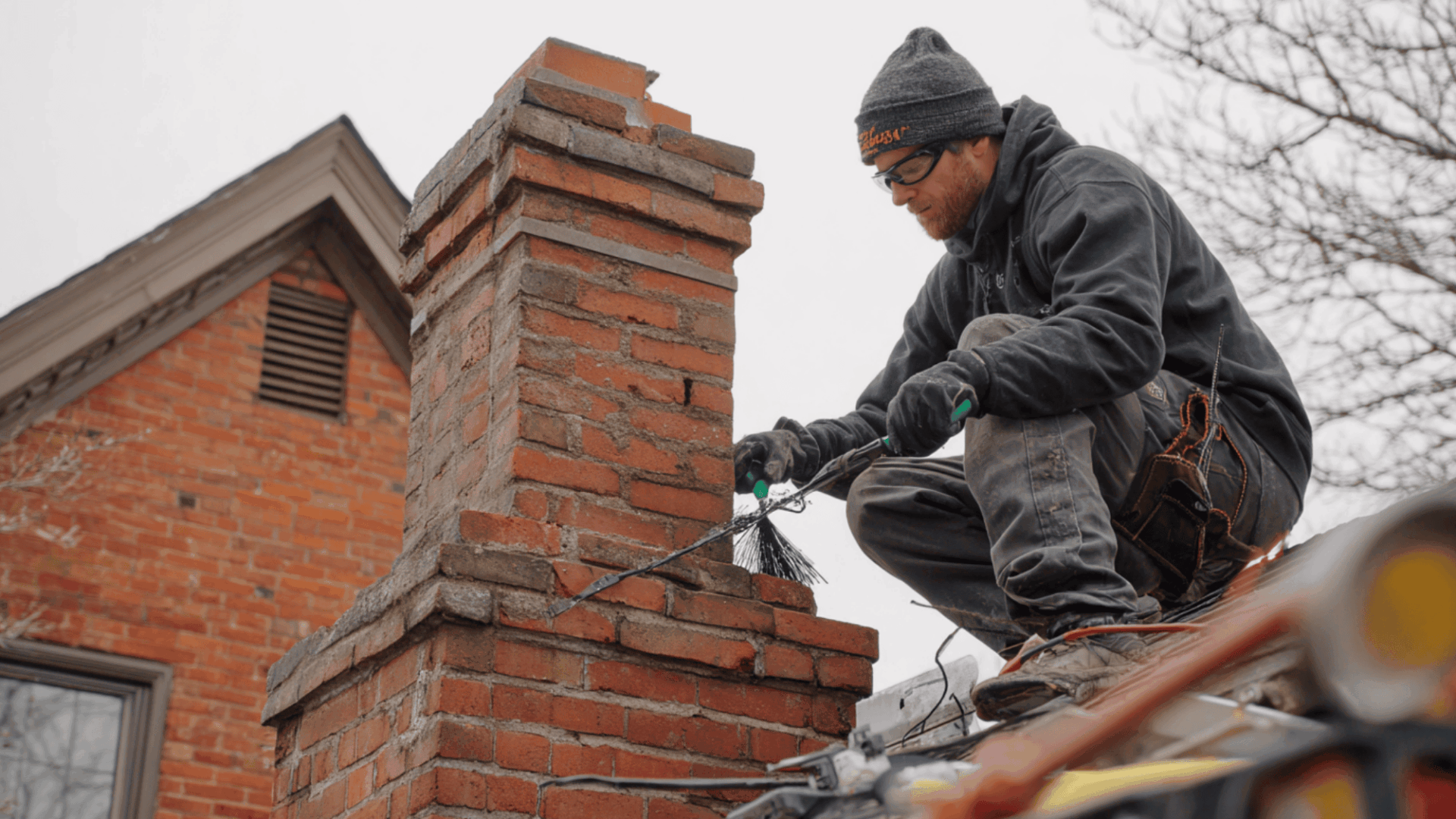

A cozy fire can turn any evening into something special, but a dirty chimney can quickly turn it into a safety risk.
This guide is for DIY home residents who want to handle the job themselves, safely and confidently.
You’ll learn how to clean a chimney step by step, what tools you’ll need, and a few practical tips to make the process easier and less messy.
What Happens If You Don’t Clean Your Chimney?
If you don’t clean your chimney regularly, creosote buildup can quickly become a serious fire hazard. This highly flammable substance can ignite and lead to dangerous chimney fires.
Over time, blockages like soot, debris, or even bird nests can restrict airflow, causing smoke to back up into your home. Poor ventilation can also increase the risk of carbon monoxide exposure, which is harmful and hard to detect.
Ignoring maintenance may also lead to structural damage inside the chimney. In the long run, small issues can turn into costly repairs that could have been easily avoided.
Tools and Supplies Needed
Before you start, having the right tools and supplies on hand will make chimney cleaning safer, easier, and far less messy.
| Supply Purpose | Purpose |
|---|---|
| Chimney brush | Removes soot and creosote from chimney walls |
| Extension rods | Helps reach the full length of the chimney |
| Drop cloths/plastic | Protects floors and furniture from soot |
| Gloves, goggles, mask | Ensures safety from dust and debris |
| Shop vacuum | Controls and removes soot and dust |
| Flashlight/camera | Helps inspect inside the chimney clearly |
Step-by-Step Guide on How to Clean a Chimney
Follow these simple, practical steps to clean your chimney safely at home. Each step will help you tackle the process with more confidence and less mess.
Step 1: Prepare and Seal the Fireplace Area
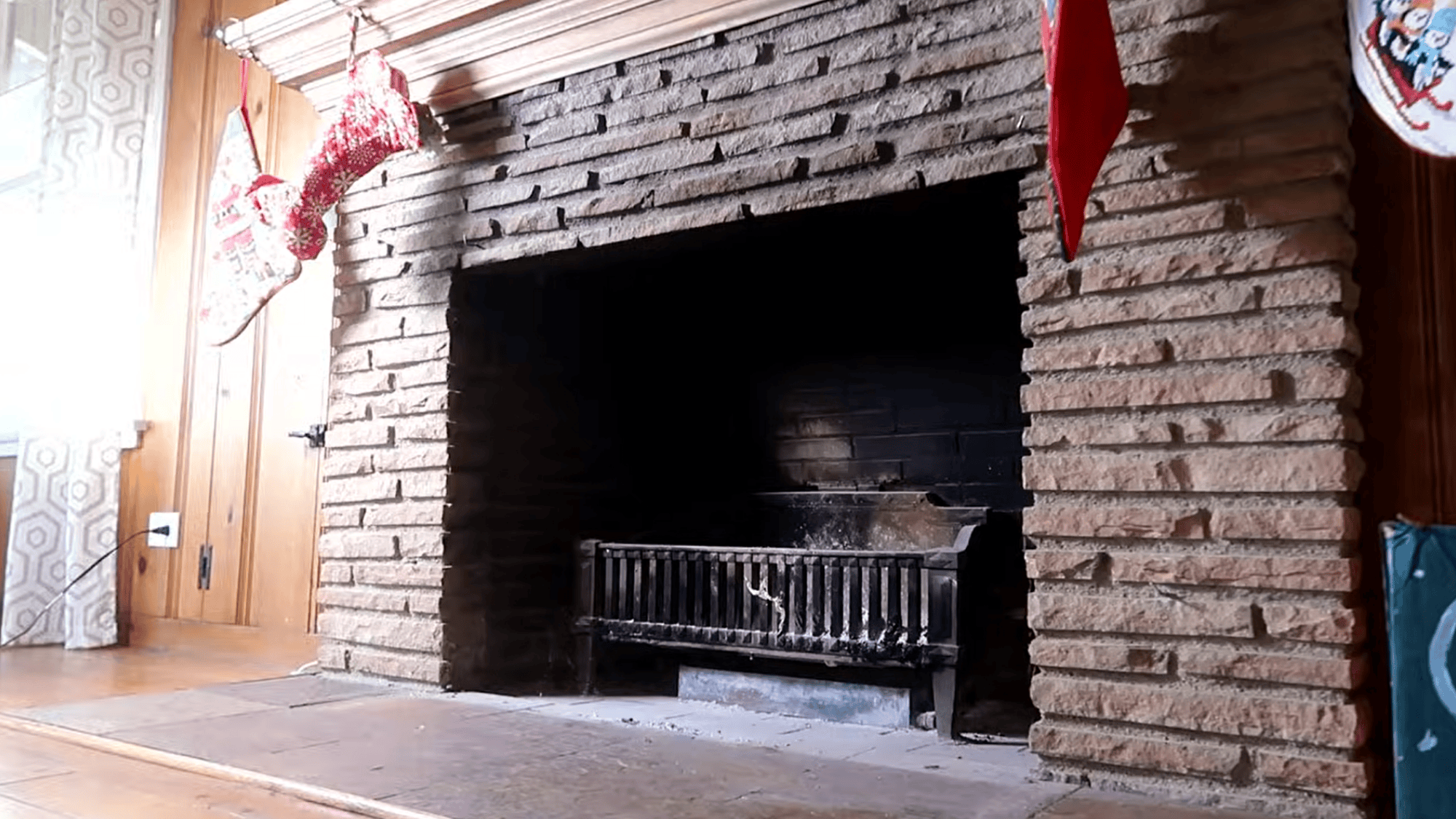
Begin by covering and sealing the fireplace opening to prevent soot from spreading throughout your home. Use plastic sheets and tape to contain dust and debris effectively.
Taking this step early will make cleanup much easier later on. You can also place a shop vacuum hose inside the fireplace to catch airborne particles as you clean.
This simple setup helps keep the process cleaner and more manageable.
Step 2: Safely Access the Roof and Inspect the Chimney
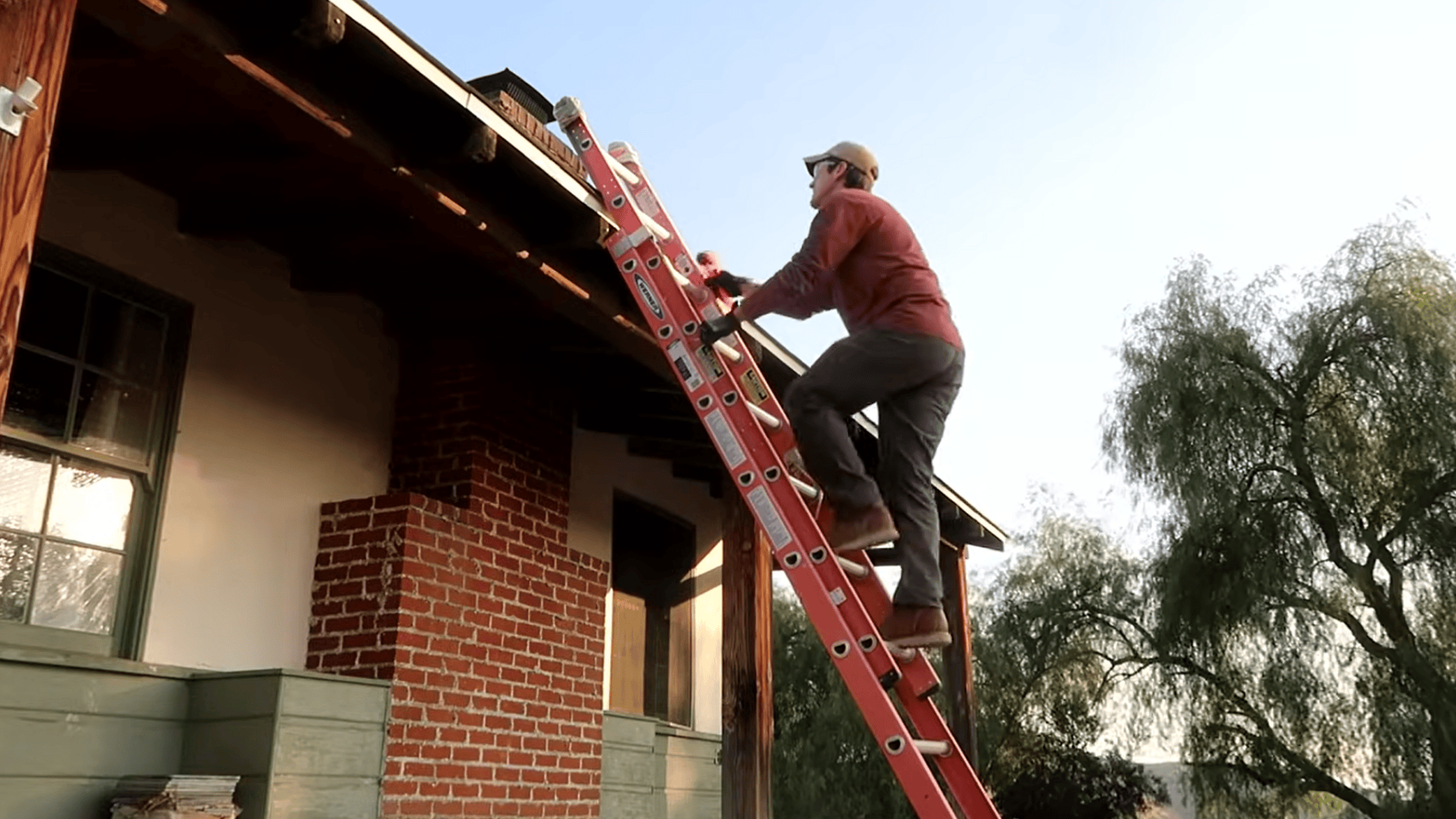
Use a sturdy ladder to get onto the roof, and move carefully to keep your balance. Once you reach the chimney, remove the cap so you can access the flue.
After that, use a flashlight or a small camera to look inside and check for any buildup or blockages.
This quick inspection helps you understand how much cleaning is needed before you begin.
Step 3: Assemble and Insert the Chimney Brush
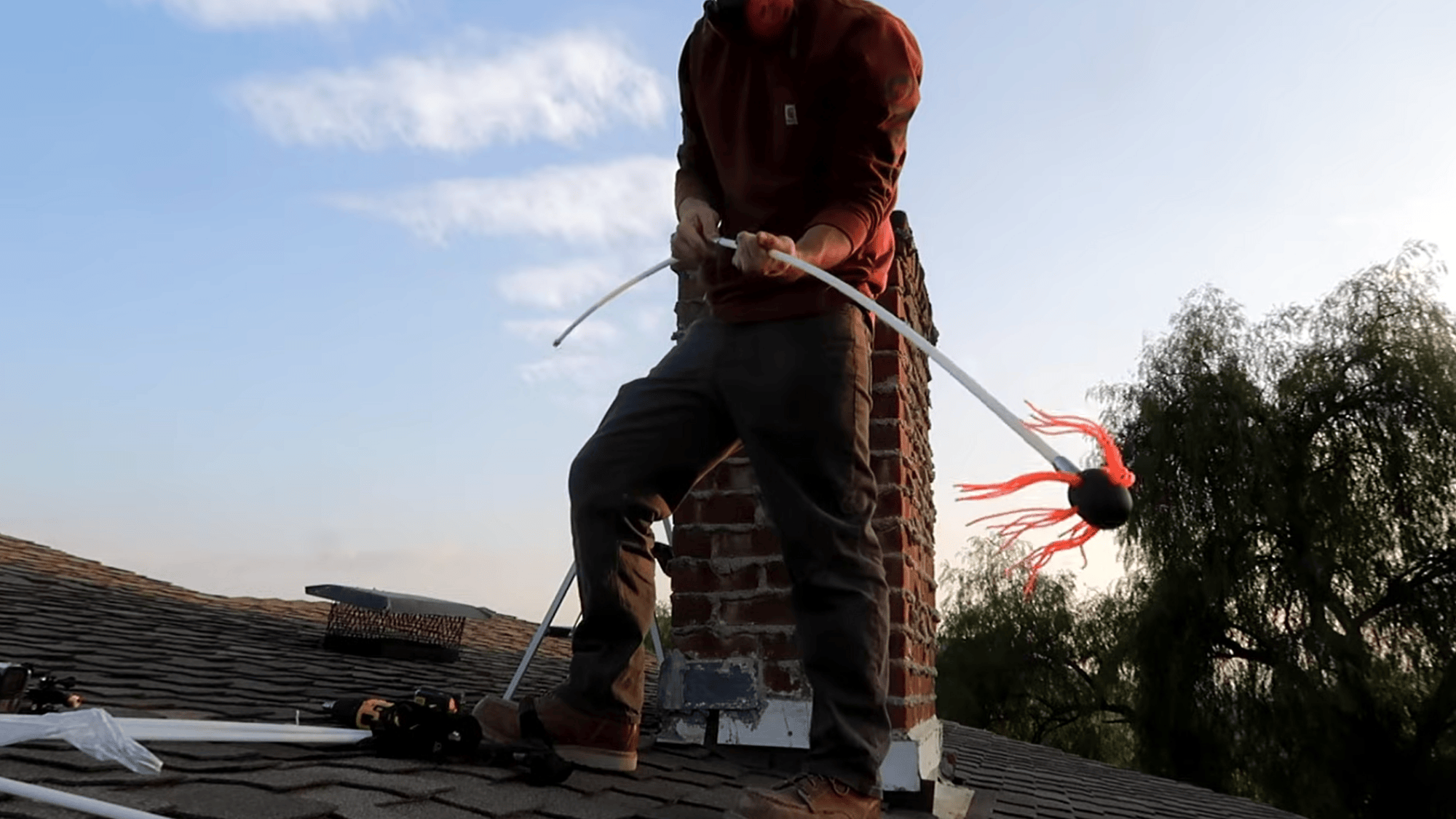
Begin by putting together the chimney brush and firmly connecting the extension rods. Before you start, wear your safety gear: gloves, goggles, and a dust mask to protect yourself from soot and debris.
Next, gently guide the brush into the chimney flue to begin the cleaning process. Make sure everything is securely attached so the brush doesn’t come loose while working.
Step 4: Scrub the Chimney Thoroughly
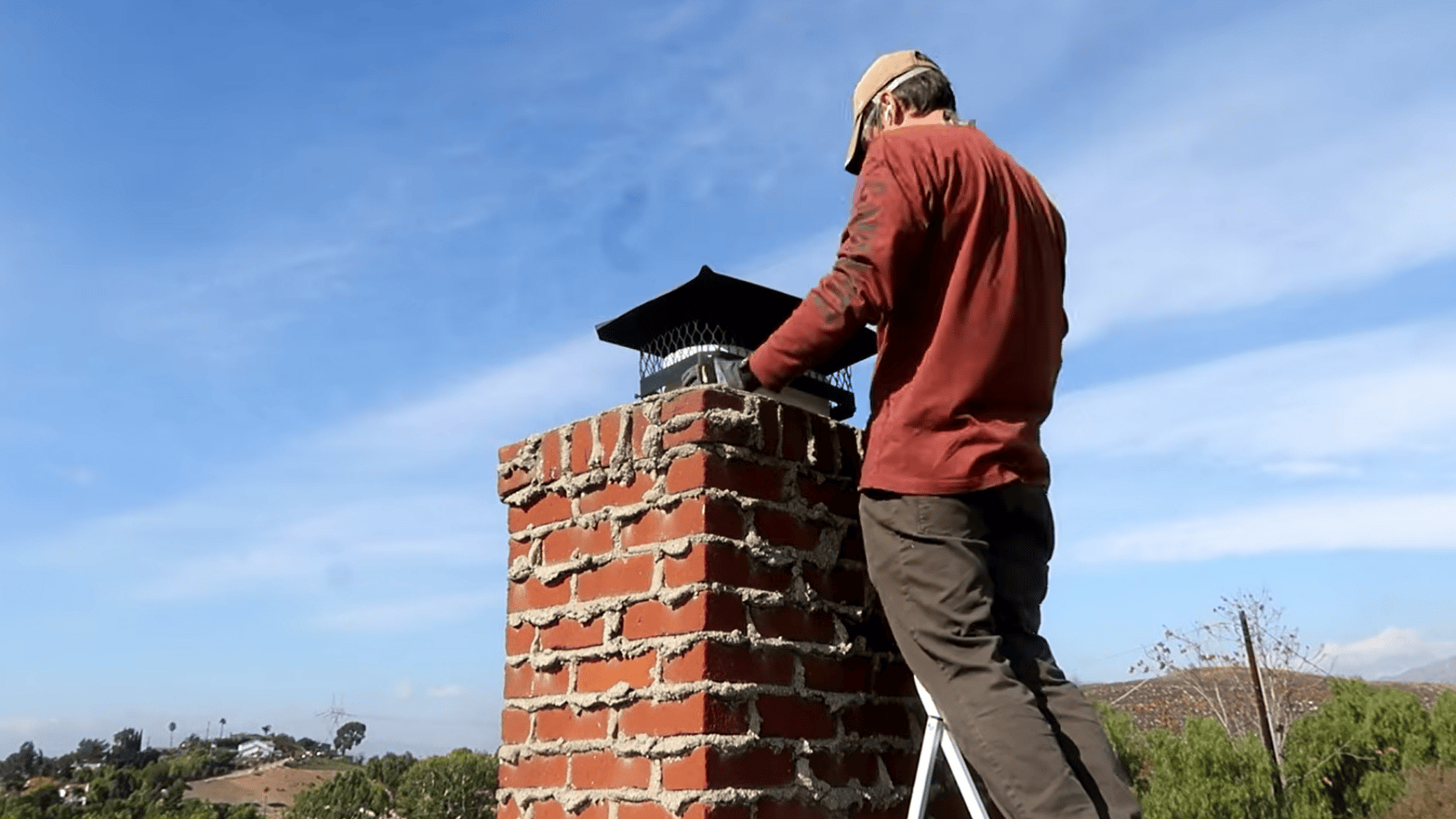
Use slow, controlled strokes to scrub the inside walls of the chimney. Move the brush up and down steadily to break loose soot and creosote buildup.
Make sure you reach the full length of the chimney liner so nothing is left behind. Don’t rush the process, as missing spots can lead to future buildup.
It’s a good idea to go over stubborn areas more than once for a deeper clean. You can also pause occasionally to check your progress and ensure everything is being cleaned evenly.
Step 5: Clean Debris and Finish Up
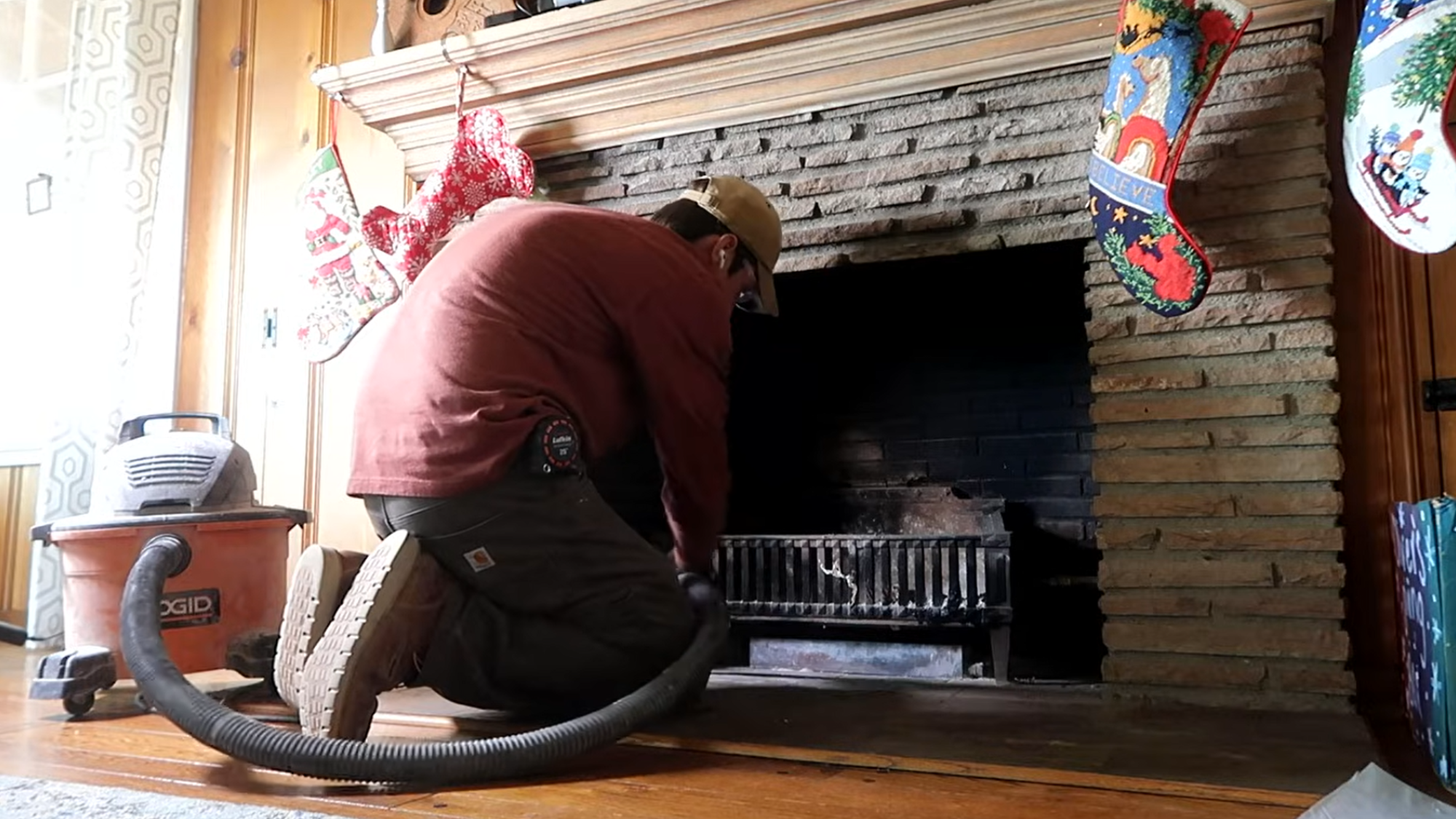
Once you’re done brushing, give it some time for the dust to settle before moving on. Then remove the loosened debris from the firebox or cleanout using a shovel or vacuum.
Make sure all remaining soot is cleared out properly. Finally, reassemble everything, including the chimney cap and any fireplace components.
Check out this video to better understand the entire chimney cleaning process
How Often Should You Clean Your Chimney?
Most chimneys should be cleaned at least once a year, especially before the colder months when usage increases.
However, if you notice excessive soot, a strong smoky smell, or poor airflow, it may need cleaning sooner. Keep an eye out for visible creosote buildup or debris inside the flue.
As a simple habit, do a quick check at the start and end of each season to keep everything in good shape.
DIY vs. Professional: When to Call an Expert
DIY chimney cleaning works well for basic maintenance and light buildup. But when issues get more complex, it’s best to call a professional.
| Aspect | DIY Chimney Cleaning | Professional Chimney Cleaning |
|---|---|---|
| When It’s Suitable | Light creosote buildup, no visible damage, basic maintenance | Heavy buildup, blockages, structural issues, animal nests |
| Cost Comparison | Low cost (mainly tools and supplies) | Higher cost but includes thorough inspection and cleaning |
| Risk Level | Moderate if safety steps are missed | Lower risk due to experience and proper equipment |
| Effectiveness | Good for regular upkeep | More thorough, especially for deep or complex cleaning |
| Potential Risks if Ignored | Missed buildup may lead to fire hazards or poor airflow | Issues are identified early, reducing long-term damage risks |
Common Mistakes to Avoid
Avoiding a few common mistakes can make chimney cleaning safer, more effective, and less messy.
- Skipping safety gear like gloves, goggles, and a mask can expose you to harmful soot and dust
- Using the wrong brush size may lead to ineffective cleaning or even damage the chimney liner
- Ignoring early signs of damage, such as cracks or blockages, can lead to bigger and costlier problems
- Rushing the cleaning process can cause you to miss spots and leave dangerous buildup behind
- Failing to properly seal the fireplace area can spread soot and create a messy cleanup
Conclusion
Keeping your chimney clean doesn’t have to be complicated if you follow the right steps and stay consistent. From preparing the area and inspecting the flue to brushing and clearing out debris, each step plays a role in safe chimney cleaning.
Making this a regular part of your home maintenance routine helps prevent buildup and keeps your fireplace working efficiently.
If you’re learning how to clean a chimney, always prioritize safety and know your limits. When in doubt, don’t hesitate to call a professional. A little effort now can go a long way in protecting your home and ensuring safe, cozy fires all season.
Frequently Asked Questions
How Do I Get Rid of Creosote Buildup in My Chimney?
Use a chimney brush to scrub the flue regularly and remove creosote buildup before it becomes thick and hazardous.
What is the 3 to 10 Rule for Chimneys?
The 3-to-10 rule means a chimney should extend at least 3 feet above the roof and 2 feet higher than anything within 10 feet for proper draft and safety.
Does Salt Put Out a Chimney Fire?
No, salt does not effectively put out a chimney fire and should not be relied on as a safe solution.
Can You Light Fire Before Chimney Sweep?
No, it’s best to avoid lighting a fire before a chimney sweep, as a cool, unused chimney is safer and easier to clean.

Tommy Hardy, an alumnus of the Georgia Institute of Technology with a degree in Mechanical Engineering, has been a go-to figure in residential upkeep and innovation for over 18 years. His career commenced in a leading home appliance manufacturing company, where he mastered the intricacies of household systems. Joining our platform in 2020, Tommy quickly became a reader favorite for his practical and easy-to-follow guides. He took the helm of our DIY section in 2019, consistently delivering content that empowers homeowners. Beyond his professional pursuits, Tommy is a passionate gardener and enjoys woodworking, skills enhancing his hands-on approach to home care.