
In many homes, plumbing issues rarely announce themselves with urgency. Unlike a burst pipe or an overflowing drain, water leaks often develop quietly, hidden behind walls, beneath floors, or under outdoor surfaces. By the time they become visible, the consequences are usually far more serious, and expensive, than expected.
For homeowners in Brisbane, where climate patterns, soil conditions, and property styles create unique pressures on plumbing systems, undetected leaks are not just a maintenance concern. They are a structural, financial, and environmental risk that requires careful attention.
Why Leaks Often Go Unnoticed
The most problematic leaks are rarely the obvious ones. A dripping tap or a visible pipe issue is easy to identify and fix. The real challenge lies in leaks that develop in concealed areas, where water can spread gradually without detection.
These hidden leaks may occur due to aging pipe materials, shifting ground, or pressure imbalances within the system. In Brisbane’s subtropical climate, cycles of heavy rain followed by dry conditions can cause subtle ground movement, placing strain on underground pipes and joints.
Because these leaks operate out of sight, homeowners often become aware of them only when secondary damage appears, discolouration on walls, musty odours, or unexplained increases in water bills.
The Real Cost of a Slow Leak
What begins as a minor issue can escalate quickly when left unaddressed. Even a small, consistent leak can introduce significant moisture into structural materials over time. Timber framing, plasterboard, and insulation are particularly vulnerable, absorbing moisture and gradually weakening.
Mould growth is another common consequence. Damp environments create ideal conditions for mould spores to thrive, potentially affecting indoor air quality and contributing to health concerns. Once mould becomes established, remediation can be both complex and costly.
Financially, the impact extends beyond repair work. Increased water usage, higher energy costs from overworked hot water systems, and potential damage to fixtures and finishes all contribute to the overall expense.
Brisbane’s Unique Plumbing Challenges
Brisbane’s environment plays a key role in how plumbing systems age and fail. The region’s combination of humidity, seasonal rainfall, and diverse soil types means that pipes are often exposed to conditions that accelerate wear.
Older homes, particularly those built several decades ago, may still rely on outdated piping materials that are more susceptible to corrosion or cracking. At the same time, newer developments may face issues related to ground settling as the surrounding land stabilises over time.
In this context, professional water leak detection in Brisbane becomes an essential service rather than a reactive measure. Identifying leaks early allows homeowners to address problems before they develop into major structural or financial burdens.
How Modern Detection Methods Make a Difference
Advances in plumbing technology have significantly improved the ability to locate hidden leaks without invasive methods. Instead of breaking into walls or floors to search for the source, professionals now use specialised tools designed to detect anomalies within the system.
Acoustic sensors can identify the sound of water escaping from pipes, even when the leak is not visible. Thermal imaging helps detect temperature variations caused by moisture, while pressure testing can reveal inconsistencies within the plumbing network.
These techniques not only make detection more accurate but also reduce the disruption to the home. Instead of widespread damage from exploratory work, targeted repairs can be carried out with minimal impact.
Water Efficiency and Environmental Responsibility
Water leaks are not just a household issue, they also have broader environmental implications. In Australia, where water conservation remains a national priority, preventing unnecessary waste is increasingly important.
The Australian Bureau of Statistics highlights that household water use forms a significant part of overall consumption, and inefficiencies within domestic systems can contribute to avoidable waste. Even a small leak, left unchecked, can result in thousands of litres of water lost each year.
For Brisbane homeowners, addressing leaks promptly is a practical way to reduce environmental impact while also managing household costs. It reflects a more conscious approach to resource use, aligning with wider sustainability efforts across the country.
Signs That Shouldn’t Be Ignored
While some leaks remain hidden, there are often subtle indicators that something isn’t quite right. Unexplained spikes in water bills are one of the most common warning signs, suggesting that water is being lost somewhere within the system.
Other indicators include reduced water pressure, damp or discoloured patches on walls or ceilings, and the presence of mould or mildew in unexpected areas. Outdoors, unusually lush patches of grass or persistent wet spots can signal an underground leak.
Paying attention to these signs, and acting on them early, can prevent a minor issue from escalating into a major repair.
Preventative Thinking Over Reactive Fixes
One of the most effective ways to manage plumbing risks is to shift from a reactive mindset to a preventative one. Rather than waiting for visible damage, regular inspections and system checks can help identify vulnerabilities before they become problematic.
This approach is particularly valuable in Brisbane, where environmental conditions can accelerate wear without obvious warning. Routine assessments allow homeowners to stay ahead of potential issues, ensuring that small faults are addressed before they develop further.
Preventative maintenance also provides an opportunity to modernise plumbing systems where necessary, improving both efficiency and reliability.
Protecting Your Home in the Long Term
Your home’s plumbing system is one of its most important, and often overlooked, components. It supports daily living in ways that are easy to take for granted, delivering clean water and removing waste efficiently.
When leaks occur, especially those that go undetected, the consequences can affect not only the structure of the property but also its long-term value. Moisture damage, mould growth, and compromised materials all have the potential to reduce the integrity of the home.
By prioritising early detection, using modern diagnostic methods, and responding quickly to warning signs, homeowners can protect both their investment and their living environment.
In a city like Brisbane, where conditions place unique demands on plumbing systems, this proactive approach is not just sensible, it’s essential.
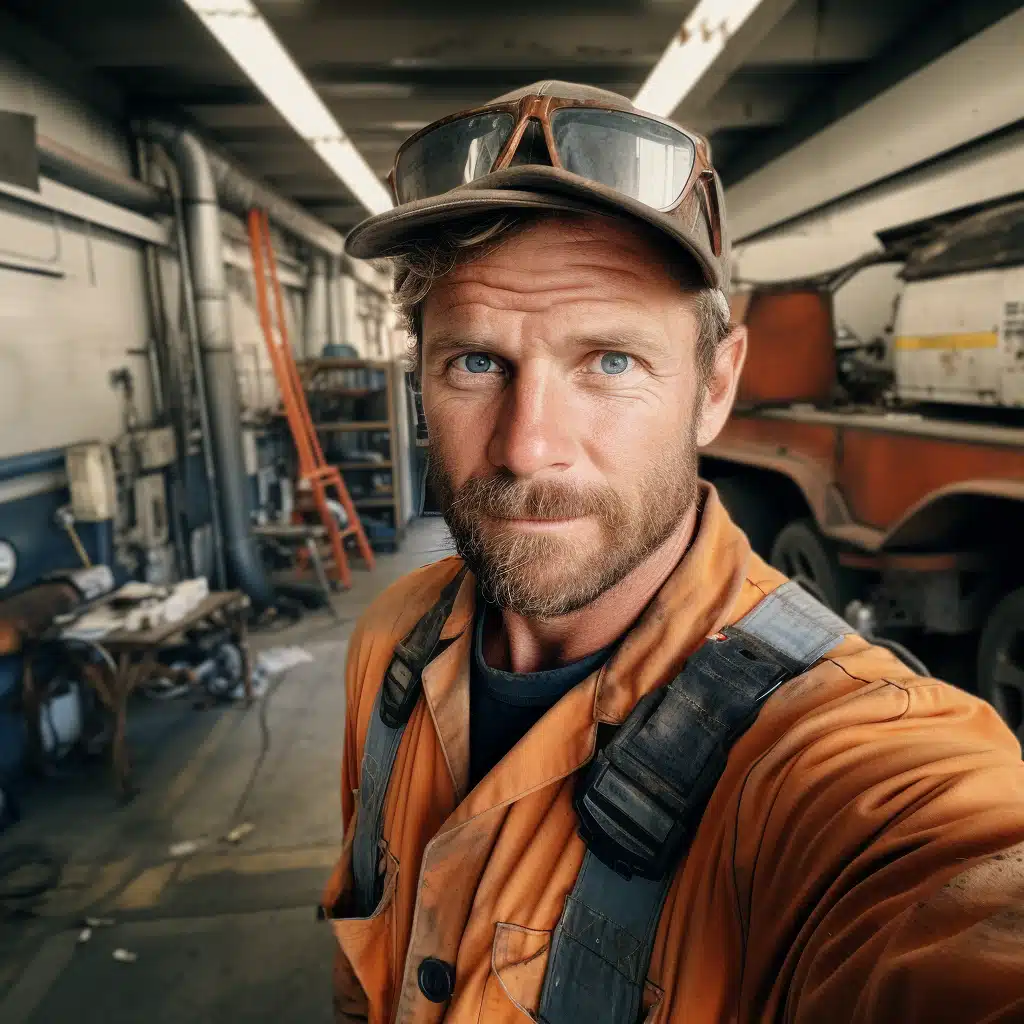
Tommy Hardy, an alumnus of the Georgia Institute of Technology with a degree in Mechanical Engineering, has been a go-to figure in residential upkeep and innovation for over 18 years. His career commenced in a leading home appliance manufacturing company, where he mastered the intricacies of household systems. Joining our platform in 2020, Tommy quickly became a reader favorite for his practical and easy-to-follow guides. He took the helm of our DIY section in 2019, consistently delivering content that empowers homeowners. Beyond his professional pursuits, Tommy is a passionate gardener and enjoys woodworking, skills enhancing his hands-on approach to home care.