
Standing in the paint aisle feels like a test nobody prepared you for. Flat, matte, eggshell, they all sound low-key and look nearly the same on those tiny sample cards.
Sometimes that guess costs you a full repaint job six months later. Paint choices affect more than just color; they shape how your walls look, feel, and hold up over time.
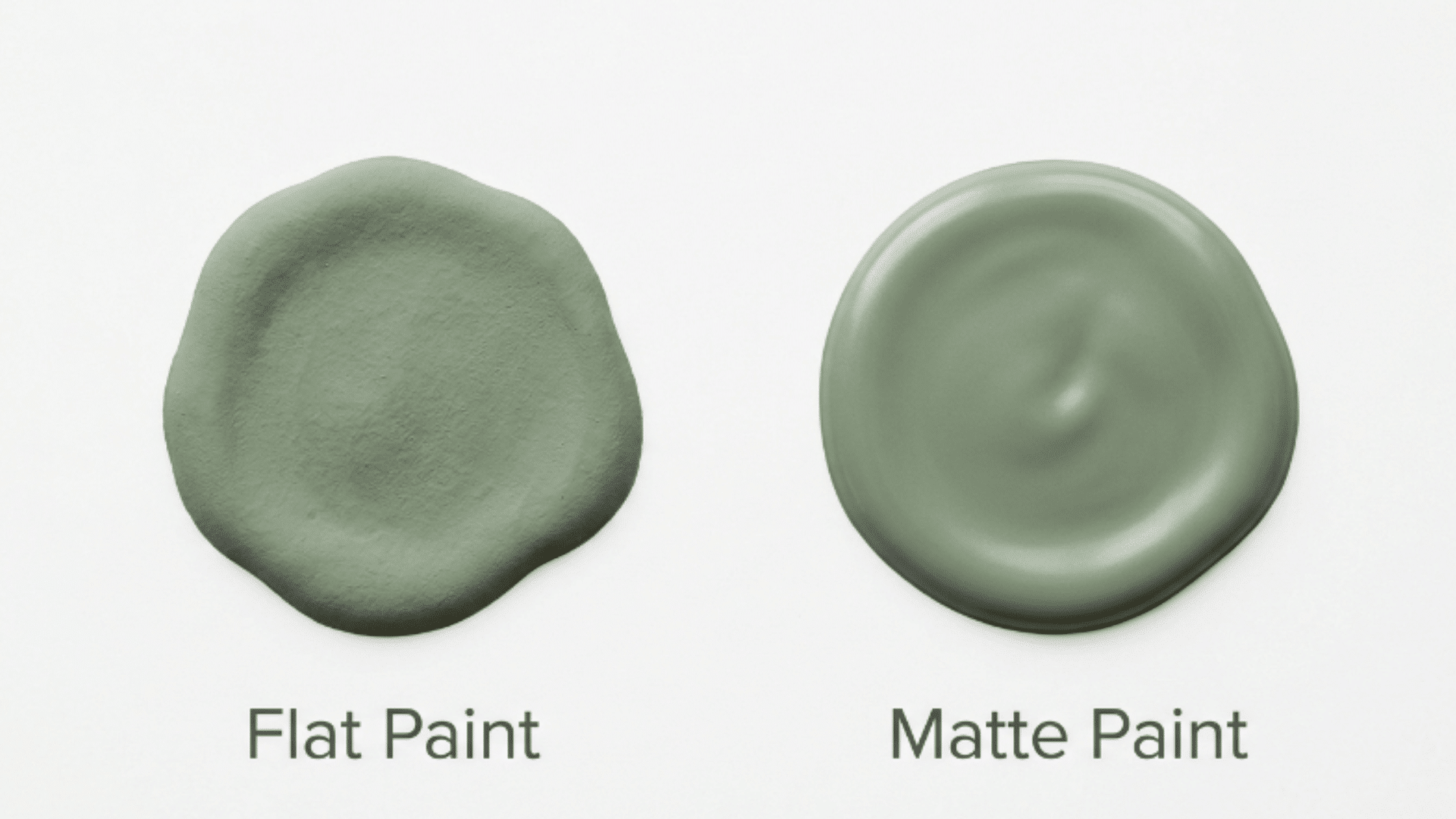
Matte vs flat paint may look like twins on the shelf, but they perform very differently on your walls. One is easier to clean. One hides wall damage better.
This blog covers the real differences, the pros and cons of each, and which rooms actually call for flat vs matte paint.
How Does Paint Finish Impact Daily Life?
Paint finish is not just about looks; it decides how your walls hold up over months and years.
Every sheen level controls how much light the wall reflects, how easy the surface is to clean, and how long the paint stays looking fresh.
A low-sheen finish absorbs light and hides surface flaws well, but picks up marks easily. A slightly higher sheen resists stains better but may show wall imperfections more clearly.
Daily factors like humidity, air circulation, wall texture, and room usage all push against your paint constantly. The finish you pick either handles that pressure or breaks down under it.
What Is Matte Paint
Matte paint is a flat, low-sheen finish that gives walls a smooth, soft appearance without visible shine or reflection.
Matte paint has a slight sheen that lies lower than that of eggshell or satin finishes. This makes it ideal for spaces where a clean, understated look is the goal.
The smooth, soft finish absorbs light rather than reflecting it back into the room. This helps hide minor surface imperfections, such as small dents, patches, or uneven textures.
Matte paint also adds noticeable depth to color, making shades appear richer and more true to tone. This is why designers often prefer it for accent walls and feature spaces.
Where to Use Matte Paint
Understanding where to apply matte versus flat paint helps you make the right choice for each room in your home. Here are the most common spaces where it performs well.
1. Living Rooms

Living rooms are among the most popular spaces for matte paint because the finish complements both natural and artificial light without creating glare or unwanted reflections on the walls.
When comparing flat vs matte paint, living rooms tend to suit matte better, as it offers a slight sheen that adds a bit more definition to the color on larger wall surfaces.
It gives the room a clean, settled look that works well with most furniture styles, color schemes, and lighting setups without drawing attention to the finish itself.
2. Bedrooms
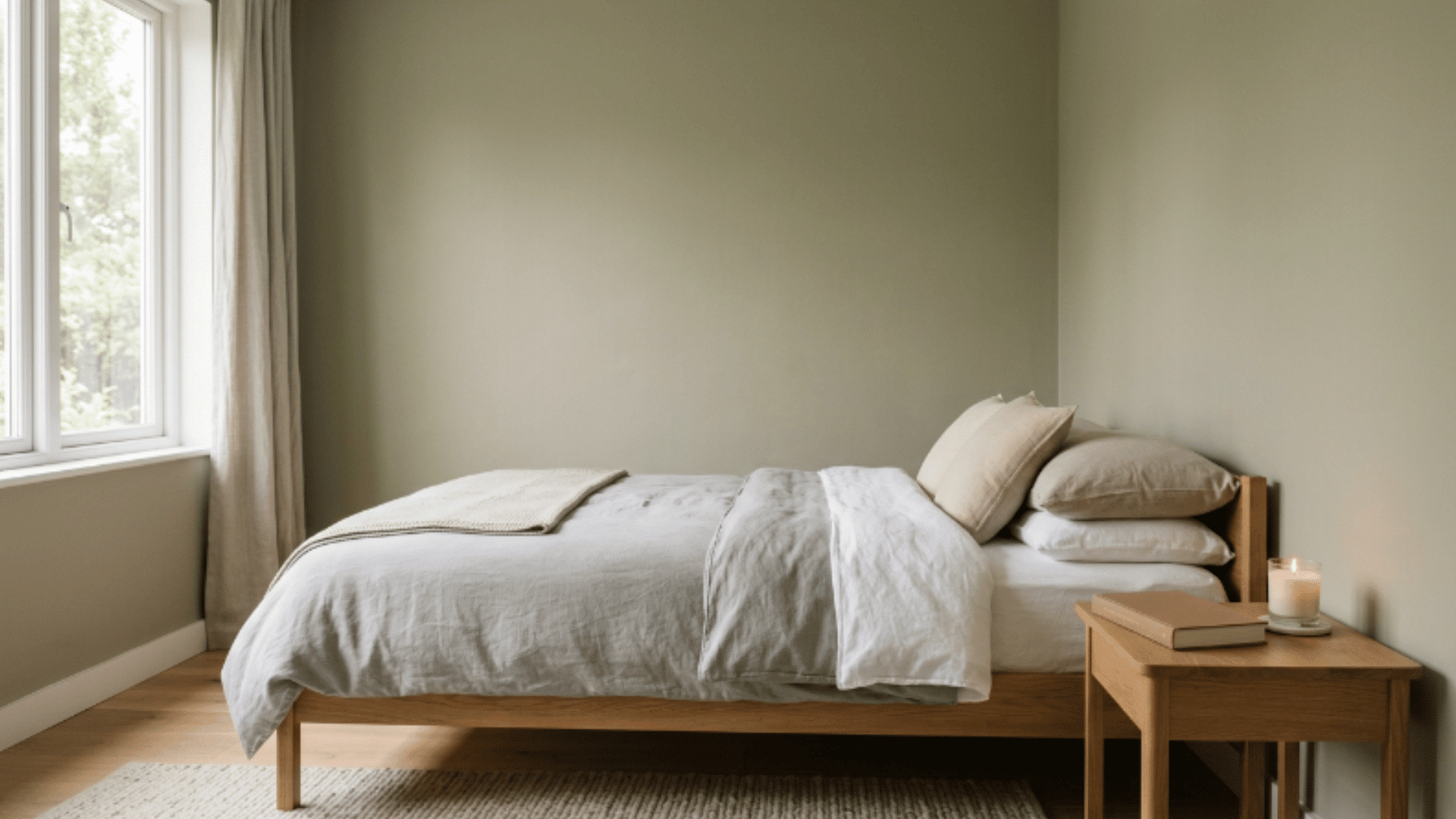
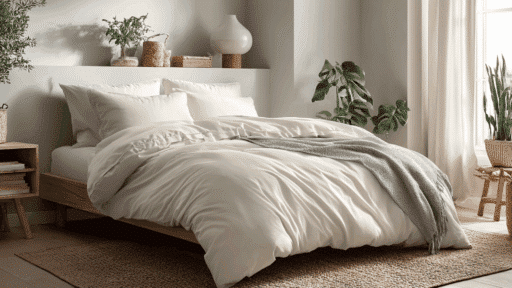
Bedrooms benefit greatly from matte paint because the soft, non-reflective finish creates a calm and restful atmosphere that glossier options cannot match in the same way.
In the flat vs matte debate, bedrooms sit comfortably in the matte category since the subtle depth it adds to color makes shades feel warmer and more considered rather than flat or dull.
Darker matte shades work especially well in bedrooms where a cozy, low-light feel is the goal, and the finish holds those deeper tones without making the room feel heavy or closed in.
3. Hallways
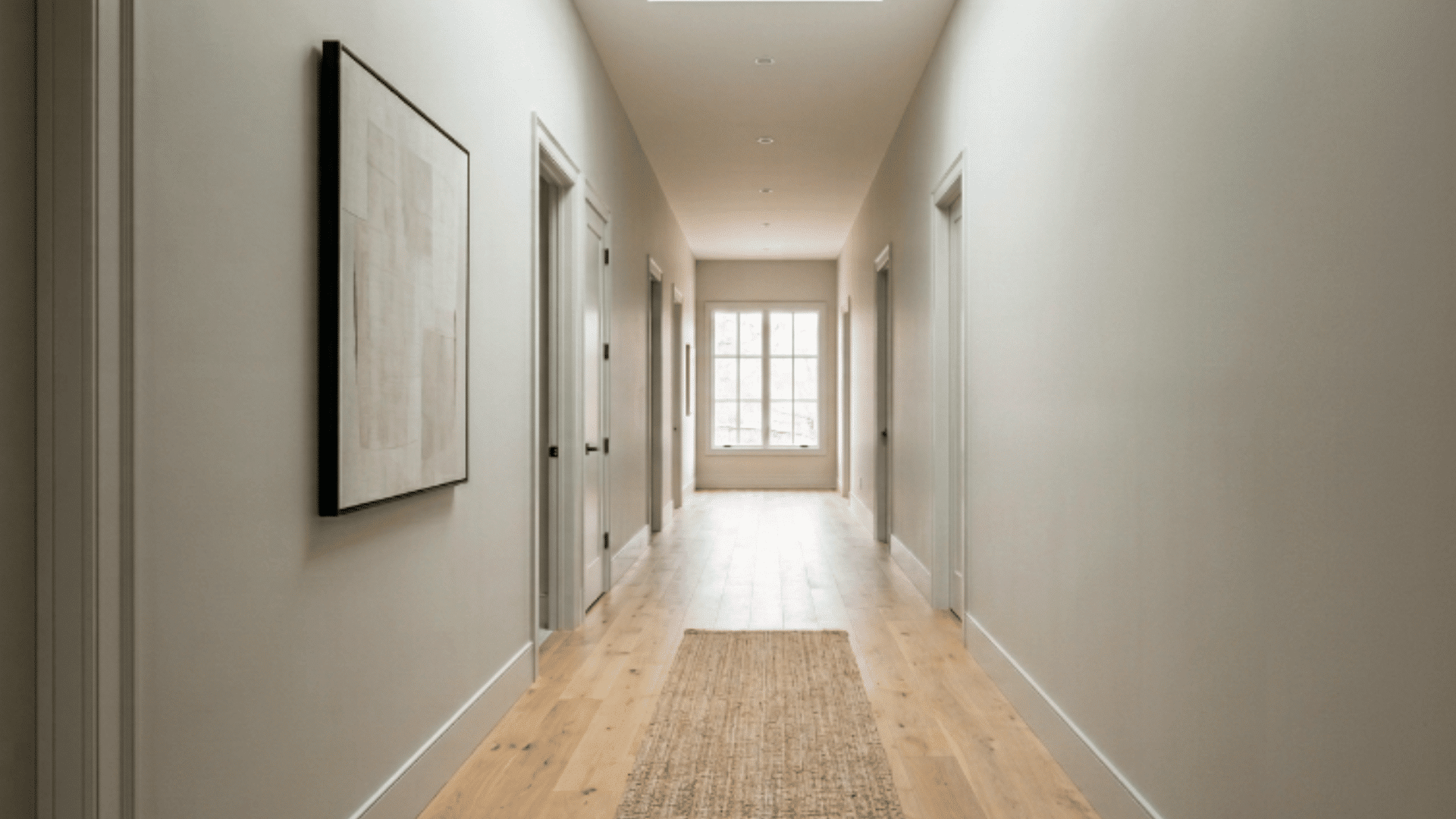
Hallways are a practical and effective space for matte paint, particularly in homes where the walls have minor surface imperfections that need to be softened rather than highlighted.
When thinking about matte vs flat paint for hallways, matte is the better option because the sheen gives it a more finished appearance than flat, while still keeping the look understated.
In wide hallways with reasonable natural light, matte paint delivers a consistent, polished result from one end of the space to the other without looking washed out or too stark.
What Is Flat Paint
Flat paint is a zero-sheen finish that gives walls a smooth, even coverage without any shine or light reflection.
Flat paint has no shine, sitting at the lowest end of the sheen scale. This makes it the go-to choice for spaces where a completely matte, non-reflective look is the priority.
The finish fully absorbs light rather than reflecting it back into the room. This quality makes it highly effective at hiding surface flaws, uneven textures, and wall repairs.
Flat paint also delivers smooth, even coverage across large surfaces in a single application.
Where to Use Flat Paint
Understanding where flat paint performs best helps clarify the flat vs matte paint decision for each space in your home. Here are the most common areas where it delivers the best results.
1. Ceilings
Ceilings are the most natural and widely recommended application for flat paint because the zero-sheen finish prevents light from reflecting off the surface and drawing the eye upward.
When considering flat vs matte for overhead surfaces, flat paint wins because any sheen on a ceiling becomes noticeable under direct lighting, making the space feel less refined.
The even coverage flat paint also means fewer coats are needed to achieve a clean, consistent result across a large ceiling surface with no patchy or uneven areas.
2. Low-Traffic Rooms
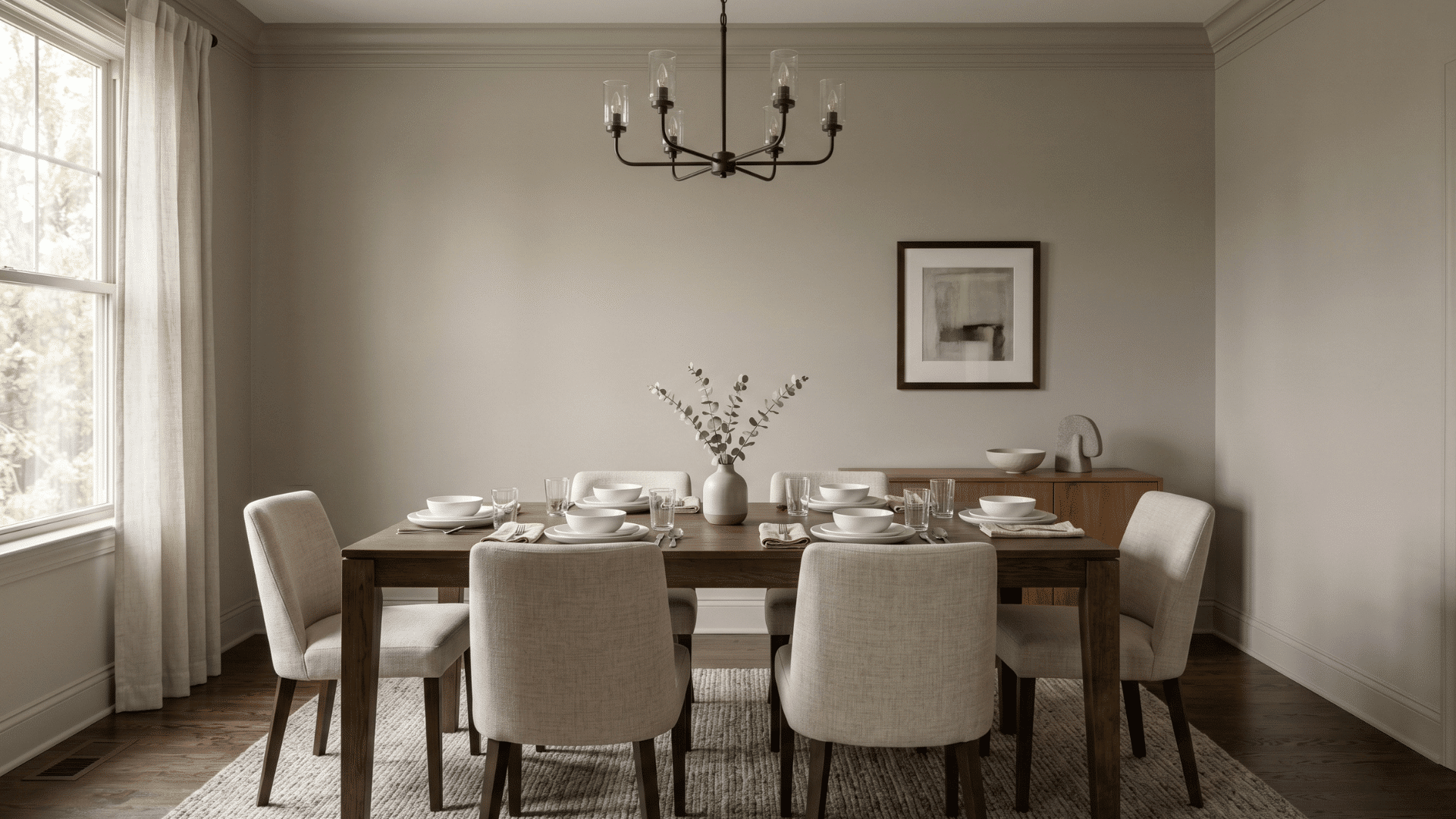
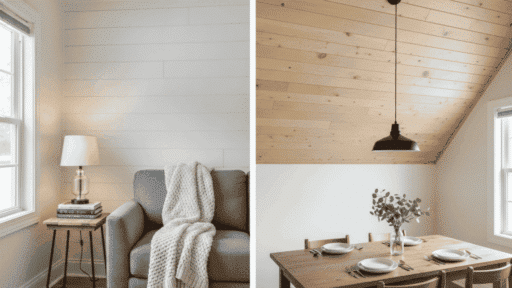
Low-traffic rooms like guest bedrooms, formal dining rooms, and reading rooms are well-suited to flat paint, as the walls are rarely touched and subject to little wear.
Flat paint performs well in these spaces because its lack of sheen gives the room a quiet, composed appearance that does not compete with furniture or artwork.
The depth of color flat paint produces in a low-traffic room is consistent and rich, making it a reliable choice for spaces where the wall finish is meant to stay in the background.
3. Closets and Storage Areas
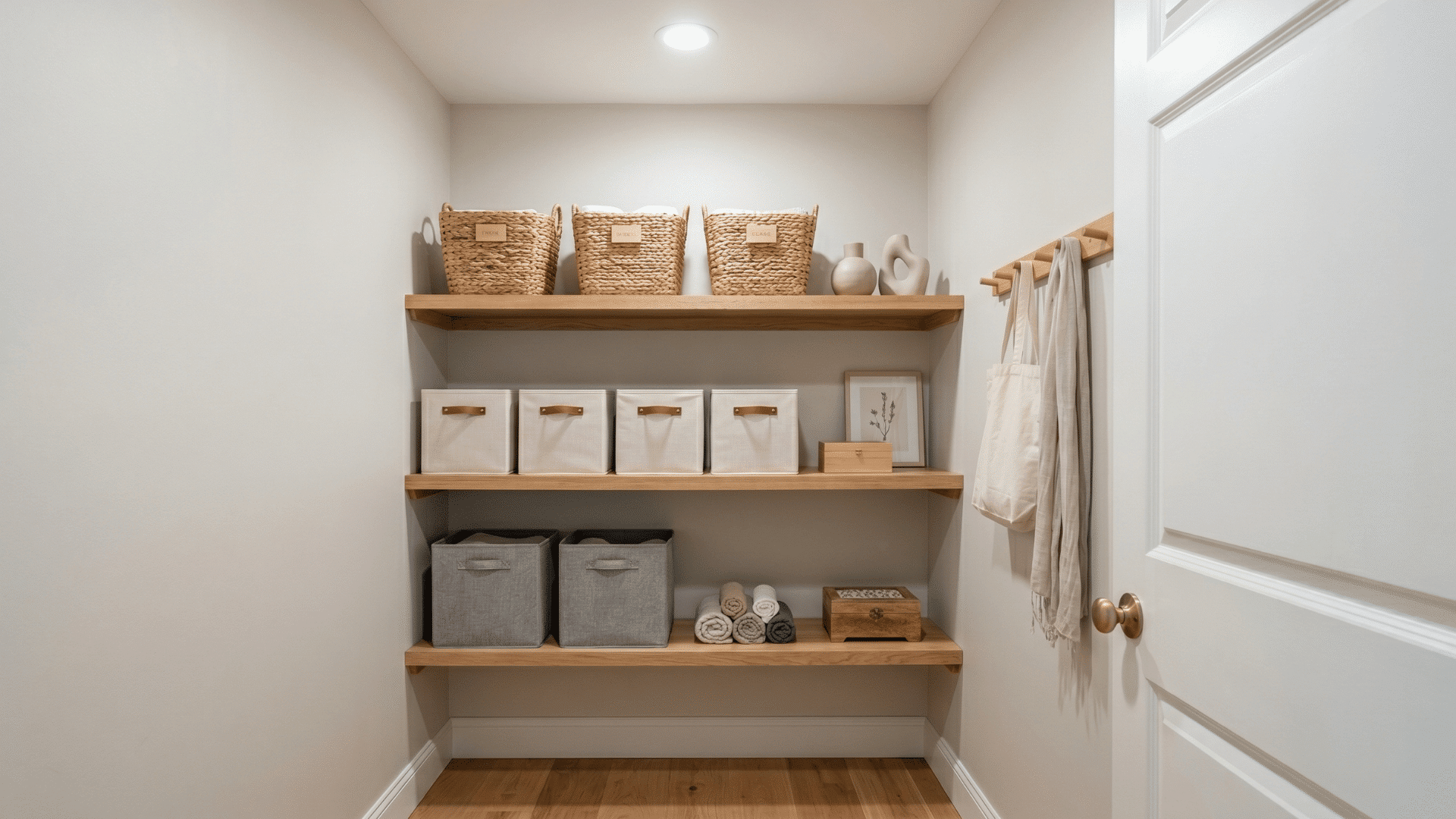
Closets and storage spaces are ideal for flat paint because they are not frequently touched, scrubbed, or exposed to heavy daily cleaning routines that wear the finish down.
The zero-sheen finish keeps the space looking simple, clean, and uniform without drawing unnecessary attention to the walls or surface texture beneath the paint.
Flat paint also works well in tight spaces with limited lighting, helping to avoid uneven reflections. It is a cost-effective finish choice for functional rather than decorative areas.
Matte vs Flat Paint Comparison Table
Choosing between these two finishes can feel confusing at first. This side-by-side table breaks down how flat vs matte paint differs across the features that matter most in real use.
| Feature | Flat Paint | Matte Paint |
|---|---|---|
| Sheen | No sheen | Very low sheen |
| Durability | Low durability | Medium durability |
| Cleanability | Hard to clean | Easier to clean |
| Cost | Lower cost | Slightly higher cost |
| Light Reflection | No reflection | Slight reflection |
| Touch-Up Ease | Easy touch-ups | Moderate touch-ups |
| Finish Look | Flat, no depth | Soft, slight depth |
| Maintenance | High upkeep | Moderate upkeep |
How to Choose Between Flat vs Matte Paint?
Both finishes have their strengths, and knowing the key differences between flat vs matte paint makes the decision much easier. Here is what to consider before making a decision.
- Hide Flaws: Flat paint is the better option for walls with visible cracks or uneven textures, since its zero-sheen finish effectively draws attention away from surface imperfections.
- Daily Use: Matte paint holds up better in spaces that see regular activity, as it cleans up more easily than flat paint and maintains its appearance longer.
- Cleaning Needs: If the wall is likely to be wiped down regularly, matte is the safer pick, since flat paint breaks down faster when scrubbed and leaves marks.
- Room Lighting: In rooms with strong natural or artificial light, matte performs better since the slight sheen prevents the finish from looking too stark or washed out.
- Room Size: Flat works well in smaller or darker rooms to create a softer feel, while matte suits larger spaces where some light interaction adds dimension to flat vs matte walls.
Wrapping Up
Getting the finish right the first time saves you from having to repaint sooner. The wrong choice affects not just appearance but also how long the wall holds up under certain conditions.
Matte vs flat paint is not a difficult decision once you understand what each finish is built to handle. Both work well when matched to the right room and the right wall condition.
Touch, traffic, humidity, and lighting all play a role in how a finish performs over months of regular use. Flat vs matte paint comes down to what the room actually demands.
Assess the wall condition, pick the finish that fits the space, and test a sample before committing to the full wall.

Millie Anderson, a graduate of Textile Design from the Fashion Institute of Technology, has carved her name in fabric and material finishes for over 16 years. Her career took flight in a renowned textile manufacturing company, where she mastered combining textures and patterns. Millie joined our team in 2018, becoming a cornerstone for readers interested in the latest trends in textiles. Since then, she has been the lead editor for our home decor fabrics section, blending her deep knowledge of materials with a flair for contemporary design. Beyond her professional achievements, Millie is an enthusiastic quilter and often participates in community arts and crafts workshops, further nurturing her passion for fabrics and design.