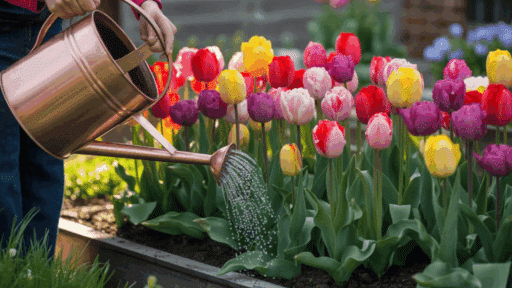
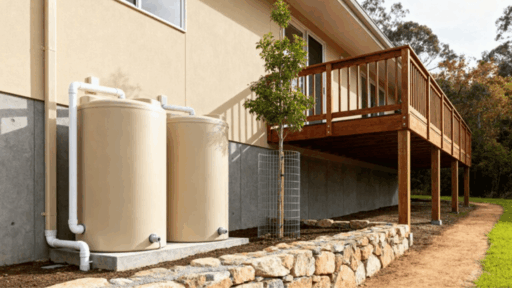
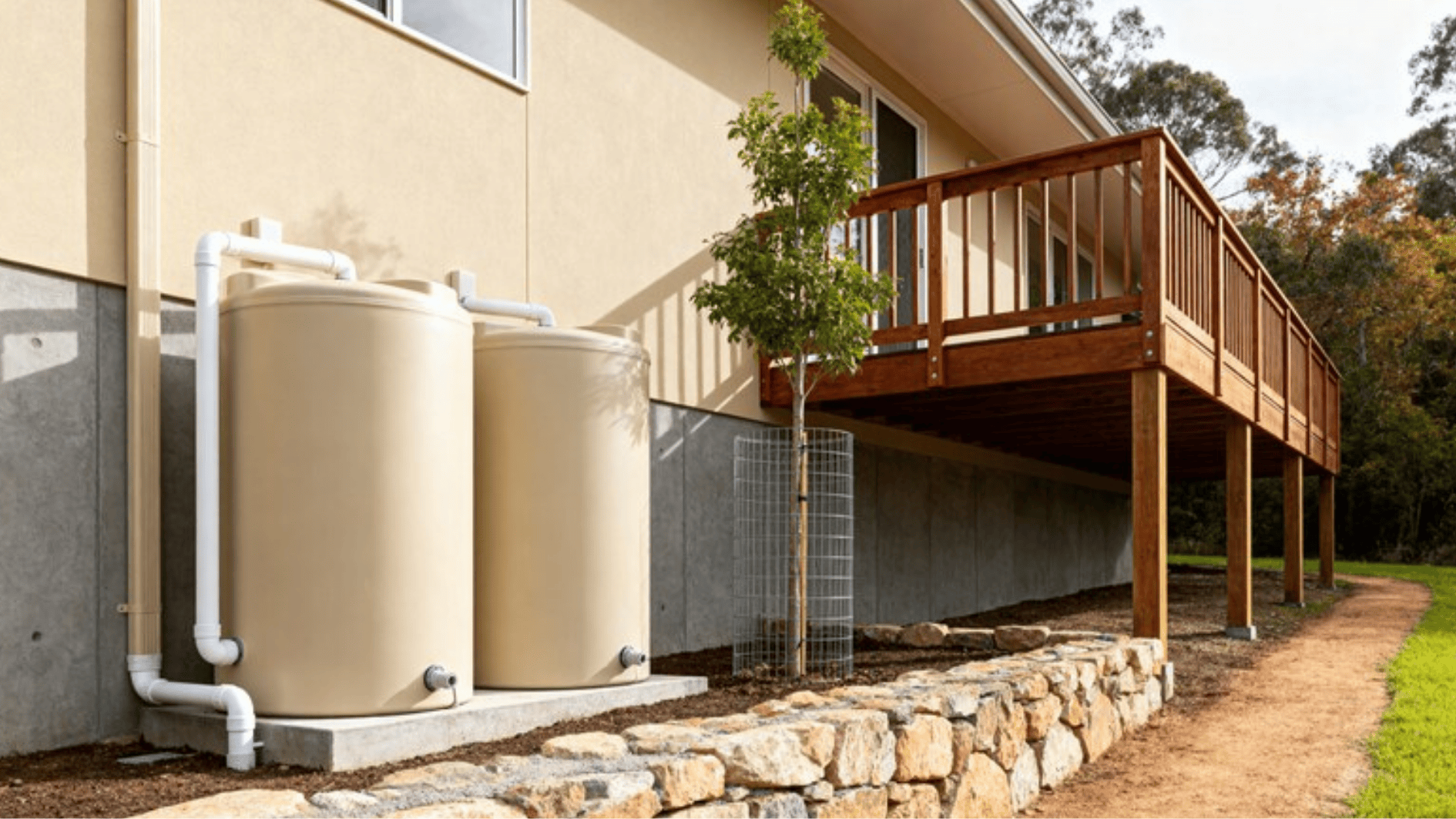

Imagine stepping outside after a heavy storm, bucket in hand, ready to water your garden, only to find out you could be breaking the law.
It sounds absurd, but for millions of people, it’s a very real legal gray area, which is exactly why so many ask: Why is collecting rainwater illegal?
Is it government overreach, a necessary protection of shared water resources, or just an outdated law that refuses to die?
Before we jump into what experts say, let’s look at what everyday people are actually debating, because public opinion on this topic is anything but quiet.
Why Is Collecting Rainwater Illegal in The First Place?
Most people are stunned to find that harvesting rain, something humans have done for thousands of years, can carry legal consequences today. So, why is collecting rainwater illegal in certain states?
It traces back to “prior appropriation,” a 19th-century frontier law that treats rainfall as a shared public resource, already allocated before it hits your roof.
If you collect it first, you could legally be depriving downstream farmers or municipalities of water they’re entitled to.
Is it illegal to catch rainwater everywhere, though? Far from it. The law is a patchwork, and your zip code makes all the difference.
State-by-State Breakdown
Rainwater harvesting laws vary significantly across the United States, with each state setting its own rules on legality, collection limits, and potential penalties.
| State | Legal Status | Allowed Quantity | Penalty |
|---|---|---|---|
| Texas | Fully legal | No limit | None |
| Colorado | Legal (since 2016) | 110 gallons max | Fine + removal |
| California | Legal with a permit | Varies by county | Permit revocation |
| Utah | Legal | 2,500 gallons | Fine |
| Oregon | Limited | 5,000 gallons | Fine + legal action |
| Ohio | Fully legal | No limit | None |
| Arizona | Encouraged | No limit | None |
| Nevada | Restricted | 100 gallons | Fine |
International Perspective: The contrast globally is striking:
- Encouraged: Australia, Germany, Japan, and India actively promote rainwater harvesting through government subsidies and infrastructure support.
- Restricted: Iran and some Middle Eastern nations regulate collection heavily due to extreme water scarcity and shared water table concerns.
- Most of Western Europe permits the collection freely but regulates its use for drinking purposes.
The bottom line, why collecting rainwater is illegal in some places, comes down to geography, history, and political will; your zip code, quite literally, determines your rights.
The Historical Roots: How Did We Get Here
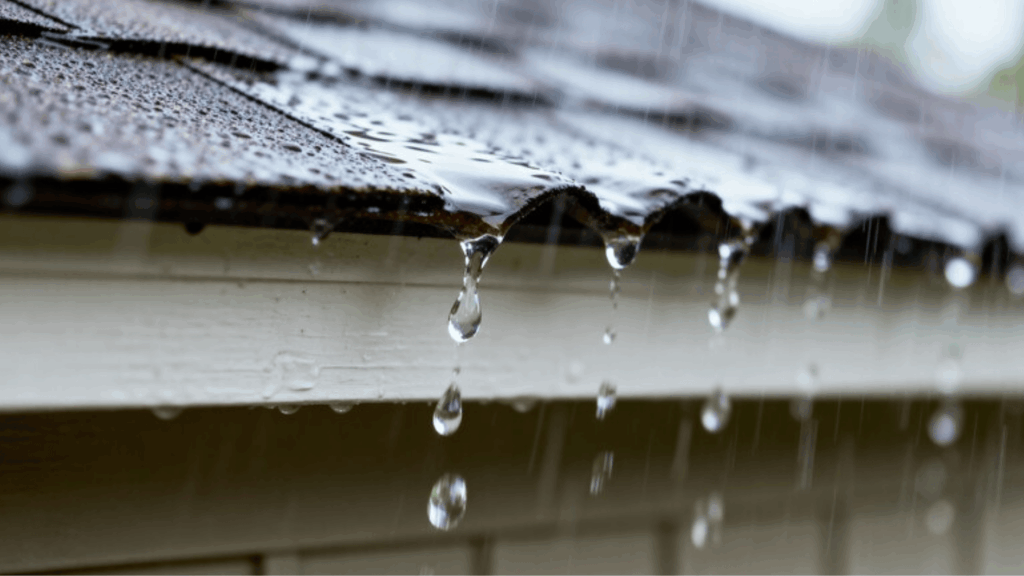
To understand why collecting rainwater is illegal in parts of America, you have to go back to the 1800s, when water was more valuable than gold in the arid American West.
Long before modern plumbing, reservoirs, or environmental policy existed, water was the single resource that determined whether a frontier settlement would survive or collapse entirely.
- 1840s–1850s: Settlers pushing into the American West claimed rivers, streams, and rainfall under the “prior appropriation” doctrine. Whoever claimed water first owned it permanently.
- 1876: Colorado formally codified this into state law, setting a precedent that rapidly spread across most western states within decades.
- 1972: The Clean Water Act introduced federal oversight, cementing that water, including precipitation, falls under regulatory control, not individual property rights.
- Today: 150+ years of layered legislation is exactly why collecting rainwater is illegal in certain states; the rain on your roof was legally spoken for before it left the clouds.
What the Public is Saying About it?
When people search for why collecting rainwater is illegal, they’re not just looking for a legal definition. They’re looking for community, they want to know if others share their disbelief, frustration, or curiosity.
Here’s what real people are saying across Reddit.
“Usually these laws get put in place in areas that have only limited rainfall, so taking water for personal use is effectively taking water from someone downstream.” –Reddit
“Some states impose a volume limit on rainwater collection because collecting too much can reduce the amount of water flowing to others.” –Reddit
“It falls out of the sky and people want to claim ownership of it, which is why some places try to regulate or even criminalize the collection.” –Reddit
“The state doesn’t actually own the rain, but it regulates who can collect and use that water as a shared resource.” –Reddit
The Ethical Debate: Is It Fair
Beyond legality, there’s a deeper moral question that public discussions keep circling back to: Should rainwater collection be restricted in the first place?
The debate over why collecting rainwater is illegal breaks into two clear camps, and neither side is entirely wrong.
Camp 1: Water is a Shared Resource
- Water systems are interconnected; individual harvesting reduces flow to rivers and municipal supplies.
- Downstream farmers and cities rely on consistent reservoir replenishment.
- Large-scale individual collection can disrupt natural water cycles in drought-prone regions.
Camp 2: Collection is a Natural Right
- Restricting rainfall is fundamentally unjust when corporations and industrial agriculture face far fewer limits.
- Low-income and rural households are most affected, as people are simply trying to reduce utility bills.
- Rainwater harvesting actually reduces stormwater runoff, flooding, and soil erosion.
Is it illegal to catch rainwater because governments got it wrong?
Many argue yes, that penalizing a behavior that actively helps the environment is a policy contradiction that can no longer be ignored. There’s no clean answer, but the conversation is worth having, and increasingly, it is.
What You Can Legally Do Right Now?
Before grabbing a bucket, here’s what you need to know, because whether it is illegal to catch rainwater in your state could depend entirely on these steps.
- Check your state law: Visit NCSL to find your state’s exact rules before setting anything up.
- Start with a rain barrel: Most states permit one or two 55-gallon barrels connected to a downspout.
- Know your usage limits: Collected rainwater is often restricted to outdoor irrigation only.
- Get the right permits: Some states require permits or approved tank types before installation.
Conclusion
Rainwater has fallen freely for billions of years, yet whether it is illegal to catch rainwater still depends on where you live.
What began as a 19th-century survival issue has quietly turned into one of the most debated environmental policy questions of modern times.
The frustration visible across public forums is real, and it’s growing. As droughts intensify and sustainability becomes a necessity rather than a lifestyle choice, older restrictions are increasingly difficult to defend.
Change is coming, slowly but clearly. The real debate is no longer just: Is it illegal to catch rainwater? The question is whether rainwater collection should be restricted at all.

Holding a Master’s in Library and Information Science from the University of Illinois, Josh Clarke has dedicated more than 15 years to managing and disseminating information across various platforms. His professional journey includes significant experience as a research librarian, where he developed an expertise in sourcing and providing accurate and comprehensive answers to diverse questions. In 2018, Josh brought his rich experience to our platform, quickly establishing himself as a reliable source for general FAQs. He has been overseeing our information curation since then, combining his research skills with a flair for engaging content delivery. When not involved in information management, Josh enjoys exploring digital photography and participating in local quiz competitions, hobbies that complement his inquisitive nature and love for learning.