

Every roof shields the home below it, but damage often goes unnoticed until water starts dripping inside. Years of sun, storms, and poor airflow can slowly weaken even the sturdiest structures. Catching issues early can save thousands in repair costs and delay the need for full replacement. This guide highlights the clearest warning signs that point toward hiring a qualified roofer without delay.
Visible Damage on Shingles and Tiles
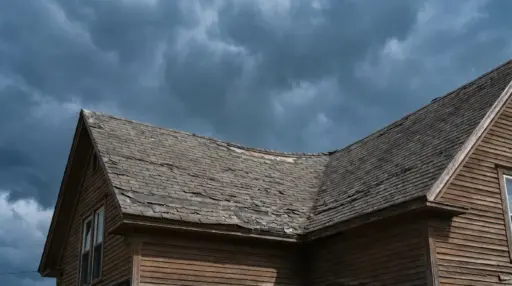
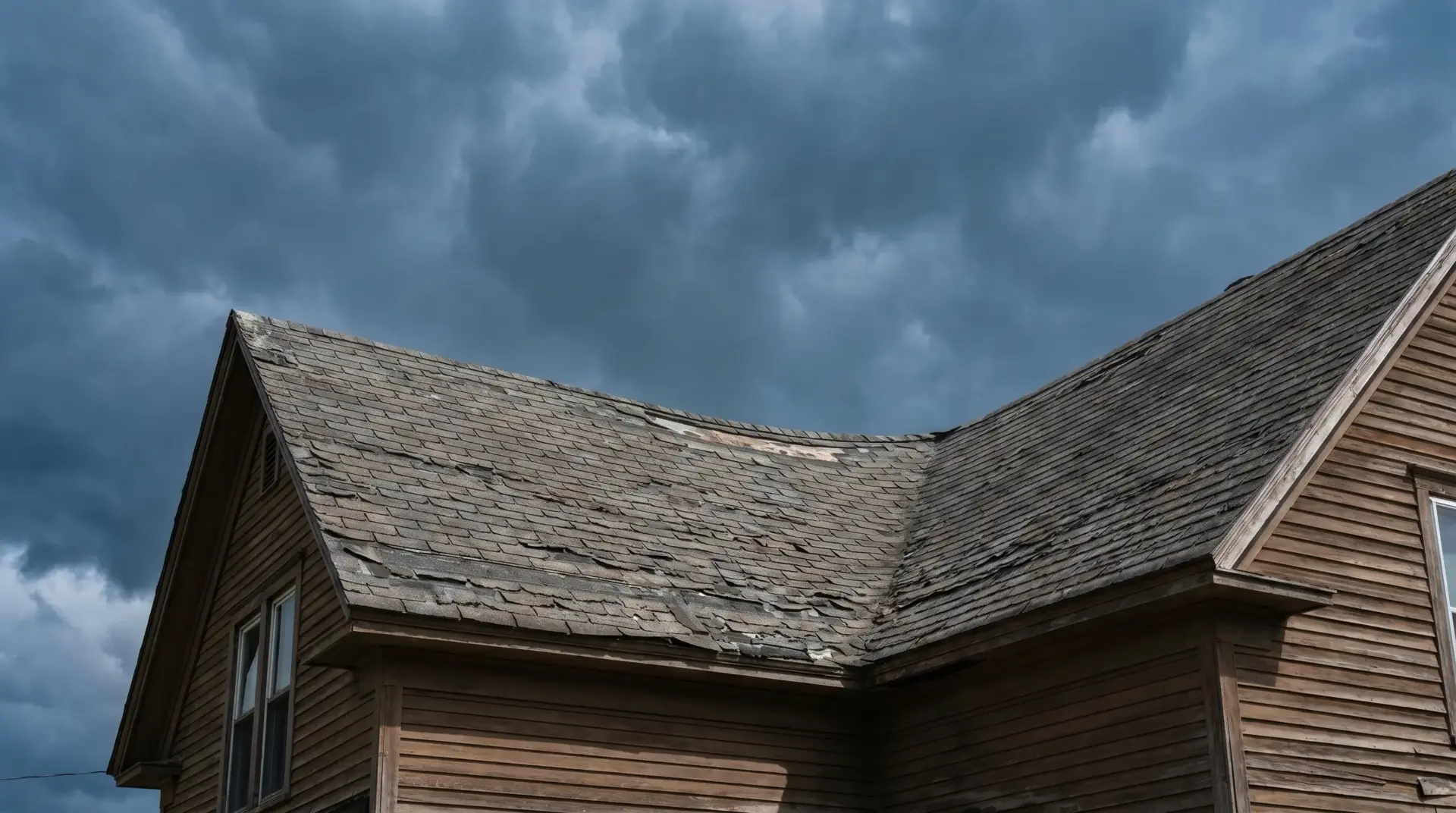
Shingles reveal plenty about a roof’s condition. Pieces that look cracked, curled, or missing leave the underlayment open to rain, wind, and blazing sun. Asphalt varieties shed granules as they age, creating dark bare spots that can be seen from a distance. Collected granules sitting inside gutters add another useful clue.
Tiles made from clay or concrete can crack after hail strikes or falling limbs. Just one broken piece opens a path for water to sneak through. Houses near the coast tend to wear down faster, since salty air eats away at protective coatings much quicker than drier inland climates.
Water Stains on Ceilings and Walls
Brown rings spreading across a ceiling or paint bubbling on an interior wall usually mean water is already getting in. Leaks rarely drop straight down; water follows rafters before pooling at the weakest spot. Identifying the true source requires expert help and the right tools.
Anyone living in a humid climate should move quickly once those stains show up. Skilled contractors handling Southeastern Florida Roof Repair can follow the leak to its origin and fix the damage before mold sets in. Putting off this work often turns a small patch job into a much bigger repair involving drywall, insulation, and framing beneath.
Sagging Areas or Dips in the Roofline
A sound roof should stretch in a clean, level line from eave to ridge. Noticeable dips hint at trapped moisture, rotting decking, or weakened rafters holding up the structure. Small sags deserve attention because the damage underneath tends to grow over time. Pools of water on flat sections create similar risks and wear down waterproof membranes quickly.
Why Sagging Deserves Immediate Attention
Structural dips can cause large-scale issues. Wood soaks up water, weakens over months, and finally crushes beneath its own weight. A collapsed section puts everyone inside at risk and damages furniture, electronics, and other items. Fast action by licensed roofers prevents the catastrophic failure from happening during the next heavy storm.
Granule Buildup and Gutter Debris
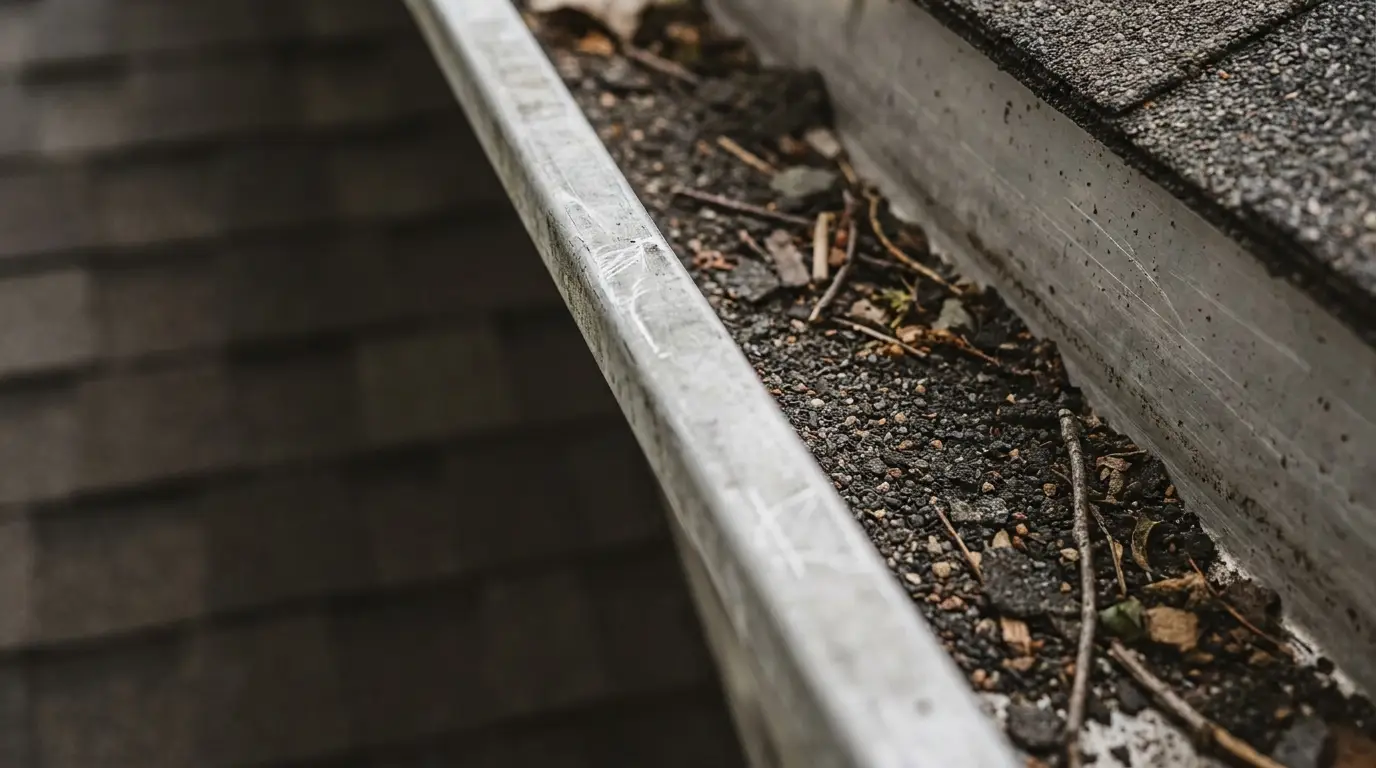
Gutters often tell a clearer story than most homeowners expect. Big piles of shingle granules found during routine cleaning suggest the asphalt layer is wearing thin. Newer shingles feel coarse and gritty, while older ones grow smooth as rainfall washes their protective surface away over time.
Blocked gutters also force water back under shingles and into fascia boards behind them. That pushed-back flow rots wood, stains siding, and draws pests toward the openings. Scheduled inspections catch this early, before problems creep across the eaves.
Daylight Through Attic Boards
Homeowners should glance upward during daylight hours while standing in their attic. Sunlight slipping between roof boards points to gaps where water and outside air pass straight through. Damp insulation, musty odors, and patches of visible mold confirm ongoing moisture trouble overhead.
Checking Attic Ventilation
Weak airflow traps heat and humidity inside, warping decking and cutting years off shingle life. Soffit vents, ridge vents, and gable openings must work together in a balanced manner. A seasoned roofer can judge whether the current setup handles the demands of local weather year-round.
Rising Energy Bills
Sudden jumps in heating or cooling costs sometimes trace straight back to the roof above. Soaked insulation, poor airflow, and missing shingles let treated indoor air slip out daily. Families in hot, humid regions usually feel these effects strongest during peak summer months.
A single inspection often pinpoints the real cause. Patching gaps, swapping out wet insulation, and fixing broken flashing restores efficiency fast. These repairs tend to pay for themselves through smaller utility bills across the coming seasons.
Flashing Problems Around Vents and Chimneys
Metal flashing seals joints where the roof meets chimneys, skylights, and vent pipes running upward. Rust spots, bent edges, or crumbling sealant open direct paths for water to enter the home. Older houses fitted with cement flashing commonly develop cracks needing full replacement rather than quick patchwork.
Good flashing installation calls for real skill. Wrong angles or loose fasteners can create fresh leaks instead of stopping existing ones, so trained hands truly matter here.
Conclusion
Spotting roof trouble early keeps families safe and preserves property value for years ahead. Warning signs such as stained ceilings, sagging sections, missing granules, and daylight showing through attic boards all suggest deeper problems needing expert review. Booking a professional inspection at the first sign of damage blocks costly repairs later on. A solid roof begins with quick decisions and trusted workmanship behind every repair.

Holding a Master’s in Architecture from the University of Texas at Austin, Emily Rodriguez has dedicated more than two decades to the art and science of building renovation. Starting her journey in historic preservation, she developed a profound respect for blending old with new in building design. Emily became a vital part of our team in 2019, renowned for her insightful and innovative renovation tips. She has been leading our DIY home improvement series since ever since, where she shares her wealth of knowledge in turning outdated spaces into modern havens. When not engaged in writing or consulting, Emily is a passionate advocate for heritage conservation and enjoys exploring vintage architecture, a hobby that complements her professional expertise.