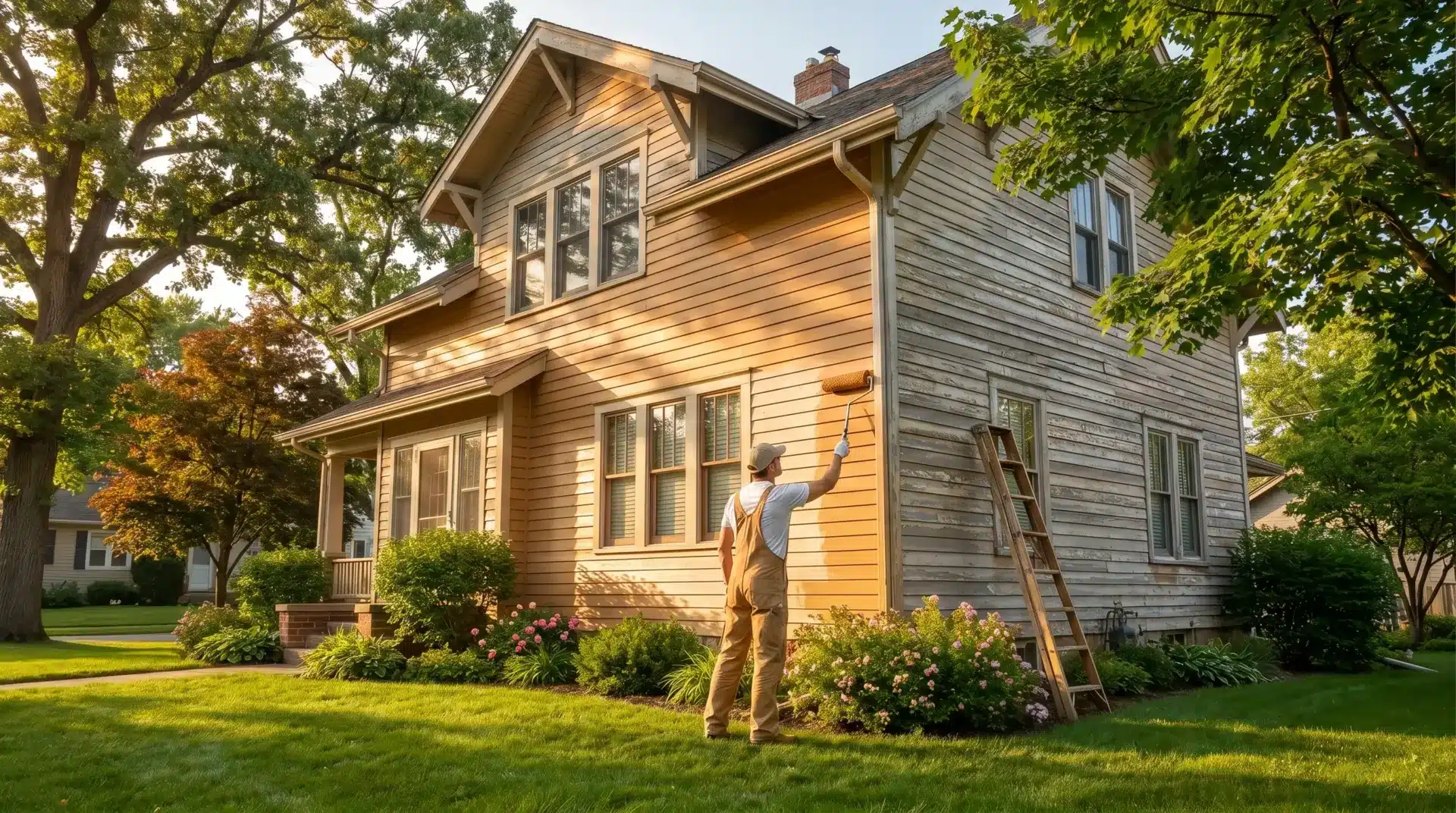

A fresh coat of paint offers much more than visual appeal. It acts as a shield against moisture, sun exposure, and gradual structural wear. Many property owners overlook how surface coatings contribute to long-term building health. Consistent upkeep and skilled application methods can extend a structure’s usable life by years. The following sections examine how professional painting services protect and preserve both residential and commercial buildings.
Protection Against Weather and Environmental Damage
Exterior surfaces endure constant assault from sunlight, rain, wind, and shifting temperatures. Ultraviolet rays degrade materials steadily, causing wood to split and metal to oxidize. High-quality exterior paints include UV-blocking agents that deflect harmful rays and slow this breakdown.
Moisture poses one of the greatest risks to any structure. Water that seeps into siding, trim, or stucco creates ideal conditions for rot, mold, and foundation complications. Hiring specialists like Bright Side Painting guarantees thorough surface preparation and application methods that seal exposed areas properly. Skilled painters spot trouble zones, apply suitable primers, and select weather-resistant products matched to regional climate patterns.
Seasonal temperature swings force building materials through repeated expansion and contraction cycles. Inferior coatings crack under this movement, leaving substrates vulnerable. Premium paints retain flexibility across temperature extremes, maintaining their protective seal through every season.
Prevention of Wood Rot and Decay
Wooden elements demand reliable protection from water absorption. Bare or neglected wood soaks up moisture, inviting fungal growth and speeding decomposition. Window frames, door casings, deck planks, and siding panels all gain longevity from proper sealing.
Surface Preparation Matters
Skilled painters sand uneven spots, fill voids, and strip away loose material before coating application. This groundwork lets paint adhere directly to solid wood fibers. Gaps and fissures receive caulk or filler to eliminate water entry paths.
Primer and Finish Selection
Oil-based primers soak into wood grain and deliver strong moisture resistance. Acrylic topcoats provide flexibility and lasting performance for outdoor use. Together, these layers form a defense system that blocks water penetration while letting trapped moisture escape.
Rust and Corrosion Control on Metal Surfaces
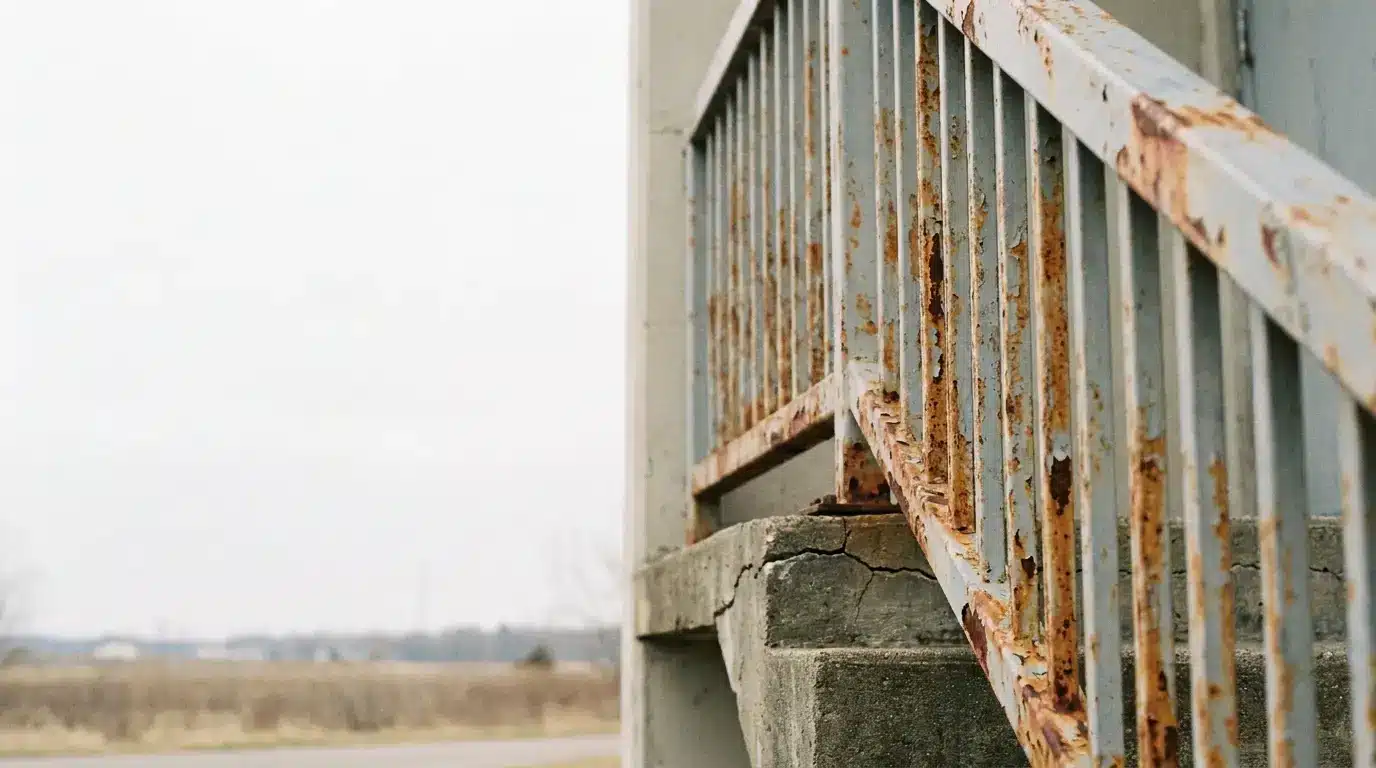
Metal railings, gutters, flashing, and structural elements break down when exposed to oxygen and water. Rust compromises metal strength over time, eventually creating safety hazards. Protective coatings separate metal from corrosive agents.
Rust-inhibiting primers bond chemically with metal and neutralize active oxidation. These formulations contain zinc or similar compounds that corrode sacrificially to spare the base material. Finish coats supply additional barrier strength alongside visual improvement.
Industrial and commercial buildings with extensive metal infrastructure gain particular value from scheduled upkeep programs. Routine inspection and spot repairs catch early corrosion before it spreads across larger areas.
Improved Resistance to Pest Damage
Certain coating formulations discourage insect activity on treated surfaces. Some products contain compounds that repel termites, carpenter ants, and other wood-destroying pests. Standard paints also create a physical barrier that makes surfaces less inviting to insects searching for access points.
Properly sealed exteriors close the tiny gaps and openings where pests build colonies. When painters address failing trim, damaged siding, or flaking coatings, they remove the entry routes that insects use to infiltrate structures.
Extended Maintenance Intervals
Buildings with quality paint applications need fewer repairs over time. Protective coatings reduce stress on underlying materials and slow natural aging. Property owners who choose professional application often see surfaces remain sound for eight to twelve years between major repaints.
Longer maintenance cycles mean lower lifetime ownership expenses. Fewer repairs, less frequent repainting, and reduced emergency fixes all improve financial outcomes across decades of ownership.
Enhanced Resale Value and Marketability
Well-kept properties attract higher offers and sell more quickly. Buyers recognize careful maintenance as a sign of overall property stewardship. A building showing peeling paint, visible decay, or clear neglect raises red flags about hidden issues.
Fresh, professionally applied coatings communicate that owners have guarded their investment. Appraisers and inspectors view solid exterior maintenance favorably when evaluating property condition and market value.
Conclusion
Professional painting delivers protection that reaches well beyond aesthetic upgrades. Quality coatings guard structures from moisture damage, UV exposure, temperature stress, rust formation, and pest activity. Careful surface preparation and thoughtful material choices maximize each application’s service life. Property owners who commit to regular maintenance experience fewer repair bills, reduced emergencies, and stronger resale outcomes. Putting resources toward experienced painters and dependable products brings returns throughout ownership, protecting both structural soundness and financial investment.

Holding a Master’s in Architecture from the University of Texas at Austin, Emily Rodriguez has dedicated more than two decades to the art and science of building renovation. Starting her journey in historic preservation, she developed a profound respect for blending old with new in building design. Emily became a vital part of our team in 2019, renowned for her insightful and innovative renovation tips. She has been leading our DIY home improvement series since ever since, where she shares her wealth of knowledge in turning outdated spaces into modern havens. When not engaged in writing or consulting, Emily is a passionate advocate for heritage conservation and enjoys exploring vintage architecture, a hobby that complements her professional expertise.