

In Austin, home maintenance is not just about keeping a property looking nice. It’s about protecting it from the city’s heat, sudden storms, shifting soil, and everyday wear. Small issues like clogged gutters, weak window seals, dirty air filters, or minor leaks can quickly turn into expensive repairs if they are ignored. With Austin’s cost of living and housing expenses still a major concern for many homeowners, staying ahead of maintenance can help protect both your home and your budget.
The good news is that many costly repairs can be prevented with simple, consistent upkeep. By checking key systems, watching for early warning signs, and following a seasonal maintenance routine, Austin homeowners can reduce surprise expenses and keep their homes safe, efficient, and ready for the future.
Stay Ahead of Austin’s Heat, Storms, and Shifting Soil
Owning a home in Austin means dealing with a mix of intense summer heat, sudden storms, heavy pollen, and clay-heavy soil that can expand and contract with moisture changes. From neighborhoods near Zilker Park to homes around Circle C Ranch and East Austin, small maintenance issues can quickly become expensive if ignored.
Regular home maintenance helps prevent minor problems from turning into major repair bills, and it can also reduce the risk of insurance claim issues if damage is tied to neglect. In a city where homeownership costs can already feel high, staying proactive is one of the simplest ways to protect your property and your budget.
Keep Roofs, Gutters, and Drainage in Good Shape
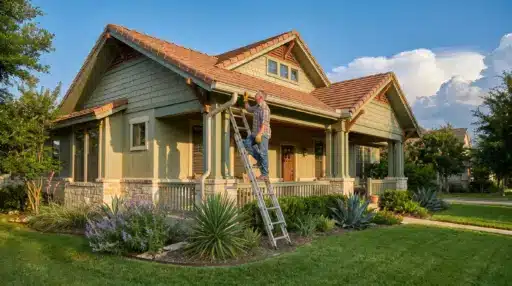
Austin storms can arrive fast, especially during spring and early summer. That makes roof and gutter maintenance a priority. Missing shingles, clogged gutters, cracked flashing, and poor drainage can all allow water to seep into walls, ceilings, and foundations.
Roof and gutter care are key steps in preventing water damage. Homeowners should check gutters after storms, remove leaves and debris, and ensure downspouts direct water away from the foundation. This is especially important in hilly areas west of downtown or near the Hill Country, where runoff can collect quickly.
A seasonal approach: spring inspections, summer sealing and deep cleaning, fall weatherproofing, and winter system checks. In Austin, that might mean checking exterior caulking before triple-digit temperatures set in, then inspecting for storm damage once heavy rain passes.
Maintain HVAC, Plumbing, and Safety Systems
Austin summers can push air conditioning systems to the limit. Replacing air filters, scheduling HVAC tuneups, and keeping vents clear can help the system run more efficiently and reduce the chance of a mid-July breakdown. Replacing air filters is a simple habit that can support HVAC performance and lower energy waste.
Plumbing deserves the same attention. Watch for slow drains, dripping faucets, water stains, soft flooring, or unusually high water bills. Early plumbing detection helps avoid expensive structural damage. Perry Homes also recommends keeping kitchen sinks clear to prevent clogs.
Safety systems should not be overlooked. Test smoke and carbon monoxide detectors, replace batteries, and clean dryer vents regularly. Dryer lint buildup can create a fire hazard, making this one of the easiest low-cost tasks to add to your maintenance routine.
Fix Small Exterior Issues Before They Become Expensive
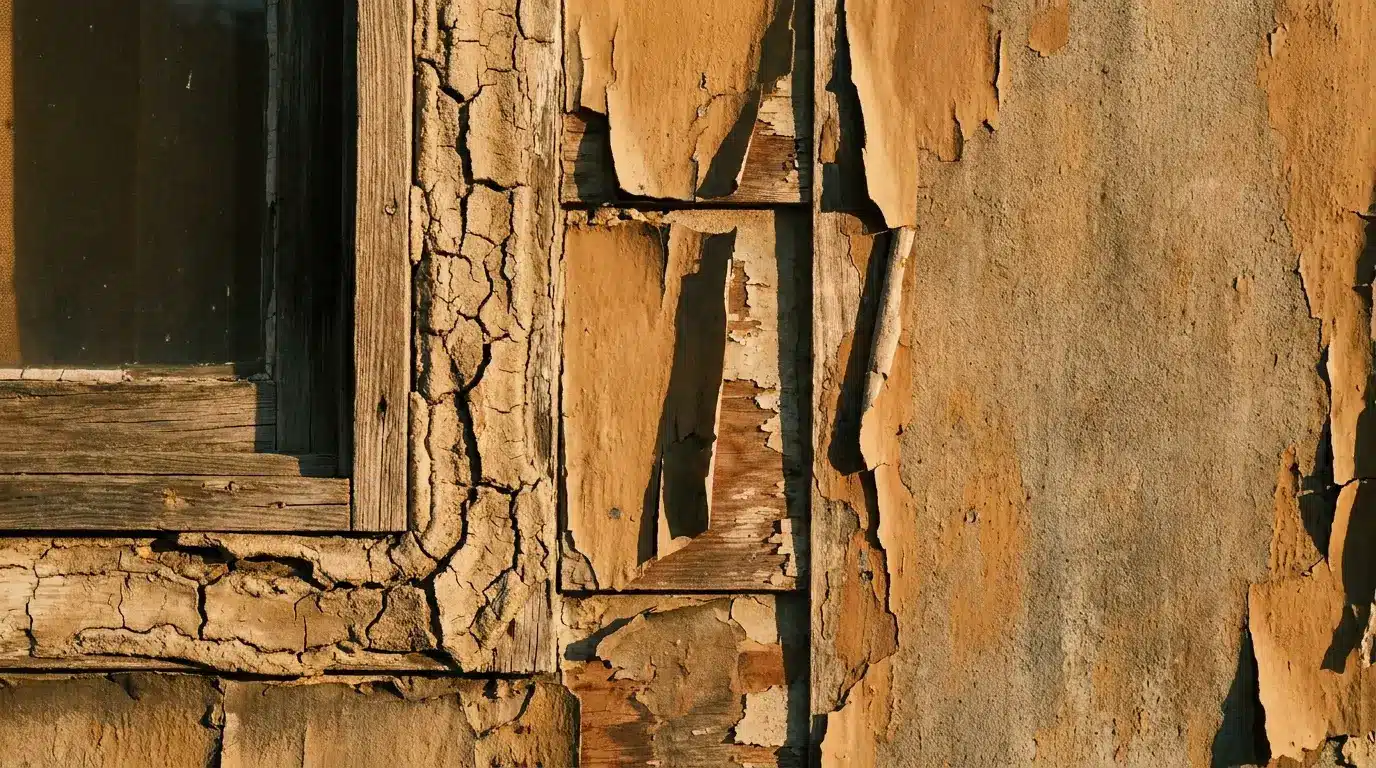
Exterior wear can be easy to overlook, but it often signals bigger problems. Cracked caulking, loose siding, damaged window seals, and water pooling near the foundation should be addressed early. Sealing windows and doors, checking foundations, and correcting moisture issues can help protect a home’s structure.
Landscaping also matters in Austin. Tree limbs near the roof, overgrown shrubs against siding, and poor grading can create risks during storms or allow pests to thrive. Proper landscaping and termite inspections to reduce the risk of damage from falling trees and pests.
This is also where market conditions matter. According to Norada Real Estate, Austin’s market has moved into a more balanced phase, with more inventory and longer selling timelines as of March 2026. That means sellers may need better presentation and fewer obvious repair issues to compete. If you eventually decide repairs are too much to take on, you may consider selling your house for cash in Texas, but remember that cash buyers often offer speed and convenience in exchange for a lower sale price.
Use Professional Guidance for New Construction and Long-Term Value
Preventive maintenance is not only for older homes. If you are buying or building new construction in Austin, a real estate agent can help you compare builders, understand warranties, review timelines, and spot location-specific concerns such as drainage, energy efficiency, commute patterns, and resale potential.
Working with Austin Top Real Estate Agents can be especially helpful when evaluating new developments near areas like South Austin, Cedar Park, Pflugerville, or the growing suburbs around the metro. An experienced agent can help you ask the right questions about builder reputation, inspection options, upgrade costs, and how the home may perform in Austin’s changing market.
The bottom line: costly home repairs rarely happen out of nowhere. They often start as small warning signs, such as a clogged gutter, a weak HVAC system, a slow leak, or an ignored crack. By following a seasonal maintenance routine, handling small fixes early, and getting professional help when needed, Austin homeowners can protect their property, reduce stress, and save money over time.

Tommy Hardy, an alumnus of the Georgia Institute of Technology with a degree in Mechanical Engineering, has been a go-to figure in residential upkeep and innovation for over 18 years. His career commenced in a leading home appliance manufacturing company, where he mastered the intricacies of household systems. Joining our platform in 2020, Tommy quickly became a reader favorite for his practical and easy-to-follow guides. He took the helm of our DIY section in 2019, consistently delivering content that empowers homeowners. Beyond his professional pursuits, Tommy is a passionate gardener and enjoys woodworking, skills enhancing his hands-on approach to home care.