
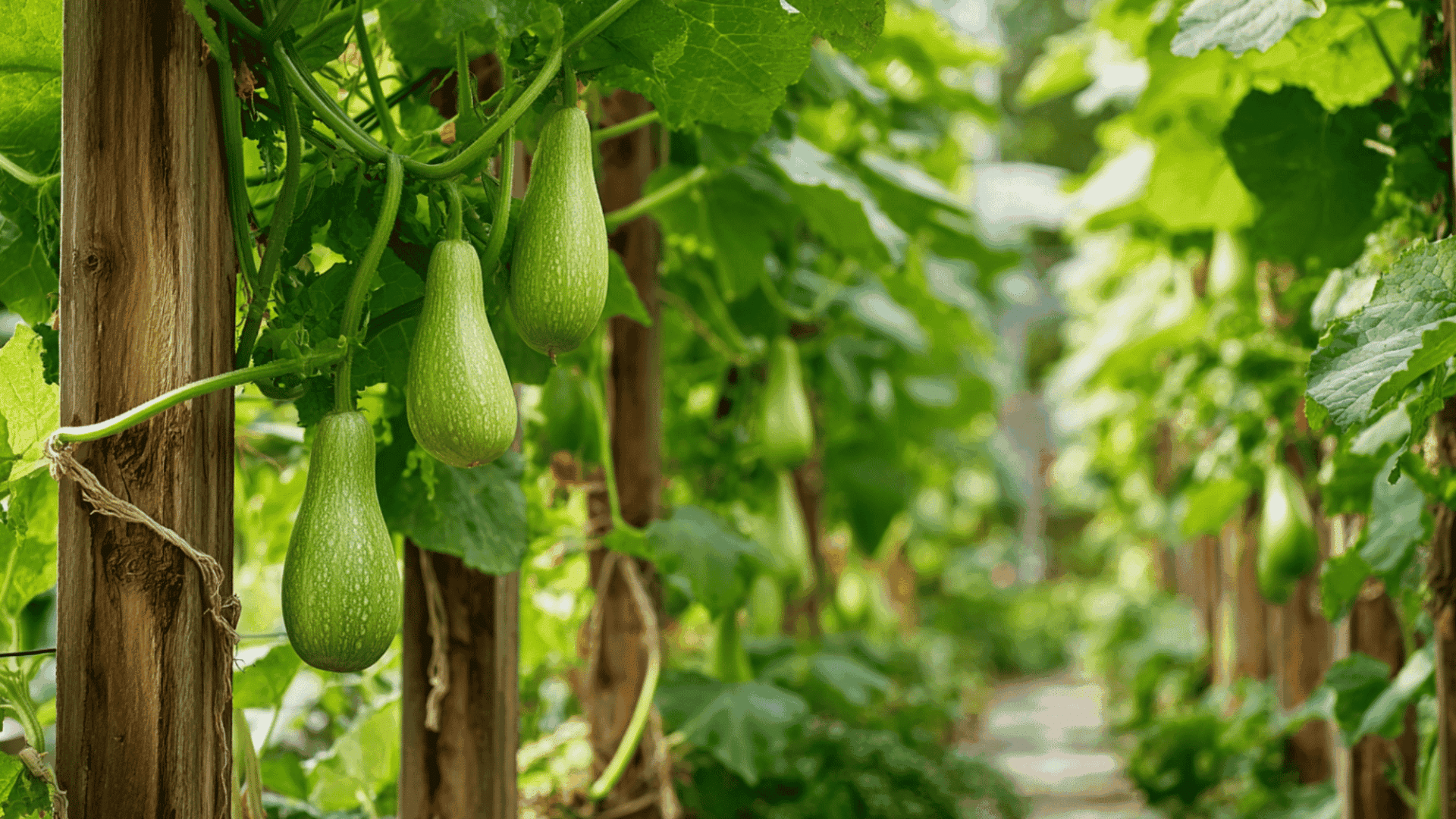

Growing squash is rewarding, but those sprawling vines can take over your entire garden before you know it. If you’re working with a small backyard or a few raised beds, finding space for squash feels like a losing battle.
But learning how to grow squash vertically completely changes the game. You get healthier plants, better airflow, and a bigger harvest all without sacrificing precious ground space.
This blog will walk you through the best support structures, training techniques, and variety choices to help your squash grow up instead of out.
Why Vertical Growing Works Well for Squash?
Vertical growing is a great option for squash because it saves space while improving plant health and productivity.
Many squash varieties, especially summer squash like zucchini, have vines that can easily be trained to climb a trellis, making them perfect for small gardens.
Growing squash vertically also improves air circulation, which helps reduce pests and diseases that thrive in crowded conditions.
It also makes harvesting much easier, as the fruits hang out in the open rather than hiding under large leaves. Overall, vertical growing keeps plants organized, healthier, and more productive.
Best Trellis Designs to Consider for Growing Squash Vertically
Using the right trellis design can make vertical squash gardening more effective and visually appealing. Here are some creative and practical trellis ideas you can try in your garden:
- DIY Bamboo Trellis: Use bamboo sticks to build a simple frame that supports vines and is easy to set up in any garden space.
- Fence Gardening: Grow squash along an existing fence to save space and give vines a strong surface to climb.
- Arch Trellis Walkway: Create a garden arch so vines can grow overhead, making harvesting easier and adding a decorative touch.
- Balcony/Container Trellis: Use pots with a small trellis to grow squash in limited spaces, such as balconies or patios.
- Frame Wooden Trellis: Set up an A-frame structure that gives strong support and allows vines to grow on both sides.
Materials Needed for Vertical Squash Gardening
To set up a successful vertical squash garden, having the right materials is key to supporting healthy growth and strong vines. Here are the essential items you’ll need to get started:
| Item | Purpose |
|---|---|
| Stakes, wood/metal frames | Provide strong support for the trellis structure |
| Garden ties or soft cloth | Gently secure vines without damaging them |
| Soil & compost | Supply nutrients for healthy plant growth |
| Mulch | Retain moisture and prevent weeds |
| Watering can or hose | Ensure consistent and deep watering |
How to Grow Squash Vertically?
Growing squash vertically is a simple method that helps save space while improving plant health and yield. Follow these easy steps below to set up and train your squash for successful vertical growth.
Step 1: Set Up the Stake or Trellis First
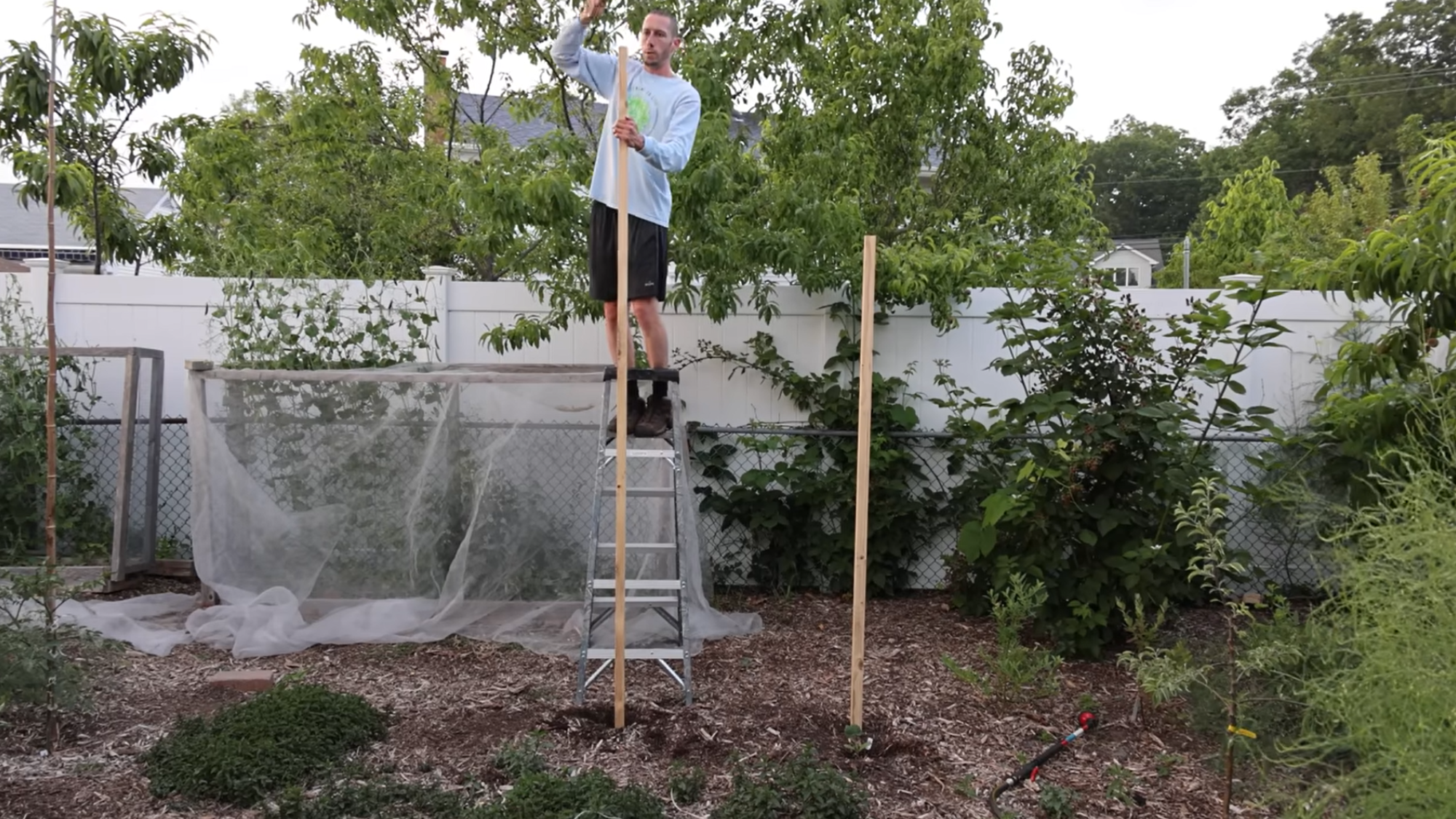
Before planting your squash, it’s important to install a sturdy stake or trellis into the ground. Use strong materials like wood or metal to ensure it can support the weight of the growing vines and fruit.
Placing the stake early helps prevent damage to the plant’s roots, which can happen if you try to install it later.
A firm, well-positioned support system gives your squash a strong start and makes training the vines as they grow much easier.
Step 2: Prepare Soil and Plant Squash
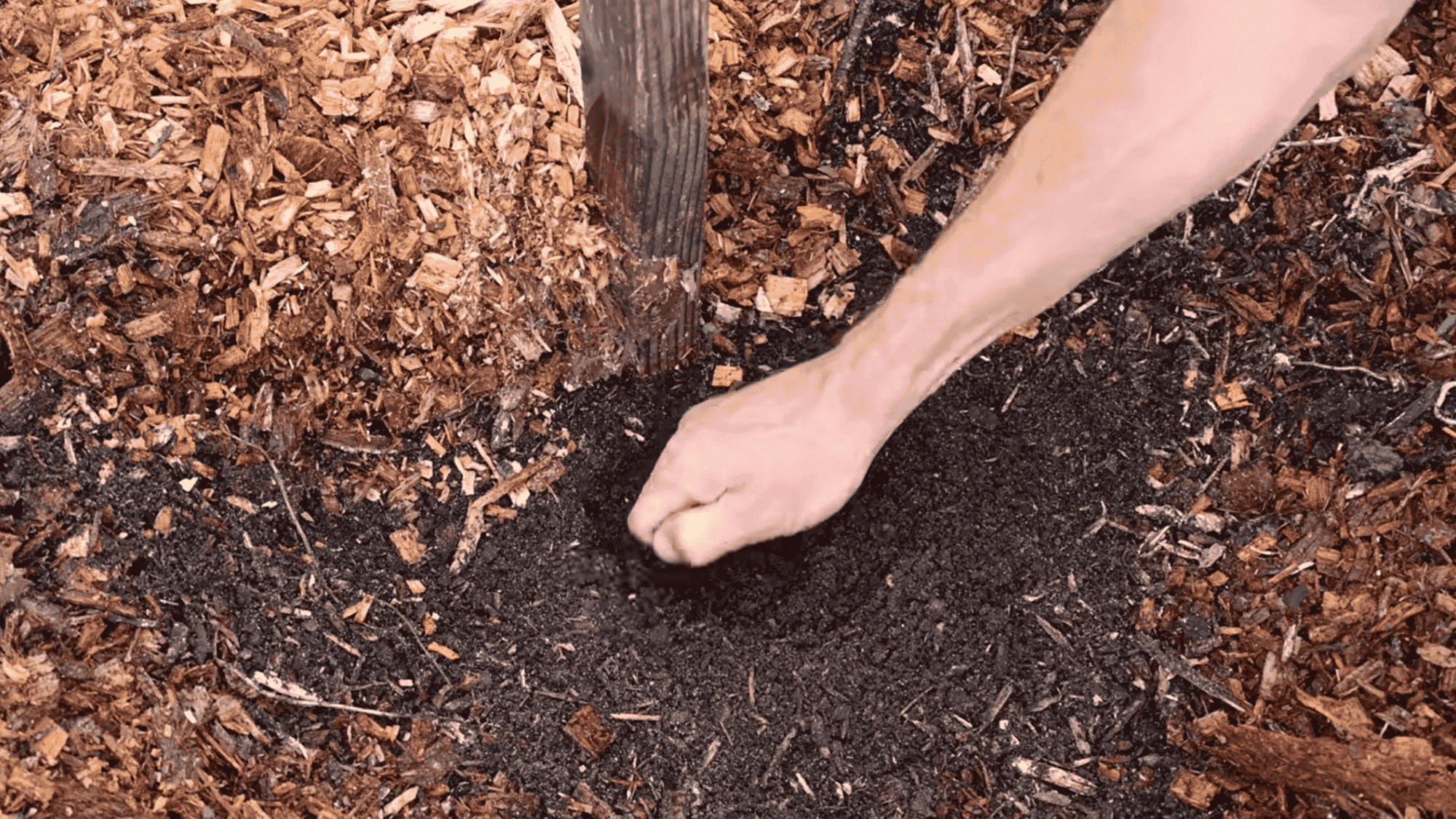
Start by pulling back any mulch to expose the soil where you plan to plant your squash. Dig a hole deep enough to fit the root ball, then enrich the soil by mixing in compost and a balanced fertilizer.
This step is important because squash plants need plenty of nutrients to grow well.
Once the soil is ready, gently place your seedling into the hole and cover the roots with soil. Water it well to help the plant settle and adjust to its new environment.
Step 3: Protect Young Plants from Pests
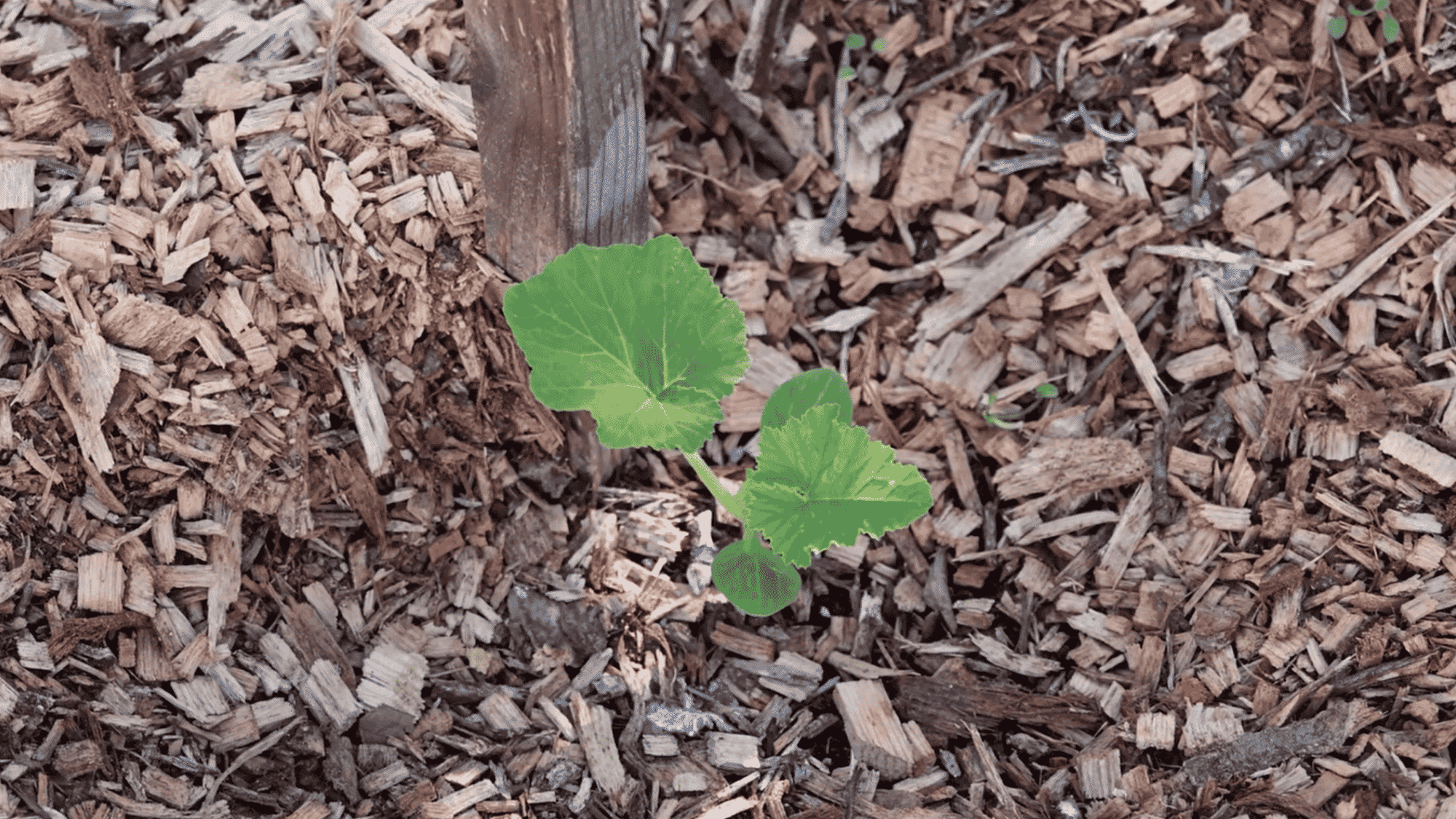
Protecting young squash plants from pests is important for healthy growth. You can use an organic spray like kaolin clay to create a protective layer on the leaves and stems, which helps keep harmful insects away.
Another simple option is to cover the plants with insect netting while they are still small. This acts as a barrier against pests without the use of chemicals.
Once the plants start flowering, remove the netting so pollinators like bees can reach the flowers.
Step 4: Train and Tie the Vines to Grow Vertically
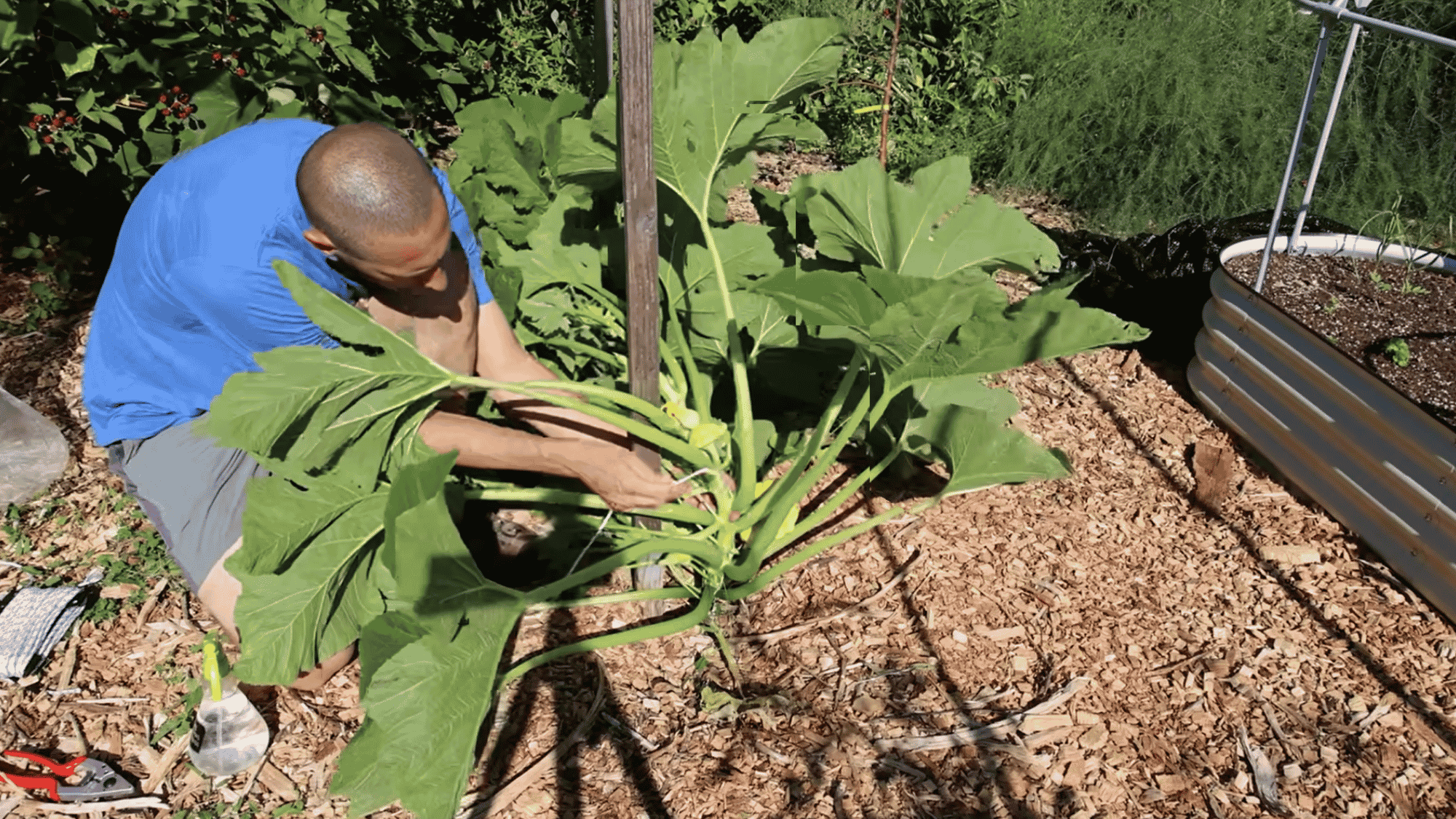
As your squash vines begin to grow longer, guide them upward by gently tying them to the stake or trellis. Use soft ties, cloth strips, or garden twine to avoid damaging the stems.
Secure the vine at several points along its length so the weight is evenly supported as it grows. This helps prevent the plant from bending or breaking, especially once fruits begin to form.
Regularly check and adjust the ties to keep the vines growing in the right direction.
Step 5: Maintain Growth and Harvest Regularly
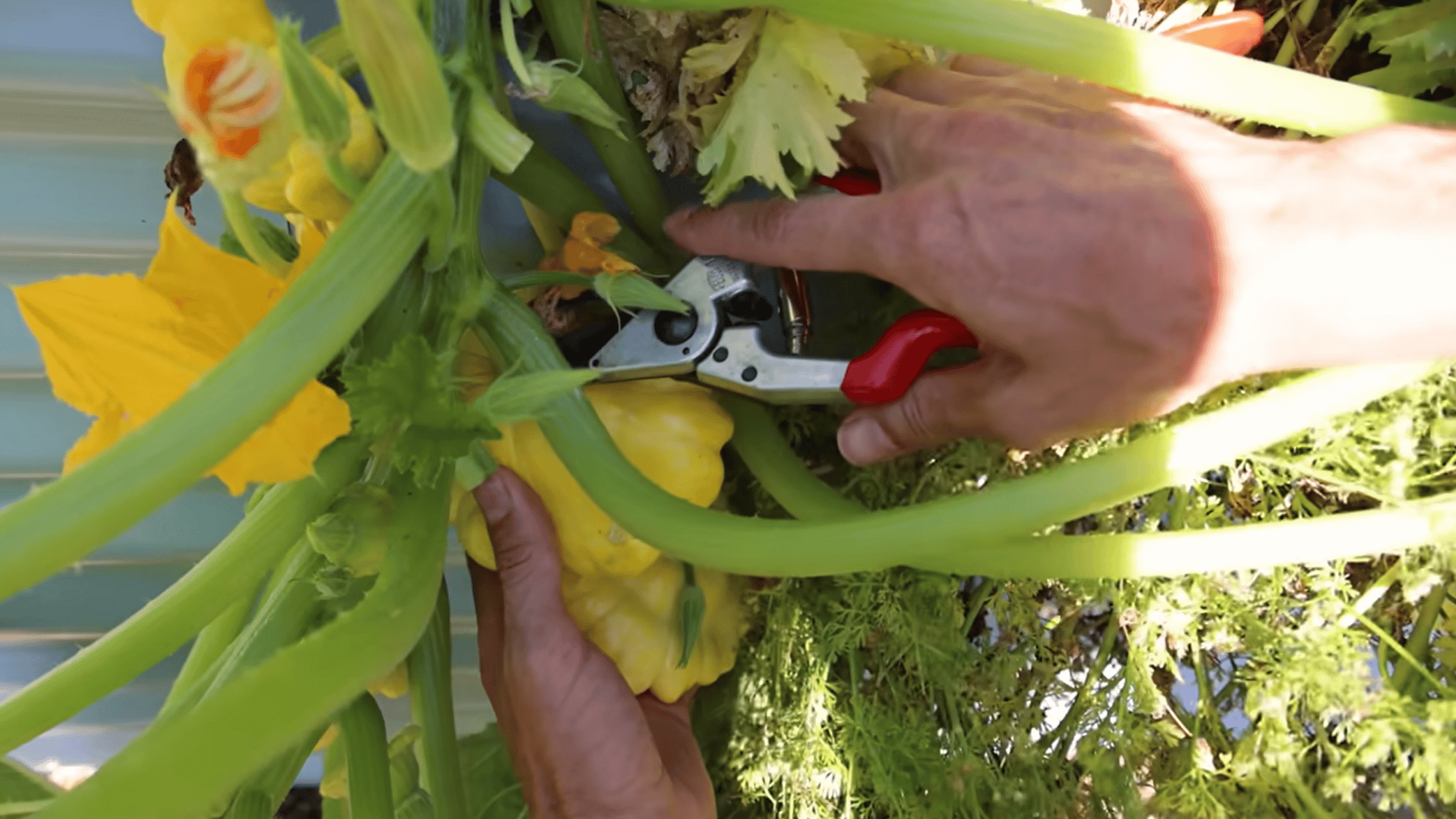
To keep your squash plants producing more fruit, it’s important to harvest regularly and not let the squash over-ripen on the vine.
Picking them early encourages the plant to keep flowering and setting new fruit instead of focusing on seed production.
Check your plants every few days and harvest when the squash is still tender and at a good size. This simple habit helps boost yield and ensures a steady supply of fresh squash throughout the growing season.
Check out this video for a complete visual Guide:
Tips for Caring for Vertical Squash Plants
Taking proper care of your vertical squash plants is key to keeping them healthy and productive throughout the season. Follow the essential care tips below to help your plants grow strong and yield more fruit.
- Watering Properly: Water deeply 1–2 times per week at the base to keep soil evenly moist while preventing fungal diseases on leaves.
- Fertilizing for Growth: Apply a balanced fertilizer every few weeks to support steady growth and fruiting without encouraging excessive leaf production.
- Pruning and Maintenance: Remove damaged or excess leaves regularly to improve airflow and reduce the risk of pests and diseases.
- Supporting Pollination: Pollinate flowers as needed by transferring pollen to improve fruit set and yield.
- Monitoring Plant Health: Check plants frequently for pests, diseases, or stress so you can address issues early and keep them productive.
Final Thoughts
Now you know how to grow squash vertically, and that the whole process isn’t complicated; it just takes the right structure, a little training, and some consistency.
Your garden space is valuable, and vertical growing lets you make the most of every square foot.
The real wins are healthier vines, fewer pest problems, and squash that’s actually easier to spot and pick. That’s a pretty solid trade-off for setting up a simple trellis.
And, once you see how well it works, you’ll wonder why you ever let those vines run wild across the ground in the first place.

With a Master’s in Landscape Architecture from the University of Virginia, Sophia Stephenson has dedicated the last 20 years to creating and maintaining vibrant outdoor spaces. Her professional journey started in landscape design, where she gained a reputation for innovative and sustainable approaches. Sophia became a part of our editorial team as a freelancer in 2019, offering a fresh perspective on outdoor living. Since 2020, she has been the chief for our outdoor design content, blending aesthetic appeal with environmental stewardship. In her leisure time, Sophia is a keen photographer, capturing the beauty of natural landscapes, a hobby that complements her professional expertise.