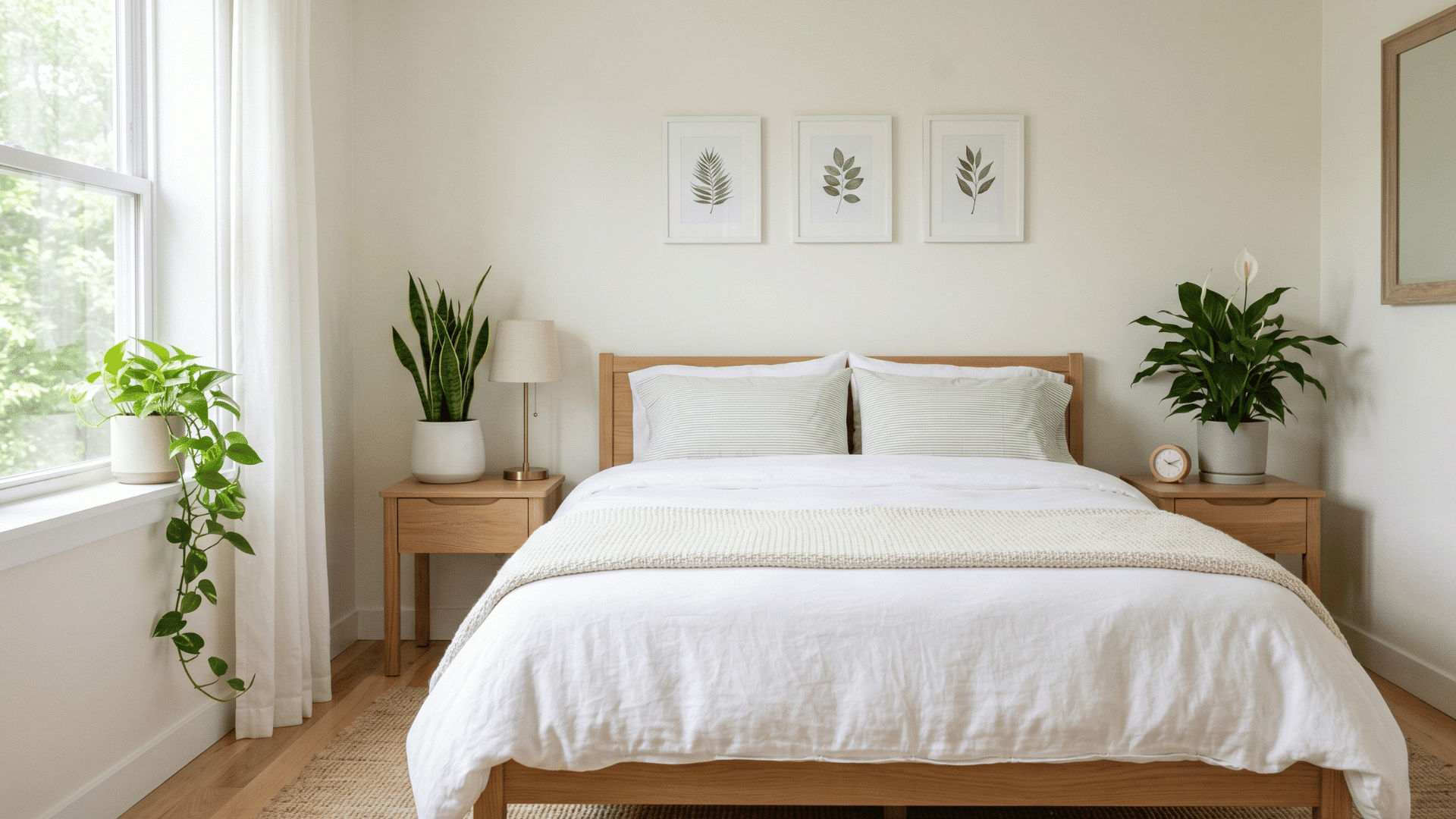

Most people spend money on mattresses, pillows, and lighting when trying to improve their bedroom, but never think about adding plants.
A plant bedroom is one of the lowest-cost changes you can make that has a real impact on how rested and comfortable you feel.
Plants do more than fill empty corners; they actively work in the background while you sleep.
For anyone wanting a room that feels calmer and more natural, this blog covers the best plants to add, why each one works, and how to place them properly.
Why a Plant Bedroom Helps You Relax?
Plants affect the body and mind in ways most people don’t expect from something that just sits in a pot.
Some plants release oxygen at night, keeping the air fresh and less heavy during sleep, similar to other simple bedroom upgrades that quietly improve comfort over time.
Some plants also help control humidity, keeping the air from becoming too dry and making it more comfortable to breathe. On a mental level, being around plants can lower stress and help the mind relax faster at night.
A room with plants feels calmer and softer without much effort, as the brain naturally responds to nature in the space.
Have a Look at These Plant Bedroom Ideas that are Easy to Maintain
Adding the right plants can make a bedroom feel more peaceful, fresh, and conducive to rest. The right plants can improve sleep quality while creating a calm, relaxing bedroom environment.
These options are easy to care for and help create a space that supports better rest every night:
1. Snake Plant
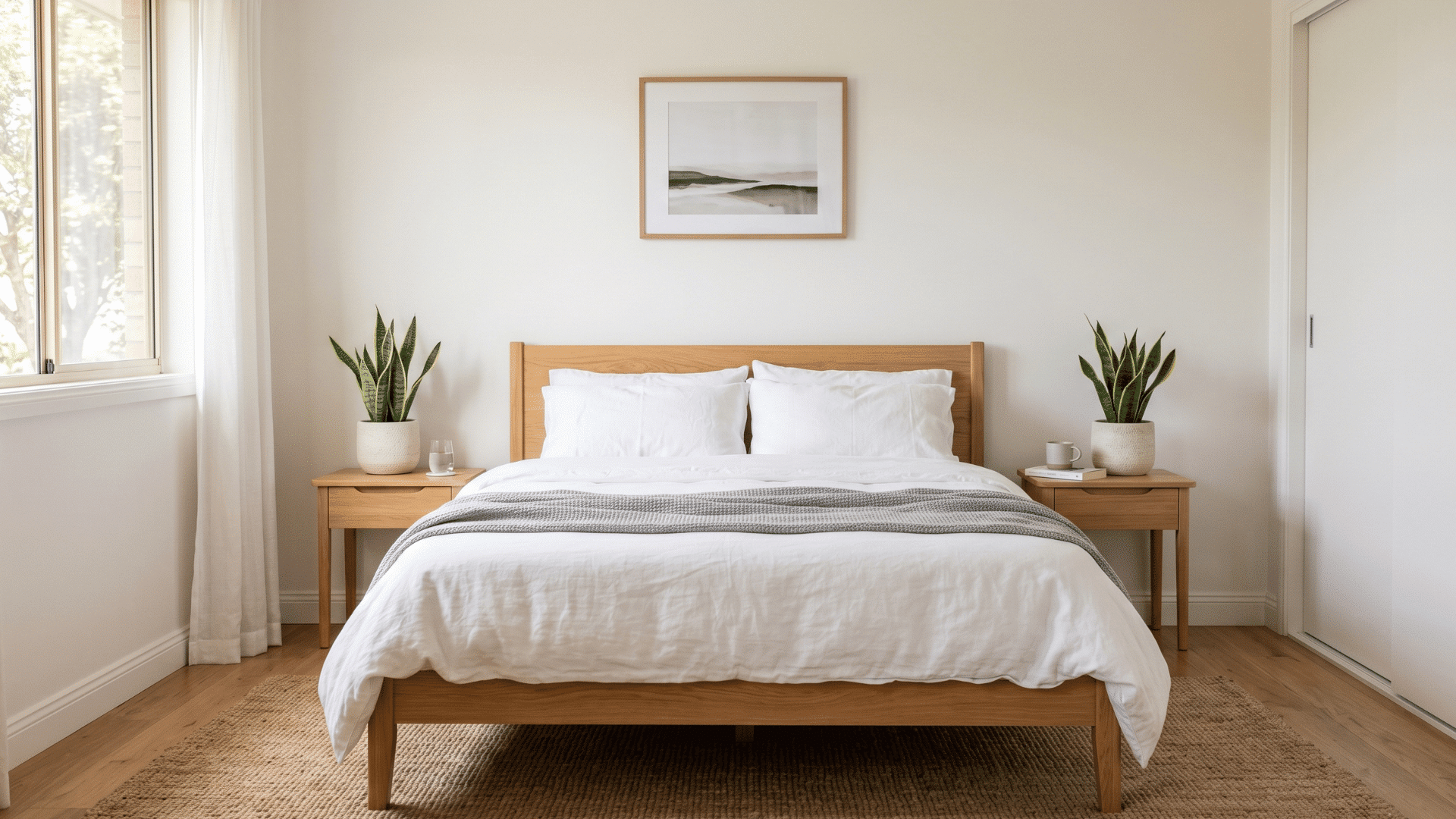
Snake plants are among the easiest plants to keep in a bedroom year-round. It releases oxygen at night, which makes it a popular choice for sleep-friendly spaces with low light.
The tall, upright leaves give a clean and neat look to any corner of the room. It does well in low light and needs very little watering to stay healthy and upright.
This makes it a great pick for beginners who do not want much maintenance. It also fits well in small corners without taking up much space in the room.
2. Peace Lily
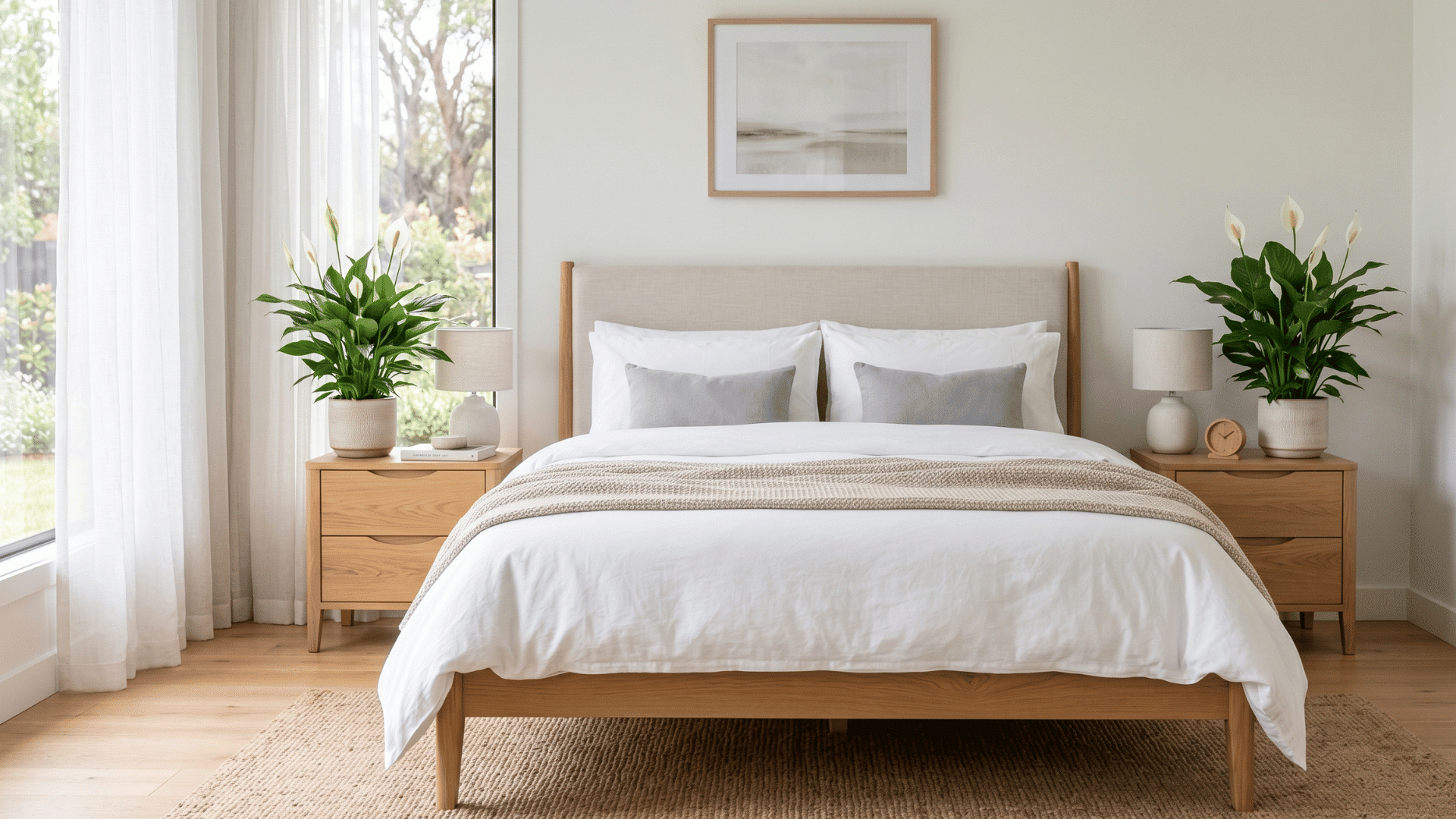
Peace lilies add a soft, calming feel to any bedroom with minimal care. It is known to improve indoor air quality in smaller, enclosed spaces over time.
The white flowers bring a gentle touch to the space and look clean against most walls. It grows well in low to medium light, without requiring direct sunlight.
You only need to water it about once a week to keep it looking healthy. It works well on bedside tables or window corners where space is limited but visible.
3. Spider Plant
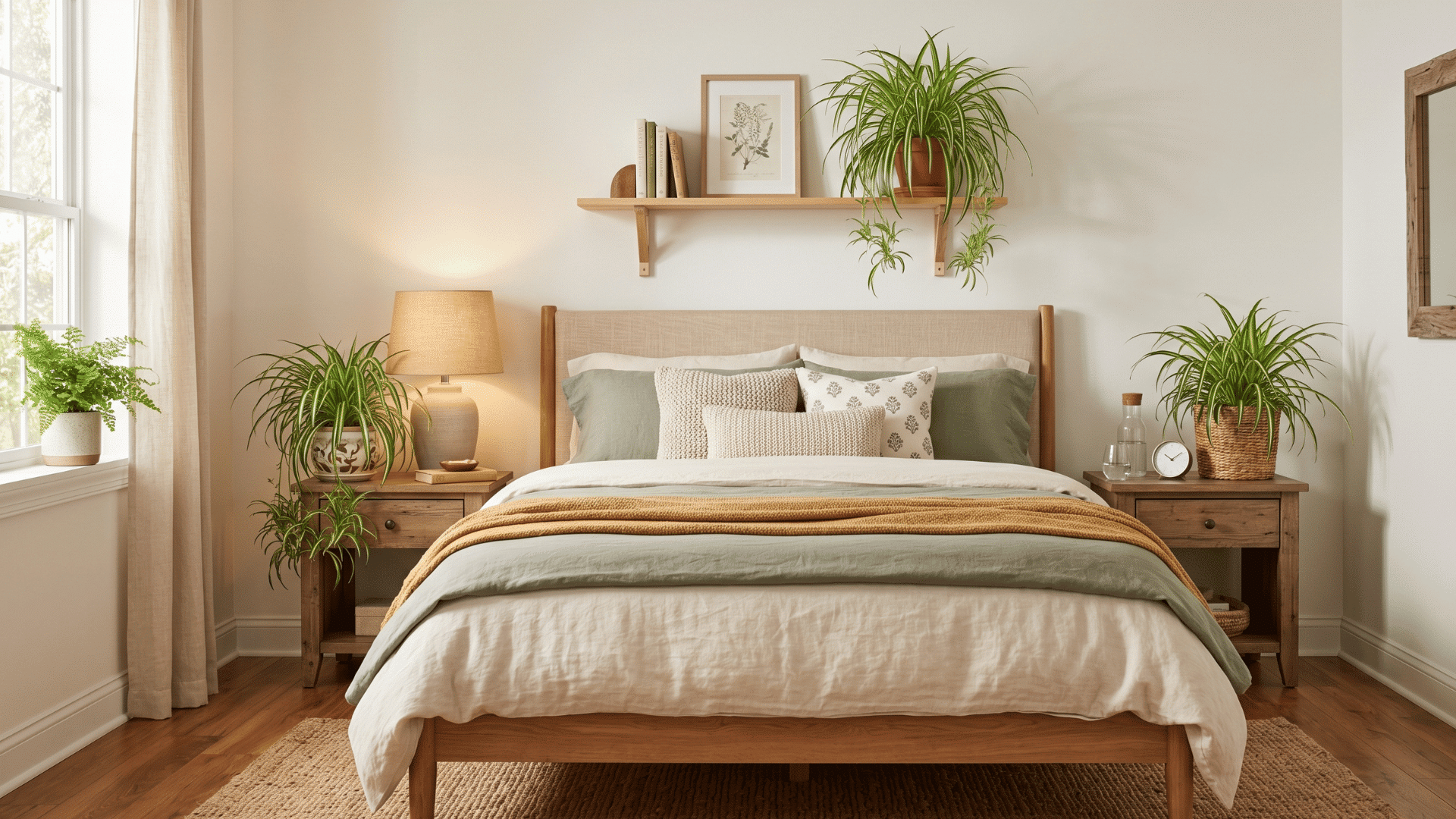
A spider plant is a great option for simple bedroom setups that require little attention. Its long, arching leaves add movement to the room and keep it feeling light and open.
It is known for helping reduce indoor pollutants that build up in closed rooms over time. This plant is very easy to grow and maintain, even for people with no gardening experience.
It can also produce small baby plants over time that can be repotted and reused. You can place it on shelves or hang it for a fresh and natural look.
4. Aloe Vera
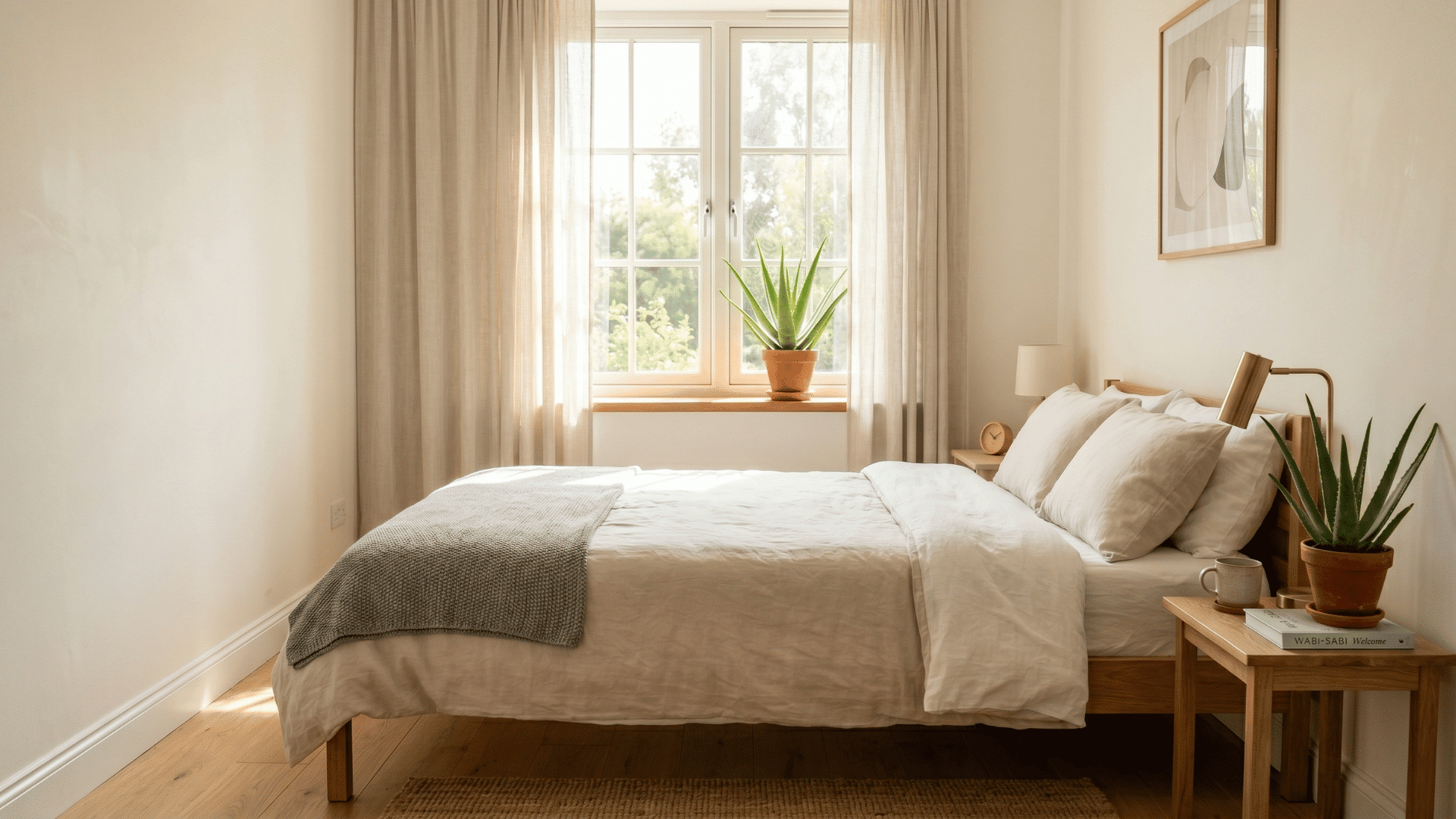
Aloe vera is both useful and easy to care for in a bedroom setting throughout the year. It releases oxygen at night, which makes it a good fit for bedrooms where the air feels stale.
The thick leaves store water, so it does not need frequent watering to stay in good shape. It prefers a spot with some sunlight during the day to grow steadily.
It also contains a gel inside the leaves that can be used directly for skin care. Aloe vera works well on windowsills or small tables where it can get enough natural light.
5. Pothos
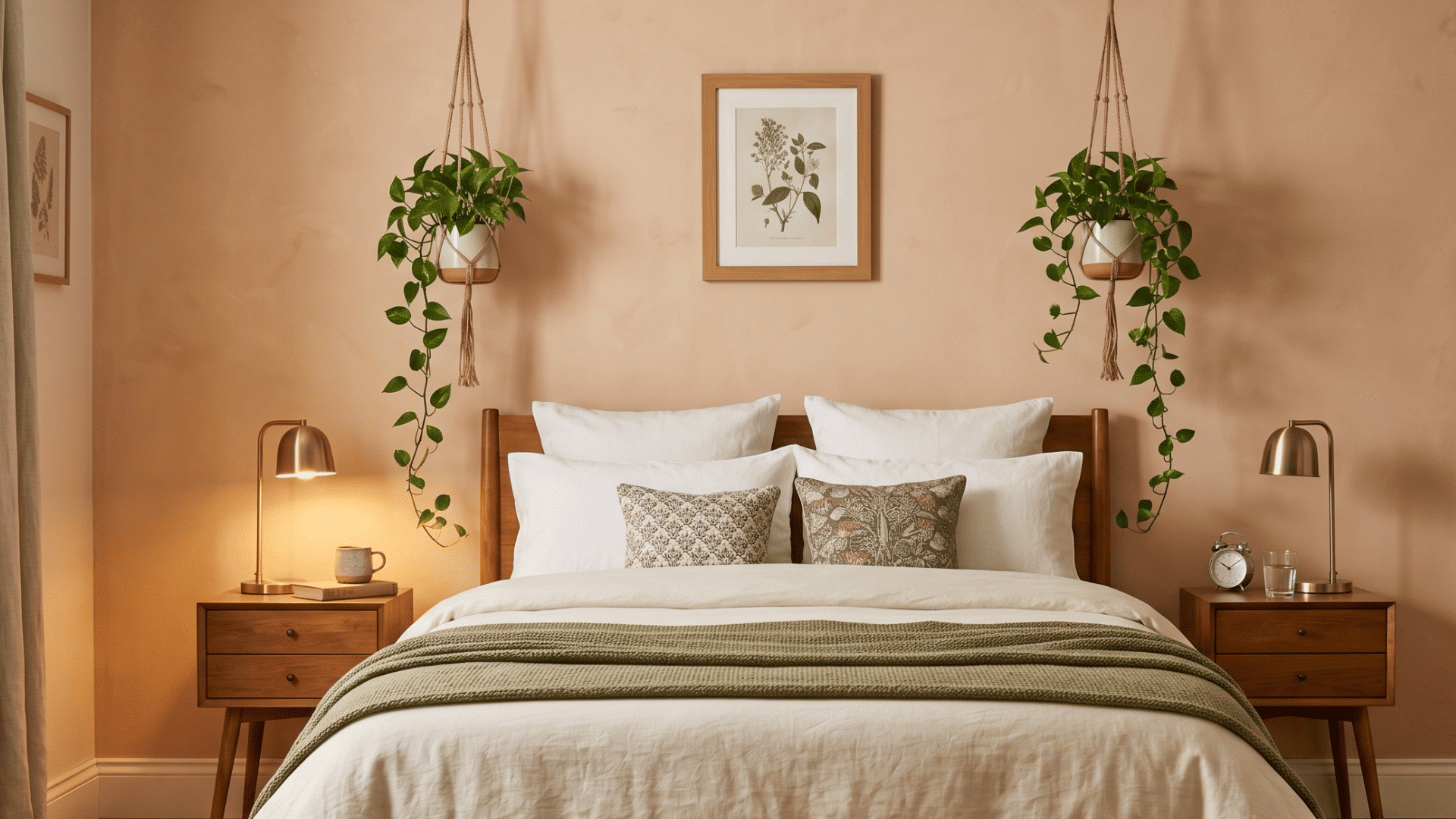
Pothos is a popular indoor plant for many homes due to its low care requirements. It has trailing vines that add depth and interest to the space without taking up floor space.
It can grow in low light and does not need much attention to stay looking full. This plant is known for helping clean indoor air in rooms with limited ventilation.
You can place it in hanging pots or let it trail naturally from shelves and ledges. It is a good choice for both small and large bedrooms that need greenery quickly.
6. Monstera Deliciosa
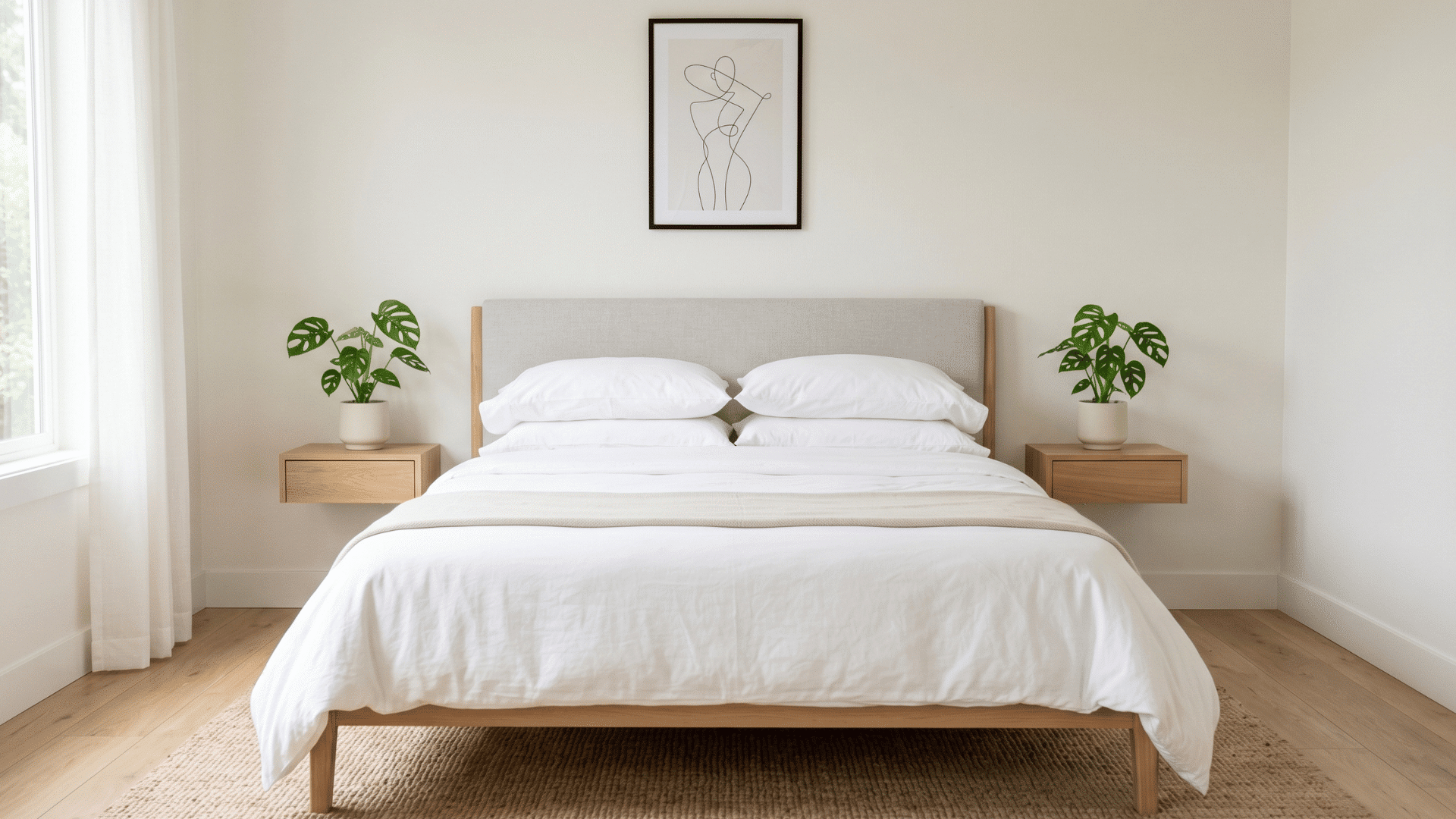
Monstera adds a bold touch to a bedroom without requiring much daily maintenance. Its large leaves make it stand out as a focal point in the room against plain walls.
It grows well in indirect light and moderate conditions, which most bedrooms naturally provide. This plant does not require daily care, making it easy to manage even with a busy schedule.
It works well in corners or near windows where it has room to grow outward. Monstera is great for adding a natural feel to the space without overcrowding the room.
7. Lavender
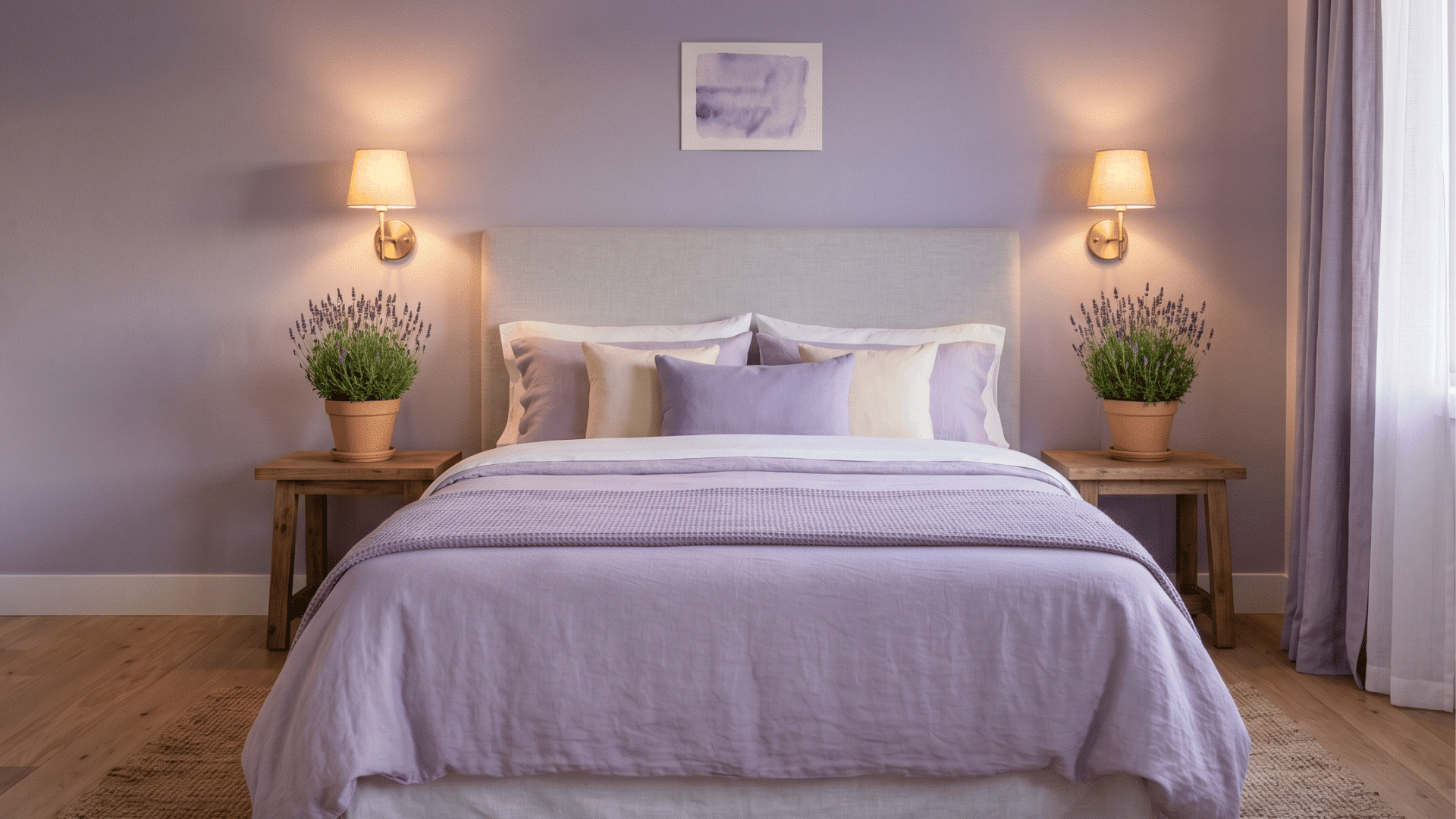
Lavender is known for its calming scent that can make a bedroom feel noticeably more relaxed at night. It can help create a more relaxed sleeping environment with minimal effort and no special equipment required.
This plant needs sunlight, so placing it near a window is ideal for keeping it healthy. Its soft purple flowers add a gentle touch to the space and complement most bedroom color schemes.
It does not need too much watering if kept in the right conditions with good drainage. Lavender is a great option for a peaceful bedroom setup that also doubles as a natural air freshener.
8. ZZ Plant
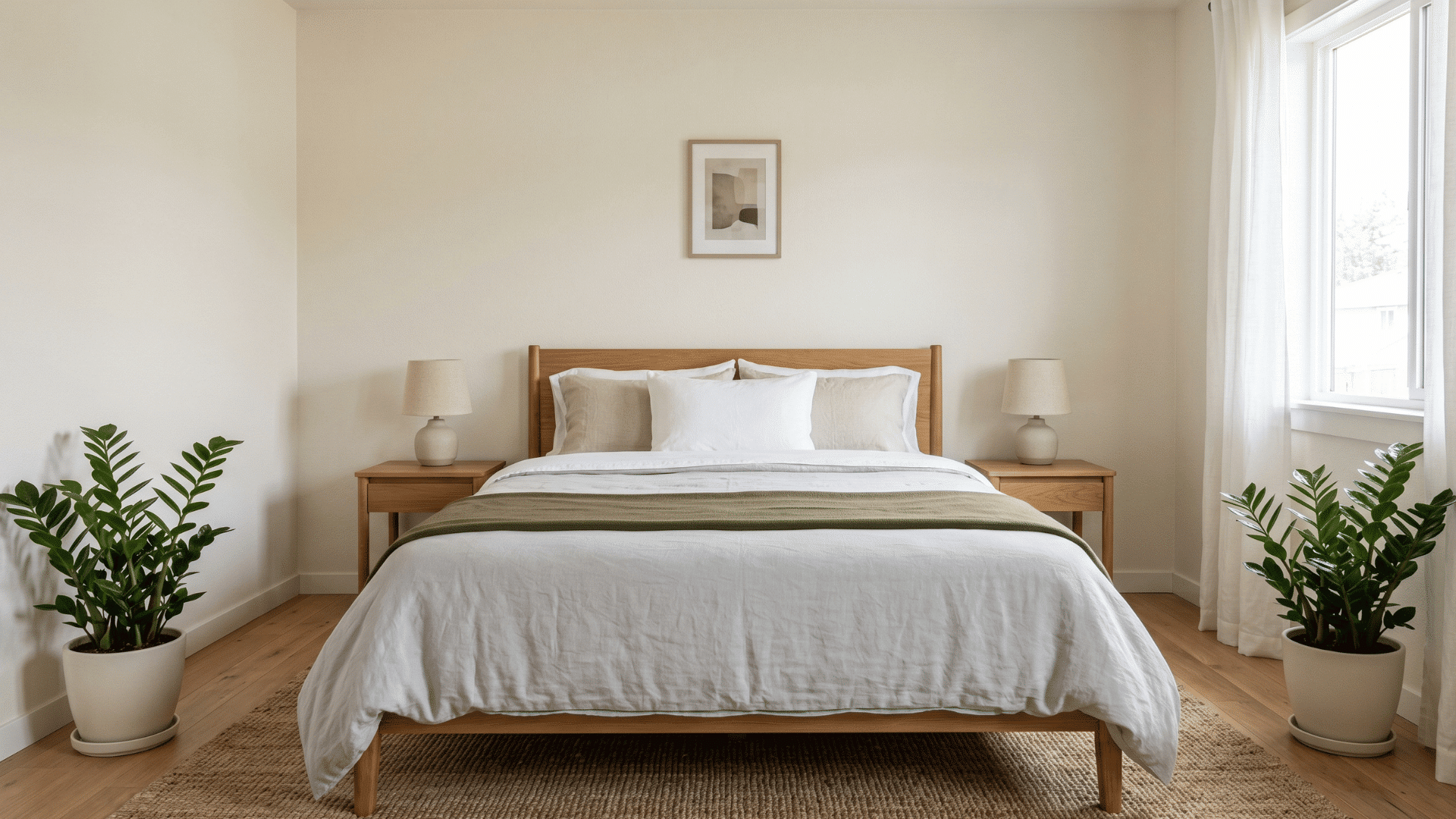
ZZ plant is perfect for low-light bedrooms where most other plants would struggle to survive. It has shiny leaves that give a neat, clean look to any corner where they are placed.
This plant stores water in its roots, so it can go longer without watering than most plants. It is very low-maintenance and works well for busy routines that do not allow regular plant care.
You can place it in darker corners where other plants may struggle to get enough light. It adds greenery with little effort and stays healthy for a long time.
9. Areca Palm
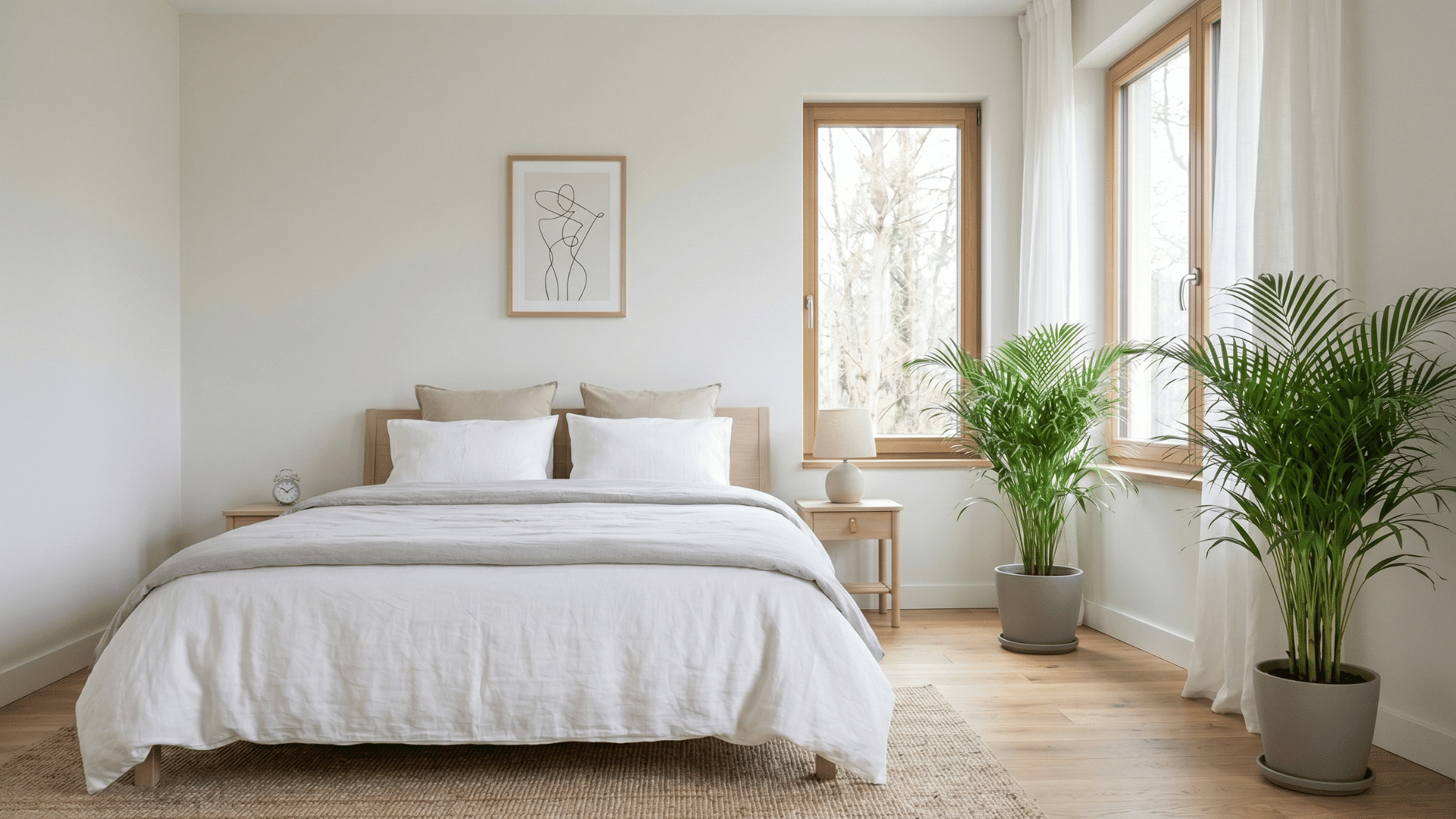
Areca palm brings a light and fresh feel to the bedroom that larger plants rarely achieve so naturally. It has soft, feathery leaves that make the room feel more open and less heavy overall.
This plant can help add a bit of humidity to the air during dry seasons or months. It prefers bright, indirect light for best growth and should be placed close to a window.
It works well in empty corners or near windows where it has enough room to spread out. The Areca palm is a good choice for larger bedrooms that need a plant with more visual presence.
10. Orchid
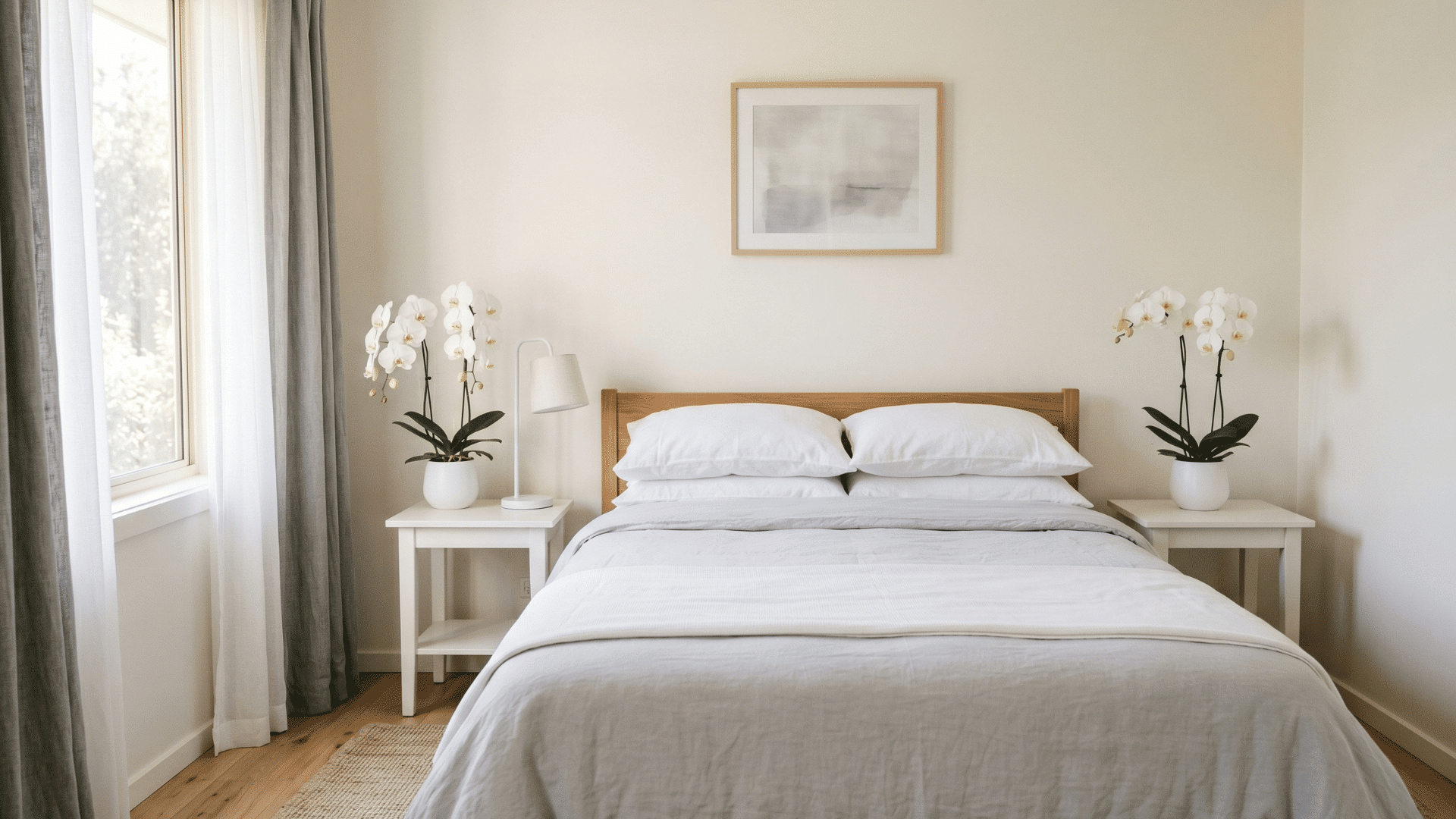
Orchid is a great option for a simple, clean bedroom look that doesn’t feel overdone. It blooms with soft flowers that add a gentle touch to the space without dominating the room.
This plant grows well in indirect light conditions and does not need to be moved around frequently. It does not need daily care, but it does need consistent weekly watering.
Orchids work well on bedside tables or dressers where they are easy to notice and enjoy. They help make the space feel calm, clean, and well-put-together without requiring much ongoing effort.
11. Dracaena
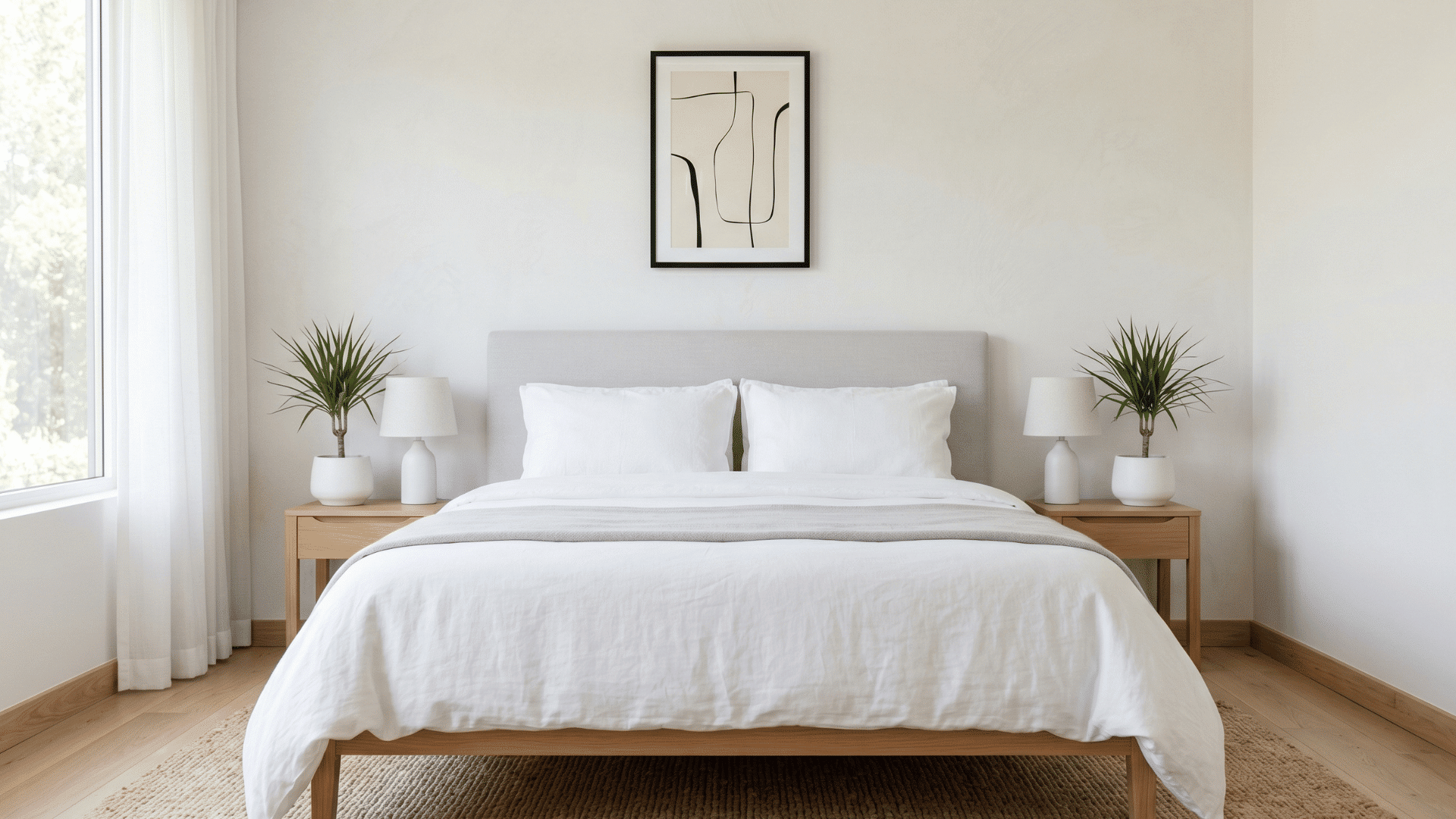
Dracaena is a low-maintenance plant that fits well in a bedroom and requires little attention throughout the week.
Its slender, arching leaves add a clean and structured look to any corner or surface in the room. It grows well in indirect light and does not need frequent watering to stay in good condition.
This plant is a solid choice for people who want greenery without the effort of a high-care plant. It works well placed near the bed or in a corner where its height adds visual interest without overcrowding the space.
12. Fiddle Leaf Fig
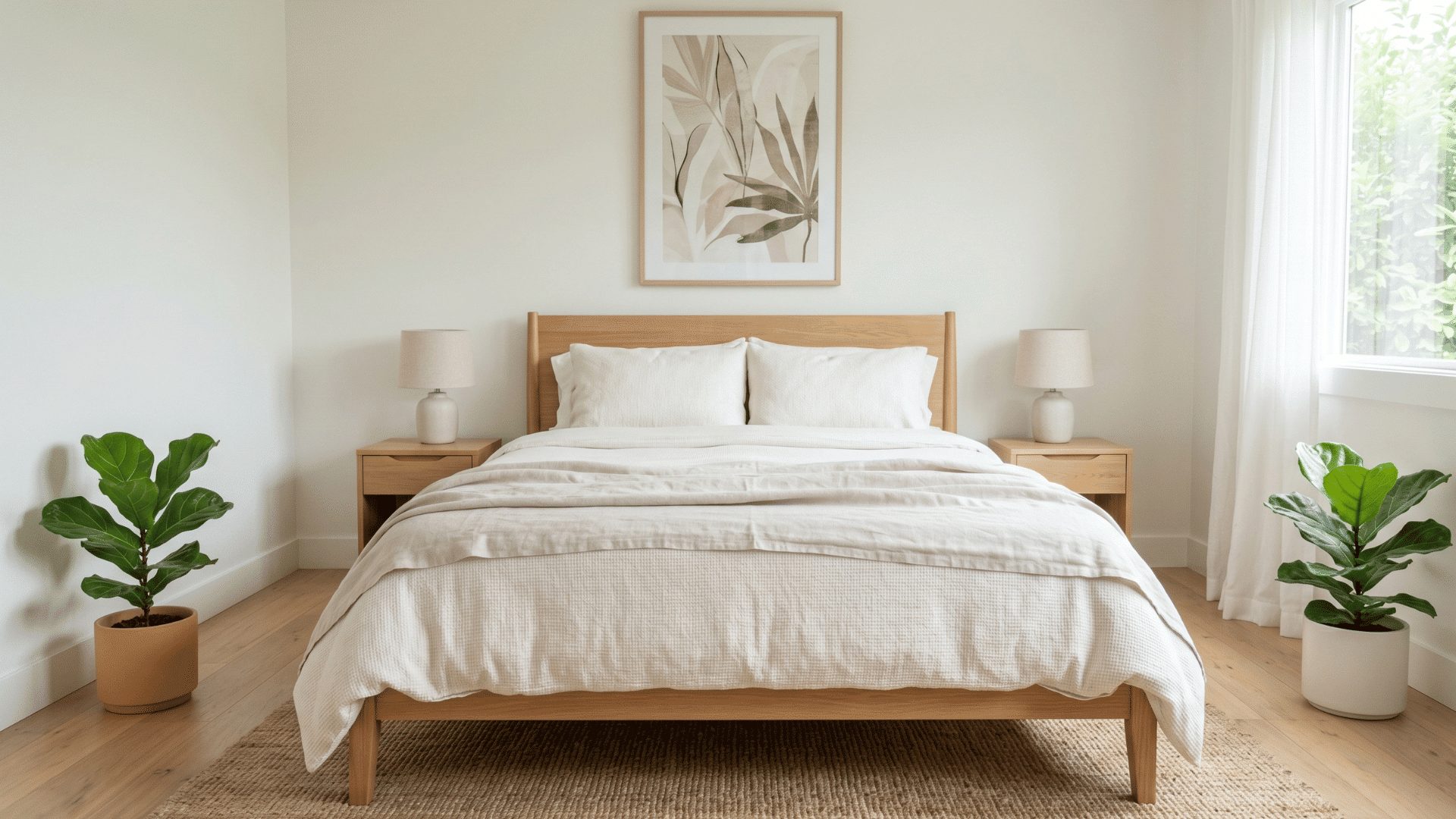
Fiddle leaf fig is a popular choice for bedrooms that need a plant with a strong and noticeable presence.
Its broad, waxy leaves create a bold focal point against plain walls, requiring little daily attention.
It grows best in bright, indirect light and should be placed near a window for consistent results. This plant does not need daily care but benefits from regular watering once the soil dries out completely.
13. Jade Plant
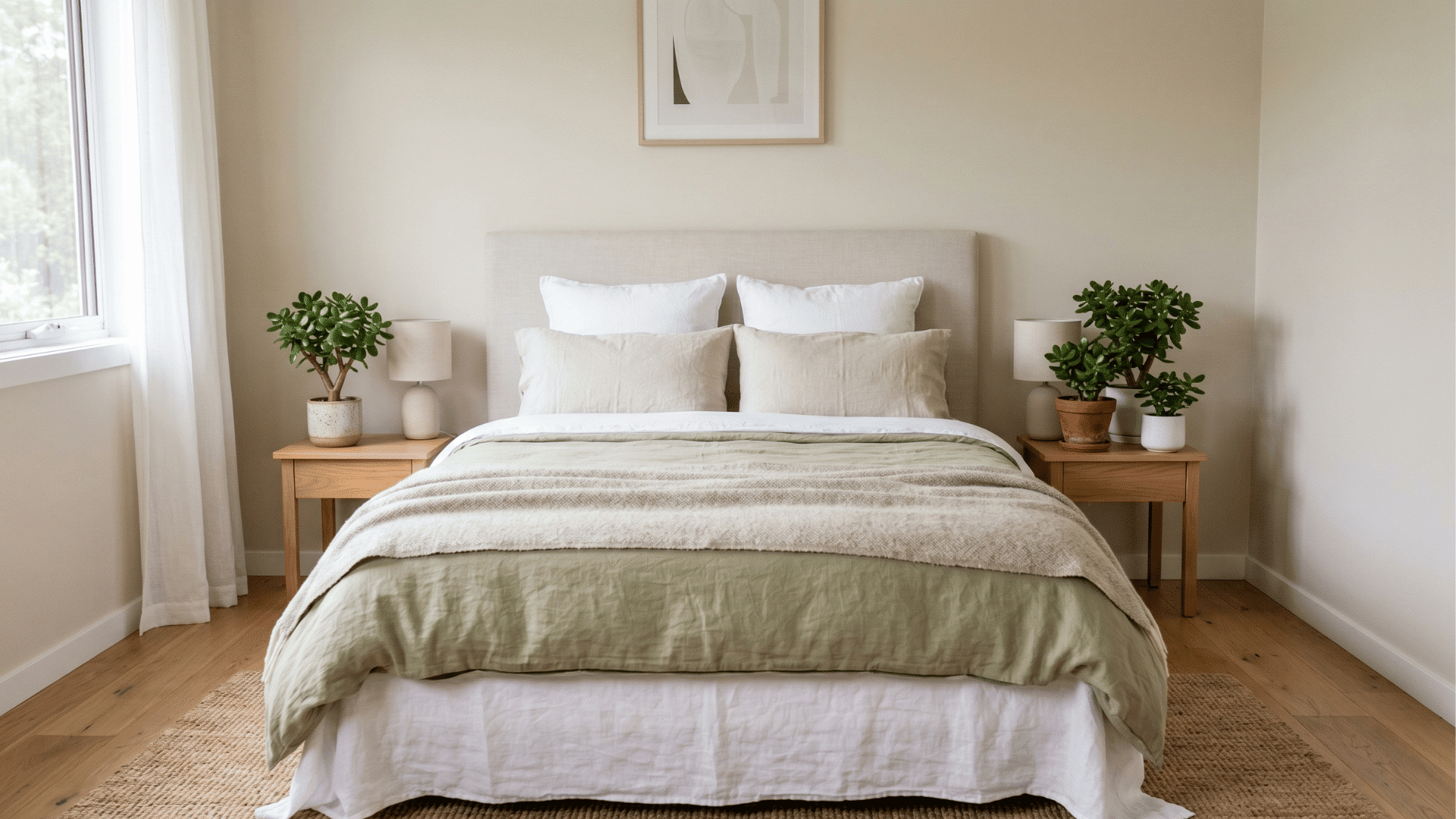
The jade plant is a compact, long-lasting option that suits bedside tables and small shelves well in most bedroom setups.
Its thick, rounded leaves give a tidy and balanced look that pairs well with minimal bedroom decor. It stores water in its leaves, so it can go several days without watering without showing any signs of stress.
This plant prefers some sunlight during the day and does best when placed near a bright window. It is a practical, low-effort addition to any bedroom that needs a small but reliable plant.
14. Anthurium
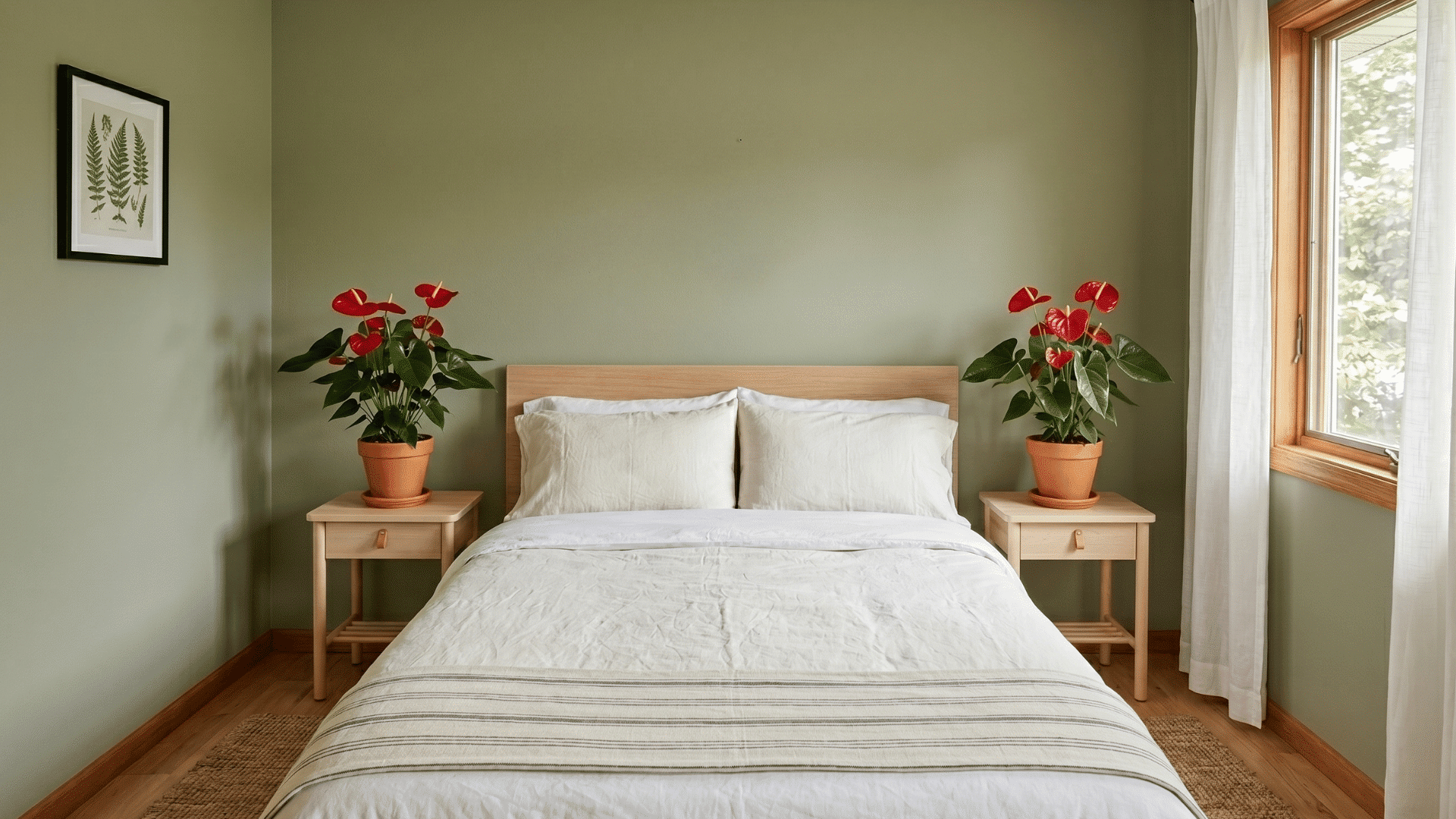
Anthurium adds a subtle pop of color to the bedroom with its distinctive red flowers and glossy dark leaves.
It is compact enough to sit comfortably on a bedside table without taking up too much surface space. This plant grows well in indirect light and does not need to be moved around frequently once placed.
Anthurium works well in neutral bedrooms where a small touch of natural color makes a noticeable difference.
15. Philodendron
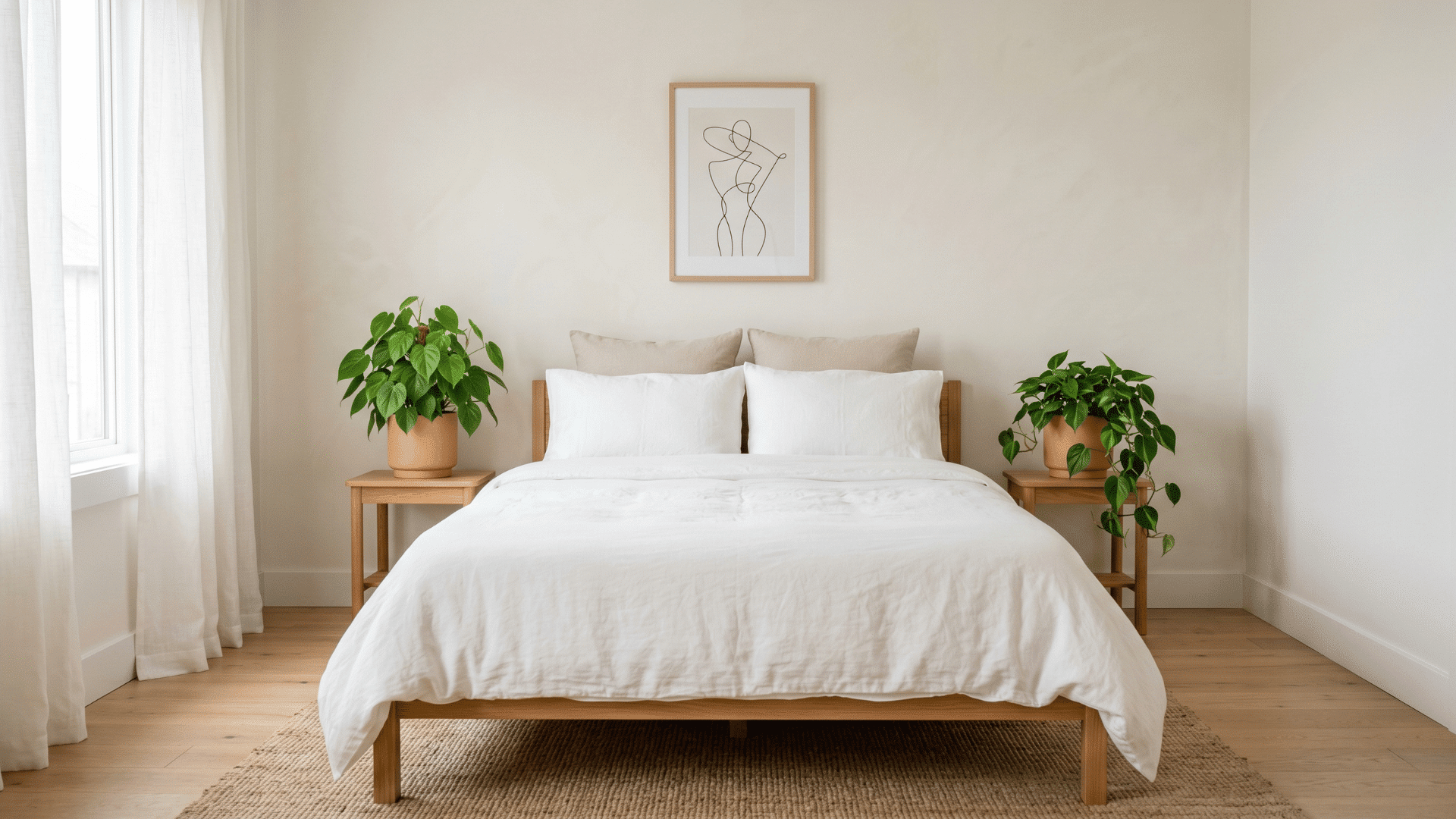
Philodendron is an easygoing plant that brings a soft, natural feel to the bedroom with minimal effort.Its heart-shaped leaves give a gentle, rounded appearance that suits relaxed, simple bedroom setups well.
It grows well in low to medium light, making it a reliable option for rooms that do not get strong sunlight. This plant does not need frequent watering and is forgiving if a watering is occasionally missed during the week.
It works well near the bed or on a low shelf where its trailing or compact growth stays contained and tidy.
How to Choose the Right Plants for Your Bedroom?
Picking the right plant for your plant bedroom comes down to your room size, available light, and how much time you can realistically devote to plant care each week. Here are some things you need to know:
- Room Size: Small bedrooms do better with compact plants that sit on shelves or tables without taking up valuable floor space in the room.
- Low Light: Rooms with little or no direct sunlight need hardy plants like snake plants or ZZ plants that grow well without strong light sources.
- Low Maintenance: Plants that need watering only once a week are a better fit for busy routines where daily plant care is not always possible.
- Corner Placement: Larger plants work best in open corners where they have enough room to grow without blocking movement or making the space feel cramped.
- Scent Awareness: Strong-smelling plants can disrupt sleep for sensitive people, so sticking to scent-free varieties or mild options like lavender is always the safer choice for a scent-free bedroom.
Final Thoughts
Starting with even one plant can shift how a plant bedroom feels over time, and that is often all it takes to notice a difference.
Building a proper bedroom does not require a large budget from you or gardening experience, just the right plant in the right spot.
As your comfort with plant care grows, adding more becomes easier and more rewarding. The goal is a space that feels restful, and plants are one of the simplest ways to get there.
So, pick one plant from this list, find the right spot in your bedroom, and see the difference for yourself.

Ava Taylor, holding a Bachelor’s degree in Interior Design from the Pratt Institute, has made her mark in creating engaging and functional living spaces for over 14 years. She began her career with a New York-based design studio, where she gained a reputation for her innovative and user-centric designs. Ava joined our team in 2019, bringing a blend of artistic flair and practicality to our home improvement section. Since the she has been the lead contributor to our room transformation series, inspiring readers with her unique approach to maximizing space utility and aesthetic appeal. Beyond her professional work, Ava is a passionate collector of vintage furniture, a hobby that enriches her design perspective.