


Here’s something that catches a lot of parents off guard. When they drop their little one off at childcare and watch them immediately sprint toward the sandpit or the dress-up corner, they sometimes wonder, “Are they actually learning anything?” Short answer? Yes. Big time.
Play isn’t the thing that happens before the real learning starts. Play is learning.
The Brain Is Basically Under Construction
In the first five years of life, a child’s brain is forming connections at a pace that will never happen again. Ever. By the time a child turns three, their brain has already reached about 80% of its adult size. That’s wild when you think about it.
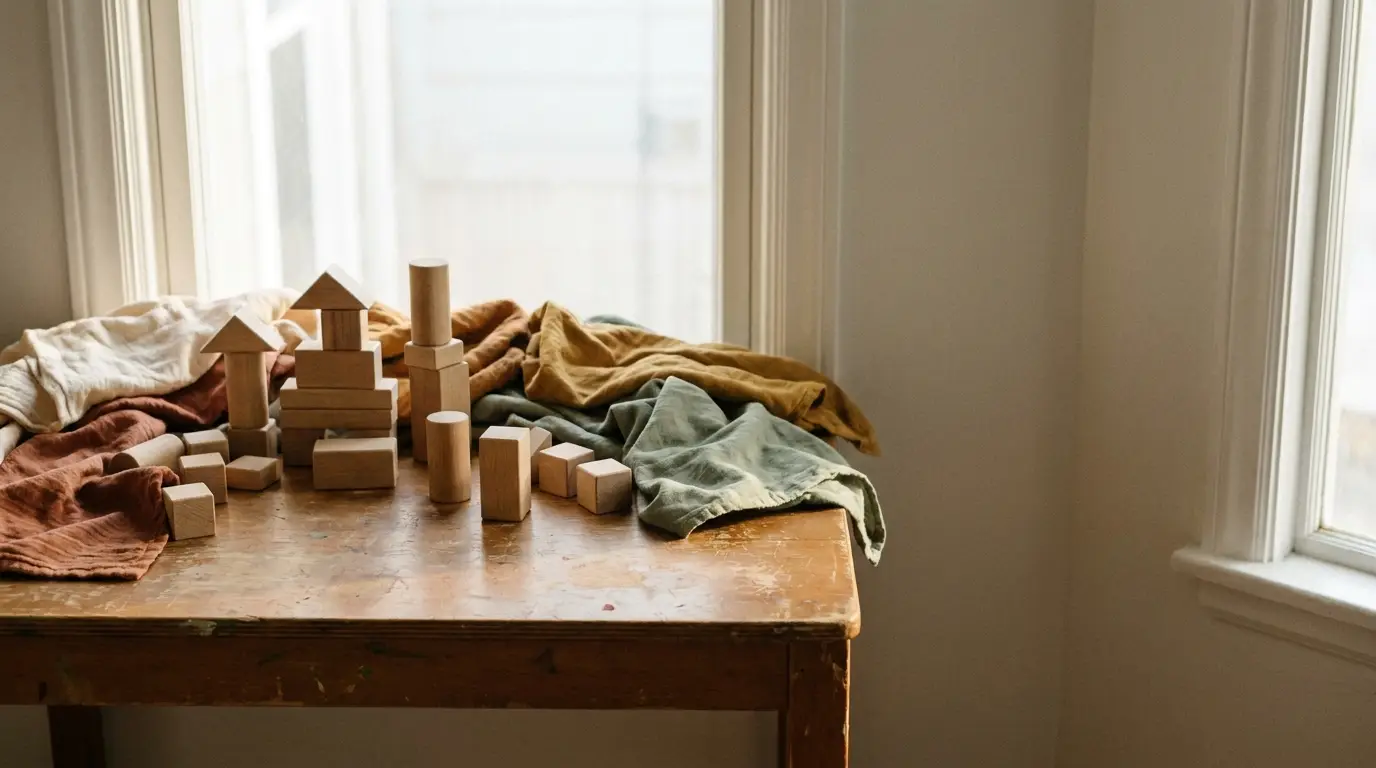
Every time a toddler stacks blocks, pretends to cook a meal using leaves and sticks, or negotiates who gets to be the dragon in a game, their brain is firing off signals and building pathways. These pathways are the foundation for things like memory, language, emotional regulation, and problem-solving. All of that, from what looks like mucking around.
So What’s Actually Happening During Play?
Picture this: a group of four-year-olds playing shop. One of them is the shopkeeper, one’s the customer, and there’s a whole dramatic argument happening over the price of a plastic banana. Seems chaotic, right?
But look closer. The shopkeeper is practising early math concepts, counting out pretend money and managing “stock.” The customer is working on language and social negotiation. And that argument over the banana? That’s conflict resolution in real time. These kids are building skills that genuinely matter, without a worksheet in sight.
Unstructured, child-led play gives kids the chance to test ideas, make mistakes, and figure things out on their own terms. That kind of autonomy turns out to be really important for developing confidence and creativity.
The Role of Adults in All This
This part’s a bit tricky, because it doesn’t mean adults just step back and disappear. Quality early childhood educators understand how to create environments that spark curiosity without taking over. There’s a real art to it, actually.
The best educators know when to step in and extend a child’s thinking, asking a question that opens up new possibilities, and when to simply let the play unfold. That balance matters more than most people realise.
Good early education settings are intentional about play. The space, the materials, the way the day is structured, all of it is thoughtfully designed to support development. It just doesn’t always look like a traditional “school” because, well, it shouldn’t.
Why This Gets Dismissed (And Why That’s a Shame)
There’s still a tendency in some circles to treat play as a bit fluffy. Like it’s a nice bonus, but not the serious stuff. That thinking is genuinely outdated. Decades of research in early childhood development backs up what educators have known for a long time: play-based learning produces better outcomes across the board. Socially, emotionally, cognitively. A lot.
When children feel safe to play freely, to explore without fear of getting it wrong, they build resilience. They learn that trying things and failing is just part of figuring stuff out. That’s a lesson worth learning at four, not forty.
Finding the Right Environment for Your Child
Not all early learning settings approach play the same way, and it’s worth paying attention to how a centre actually operates day to day. If you’re exploring options in the region and want somewhere that genuinely values play-based learning, it’s worth checking out the vacancies at Lithgow childcare centre to see what’s available for your family.
Because the right environment at this age? It makes a real difference.

With a Master’s in Architecture from the University of California, Berkeley, Alexander Martin has dedicated the last 18 years to enhancing outdoor living through thoughtful and robust structure design. His career kicked off in urban planning, giving him a unique perspective on integrating structures into diverse environments. In 2019, Alexander brought his expertise to our website, offering insights into creating versatile outdoor spaces. Since then, he has been the lead advisor for our outdoor design projects and is known for his ability to merge functionality with environmental consciousness. Alexander enjoys rock climbing outside of work and participates in community development projects, activities that reflect his passion for the outdoors and sustainable design.