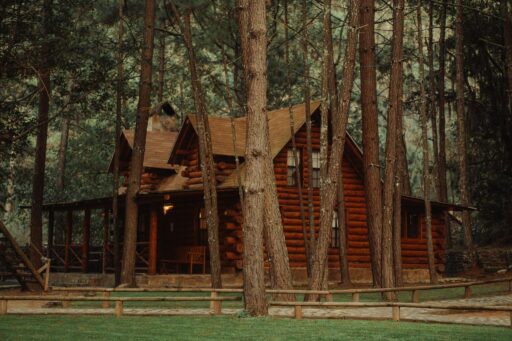
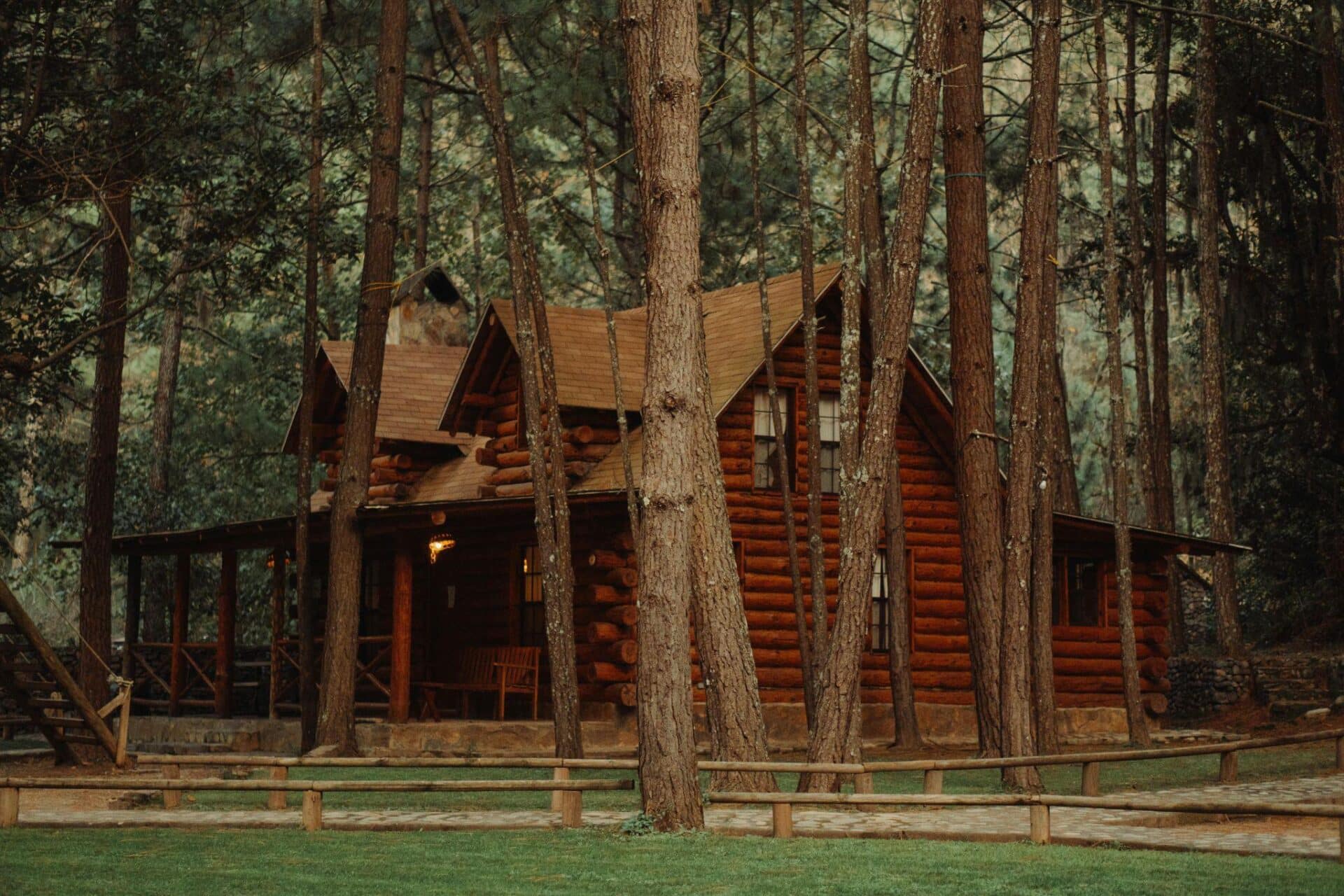

You love your log cabin. Of course you do. It is warm. It is cozy. It smells like a forest. But here is the thing nobody tells you before you buy one. The weather has it out for your walls. Rain wants in. Sun wants to crack. Snow wants to crush. Wind wants to find every tiny hole. It is a constant battle.
And the rules change with every season. What works in the dry Southwest will fail in the wet Pacific Northwest. Your maintenance routine cannot be one-size-fits-all. You have to watch the sky. You have to listen to the wind. You have to learn what your local climate demands.
Starting Small Before Trouble Finds You
Most folks wait until something looks wrong. That is a mistake. By then, the damage is already done. Smart cabin owners tackle some log cabin maintenance every single year. A little here. A little there.
They check the south-facing walls in spring. Those get hammered by UV rays. They inspect the north side in fall. That one stays damp and grows moss. They poke at window sills after big storms. They sweep off roof valleys before ice builds up. This is not glamorous work. But it saves your bacon. A few hours of prevention beats a summer of expensive repairs. Every single time.
The Sneaky Danger of Too Much Wet
Water is the number one enemy. Not bugs. Not fire even. Just plain old water. Rain runs down your logs. It collects in little cracks. It freezes. It thaws. It expands. It makes the cracks bigger. Then more water gets in. The cycle continues. Year after year. Suddenly you have rot. Rot is a nightmare. You cut it out. You replace whole logs. You spend thousands of dollars.
The fix is simple though. Keep water off your logs. Deep roof overhangs help. Good gutters help. Sealant that flexes with the seasons helps. Check your caulk twice a year. Redo it every few years. Water hates a clean, tight seal. Give it nothing to grab.
Sun and The Vanishing Stain
The sun looks friendly. It feels warm. But it is a silent destroyer. UV rays break down the protective coating on your logs. They turn rich brown wood into sad gray driftwood. They dry out natural oils. They cause surface cracks called checking. The stain you paid good money for? Gone in a few summers on the sunny side.
This is worse in high elevations. Worse in southern exposures. Worse if you have dark colors. The fix is simple but annoying. Re-stain more often on the hot sides. Use lighter stains that reflect sunlight. Add porches or awnings to shade the worst walls. Your logs will thank you.
Snow Load and The Creaking Roof
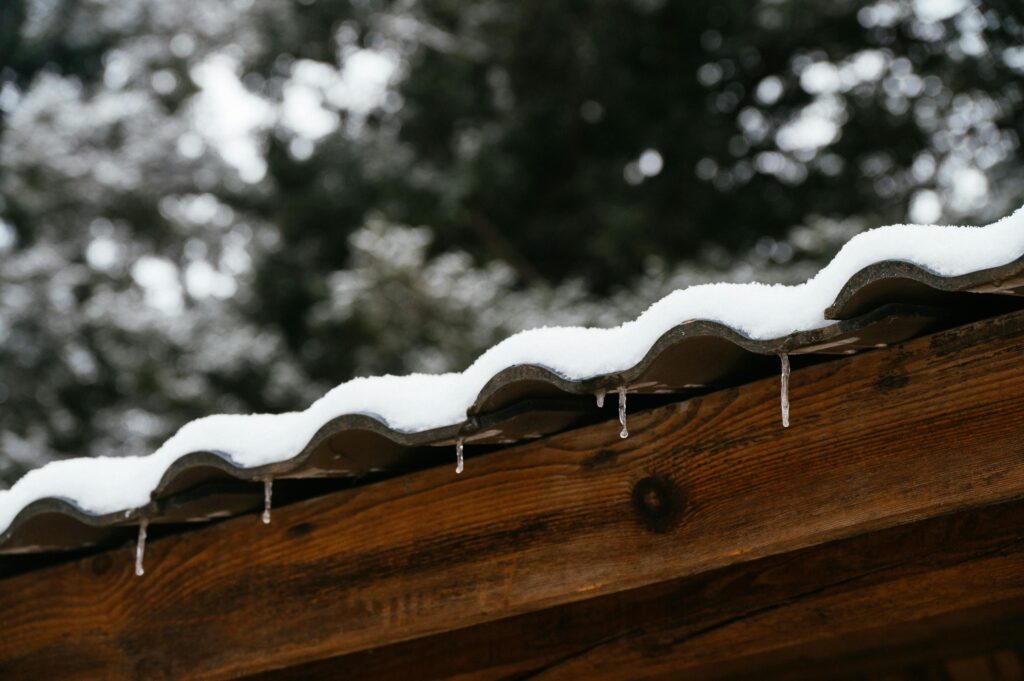
Snow looks beautiful piled on your cabin. It feels like a postcard. But it is heavy. So heavy. Wet snow weighs a ton. Deep snow can crush a poorly designed roof. Log cabins use big timber frames. They are strong. But every roof has limits. You need to know yours.
Watch for sagging. Listen for creaking. Clear snow off with a roof rake after big storms. Be careful not to damage the logs below. Pay attention to valleys where snow drifts. Pay attention to flat spots around chimneys. A collapsed roof is a disaster. A little shoveling prevents that disaster. Do not skip it.
Humidity and The Bug Problem
Dry climates have fewer bugs. Wet climates have more. That is just the truth. Insects love damp wood. Carpenter bees drill holes. Termites tunnel through. Wood-boring beetles lay eggs in cracks. High humidity makes logs softer. Softer logs are easier to attack. You cannot fight this with sealants alone. You need air flow.
Keep vegetation away from your walls. Let the breeze hit your logs. Sunshine helps too. So does low humidity inside the cabin. Run a dehumidifier in the basement. Open windows on dry days. Let your logs breathe. Bugs hate dry, open, airy spaces. Make your cabin uncomfortable for them.
The Wind Test You Did Not Ask For
Wind is the snitch. It finds every weakness. It blows rain into tiny cracks. It pushes snow behind loose trim. It whips branches against your stain. A windy site means more maintenance. Plan for it. Check your chinking every spring.
That is the flexible mortar between logs. Wind dries it out. Wind cracks it open. Repair small gaps with fresh caulk. Replace big sections of chinking before winter. Walk around your cabin after a big storm. Look for new cracks. Look for loose boards. The wind told you where the problems are. Listen to it.
Changing Your Routine by The Season
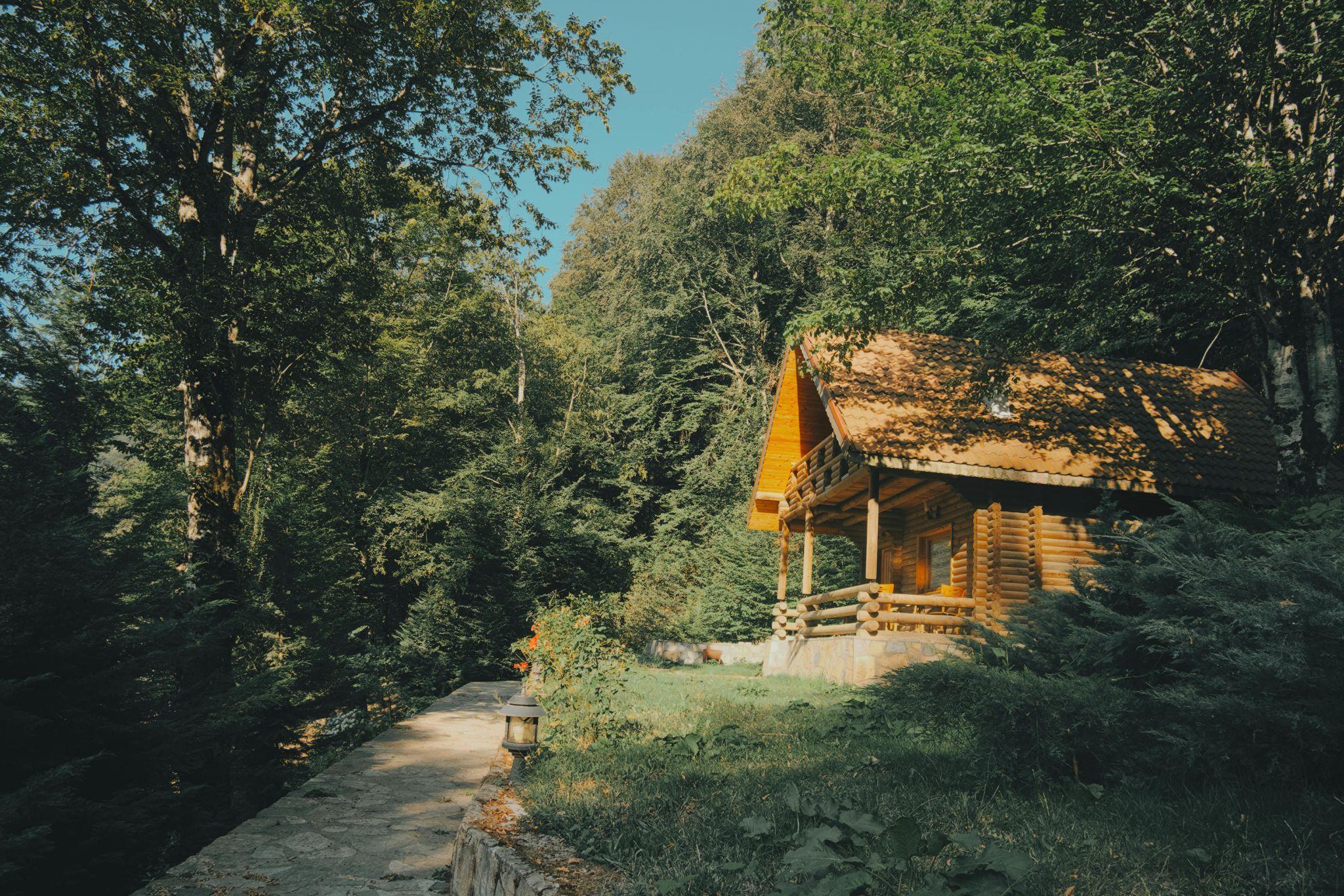
One maintenance schedule does not work everywhere. A cabin in Arizona needs different care than a cabin in Maine. In the desert, focus on sun protection. Stain every two years. Watch for drying cracks. In the rainforest, focus on water management. Seal every seam. Kill moss on north walls. In the mountains, focus on snow and freeze-thaw. Upgrade your gutters. Clear ice dams. Use flexible caulk that moves with the wood.
Learn your local weather patterns. Keep a notebook. Write down what works. Adjust your routine every year. Your cabin will last longer. You will sleep better.
A Little Love Goes a Long Way
Here is the bottom line. Log cabins are alive. They move with the seasons. They expand in the rain. They shrink in the sun. They creak and settle and tell you things. Listen to them. Walk around your home once a month. Look at the logs. Touch the logs. Smell for musty rot. Feel for soft spots. Catch problems when they are tiny. Fix them before they grow.
That is the secret to log cabin ownership. Not one big expensive repair. Just lots of small, cheap checks. The weather will always come for your cabin. But you can be ready. Every time.

Tommy Hardy, an alumnus of the Georgia Institute of Technology with a degree in Mechanical Engineering, has been a go-to figure in residential upkeep and innovation for over 18 years. His career commenced in a leading home appliance manufacturing company, where he mastered the intricacies of household systems. Joining our platform in 2020, Tommy quickly became a reader favorite for his practical and easy-to-follow guides. He took the helm of our DIY section in 2019, consistently delivering content that empowers homeowners. Beyond his professional pursuits, Tommy is a passionate gardener and enjoys woodworking, skills enhancing his hands-on approach to home care.