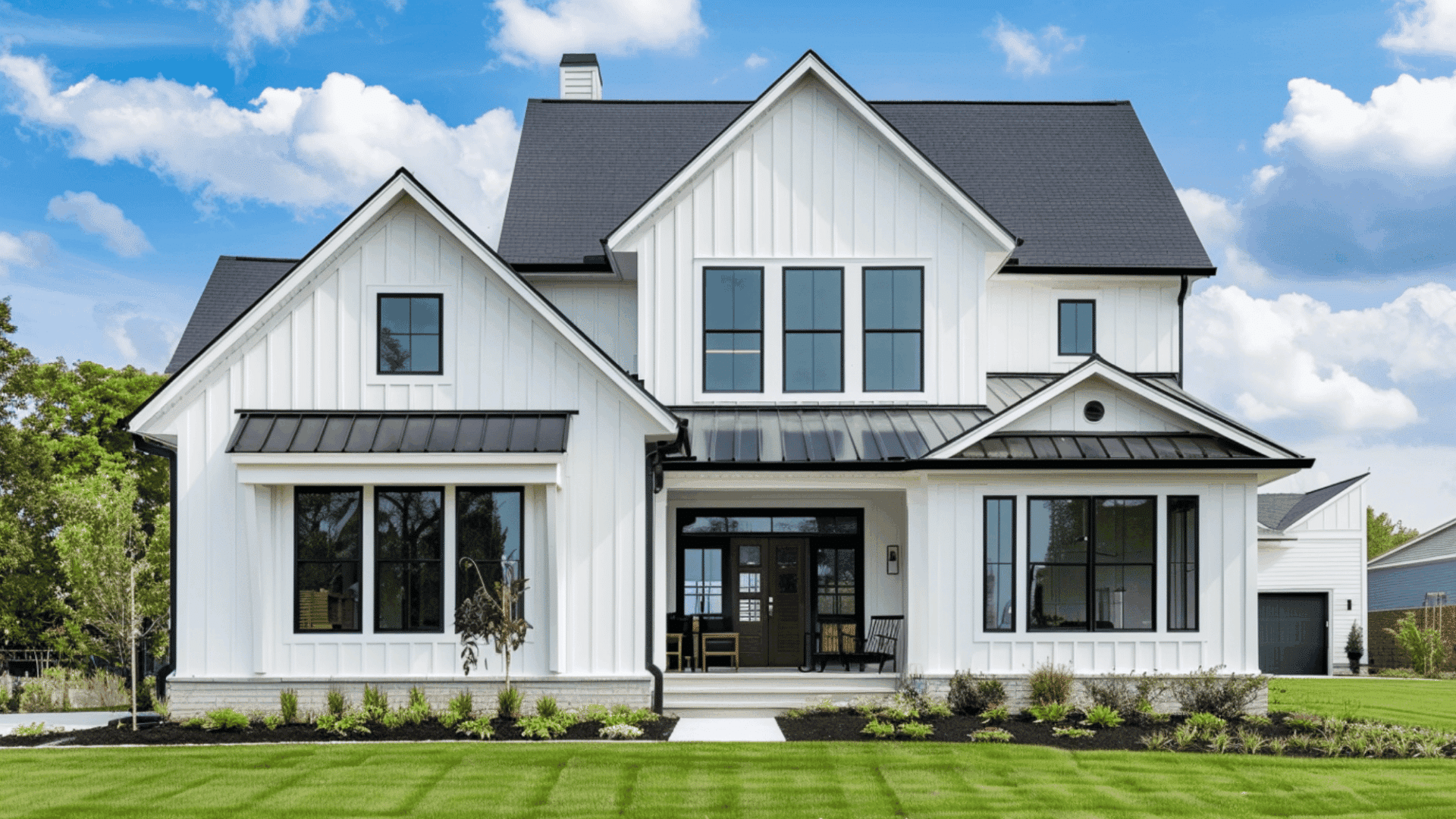

If you’ve been scrolling through home design feeds lately, you’ve probably noticed that classic vertical siding is making a major comeback. Board and batten siding is everywhere and for good reason.
But what is board and batten siding, exactly? And why are people suddenly obsessing over it?
The truth is, most people love the look but have no idea where to start. Getting the style right. If you’re considering board and batten wood siding or exploring a batten board for the first time, it can feel overwhelming.
This blog breaks it all down. From materials and costs to installation and design ideas, you’ll have everything you need to make a confident decision.
What Is Board and Batten Siding?
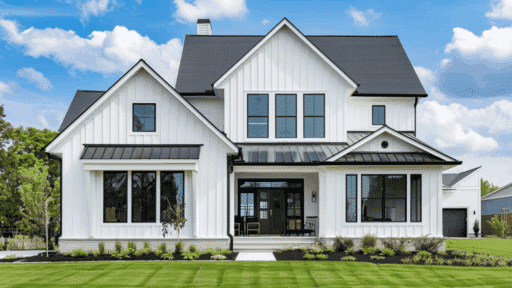
Board and batten siding is a type of vertical exterior design made from wide wooden boards and thin strips called battens.
The boards are placed side by side, and the battens are added over the seams where the boards meet. This creates a layered look that helps seal gaps and protect the wall from weather.
The pattern of wide boards and narrow battens adds depth and texture to the surface, giving homes a bold and clean appearance.
This style was first used on barns and farm buildings because it was simple, strong, and practical. Today, it is popular in both modern and rustic home designs.
Key Features of Board and Batten Siding
Board and batten siding stands out for its simple structure and eye-catching design. It offers both style and function, making it a popular choice for many homes. Below are the key features that make it unique.
- Vertical Design: Board and batten siding uses an up-and-down layout that makes walls look taller and cleaner.
- Strong Visual: The line mix of wide boards and thin battens creates clear lines that stand out on any home.
- Weather Resistance: When installed well, it helps keep out rain and wind by covering gaps between boards.
- Versatile Materials: It comes in wood, vinyl, and fiber cement, so you can choose the material that best fits your budget and needs.
- Fits Many Styles: This siding works well with both modern homes and classic farmhouse designs.
- Adds Depth and Texture: The layered look adds detail to walls, making the exterior more attractive.
Board and Batten Siding Cost
Understanding board-and-batten siding costs can help you plan your budget wisely and choose the best material and installation option for your home.
| Cost Factor | Estimated Cost / Range | Details |
|---|---|---|
| Average Cost (Per Square Foot) | $4 – $12 per sq. ft. | Cost varies depending on material type and labor charges. |
| Material Cost | Varies by material | Wood is premium-priced, vinyl is budget-friendly, and fiber cement is mid-range. |
| Installation vs DIY Costs | DIY saves labor costs | Professional installation costs more, while DIY requires skill and time investment. |
| Labor Costs | Depends on contractor & location | Charges vary based on design complexity, region, and contractor experience. |
| Factors Affecting Pricing | Depends on project scope | Home size, material selection, and custom design details influence total cost. |
Types of Board and Batten Siding
Board-and-batten siding comes in various materials, each offering its own look and level of durability. Choosing the right type depends on your budget, style, and maintenance needs. Below are the main types you should know.
1. Wood Board and Batten
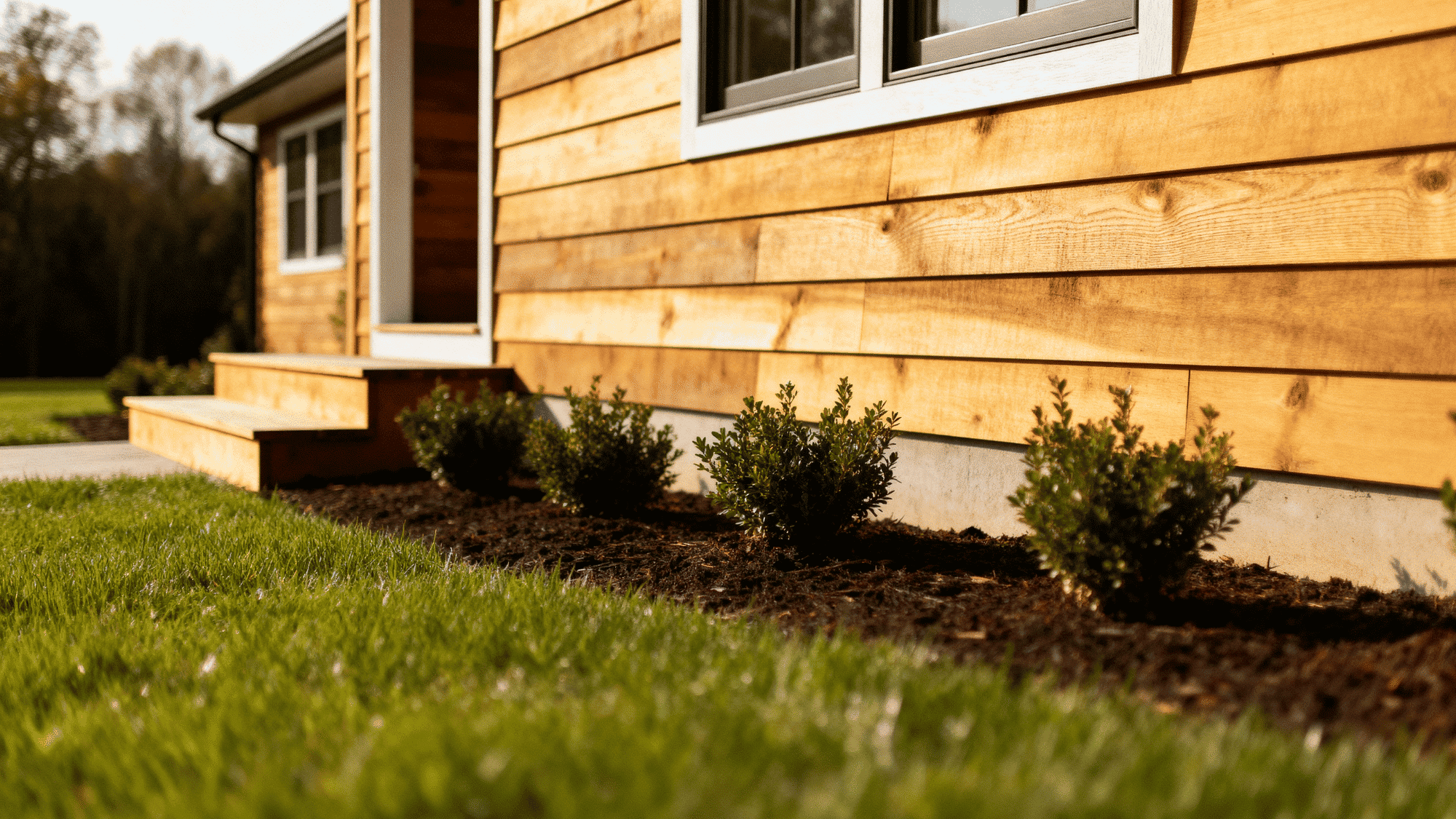
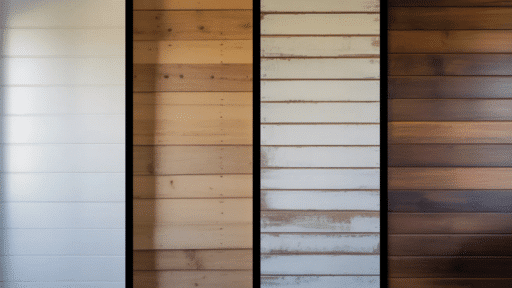
Wood board-and-batten siding offers a natural appearance that adds warmth and charm to any home. The texture and grain of real wood create a classic and evergreen look that many people prefer.
However, it does require regular maintenance to stay in good condition. You may need to paint, stain, or seal the wood to protect it from moisture, insects, and weather damage.
With proper care, it can last for many years while keeping its beauty.
2. Vinyl Board and Batten
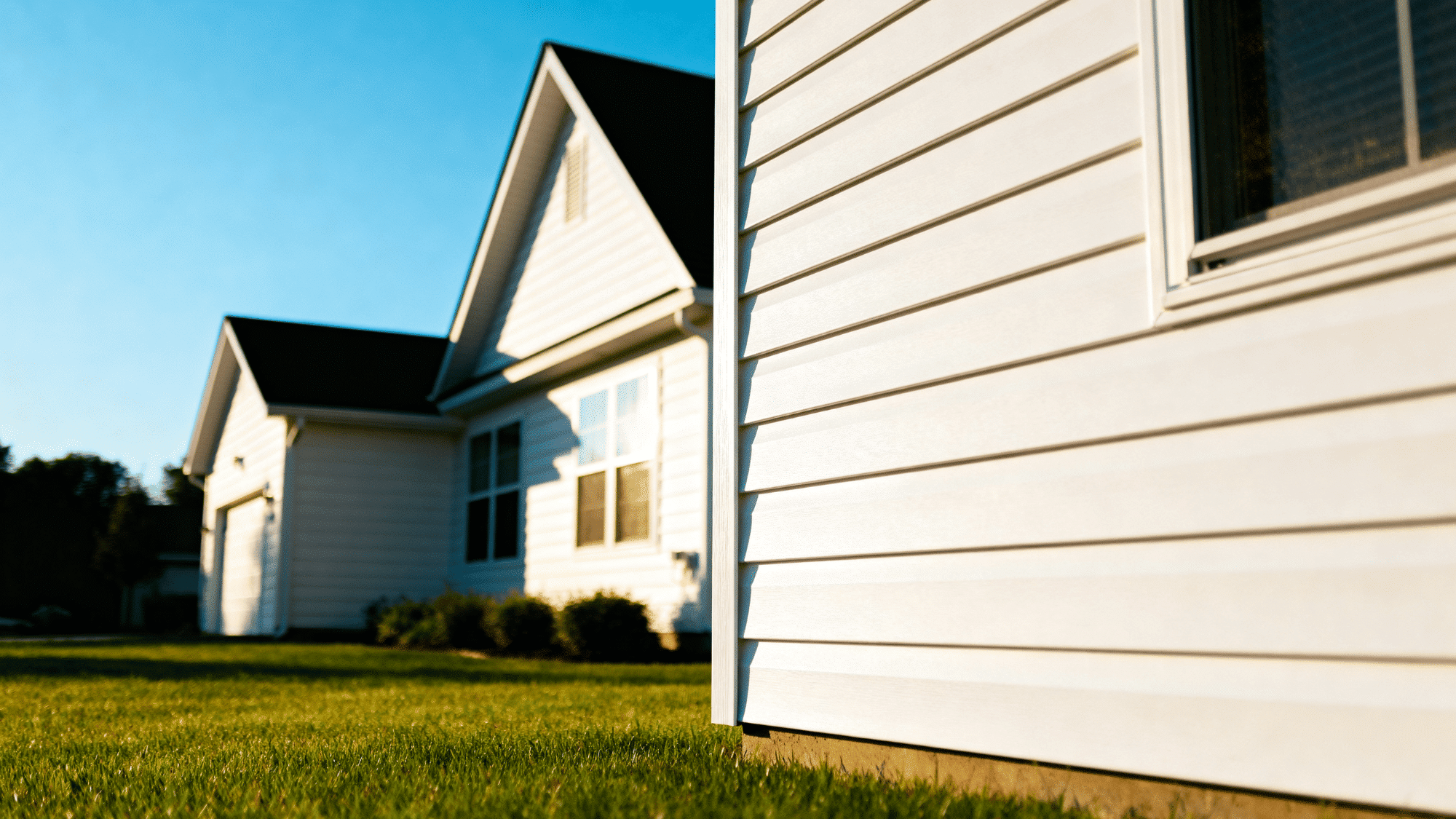
Vinyl board-and-batten siding is a popular choice because it is low-maintenance and easy to care for. It does not need painting or sealing like wood, which saves time and effort.
It is also budget-friendly, making it a good option for people who want a stylish look without high costs. With simple cleaning, vinyl siding can keep its appearance for many years.
3. Fiber Cement Board and Batten
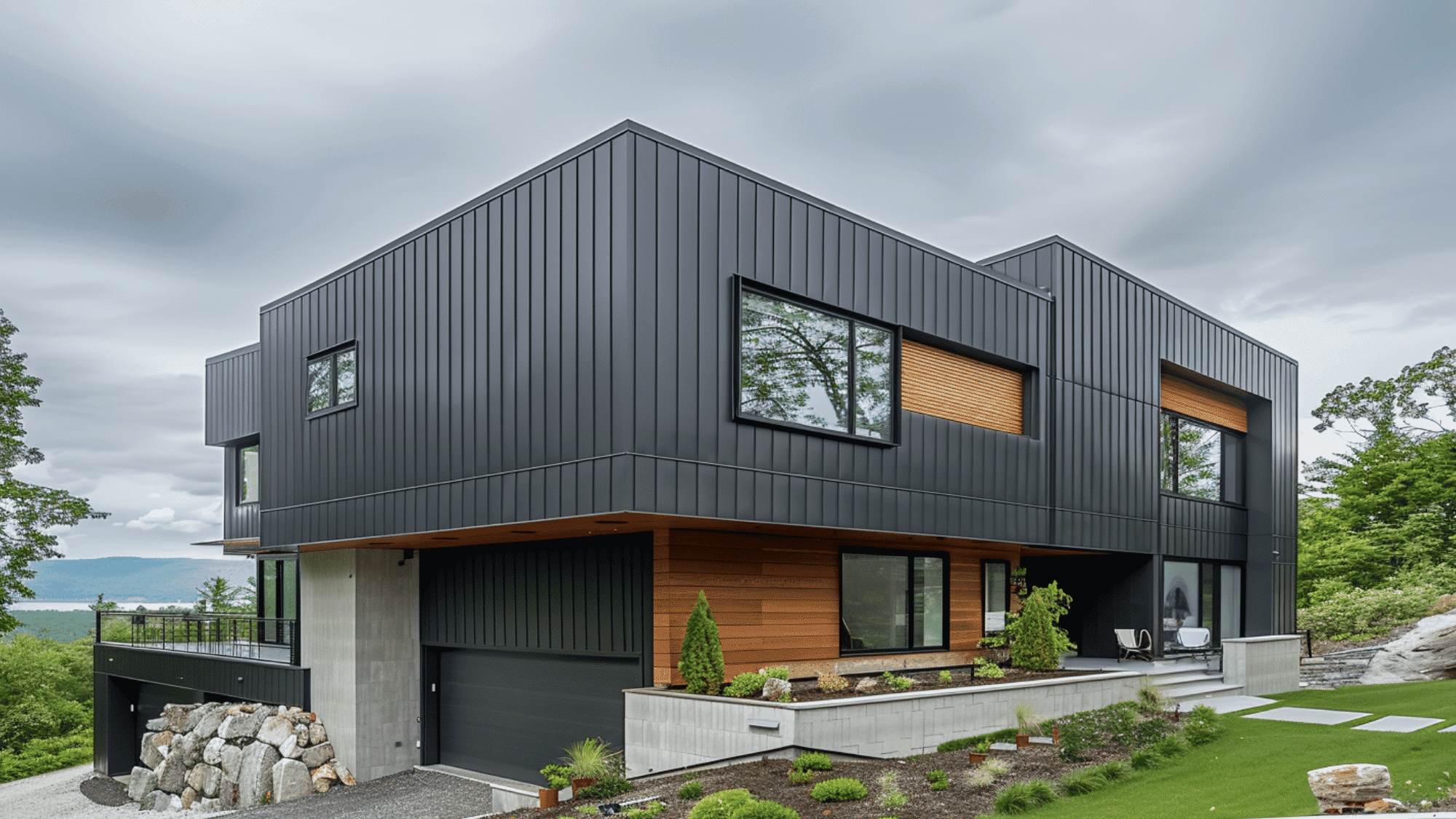
Fiber-cement board-and-batten siding is known for its strength and durability. It can handle harsh weather, including rain, heat, and wind, without damage.
It is also fire-resistant, providing an extra layer of safety for your home. With minimal upkeep, this material can last for many years while maintaining its clean, solid appearance.
4. Engineered Wood
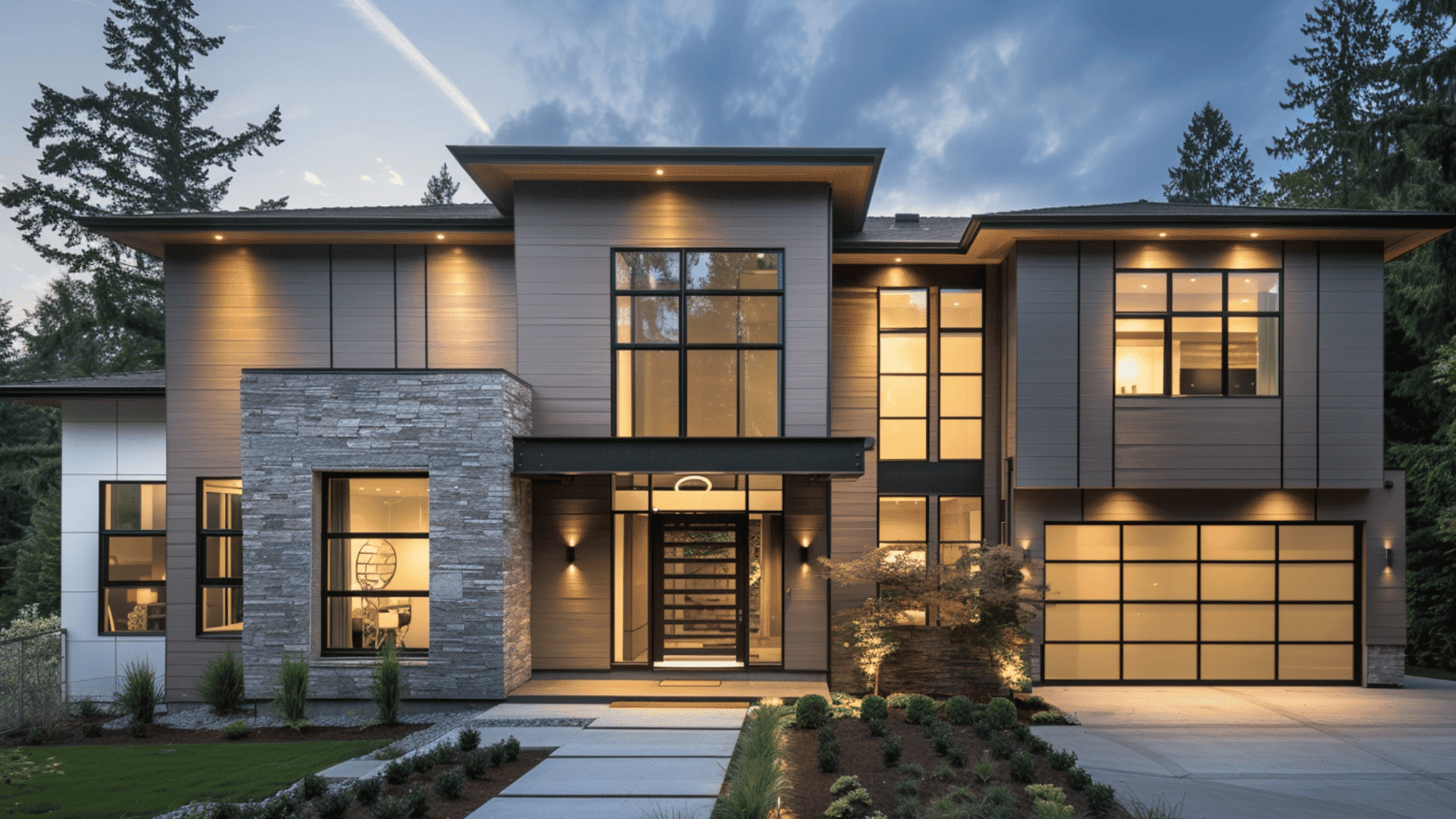
Engineered wood board-and-batten siding is a cost-effective alternative to natural wood. It gives a similar look but at a lower price, making it a smart choice for many people.
This material is designed to resist moisture and pests better than real wood. It also requires less maintenance while still offering a clean, attractive finish.
5. Metal Board and Batten
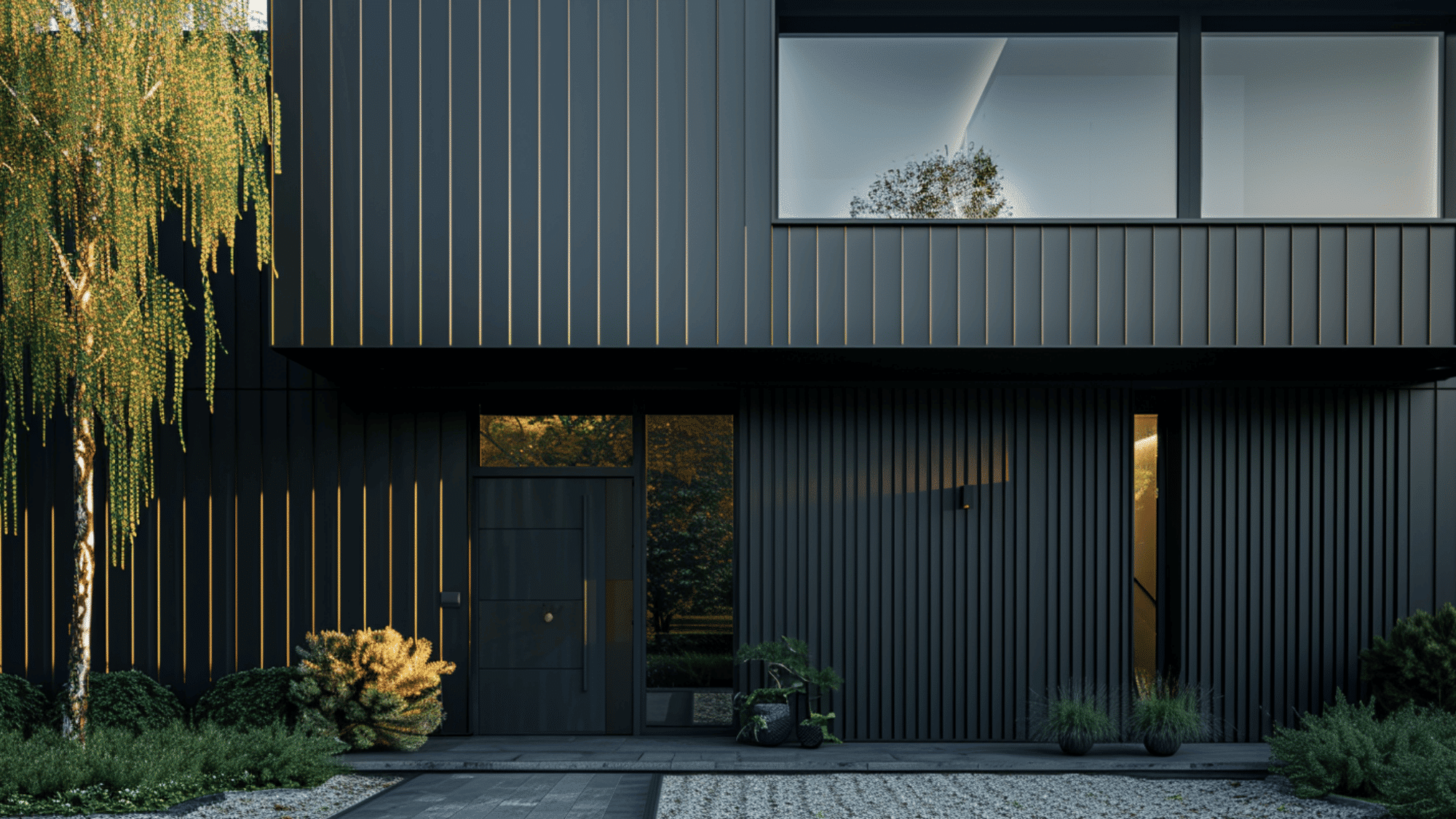
Metal board-and-batten siding gives a modern, industrial look that stands out. It has a sleek finish that complements contemporary home designs.
This material is strong and can handle harsh weather without damage. It also resists rust and pests, making it a long-lasting option.
With simple care, metal siding maintains its clean, sharp appearance for many years.
Pros and Cons of Board and Batten Siding
Board and batten siding offers a mix of style and function, making it a popular choice for many people. Below is a clear look at its pros and cons.
| Aspect | Pros | Cons |
|---|---|---|
| Design & Style | Unique artistic appeal that adds charm and character | May not suit every home design preference |
| Versatility | Works well with modern, rustic, and farmhouse-style homes | Design choices can be limited with some materials |
| Curb Appeal | Enhances exterior look and increases home value | Higher cost than some basic siding options |
| Durability | Strong and long-lasting when properly installed | Installation can be complex, and wood may need regular maintenance |
Maintenance Tips You Need to Know
Proper maintenance helps board-and-batten siding stay strong and look good for years. With simple care, you can prevent damage and extend its life. Below are some easy maintenance tips you should follow.
- Regular Cleaning: Wash the siding with water and mild soap to remove dirt and keep it looking fresh.
- Gentle Tools: Use a soft brush or cloth to avoid scratches while cleaning the surface.
- Painting or Staining: Repaint or restain wood siding every few years to protect it and keep its color.
- Seal Protection: Apply sealant to help block moisture and extend the life of the siding.
- Moisture Control: Check for cracks or gaps and fix them quickly to prevent water damage.
- Seasonal Inspection: Inspect the siding during each season to spot damage early.
- Repair Damage: Quickly fix loose boards or battens right away to avoid bigger problems.
Final Thoughts
So, now you know what board-and-batten siding is, and honestly, it’s not as complicated as it first seems.
It’s an evergreen style that adds real character to any home, whether you choose board and batten wood siding or a more modern material.
The batten board detail is what makes it stand out. That simple contrast of wide boards and narrow strips creates a look that’s both classic and fresh.
At the end of the day, it comes down to your home, your budget, and the look you’re going for. And with the right information, making that call gets a whole lot easier.

Holding a Master’s in Construction Management from Purdue University, William Ray has dedicated more than two decades to studying and applying construction principles. His professional journey includes a tenure with a prominent construction firm, where he specialized in project management and building technologies. William brought his knowledge to our team, providing in-depth insights into practical construction techniques. As the leader of our beginner’s guide to building since 2019, he has a knack for breaking down intricate processes into easily digestible content. When not involved in writing or onsite consultations, William enjoys woodworking and volunteering in community building projects, which aligns with his passion for hands-on construction and community service.