

Your bedroom should be a place where you can relax, recharge, and feel at ease, but sometimes the layout, colors, or clutter can make it feel off without you realizing why. That’s where a Feng Shui bedroom comes in.
With a few simple changes, like adjusting furniture placement, choosing calming colors, and reducing clutter, you can create a bedroom that feels more peaceful and comfortable.
In this blog, you’ll find practical ideas to help you design a space that supports better sleep, relaxation, and overall well-being.
What is Feng Shui?
Feng shui is an ancient Chinese practice of arranging spaces to support the natural flow of chi, the life energy that moves through every room.
It focuses on creating balance and improving the flow of energy in your space. In a bedroom, the goal is to keep that energy calm, steady, and restorative.
Two key ideas guide everything: yin and yang. Your bedroom should lean toward yin, meaning quiet, soft, and restful, rather than active or stimulating.
Feng shui also works with five core elements: wood, fire, earth, metal, and water.
Why Feng Shui is Worth Considering?
Following feng shui bedroom rules helps create a space that feels calm, safe, and easy to relax in. Even small changes in layout or furniture placement can make the room feel more balanced and peaceful.
- Improves Sleep Quality: Reduces distractions and supports deeper, uninterrupted sleep.
- Promotes Restful Sleep: Creates a relaxing setup that helps the body fully recharge.
- Reduces Anxiety: A balanced layout helps lower stress and mental tension.
- Improves Overall Health: Better sleep and calm surroundings support well-being.
- Boosts Energy Levels: A well-arranged space helps you feel more refreshed each day.
- Creates Comfort And Security: Proper bed placement helps you feel safe and at ease.
Ways to Align Your Bed for Better Feng Shui
The position of the bed plays a key role in how a bedroom feels and functions. Getting this right can improve the overall
1. Place our Bed in the Command Position

In feng shui, the command position means placing the bed so you can see the door without being directly in line with it. Your bed should be diagonally across from the main door.
This setup helps create a sense of control and safety while resting. When the entrance is visible, the mind feels more relaxed, which can improve sleep quality.
Avoid placing the bed straight in front of the door, as it may cause discomfort and disrupt the room’s energy flow.
2. Place ed Against a Solid Wall
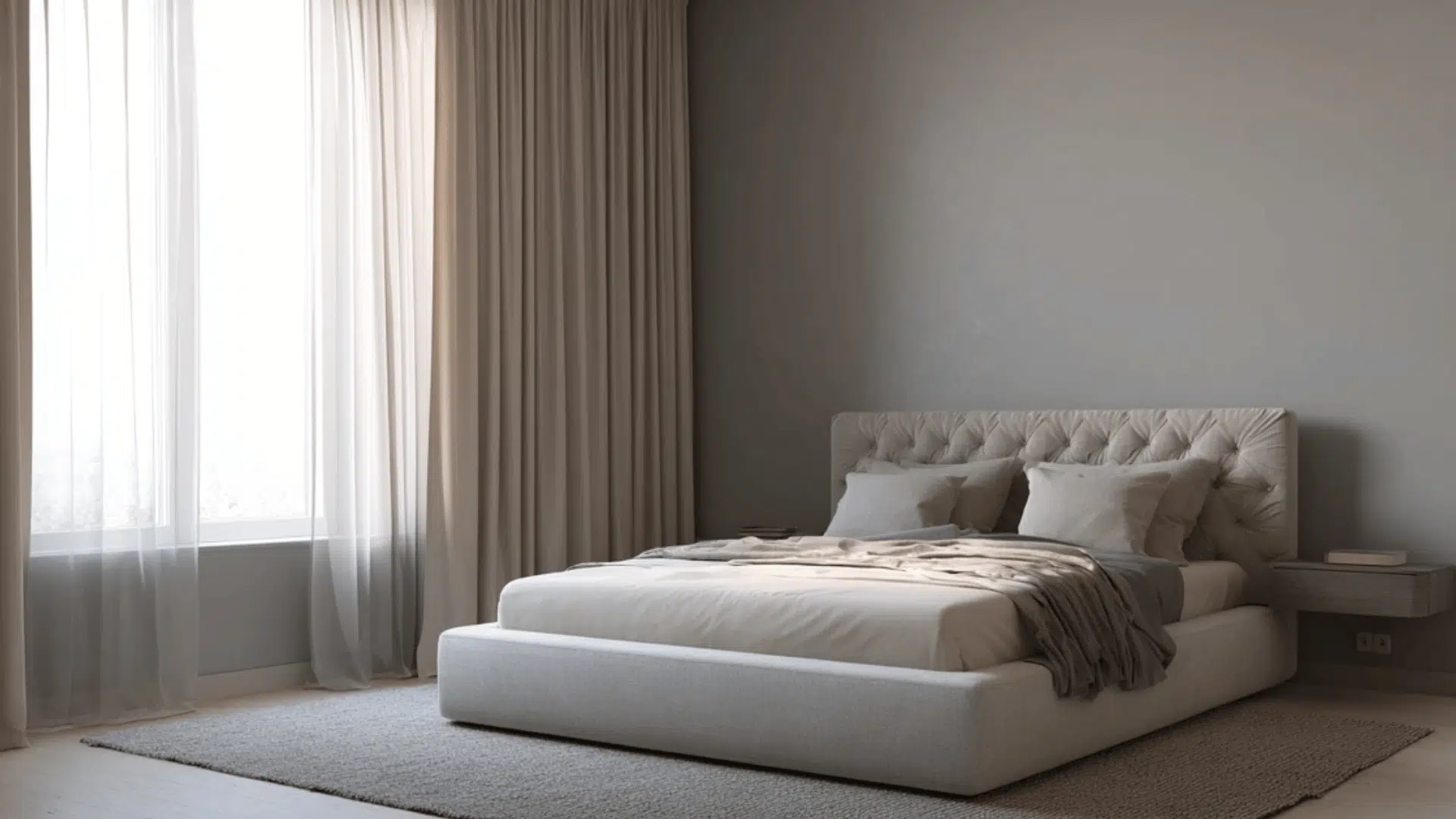
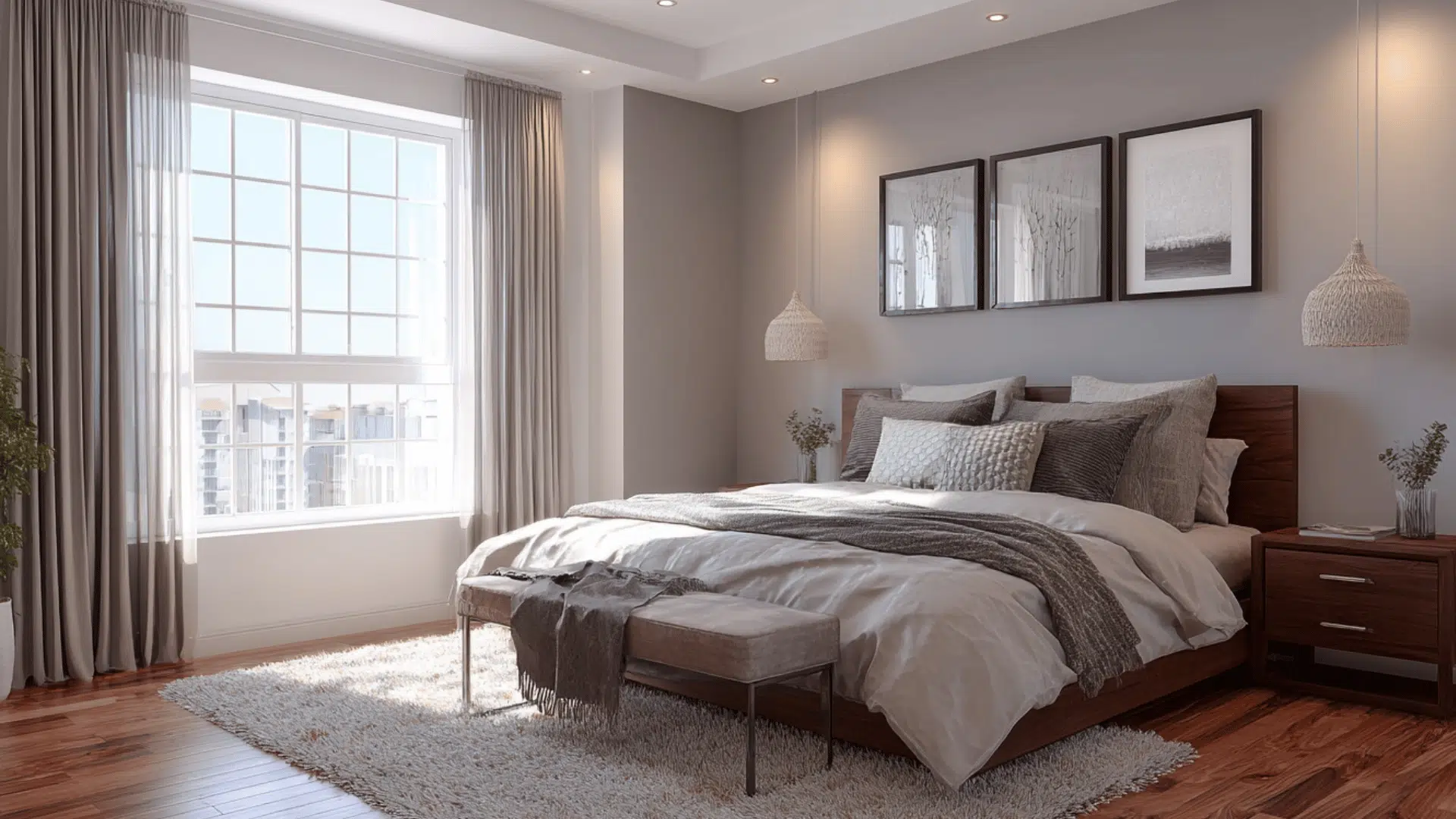
The best bed placement is with a solid wall behind the headboard. This provides support and helps create a sense of stability while sleeping.
A solid, sturdy headboard adds support and stability to the bed. In feng hui, the headboard symbolizes support and stability in life.
Avoid headboards with bars, gaps, or cutouts, as these can create a sense of instability. An upholstered or wooden headboard works well.
3. Leave space on Both Sides of the Bed
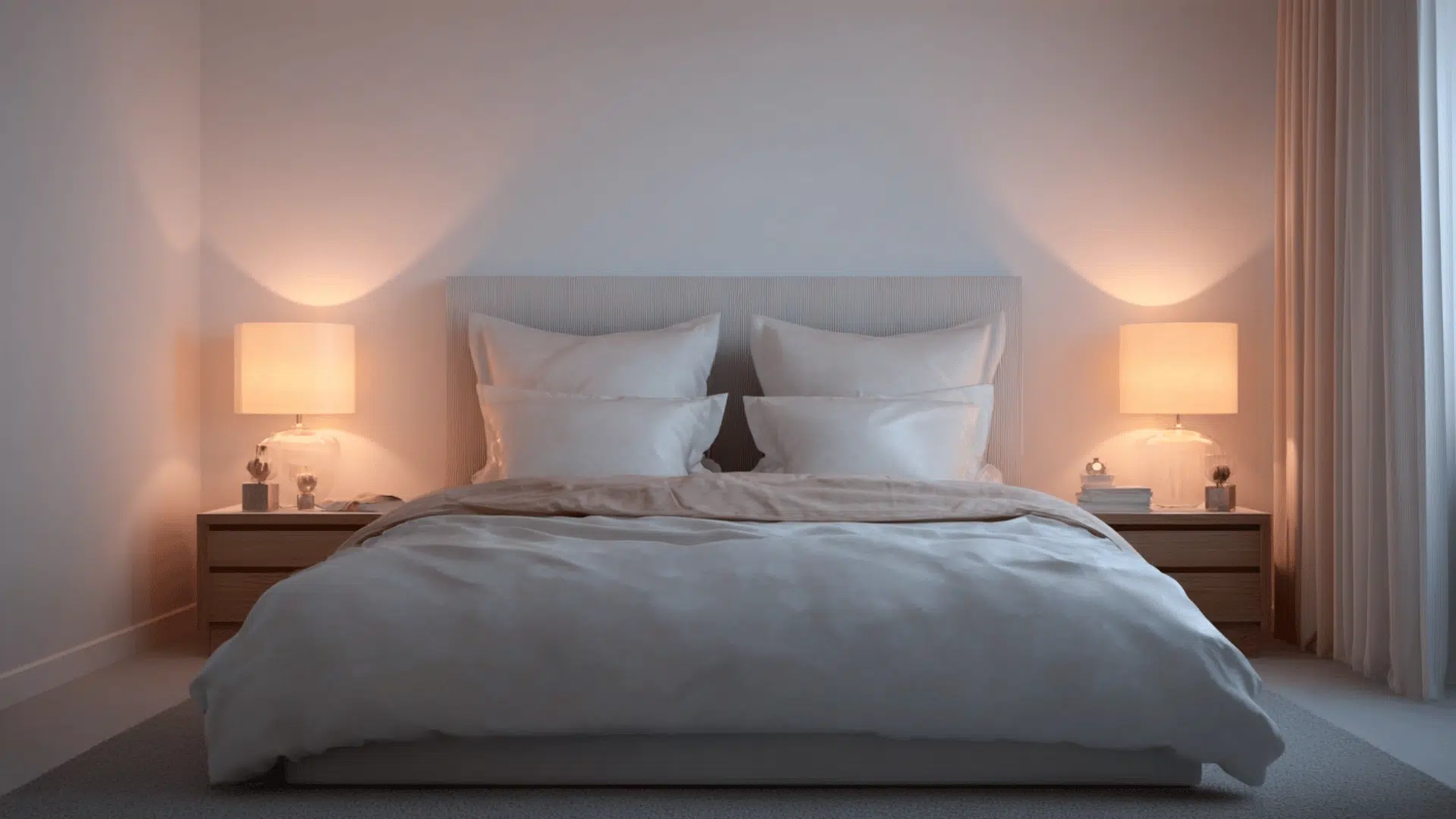
Leaving equal space on both sides of the bed is important for balance in a
Avoid pushing the bed into a corner, as it can block energy flow and make the space feel tight and less comfortable.
Place a nightstand on each side of the bed. Matchi g pairs support balance and equal energy flow, which matters especially in shared bedrooms. Keep surfaces clear. A lamp, a book, or a small plant is enough.
4. Avoid Placing Bed Under Beams
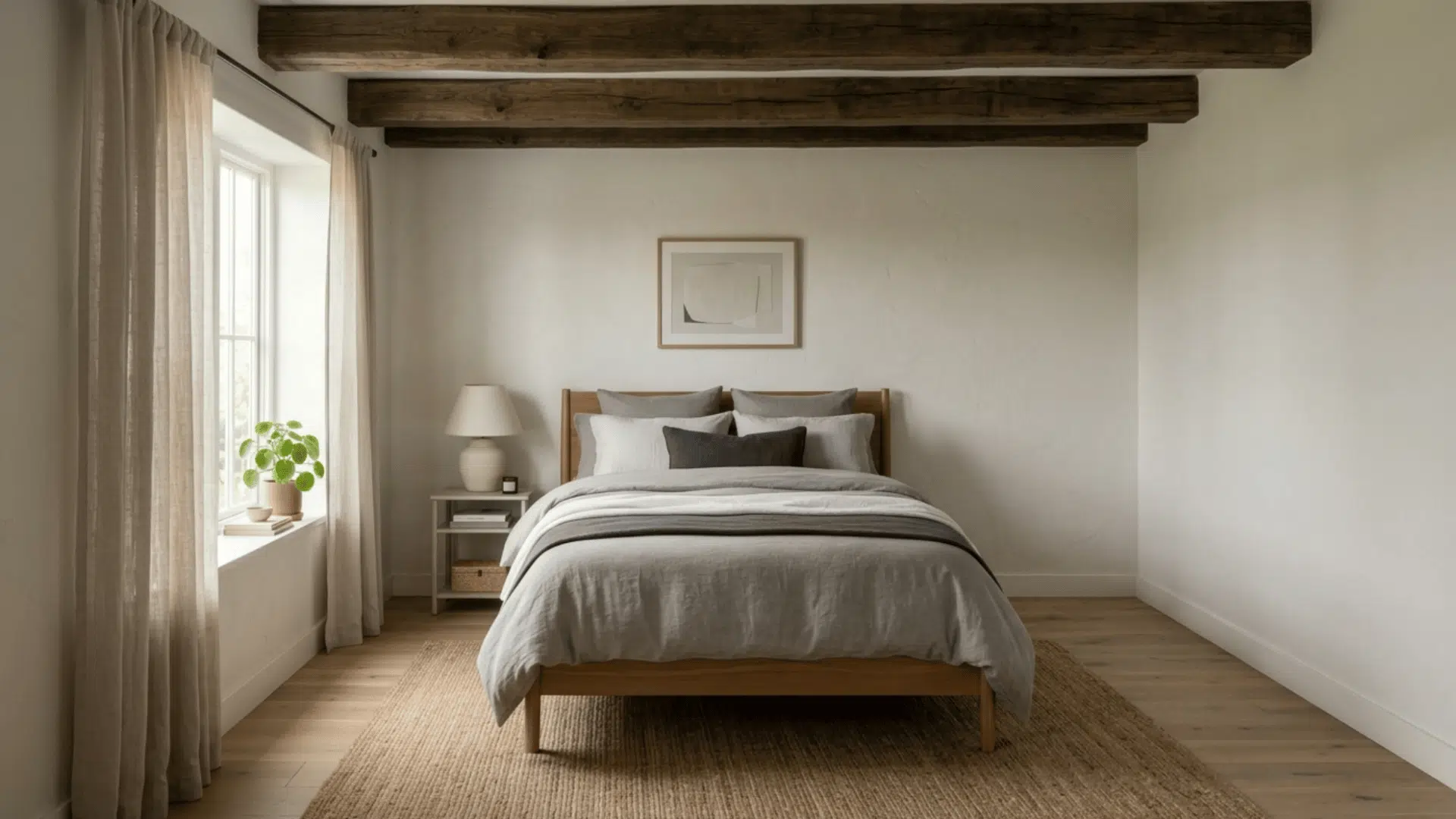
Sleeping under exposed beams can create a feeling of pressure and discomfort. It may also affect sleep quality over time.
If beams cannot be avoided, consider soft coverings or repositioning the bed slightly. Keeping the area above the bed clear helps maintain a lighter, more relaxed atmosphere in the bedroom.
5. Keep Bed Away from Electronics
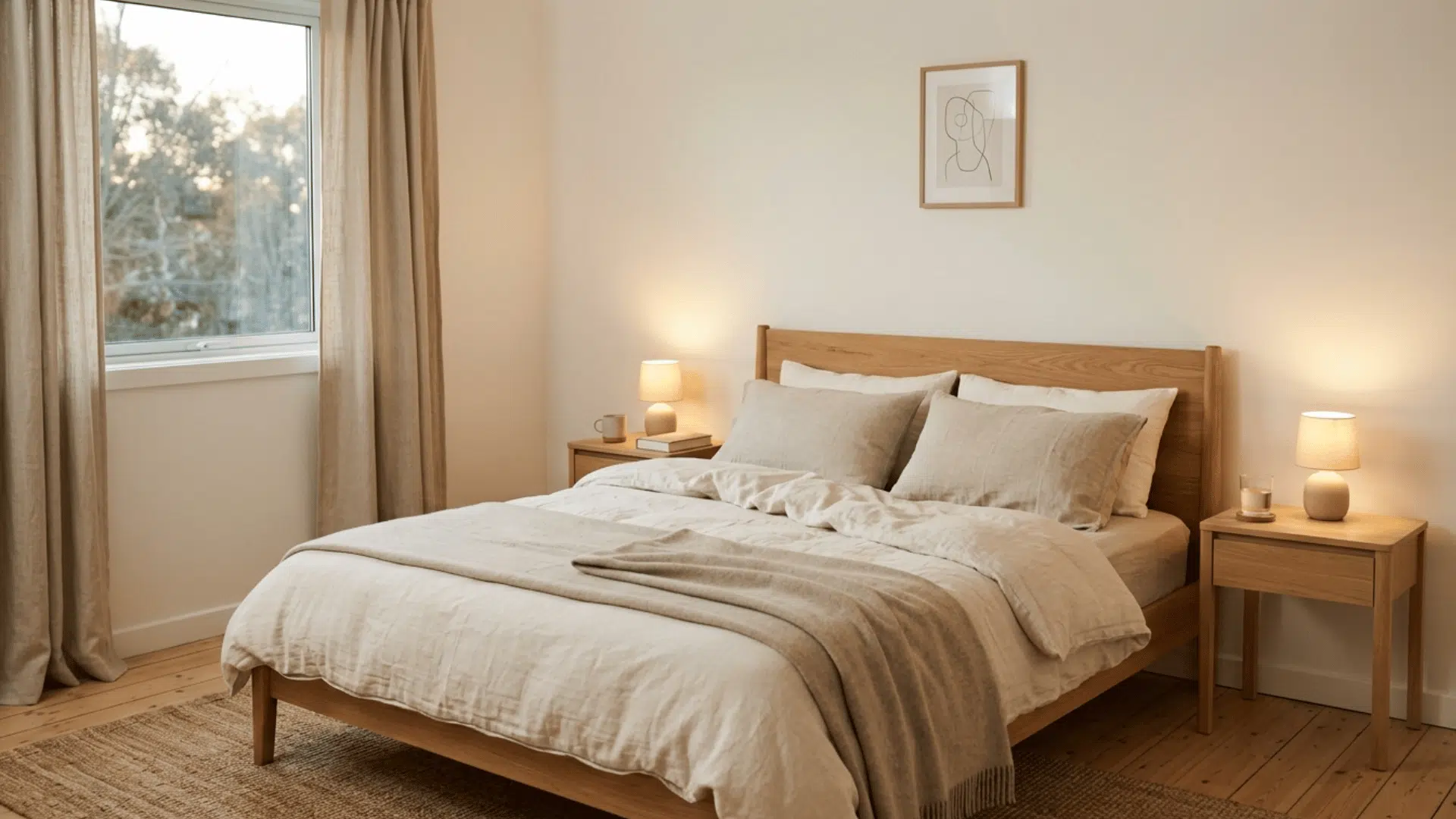
Electronics near the bed can disturb rest and create unwanted distractions. Items ike TVs, laptops, and phones may affect sleep patterns.
Keeping these devices at a distance helps create a more peaceful environment. A bedroom with fewer electronics feels calmer and more suited for relaxation and proper rest.
6. Maintain and Clear Space Under the Bed
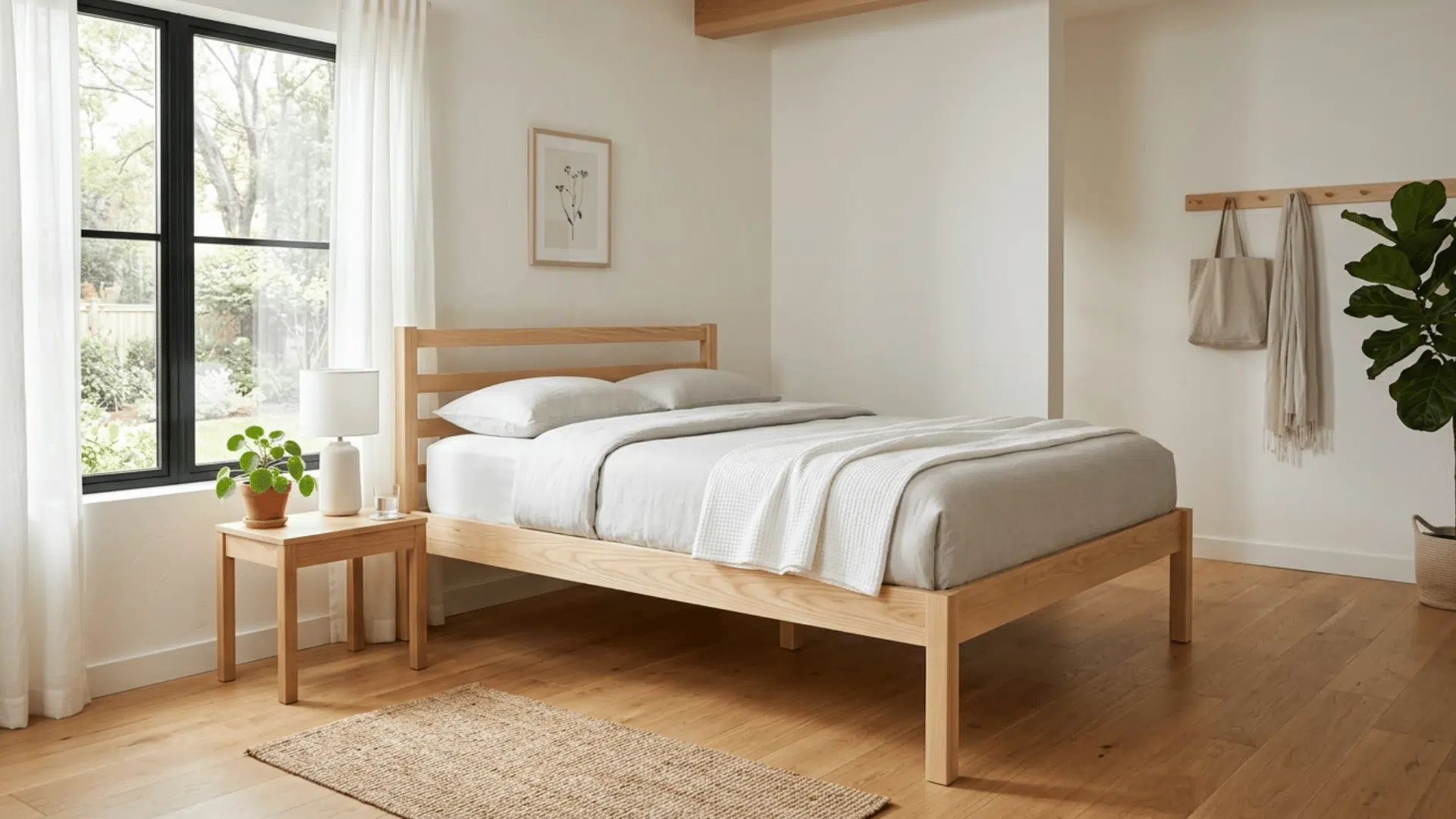
Keeping the space under the bed clean and clutter-free supports better energy flow. Storing too many items underneath can create a heavy, blocked feeling.
If storage is needed, keep it minimal and well-organized. A clear pace helps the room feel lighter and more balanced. This also allows air and energy to move freely around the bed.
7. Avoid Placing the Bed Against a Wall Shared with a Toilet
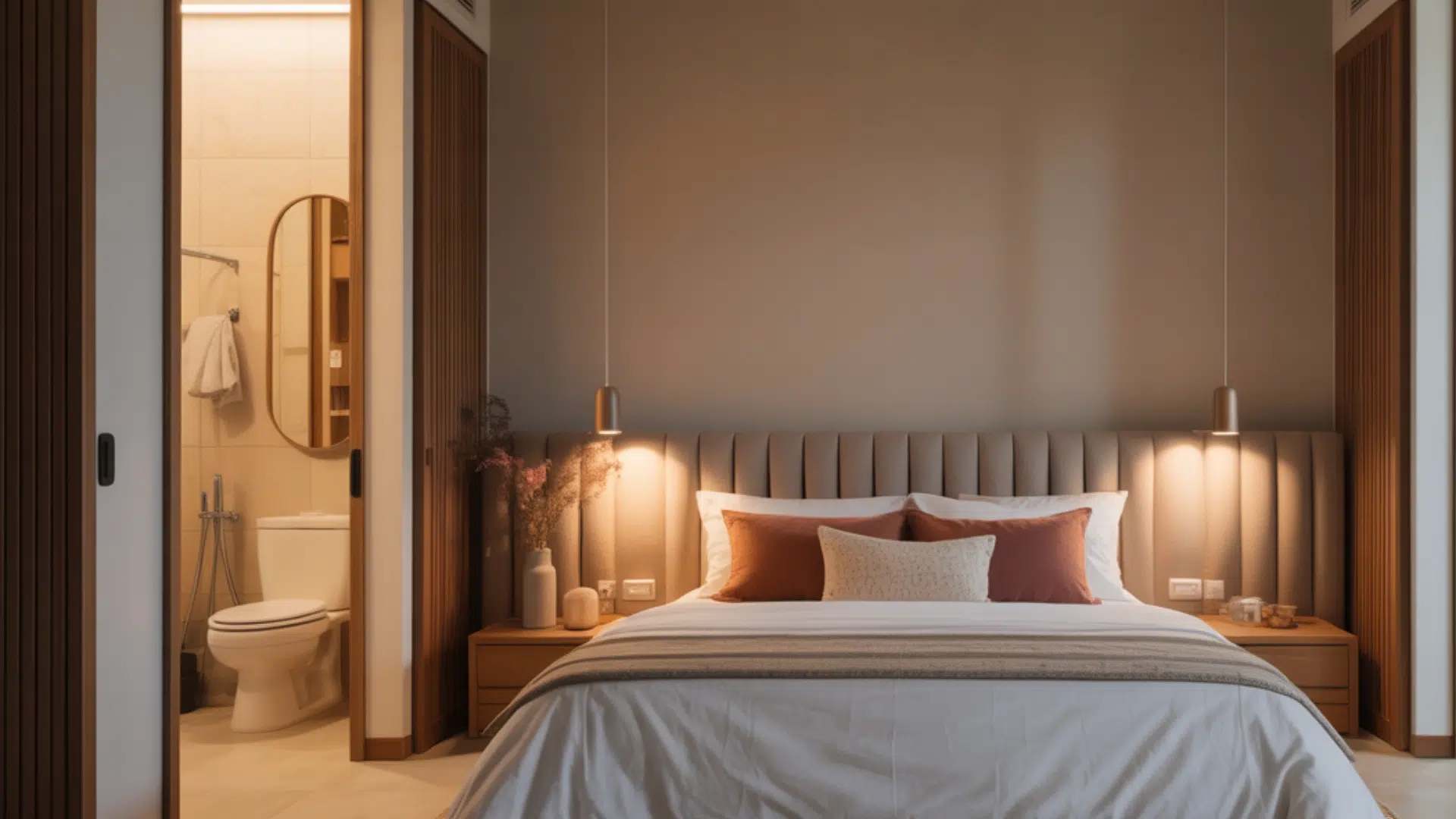
Sleeping against a bathroom wall invites draining, chaotic energy that can disturb your rest. In Feng Shui, bathrooms are linked to downward energy flow and loss.
Bathrooms can be a drain on energy, especially when pipes run behind your head. Avoid leaning with your head against a wall where a toilet or plumbing fixture is located on the other side.
8. Avoid Mirrors Facing the Bed
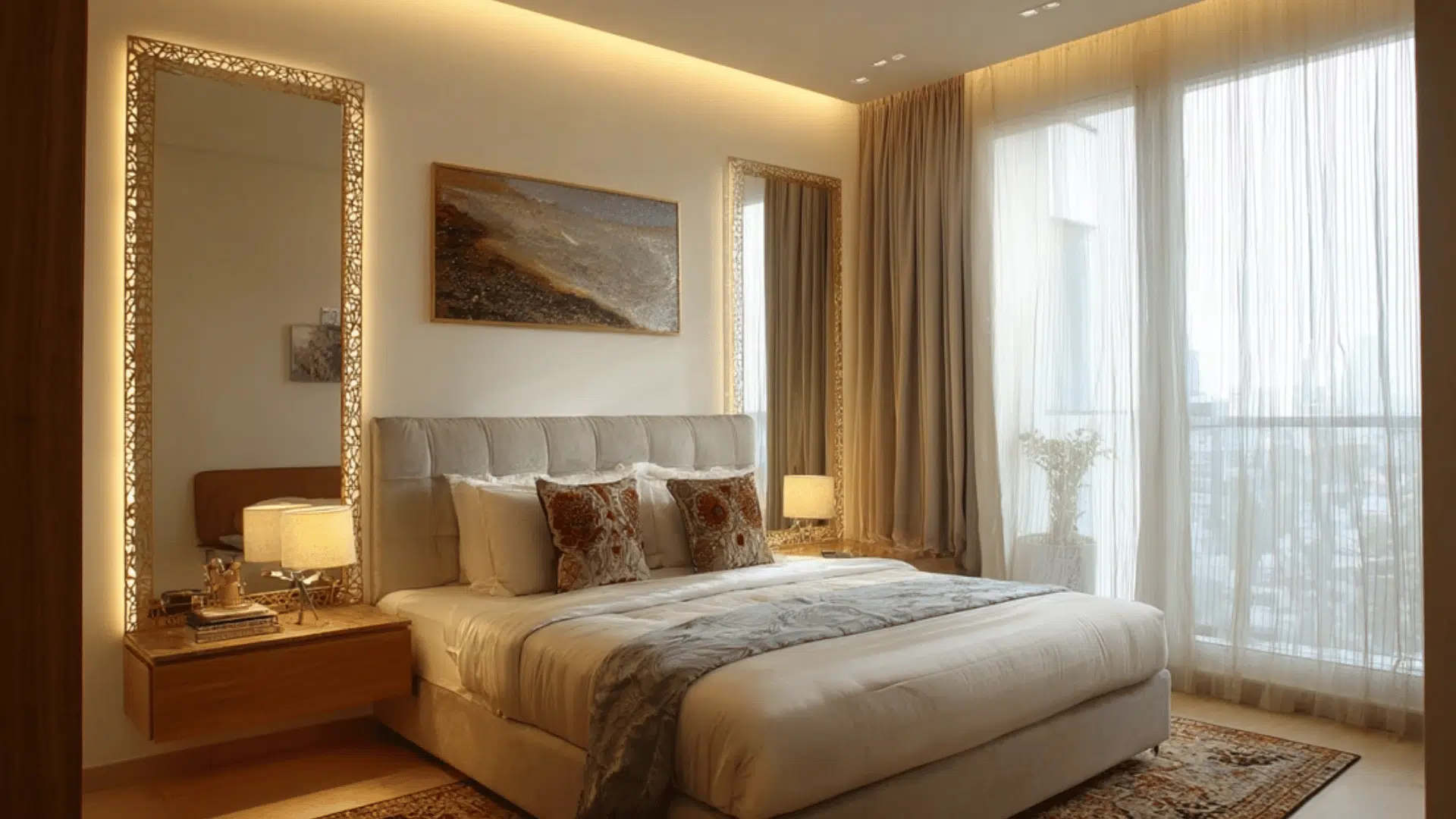
Mirrors facing the bed are one of the most common feng shui mistakes. They are believed to reflect and amplify energy during sleep, which can lead to restlessness and poor sleep.
If your bedroom has a mirror in this position, try repositioning it to the side or inside a wardrobe door. Keeping it out of the main sleeping area helps maintain a calmer, quieter energy throughout the night.
9. Position the Dresser and Wardrobe Carefully
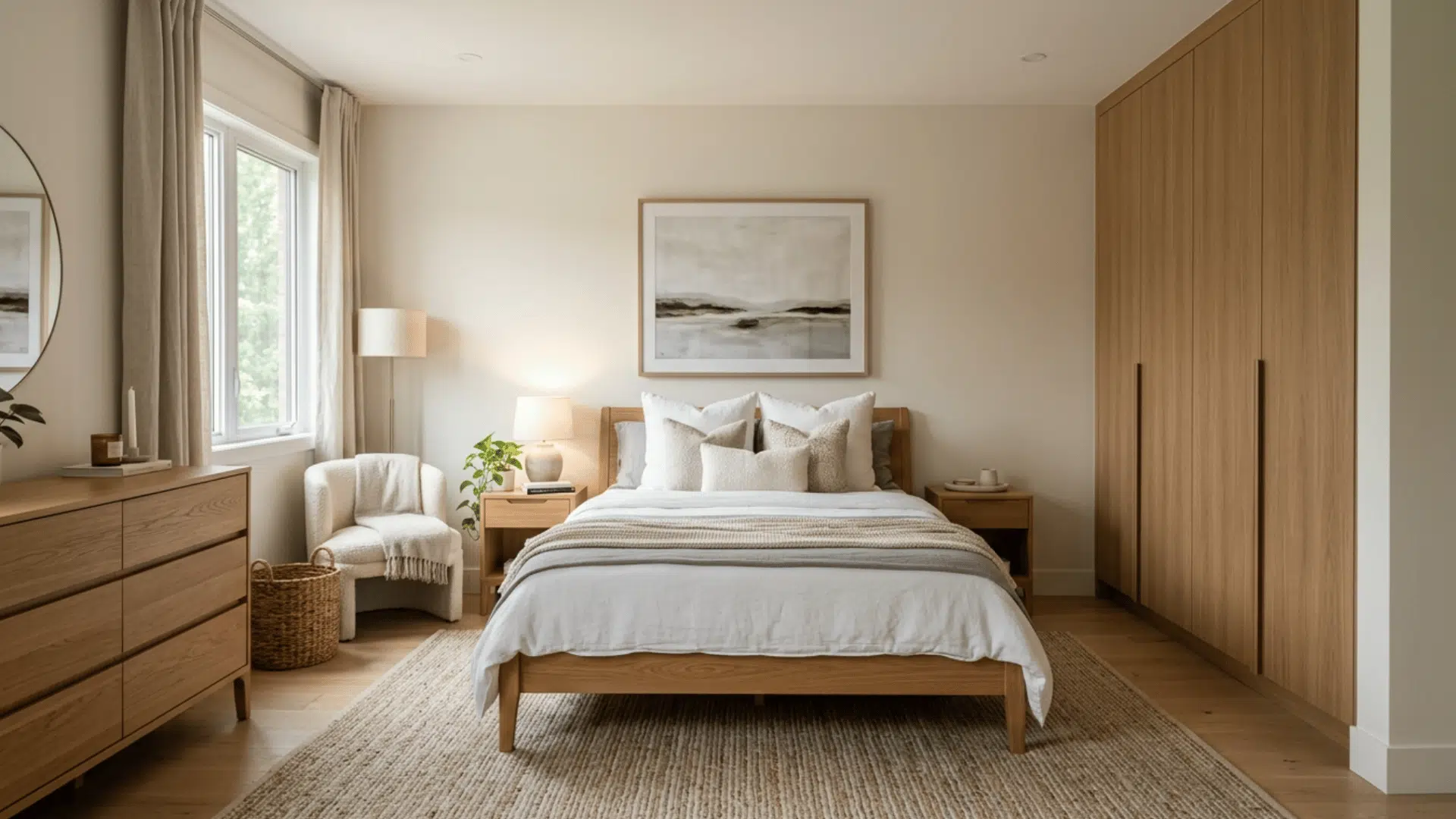
Position the dresser or wardrobe away from the foot of the bed. Having a large piece of furniture directly facing the bed can feel imposing and may disrupt rest.
Keep wardrobe doors closed at night. Open doors expose stored items and add visual noise to the room, which can quietly affect how settled the space feels when sleeping.
10. Use Plants in the Right Spots
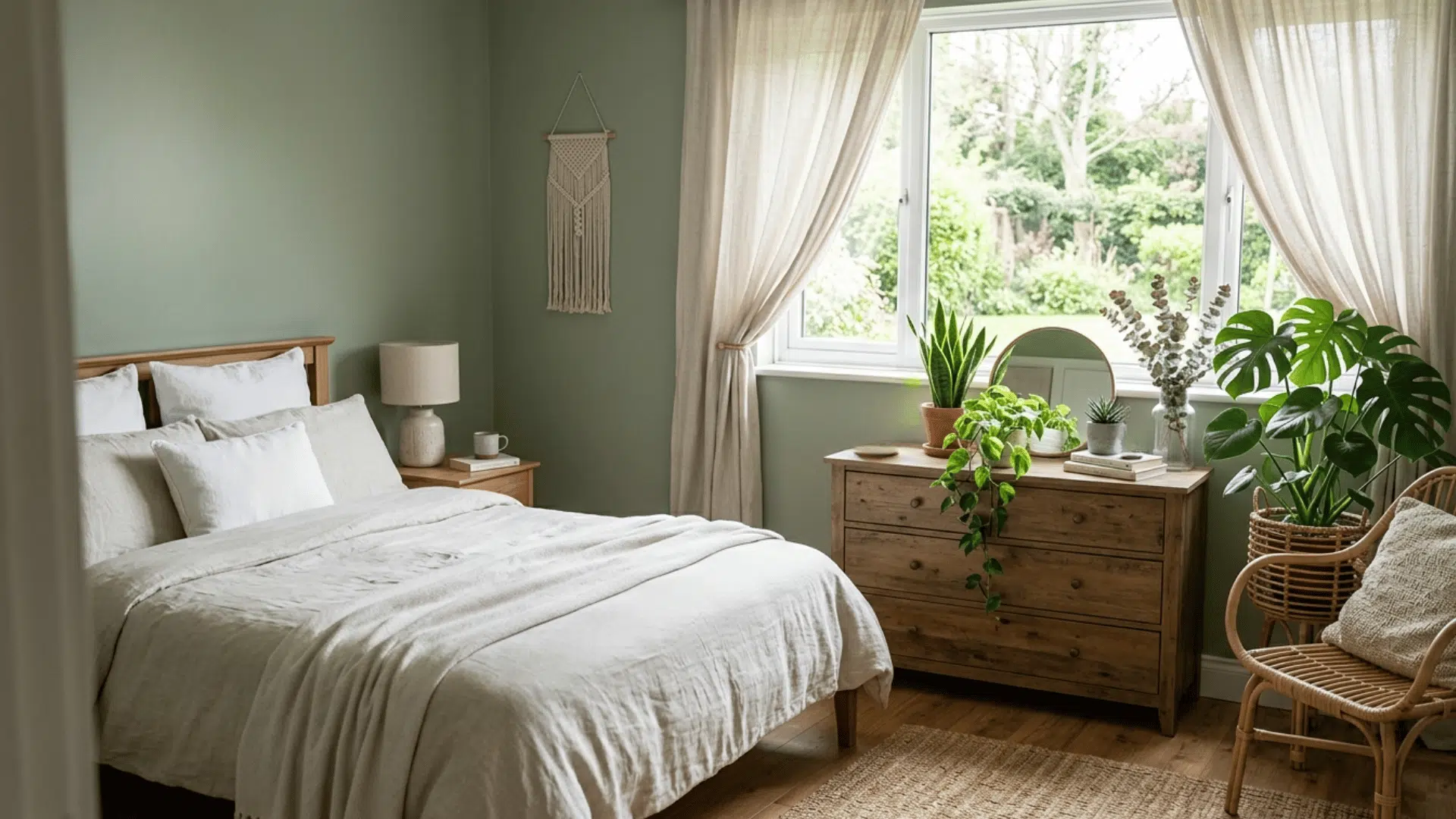
Small, healthy plants with rounded leaves can support calm energy in a feng shui bedroom. Place them in a corner or on a dresser, away from the bed.
Avoid large plants or too many at once. Overgrown or dying plants can introduce heavy, stagnant energy. If a plant is not thriving in the bedroom, it is better to move it to another room.
Best Direction For Feng Shui Bed Placement
Choosing the right bed direction can help improve sleep quality, energy flow, and overall comfort in your bedroom.
| Direction | What It Supports | Best For | Quick Tip |
|---|---|---|---|
| North | Career growth, calm mind | Professionals, overthinkers | Good for focus and deep, restful sleep |
| South | Energy, passion, recognition | Couples, active lifestyles | Avoid if you struggle with sleep |
| East | Health, growth, new beginnings | Students, personal growth seekers | Great for building better daily routines |
| West | Comfort, creativity, emotional ease | Families, creative people | Helps create a cozy and supportive environment |
| Southeast | Wealth, stability, overall well-being | Financial goals, health focus | Works well for balanced energy and progress |
| Southwest | Relationships, emotional balance | Couples and partnerships | Supports a stronger connection and stability |
| Northeast | Clarity, learning, spiritual growth | Students, self-improvement focus | Helps improve focus and mental clarity |
Feng Shui Tips for Colors, Materials, and Decor
Every color, fabric, and object in your bedroom either supports or disrupts the flow of chi. Here is what works:
- Stick to Soft, Grounded Tones: Beige, warm white, muted green, and blush support calm, restorative energy better than bold or bright walls.
- Choose Natural Fabrics: Cotton, linen, and bamboo bedding support yin energy and feel more in tune with a balanced space.
- Keep Bedding Simple: Two to three colors at most on the bed help the energy around the sleeping area stay clean and uncluttered.
- Use Warm, Dimmable Lighting: Soft bulbs and adjustable light levels let you shift the room’s energy from day to night with ease.
- Be Selective with Art: Choose images that feel calm and positive. Avoid one figures, conflict-based imagery, or anything that stirs unease.
Conclusion
A well-planned
Small changes like clearing clutter, adding balance, or adjusting placement can make a noticeable difference in how the room feels.
Focusing on support, open space, and simple design helps improve energy flow without complicating things. Start with one or two small changes today, and notice how your space begins to feel more comfortable and restful.

With a Master in Architectural Studies from University of Pennysylvania, Marwa Haydar has pioneered living spaces since 2005. Her expertise, initially honed in a prestigious architectural firm, is evident in her approach to creating environments. Marwa became part of our team in 2019 and has since been a driving force in our home improvement section, known for her practical yet stylish solutions. She’s been spearheading our design workshops since then, infusing her passion for teaching into her work. In her leisure time, Marwa enjoys exploring historic architecture and is an enthusiastic pottery hobbyist, further enriching her understanding of form and texture.