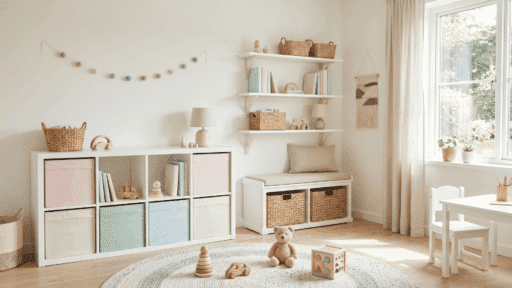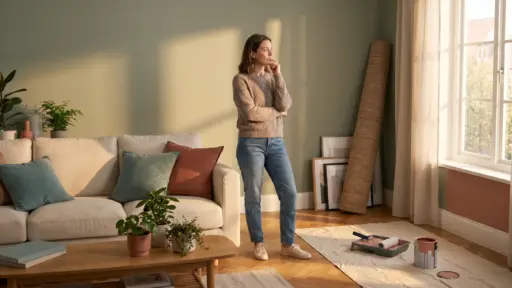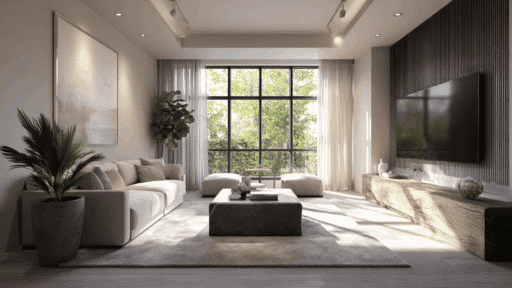
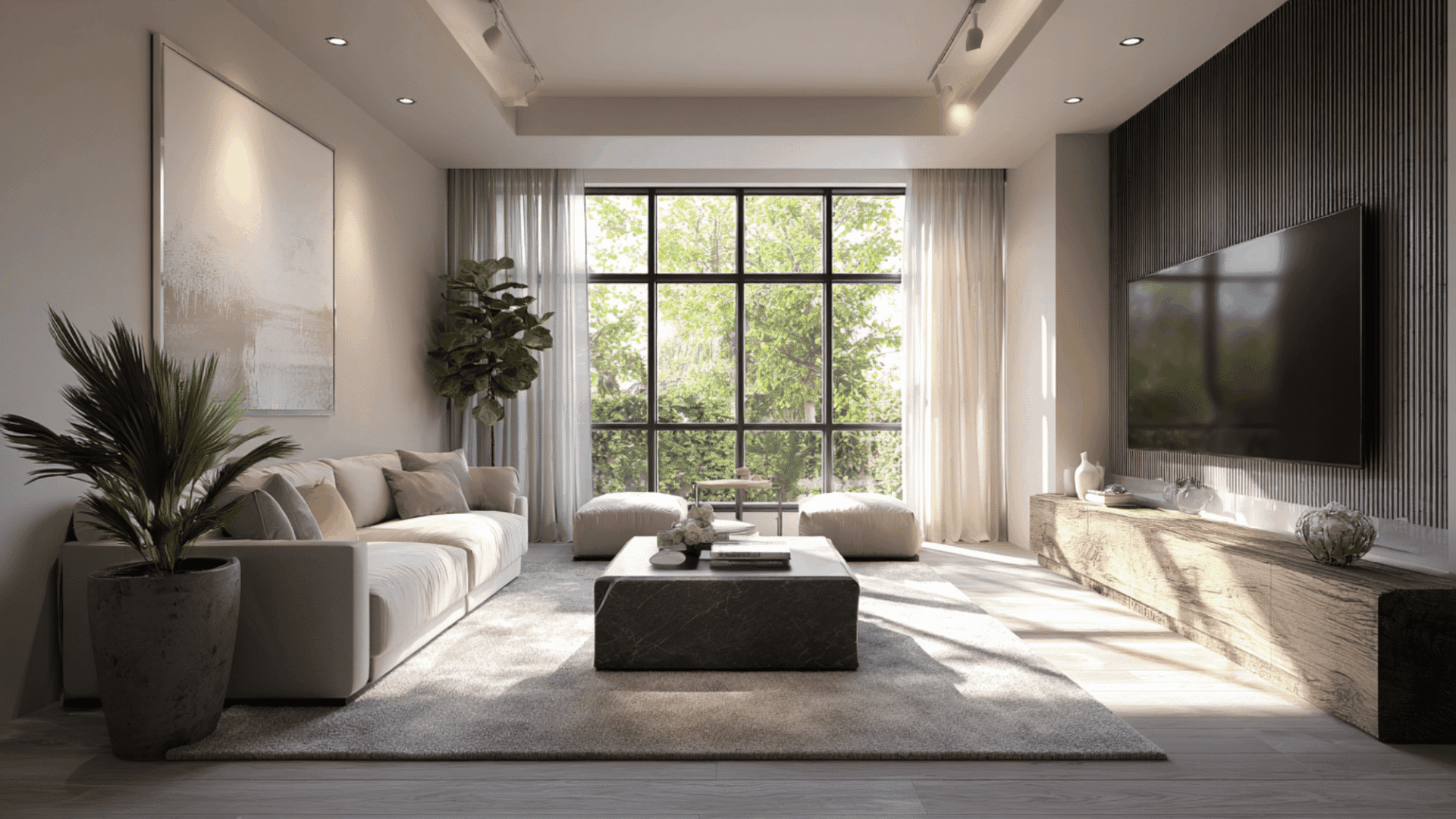

Small living room, big design potential. With the right décor choices and clever styling tricks, even the tiniest space can feel bright, cozy, and beautifully organized.
From multifunctional furniture to light-reflecting colors and smart layouts, decorating a small living room is all about balancing comfort and style.
The key is to maximize every inch without sacrificing comfort or personality.
With a few creative updates, your small living room can become a functional space that feels both modern and welcoming.
Know Your Space Before You Style It
Understanding your space is the foundation of a well-designed small living room. A little planning up front can save you from costly mistakes later.
- Measure your living room accurately to avoid oversized furniture and poor layouts
- Identify a focal point (TV, window, or feature wall) to anchor the design
- Plan natural movement and pathways for easy flow
- Avoid clutter by ensuring enough open space between furniture
- Start with a clear layout plan to make every design choice intentional
Best Small Living Room Layout Ideas to Try
Revamping a small living room doesn’t require more space; it just requires smarter design choices. These simple ideas will help you create a space that feels bigger, brighter, and beautifully styled.
1. Add Mirrors
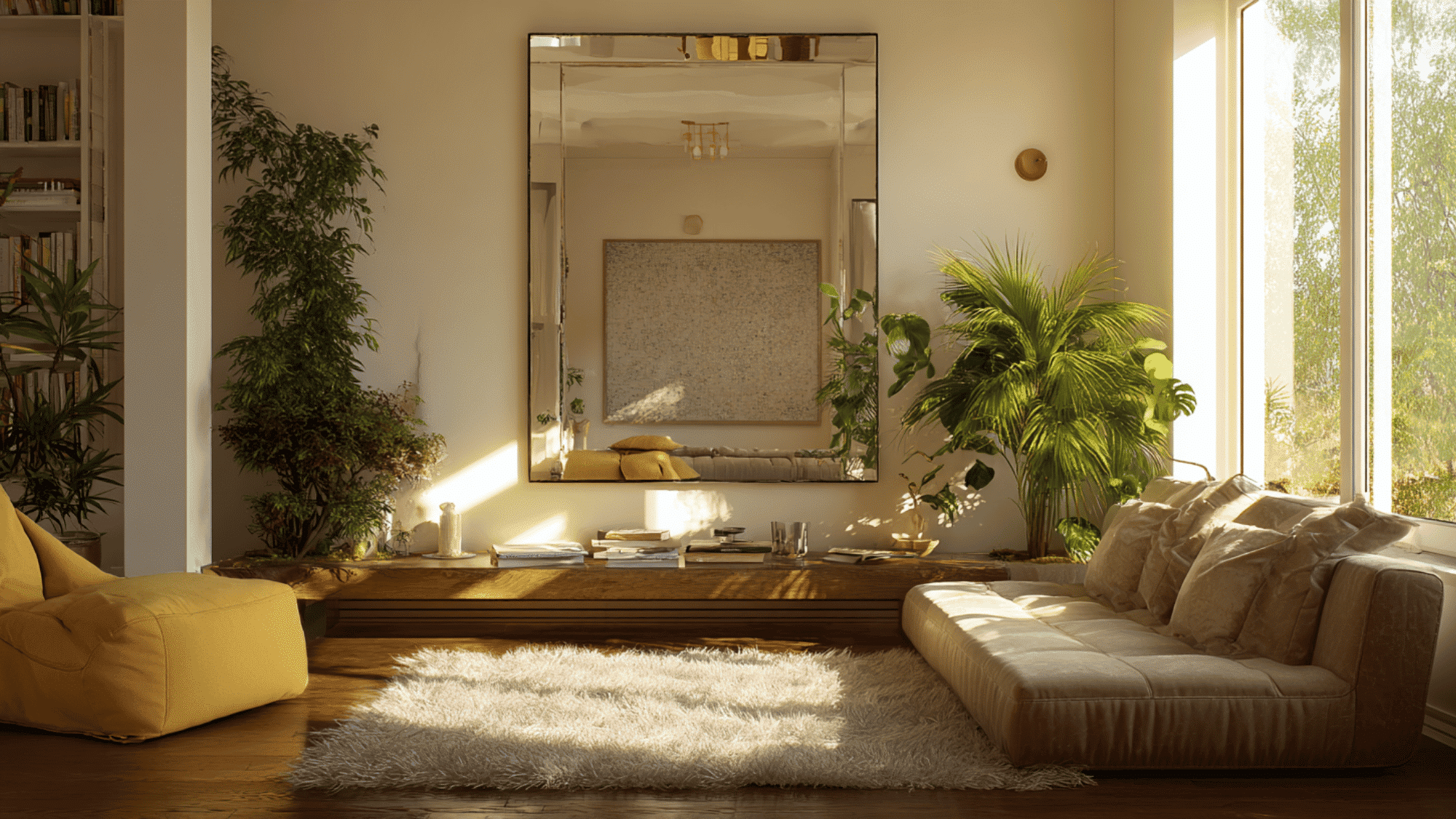
Mirrors are among the easiest ways to visually expand a room. They reflect both natural and artificial light, making the space feel brighter.
A large mirror on one wall can instantly create depth. You can also use decorative mirrors as statement pieces. This trick works especially well in compact spaces.
2. Choose Multi-Functional Furniture
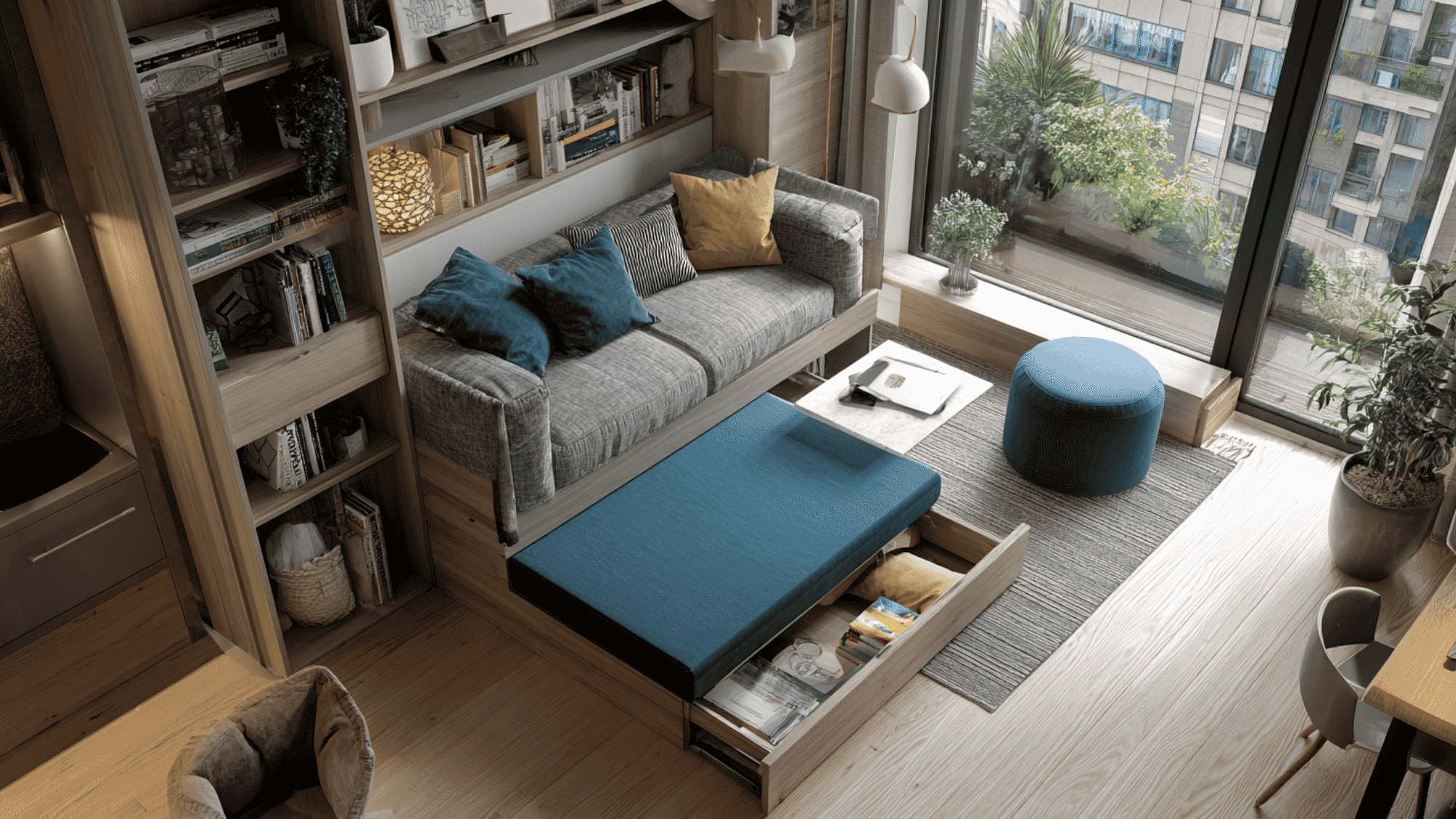
In small living rooms, every piece of furniture should serve more than one purpose. A sofa bed, storage ottoman, or foldable table can save space and add functionality.
These pieces help reduce clutter while maximizing usability. Smart furniture choices make the room more flexible. This is ideal for modern compact homes.
3. Go Vertical with Storage
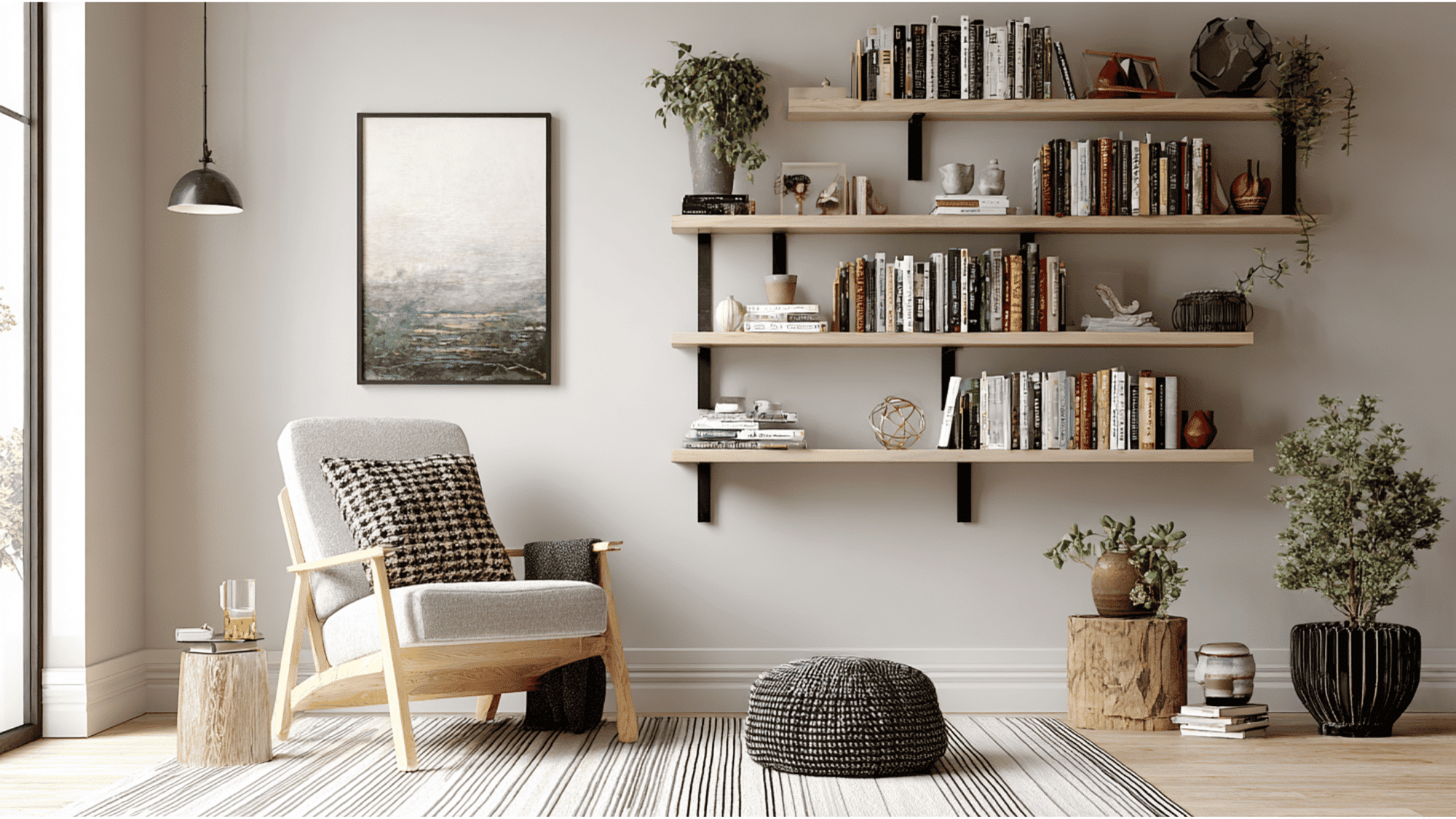
When floor space is limited, look up. Wall-mounted shelves and tall cabinets help you make the most of vertical space. They keep the room organized without making it feel crowded.
This also draws the eye upward, making the ceiling appear higher. It’s a smart and stylish storage solution.
4. Use Rugs to Define Space
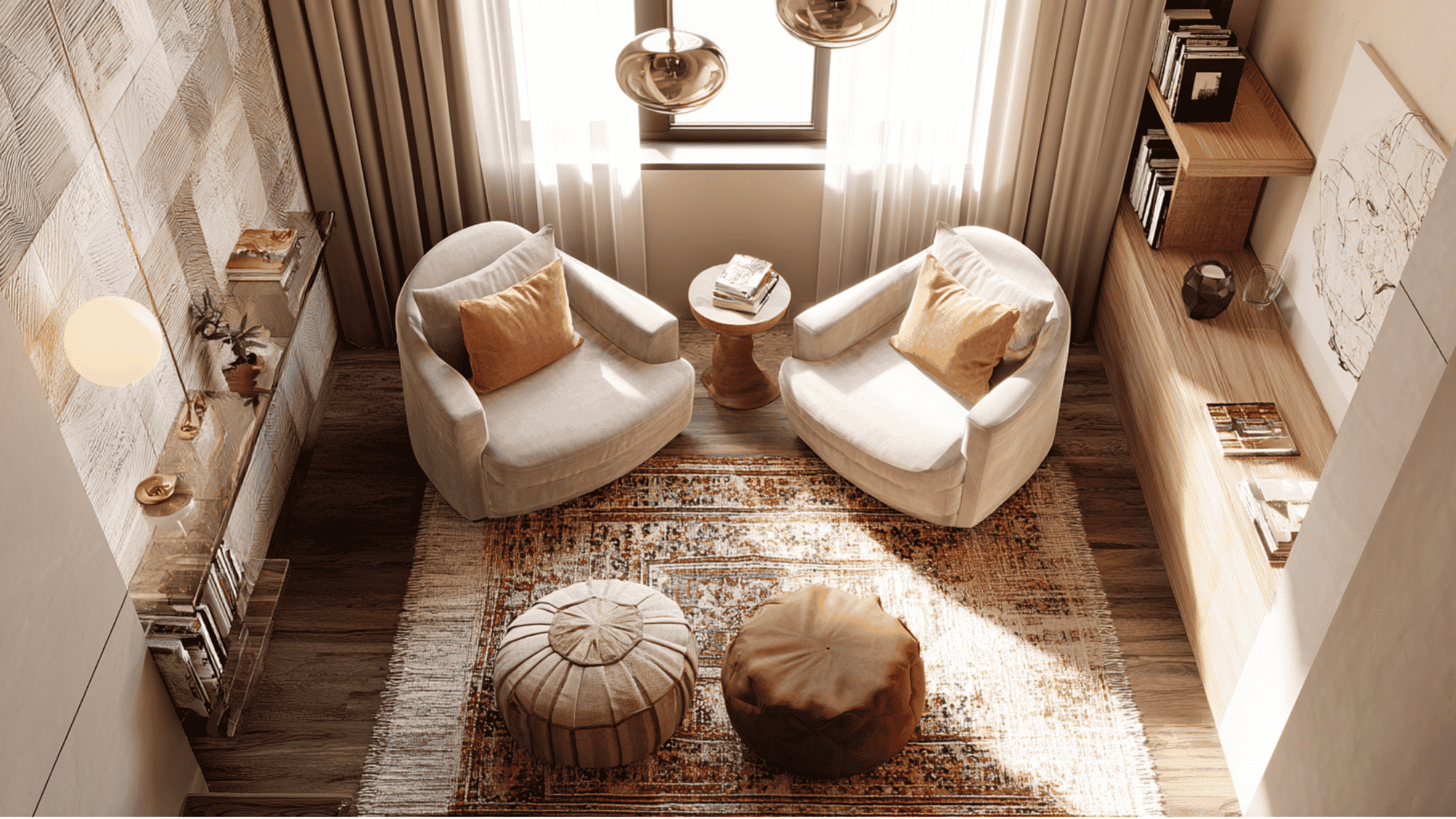
Rugs can help visually separate areas within a small living room. They add warmth, texture, and personality without taking up extra space.
A well-sized rug anchors the furniture and creates a cozy zone. It also enhances the overall design. Choose patterns carefully to avoid visual clutter.
5. Let in Natural Light
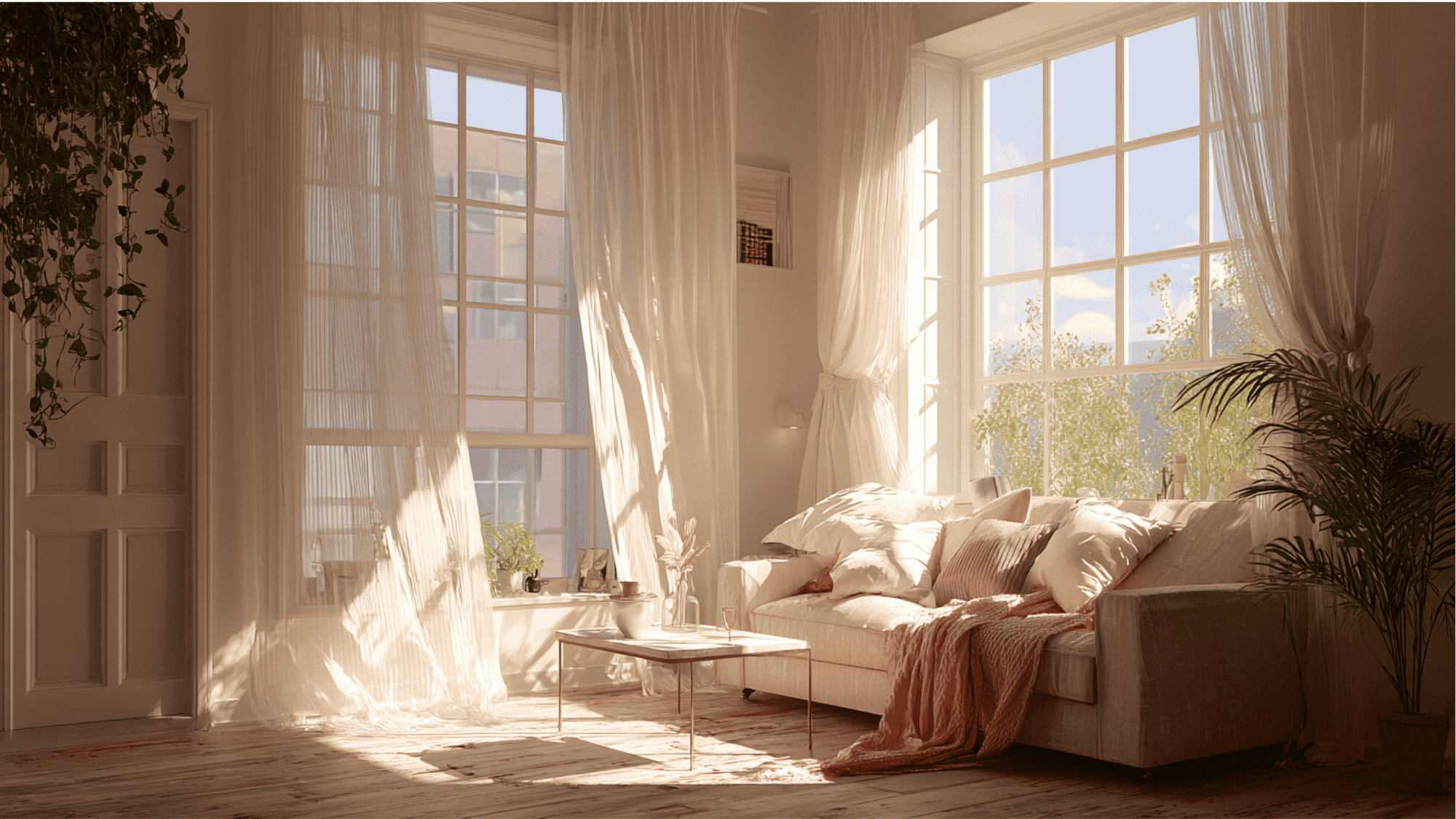
Natural light can make even the smallest room feel open and inviting. Avoid heavy curtains that block sunlight. Instead, use sheer or light fabrics to let light flow in.
Bright spaces feel larger and more welcoming. Position furniture to maximize window light.
6. Pick Furniture with Exposed Legs
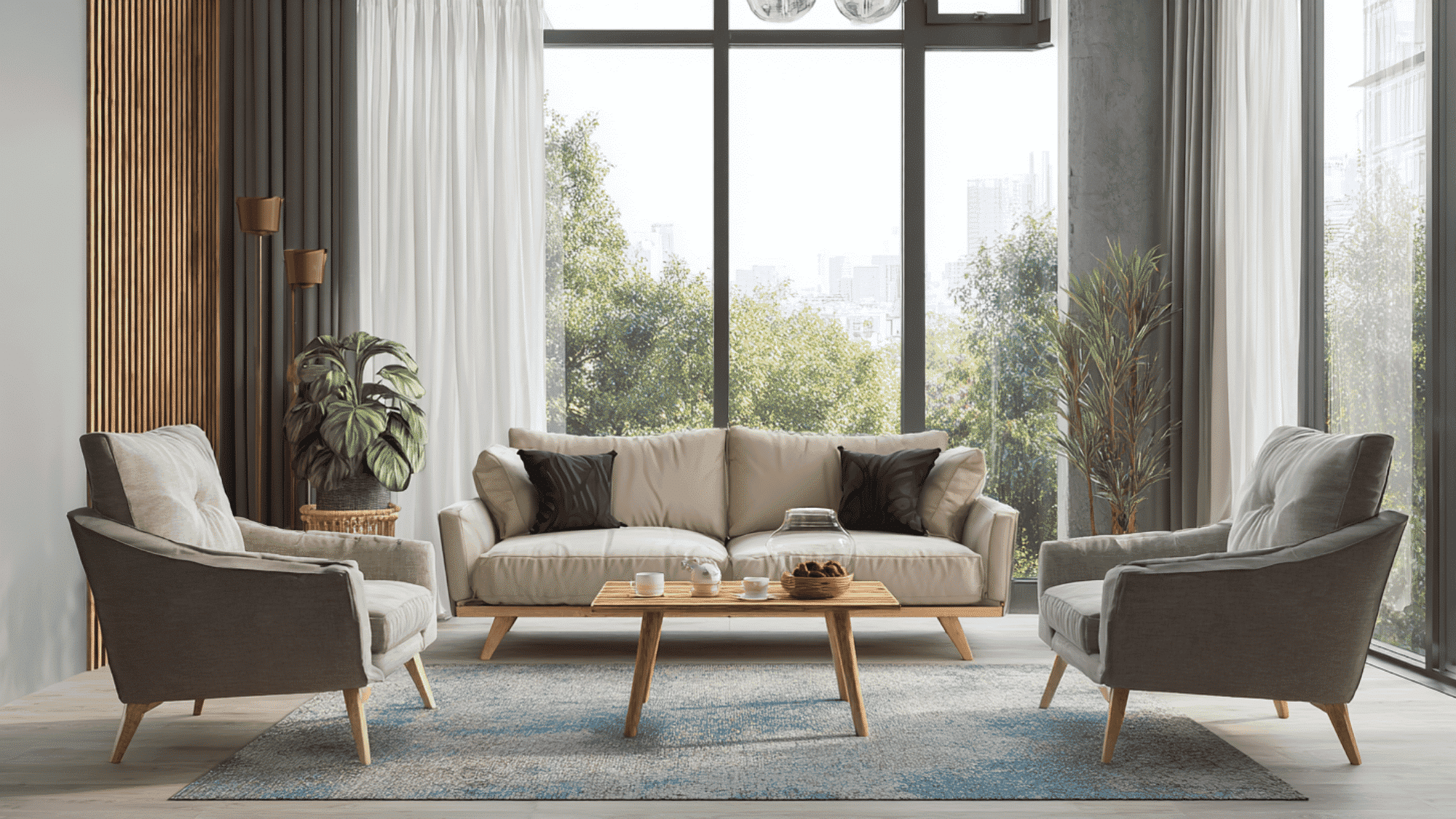
Furniture with visible legs creates a sense of openness. It allows light and space to flow underneath, making the room feel less crowded.
This small detail can make a big difference visually. It also adds a modern touch to your decor. Avoid bulky, floor-hugging furniture.
7. Add Statement Wall Art
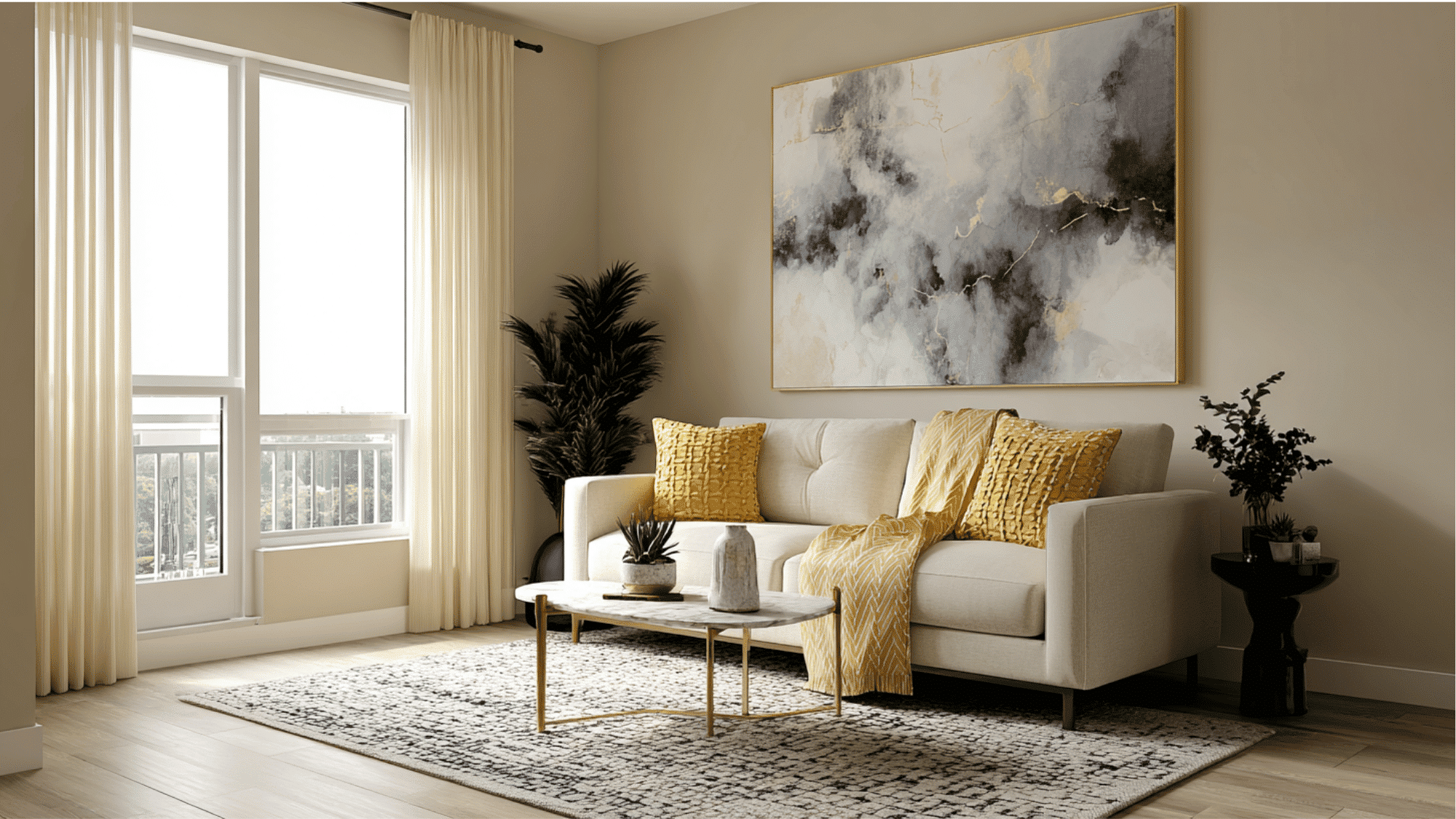
Instead of multiple small decor items, choose one bold piece of wall art. This creates a focal point without cluttering the space.
Large art can make the room feel more curated and stylish. It also adds personality effortlessly. Keep the surrounding decor minimal.
8. Use Foldable or Expandable Pieces
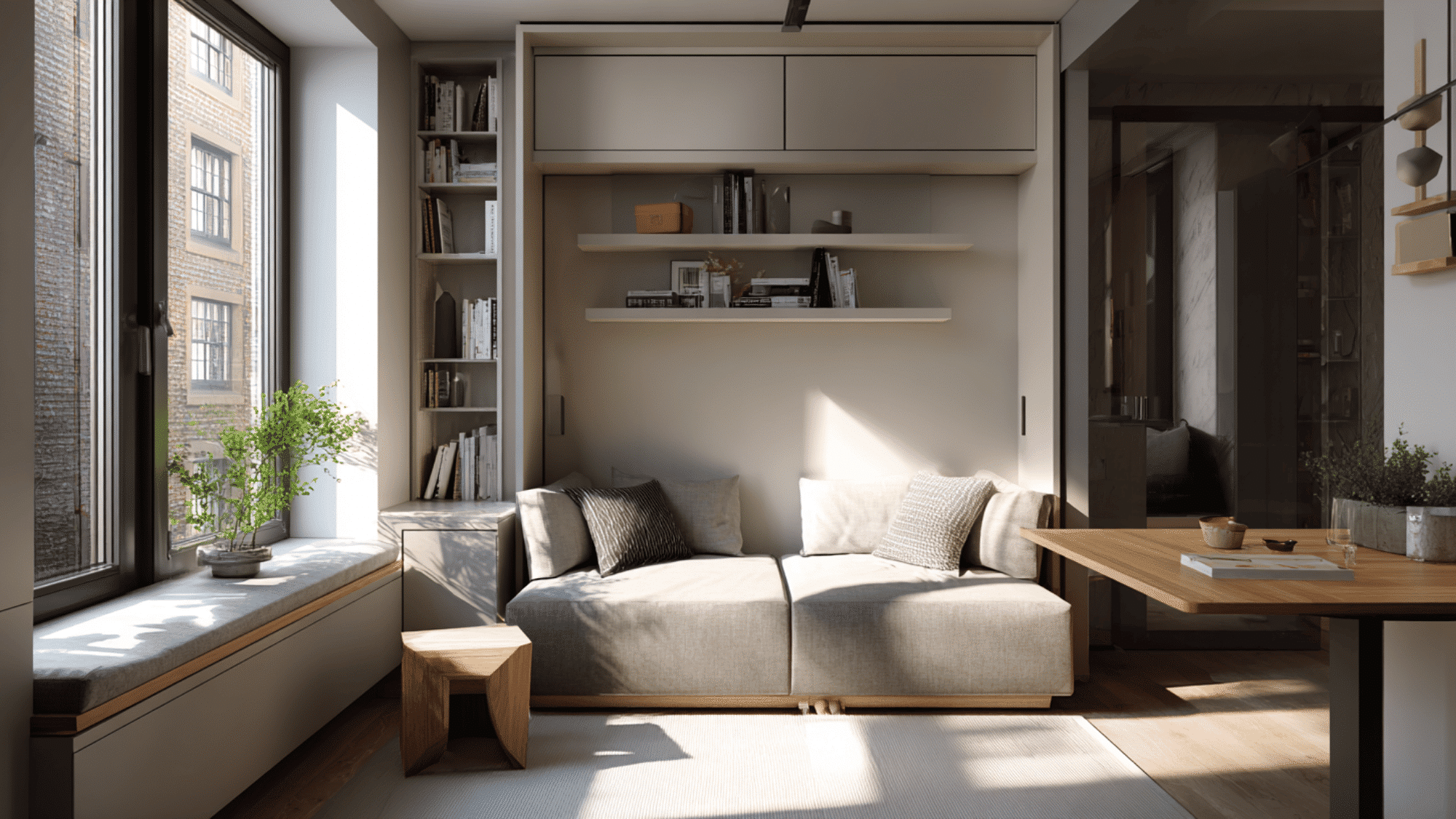
Flexible furniture is perfect for small spaces. Foldable tables or expandable seating can be adjusted as needed. This helps you adapt the room for different uses.
It’s especially useful for entertaining guests. Smart solutions like these save space daily.
9. Incorporate Plants
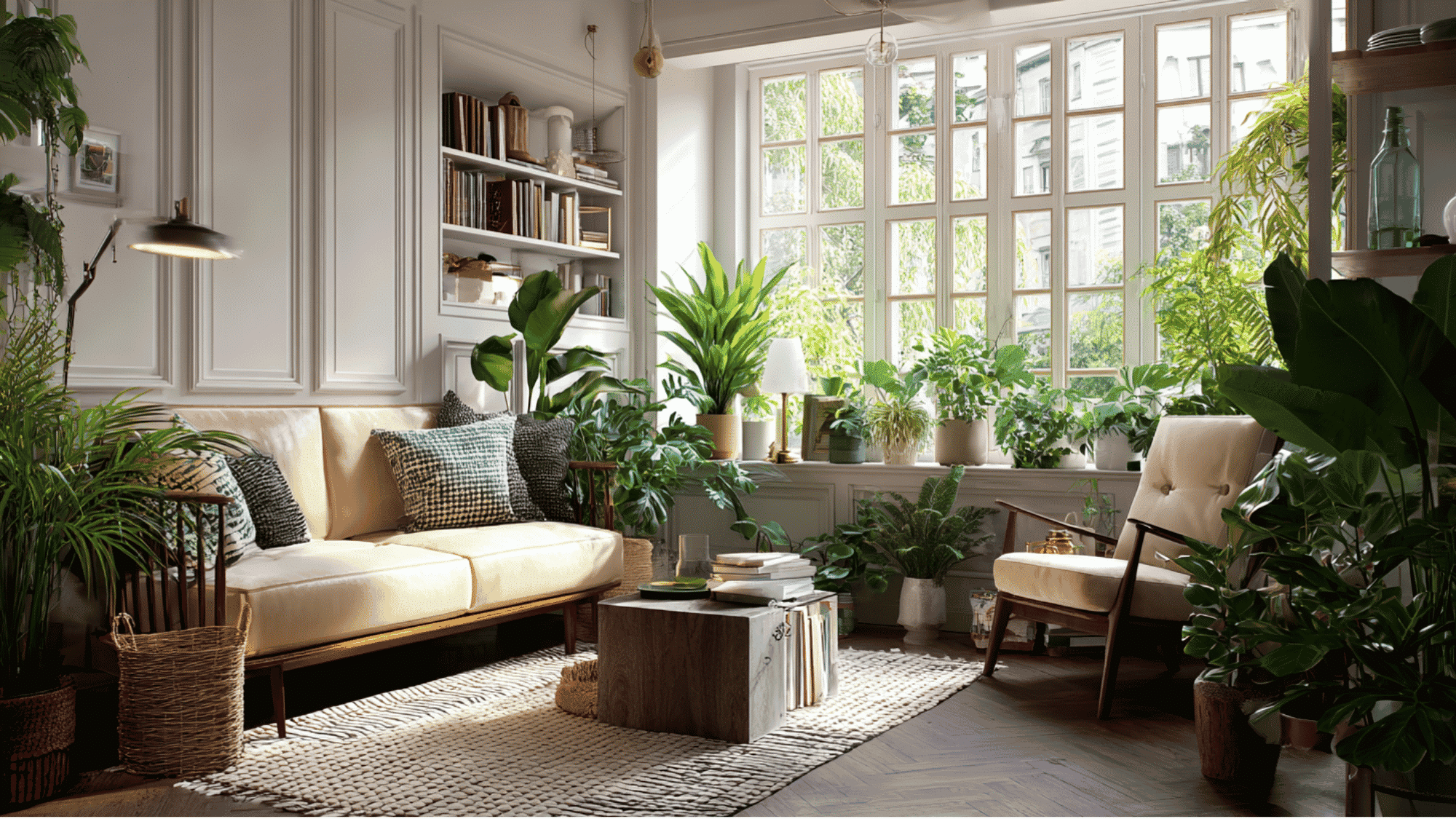
Plants bring life and freshness into a small living room. Even a few small plants can make a big difference.
They improve air quality and add a natural touch. Choose compact or hanging plants to save space. Keep it simple to avoid clutter.
10. Use Smart Lighting
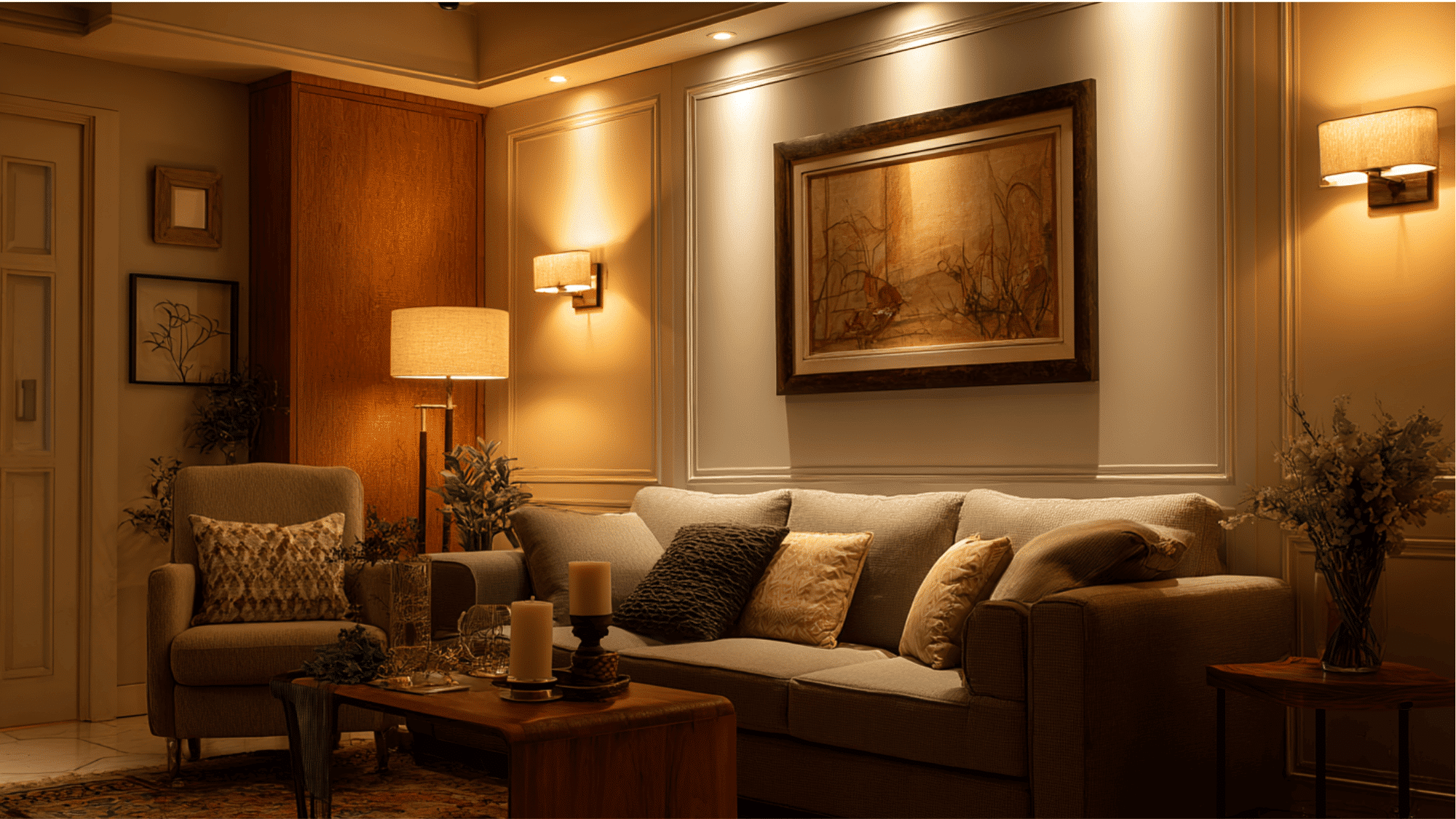
Layered lighting adds depth and warmth to small spaces. Combine ceiling lights, wall lamps, and floor lamps for balance.
Good lighting can highlight key areas and improve ambiance. It also makes the room feel more spacious. Avoid relying on a single light source.
11. Stick to a Cohesive Color Palette
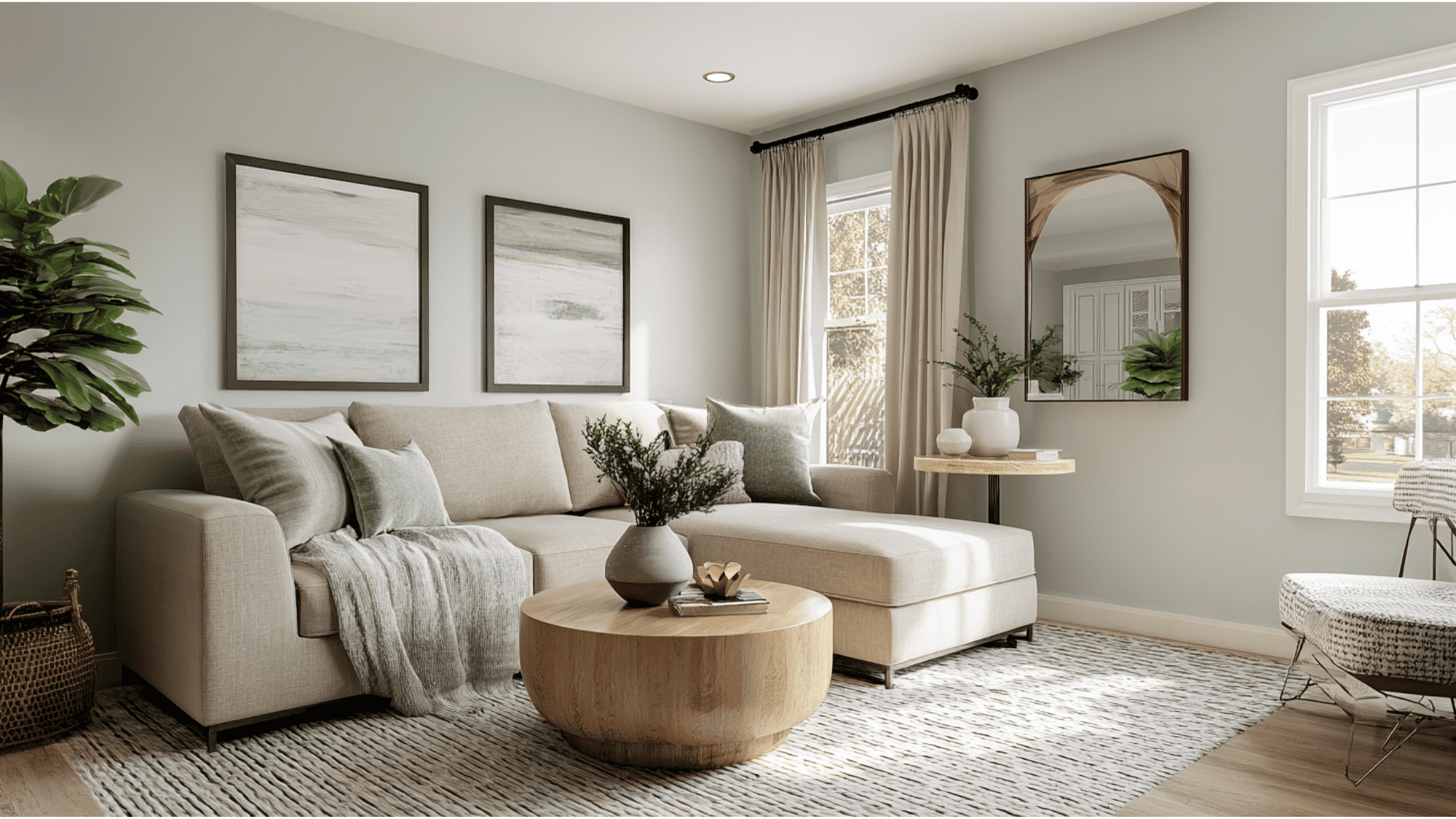
Using too many colors can make a small room feel chaotic. Stick to a consistent palette for a clean and harmonious look.
This creates visual continuity and calmness. You can add variation through textures instead of colors. It keeps the space elegant and balanced.
12. Declutter Regularly
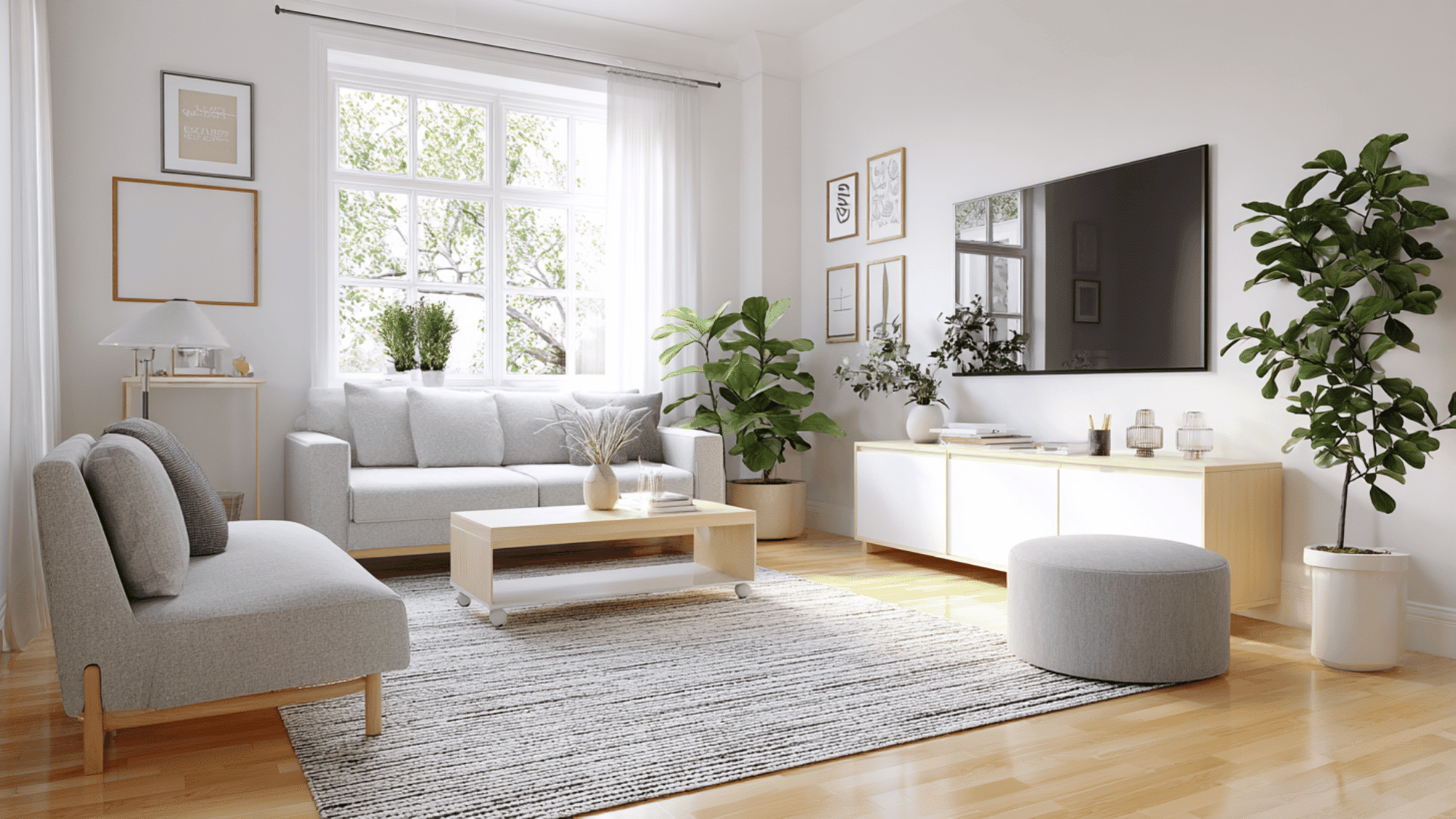
Clutter is the biggest enemy of small spaces. Keep only what you truly need and love. Regularly organizing your space keeps it clean. A clutter-free room feels bigger and more relaxing. Simple habits can make a huge difference.
13. Use Curtains Hung High & Wide
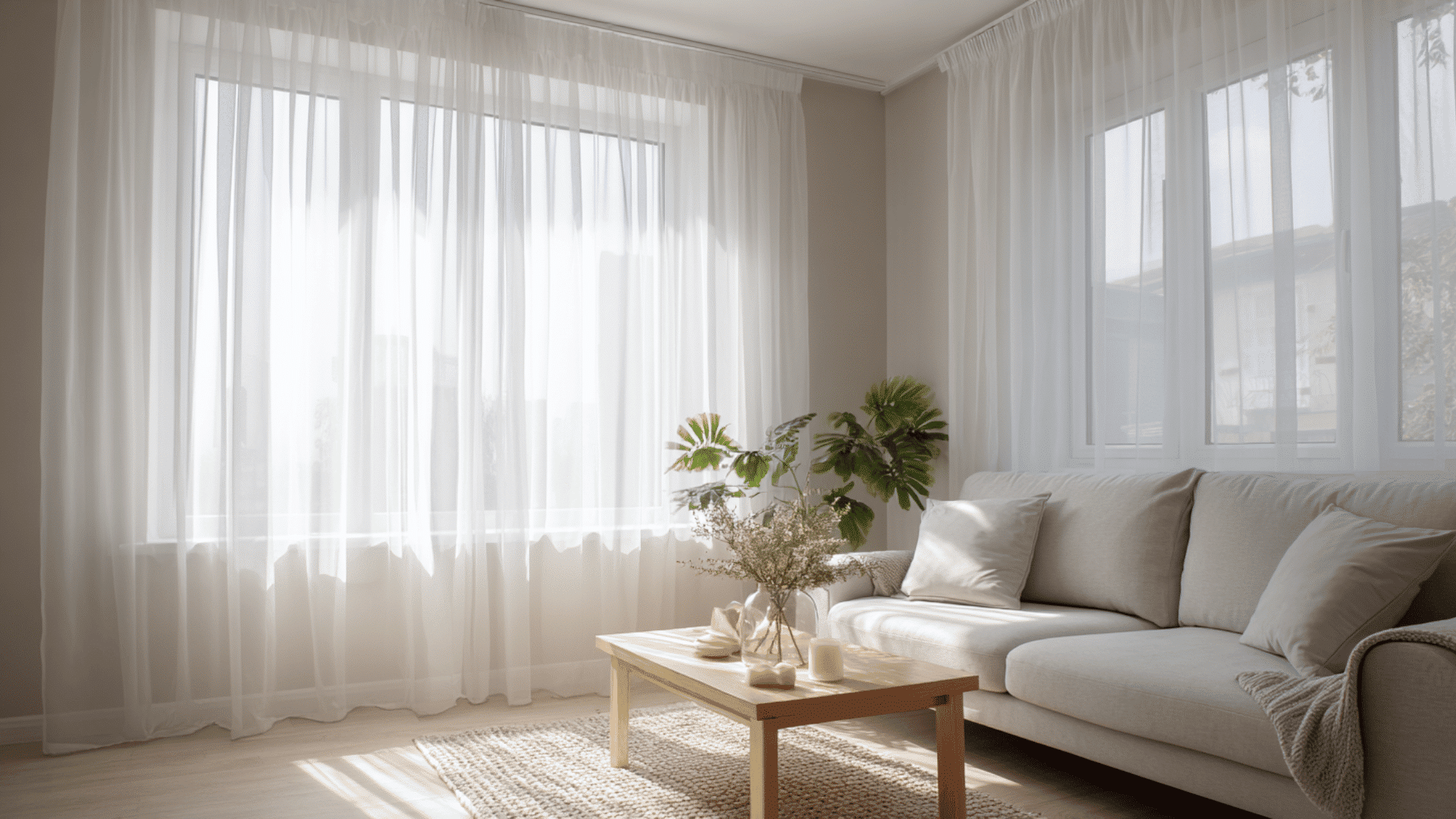
Hanging curtains closer to the ceiling rather than the window frame creates an illusion of taller, grander walls. Extending the curtain rod beyond the window width also makes the window appear much larger than it actually is.
This simple trick draws the eye upward and outward, visually expanding the entire room. Choose light, flowing fabrics in neutral tones to maintain an airy and open feel throughout.
14. Choose a Monochromatic Theme
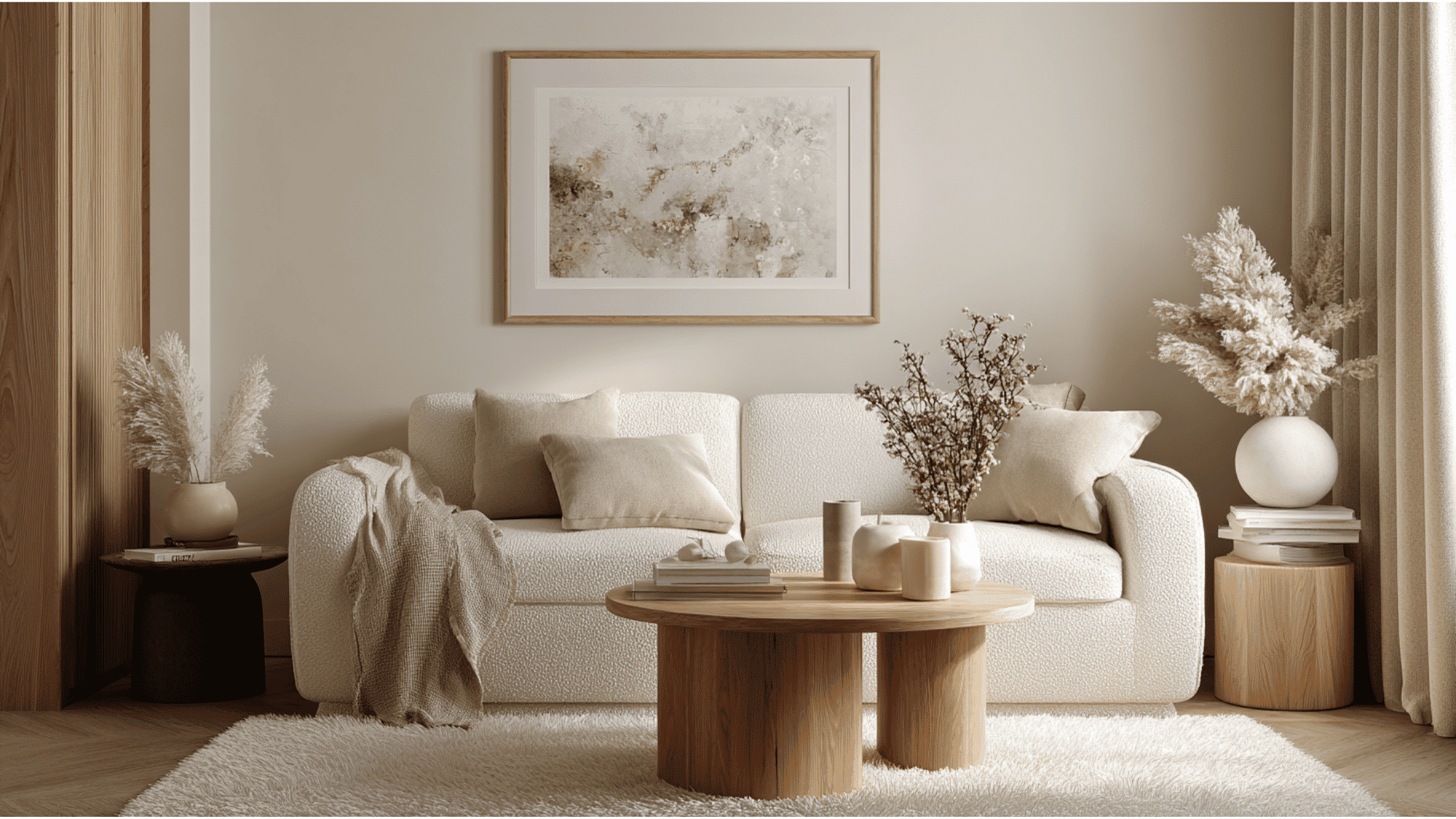
Decorating in varying shades of a single color creates a seamless, uninterrupted visual flow that makes a small space feel larger. When walls, furniture, and soft furnishings share the same tonal family, the eye travels smoothly without stopping at contrasting elements.
This approach feels sophisticated, intentional, and effortlessly stylish without overwhelming the senses. Add interest through different textures like linen, velvet, and wood rather than introducing new colors.
15. Install Built-In Shelving Around a TV
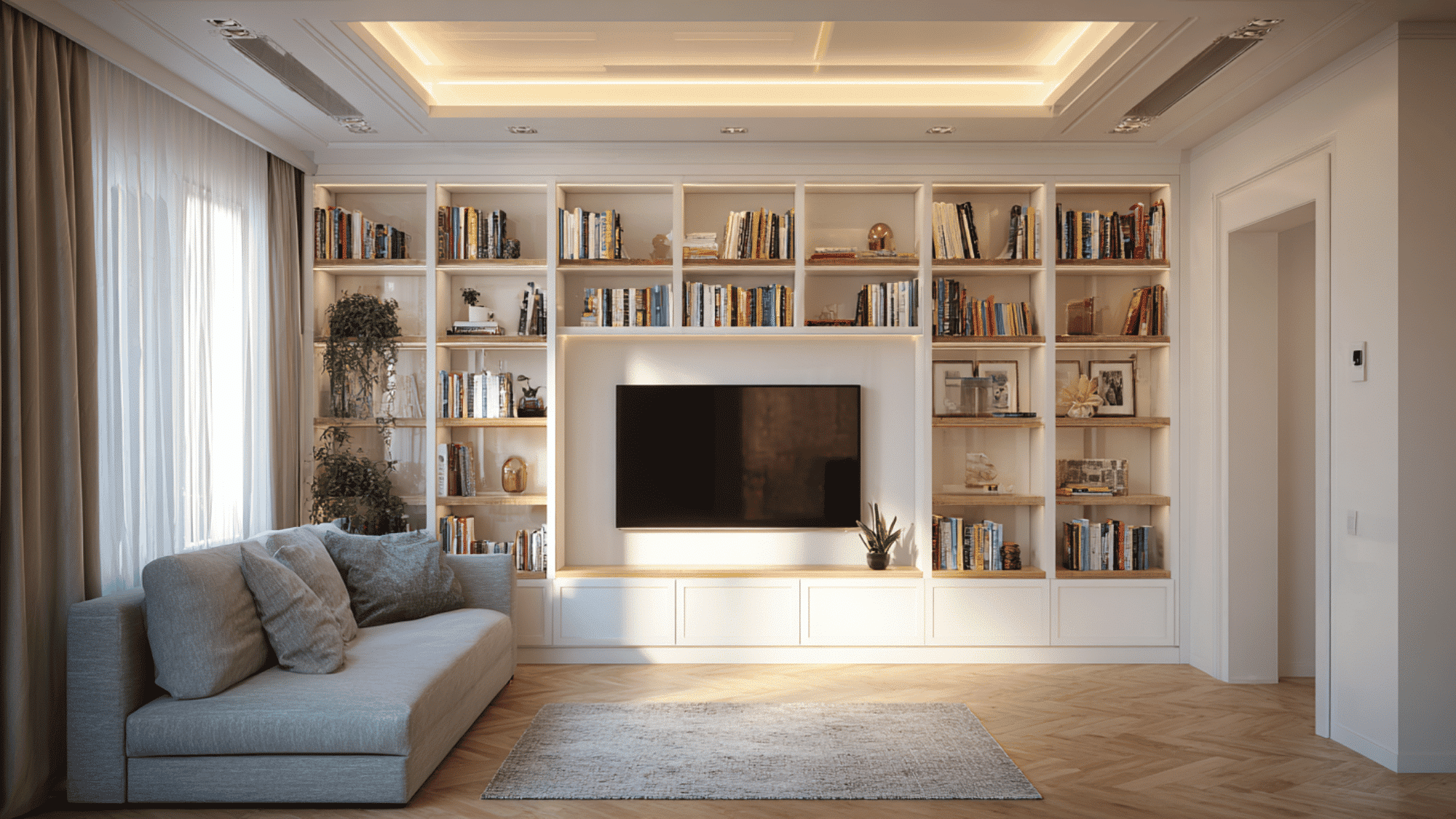
Built-in shelving units framing a wall-mounted TV serve double duty as both storage and a stunning focal point. This eliminates the need for bulky standalone entertainment units that eat up precious floor space.
Styling the shelves with books, plants, and decorative objects adds personality without creating visual noise. The symmetrical design also makes the room feel balanced, structured, and thoughtfully curated.
16. Cherish Glass & Acrylic Furniture
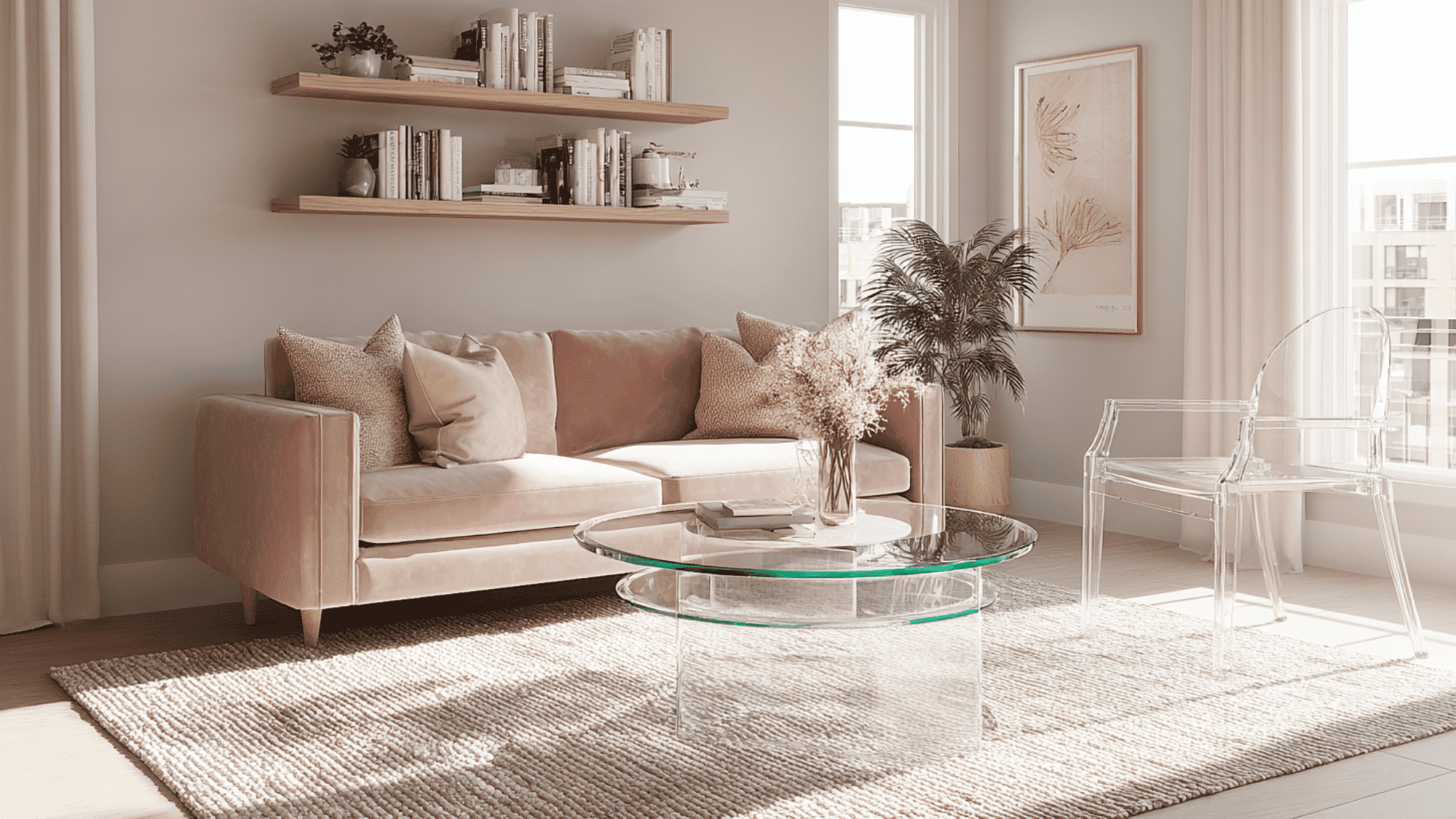
Transparent furniture made from glass or acrylic occupies visual space without physically occupying it. A glass coffee table or acrylic side chair allows the eye to pass through rather than stopping at a solid object.
This creates an uncluttered, open appearance even in the most compact living rooms. Pair transparent pieces with soft textiles and warm tones to prevent the space from feeling cold or sterile.
17. Create a Feature Wall with Wallpaper
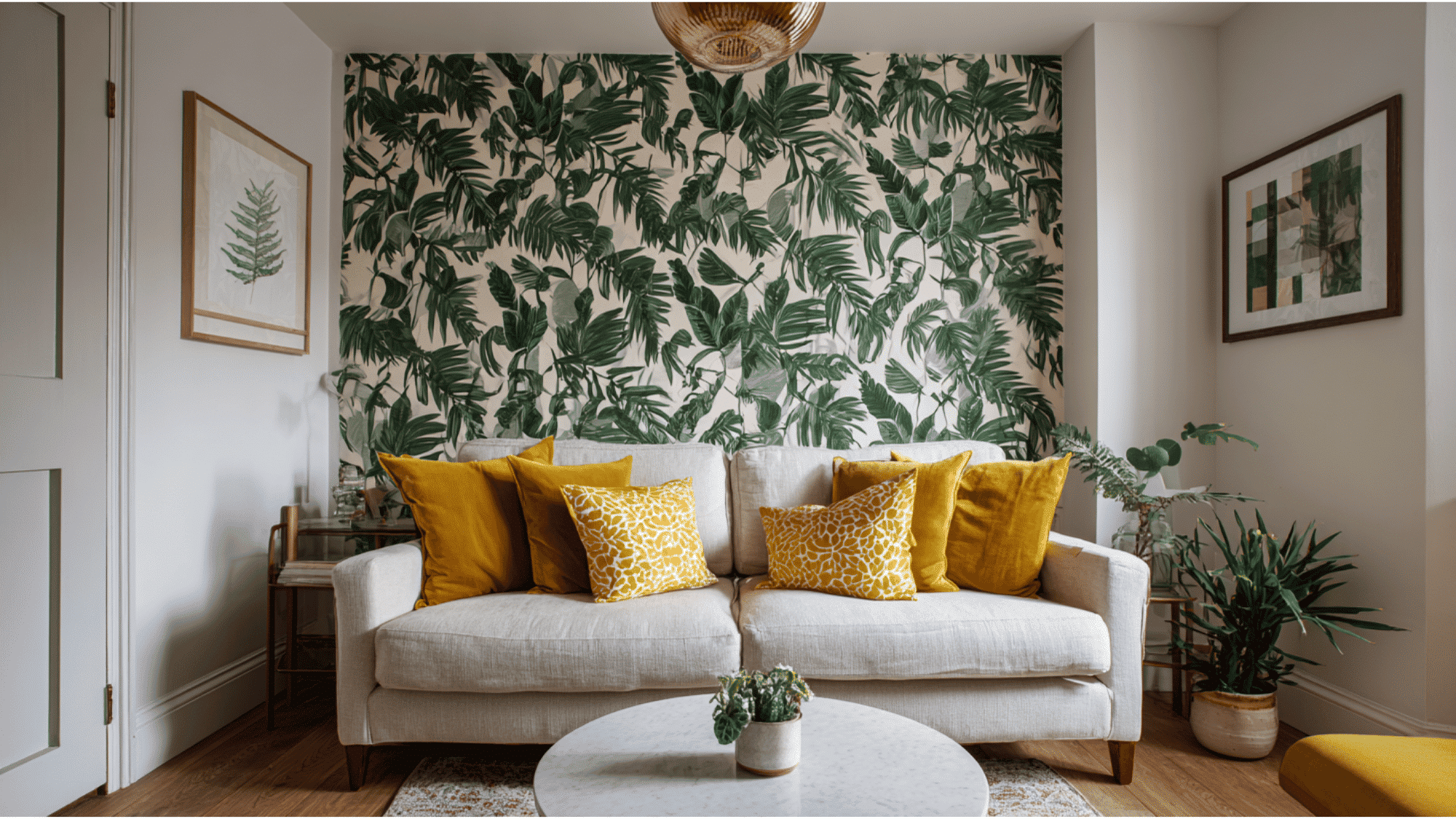
A single bold wallpaper feature wall adds depth, character, and visual interest to a small living room without overwhelming the entire space.
Choosing the wall behind the sofa or the main focal wall keeps the design intentional and contained.
Geometric, botanical, or subtly textured patterns work particularly well in compact rooms. The surrounding walls should remain plain and neutral to let the feature wall breathe and stand out beautifully.
18. Use a Daybed Instead of a Sofa
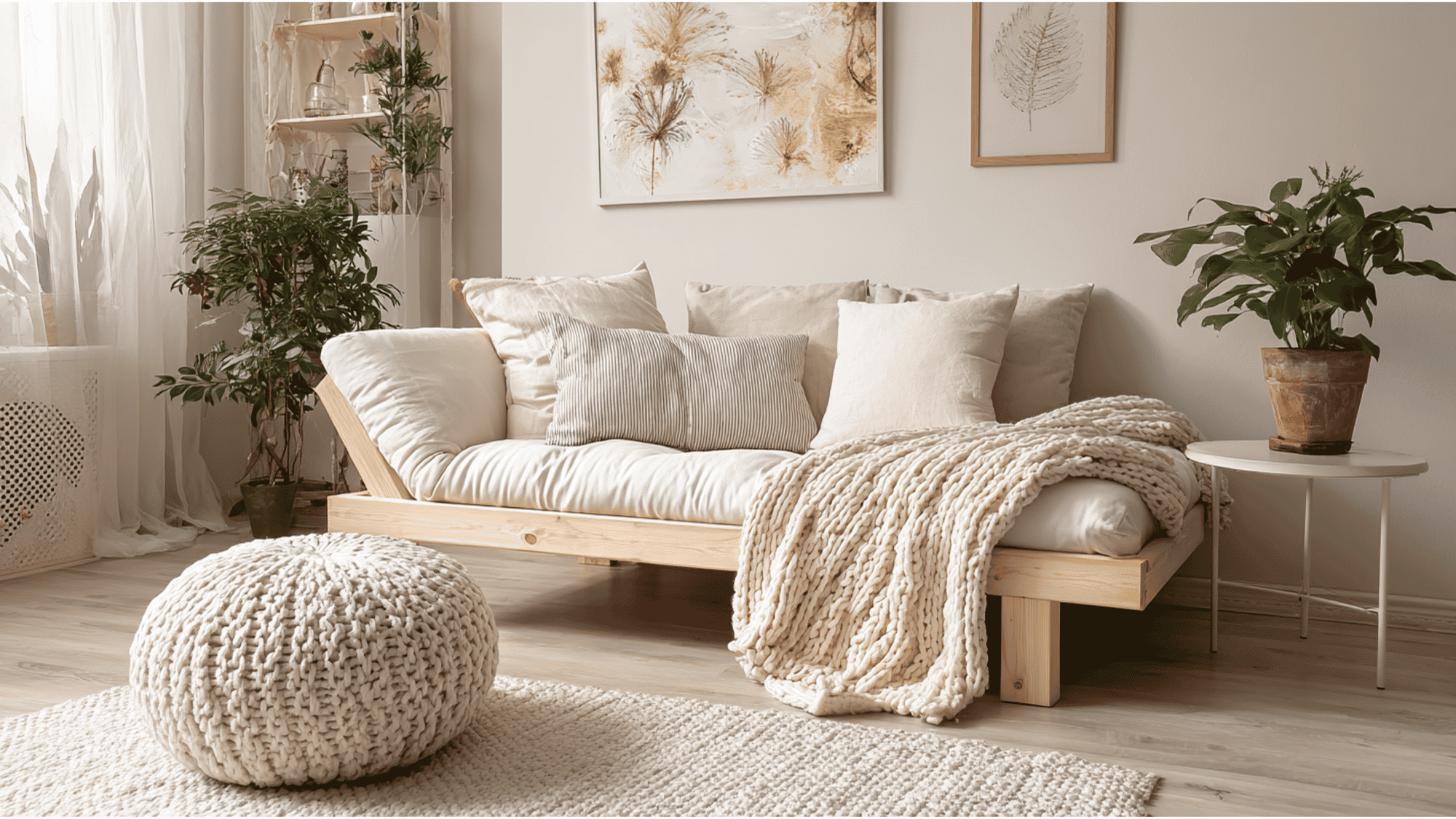
A daybed is a brilliant space-saving alternative to a traditional sofa, especially in a small living room that doubles as a guest space.
It can function as casual seating during the day and be revamped into a comfortable sleeping area for overnight guests.
Styling it with layered cushions and a throw blanket makes it look intentional and inviting rather than makeshift. Position it against a wall to free up maximum floor space in the center of the room.
19. Add a Large Statement Pendant Light
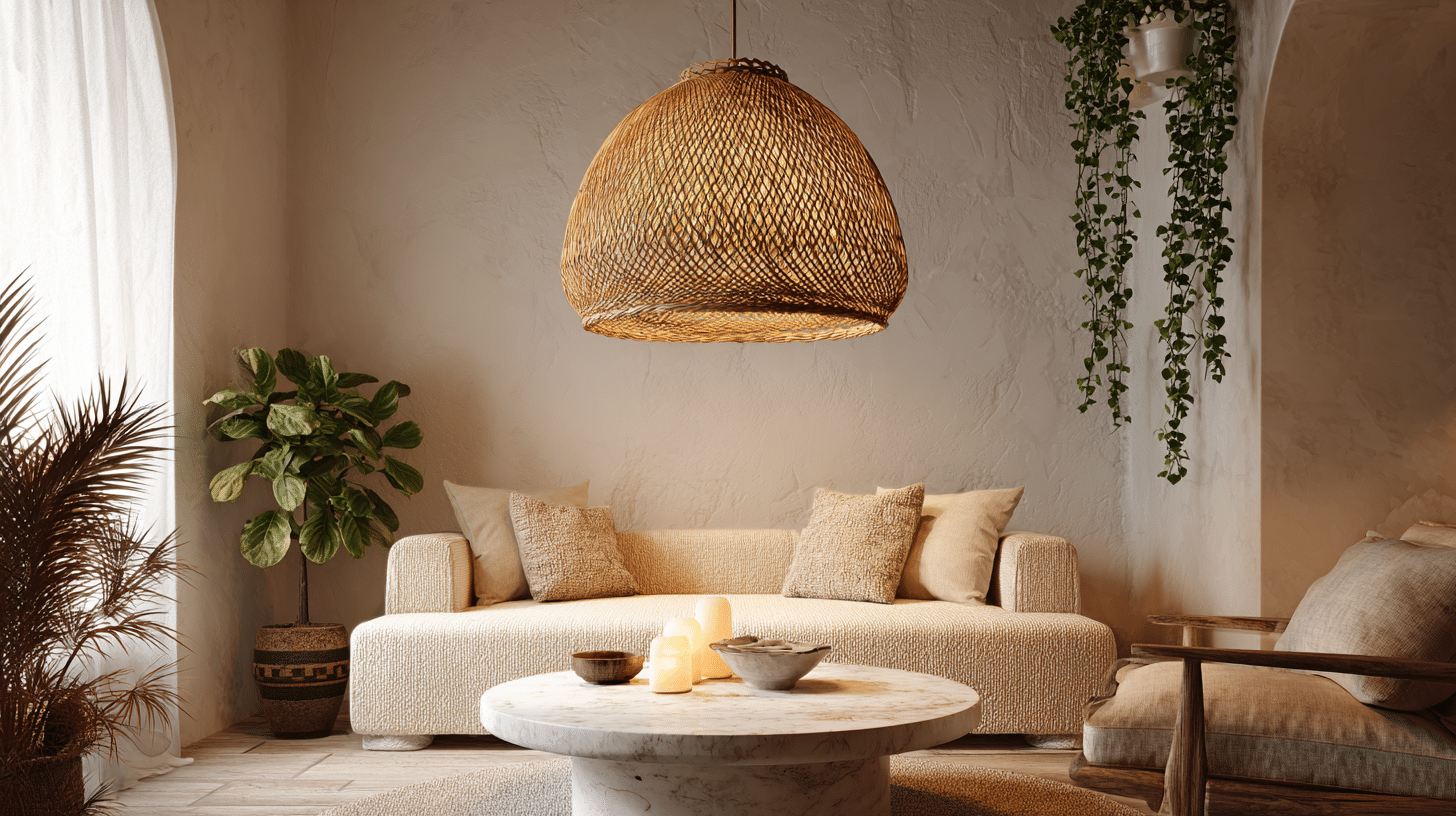
In a small living room, a striking oversized pendant light draws the eye upward and becomes the room’s defining centerpiece. This vertical draw creates a sense of height and grandeur, making the space feel larger than it is.
A single large fixture also eliminates the need for multiple smaller lights cluttering the ceiling. Choose a design with an open frame or rattan material to maintain visual lightness while still making a bold statement.
20. Use Corner Spaces Smartly
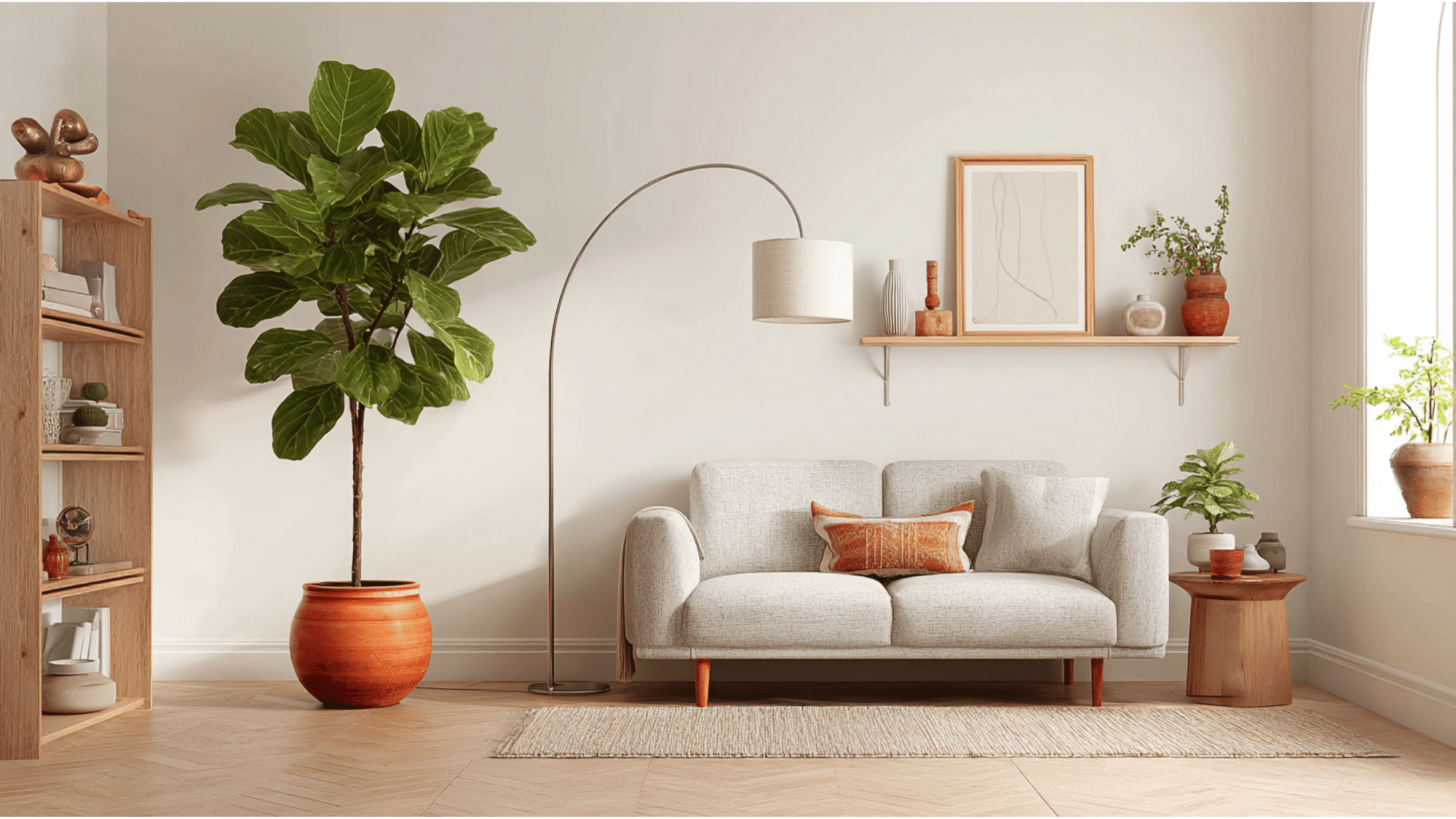
Corner spaces in small living rooms are often completely wasted, but they hold tremendous potential for smart storage and styling.
A small corner plant stand with a tall fiddle leaf fig instantly fills awkward empty corners with life and height. Using every corner intentionally makes the overall layout feel considered, complete, and efficiently designed.
21. Apply the 60-30-10 Color Rule
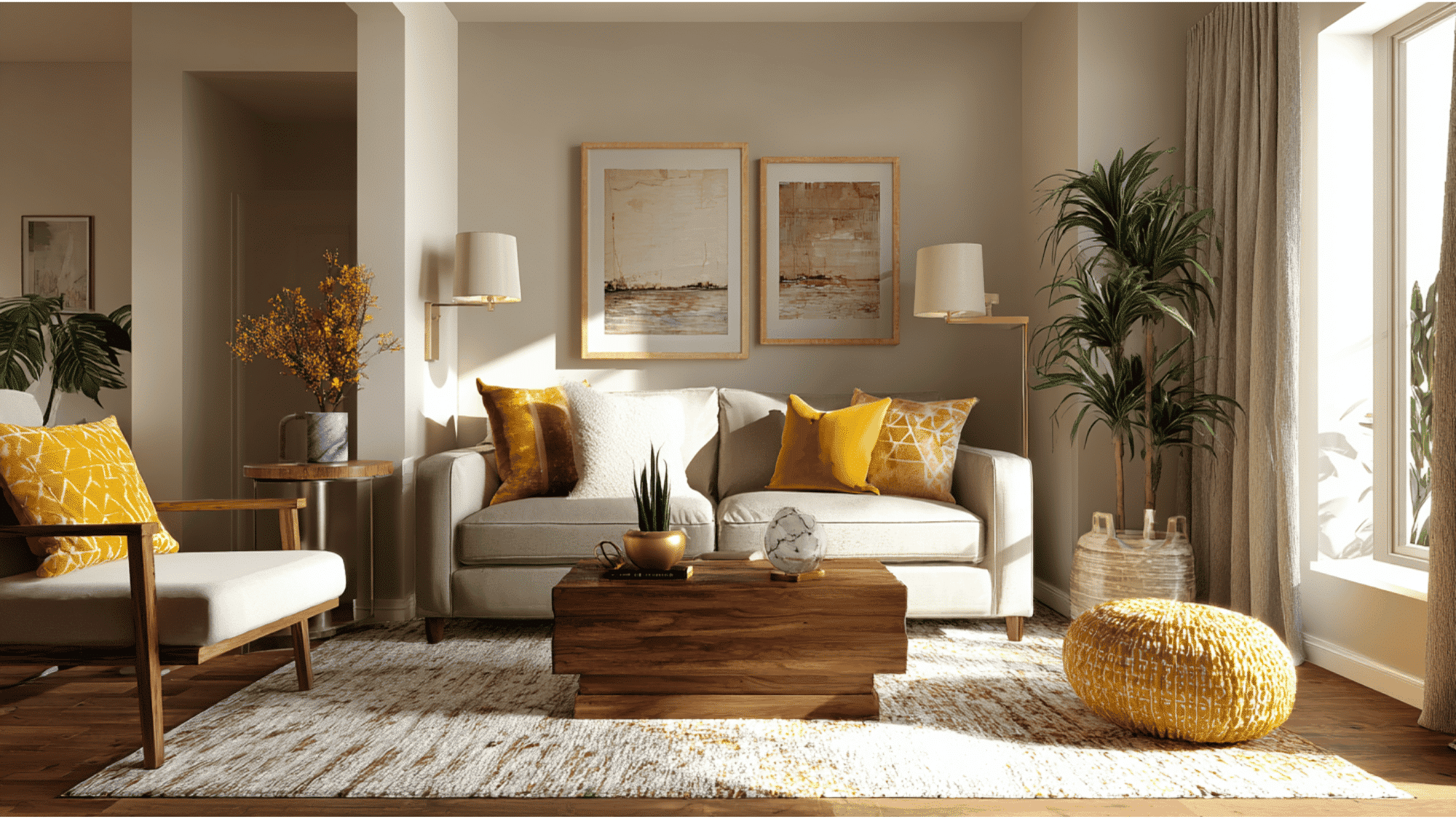
The 60-30-10 rule is a professional interior design principle that ensures color balance in any room, especially small ones.
Use a dominant color for 60% of the space, such as walls and large furniture, a secondary tone for 30%, like curtains and rugs, and an accent color for the remaining 10% through cushions and decor.
This structured approach prevents color chaos while keeping the room visually interesting and dynamic. It is one of the simplest ways to achieve a professionally designed look on any budget.
22. Opt for Slim-Profile Furniture
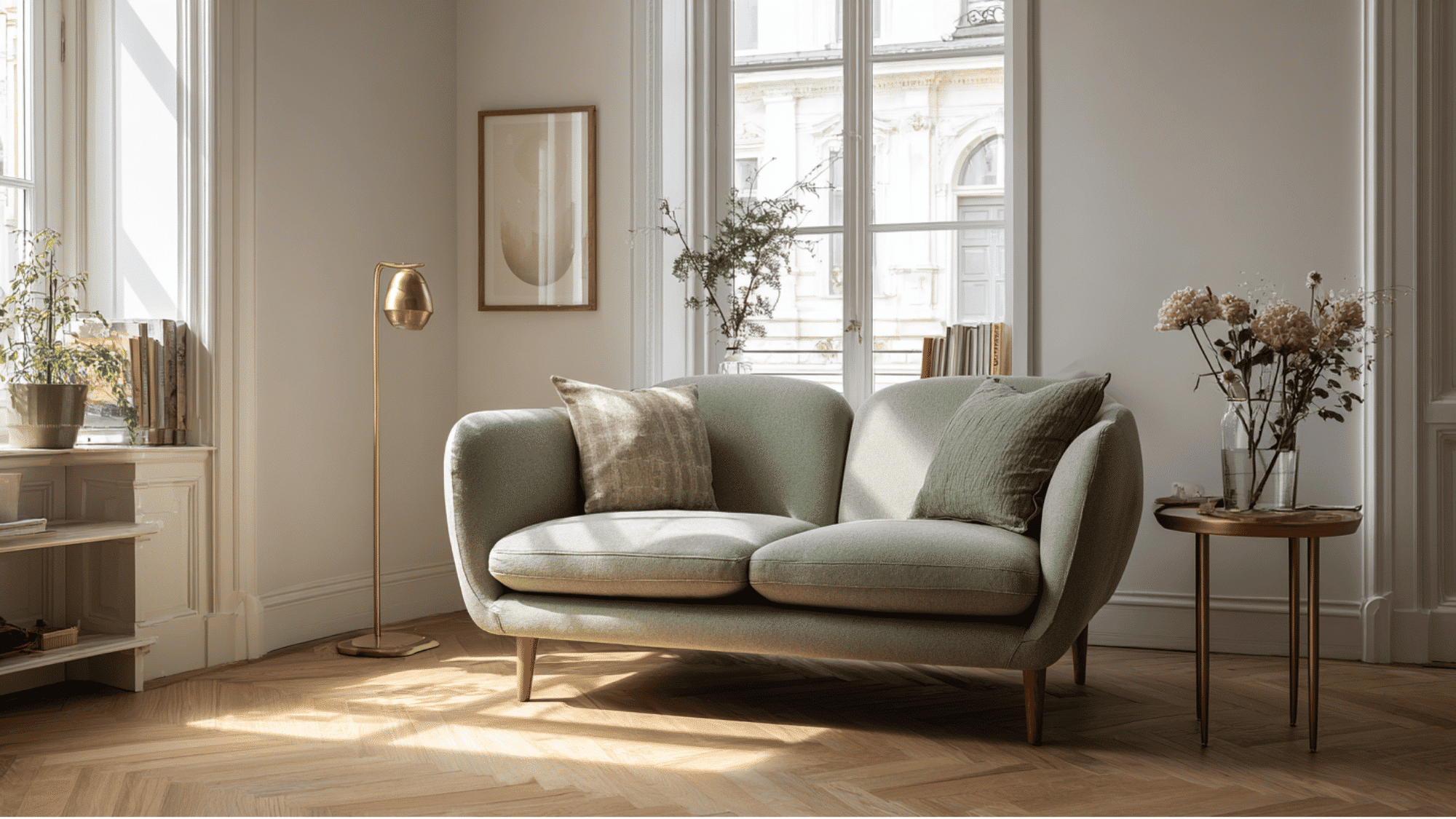
Choosing furniture with slender arms, thin legs, and compact proportions makes a significant visual difference in a small living room.
A slim-armed sofa or a narrow console table takes up far less visual and physical space than their bulkier counterparts.
These pieces maintain all the functionality while keeping the room feeling light and breathable. Look for mid-century modern or Scandinavian-inspired designs, which naturally favor slim, elegant proportions.
23. Hang a Gallery Wall Thoughtfully
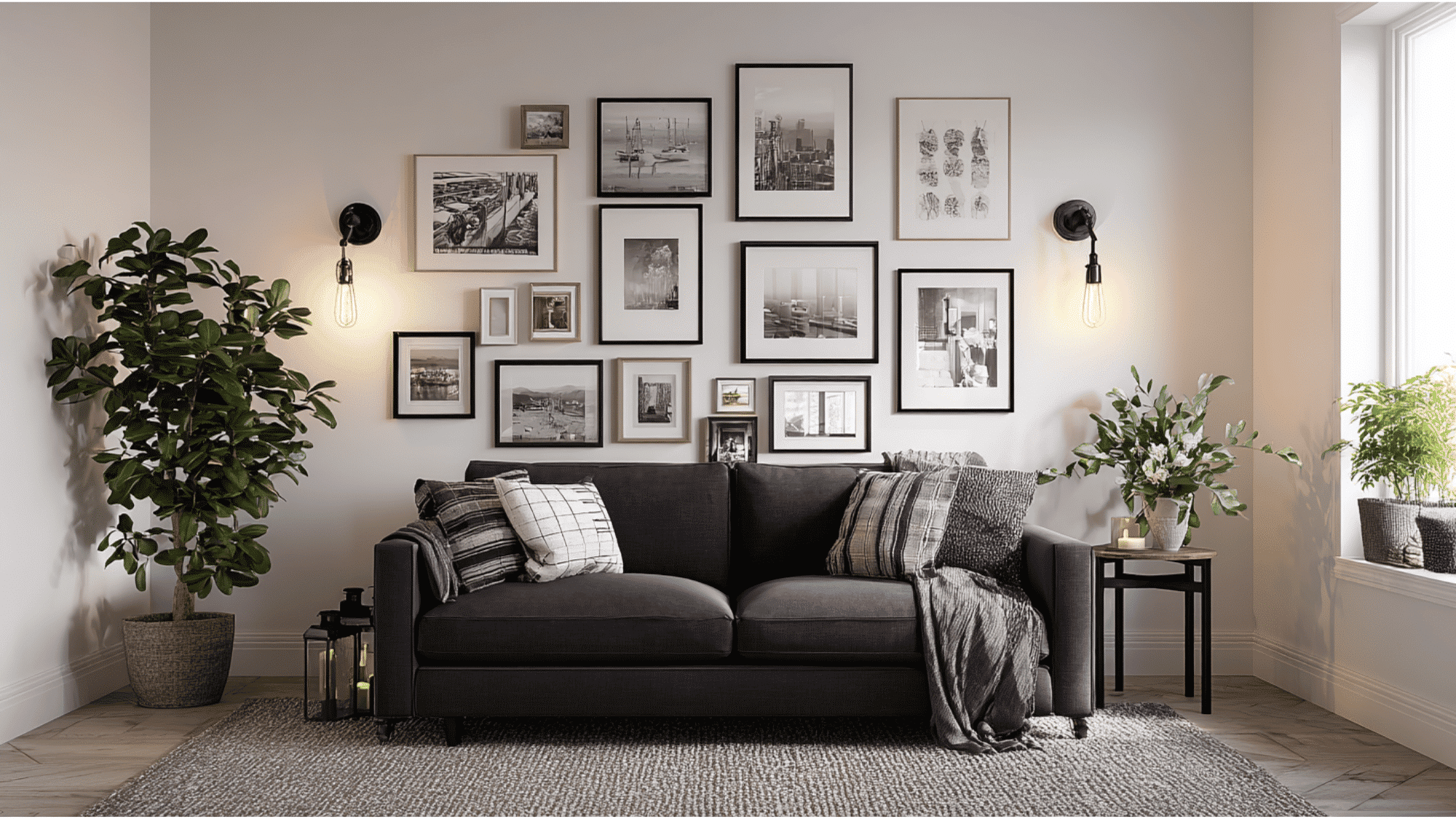
A well-curated gallery wall adds artistic depth and personality to a small living room without cluttering the floor.
The key is to plan the arrangement carefully before hammering any nails, keeping spacing consistent and frames cohesive.
Stick to a unified color palette for frames: all black, all white, or all natural wood to maintain visual harmony. A tight, well-executed gallery wall becomes a conversation-starting focal point that feels intentional and polished.
24. Use Layered Cushions to Create a Cozy Atmosphere
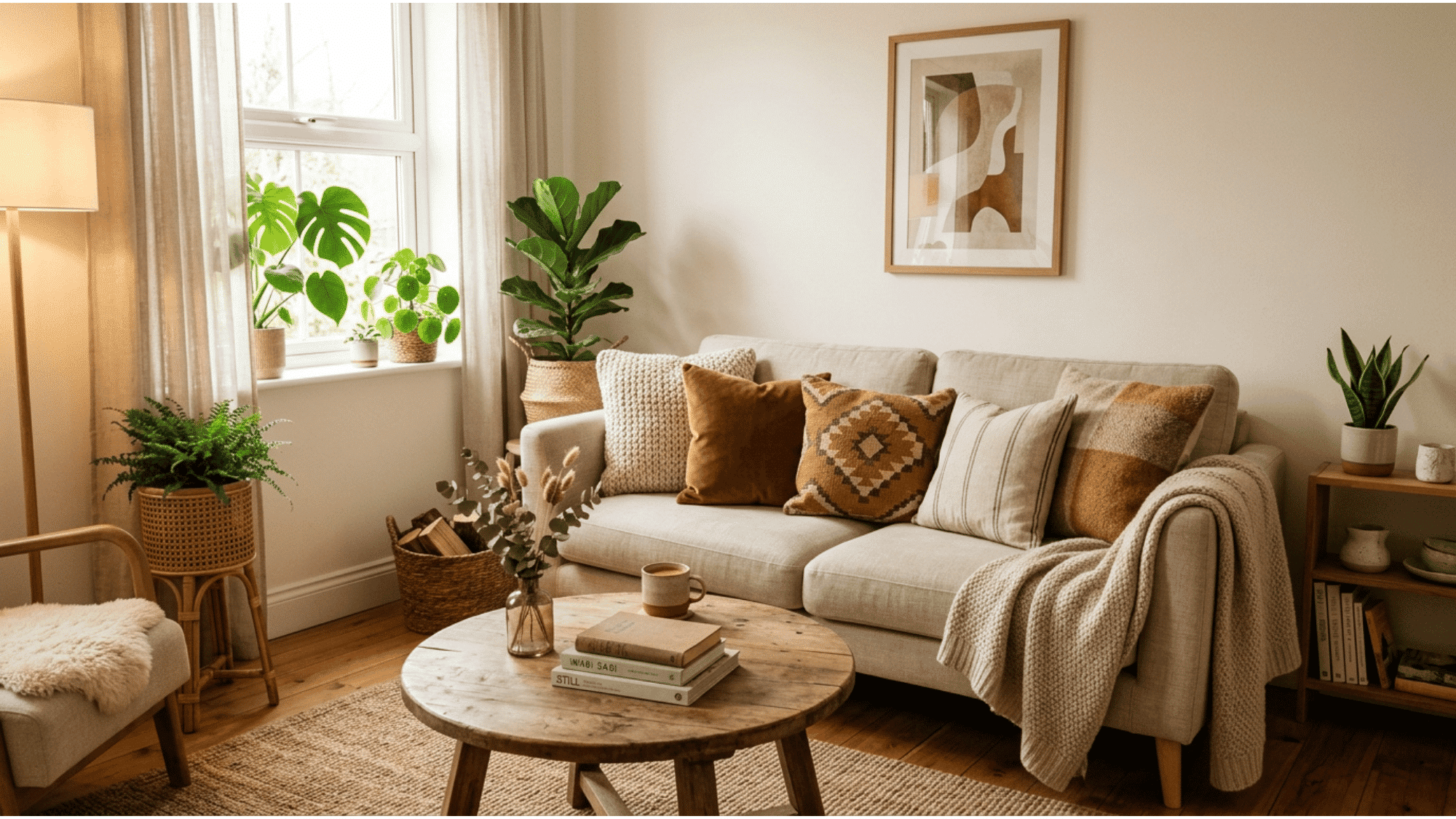
Layered cushions are an easy way to make a small living room feel warm, stylish, and inviting. Mixing different sizes, textures, and patterns adds depth without taking up extra space.
Choose colors that complement your furniture while adding a touch of personality to the room. Soft fabrics like velvet, linen, and knitted covers can instantly create a cozy and comfortable atmosphere.
25. Add Metallic Accents to Reflect Light Beautifully
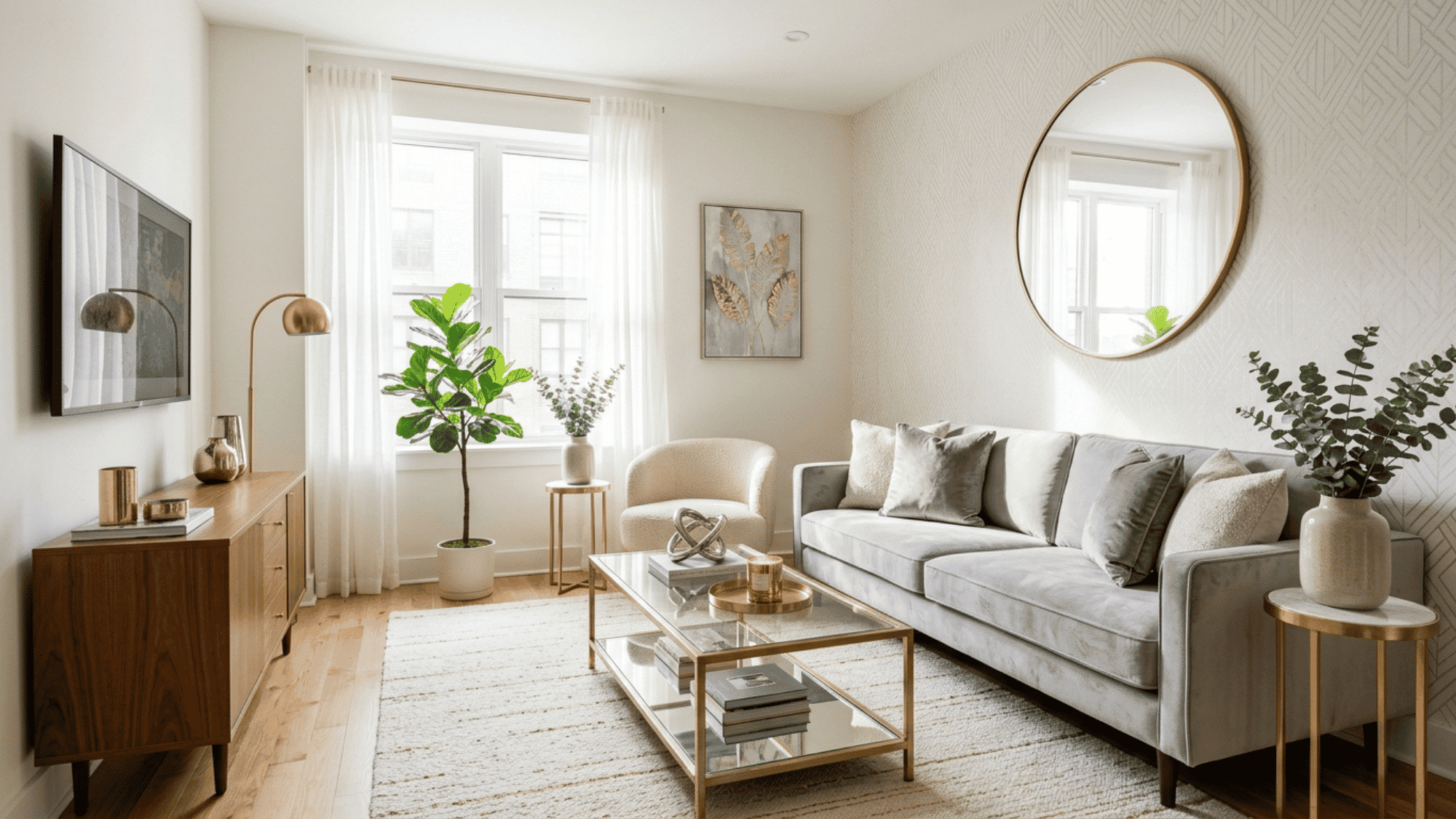
Metallic accents can instantly brighten a small living room by reflecting both natural and artificial light. Elements like gold, brass, chrome, or silver decor add a touch of style without overwhelming the space.
You can incorporate metallic finishes through mirrors, lamps, coffee tables, or decorative accessories for a balanced look.
When paired with soft textures and neutral tones, metallic details help create a modern, open, and visually appealing atmosphere.
26. Mix Textures Like Wood, Linen, and Velvet for Depth
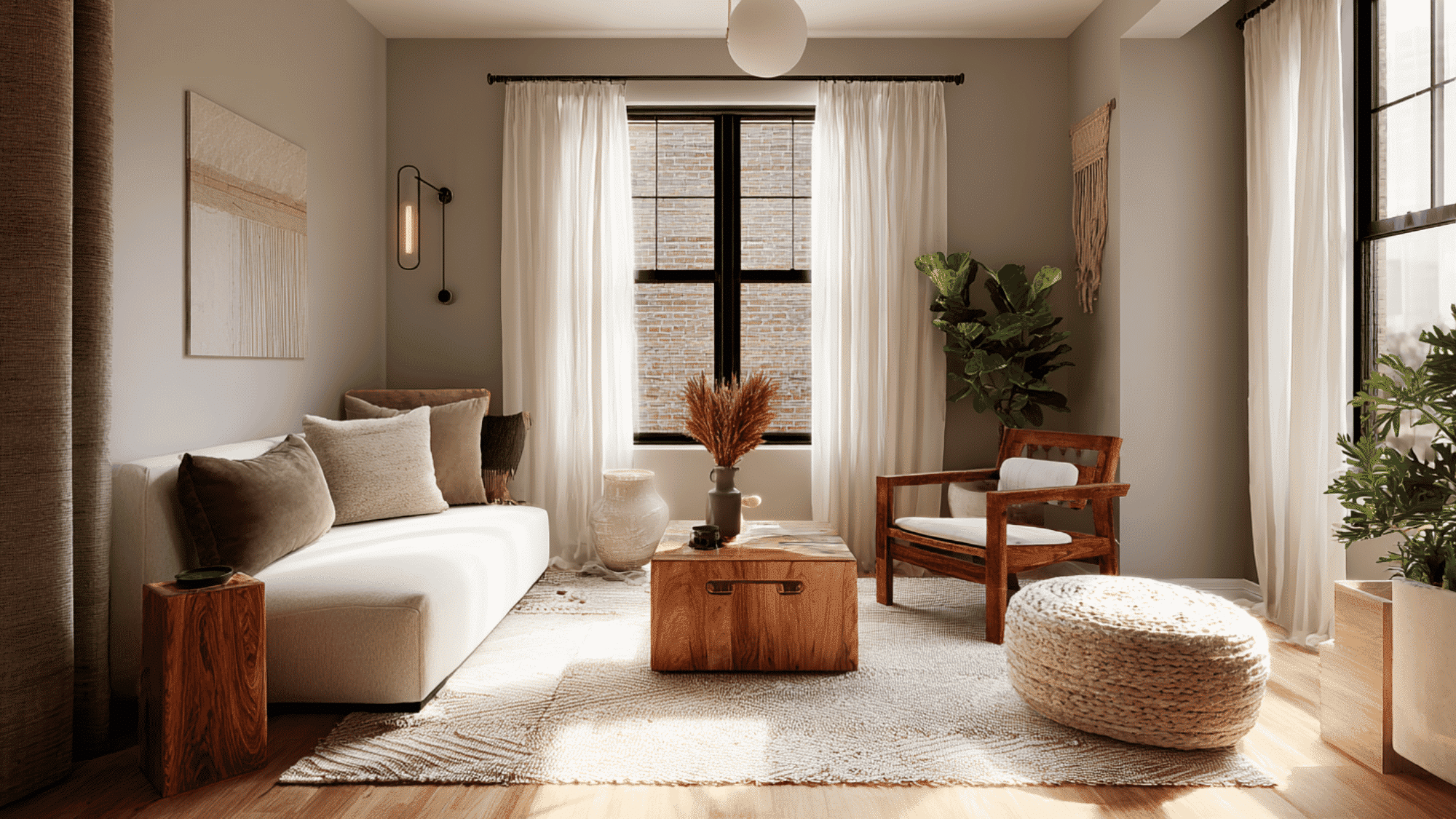
Mixing textures is a simple way to add depth and character to a small living room without making it feel crowded.
Natural wood furniture brings warmth, linen fabrics create a light and airy feel, while velvet cushions or chairs add a touch of luxury.
Combining these materials helps the space feel balanced, cozy, and visually interesting. Layered textures also make minimalist interiors feel more inviting and professionally styled.
27. Rearrange Furniture for Better Flow
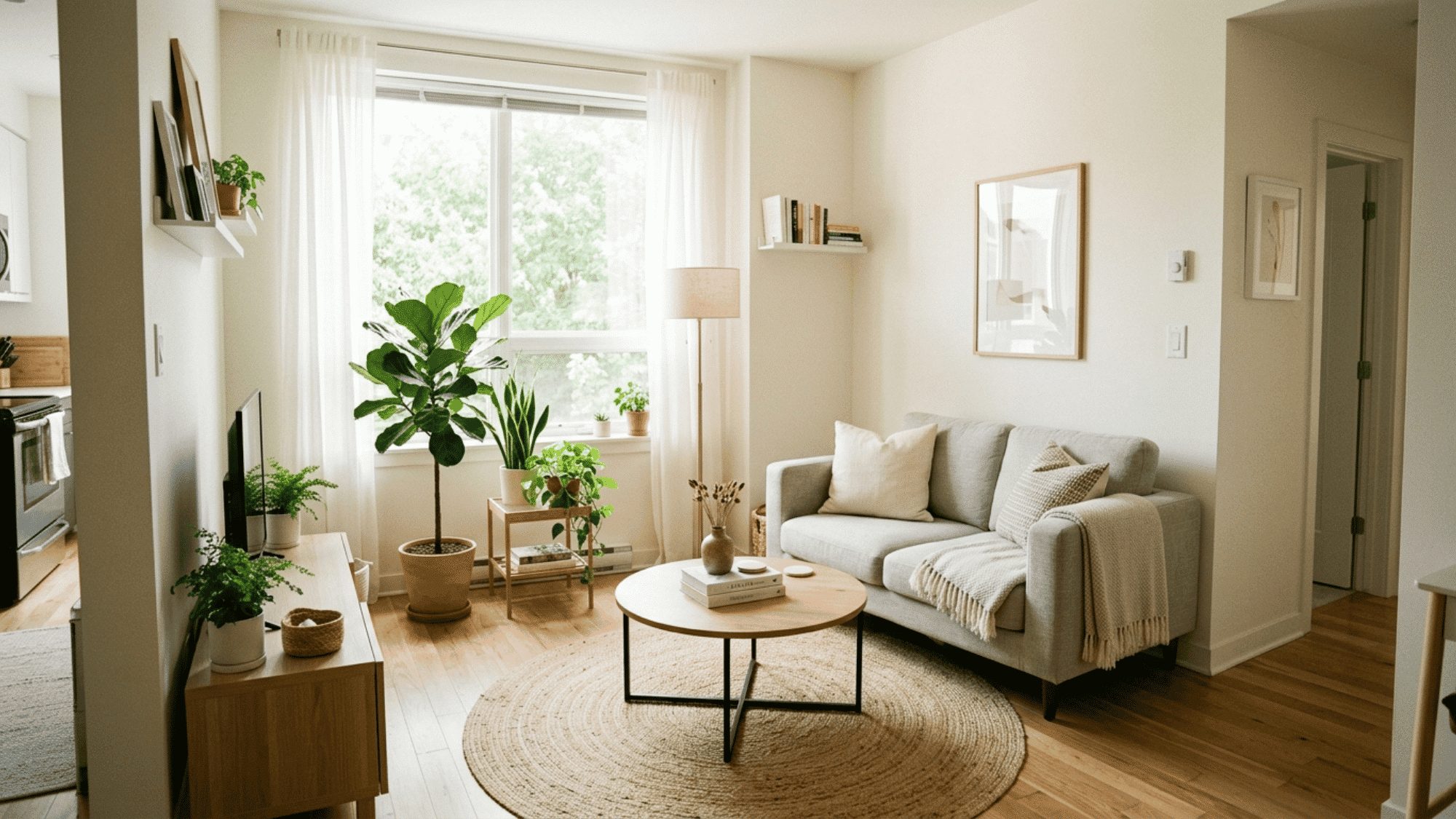
Rearranging furniture can make a small living room feel more open and comfortable without buying anything new. Placing pieces strategically improves movement and prevents the space from feeling cramped or blocked.
Keeping walkways clear and avoiding oversized furniture helps create a more airy, functional layout. Even small adjustments can make the room appear larger, brighter, and more inviting.
28. Stylish Bar Cart
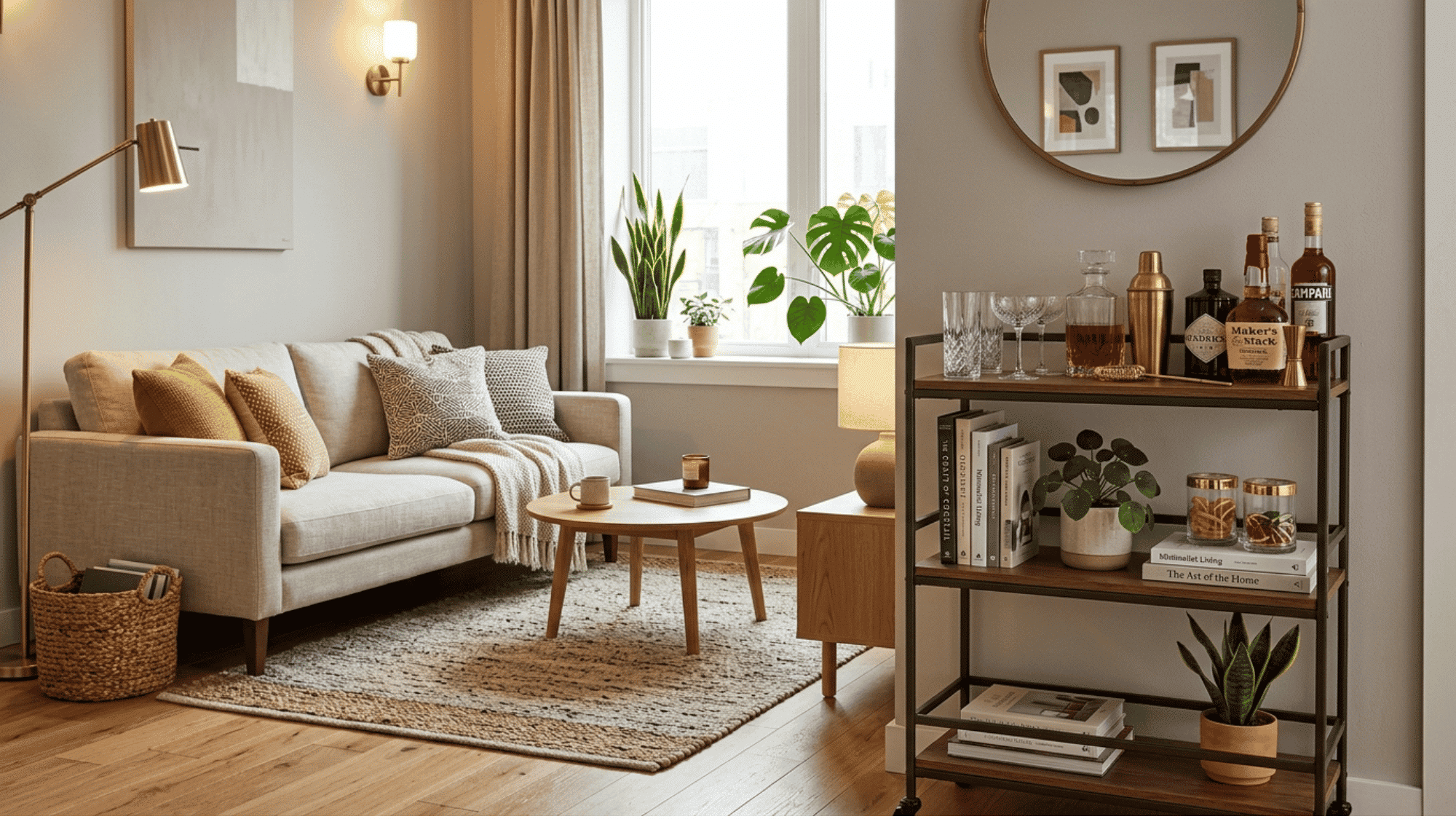
A small bar cart can add both function and personality to a compact living room without taking up much space. It works perfectly for storing drinks, glassware, books, or decorative accessories in an organized way.
Choosing a sleek design with metallic or wooden finishes can enhance the room’s overall aesthetic. A well-styled bar cart also creates a sophisticated focal point while keeping essentials within easy reach.
29. Stylish Basket Storage
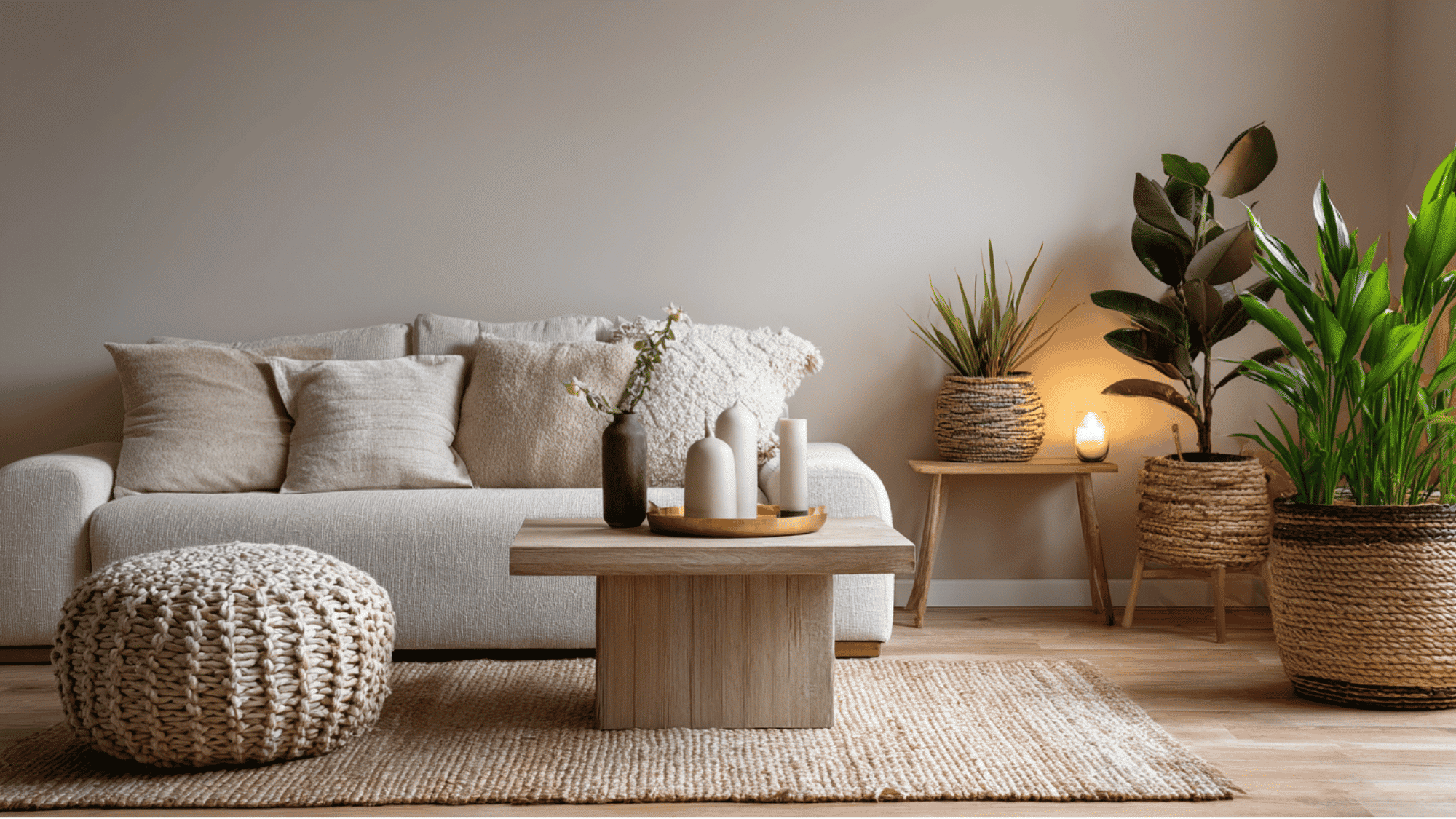
Decorative baskets are a practical and stylish way to keep a small living room organized without sacrificing aesthetics. They can be used to store blankets, magazines, toys, or everyday essentials while reducing visible clutter.
Woven textures and natural materials also add warmth and character to the space. Placing baskets beside sofas, under tables, or on shelves helps create a clean and cozy living room design.
30. Smart Nesting Tables
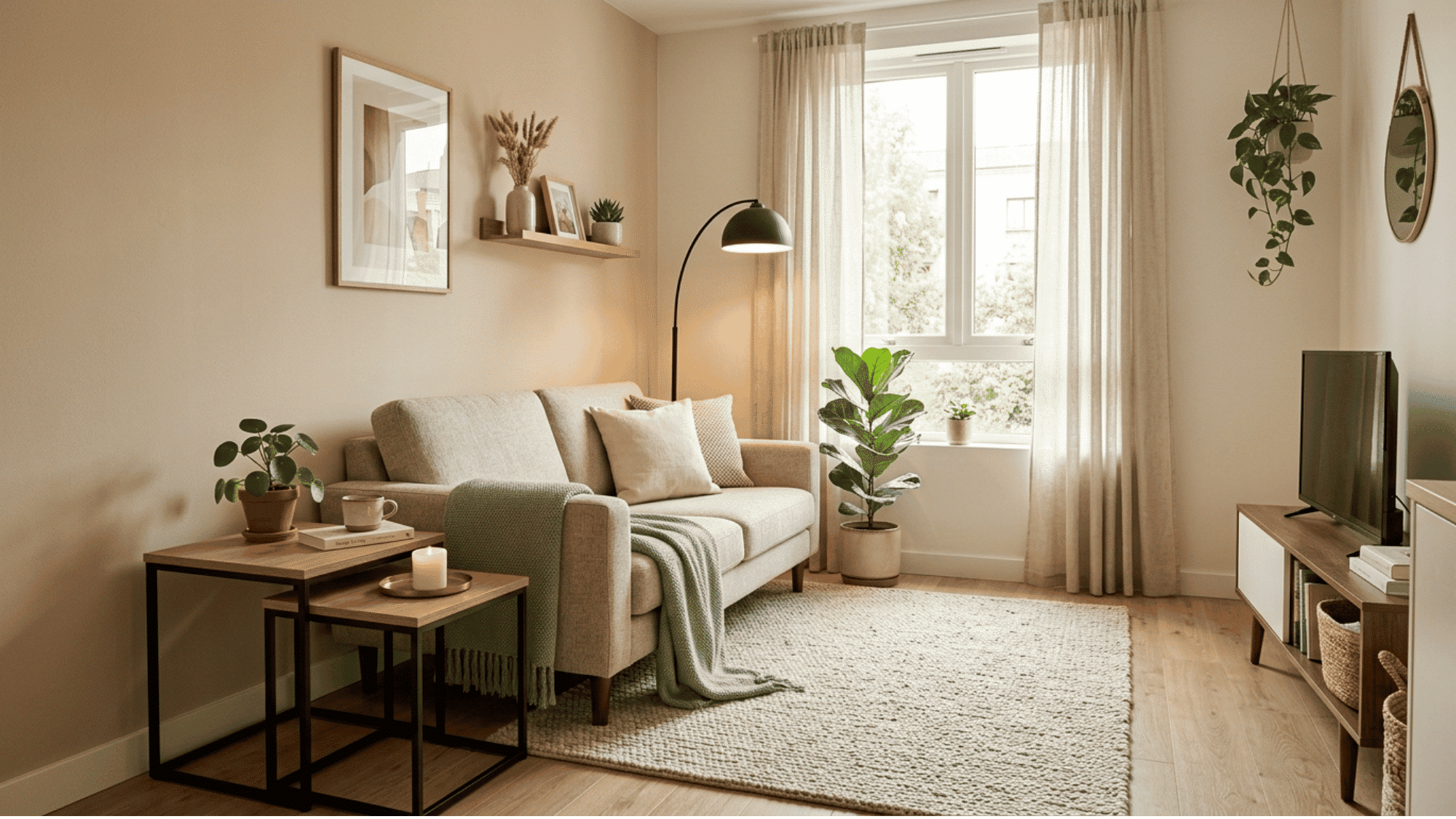
Nesting tables are a smart solution for small living rooms because they provide flexibility without taking up extra space.
They can be separated when needed for serving or decor and neatly tucked away when not in use.
Their compact design helps maintain an open and uncluttered layout while adding modern style to the room. Choosing wooden, glass, or metallic finishes can also enhance the overall aesthetic of your living space.
31. Hidden Storage Solutions
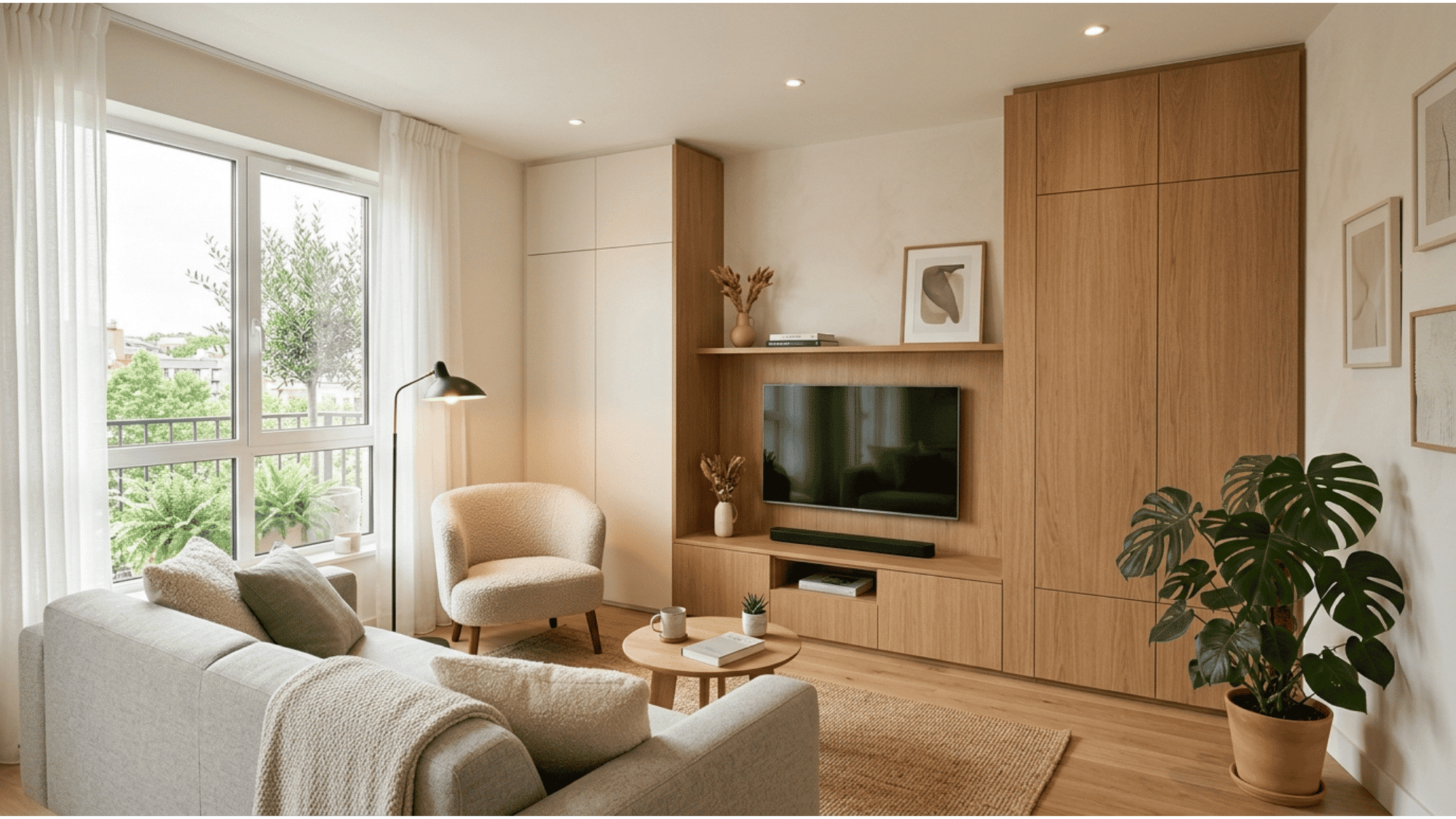
Closed storage units help keep a small living room neat and organized by hiding everyday clutter out of sight. Cabinets, storage benches, and media units provide extra storage while maintaining a clean, polished appearance.
This approach makes the room feel more open, calm, and visually balanced. Choosing sleek designs that match your decor can also enhance the overall style of the living space.
32. Window Seating Area
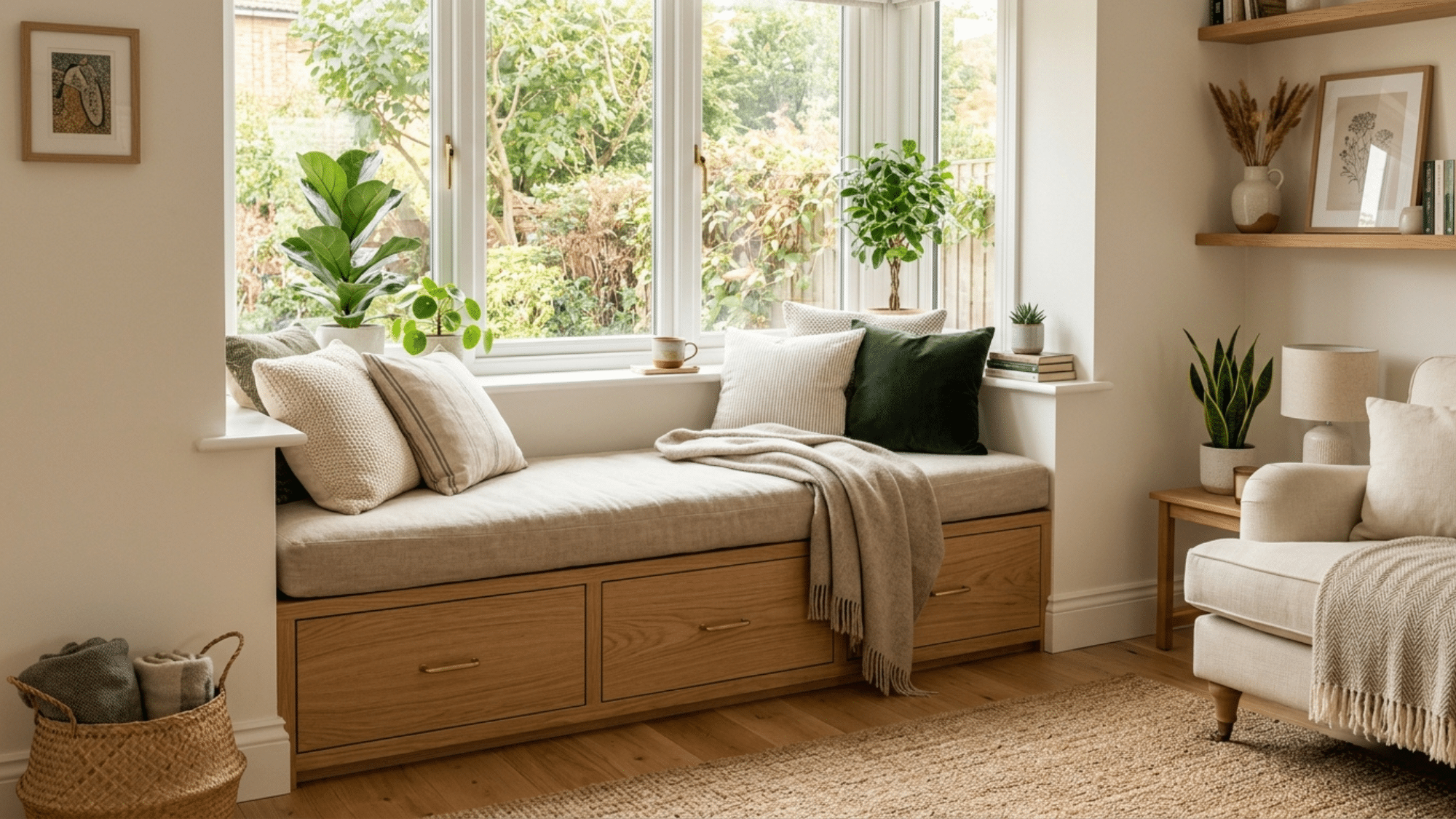
A window seating area is a smart addition to a small living room because it combines comfort, style, and functionality in one space-saving design.
Built-in storage beneath the seat helps keep blankets, books, and everyday items neatly hidden from view.
The natural light from the window also creates a cozy and relaxing corner for reading or lounging. Soft cushions and layered textures can make the seating area feel warm, inviting, and visually appealing.
33. Striped Rugs for Depth
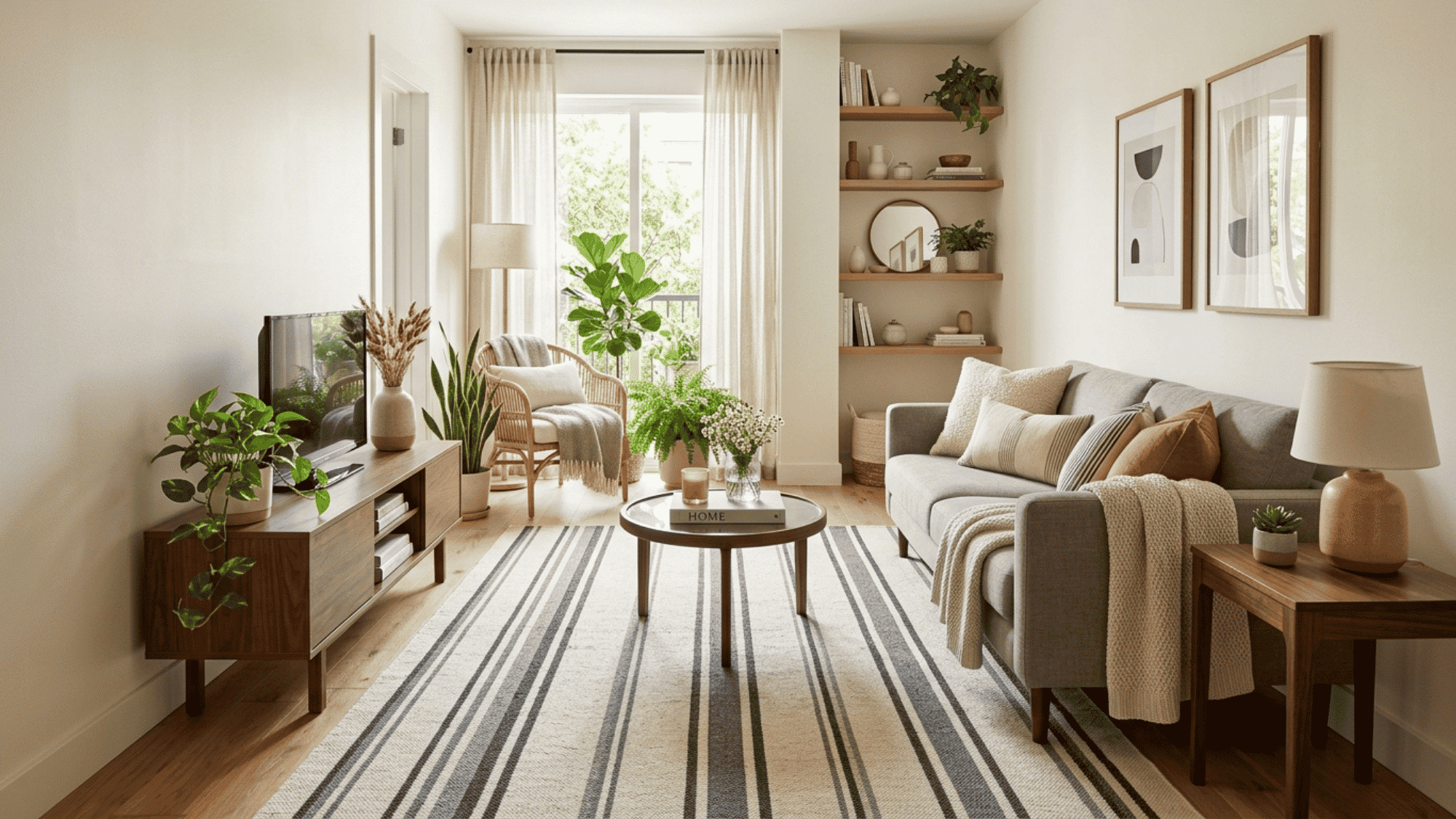
Striped rugs are a simple way to make a small living room appear longer and more spacious. Horizontal stripes can visually widen the room, while vertical patterns help create a sense of depth and movement.
They also add texture and style without making the space feel crowded. Choosing soft neutral tones or subtle patterns keeps the room balanced, modern, and visually open.
34. Armless Seating Options
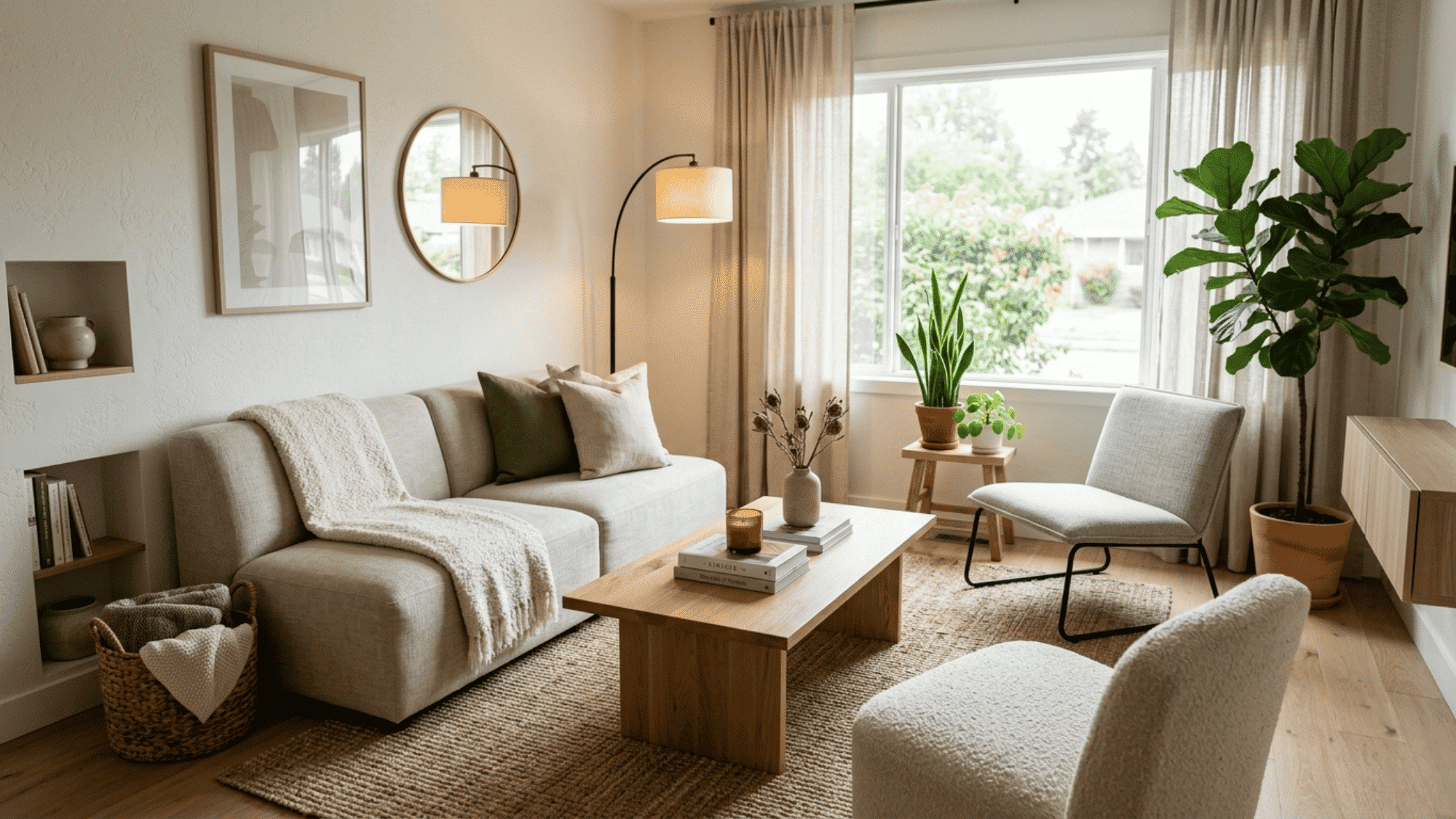
Armless seating is a smart choice for small living rooms because it takes up less visual and physical space. Chairs and sofas without bulky arms create a more open and airy layout while still offering comfortable seating.
Their sleek design also makes it easier to move around the room and arrange furniture flexibly. Choosing neutral fabrics and modern shapes can help maintain a clean, stylish, and spacious atmosphere.
35. Fold-Down Desk Area
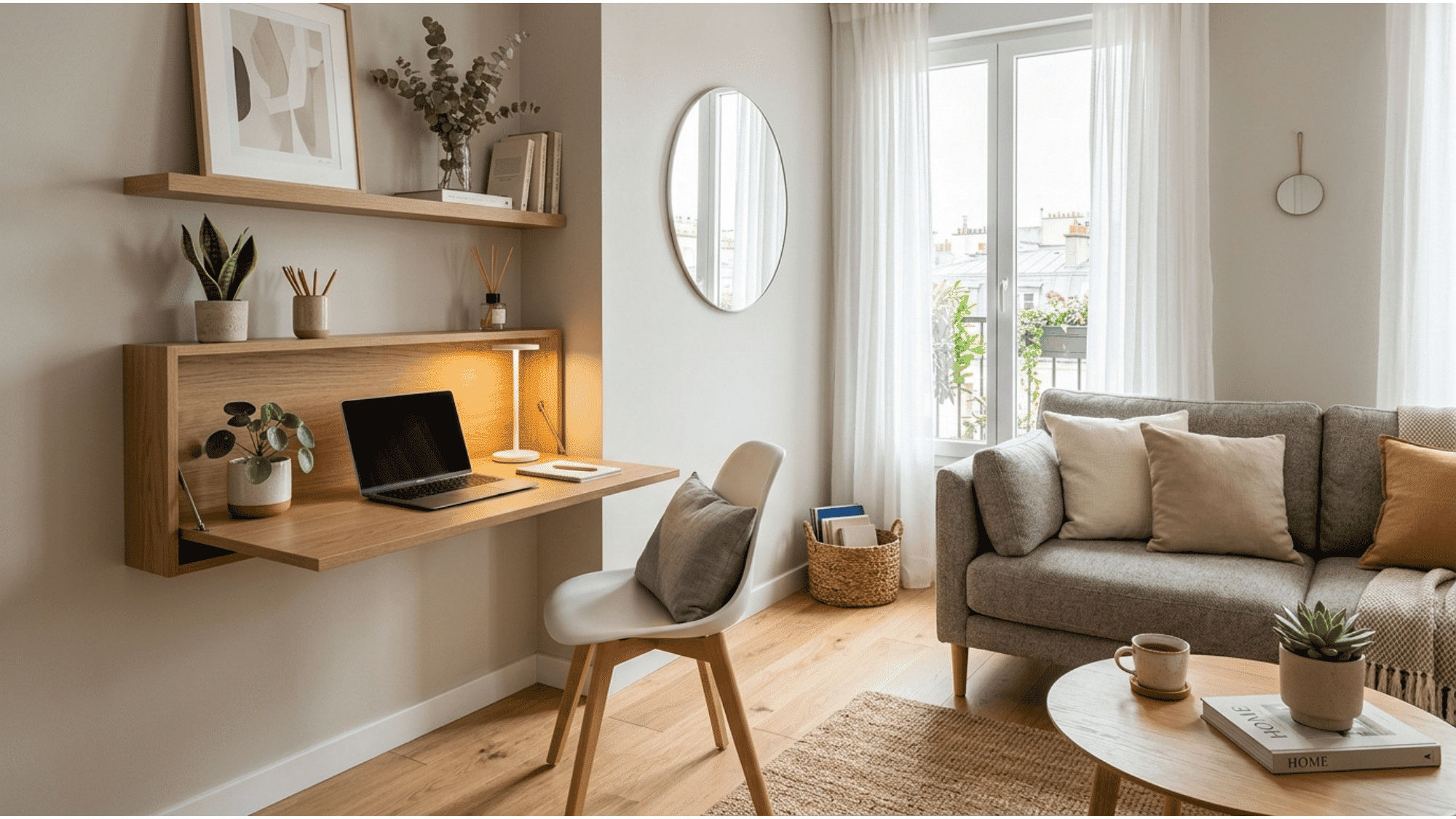
A fold-down desk area is a practical solution for small living rooms that need a functional workspace without sacrificing space.
The desk can be folded away when not in use, keeping the room neat and uncluttered.
This smart design works perfectly for remote work, studying, or organizing daily tasks in compact homes. Pairing it with floating shelves and minimal decor helps maintain an open, modern, and stylish atmosphere.
It’s a Wrap
A small living room can still make a big impact with the right design choices.
By combining smart layouts, multifunctional furniture, and stylish décor, you can create a space that feels comfortable, organized, and visually open.
Simple touches like light colors, layered textures, and creative storage solutions can completely revamp the room without overwhelming it.
With thoughtful decorating ideas, your small living room can become a cozy, inviting space that reflects your lifestyle while maximizing both comfort and style.

Ava Taylor, holding a Bachelor’s degree in Interior Design from the Pratt Institute, has made her mark in creating engaging and functional living spaces for over 14 years. She began her career with a New York-based design studio, where she gained a reputation for her innovative and user-centric designs. Ava joined our team in 2019, bringing a blend of artistic flair and practicality to our home improvement section. Since the she has been the lead contributor to our room transformation series, inspiring readers with her unique approach to maximizing space utility and aesthetic appeal. Beyond her professional work, Ava is a passionate collector of vintage furniture, a hobby that enriches her design perspective.