
Last year I watched a mate rip out his kitchen before fixing a faulty switchboard. Two weeks later, the new cabinets had to come back out so an electrician could rewire the wall.
That lesson fits almost every home. Without a clear order, you pay twice, miss compliance steps, and chase pretty finishes while real safety issues stay in place.
A smart plan fixes the hidden risks first, trims the running costs next, and saves the cosmetic work for when the bones are ready.
Key Takeaways
Start with safety, then cut bills, then spend on the rooms people notice.
- Fix safety and compliance gaps first. Electrical checks, smoke alarms, and asbestos identification prevent expensive rework.
- Bank easy savings early. LEDs, insulation, draught seals, and efficient fixtures lower monthly costs straight away.
- Spend carefully in kitchens and bathrooms. These rooms shape buyer opinion, but the budget still needs to match your suburb.
- Follow the right order of work. Hidden trade work should happen before paint, tiles, and cabinetry.
- Finish with everyday essentials. Small storage and power fixes improve daily life with very little effort.
What Is Property Upgrade Planning?
Good planning keeps you from paying twice for the same wall.
Property upgrade planning is a simple way to decide what to fix, when to fix it, and why that order matters.
A mood board tells you what looks nice. A plan tells you what needs checking behind the wall before you touch tiles, paint, or joinery.
The useful output is practical: a priority list, a 90-day action plan, and a compliance checklist you can hand to every tradie.
3 Big Benefits of Planning Right
The right plan saves money upfront, during the work, and long after the job is done.
Lower Running Costs
Heating and cooling use about 40% of household energy, appliances about 25%, and lighting about 5 to 10%. Switching halogens to LEDs cuts lighting use by about 75%, and ceiling insulation can reduce heating and cooling demand by up to 45%.
Avoid Compliance Headaches
Good planning catches permits, asbestos checks, and licensed trade work before demo day. In Victoria, structural work usually needs a building permit, homes built before 1990 may contain asbestos, and electrical installation work must end with a Certificate of Electrical Safety.
Lift Resale Appeal
Buyers notice modern wet areas, lower power bills, and a neat folder of certificates. Rooftop solar can save households more than $1,500 a year, so visible efficiency upgrades help a home feel cared for, not just styled.
What to Tackle First: Safety and Fundamentals
Safety work goes first because every finish you add later depends on it, and checking electrical capacity early stops you ripping out fresh plaster, tiles, or cabinetry when bigger loads, old protection, or future plans for induction cooking, EV charging, and a home office surface during the job. For that reason, ask J3T electrical commercial electrician Melbourne to assess the site against AS/NZS 3000 before demolition starts and any new walls are closed.
Check Electrical Safety and Capacity
Start at the switchboard. Ask an electrician to check residual current devices, or RCDs, on final circuits, clear labelling, sound earthing, surge protection, and spare capacity for future loads like EV charging or induction cooking.
In Victoria, licensed electricians must issue a Certificate of Electrical Safety for installation work, so keep that document with your permits, manuals, and any later switchboard notes for future buyers or insurers.
Update Smoke Alarms and Escape Paths
Victorian homes need at least one smoke alarm on every storey. Interconnected photoelectric alarms, which respond faster to smouldering fires, give better cover across bedrooms, hallways, and living areas, and units should be replaced every 10 years.
Assess Asbestos Risk
If the home was built before 1990, treat asbestos as a real possibility. It can sit in eaves, wet-area linings, and old wall sheeting, so get suspect material checked before you drill, sand, or demolish anything.

Cut Bills With Smart Energy Moves
Small energy upgrades usually pay you back faster than cosmetic ones.
Switch to LEDs and Smart Controls
Australia is phasing out mains-voltage halogen and tungsten lamps from October 2025, so LED upgrades make sense now. Buy by lumens for brightness, colour temperature for warmth, and beam angle for spread, then add sensors in laundries, toilets, and garages.
Add Insulation and Draught Seals
Ceiling insulation gives one of the fastest paybacks in a home. After that, seal gaps around doors, skirtings, exhaust penetrations, and older window frames so your heating and cooling stay inside.
Improve Windows and Glazing
Windows can lose up to 40% of heating energy and let in up to 87% of summer heat gain. Curtains, seals, and secondary glazing film are useful budget steps, while full replacement is the long-term fix.
Upgrade Hot Water and Water Use
The Water Efficiency Labelling and Standards scheme, or WELS, rates taps, showerheads, and toilets for water use. A 3 or 4 star showerhead is cheap to fit and easy to feel on the next bill.
Plan for Solar and Battery Readiness
The Small-scale Renewable Energy Scheme, or SRES, can cut upfront solar costs by about 30%. Before you install panels or a battery, check roof shade, roof condition, inverter location, and switchboard capacity so the system can grow later with a battery or EV charger.

Renovate Where Buyers Look
When the fundamentals are sound, spend where people notice the value fastest.
Focus on Kitchen Function First
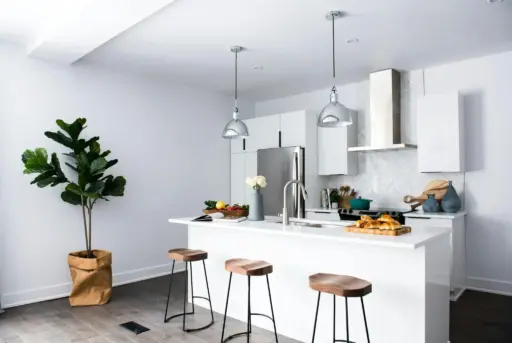
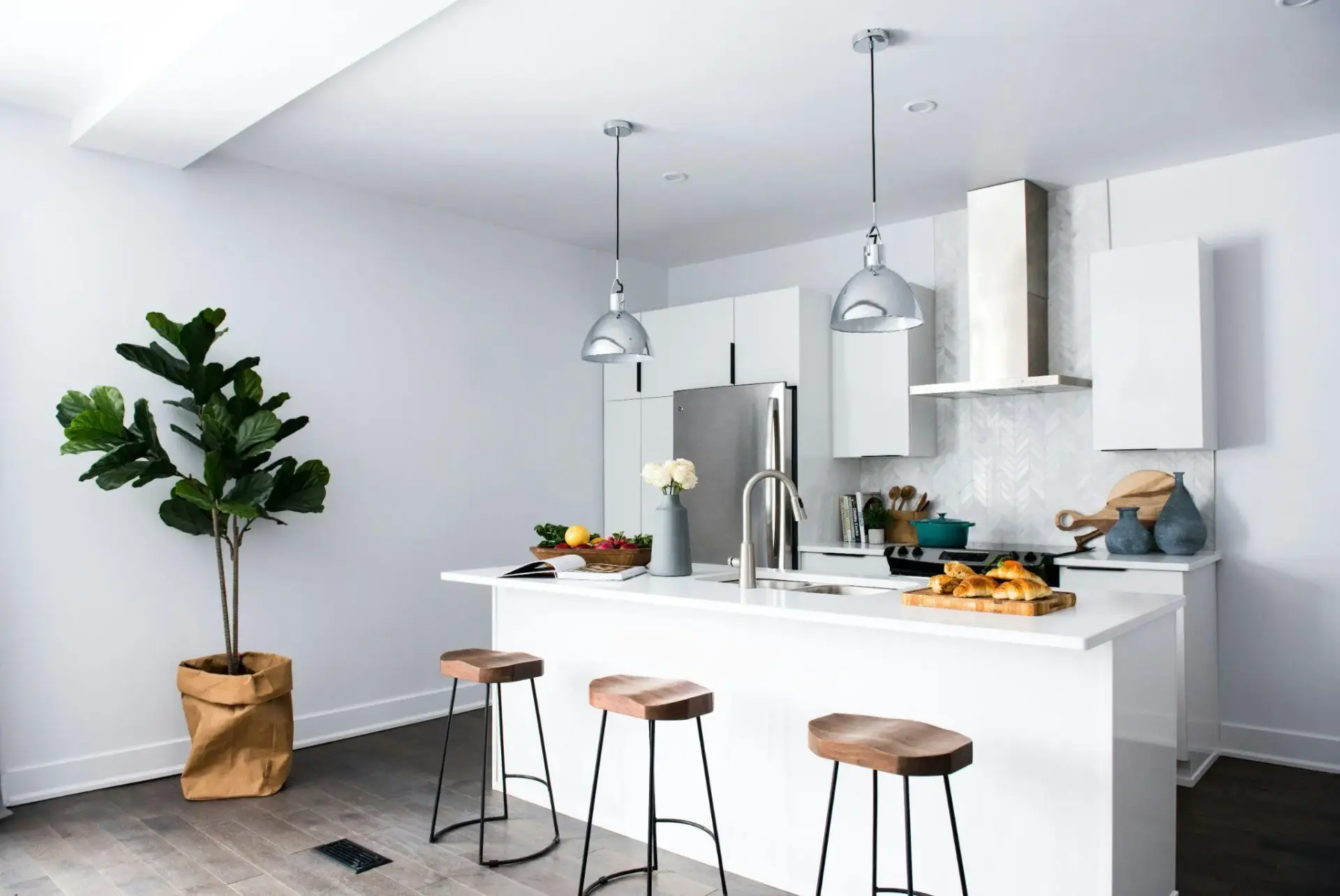
In kitchens, function beats flash. Fix layout flow, task lighting, bench durability, and storage first, because moving plumbing or gas lines only makes sense when it solves a real workflow problem.
If you are changing walls or services, check whether the work needs a building permit before demolition starts, and price the job against your suburb so the layout wins justify the spend. When the brief includes structural changes, custom joinery, or several trades working across the site at once, compare trusted kitchen renovators in Melbourne that can coordinate permits, trades, and the timeline from start to finish.
Choose a Bathroom Refresh or Rebuild
A refresh can still lift the room when a full rebuild is too expensive. Upgrade the exhaust fan and ducting, swap to WELS-rated fixtures, improve vanity lighting, re-grout, re-caulk, and keep plumbing in place unless the new layout clearly works better.
If walls or floors are opened, waterproofing must be done by a licensed professional.
Budget and Sequence
A clear budget matters, but the order of jobs matters just as much.
How Much to Spend Where
Spend in order: safety and compliance, energy efficiency, kitchens and bathrooms, then cosmetic finishes. Keep a 10 to 15% contingency, because older homes rarely show every problem before work starts.
Order of Works
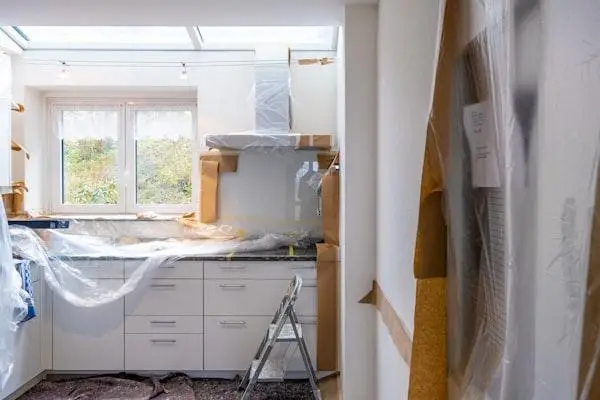
Follow the build sequence, not your excitement. Do demolition and rough-in, meaning hidden wiring and plumbing, before structural work, waterproofing, insulation, linings, cabinetry, tiling, paint, fixtures, and final electrical checks.
DIY vs Pro: Who Does What
Painting, caulking, draught sealing, shelving, and flat-pack assembly are fine DIY jobs for most people, and many homeowners pick up useful maintenance and organisation ideas from everyday home improvement resources before tackling small weekend projects.
Common Mistakes to Avoid
Most renovation blowouts come from poor order, not bad taste.
- Spending past your suburb’s price ceiling.
- Skipping sequence planning and paying for rework.
- Choosing lights without checking brightness and colour.
- Forgetting extraction in wet areas.
- Daisy-chaining power boards instead of adding circuits.
- Leaving no switchboard space for future upgrades.
Everyday Essentials That Improve Daily Life
The best finishing touches are the ones that make your home easier to live in every day.
Set Up a Battery Drawer
Keep low-self-discharge AA and AAA cells in labelled sets for remotes, smoke alarms, sensors, and toys, and date each pack so you know what is charged and ready after months in the drawer.
Use Smart Power Boards and Clean Cabling
Use switched power boards with overload protection and child-safe shutters to cut standby waste and keep chargers organised. Do not daisy-chain boards, and label each charger so everyone knows what belongs where.
Improve Entry, Laundry, and Garage Storage
Add hooks and a small shelf near the entry, labelled bins in the laundry, and magnetic tool bars or clear tubs in the garage. These simple fixes save time and stop clutter from spreading through the house. A small battery drawer helps just as much when a TV remote dies, a hallway sensor drops out, a smoke alarm chirps at night, or a toy quits before school or a long car trip, and for a reusable option that stays ready after months in storage, cuts throwaway waste, and saves you from another late petrol-station run for spare cells when shops are shut and everyone is already tired or rushing out the door with no charger nearby at all either, keep eneloop rechargeable batteries in labelled pairs.
Conclusion
The right order protects your budget as much as your house.
Fix safety issues, bank the easy energy wins, upgrade the rooms that buyers judge first, and keep permits, receipts, and certificates together. That simple discipline makes every later project easier.
FAQs
These short answers cover the questions most homeowners ask before they spend a dollar.
What Order Should I Plan Upgrades In?
Start with safety and compliance, then move to energy savings, then tackle kitchens and bathrooms, and finish with daily convenience upgrades. That order keeps hidden work from damaging finished surfaces.
How Do I Avoid Overcapitalising in My Suburb?
Look at recent sale prices for renovated homes like yours in the same area. If your planned spend pushes the finished value past the local ceiling, scale back layout changes and high-end finishes.
What Is a Sensible Contingency for a Mid-Range Reno?
For a mid-range project, 10 to 15% is a sensible buffer. Older homes need the higher end because opening walls can uncover wiring, water damage, or framing issues.
Do Minor Kitchen Changes Need a Building Permit?
Like-for-like kitchen updates usually do not need a permit in Victoria. Structural changes, wall removals, and other work that affects the building fabric usually do, so check with council or a registered building surveyor first.

Holding a Master’s in Architecture from the University of Texas at Austin, Emily Rodriguez has dedicated more than two decades to the art and science of building renovation. Starting her journey in historic preservation, she developed a profound respect for blending old with new in building design. Emily became a vital part of our team in 2019, renowned for her insightful and innovative renovation tips. She has been leading our DIY home improvement series since ever since, where she shares her wealth of knowledge in turning outdated spaces into modern havens. When not engaged in writing or consulting, Emily is a passionate advocate for heritage conservation and enjoys exploring vintage architecture, a hobby that complements her professional expertise.