
Walls can do a lot more than hold up a ceiling. The right wall treatment changes how a room feels: its warmth, its depth, its personality.
That’s exactly why shiplap has become one of the most searched design terms in home renovation circles.
But what is shiplap beyond the buzzword?
This breakdown covers every angle: history, materials, installation, cost, and care, so by the end, you’ll know exactly what it takes to bring shiplap into your home.
What is Shiplap?
At its most basic, shiplap is a wooden board with a rabbet, a step-cut groove along the top and bottom edges.
When boards are stacked, these grooves interlock in a slight overlap, pulling each row tight while leaving a small, deliberate gap on the face of the wall.
That gap is not a flaw. It’s the defining visual detail that gives shiplap its depth and shadow line.
The overlap prevents boards from shifting, and the gap allows for natural wood expansion in changing humidity, a detail that makes shiplap as practical as it looks.
Main Characteristics of Shiplap
Shiplap is not a one-size-fits-all material, and that’s exactly what makes it worth knowing. From the board you pick to the direction you run it, every choice shapes the final result differently.
| Characteristic | Description | Why It Matters |
|---|---|---|
| Overlapping Profile | Rabbeted edges allow boards to interlock tightly with a slight visible gap. | Creates the signature shiplap look while ensuring stability. |
| Linear Design | Clean horizontal or vertical lines add structure and rhythm to walls. | Helps visually enhance room dimensions and layout. |
| Shadow Gaps | Small spacing between boards adds depth and subtle shadow lines. | Adds texture and visual interest without extra design elements. |
| Material Options | Available in wood, MDF, or PVC for different uses and budgets. | Provides flexibility for both interior style and environment. |
| Easy Installation | Lightweight and relatively simple to install compared to other paneling. | Saves time, effort, and installation costs. |
| Style | Works across farmhouse, coastal, modern, and minimalist designs. | Makes it a timeless and adaptable design choice. |
Material Options for Shiplap
What is shiplap made from today? The range is broader than most people expect. Each material suits a different budget, room type, and finish goal:
| Material | Cost per Sq Ft | Best For | Key Consideration |
| Pine / Spruce | $1 – $3 | Interior walls, accent walls | Affordable; needs primer before painting |
| Cedar | $3 – $6 | Bathrooms, porches, humid areas | Natural moisture resistance; slight premium |
| MDF Panels | $1.50 – $2.50 | Smooth painted interiors | No grain; not suitable for wet areas |
| Plywood Shiplap | $1 – $2.50 | Large surface areas on a budget | Lightweight; less refined finish |
| PVC / Composite | $4 – $8 | Bathrooms, laundry, wet zones | Fully waterproof; no seasonal movement |
| Pre-primed Boards | $2 – $4 | Any interior room | Saves finishing time and paint costs |
Where Can Shiplap Be Used in Your Home?
The flexibility here is a major part of the appeal. What is shiplap’s best room? Honestly, it doesn’t have one. It works room by room, indoors and out.
1. Living room
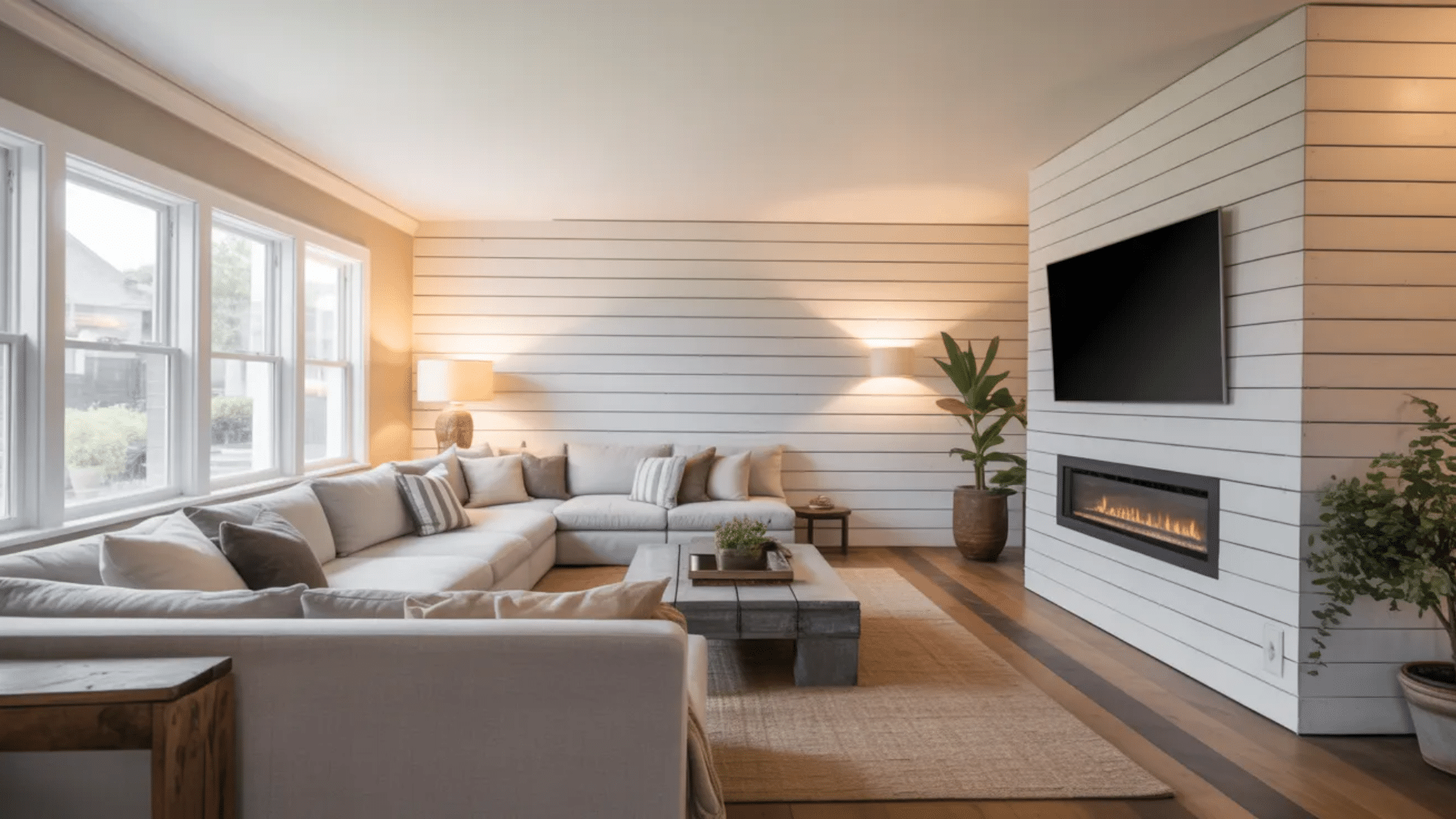
An accent wall behind the sofa, fireplace, or TV creates an immediate focal point.
White shiplap brightens a room. Natural wood stain adds warmth. Either way, a living room with shiplap looks finished in a way that plain drywall doesn’t.
2. Bedroom
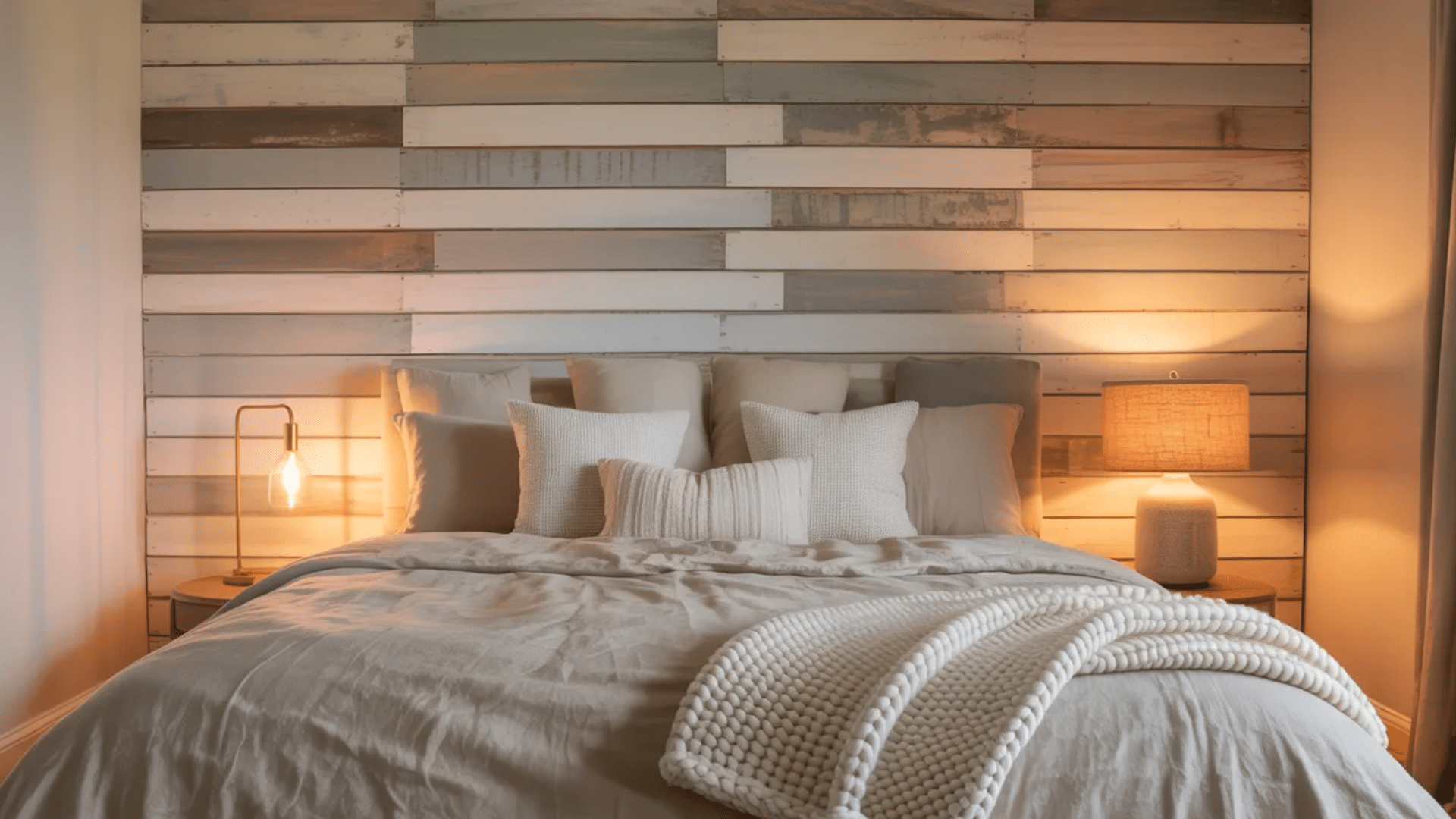
A shiplap headboard wall delivers texture and depth without heavy furniture. It works best with soft, neutral bedding and warm lighting.
The combination creates a room that feels calm and inviting. Horizontal boards make the room feel wider; vertical boards can help with a low ceiling.
3. Kitchen
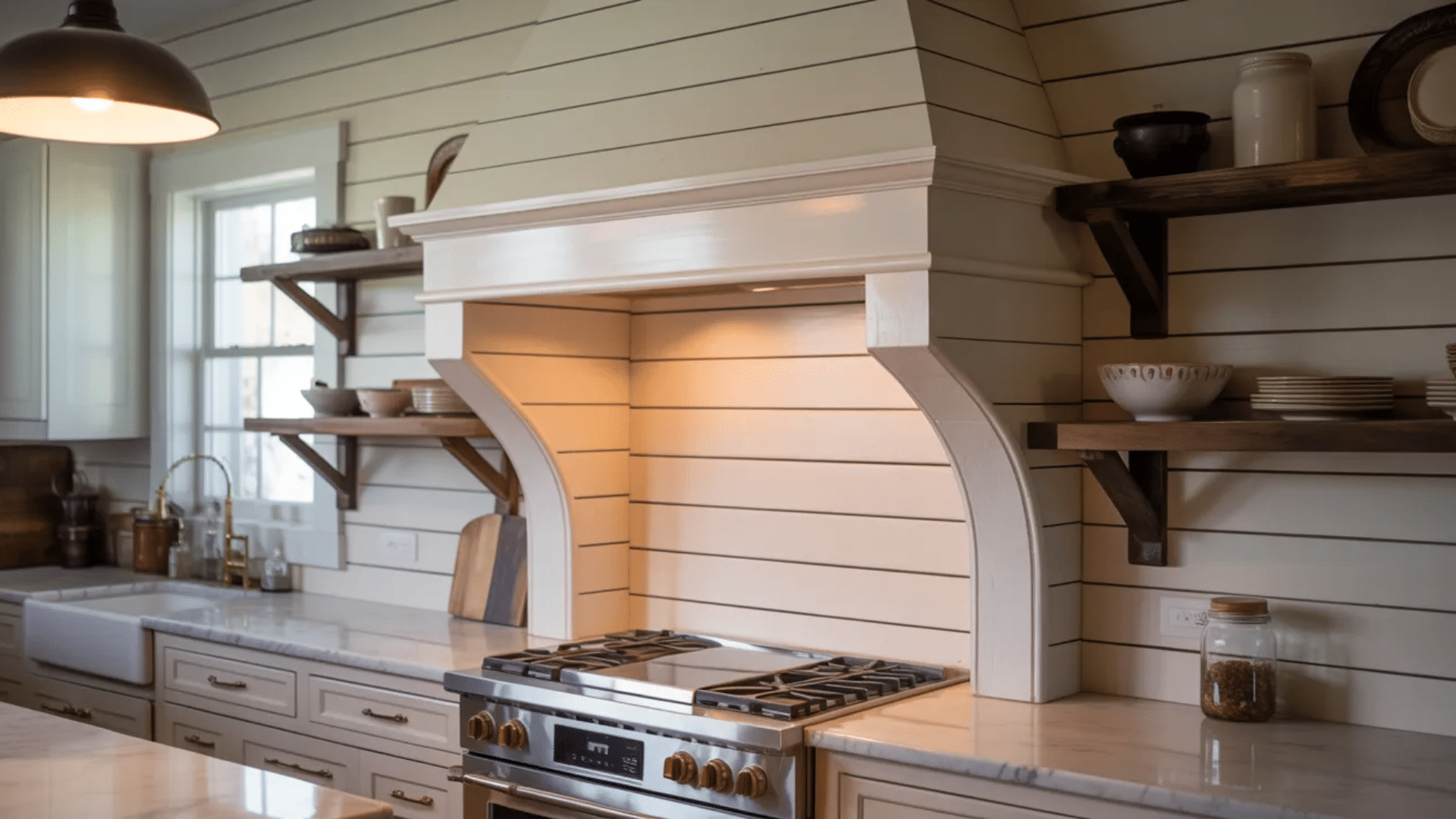
Shiplap as a range hood surround or backsplash alternative adds a relaxed, cottage-quality character to a kitchen.
Seal it thoroughly with a food-safe, moisture-resistant finish, and it holds up reliably against cooking splashes, steam, and grease.
4. Bathroom
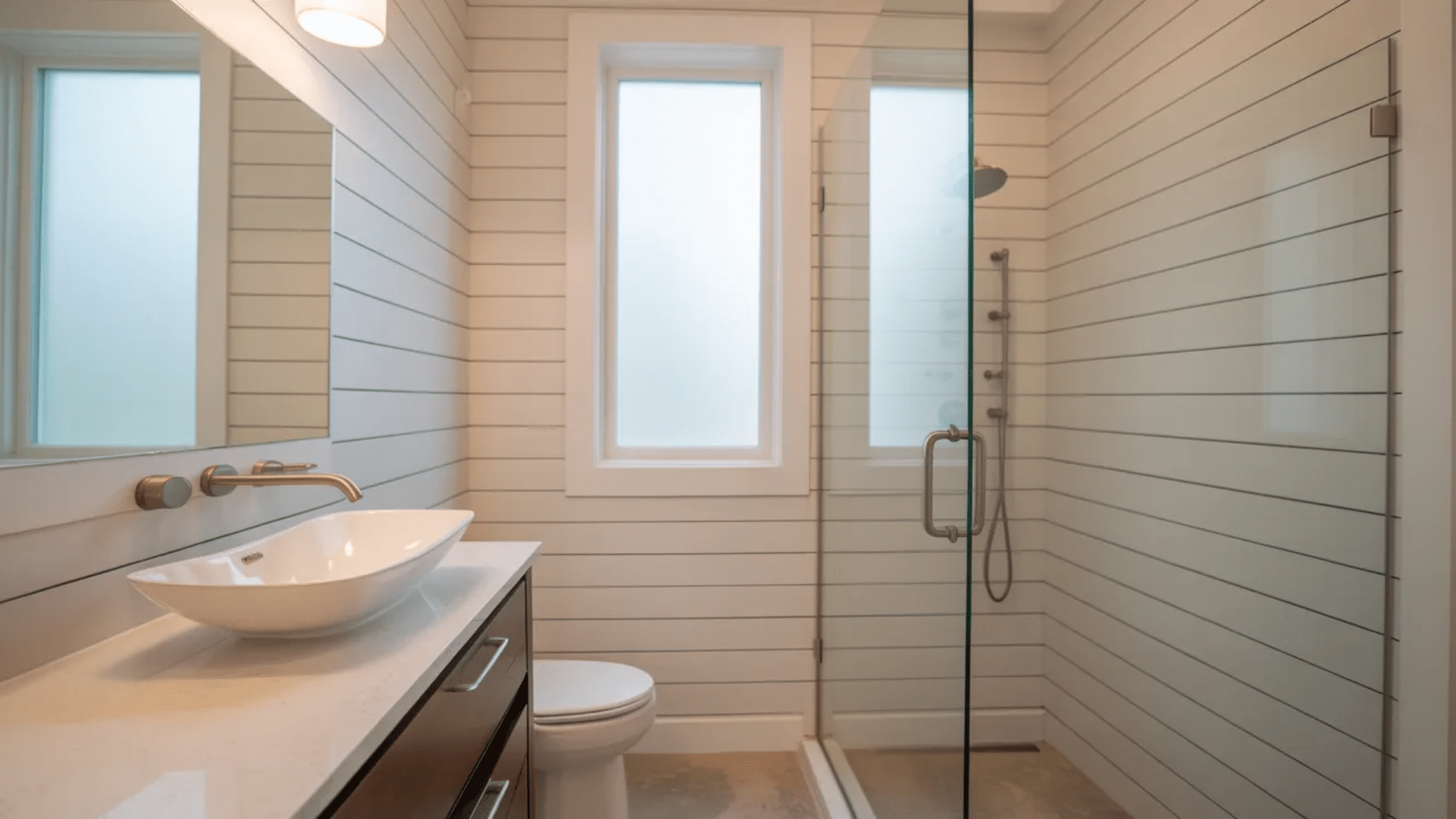
Material selection is everything here. PVC shiplap is the most reliable, eco-friendly, fully waterproof, and zero-maintenance. Sealed cedar is a strong alternative for bathrooms with good ventilation.
Add a moisture-resistant primer, caulk all edges and corners properly, and the bathroom shiplap will last for years without warping.
5. Ceilings
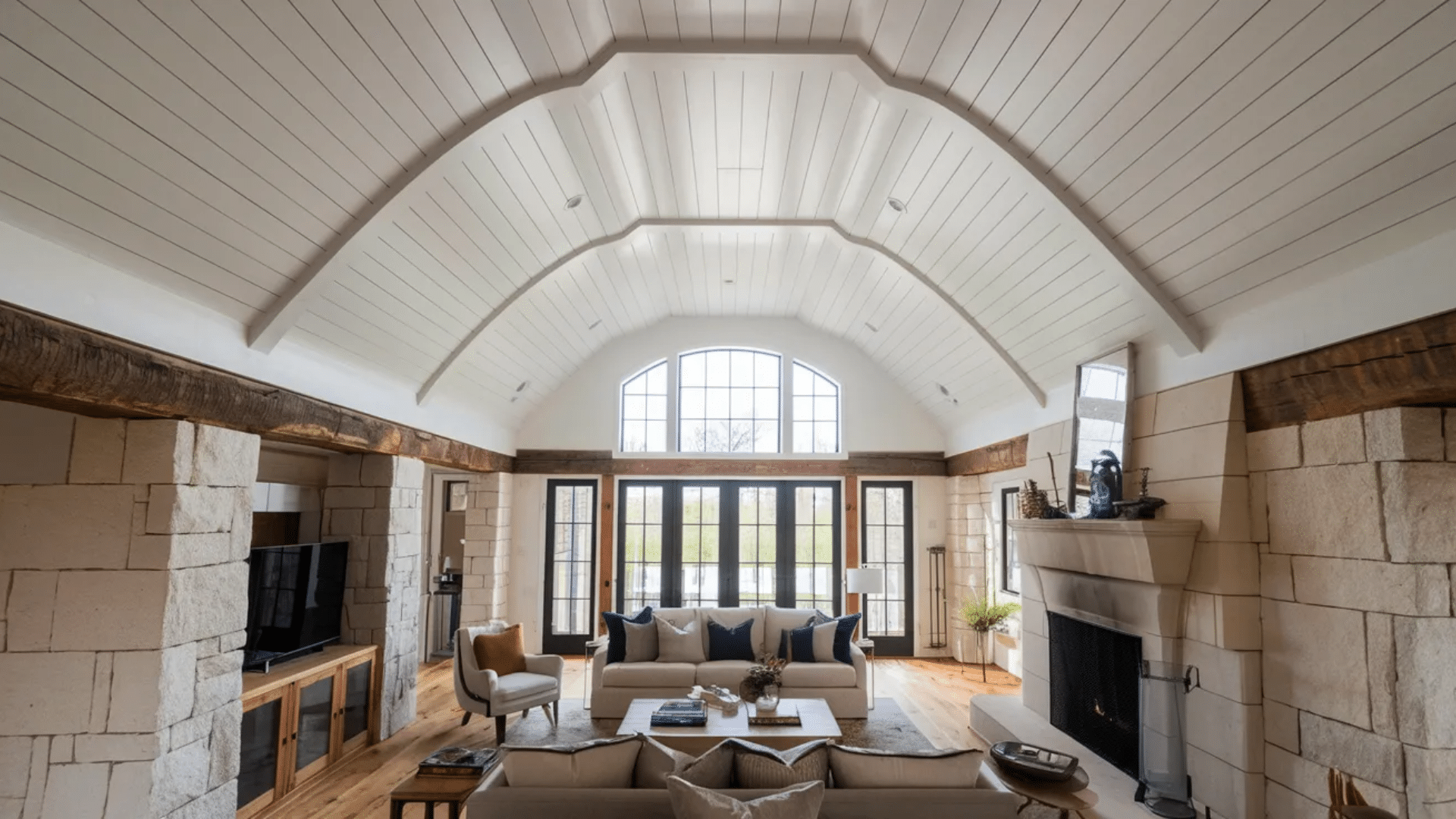
A shiplap ceiling, particularly in white, adds a quiet structural detail that makes a room feel open and airy.
It works beautifully in living rooms, sunrooms, and covered porches where the ceiling becomes part of the design rather than just a flat surface overhead.
6. Outdoor and exterior spaces
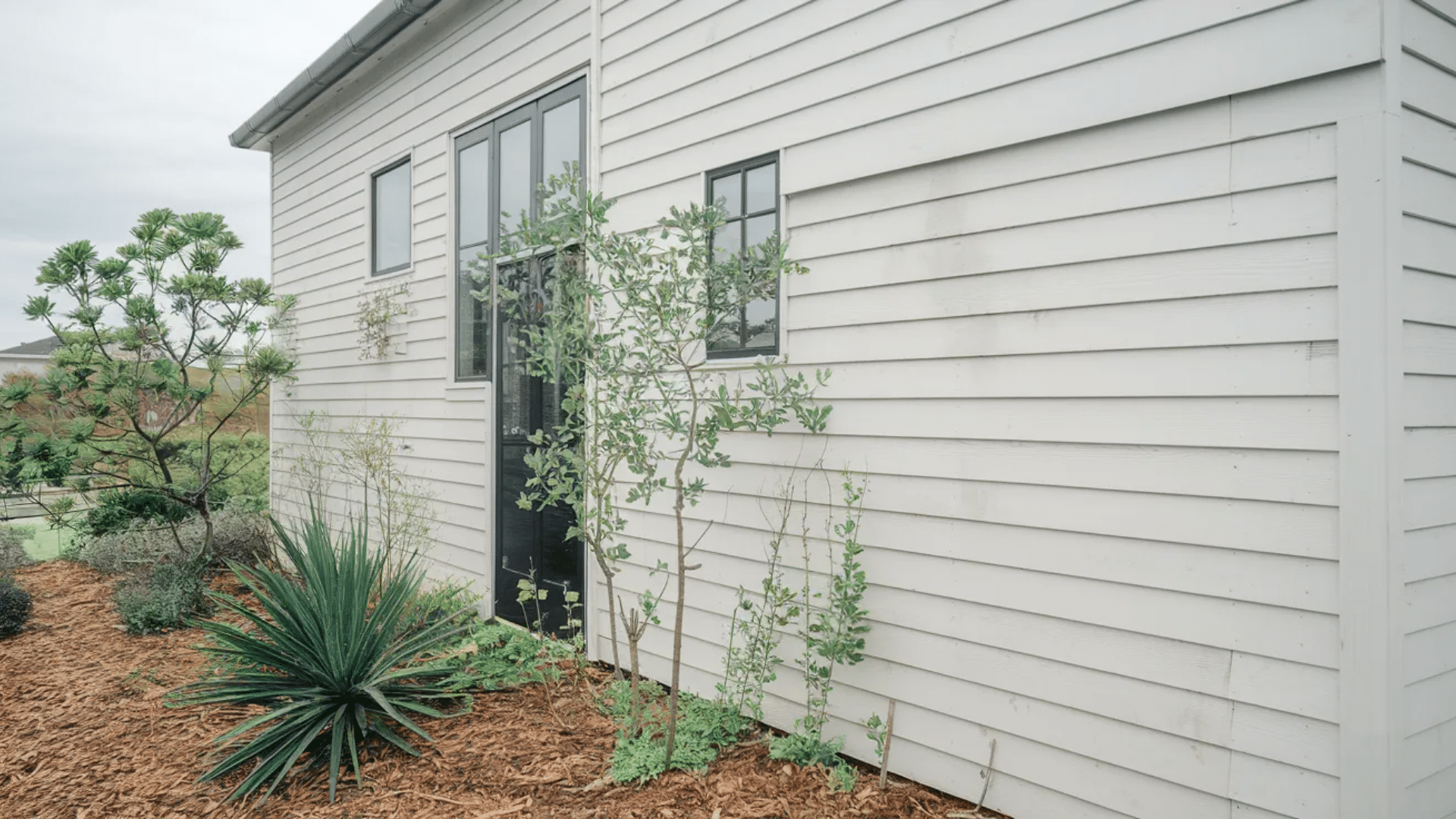
On covered porches and exterior walls, shiplap performs reliably when treated for outdoor conditions. Use pressure-treated lumber or cedar and apply an exterior-grade sealant or paint.
Repainted exterior shiplap can last ten or more years before it needs significant attention.
Shiplap vs. Tongue and Groove: Key Differences
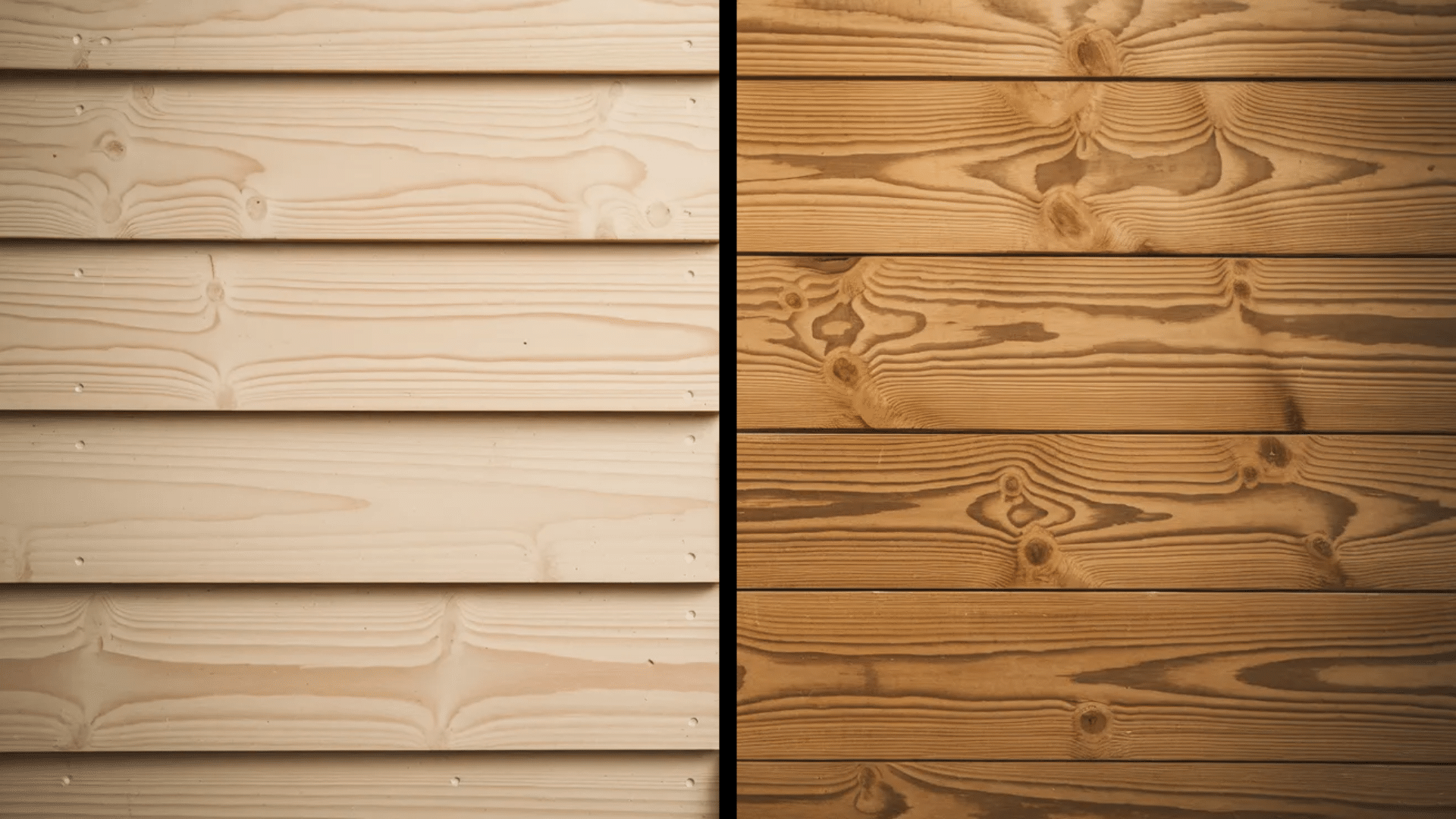
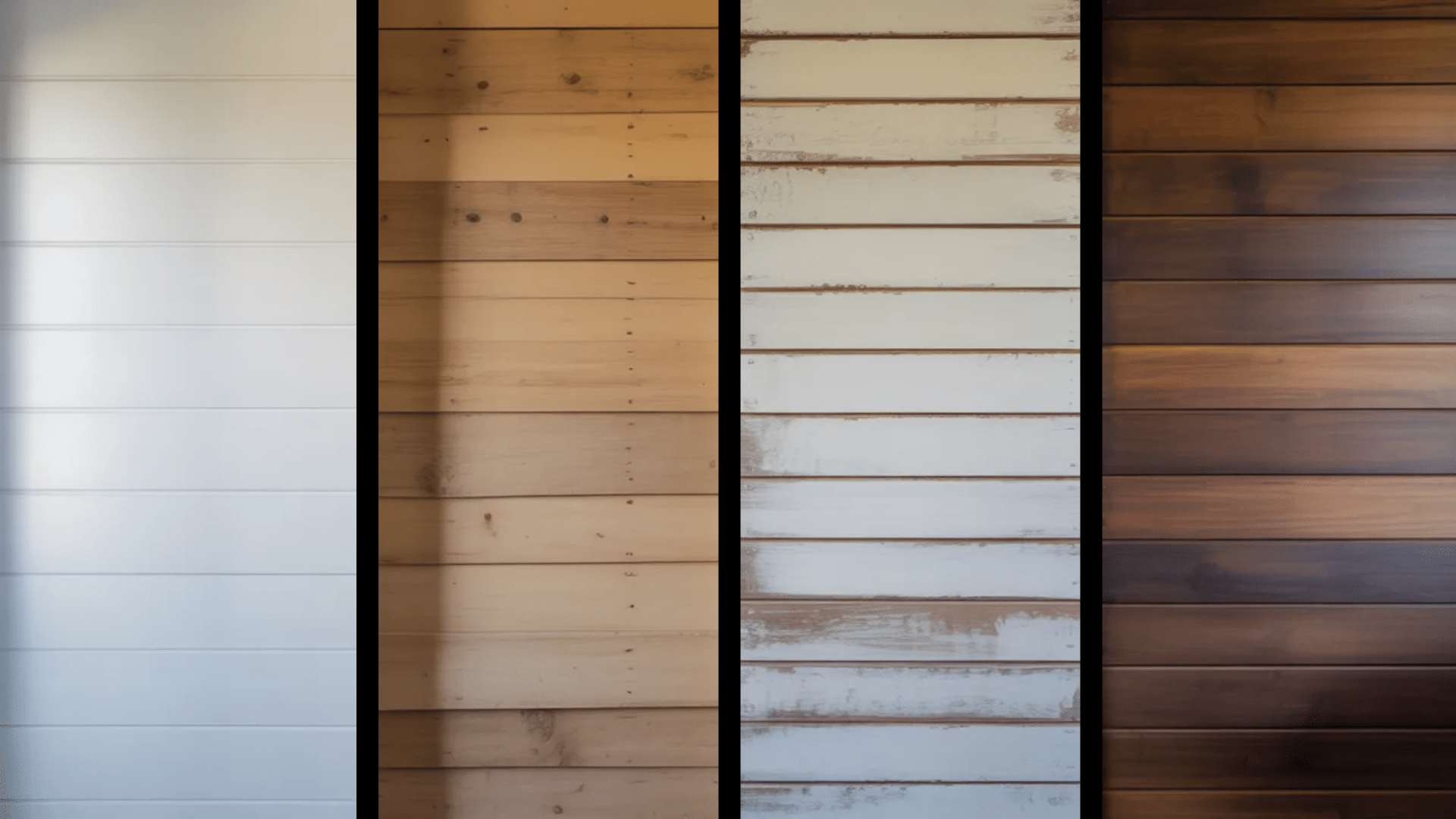
On the left is shown Shiplap, and on the right is Tongue and Groove. These are two options that get mixed up constantly, and understandably so.
Both use interlocking boards; both add texture and warmth. But they’re built differently and deliver very different results.
| Feature | Shiplap | Tongue and Groove |
| Connection method | Rabbet overlap boards overlap slightly at the edges | Tongue fits into groove flush, seamless connection |
| Visible gap | Yes, a shadow gap between each board row | No boards sit flush with no visible seam |
| Visual character | Textured, layered, relaxed | Smooth, refined, formal |
| Best for | Accent walls, ceilings, porches, casual rooms | Flooring, wainscoting, built-ins, formal interiors |
| DIY difficulty | Beginner to intermediate | Intermediate, tighter tolerances are required |
| Cost (materials) | Generally lower | Slightly higher for quality wood |
| Refinishing | Easy sand and repaint | Moderate seams require care |
| Moisture tolerance | Good with proper sealing | Good, tighter joints resist moisture better |
Is Shiplap the Right Choice for Your Space?
Not every wall needs shiplap, but the right room with the right material makes an immediate difference. Here’s how to know if it fits your project:
- You want texture without heavy renovation. Shiplap adds depth and character to a plain wall without tearing anything down or spending a fortune.
- Your style leans toward farmhouse, coastal, or Scandinavian. It slots naturally into these looks, but pairs just as well with modern and industrial interiors when painted in the right finish.
- You plan to DIY Most interior shiplap projects are beginner to intermediate level. If you can use a nail gun and a level, you can install it.
- You want something that lasts. Properly sealed shiplap outlasts wallpaper, resists everyday scuffs better than drywall, and can be refinished rather than replaced.
- The room has manageable moisture levels. For dry rooms, any material works. For kitchens and bathrooms, stick to PVC or sealed cedar.
- You’re thinking about resale. Shiplap feature walls and ceilings consistently appeal to buyers, particularly in lifestyle-driven markets.
Conclusion
There’s a reason shiplap keeps appearing in renovation projects year after year: it earns its place.
It adds real visual weight to a room, holds up well over time, and gives homeowners genuine flexibility in how they use and finish it.
A single accent wall or a full-room treatment, the results tend to speak for themselves either way.

Holding a Master’s in Construction Management from Purdue University, William Ray has dedicated more than two decades to studying and applying construction principles. His professional journey includes a tenure with a prominent construction firm, where he specialized in project management and building technologies. William brought his knowledge to our team, providing in-depth insights into practical construction techniques. As the leader of our beginner’s guide to building since 2019, he has a knack for breaking down intricate processes into easily digestible content. When not involved in writing or onsite consultations, William enjoys woodworking and volunteering in community building projects, which aligns with his passion for hands-on construction and community service.