
A beautiful garden does not have to take over your weekends. Many people avoid gardening because they think it demands constant watering, trimming, weeding, and cleanup. The truth is, a low-maintenance garden starts with smart choices, not endless work. When you plan carefully and use the right tools, you can enjoy fresh flowers, healthy plants, and a tidy outdoor space without feeling exhausted every few days.
Let’s explore some easy tips that make gardening feel less stressful and more manageable.
Start With a Simple Garden Layout
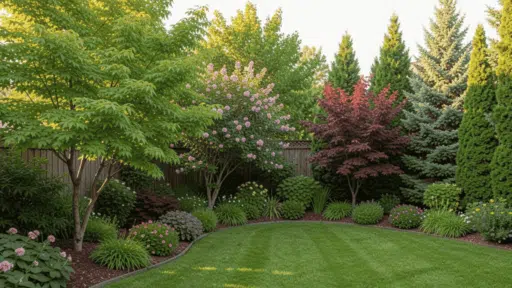
A complicated garden often turns into a tiring one. Curved flower beds, narrow walking paths, and too many plant varieties may look appealing at first, but they usually require constant attention. A cleaner layout is much easier to manage and still looks attractive throughout the year. Keeping plants grouped by their watering and sunlight needs can cut down the amount of daily work. Leaving enough space between plants is another smart move. Crowded gardens trap moisture, invite weeds, and make pruning harder than it needs to be. Open spacing allows air to circulate properly and gives plants room to grow naturally without constant trimming.
When the layout feels organized, regular care becomes quicker and less frustrating.
Save Time With Smart Watering Systems
Watering a garden by hand every day can become exhausting, especially during hot summer weeks. Some areas end up too dry while others receive more water than they need. This uneven routine can leave plants stressed and lawns patchy. A reliable sprinkler system removes much of that hassle. Modern sprinkler systems can run on timers, which means your lawn and garden receive water early in the morning or late in the evening when evaporation is lower. This helps plants stay healthier while reducing unnecessary water waste.
Professional setup is extremely important. Proper lawn sprinkler installation ensures every section of the yard receives balanced coverage. Experts can also adjust the system according to the size of the lawn, plant types, and local weather conditions. A professionally installed system usually lasts longer and requires fewer repairs, which saves money and prevents frustration later.
Choose Plants That Thrive in Your Local Climate
One of the easiest ways to reduce garden maintenance is by choosing plants that naturally grow well in your region. Plants that struggle with the local weather often demand extra watering, fertilizers, shade protection, or frequent trimming just to survive. Native and climate-friendly plants adapt more easily and usually stay healthier with less effort.
For example, drought-resistant plants are a practical choice in warmer areas where rainfall is limited. They can handle dry conditions without looking weak or damaged after a few sunny days. In cooler climates, hardy perennials often return each year with very little attention.
Visiting a local nursery can help narrow down the best options for your yard. Local gardening experts usually know which flowers, shrubs, and ground covers hold up well throughout the seasons. Choosing the right plants from the beginning prevents many common gardening headaches later on.
Use Mulch to Reduce Weeds and Retain Moisture
Mulch does far more than improve the appearance of a garden bed. It creates a protective layer over the soil that blocks weeds from spreading too quickly. Fewer weeds mean less time pulling unwanted growth every weekend.
Mulch also helps the soil hold moisture longer, which reduces how often plants need watering. During hot weather, bare soil dries out quickly and can leave plants struggling for hydration. A layer of mulch keeps the ground cooler and slows down evaporation. Wood chips, bark, pine needles, and shredded leaves are all common choices that work well in many gardens.
Another benefit is cleaner plant beds. Heavy rain can splash dirt onto flowers and nearby walkways, making the area look messy. Mulch keeps soil in place and gives the entire garden a cleaner appearance without much effort.
Grow Perennials Instead of High-Maintenance Annuals
Annual flowers may look colorful and vibrant, but many require replanting every single year. That process takes time, money, and regular upkeep throughout the growing season. Perennials are a more practical option for gardeners who want beauty without constant replanting.
These plants return year after year and usually become stronger as they mature. Once established, many perennials need very little care beyond occasional watering and seasonal trimming.
Mixing a few annuals into the garden for seasonal color is perfectly fine, but relying mostly on perennials creates a yard that feels easier to maintain.
Create a Simple Weekly Maintenance Routine
Gardens stay healthier when small tasks are handled consistently instead of being ignored for weeks at a time. A simple weekly routine keeps everything manageable and prevents minor issues from turning into major cleanup projects.
Spending twenty or thirty minutes checking plants, trimming dead leaves, and removing a few weeds can keep the garden in good shape without taking up an entire afternoon. Regular watering checks also help catch sprinkler problems or dry spots before plants become damaged.
Keeping the routine simple is important. Trying to complete every gardening task in one day often feels draining and difficult to maintain. Breaking care into smaller sessions keeps the garden looking neat while allowing you to enjoy the process instead of rushing through it.
A relaxing garden comes from thoughtful planning and realistic choices. When the yard is designed around convenience and practical upkeep, gardening becomes easier to fit into everyday life. Reliable watering systems, durable plants, organized spaces, and smaller maintenance tasks can create an outdoor area that stays inviting throughout the seasons. Instead of spending every free moment fixing problems, you get more opportunities to enjoy fresh air, healthy plants, and a yard that feels calm and welcoming whenever you step outside.

With a Master’s in Landscape Architecture from the University of Virginia, Sophia Stephenson has dedicated the last 20 years to creating and maintaining vibrant outdoor spaces. Her professional journey started in landscape design, where she gained a reputation for innovative and sustainable approaches. Sophia became a part of our editorial team as a freelancer in 2019, offering a fresh perspective on outdoor living. Since 2020, she has been the chief for our outdoor design content, blending aesthetic appeal with environmental stewardship. In her leisure time, Sophia is a keen photographer, capturing the beauty of natural landscapes, a hobby that complements her professional expertise.