
Low water pressure is one of the most frustrating issues homeowners deal with. Weak shower flow, slow-filling appliances, inconsistent faucet pressure, and difficulty running multiple fixtures at once can all affect daily comfort. In many homes, especially larger properties or houses with aging plumbing infrastructure, the issue is not necessarily the plumbing system itself, but insufficient water pressure distribution.
This is where modern booster pumps have become increasingly important. Today’s systems are quieter, smarter, and far more energy efficient than older models, offering homeowners a practical way to improve water performance throughout the house without major plumbing renovations.
From compact residential units to higher-capacity systems designed for larger properties, the market now includes a wide range of options tailored to different household needs.
Why More Homeowners Are Investing in Booster Pumps
Modern homes place far greater demands on water systems than they did in the past. Multiple bathrooms, rainfall showers, irrigation systems, filtration units, tankless water heaters, and smart appliances all rely on stable pressure to perform properly.
Inconsistent pressure can create more than just inconvenience. It can reduce appliance efficiency, affect heating systems, and place unnecessary strain on plumbing components over time.
As a result, many homeowners are shifting toward integrated pressure management solutions rather than temporary fixes. Booster pumps are now viewed less as specialty plumbing equipment and more as long-term infrastructure upgrades that improve both comfort and system performance.
1. Grundfos SCALA2
One of the most talked-about residential pressure boosting systems in recent years is the grundfos scala2, largely because of how effectively it combines compact design with intelligent pressure management.
Unlike traditional pumps that operate at fixed speeds, this system automatically adjusts performance based on household demand. That means water pressure remains more consistent even when multiple fixtures are being used simultaneously.
Homeowners often notice the difference immediately in showers, upstairs bathrooms, and kitchens where pressure fluctuations are most common. The unit is also recognized for operating quietly compared to many older-generation booster systems, making it suitable for residential environments where noise reduction matters.
Another advantage is its all-in-one construction. The integrated controller, pump, motor, pressure tank, and sensors simplify installation while reducing the amount of external equipment required.
For medium-sized homes seeking balanced pressure, efficiency, and quieter operation, the SCALA2 continues to stand out as one of the strongest residential options currently available.
2. Davey Home Pressure System
Davey has built a strong reputation in residential water management, particularly in regions where variable pressure is common. Their home pressure systems are known for durability and dependable performance in demanding conditions.
Many homeowners appreciate the smooth water flow these pumps provide during simultaneous usage. The systems also tend to perform well in homes using rainwater tanks or supplementary water systems.
While some models can be slightly louder than premium ultra-quiet competitors, Davey pumps are often praised for long-term reliability and strong pressure consistency.
3. DAB E.sybox Mini
The DAB E.sybox Mini has gained popularity because of its compact footprint and modern smart-control features. Designed specifically for residential use, it offers automatic variable-speed operation while minimizing vibration and operational noise.
Its compact design makes it especially attractive for smaller homes, apartments, and properties with limited installation space. The digital interface also allows homeowners to monitor performance more easily than with many conventional systems.
In terms of aesthetics and engineering, it represents a more modern direction in residential plumbing equipment design.
4. Franklin Electric Inline 400
For homeowners seeking a straightforward and reliable pressure boosting solution, the Franklin Electric Inline 400 remains a respected option.
This model is often chosen for moderate residential applications where homeowners want improved pressure without investing in highly advanced smart systems. It performs particularly well in single-story homes or smaller residential properties with moderate water demand.
The Inline 400 is valued for its simplicity, ease of maintenance, and relatively uncomplicated installation process.
5. Pentair Intelliboost System
Pentair’s residential booster systems focus heavily on energy efficiency and consistent performance under varying household demand conditions.
The Intelliboost line uses variable-speed technology to regulate pressure more intelligently than older fixed-speed systems. This helps reduce unnecessary cycling while maintaining more stable output throughout the home.
Homeowners upgrading older pressure systems often notice improvements not only in shower performance, but also in appliance operation and overall plumbing consistency.
Choosing the Right Booster Pump for Your Home
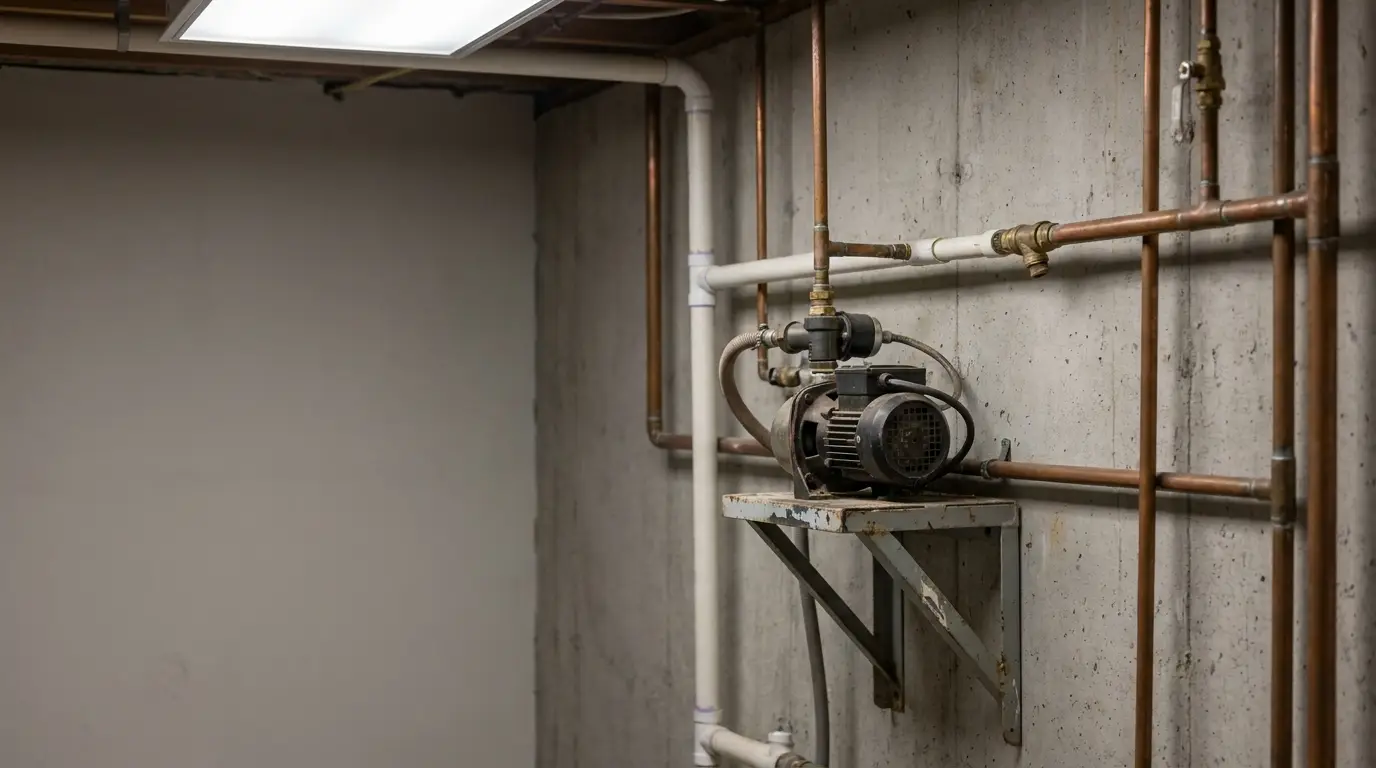
Not every home requires the same type of pressure system. The best choice depends on several factors, including property size, plumbing layout, number of fixtures, elevation differences, and overall water demand.
A compact single-story home may only need a moderate-capacity unit, while larger multi-bathroom properties typically benefit from variable-speed systems capable of maintaining stable pressure during simultaneous use.
Noise level is another increasingly important consideration. Modern homeowners are far less tolerant of loud mechanical systems, especially in homes where pumps may be installed near living spaces or utility rooms connected to the main interior.
Energy efficiency also matters more today than it did a decade ago. Variable-speed systems generally consume less electricity because they adjust output dynamically instead of operating continuously at full power.
Installation Still Matters as Much as the Equipment
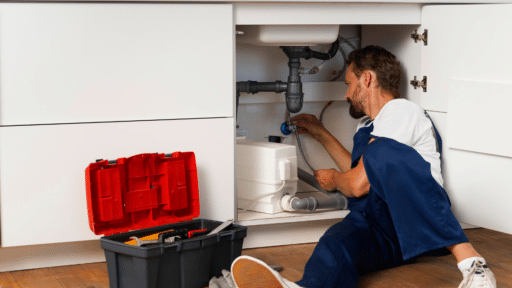
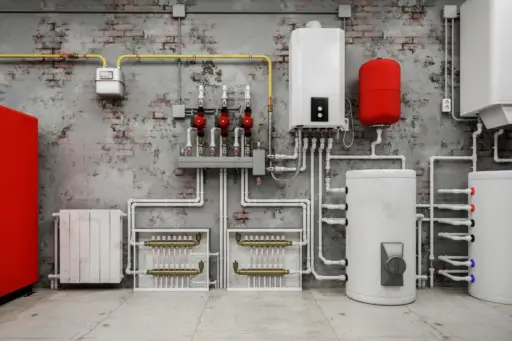
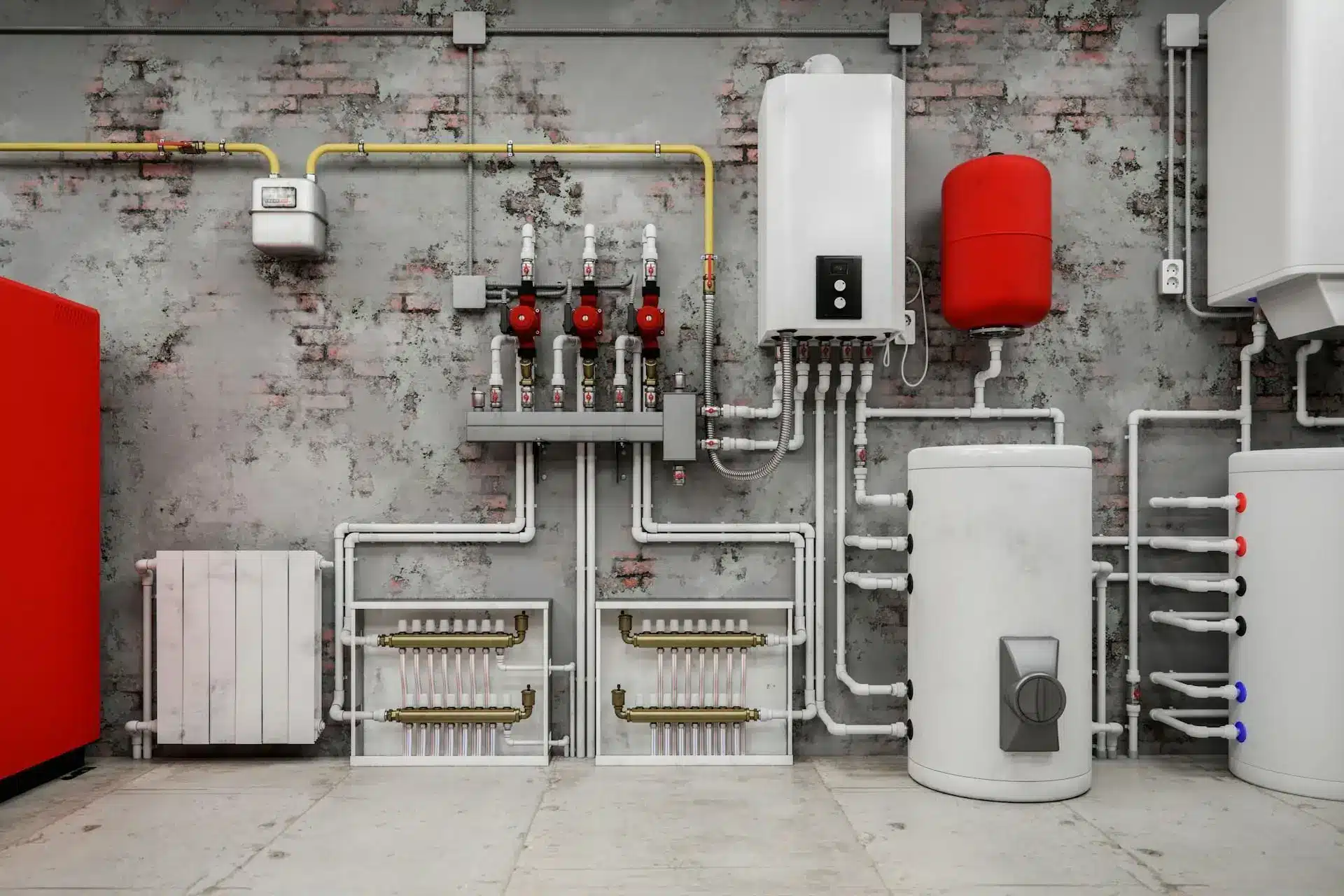
Even the best booster pump can underperform if the surrounding plumbing infrastructure is poorly configured. Pipe sizing, pressure tank setup, valve placement, and overall system design all influence long-term performance. This is why professional installation remains important, especially in older homes where hidden plumbing issues may already exist.
Many homeowners initially assume low pressure is caused solely by municipal supply limitations, when in reality the issue may involve partially blocked pipes, aging regulators, or outdated plumbing layouts that restrict flow throughout the house. A proper assessment helps ensure the booster system actually addresses the root cause instead of simply masking symptoms.
Water Infrastructure Standards and Residential Efficiency
Guidance from the U.S. Environmental Protection Agency continues to emphasize the importance of efficient residential water infrastructure in reducing waste and improving long-term system performance.
According to EPA recommendations surrounding residential water efficiency, poorly balanced plumbing systems can contribute to inconsistent water delivery, increased strain on appliances, and unnecessary energy consumption. Maintaining stable pressure throughout a home is therefore connected not only to convenience, but also to broader efforts involving sustainable residential water management.
The agency also highlights how modern plumbing technologies can improve operational efficiency while helping homeowners better manage household water usage over time. These recommendations align with the growing interest in smarter residential infrastructure upgrades that prioritize both comfort and long-term efficiency.
The Growing Shift Toward Smarter Residential Plumbing
Residential plumbing is becoming increasingly technology-driven. Smart leak detection, automated pressure balancing, integrated filtration systems, and variable-speed pump technologies are gradually reshaping how homeowners think about water infrastructure.
Booster pumps are now part of that broader shift. Rather than functioning as niche mechanical upgrades, they are becoming integrated comfort systems that improve daily living while supporting more efficient household operation.
As homes continue evolving toward smarter infrastructure, stable water pressure is no longer viewed as a luxury feature. For many homeowners, it has become a core expectation of modern residential comfort.

Holding a Master’s in Architecture from the University of Texas at Austin, Emily Rodriguez has dedicated more than two decades to the art and science of building renovation. Starting her journey in historic preservation, she developed a profound respect for blending old with new in building design. Emily became a vital part of our team in 2019, renowned for her insightful and innovative renovation tips. She has been leading our DIY home improvement series since ever since, where she shares her wealth of knowledge in turning outdated spaces into modern havens. When not engaged in writing or consulting, Emily is a passionate advocate for heritage conservation and enjoys exploring vintage architecture, a hobby that complements her professional expertise.