
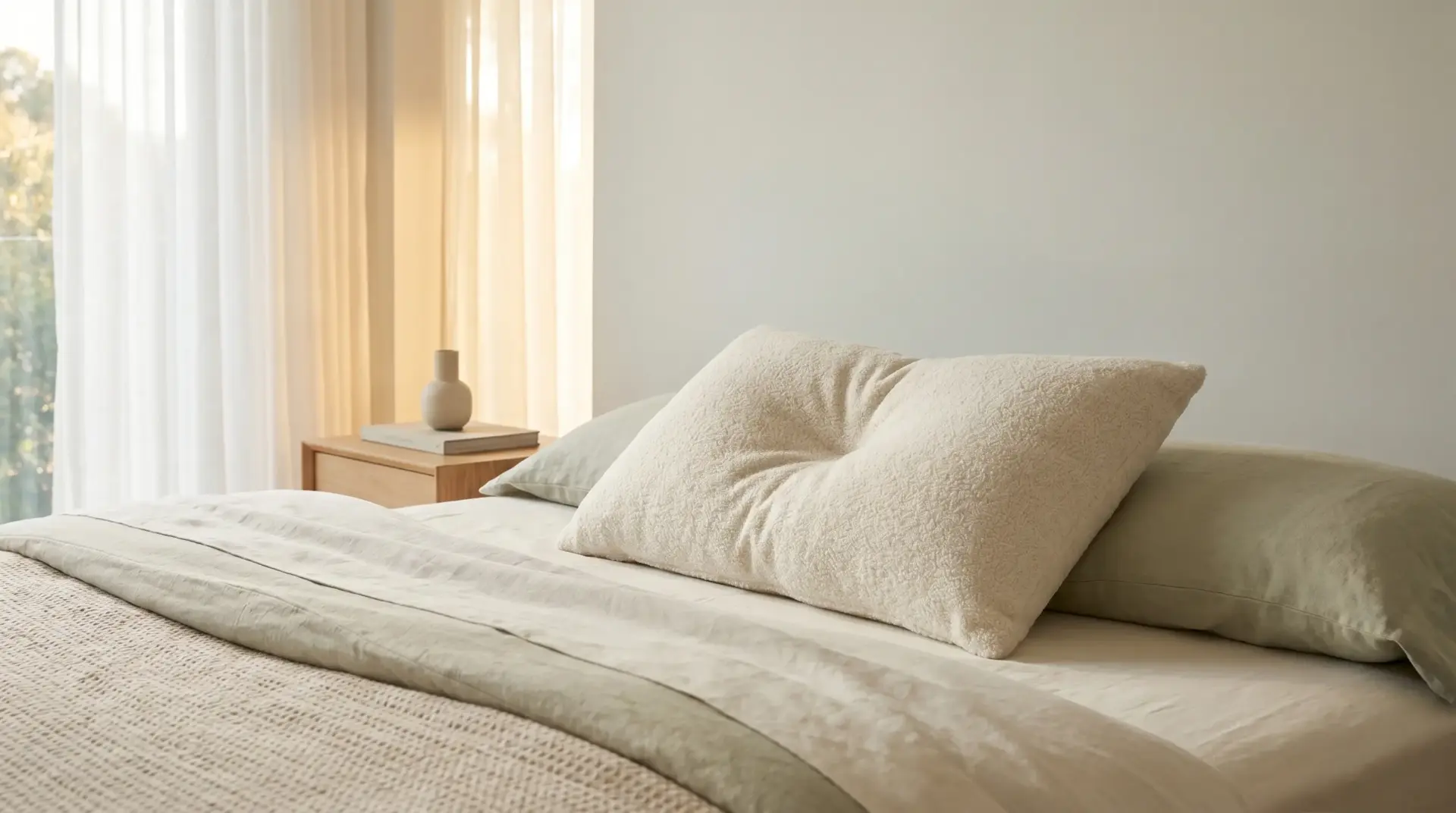
Lifestyle upgrades are often more effective when they focus on daily routines rather than decoration alone. The pieces people use every night influence sleep quality, mood, and even how the room feels during quiet moments like reading, stretching, or winding down after work.
Most people can describe the feeling of bad bedding even if they do not use technical language. It is the sensation of waking up slightly tense, flipping the pillow to find a cooler side, or kicking the comforter away and pulling it back minutes later. Those little disruptions add up.
When choosing a pillow, shape retention matters as much as softness. Good support should cradle the head without forcing the neck into an awkward angle. The loft also needs to feel balanced, giving enough cushioning for comfort while still keeping the spine in a more natural line.
People who switch positions during the night tend to notice pillow quality fastest. If the surface recovers well and the fill stays more evenly distributed, the sleeper spends less time adjusting and more time actually resting. That difference may sound small, but over weeks it becomes very noticeable.
A puff pillow can suit sleepers who like a cushioned, sink-in feel but still need steady support underneath. What matters is whether that comfort remains consistent after repeated use, not just whether the pillow feels lofty for the first few minutes.
It is also easier to appreciate thoughtful bedding when you compare it with the small annoyances of a poor setup. Constant refluffing, overheating, or waking up with soreness are easy to normalize, yet those problems often improve once the top layers of the bed are chosen more carefully.
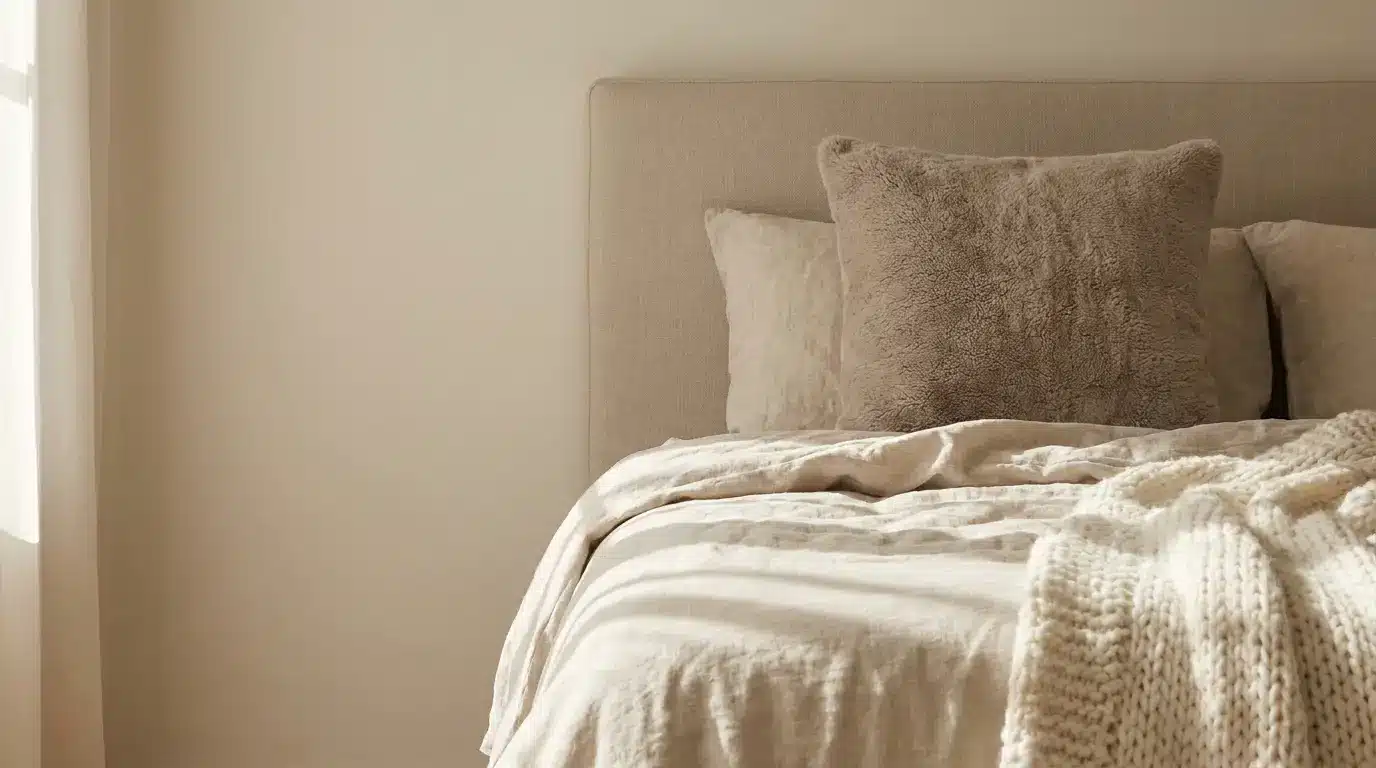
It also helps to think beyond nighttime sleep. A well-designed pillow can improve comfort while reading in bed, winding down with a screen-free routine, or easing into a slower weekend morning. If the fill shifts too easily or the support fades quickly, those everyday moments become less restorative than they should be.
Even a good pillow performs better when the rest of the bed supports airflow and comfort. Soft but breathable sheets, a reasonably cool room, and a mattress that does not force awkward angles all help the pillow do its job more effectively.
That perspective feels especially relevant for readers of wemadethislife.com, where lifestyle and practical home decisions often intersect. People rarely need more noise around sleep products. They need clear signals about what improves comfort, what holds up with regular use, and what actually makes a bedroom feel easier to enjoy across changing routines and seasons.
The most useful bedding recommendations are the ones that respect everyday life. A pillow should feel good on a rushed work night, on a lazy Sunday morning, and during the in-between moments when someone just wants the bedroom to feel quiet and restorative.
The sleep products worth keeping are the ones that solve everyday problems without creating new ones. If a pillow, pillowcase, or comforter helps the bed feel calmer, cooler, softer, or more supportive in a reliable way, that is a meaningful upgrade.
It is easy to dismiss a pillowcase as a minor detail until you spend several nights with one that genuinely improves the sleep surface. A cooler, smoother touch can shorten the time it takes to settle in and reduce the urge to keep flipping the pillow around. That may not sound dramatic, but steady comfort changes routines in lasting ways. It helps the bed feel more dependable, which is exactly what most people want from a practical sleep upgrade.
What matters most is that comfort stays reliable over time. The goal is not a dramatic first impression that fades after a few nights. It is a sleep setup that feels easy to return to, supports the body in a steady way, and reduces the little irritations that break rest. When bedding delivers that kind of consistency, the benefits tend to show up both at bedtime and the next morning.

Journalist Chloe Rivera studied at the University of Missouri and has covered mindful, stylish living since 2013. She joined us in 2025 to curate realistic routines, budget-friendly décor, and community stories that help readers craft balance without perfection pressure. When offline, Chloe volunteers at urban farms, photographs street style, and hosts weekend swap parties for preloved clothes and books in her neighborhood.