
I’ve been growing plants for nearly a decade in containers on narrow city patios, raised beds in community plots, and full backyard landscapes that needed to produce through three seasons.
And in all that time, the question I hear most from newer gardeners isn’t about watering schedules or fertilizer. It’s this: When do I actually transplant the seedlings?
The honest answer I give them is the same one I use myself:watch the plant, not just the calendar.
A date on the seed packet is a starting point. The plant in front of you is the real indicator.
This guide will walk you through the signals I look for, the conditions I wait for, and the mistakes I made early on so you don’t have to.
What is Transplanting Seedlings?
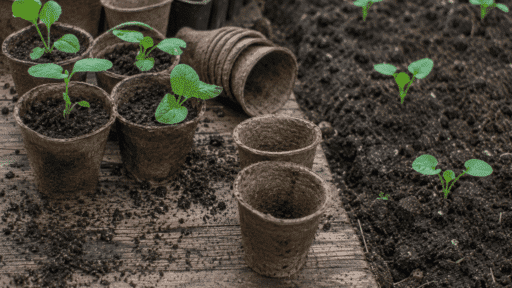
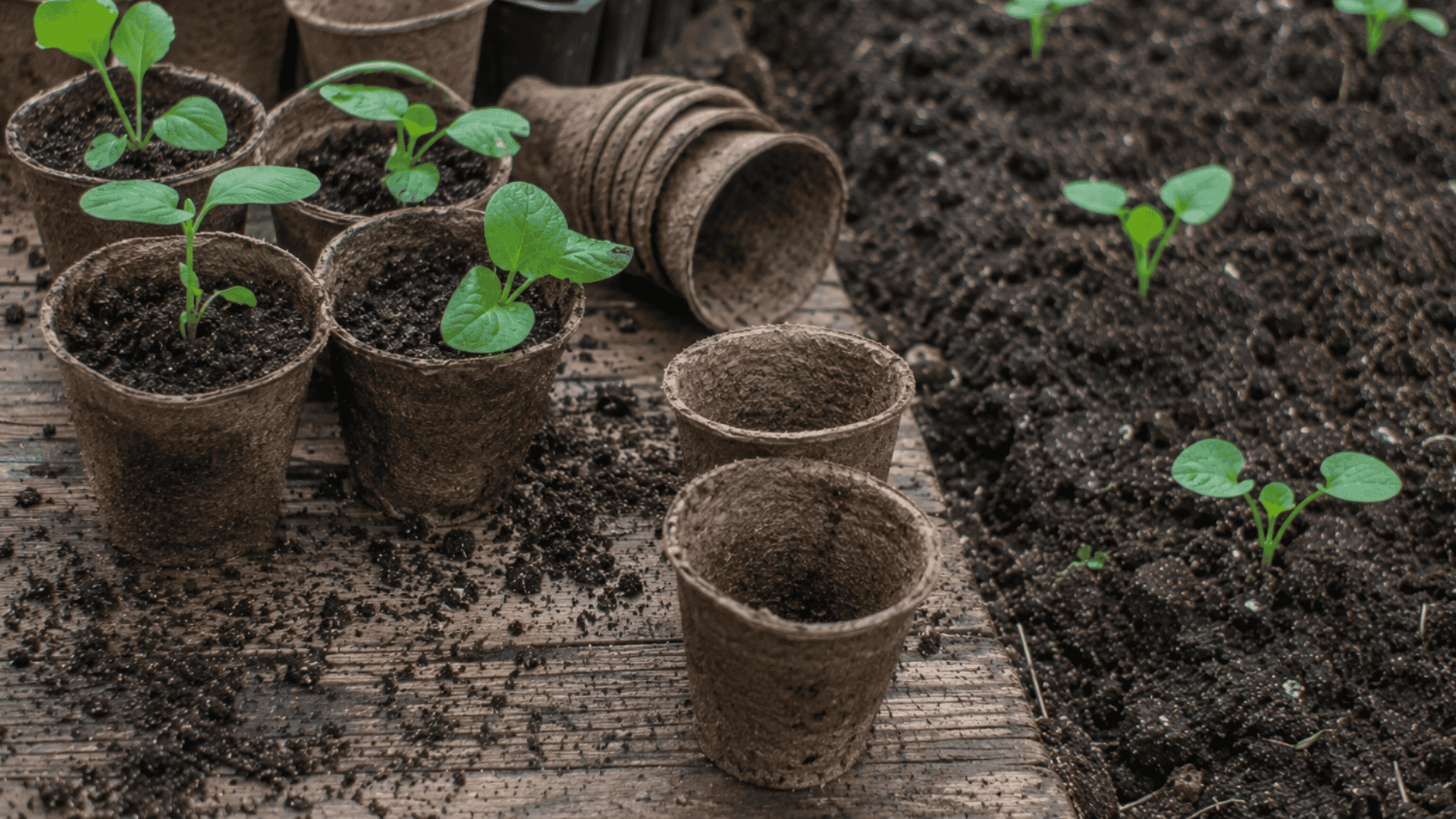
Transplanting seedlings means moving young plants from one place to another. This could be from a seed tray to a bigger pot, from a small pot to a raised bed, or from indoors to the garden.
The goal is simple: give the plant more room to grow. Seedlings start in small spaces because it is easier to manage water, light, and warmth.
But as they grow, their roots need more space. If they stay crowded too long, they may become weak, stretched, or root-bound.
Transplanting helps seedlings build stronger roots and adjust to their final growing spot.
You might also hear the term up-potting. This just means moving a seedling into a larger pot rather than straight into the ground.
It’s a useful intermediate step when a plant has outgrown its starter container, but the outdoor conditions aren’t quite right yet.
When to Transplant Seedlings
The best time to transplant seedlings is when they are strong enough to handle the move. Most seedlings are ready once they have a few true leaves, a firm stem, and roots that hold the soil together.
I like to check the plant first, then think about the weather.
A seedling is usually ready to move when it has 2 to 4 true leaves and looks steady, not weak or stretched. True leaves are the leaves that grow after the first tiny starter leaves.
You should also check the soil and outdoor temperature. Warm-season plants like tomatoes, peppers, and basil need mild weather.
Cool-season plants like lettuce, cabbage, and broccoli can handle cooler days. Do not rush the process. If the seedling is small, floppy, or has only starter leaves, give it more time.
Moving it too early can slow growth and make the plant harder to care for.
Signs Your Seedlings Are Ready to Move
You can look for a few simple signs before transplanting seedlings. These clues help you move plants at the right time instead of guessing.
- The seedling has 2 to 4 true leaves
- The stem looks firm and stands upright
- Roots lightly hold the soil together
- The plant looks green and healthy
- Growth has slowed because the container feels small
- Water dries out faster than before
- The seedling is not crowded by nearby plants
Healthy roots and true leaves are usually the clearest signs a seedling is ready to move.
When Seedlings are Not Ready Yet
Some seedlings need more time before transplanting. Moving them too early can slow growth and stress the plant.
- Only the first starter leaves are showing
- The stem looks thin or weak
- Leaves are pale, yellow, or damaged
- Roots are still very small
- The soil stays soggy for too long
- The plant falls over easily
- Outdoor temperatures are still too cold
I always wait a little longer if a seedling looks weak. A few extra days can make a big difference.
Best Time of Day to Transplant Seedlings
The best time to transplant seedlings is usually early morning or late afternoon. These parts of the day are cooler, and the sun is not as strong.
That gives your plants time to settle in without drying out too fast.
Avoid transplanting during the hottest part of the day. Strong sun and heat can stress young plants, especially right after moving them.
Cloudy days also work well. The softer light helps reduce wilting while the roots adjust to the new soil.
I try to water seedlings before moving them so the roots stay moist during the process. After transplanting, give them another gentle watering to help the soil settle around the roots.
If the weather is very windy or extra hot, waiting until evening is often the safer choice for young plants.
Tools You Need for Transplanting Seedlings
You do not need a lot of fancy tools to transplant seedlings. A few simple supplies can make the job easier and help you avoid damaging young plants.
Here are the basic tools most gardeners use:
- Seed trays or small pots: These hold your seedlings before moving them.
- A hand trowel: Helps you dig small holes and move soil without disturbing roots too much.
- Fresh potting mix or garden soil: Good soil gives seedlings a better start after transplanting.
- Watering can or spray bottle: Gentle watering keeps roots moist without washing soil away.
- Plant labels: Useful if you are growing different plants and want to keep track of them.
- Garden gloves: Helpful for handling soil and protecting your hands.
- Larger pots for up-potting: Needed if your seedlings are not ready for outdoor planting yet.
Clean tools and fresh soil can help lower the chance of plant stress and disease.
I usually keep everything nearby before I start. That way, you can move seedlings quickly and avoid leaving roots exposed for too long.
How to Prepare Seedlings Before Transplanting
Preparing seedlings before transplanting can help them adjust faster and lower the chance of stress after moving. A little planning makes the whole process smoother for both you and the plants.
Start by watering your seedlings a few hours before transplanting. Moist soil holds together better and helps protect the roots while you move the plant.
Next, check the weather. Mild temperatures and calm conditions are usually best. Try to avoid transplanting on very hot, windy, or cold days.
If your seedlings have been growing indoors, hardening them off is an important step. This means slowly getting them used to outdoor sun, wind, and temperature changes over several days.
You can place them outside for a few hours each day, gradually increasing the time. You should also prepare the new planting area in advance.
Loosen the soil, remove weeds, and make sure the holes are ready before taking seedlings out of their containers.
How to Transplant Seedlings Step by Step
Carefully moving seedlings helps them settle into their new growing space with less stress. These simple steps can help you protect roots, avoid damage, and give your plants a better start.
1. Water Seedlings First
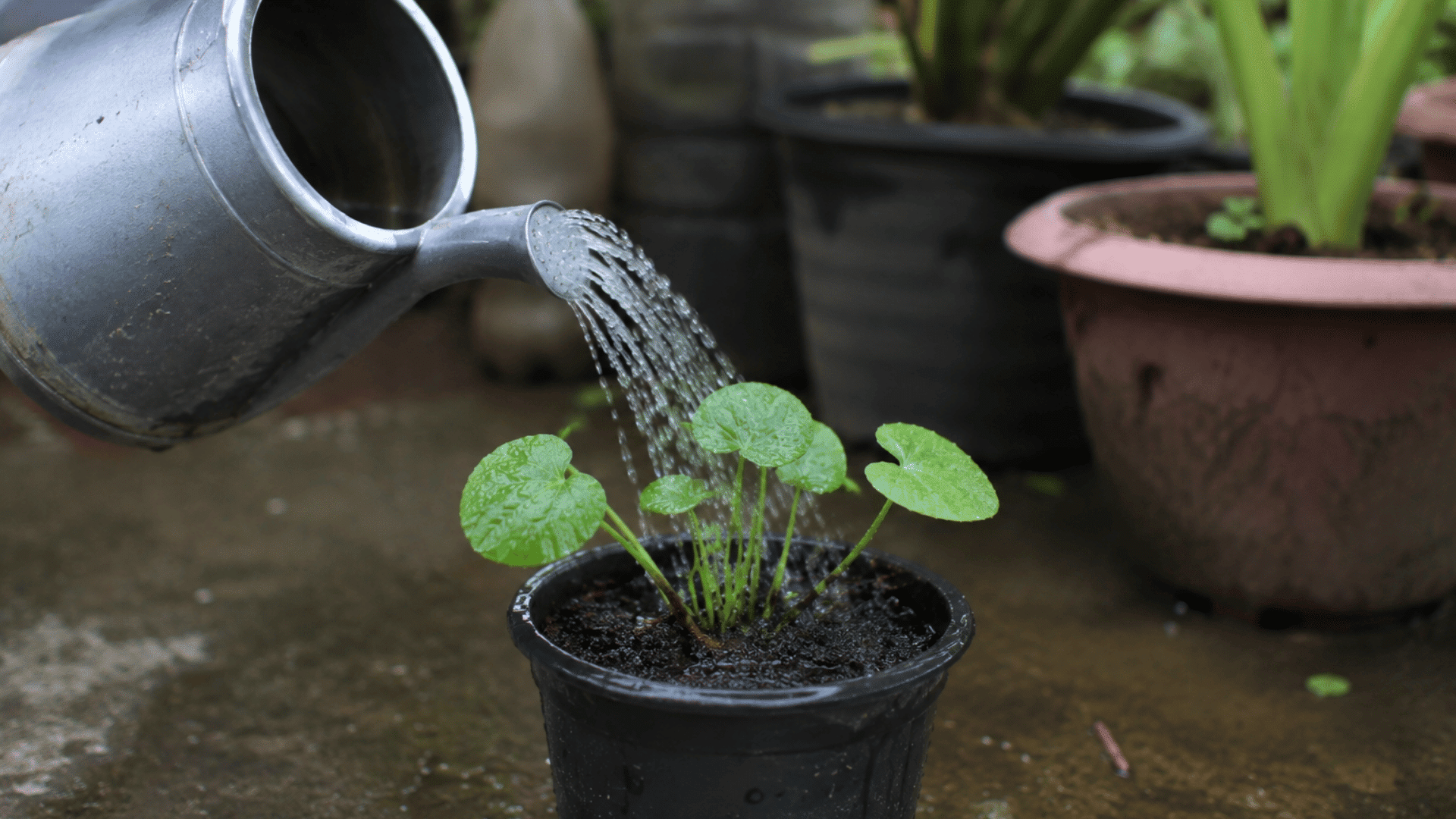
Before transplanting seedlings, water them a few hours ahead of time. Moist soil holds together better around the roots, which makes the plant easier to remove from trays or pots.
Dry soil often falls apart and can damage small roots during the move. You also want the seedling to stay hydrated before facing a new environment.
If the soil feels muddy or soaked, wait a little before transplanting.
Lightly moist soil is easier to work with and helps lower stress on the plant. This small step can make the transplanting process smoother from the start.
2. Prepare the New Spot
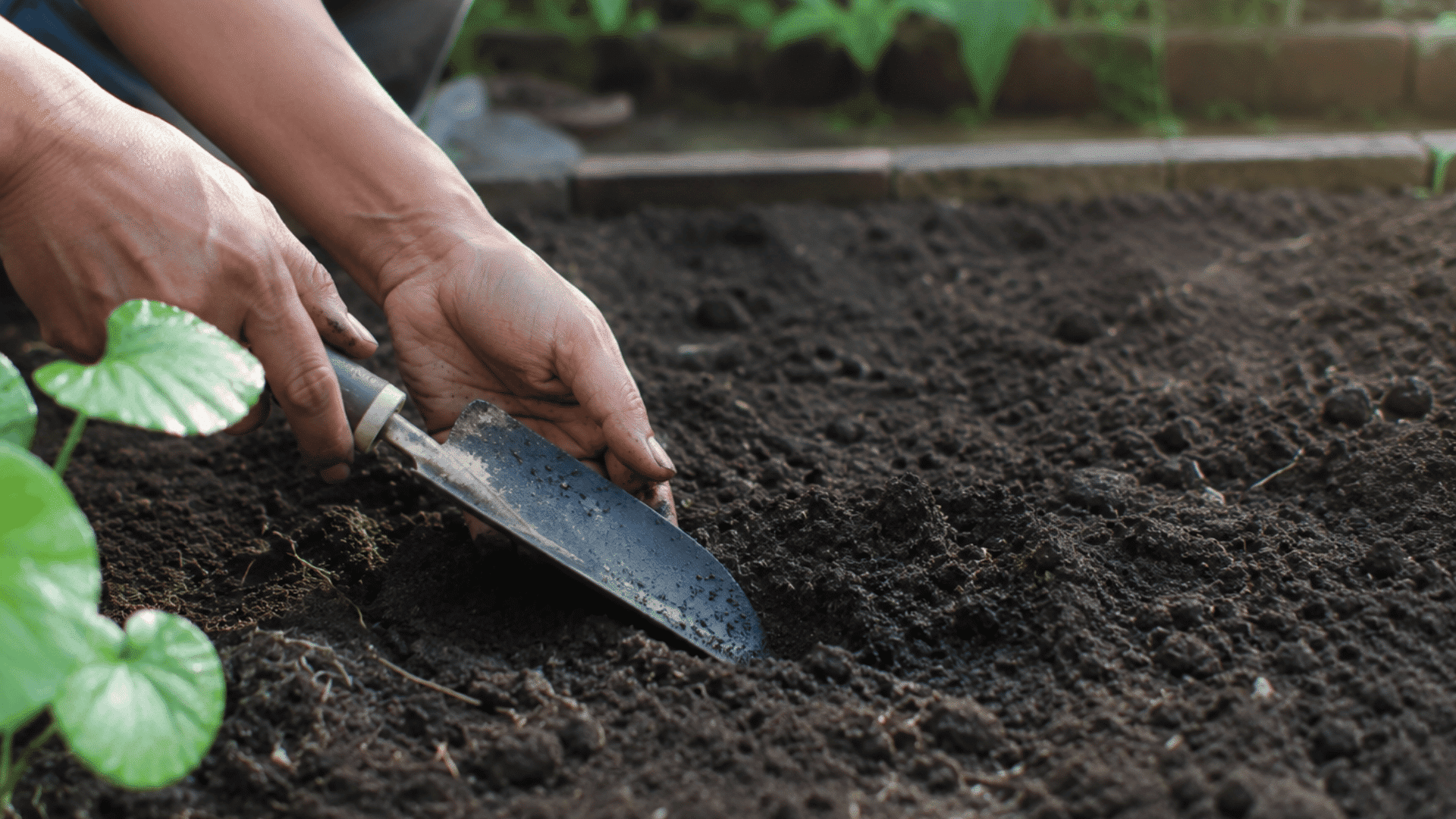
Get the new planting area ready before removing any seedlings from their containers.
Dig holes slightly larger than the root area and loosen the soil so roots can spread more easily.
If you are planting in pots, fill them with fresh potting mix first. You should also remove weeds, rocks, or hard clumps from the area.
Having everything prepared saves time and keeps the roots from sitting out too long.
Seedlings adjust better when they move quickly into their new space. This step also helps you stay organized during planting.
3. Gently Remove the Seedling
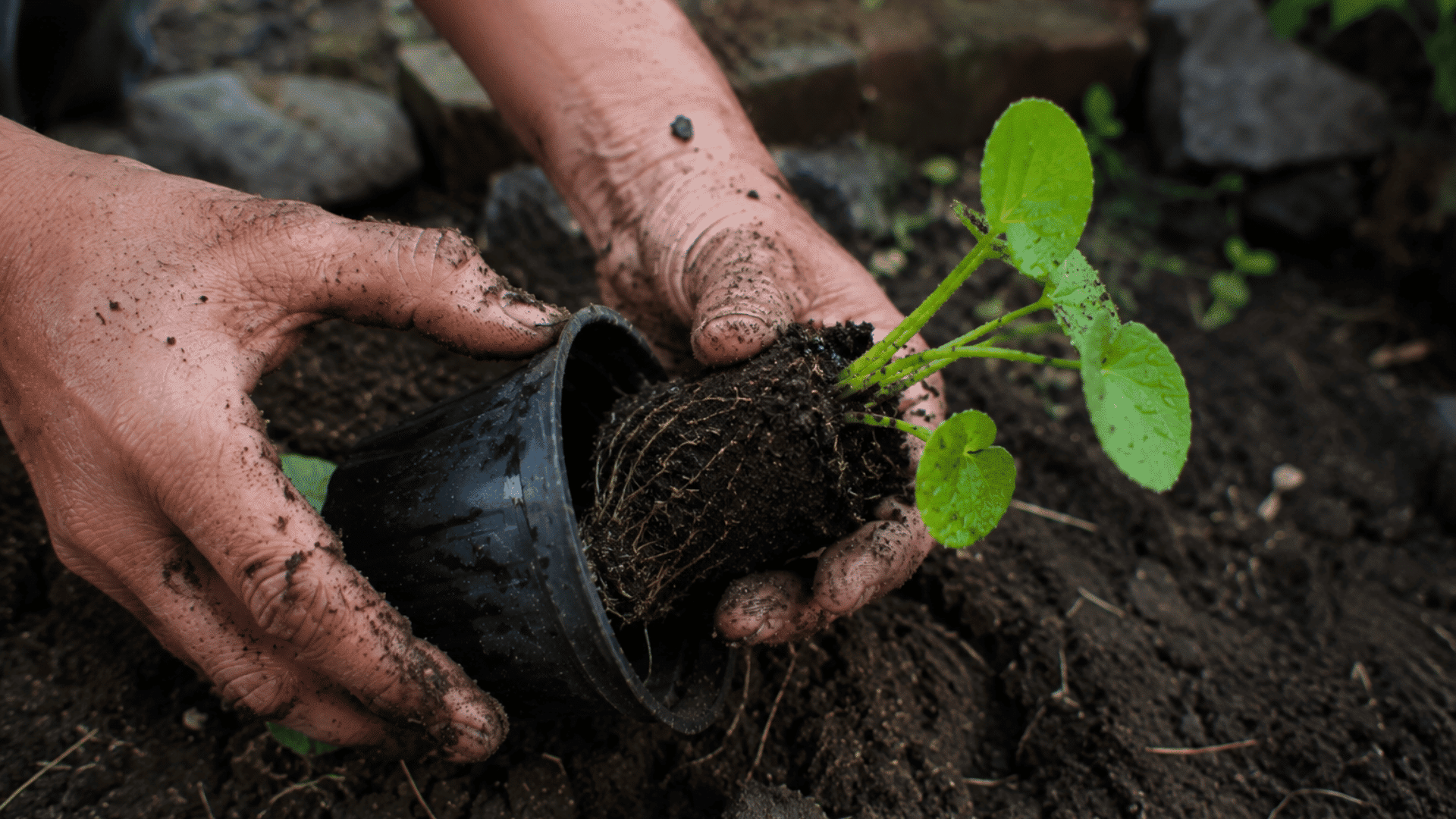
Take your time when removing the seedling from its tray or pot.
You can squeeze soft containers lightly or slide a small tool under the soil to lift the plant carefully.
Avoid pulling the seedling straight up because that can tear roots or damage the stem. If roots are packed tightly, loosen them gently with your fingers.
The goal is to keep as much soil around the roots as possible.
Healthy roots give seedlings a better chance of growing well after transplanting. Careful handling now can help prevent transplant shock later.
4. Hold by the Leaves, Not the Stem
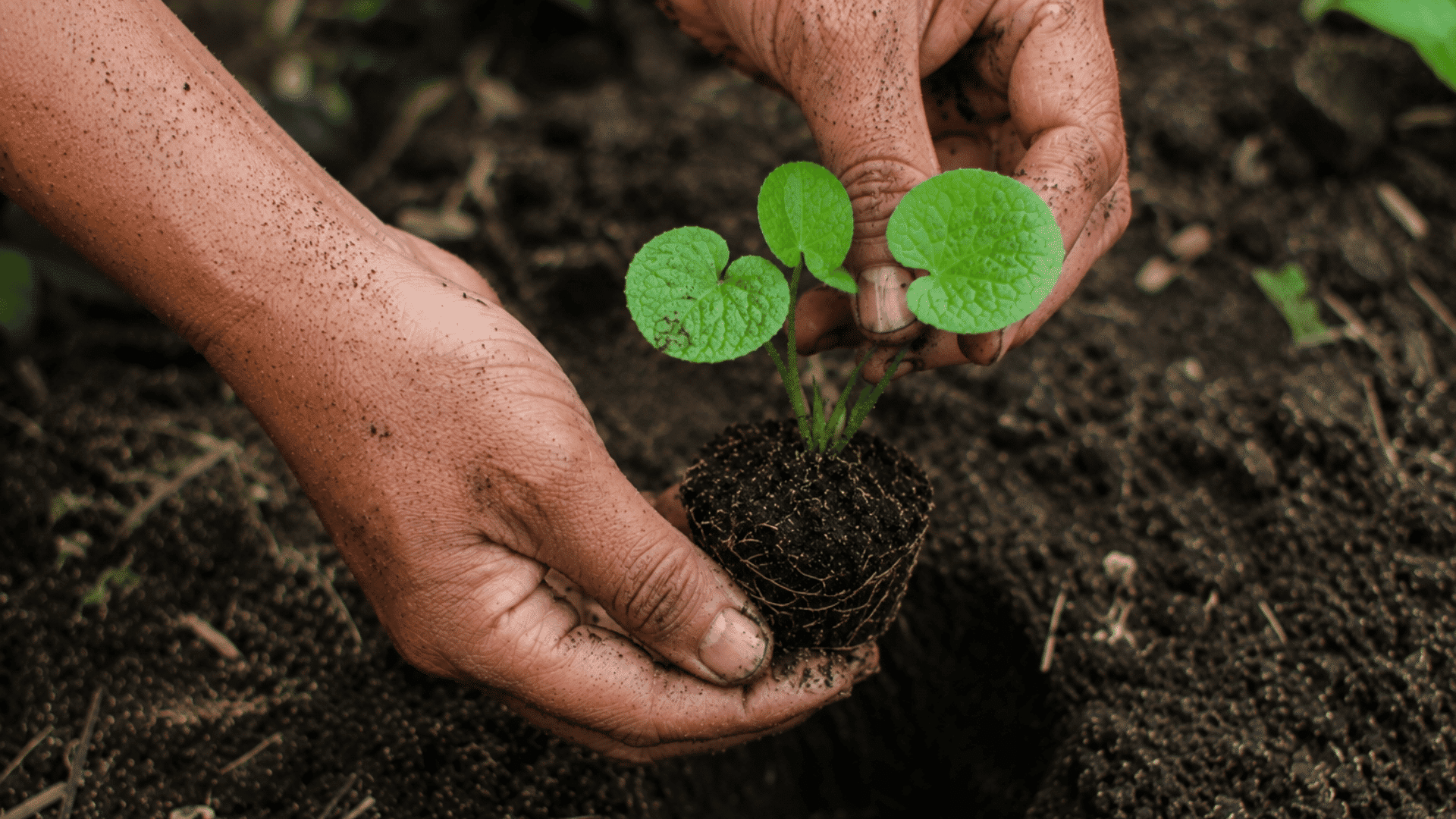
Always handle seedlings by their leaves instead of grabbing the stem.
The stem is fragile and can bend or snap very easily during transplanting. Leaves are less risky to touch because plants can usually recover from minor leaf damage.
If you are moving several seedlings, work slowly and avoid stacking or crowding them together. I always keep one hand under the root area while guiding the plant into place.
A damaged stem is much harder for a young plant to recover from than a damaged leaf. Gentle handling makes a real difference.
5. Place It at the Right Depth
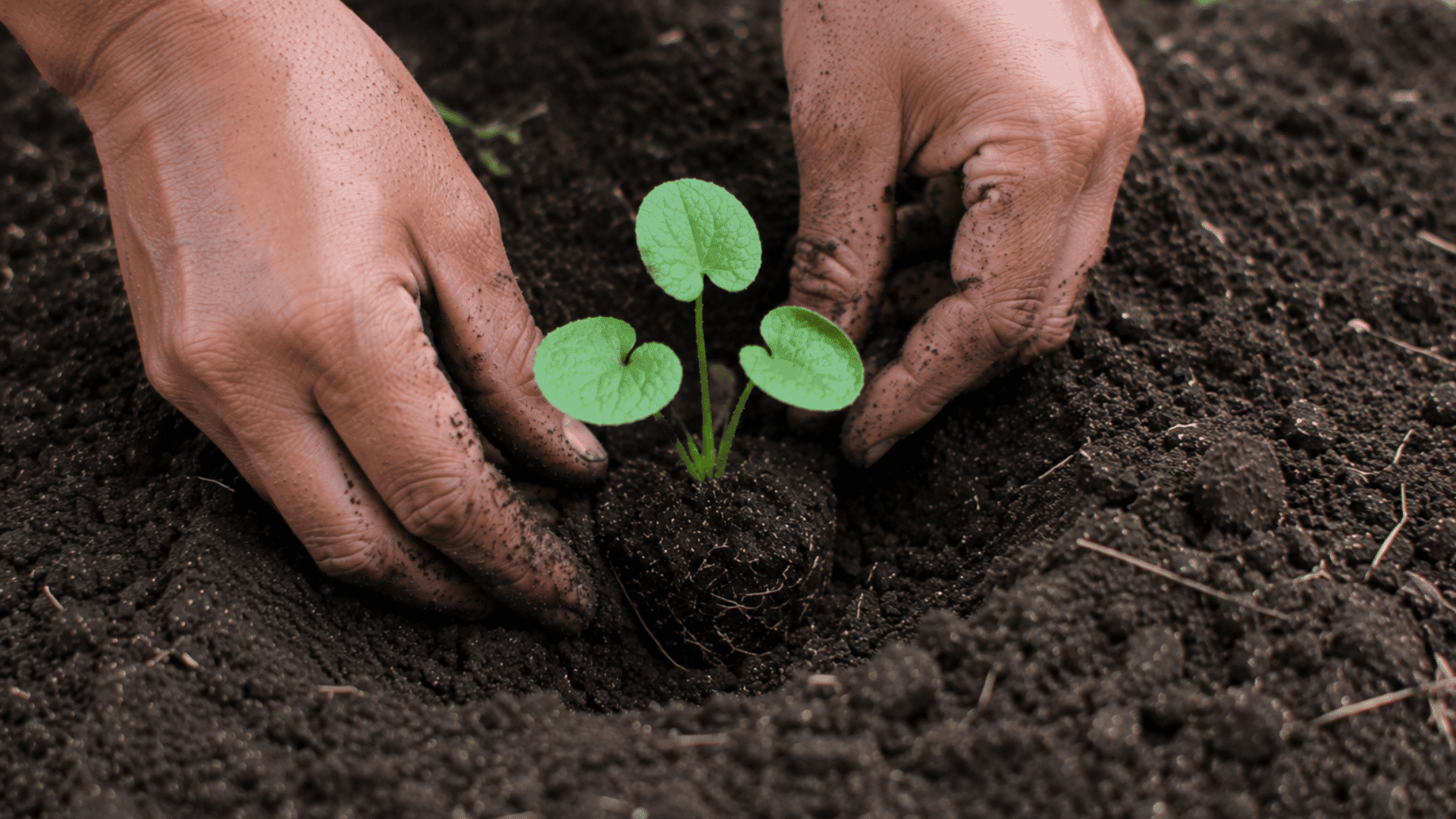
Set the seedling into the hole at the same depth it was growing before, unless the plant type needs deeper planting.
Tomatoes are a common example because part of their stem can grow roots under the soil. Most other seedlings do best when the soil level stays the same.
If planted too deeply, stems may rot. If planted too shallow, roots can dry out faster.
The right planting depth helps seedlings stay stable and grow stronger roots. Check that the plant stands upright before moving to the next step.
6. Firm Soil Lightly
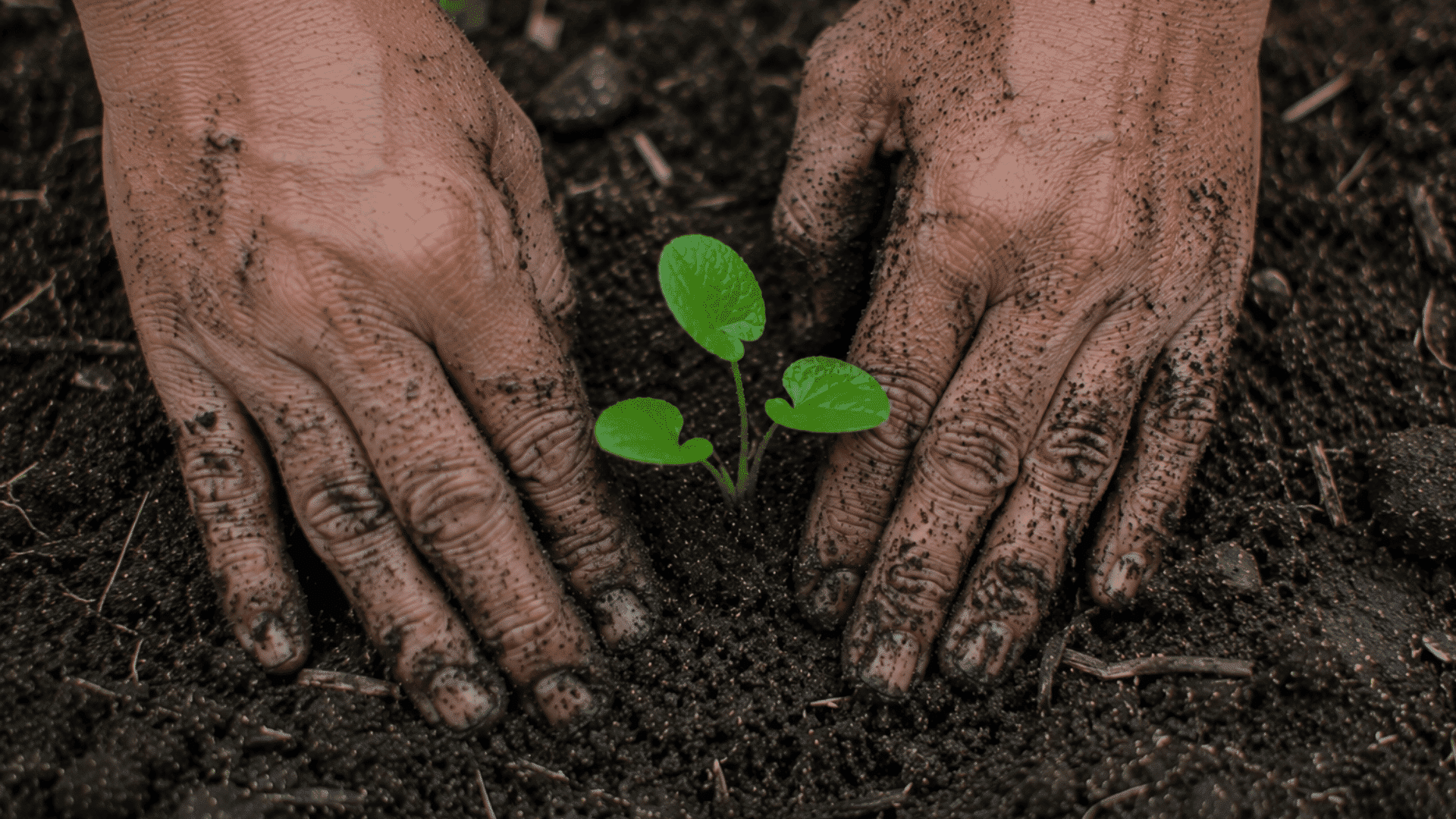
After placing the seedling in the hole, gently press soil around the roots with your fingers. This helps remove large air pockets that can dry out roots after transplanting.
You do not need to press hard because packed soil can limit airflow and make root growth harder. The plant should feel steady but not buried tightly. If the seedling leans, add a little more soil around the base.
Loose but supportive soil helps roots settle in more naturally. This step keeps the seedling stable while it adjusts to its new spot.
7. Water Well After Planting
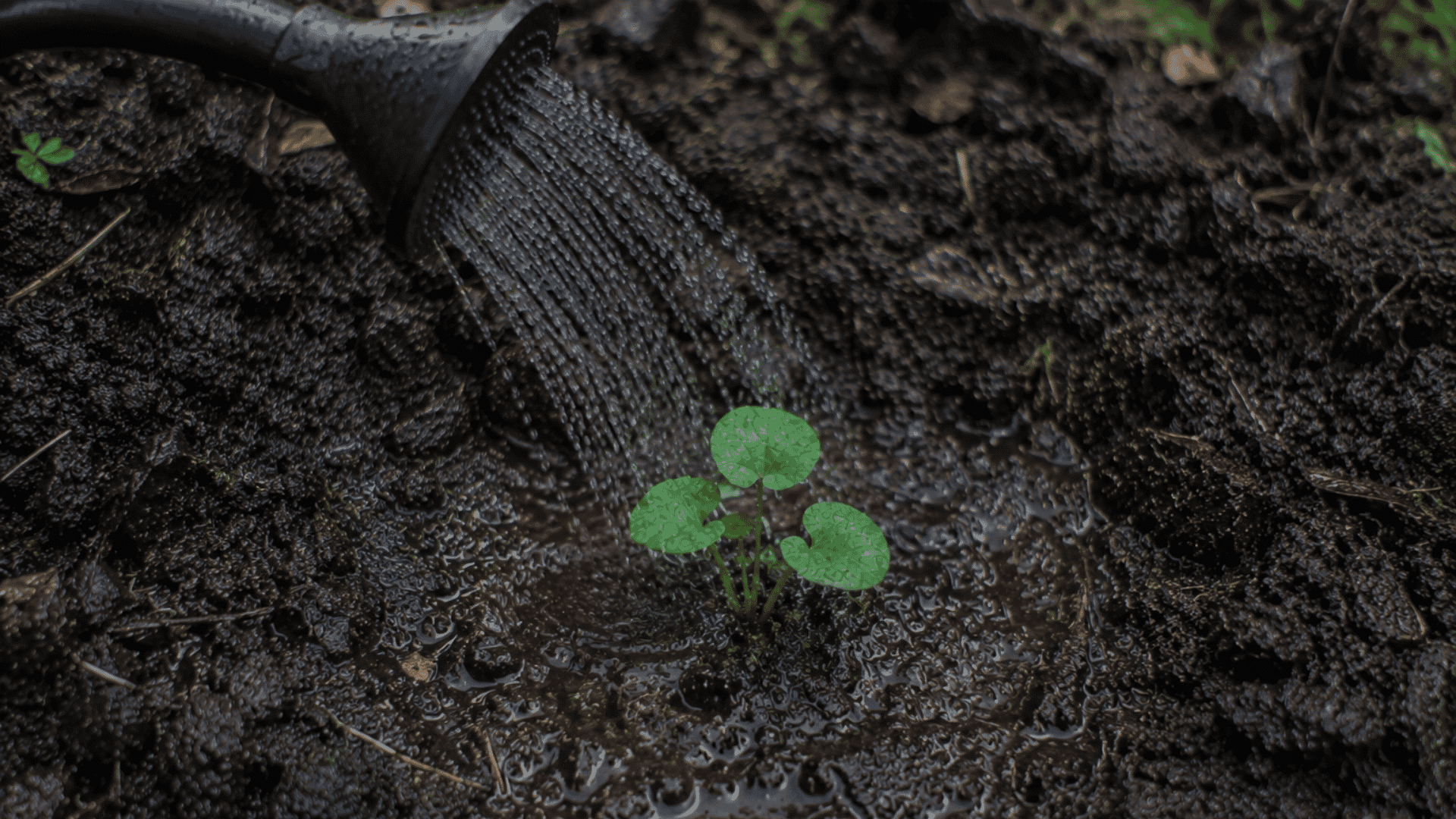
Give the seedling a deep but gentle watering right after transplanting. Water helps settle the soil around the roots and supports the plant during the first few days.
Use a watering can with a soft flow if possible, so the soil does not wash away. Check the soil often during the first week because newly moved seedlings dry out faster than established plants.
Avoid overwatering, though, since soggy soil can cause root problems. Steady moisture helps seedlings recover and begin new growth after transplanting.
How to Prevent Transplant Shock
Transplant shock happens when seedlings struggle after being moved. You may notice drooping leaves, slow growth, or wilting for a few days.
The good news is that you can lower the chance of shock with a few simple steps. Start by hardening off your seedlings before planting them outside.
This helps them gradually adjust to sunlight, wind, and cooler temperatures. You should also water seedlings before and after transplanting to keep the roots moist.
Try to transplant during cooler parts of the day, rather than during the strong afternoon heat.
Gentle handling also matters during transplanting. Keeping the roots covered with soil and avoiding stem damage can help plants settle faster.
After planting, keep the soil evenly moist for the first week. Too much water can stress seedlings just as much as dry soil.
Common Seedling Transplanting Mistakes
Many seedling problems happen because of simple transplanting mistakes. Knowing what causes stress can help you avoid weak growth, drooping leaves, and damaged roots.
| Common Mistake | Solution |
|---|---|
| Moving seedlings too early | Wait until seedlings have 2–4 true leaves, firm stems, and healthy roots before transplanting. |
| Skipping hardening off | Slowly expose seedlings to outdoor conditions over several days before planting outside. |
| Holding seedlings by the stem | Handle seedlings by the leaves to avoid damaging the soft stem. |
| Transplanting during the hot afternoon sun | Move seedlings early in the morning or later in the evening when temperatures are cooler. |
| Overwatering after transplanting | Keep soil evenly moist but not soggy. Check drainage if water sits too long. |
| Letting roots dry out | Prepare the planting area first so seedlings can move quickly into the soil. |
| Planting too deep or too shallow | Keep most seedlings at the same soil depth they had in their original container. |
| Crowding seedlings too close together | Leave enough spacing so plants get proper airflow and room to grow. |
| Pulling seedlings out roughly | Loosen the soil gently before lifting the plant to protect the roots. |
Small changes in how you handle seedlings can make transplanting much easier on the plant.
Seedling Transplanting Tips From Gardeners
Many gardeners learn small tricks over time that make transplanting seedlings easier. These simple tips can help you avoid stress on young plants and improve healthy growth.
- Watch the plant, not just the calendar. Some seedlings grow faster than others, depending on light, temperature, and space.
- Water seedlings before moving them so the soil stays together around the roots.
- Transplant on cloudy days or during cooler hours whenever possible. Young plants usually adjust better without strong heat.
- Keep your planting holes ready before removing seedlings from trays or pots.
- Use labels if you are growing several plant types. It is easy to mix them up later.
- Give seedlings enough spacing after planting so air can move around the leaves.
- I always keep a few extra seedlings when possible, in case some plants struggle after transplanting.
- Check the soil daily during the first week. Newly transplanted seedlings dry out faster than established plants.
- Do not rush hardening off. Slow outdoor exposure helps seedlings handle weather changes more easily.
- If a seedling droops a little after transplanting, give it time. Many plants recover once the roots settle in.
Final Thoughts
Transplanting seedlings becomes easier and more intuitive with each season you do it.
The fundamentals are straightforward: wait for true leaves and a firm stem, harden off before going outside, handle gently, plant at the right depth, and water consistently through the first week.
The most important thing is to pay attention. A seedling that’s ready to move will show you. So will one that needs more time.
If you’ve transplanted seedlings and discovered something that worked particularly well in your garden,
I’d encourage you to share it. Gardening knowledge passes best when growers compare notes across different climates, soil types, and plant varieties.
The collective experience of a gardening community is one of the best resources any of us has.
Frequently Asked Questions
Is October Too Late to Transplant?
October can still work for transplanting cool-season plants in many areas. The weather is often milder, which lowers stress on seedlings. Just make sure plants have enough time before the hard frost arrives.
What Seedlings do Not Transplant Well?
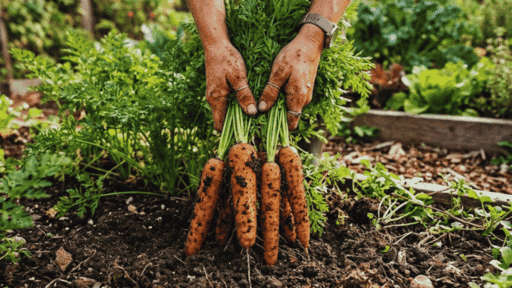
Root crops like carrots, radishes, and turnips usually do not transplant well because their roots are easily disturbed. Corn, beans, and peas can also struggle after transplanting if the roots are damaged during moving.
Do All Seedlings Need to Be Potted Up?
Not all seedlings need potting up. Some can move straight into the garden once they are strong enough. Potting up mainly helps seedlings that outgrow their containers before outdoor planting conditions improve.
What Soil to Use When Potting Tomato Seedlings?
Use a light, well-draining potting mix when potting tomato seedlings. Good potting soil should hold moisture without becoming soggy. Adding compost can also support healthy root growth and stronger young plants.

With a Master’s in Landscape Architecture from the University of Virginia, Sophia Stephenson has dedicated the last 20 years to creating and maintaining vibrant outdoor spaces. Her professional journey started in landscape design, where she gained a reputation for innovative and sustainable approaches. Sophia became a part of our editorial team as a freelancer in 2019, offering a fresh perspective on outdoor living. Since 2020, she has been the chief for our outdoor design content, blending aesthetic appeal with environmental stewardship. In her leisure time, Sophia is a keen photographer, capturing the beauty of natural landscapes, a hobby that complements her professional expertise.