
Rising energy costs and growing environmental awareness have prompted many people to seek smarter ways to improve energy efficiency.
By understanding how energy is used throughout the home, people can make informed improvements that reduce utility bills, increase indoor comfort, and support long-term sustainability.
If you want to lower monthly expenses or create a more energy-efficient living space, a home energy audit is an important first step toward improving your home’s overall performance and energy management.
What is a Home Energy Audit?
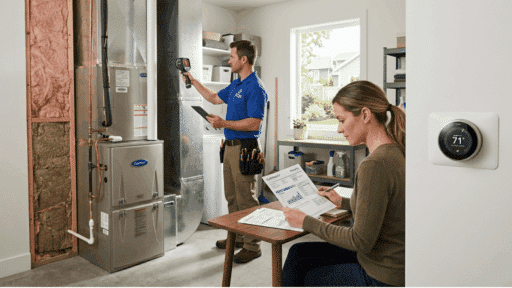
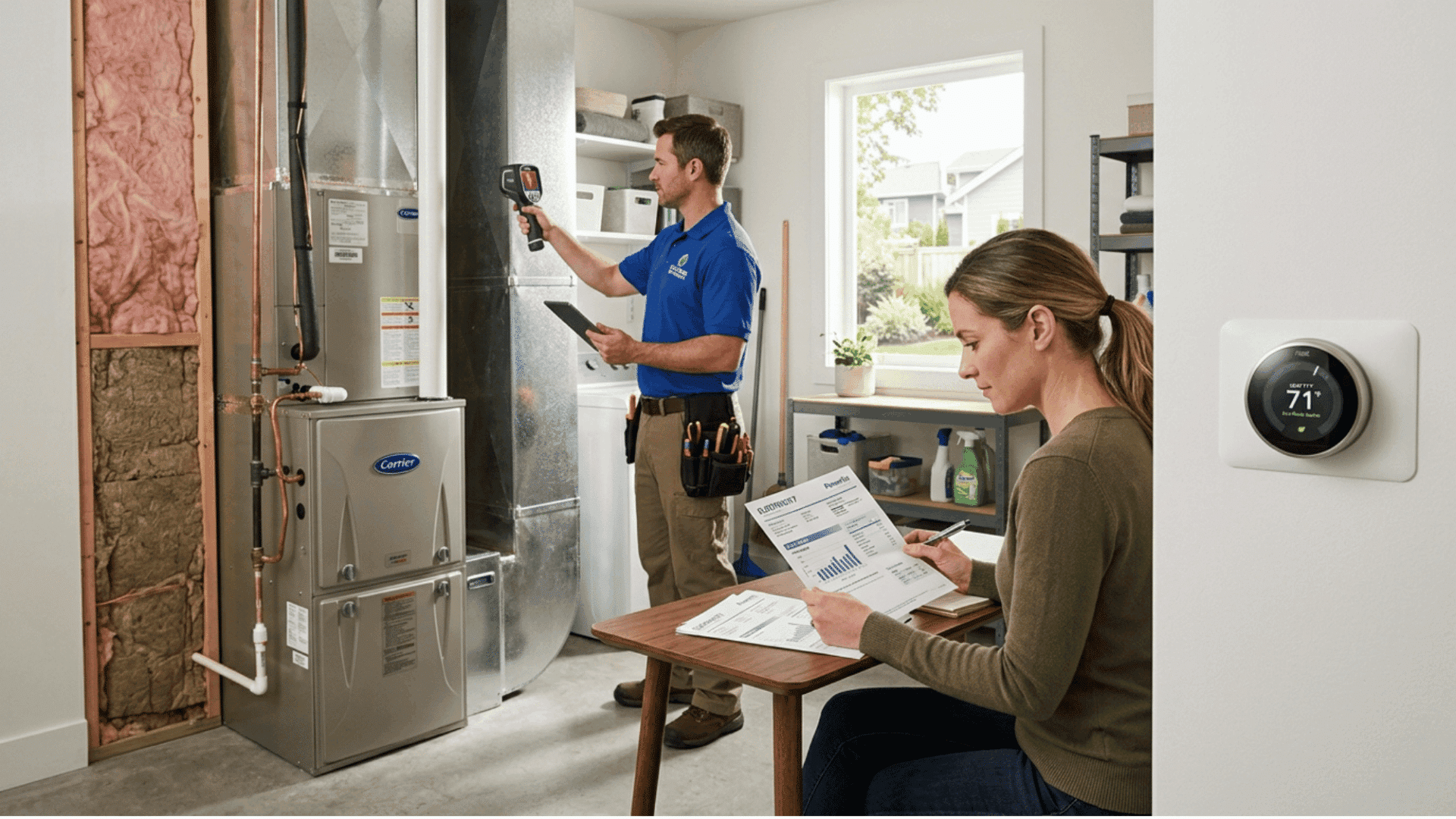
A home energy audit is a comprehensive evaluation that examines how energy is used throughout a house and identifies areas where energy may be wasted.
The process typically includes inspecting insulation, air leaks, HVAC systems, appliances, lighting, and ventilation to improve overall efficiency.
People can perform a basic DIY energy assessment using simple tools and observations, while professional audits use advanced equipment like blower doors and infrared cameras for more accurate results.
These assessments are important because they help reduce utility costs, improve indoor comfort, and support better energy management.
What Does a Home Energy Audit Include?
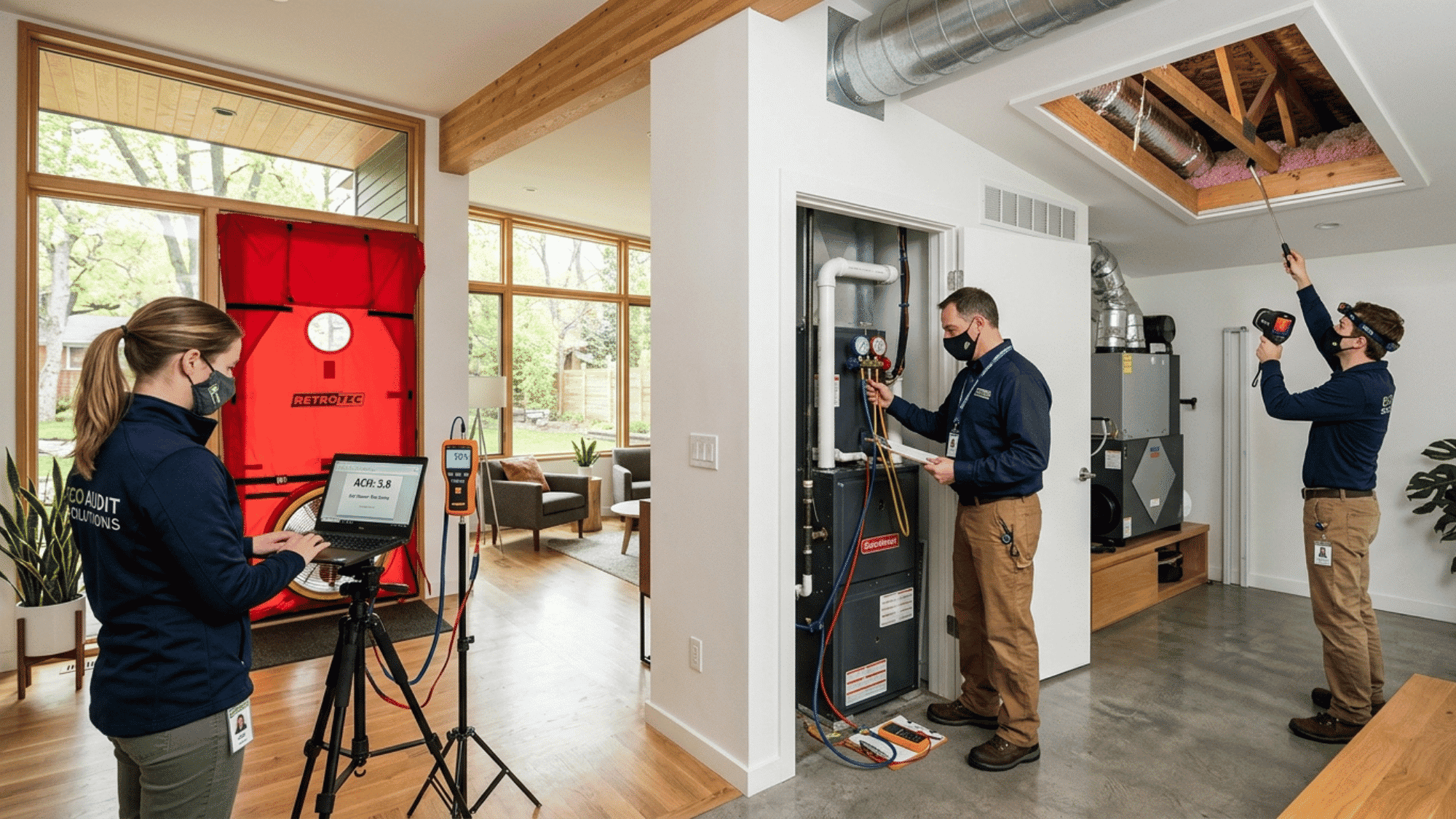
A home energy audit helps identify inefficiencies that increase monthly utility expenses. Improvements such as sealing air leaks, upgrading insulation, and optimizing HVAC systems can help reduce these costs, while reviewing the cheapest suppliers can provide another way for homeowners to manage their ongoing energy expenses.
- Inspection of Insulation and Air Leaks: Identifies gaps, cracks, and poorly insulated areas where air may escape, especially around attics, walls, windows, and doors. Helps reduce heating and cooling energy loss while maintaining stable indoor temperatures.
- HVAC System Evaluation: Checks the efficiency and performance of heating and cooling systems to identify outdated or inefficient equipment. Improves airflow, system performance, and overall energy savings.
- Appliance and Lighting Assessment: Reviews household appliances and lighting systems that may consume excessive electricity. Encourages energy-efficient upgrades, such as LED lighting, to reduce power consumption.
- Window and Door Inspection: Detects air leaks, gaps, and sealing issues around windows and doors that can affect insulation performance and indoor comfort.
- Ventilation and Moisture Check: Evaluates airflow, ventilation, and moisture levels to improve indoor air quality and prevent mold or insulation damage.
How Much Does a Home Energy Audit Cost?
The cost of a home energy audit depends on factors such as home size, inspection type, diagnostic tools, and additional testing services.
While DIY assessments are budget-friendly, professional audits provide more accurate insights and long-term energy-saving recommendations.
| Factor | Impact on Cost | Estimated Cost |
| Home Size | Basic self-assessment using simple tools and manual inspection | $0 – $150 |
| Type of Audit | Comprehensive inspection performed by certified professionals | $200 – $700 |
| Location | Includes blower door tests and thermal imaging inspections | $300 – $1,000+ |
| Diagnostic Tools | Larger homes require more inspection time and analysis | Higher overall cost |
| HVAC Complexity | Complex heating and cooling systems need deeper evaluation | Additional service charges may apply |
| Additional Services | Pricing varies based on region and service availability | Depends on local market rates |
Is a Home Energy Audit Worth the Investment?

A home energy audit may seem like an additional expense initially, but it can provide long-term value by identifying areas where energy is being wasted.
By improving efficiency and reducing unnecessary energy consumption, people can lower utility costs and create a more comfortable living environment.
1. Return on Investment (ROI)
A home energy audit helps identify inefficiencies that increase monthly utility expenses. Improvements such as sealing air leaks, upgrading insulation, and optimizing HVAC systems can gradually offset the initial audit cost.
Over time, the energy savings often exceed the upfront investment, making the audit financially beneficial in the long run.
2. Long-Term Efficiency Improvements
Energy audit recommendations are designed to provide long-term benefits by improving overall home efficiency and reducing unnecessary energy waste.
Upgrades such as better insulation, energy-efficient lighting, and HVAC optimization help lower monthly utility costs while creating a more comfortable indoor environment.
These improvements also reduce the strain on household systems, allowing them to perform more efficiently over time.
In addition to saving energy, many of these upgrades help reduce the need for frequent repairs and ongoing maintenance expenses.
3. Increased Property Value
Energy-efficient homes are often more attractive to potential buyers because they offer lower operating costs and improved comfort.
Modern energy-saving upgrades can uplift the overall condition of the property and contribute to higher resale value in competitive housing markets.
It’s a Wrap
A home energy audit helps people better understand how energy is used throughout their homes and highlights opportunities for improvement.
By identifying inefficiencies and recommending practical upgrades, it supports lower energy costs, improved comfort, and more efficient home performance.
Overall, it is a practical step for anyone looking to create a more energy-efficient, cost-effective, and comfortable living environment while supporting long-term sustainability goals.

Holding a Master’s in Library and Information Science from the University of Illinois, Josh Clarke has dedicated more than 15 years to managing and disseminating information across various platforms. His professional journey includes significant experience as a research librarian, where he developed an expertise in sourcing and providing accurate and comprehensive answers to diverse questions. In 2018, Josh brought his rich experience to our platform, quickly establishing himself as a reliable source for general FAQs. He has been overseeing our information curation since then, combining his research skills with a flair for engaging content delivery. When not involved in information management, Josh enjoys exploring digital photography and participating in local quiz competitions, hobbies that complement his inquisitive nature and love for learning.