
If you live in the Dallas–Fort Worth area, you know what summer really means: triple-digit temperatures, AC running non-stop, and a power bill that makes your stomach drop. A lot of homeowners throw money at this problem by cranking the thermostat lower, never thinking twice about those big sunny windows letting heat pour in all day. The good news? You do not have to choose between saving energy and enjoying a bright, airy home. The right window treatments can do both.
Why DFW Summers Hit Different
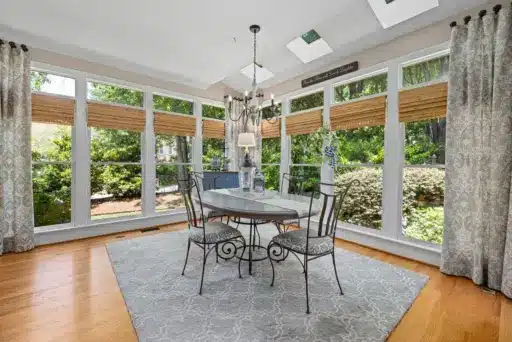
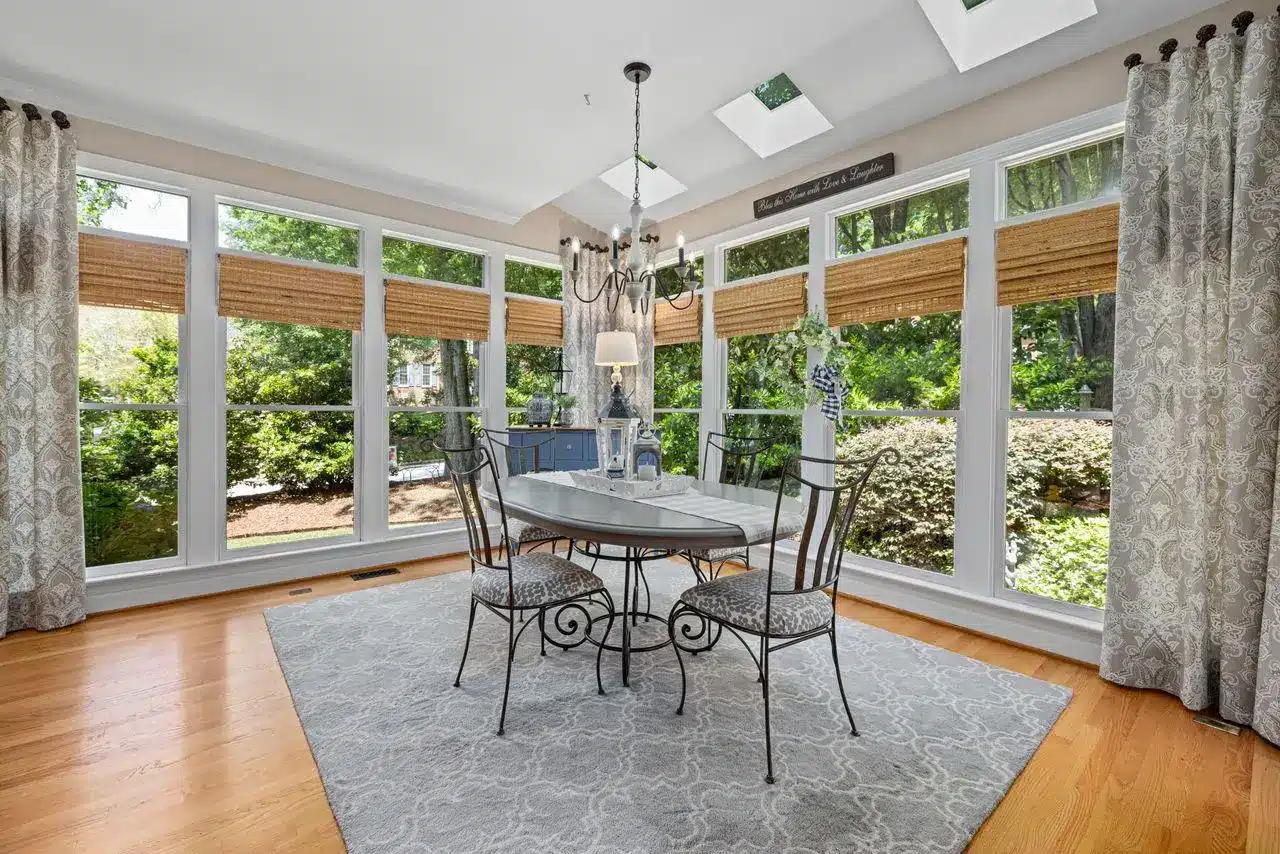
North Texas summers are not just hot; they are relentless. From June through September, the sun beats down at a low angle that sends direct light deep into your home. South- and west-facing windows are the worst offenders. By mid-afternoon, that warm glow you love in the morning turns into a heat source your AC has to fight against for hours.
According to the U.S. Department of Energy, roughly 30% of unwanted heat in a home enters through windows. In DFW, where outdoor temps regularly push past 100°F, that number has real consequences on your utility bill. Treating your windows strategically is one of the most cost-effective home upgrades you can make.
| Quick fact: South- and west-facing windows gain the most heat in DFW summers. Prioritize those rooms first for the biggest energy savings. |
|---|
Solar Shades: Your Best Friend for Natural Light
Solar shades are probably the single smartest upgrade for a DFW home. They are designed to block solar heat and UV rays while still letting diffused natural light filter through. You keep the brightness, lose the heat. They come in different openness levels; a 1% openness is very private and blocks more heat, while a 10% openness lets in more light with slightly less heat reduction.
For rooms where you want a view and bright light: living rooms, kitchens, home offices, a 5% openness solar shade hits the sweet spot. You can still see outside, natural light fills the room, and the UV rays causing heat and fading your furniture are largely stopped at the glass.
Solar shades work exceptionally well when paired with motorization. You can set them to lower automatically during peak heat hours (typically 2 PM to 6 PM) and raise them in the cooler morning hours, all without thinking about it.
Cellular Shades and What They Do
Cellular shades (sometimes called honeycomb shades) create pockets of trapped air between the window glass and your room. That air acts as insulation, keeping the heat outside from radiating inward and keeping your cooled indoor air from escaping. They are a top recommendation from Home Experts across Texas because they address both heat gain and energy loss at the same time.
Double-cell or triple-cell versions give you even more insulation value. In a DFW home that runs AC heavily from May through October, the payback period on quality cellular shades is often less than two years in energy savings alone.
| Double-cell cellular Two air pockets for stronger insulation. Great for west-facing bedrooms that overheat in the evening. | Single-cell cellular Budget-friendly option. Decent insulation for north-facing rooms with lower heat exposure. |
|---|
Layering Works Better Than You Think
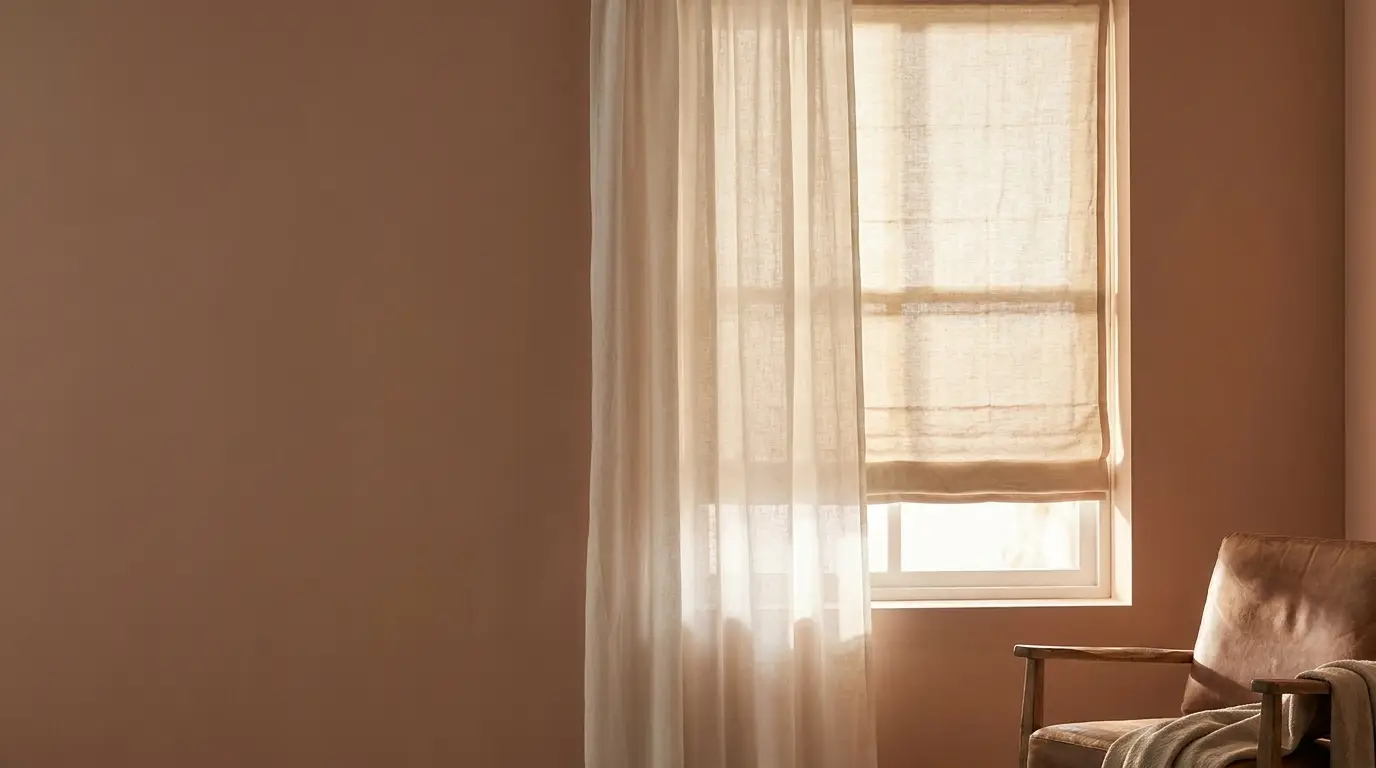
No single window treatment does everything perfectly. Layering two treatments gives you flexibility and better performance across the day. A common approach in DFW homes is pairing a solar shade with a light-filtering linen curtain on the same window.
Here is how that works in practice: during peak afternoon heat, you lower the solar shade to block direct sun while the curtain remains open, keeping the room feeling open and airy. In the evening, when the sun drops and temperatures cool slightly, you raise the shade and let the curtain alone add softness and privacy.
| Layering lets you respond to the time of day rather than committing to one extreme, blackout dark or wide open. |
|---|
Smart Choices Room by Room
Not every room needs the same solution. Matching the treatment to the room’s use and sun exposure makes a real difference in comfort and savings.
- Living room (south/west-facing): Solar shades during the day, sheer curtain for evening softness.
- Bedroom: Cellular blackout shades block heat and light for better sleep in hot months.
- Home office: 5–10% solar shade to reduce screen glare while keeping natural light.
- Kitchen: Light-filtering roller shades that wipe clean easily and still let in morning light.
- Dining room: Layered sheers with a top-down/bottom-up shade for privacy without darkness.
Getting the room-by-room approach right means you are not over-treating low-risk rooms or under-treating the ones that matter most.
One More Thing Worth Knowing: Window Film
If replacing or adding window treatments is not in the budget right now, low-emissivity (low-e) window film is a practical middle ground. Applied directly to the glass, it reflects infrared heat before it enters the room. It does not change how much visible light comes in, so your rooms stay bright. For existing single-pane windows common in older DFW homes, this is one of the most affordable ways to cut solar heat gain quickly.
Combined with even basic solar shades, window film and a quality shade layer can reduce heat gain through a window by over 70% compared to bare glass with no treatment. That is a significant load off your AC system during those brutal July and August afternoons.
Your home deserves to feel comfortable without a shocking utility bill every month. Start with your most sun-exposed rooms, pick the right treatment for what that room actually needs, and layer when it makes sense. You will notice the difference in comfort and in what you owe at the end of the month.
FAQ
Q1: How do window treatments help reduce energy bills in the summer?
Answer: Window treatments can significantly cut down on unwanted heat entering your home, especially through south- and west-facing windows, which are the worst offenders during DFW summers. YourHomeExpert emphasizes that by blocking solar heat and UV rays while still allowing natural light to filter through, you can keep your home bright without cranking the AC all day.
Q2: What are solar shades, and how do they work?
Answer: Solar shades are designed to block solar heat and UV rays while letting in diffused natural light. They come in different openness levels, allowing you to choose how much light and heat you want to let in. For example, a 5% openness solar shade provides a good balance of light and privacy while reducing heat gain.
Q3: What are cellular shades, and why are they recommended in DFW?
Answer: Cellular shades, or honeycomb shades, create air pockets that act as insulation, preventing heat from entering your home and keeping your cooled air inside. They’re highly recommended in DFW because they effectively address both heat gain and energy loss, making them a smart investment for energy savings.
Q4: Can I layer window treatments, and how does that work?
Answer: Yes, layering window treatments can enhance performance and flexibility. For example, you might pair a solar shade with a light-filtering curtain. During peak heat, you can lower the solar shade to block direct sun while keeping the curtain open for an airy feel. In the evening, raise the shade and let the curtain provide softness and privacy.
Q5: What if I can’t afford new window treatments right now?
Answer: If new window treatments aren’t in your budget, consider applying low-emissivity (low-e) window film. This film reflects infrared heat while allowing visible light to come in, making it an affordable way to reduce solar heat gain quickly. It works well in conjunction with basic shades to enhance your home’s comfort.

Holding a Master’s in Architecture from the University of Texas at Austin, Emily Rodriguez has dedicated more than two decades to the art and science of building renovation. Starting her journey in historic preservation, she developed a profound respect for blending old with new in building design. Emily became a vital part of our team in 2019, renowned for her insightful and innovative renovation tips. She has been leading our DIY home improvement series since ever since, where she shares her wealth of knowledge in turning outdated spaces into modern havens. When not engaged in writing or consulting, Emily is a passionate advocate for heritage conservation and enjoys exploring vintage architecture, a hobby that complements her professional expertise.