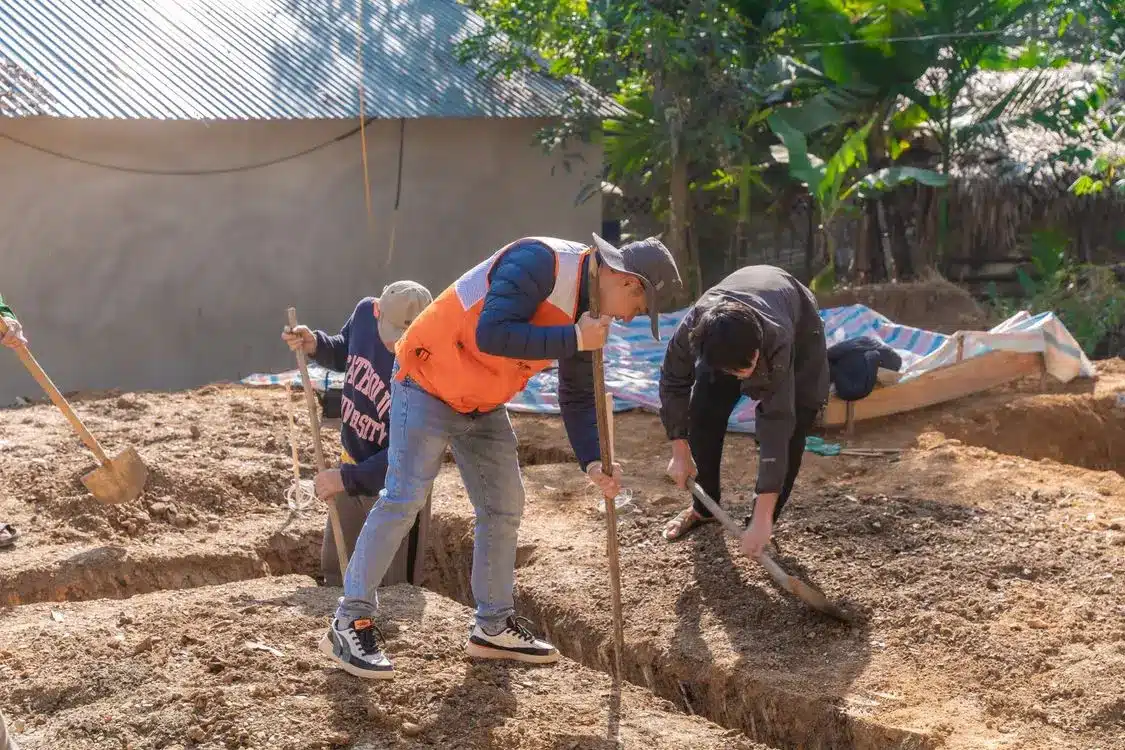

If you are landscaping, installing a fence, or renovating your outdoor space, digging is usually part of the plan. What many property owners do not realize is how much can be hiding just below the surface.
Yards often contain forgotten materials, outdated systems, and even valuable items buried years ago. Knowing what could be underground helps you avoid delays, protect your equipment, and make smarter decisions before breaking ground.
Underground Utility Lines
Utility lines are the most dangerous hidden objects in any yard. Electric cables, natural gas lines, water pipes, and internet wiring are often buried only inches below the surface.
Cutting into a gas or electrical line can cause fires, explosions, or electrocution. Even a minor hit to a water line can flood your yard and damage your foundation.
Calling 811 or another safe-digging service before digging into the ground is a simple step that can prevent a high-cost mistake.
Old Septic Tanks and Abandoned Drain Fields
Older properties often hide outdated septic systems underground. Many homeowners have no idea an old tank or drain field sits beneath their lawn.
Abandoned systems can collapse over time, creating soft spots or sudden sinkholes. Heavy equipment or even a riding mower can trigger a cave-in. Checking property records before digging helps you avoid stepping into a costly surprise.
Construction Debris From Past Renovations
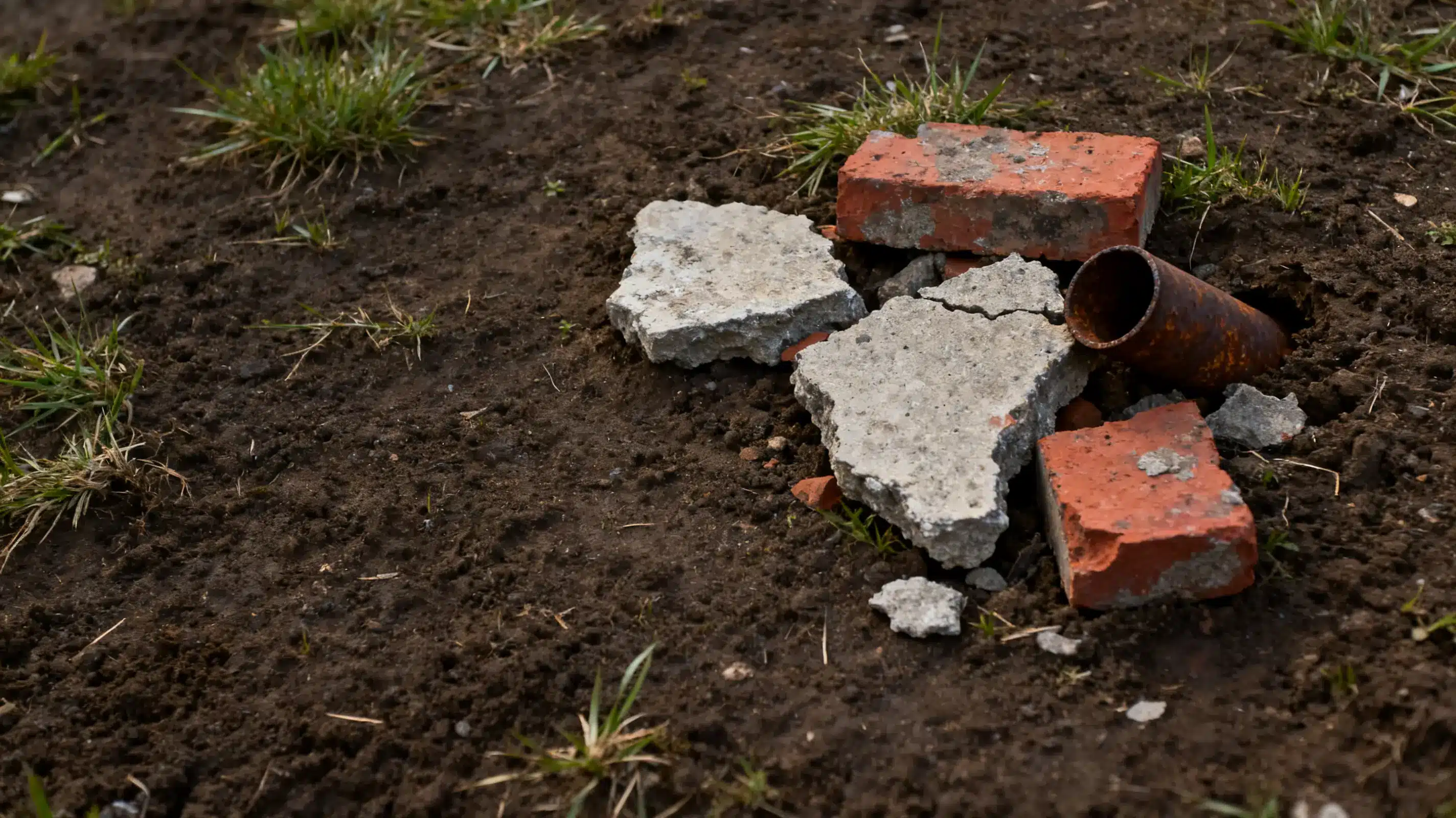
Yards often double as unofficial dumping grounds during remodels. Contractors sometimes bury leftover concrete chunks, bricks, scrap lumber, or even metal framing.
Buried debris frequently damages tillers and trenchers. Broken blades and stalled equipment quickly turn a simple landscaping project into a frustrating repair job. Running a basic scan before digging can save your tools and your timeline.
Common debris items people uncover include:
- Broken concrete slabs
- Rusted nails and metal scraps
- Old fence posts
Forgotten Lawn Systems and Irrigation Lines
Sprinkler systems and low-voltage lighting wires often snake across a yard in unpredictable patterns. Previous owners may have rerouted or partially removed systems without updating any plans.
Damaging irrigation pipes can disrupt your entire watering schedule. Repairing underground leaks usually requires digging up large sections of lawn. Mapping out valve boxes and visible sprinkler heads gives you clues about what lies below.
Buried Gold and Other Valuable Finds
Not everything underground is a hazard. Some yards hide valuables left behind decades ago.
Coins, jewelry, and even small gold items have been discovered in residential properties, especially older homes.
So, you might like to look for gold yourself before you proceed with your planned work. However, finding small gold targets is not always straightforward, as soil mineralization, target depth, and ground conditions can affect detector performance. Learning the differences between VLF and PI detectors can help you choose equipment based on ground mineralization, target depth, and the type of gold or metal objects you hope to locate.
Different soil conditions affect signal depth and accuracy. Using the right equipment improves your chances of finding something worthwhile instead of digging blindly.
Even if treasure hunting is not your goal, scanning before major digging can uncover metal objects that might otherwise damage equipment.
Tree Roots, Stumps, and Other Natural Obstacles
Tree roots extend much farther than most homeowners expect. Large root systems can run well beyond the visible canopy.
Cutting into thick roots can destabilize mature trees or crack nearby hardscaping. Hidden stumps from previously removed trees also dull blades and block fence installations.
A careful inspection of uneven ground or odd soil patterns often reveals where old growth once stood.
Protect Your Yard and Your Project
Utility lines, abandoned systems, construction debris, buried gold, and root networks can all sit just below the surface. So, before starting your next outdoor upgrade, take time to research, scan, and plan.
Careful preparation helps you avoid injuries, prevent damage, and maybe even uncover something valuable.
Has this article been useful? If so, explore some of our other insightful content.

With a Master’s in Landscape Architecture from the University of Virginia, Sophia Stephenson has dedicated the last 20 years to creating and maintaining vibrant outdoor spaces. Her professional journey started in landscape design, where she gained a reputation for innovative and sustainable approaches. Sophia became a part of our editorial team as a freelancer in 2019, offering a fresh perspective on outdoor living. Since 2020, she has been the chief for our outdoor design content, blending aesthetic appeal with environmental stewardship. In her leisure time, Sophia is a keen photographer, capturing the beauty of natural landscapes, a hobby that complements her professional expertise.