
According to a 2024 CE Pro Home Entertainment Deep Dive survey, the median price for a dedicated home theater installation climbed to $62,500 – a 43% jump from the previous year – signaling that more homeowners are investing seriously in private cinema spaces. But you don’t need a five-figure budget or a professional integrator to pull this off. With the right layout, the right seating, and a clear design plan, a genuinely cinematic space is within reach for most households.
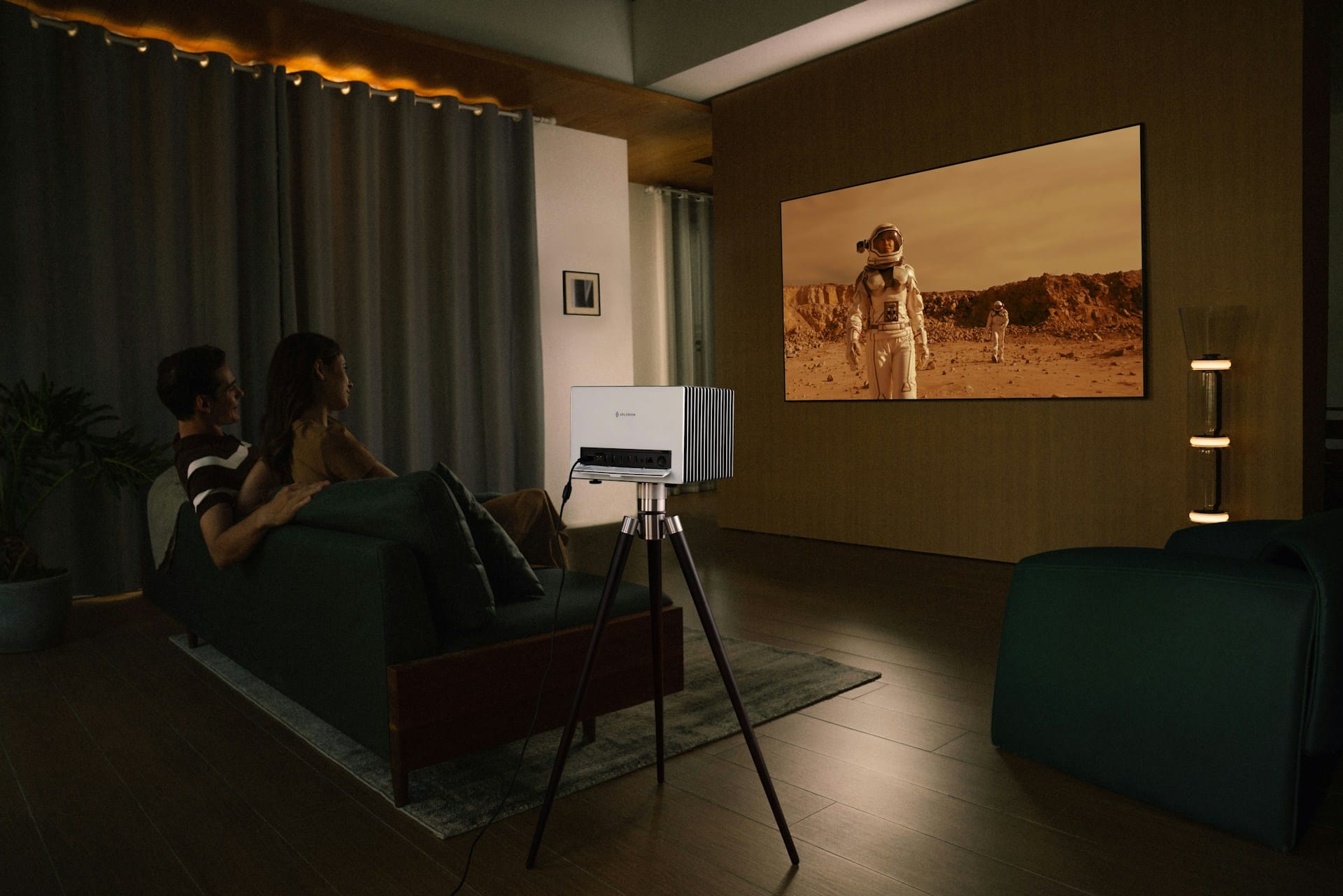
The difference between a media room that’s just okay and one that feels like a real escape usually comes down to seating. Movie theater room couches are a departure from the rigid recliner rows you’d find in a commercial multiplex – and that’s the point. They offer flexibility, comfort for longer sessions, and a warmth that makes the room feel livable, not staged.
What Makes Couch Seating Work Better Than Traditional Theater Chairs?
Couch seating in a movie theater delivers something traditional theater chairs never could: adaptability. Whether it’s a solo Friday night film, a family marathon, or friends piling in for a game-day watch party, a well-chosen sofa configuration handles it all. Fixed theater recliners lock you into a single viewing experience and often require significant room depth. A sectional or L-shaped couch lets people lean, lounge, and reposition without interrupting anyone.
There’s an ergonomic case for it too. Research published in the International Journal of Occupational Safety and Ergonomics found that as viewing angles increase, neck and thoracic bending increase disproportionately – with trapezius and erector spinae activity spiking at higher or lower screen positions. A deep-seat sofa that allows viewers to recline slightly naturally keeps the head at a more neutral angle, reducing fatigue during longer sessions.
The right couch seating movie theater setup also integrates better into multipurpose spaces. For those working with a converted basement, large living room, or bonus room, furniture that reads as “living room” during the day and “home theater” at night is a practical advantage.
How to Choose the Right Couch for Your Home Theater Space
The best couch for a home theater combines the right depth, upholstery, and configuration for your specific room size and viewing habits. This isn’t a one-size-fits-all purchase – the wrong sofa can undermine even a great AV setup.
Seat Depth and Back Height
Deep-seat sofas (typically 24–27 inches from front to back of the cushion) let viewers sink in without sliding forward, which becomes important during anything longer than 90 minutes. A back height of at least 34 inches provides adequate neck and head support when viewers shift between upright and semi-reclined positions.
Upholstery That Handles Real Use
- Performance fabric or microfiber – resists stains, holds up to repeated use, and doesn’t trap heat the way some vinyls can
- Leather and faux leather – easy to wipe clean, great for high-traffic rooms, though temperature-sensitive in spaces without good HVAC control
- Velvet and bouclé – excellent for controlled, low-traffic theater rooms; adds acoustic-dampening texture to the space
Configuration Options
- Sectionals work well for rooms 14 feet wide or more, creating a natural U or L layout
- Loveseats paired with a sofa suit narrower rooms and allow tiered or offset arrangements
- Modular pieces offer the most flexibility – reconfigure as the room’s use evolves
What Lighting Setup Makes a Couch-Based Theater Feel Immersive
Lighting design in a home theater does two jobs: it protects eye comfort and it reinforces the cinematic mood. The goal is a controlled, layered system – not a single overhead fixture dimmed to 20%.
A well-executed lighting plan for a movie theater with couches typically includes:
- Ambient bias lighting – LED strips mounted behind the display reduce the perceived contrast between the bright screen and dark wall, lowering eye fatigue over a two-hour session
- Aisle or floor lighting – low-level LED strips along the base of the walls or under sofa risers guide movement without polluting the image
- Dimmable overhead fixtures – recessed LEDs on a dimmer circuit give the room full-function lighting when needed, with a single switch to drop them to zero
- Accent lighting – uplighting behind furniture or sconces at low wattage add depth and make the room feel designed rather than assembled
Avoid any fixture with a direct line of sight to the screen. Even a low-wattage lamp that throws light toward the display will wash out contrast and reduce perceived picture quality.
How to Position Movie Theater Couches for Home Without Losing the View
Placement is where most people make their biggest mistake – buying great furniture, then putting it in the wrong spot. The Society of Motion Picture and Television Engineers (SMPTE) recommends a minimum viewing angle of 30 degrees from the primary seating position, which translates into a practical formula: the front row of seating should sit no closer than 1.5 times the diagonal screen size in feet.
For a 75-inch screen, that puts your couch at least 9 feet from the display, with a comfortable sweet spot around 11–14 feet for most rooms. Here’s how viewing distance maps out by common screen sizes:
Screen Size (diagonal) | Minimum Distance | Ideal Distance | Maximum Distance |
|---|---|---|---|
55 inches | 6.9 ft | 8–10 ft | 11.5 ft |
65 inches | 8.1 ft | 10–12 ft | 13.5 ft |
75 inches | 9.4 ft | 11–14 ft | 15.6 ft |
85 inches | 10.6 ft | 13–16 ft | 17.7 ft |
100 inches | 12.5 ft | 15–18 ft | 20.8 ft |
Based on SMPTE EG-18-1994 standards and THX certification guidelines.
All seats should fall within a 40-degree horizontal angle from the center of the screen. Anything beyond that and edge viewers start to lose picture geometry and audio imaging.
Why Room Acoustics Should Influence Your Couch Choice
Seating fabric and sofa mass both affect the acoustic character of a home theater room – often more than people expect. Hard surfaces reflect sound; soft, dense materials absorb it. A room with bare walls and vinyl furniture will produce noticeable flutter echo and sound harsh at higher volumes. Movie theater couches for home done right treat this problem from the inside out.
Here’s what fabric-upholstered sofas contribute acoustically:
- Mid-frequency absorption – thick foam cushioning and fabric backing reduce the harsh midrange peaks that make dialogue feel fatiguing
- Bass control – large upholstered pieces help break up the standing waves that form at low frequencies in enclosed rooms
- Early reflection reduction – sofas positioned along side walls act as diffusers, reducing the speed at which sound bounces back to the listening position
For rooms with hardwood or tile floors, pair the couches with a large area rug positioned under or in front of the seating. Heavy curtains and upholstered wall panels compound the effect.
FAQ
Q: Can a regular living room sofa work in a home theater, or does it need to be a specialized piece?
A standard sofa can work, provided the seat height and depth put viewers’ eye level at roughly one-third from the bottom of the screen when seated. The main gap between a standard sofa and a purpose-built theater piece is usually lumbar support during extended sessions – a well-chosen back cushion or lumbar roll can bridge that difference at minimal cost.
Q: How many people should a home theater couch comfortably accommodate?
Plan for your most common viewing group, not your maximum. If two or three people use the room 90% of the time, a three-seat sofa with a chaise is more practical than a six-seat sectional that’s mostly empty. Oversized configurations also tend to push seating farther from the screen than the room can support.
Q: Is it worth buying a motorized reclining couch for a home theater?
Power recliners add real value in a dedicated room where viewers frequently watch full-length films. The key trade-off is space: fully reclined power sofas typically require 6–8 inches of clearance from the wall. In tighter rooms, a manual recliner or fixed deep-seat sofa may offer better spatial efficiency.
Q: What’s the best couch color for a home theater room?
Darker tones – charcoal, navy, deep burgundy, forest green – perform better because they don’t reflect ambient and screen light back into the viewing environment the way lighter upholstery can. They also show less wear in a high-use room.
Q: Should the couch face the screen directly, or can it be angled?
Direct perpendicular placement is ideal. Angling a sofa introduces viewing geometry problems – those on the near edge of the screen see a skewed picture, and audio imaging from a surround system becomes inconsistent. If the room’s shape forces an angle, limit it to no more than 15 degrees off-center.

Holding a Master’s in Architecture from the University of Texas at Austin, Emily Rodriguez has dedicated more than two decades to the art and science of building renovation. Starting her journey in historic preservation, she developed a profound respect for blending old with new in building design. Emily became a vital part of our team in 2019, renowned for her insightful and innovative renovation tips. She has been leading our DIY home improvement series since ever since, where she shares her wealth of knowledge in turning outdated spaces into modern havens. When not engaged in writing or consulting, Emily is a passionate advocate for heritage conservation and enjoys exploring vintage architecture, a hobby that complements her professional expertise.