Urbanization and shifting real estate economics have led to a significant increase in high-density apartment living, fundamentally altering how individuals interact with their domestic environments. Concurrently, a growing awareness of health tracking and metabolic preservation has generated a substantial demand for localized physical activity solutions. Historically, comprehensive physical conditioning required the expansive square footage of commercial facilities or dedicated residential basements. However, the contemporary urban demographic faces strict spatial and acoustic limitations, making conventional fitness setups impractical. This paper examines the rapid rise of the small-space fitness trend among apartment dwellers and explores the engineering advancements in compact home gym equipment that make this shift possible. By analyzing multi-functional design, magnetic and hydraulic resistance technologies, and space-saving ergonomics, this paper demonstrates how high-quality cardiorespiratory and resistance training can be seamlessly integrated into restricted living spaces. This adaptive approach optimizes spatial utility, lowers the behavioral friction of exercise, and supports long-term musculoskeletal health and metabolic consistency within modern urban ecosystems.
The Spatial Contradiction of Urban Physical Wellness
The rapid growth of global urbanization has reshaped residential architecture, resulting in a distinct shift toward high-density apartment and condominium living. While urban environments provide excellent proximity to professional and cultural opportunities, they frequently introduce strict limitations regarding personal square footage. Concurrently, contemporary exercise physiology and behavioral science emphasize that consistent, daily physical activity is a crucial requirement for long-term cardiorespiratory health, stress management, and metabolic regulation. This intersection of shrinking living environments and an increasing need for regular exercise has created a major logistical challenge for modern apartment dwellers.
Traditionally, maintaining a comprehensive physical fitness routine required traveling to an external commercial facility or dedicating a large, open area of a suburban home to heavy exercise machinery. For the apartment resident, both options introduce high levels of friction. Commuting to an external gym requires a meaningful investment of time, which can easily discourage busy professionals. Conversely, attempting to place bulky, institutional fitness gear into a multi-functional living room disrupts home aesthetics and creates physical clutter. To resolve this tension, a major design trend has emerged focused on small-space fitness. This movement prioritizes adapting exercise routines and equipment to fit the specific contours of modern urban apartments, proving that a lack of space does not have to mean a compromise in personal health.
Technical Demands of Apartment-Based Physical Activity
Designing a successful fitness routine within a high-density apartment building requires addressing unique challenges beyond simple space constraints. Exercise equipment intended for residential apartments must meet strict standards for acoustic management and structural vibration reduction. When an individual runs on a traditional treadmill or drops heavy free weights, the kinetic energy creates powerful impact vibrations that travel through the building’s floorboards, often causing unwanted noise disturbances for neighboring residents.
APARTMENT FITNESS DESIGN MATRIX
Spatial Constraints —> Foldable & Vertical Storage
Acoustic Constraints —> Silent Magnetic Resistance
Impact Constraints —> Low-Velocity / Fluid Mechanics
To manage these challenges, modern fitness engineering focuses heavily on low-impact, silent resistance mechanisms. Systems developed by innovative brands like FED Fitness utilize advanced magnetic resistance flywheels and fluid hydraulic pistons rather than traditional iron weight stacks or high-friction belts. Magnetic resistance operates by adjusting the proximity of powerful magnets to a spinning conductor, creating smooth, consistent physical tension without any direct structural contact or noise. Furthermore, selecting low-impact cardio modalities—such as cycling, rowing, or elliptical training—ensures that the user’s feet maintain continuous contact with the machine or that ground reaction forces are buffered. This careful engineering reduces deceleration shocks and eliminates the loud, repetitive impacts associated with hard-surface running, allowing urban residents to exercise early in the morning or late at night without disturbing their surroundings.
Maximizing Utility Through Low-Footprint Home Gym Equipment
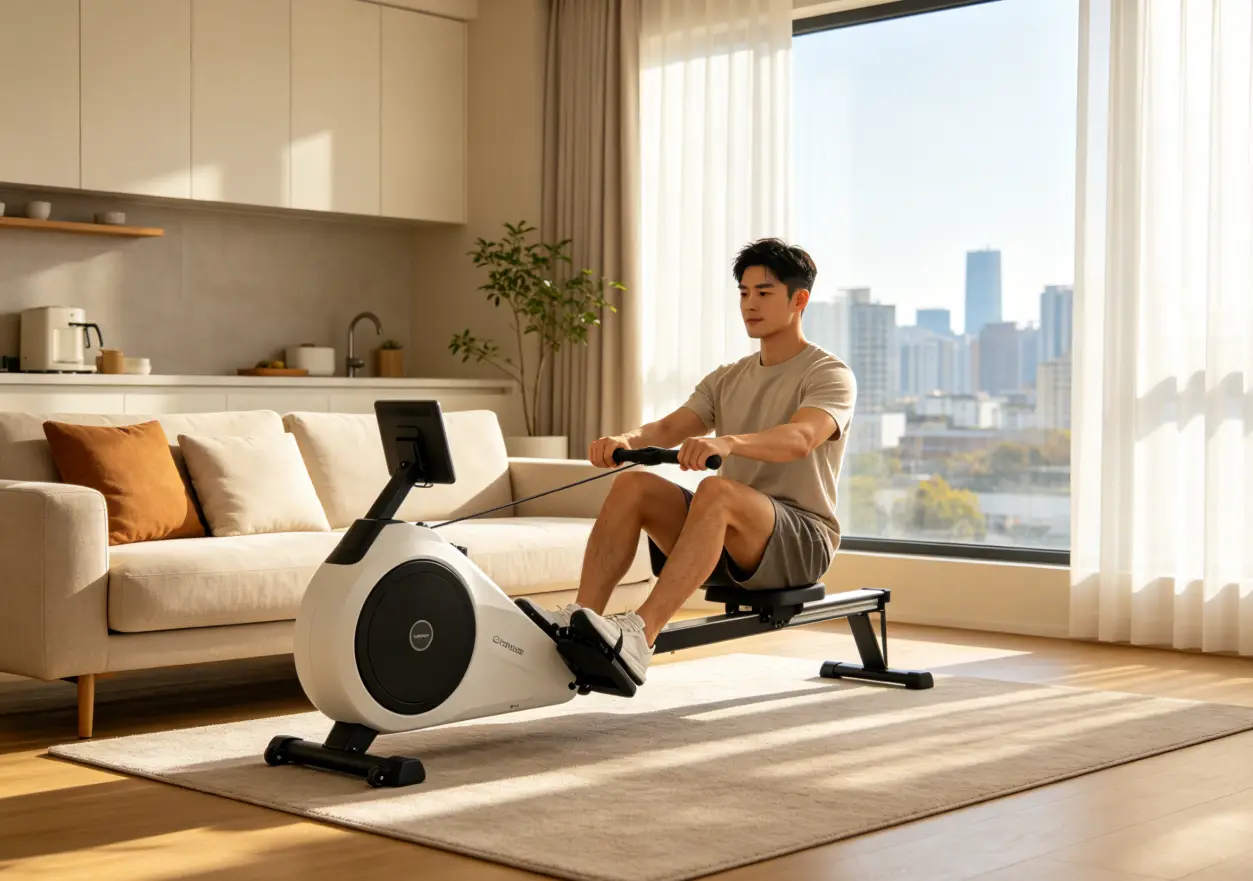
The core principle driving the small-space fitness trend is the strategic development of versatile, low-footprint home gym equipment. Urban residents no longer need to choose between a dedicated living area and a functional training space; instead, modern design allows a single room to serve both purposes seamlessly. High-quality apartment fitness systems prioritize multi-functional utility, ensuring that a single piece of equipment can target multiple muscle groups or support diverse training styles while occupying minimal square footage.
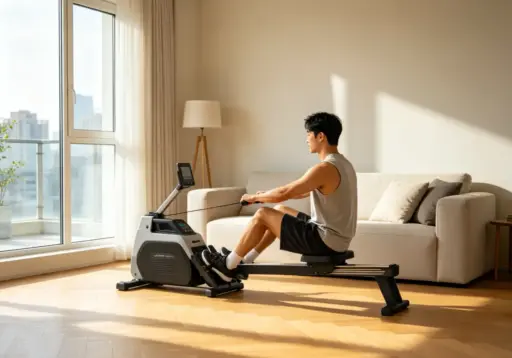
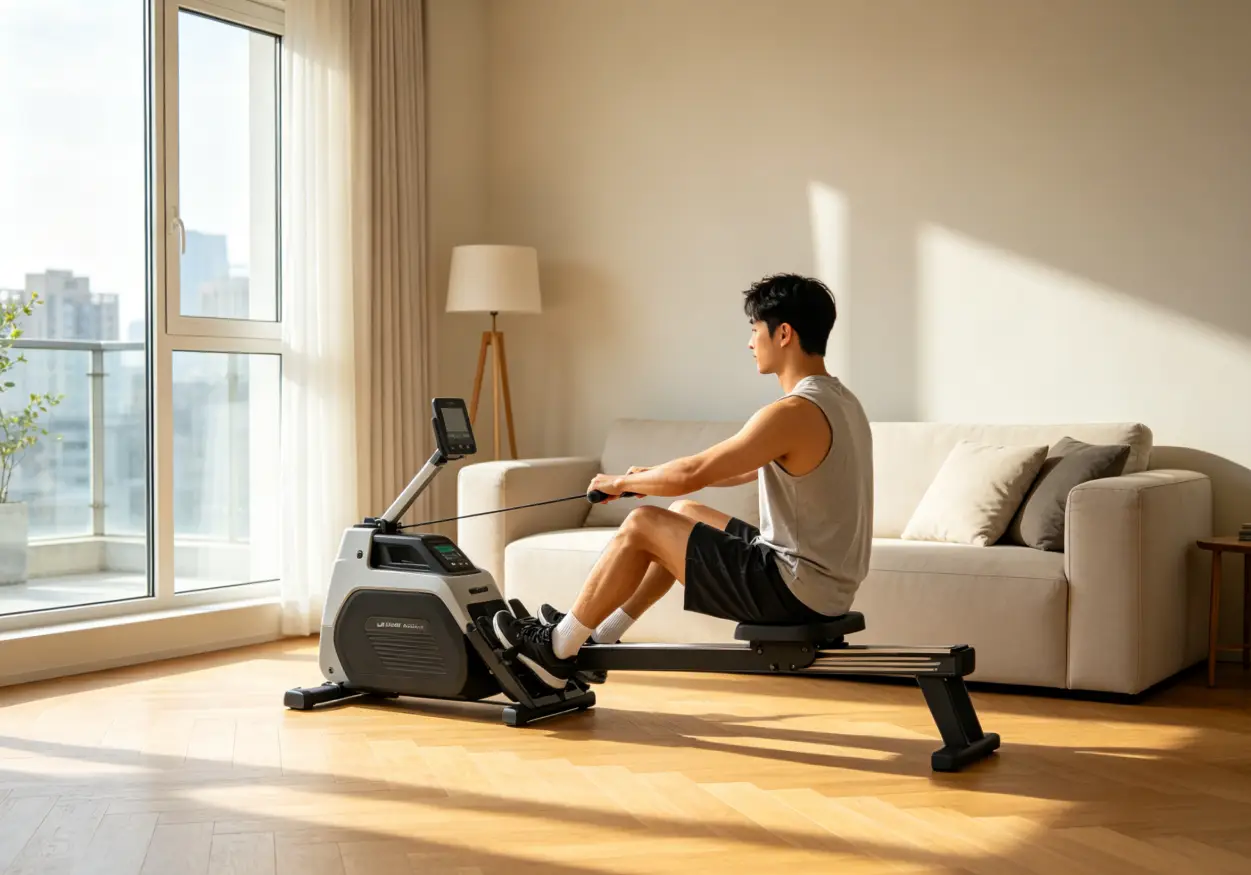
Foldable Cardiorespiratory Systems: Modern magnetic rowing machines and compact indoor cycling bikes are engineered with specialized vertical storage joints. Once a workout is completed, these systems can be safely folded upright, reducing their active floor footprint by up to seventy percent and allowing them to fit neatly into standard closets or utility corners.
Space-Saving Resistance Training: Adjustable dumbbell systems and compact, multi-angle weight benches replace the need for extensive rows of traditional free weights. By combining multiple weight increments into a single pair of handles, these tools provide complete musculoskeletal conditioning for the upper and lower body while requiring only a fraction of a square meter of storage space.
Low-Profile Movement Brands: Compact stair steppers, miniature under-desk walking pads, and low-amplitude balance discs offer excellent opportunities for low-velocity aerobic activity and core stabilization. These compact tools can be easily slid underneath a sofa or bed when not in use, keeping the primary living space free of visual clutter.
By selecting space-efficient, multi-functional tools, apartment dwellers can establish a reliable, private training environment that supports regular energy expenditure and functional strength without sacrificing the comfort and design of their homes.
Physiological Benefits of Localized Exercise Micro-Interventions
Dismantling the traditional idea that a successful workout requires an hour-long session in a large commercial gym is an empowering shift for busy urban professionals. Exercise science thoroughly demonstrates that short, accumulated blocks of physical activity—frequently called exercise snacks or micro-workouts—provide meaningful improvements in cardiovascular circulation, insulin sensitivity, and cognitive clarity.
Having access to high-quality home gym equipment within an apartment allows residents to easily utilize brief windows of time throughout the day. For example, completing a focused ten-to-fifteen-minute routine on a magnetic rower or a brief circuit of moderate resistance training stimulates large lower-body muscle groups like the quadriceps, hamstrings, and glutes. This muscle activation prompts the immediate movement of glucose transporter proteins (GLUT4) to the cell membranes, helping to regulate blood sugar levels independently of insulin. Additionally, these brief physical breaks stimulate the release of endorphins and help lower circulating cortisol levels, providing an effective mental reset that counteracts the stress of long hours spent working remotely or sitting at a desk.
Designing a Scalable, Tiered Routine for Dense Urban Lifestyles
To ensure that home fitness remains a supportive, long-term habit that adapts smoothly to changing schedules and energy levels, apartment residents can organize their physical activities into a scalable, tiered framework:
| Training Tier | Active Footprint | Primary Training Objective | Recommended Modality |
| Tier 1: Complete Session (Ample Time & High Energy) | Full Equipment Deployment | Comprehensive Strength & Cardiorespiratory Endurance | A structured 30–45 minute session combining rowing or cycling with free weights. |
| Tier 2: Compressed Routine (Limited Time but Stable Energy) | Partial Equipment Footprint | Metabolic Maintenance & Joint Mobility | A fast 15–20 minute continuous circuit utilizing an adjustable bench or compact stepper. |
| Tier 3: Minimal Intervention (High Fatigue or Time Poverty) | Zero-Footprint Storage | Nervous System Regulation & Circulatory Stimulation | 5–10 minutes of gentle static stretching, mobility work, or low-velocity stepping. |
Complementing this physical routine with a mindful approach to daily nutrition and proper hydration ensures the body has the fundamental building blocks required for muscle repair and consistent energy production. Rather than following restrictive, isolating dietary rules that add unnecessary mental stress, focus can be placed on high-quality macronutrients, clean protein for tissue preservation, and consistent hydration adjusted for daily activity levels. This flexible lifestyle design removes the pressure of perfectionism, ensuring that fitness practices remain a positive source of health and vitality. By prioritizing consistency over intensity and utilizing innovative home gym equipment, apartment dwellers can safeguard their joints, protect their muscles, and support long-term wellness within the modern urban landscape.

Priya Nair, MPH, is a certified wellness coach and former hospital dietitian with 12 years of translating public-health research into everyday habits. She joined us in 2024 to deliver evidence-based guidance on nutrition, stress relief, and holistic fitness that fits busy schedules. Off the mat, Priya practices yoga, hikes coastal trails, and tests plant-forward recipes for weekend potlucks with friends and neighbors.