
Introduction
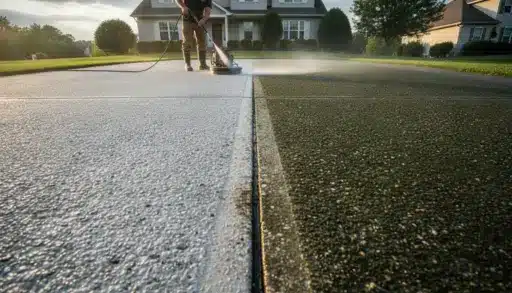
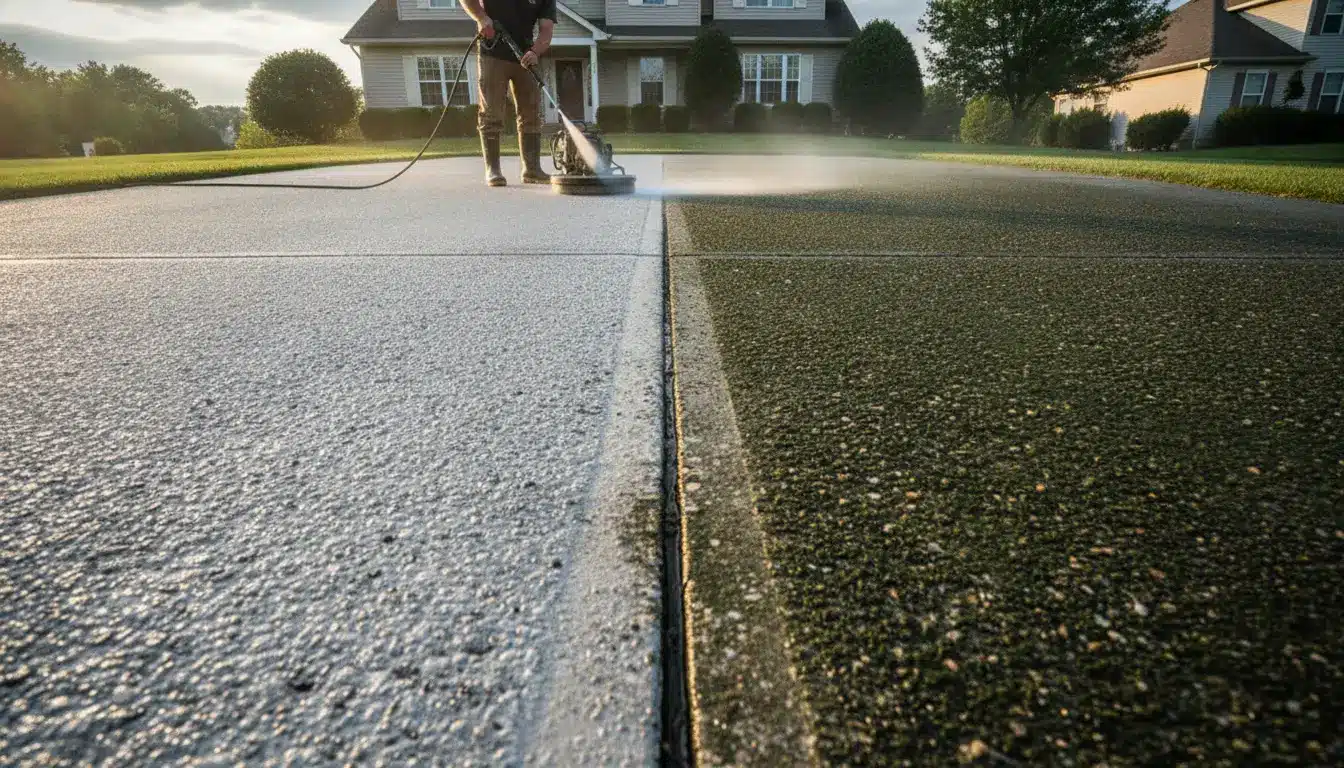
A clean exterior does more than improve a property’s appearance—it helps protect one of the biggest investments homeowners and business owners make. Over time, dirt, algae, mold, mildew, and environmental pollutants gradually build up on siding, concrete, decks, roofs, and walkways. While these contaminants may seem like cosmetic issues at first, they can contribute to long-term wear and even shorten the lifespan of exterior surfaces.
As property maintenance standards continue to evolve, more owners are recognizing the importance of preventative care instead of waiting until visible damage appears. Professional pressure washing has become an important part of routine maintenance because it removes harmful buildup before it causes costly problems. Whether maintaining a residential home or commercial building, investing in regular exterior cleaning helps preserve curb appeal, improve safety, and extend the life of outdoor surfaces.
The Value of Routine Exterior Cleaning
Exterior surfaces face constant exposure to rain, humidity, UV rays, dust, pollen, and organic growth. These environmental factors gradually create stains and slippery surfaces that become more difficult to remove over time. Regular cleaning prevents contaminants from becoming deeply embedded in materials like concrete, brick, vinyl siding, and wood.
Working with local pressure washing experts ensures that different surfaces receive the appropriate cleaning method based on their condition and material. Professional technicians understand when traditional pressure washing is suitable and when softer cleaning techniques provide better protection. This level of expertise helps reduce unnecessary wear while delivering a thorough clean. Consistent maintenance also allows property owners to identify small exterior issues before they develop into larger repair projects.
Protecting Property Value Through Preventative Maintenance
Property maintenance is often more affordable than major repairs or replacements. Mold, algae, mildew, and accumulated grime can slowly deteriorate siding, fences, patios, driveways, and other outdoor features if left untreated. Moisture trapped beneath organic growth may accelerate surface damage and create conditions that require expensive restoration work.
Routine pressure washing removes these contaminants before they have the opportunity to cause lasting harm. This preventative approach helps maintain the structural integrity of exterior materials while preserving the property’s overall appearance. Clean exteriors also make a positive first impression, whether homeowners are welcoming guests or preparing to sell their property. For commercial properties, a well-maintained exterior reflects professionalism and demonstrates attention to detail, creating a more inviting environment for customers and visitors alike.
Choosing the Right Cleaning Method for Every Surface
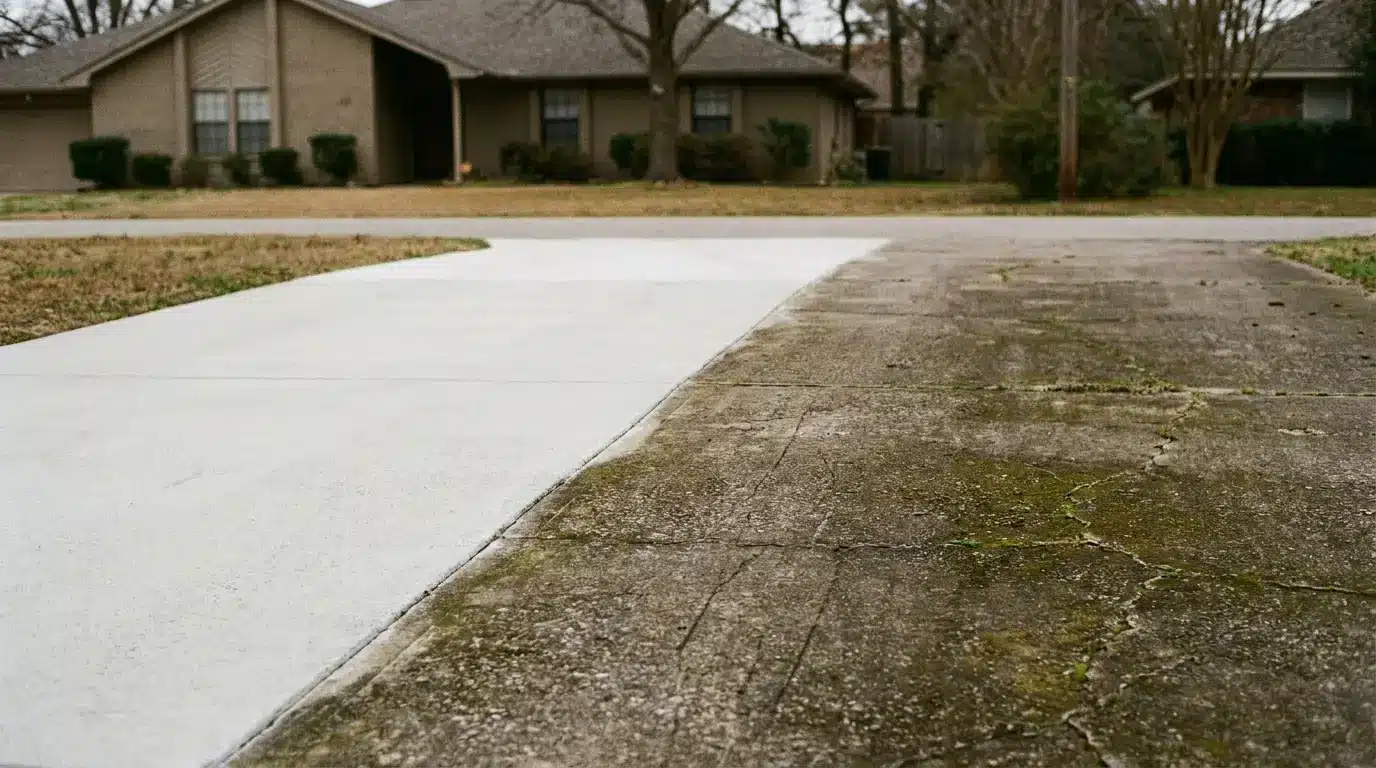
Not every exterior surface should be cleaned using maximum water pressure. Modern exterior cleaning professionals evaluate each material individually to determine the safest and most effective approach. Delicate surfaces such as painted siding, stucco, roofing materials, and certain wood finishes often benefit from soft washing rather than high-pressure cleaning.
Soft washing combines low-pressure water with specialized cleaning solutions that break down mold, algae, and bacteria at their source. This process provides a longer-lasting clean while minimizing the risk of surface damage. Harder materials like concrete driveways, sidewalks, and pavers may require higher pressure to remove embedded dirt and stains effectively. Understanding these differences is essential for achieving quality results while protecting the property’s exterior investment. Professional assessment ensures every cleaning method is matched to the specific needs of each surface.
The Growing Importance of Safe and Environmentally Responsible Cleaning
Today’s property owners are increasingly focused on maintenance practices that balance effectiveness with environmental responsibility. Professional exterior cleaning companies are adapting by using biodegradable cleaning solutions, efficient equipment, and techniques that minimize unnecessary water usage without compromising results.
Safety is another important consideration during exterior cleaning. Slippery algae-covered walkways, mold growth, and accumulated debris can increase the risk of slips and falls around residential and commercial properties. Routine cleaning helps reduce these hazards while maintaining a cleaner and healthier outdoor environment. Professional technicians are also trained to protect landscaping, nearby surfaces, and drainage systems during the cleaning process, ensuring that the project is completed responsibly from start to finish.
Conclusion
Pressure washing has evolved into much more than a cosmetic service. It plays an important role in preventative property maintenance by removing harmful contaminants, protecting exterior materials, and improving safety around homes and businesses. When performed correctly and on a consistent schedule, exterior cleaning helps extend the lifespan of valuable surfaces while maintaining a property’s overall appearance.
As maintenance standards continue to emphasize long-term preservation over reactive repairs, professional pressure washing will remain an essential part of responsible property care. Property owners who prioritize routine exterior cleaning can better protect their investments, reduce future maintenance costs, and keep their homes or commercial buildings looking their best throughout every season. A proactive approach today helps ensure stronger, cleaner, and more durable properties well into the future.

Tommy Hardy, an alumnus of the Georgia Institute of Technology with a degree in Mechanical Engineering, has been a go-to figure in residential upkeep and innovation for over 18 years. His career commenced in a leading home appliance manufacturing company, where he mastered the intricacies of household systems. Joining our platform in 2020, Tommy quickly became a reader favorite for his practical and easy-to-follow guides. He took the helm of our DIY section in 2019, consistently delivering content that empowers homeowners. Beyond his professional pursuits, Tommy is a passionate gardener and enjoys woodworking, skills enhancing his hands-on approach to home care.