


Deciding to orchestrate your own move is not just about cutting costs; it’s about consciously making decisions throughout the process that keep the bottom line from creeping upwards. The distinction between a low-cost DIY move and a costly one generally isn’t the major decisions, it’s the minor decisions made with inadequate knowledge.
Start With a Full Inventory Audit
Before you rent a thing or buy a single roll of tape, you need to have a full accounting of what you’re moving. Not a vague mental inventory, an exact count.
Go room-by-room and size up cubic footage. This is important because your rental truck size will affect your base rate, your fuel charge, and whether you’re making one trip or two. For example: A 10-foot truck covers a studio or one-bedroom. A 20- to 26-foot truck covers a three- or four-bedroom. Rent one bigger than you need: You’re wasting cash. Rent one smaller: You’re paying for a heavier second trip that might have more than covered the upgrade.
An audit will also help you make the most important decision: what you will take. Everything you move costs you money in space, fuel, and labor, so that really solid but super-heavy handsome armoire that wouldn’t command much on Craigslist might actually cost more to move than it would to replace. Do that math before loading day.
The Real Cost of a DIY Move vs. Hiring Professionals
Many people think that a DIY move will be cheaper. Sometimes it is, of course. Sometimes it really isn’t.
As the American Moving & Storage Association notes, the average cost of professional movers for an in-state relocation is an estimated $1,250 while an interstate move at roughly 1,225 miles equates to an estimated $4,300. That’s what the pro movers will charge you. Basically, your challenge is to come in under or close to that number should you choose to self-manage.
To make a fair comparison, you’ll have to tally up every line of the DIY cost sheet. That’s the truck rental base rate plus mileage plus a fuel guesstimate (see below for more on that) plus cargo insurance or damage waiver plus moving equipment rental (hand truck, furniture pads, ratchet straps) plus packing supplies plus permit rentals should you block off a street in a busy city plus any overnight lodging for a long-distance drive.
Get that subtotal. Then compare it against two or three pro quotes. The result might shock you either way. If you would rather start with an easier guess before making calls, plugging your details into a moving cost calculator will yield a reasonable number to use as a reference point against rental quotes.
How to Gut Your Packing Supply Costs
People often forget to include the cost of packing supplies when they budget for a move. The boxes, bubble wrap, packing paper, tape, and mattress bags can add up to several hundred dollars, especially if you are buying everything brand-new from a store.
But you don’t have to buy most of these supplies.
For instance, liquor stores give away boxes. Their boxes are small, strong, and usually compartmentalized, perfect for glassware. Bookstores, grocery stores, and office supply stores all receive inventory in boxes and have to throw them out. Ask these businesses if they can set some aside for you. Online community groups are also excellent resources for finding boxes in good condition.
Instead of bubble wrap being the go-to, use what’s available. Towels, bed linens, clothes, and even throw blankets make excellent padding for dishes, glassware, and other fragile items. You just saved money in two categories of packing supplies.
The only thing you should spend money on, and spend a little extra for good quality, is packing tape. The worst time to discover that your tape doesn’t stick is when you are lifting a box.
Time the Move to Cut Rental Rates
The rates are based on demand which can be easily predicted.
The summer months, mainly June through August, is when most people move. And these are weekends when the rates are the highest. If you rent a truck on a Saturday in July, you’re sure to pay the most expensive rates and fight for the limited availability you share with everyone else seeking trucks.
Postponing your move until late fall or winter can help you save at least 25-30% on the truck rental rates. It’s also cheaper to rent the truck in the middle of the week, between Tuesday and Thursday as compared to a weekend. The mid-month move is also cheaper as it avoids the lease turnover overlap at the end and start of each month.
In case you have a flexible schedule, try getting quotes for multiple dates. You’d be surprised how the prices for the same truck and move may vary. Booking a few weeks early can also get you your desired truck.
Build a Realistic Travel Budget for the Truck
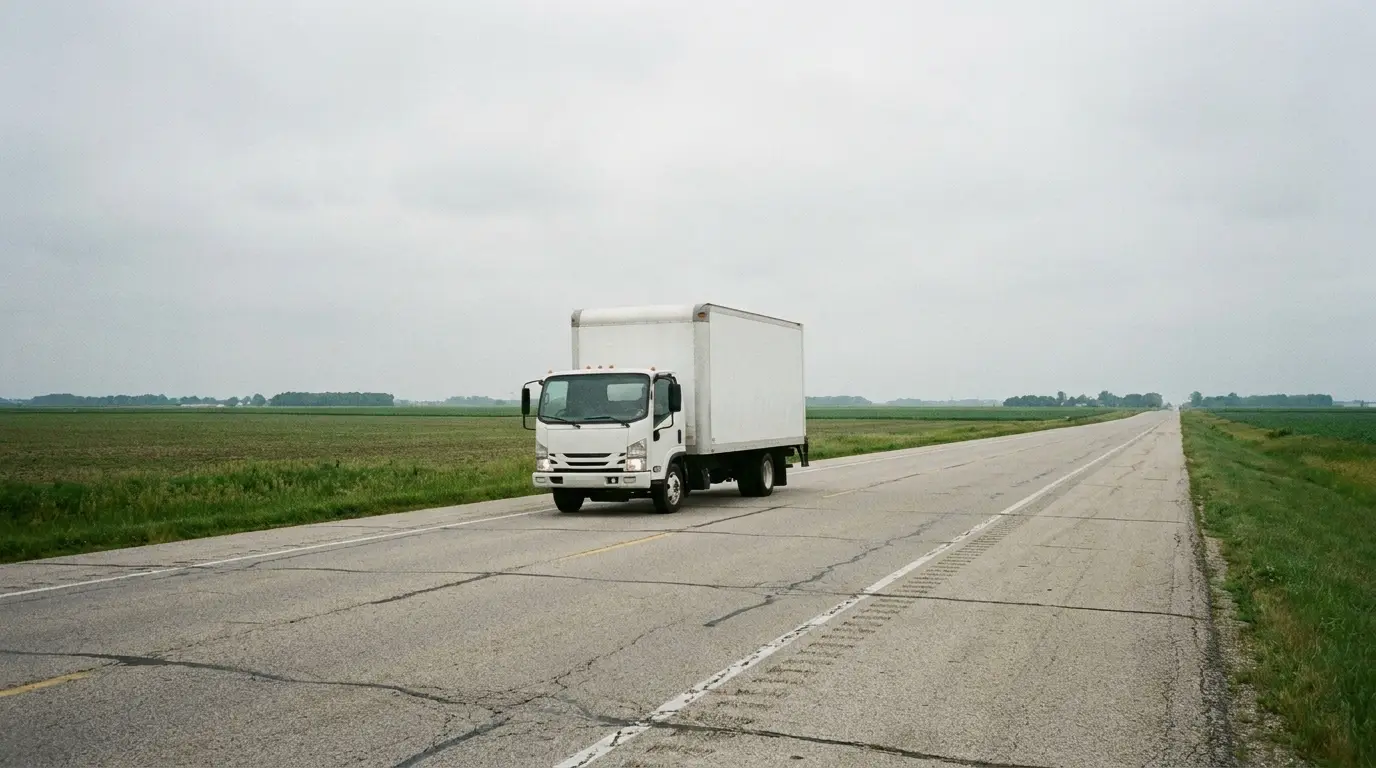
Driving a rental truck is quite different from driving a car. They are big and heavy. A 20-foot box truck filled with furniture gets about 8-10 miles to the gallon and most use diesel fuel (more expensive than regular grade gas). So if you’re taking a 500-mile trip, that could be 50-60 gallons at current prices you’ll be paying for that isn’t included in your rental quote.
Then there are toll roads. Multi-axle vehicles are charged higher rates than passenger cars and if you are going through a metro area you could potentially pay over $100 in tolls. Plan your route to avoid discovering at the tollbooth you don’t have a choice but to pay. Book your route on a mapping tool that recognizes truck routes, some roads might have weight restrictions or low clearances that standard navigation won’t flag.
For any trip of over 400-500 miles, budget for at least one hotel stay. It’s best you plan this in advance and not have driving while exhausted at the top of your list of responsibilities, which will also create additional liability. Oftentimes these are the hidden costs of DIY moves.
Load the Truck Correctly, It Affects Both Safety and Cost
A poorly packed truck can lead to damages. Damages to your furniture, damages to the property you’re vacating, and sometimes damages to the truck itself. Any of those can lead to unanticipated expenses.
The packing method that minimizes those damages is called tier loading. Here’s how it goes: heavy appliances and big furniture up front inside the truck, near the cab. That front-of-the-truck weight placement enhances handling and braking. Heavy boxes on the bottom, evenly spread from wall to wall. Light boxes on top of the heavy ones. Fragile items last, against the rear door and easily accessible to you for additional cushioning.
Each tier is then ratchet strapped before the following pile is begun. Rental blankets are wrapped around anything with a fine surface, like dressers or tables or mirrors or upholstered furniture. And no, nothing should be able to slide side-to-side while in motion.
This is important because transit damage is frequently not protected under standard rental contracts unless you’ve paid for a damage waiver. Check out the insurance choices before you decline them. The waiver’s a pittance contrasted with the price of a new dining room table.
Protect Your Security Deposit Before You Move a Single Box
Your deposit is real money. It’s often one to two months’ rent. The move is one of the most common times that deposit gets destroyed.
Before you move anything out, do a documented walkthrough. Photograph every wall, floor, and fixture with timestamps. You won’t be responsible for someone else’s damage.
During the move, lay down flattened cardboard boxes over any floor that will see foot traffic. Furniture legs are the first cause of floor scratches; the edges of boxes being dragged are the second. Similarly, wrap door jambs in moving blankets before you take a dresser through a tight doorway.
Gouge in a door jamb? That’s money out of your deposit. Moving blanket tied in place? Priceless.
Before you hand back keys, patch nail holes, touch up paint with any leftover cans, and scrub like you’ve never scrubbed before. A few hours and a few dollars of spackle and paint is the cheapest way to get back every cent of that deposit.
Organize Your Volunteer Crew Like a Logistics Operation
Friends and family can pitch in with some labor if you ask and that’s one of the biggest cost offsets in a DIY move right there, but volunteer crews are slow and prone to damage, nullifying the benefit. They need to be more than just brought in, they need to be managed.
Schedule people in shifts instead of asking everyone to show up for the full day. Morning crew handles the load-out of the old place. Afternoon crew handles the unload into the new place. This keeps people fresh, avoids chaos, and makes it easier to assign tasks people are actually capable of.
Give everyone a specific job before they show up. One person handles boxes and only boxes. Two people handle furniture in pairs. One person manages the truck and directs placement during loading. One runner handles last-minute supplies, door propping, and elevator access. This level of structure sounds formal, but it cuts move time significantly.
Food and drink for everyone is not only the price of a day of labor, it is the social contract for volunteer help. Factor two meals and snacks if it’s an all-day affair. Don’t start pulling it together five minutes before people arrive, get it organized the night before so the day runs smooth from the jump.

Journalist Chloe Rivera studied at the University of Missouri and has covered mindful, stylish living since 2013. She joined us in 2025 to curate realistic routines, budget-friendly décor, and community stories that help readers craft balance without perfection pressure. When offline, Chloe volunteers at urban farms, photographs street style, and hosts weekend swap parties for preloved clothes and books in her neighborhood.