
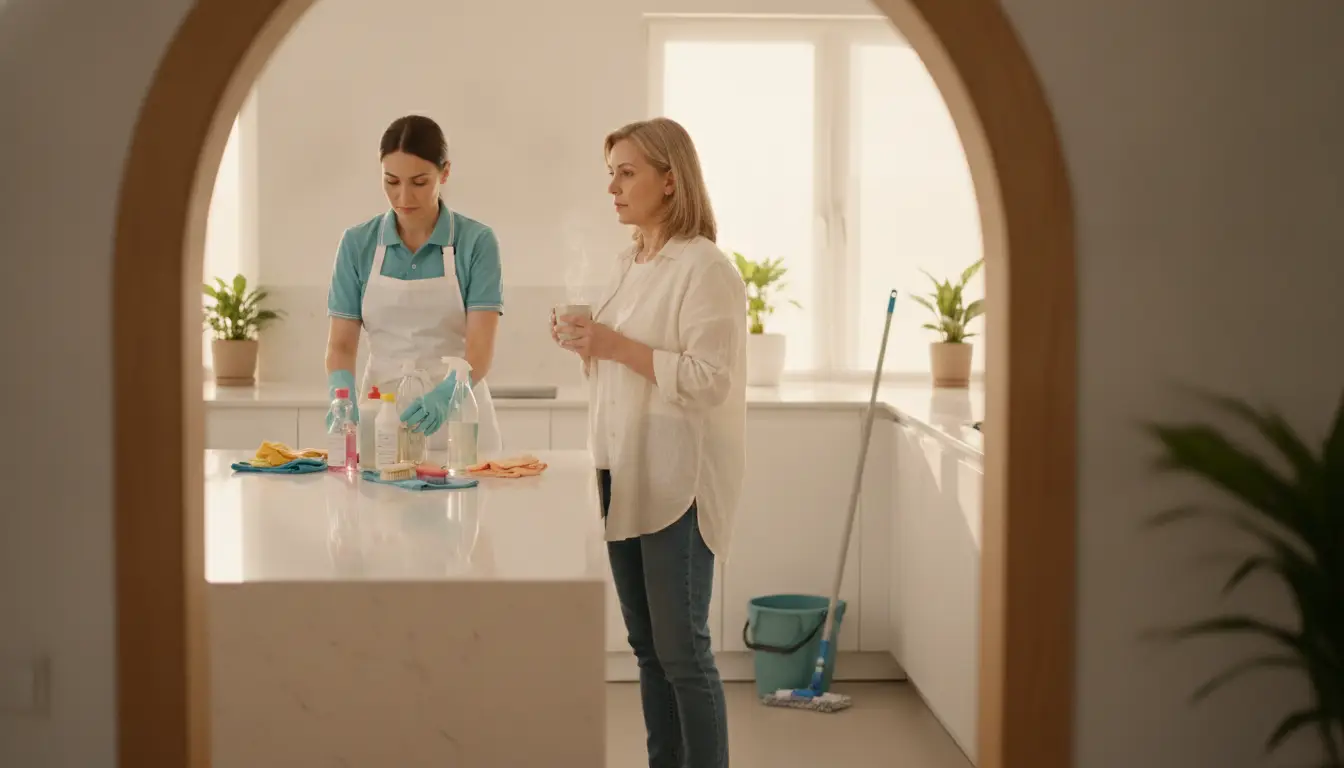
At least 2 million households nationwide have at least one household employee, and if you’re hiring help around the house yourself, it can feel like a massive relief until tax season arrives. Thousands of households hire domestic help every day without realizing they are crossing into employer territory. Failing to recognize this shift can lead to back taxes, audits, and expensive penalties from federal and state agencies.
The IRS uses specific guidelines to determine whether a worker is an employee or an independent contractor. If you control not only what work is done but also how it is executed, you are likely an employer. This means setting their hours, providing their equipment, and dictating their daily checklist makes them a household employee.
The Control Test for Domestic Workers
Distinguishing between a regular employee and an independent contractor comes down to control, schedule, and tools. An independent contractor usually operates as an independent business, brings their own specialized equipment, and offers services to the general public, which is why choosing one carefully is so important. When a worker relies entirely on your instructions and uses your vacuum cleaner or lawnmower, the relationship changes completely.
For the tax year 2026, the threshold for withholding Social Security and Medicare taxes is set at a specific level. You must manage formal tax obligations once a worker earns wages of 3000 dollars or more in a calendar year. This monetary rule applies regardless of whether the worker is full-time or part-time.
Reviewing these common examples will help clarify how the IRS evaluates your specific household arrangement:
- A full-time nanny who follows your daily childcare schedule is an employee
- A gardener who comes once a month with their own truck and tools is a contractor
- A housekeeper who works set hours every week using your cleaning supplies is an employee
Understanding these distinctions ensures that your household avoids common misclassification traps. Navigating these rules carefully protects your personal finances and keeps your domestic workplace compliant.
Essential Payroll Documentation and Recordkeeping
Operating as a household employer means you must establish an organized payroll routine to track earnings accurately. You need to keep detailed records of hours worked, cash paid, and taxes withheld throughout the calendar year. Providing clear proof of income is vital for your worker when they apply for car loans, housing, or personal credit lines.
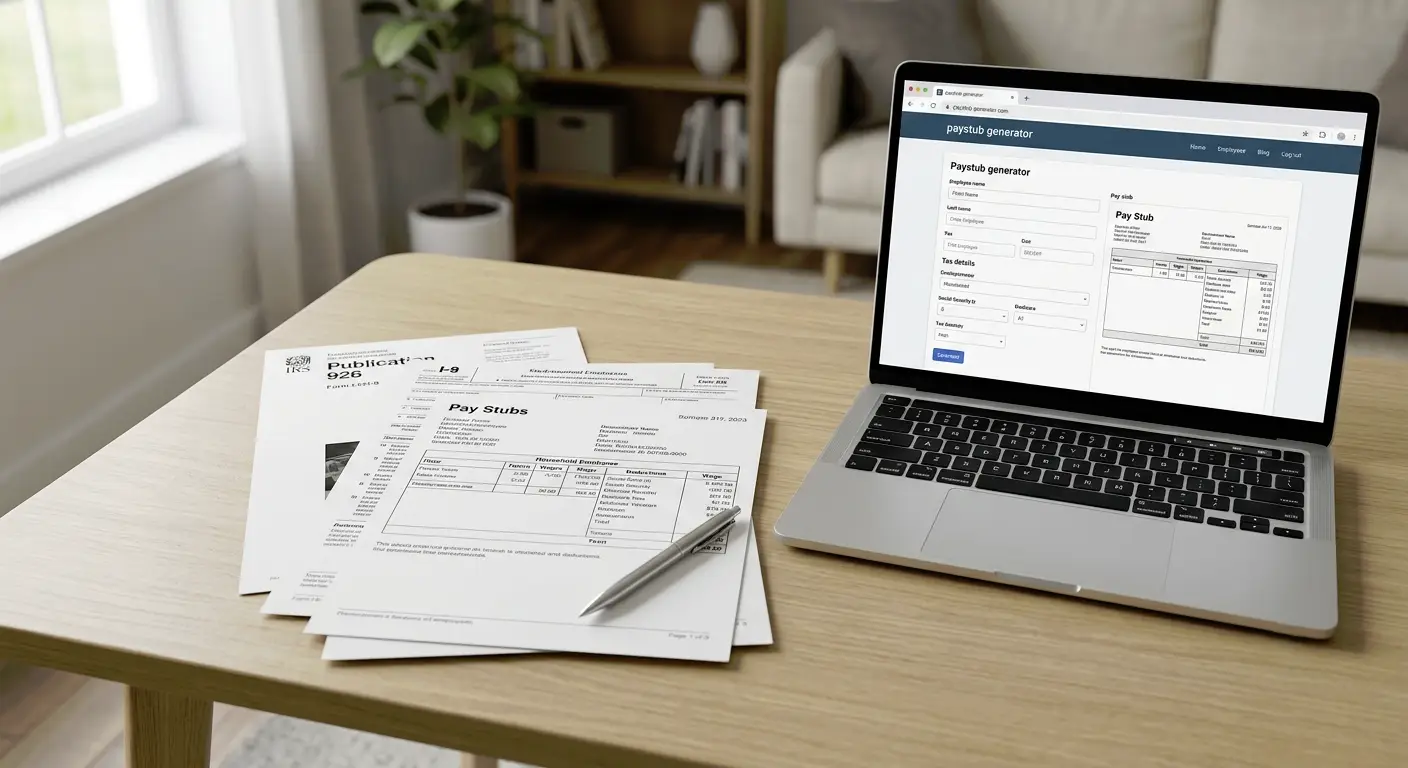
Using a reliable paystub generator simplifies this administrative burden by creating accurate professional documents for your domestic staff. These documents clearly break down gross wages, tax withholdings, and net pay to eliminate any confusion. State regulations often require regular pay statements, making consistent recordkeeping an absolute necessity for modern employers.
The official guidelines found in IRS Publication 926 outline the exact federal unemployment taxes you must pay as a household employer. Maintaining precise documentation protects you during an audit and ensures your employee receives proper benefits. Taking time to establish these systems now saves hours of administrative frustration during tax season.
Managing Your Household Employment Responsibilities
Transitioning into a household employer requires a shift in how you view casual home services. It requires consistent tracking of hours, clear communication about pay rates, and adherence to federal withholding guidelines. Ignoring these responsibilities can result in surprising financial liabilities down the road.
Investing a small amount of time into proper payroll documentation keeps your home running smoothly. Take a look at our internal blog for more tips on managing your household, from home improvement to cleaning and beyond.

Journalist Chloe Rivera studied at the University of Missouri and has covered mindful, stylish living since 2013. She joined us in 2025 to curate realistic routines, budget-friendly décor, and community stories that help readers craft balance without perfection pressure. When offline, Chloe volunteers at urban farms, photographs street style, and hosts weekend swap parties for preloved clothes and books in her neighborhood.