The right games can turn an event into something guests actually enjoy, not just attend. They give people a reason to laugh, compete, move around, and talk to each other without awkward pressure. But every audience is different, so the game selection has to match the crowd, venue, schedule, and event goal. A school event needs different games than a corporate mixer or trade show. When the match is right, the whole room feels more active and connected.
Why Audience Fit Matters Before Choosing Games
Game rental services work best when the games feel right for the people in the room. A fast basketball game may be perfect for a high-energy school event, while a branded claw machine may work better for a trade show booth. The goal is not to rent the most popular game. The goal is to choose games your guests will actually want to play.
Audience fit also affects how long guests stay engaged. If the games are too complicated, people may skip them. If they are too simple for the crowd, they may lose interest quickly.
You should also think about the event mood. A formal corporate reception may need games that feel polished and easy to join. A festival, fundraiser, or birthday party can use louder, brighter, and more playful games.
Match Games to Guest Types
Different guests enjoy different types of games. A smart event setup gives people enough variety without making the game area feel crowded.
Games for Kids and Family Audiences
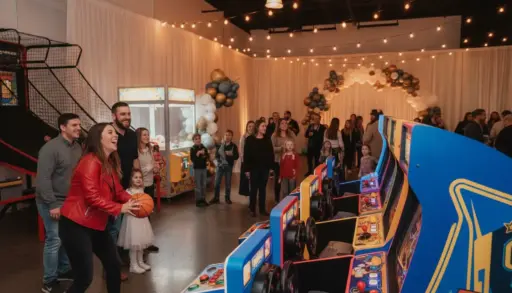
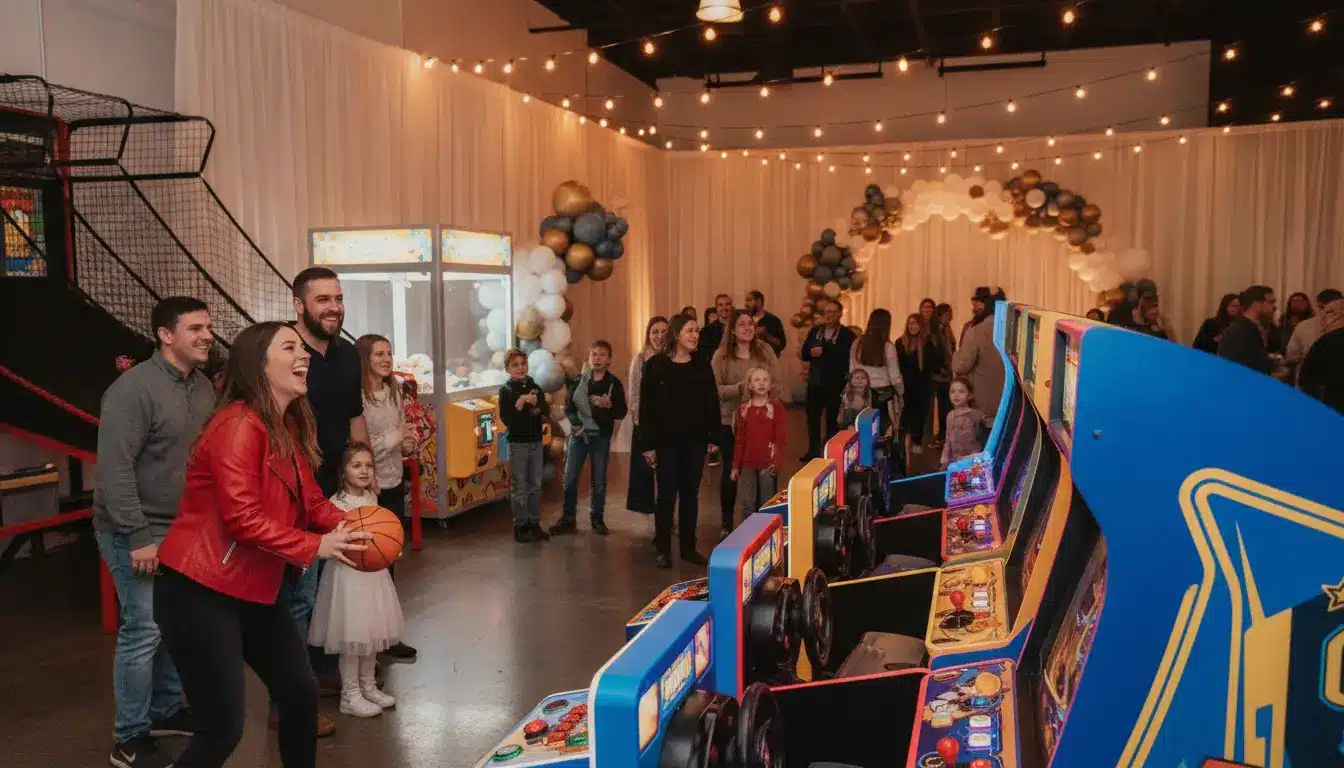
Kids usually enjoy games that are colorful, simple, and quick to understand. Claw machines, prize games, basketball games, and carnival-style games can work well for younger guests. Family audiences also need games with short turns, so more people can play without long waiting lines.
Games for Corporate Guests
Corporate guests often respond well to games that feel social but not childish. Racing games, sports games, trivia setups, and classic arcade machines can create relaxed competition during breaks or receptions. These games help people talk naturally without making the event feel too casual.
Games for Mixed-Age Crowds
Mixed-age events need a balanced game setup. One game may attract kids, while another brings adults in through nostalgia or friendly competition. A good mix keeps the event area active because every guest can find something that feels easy to try.
Choose Games Based on the Event Format
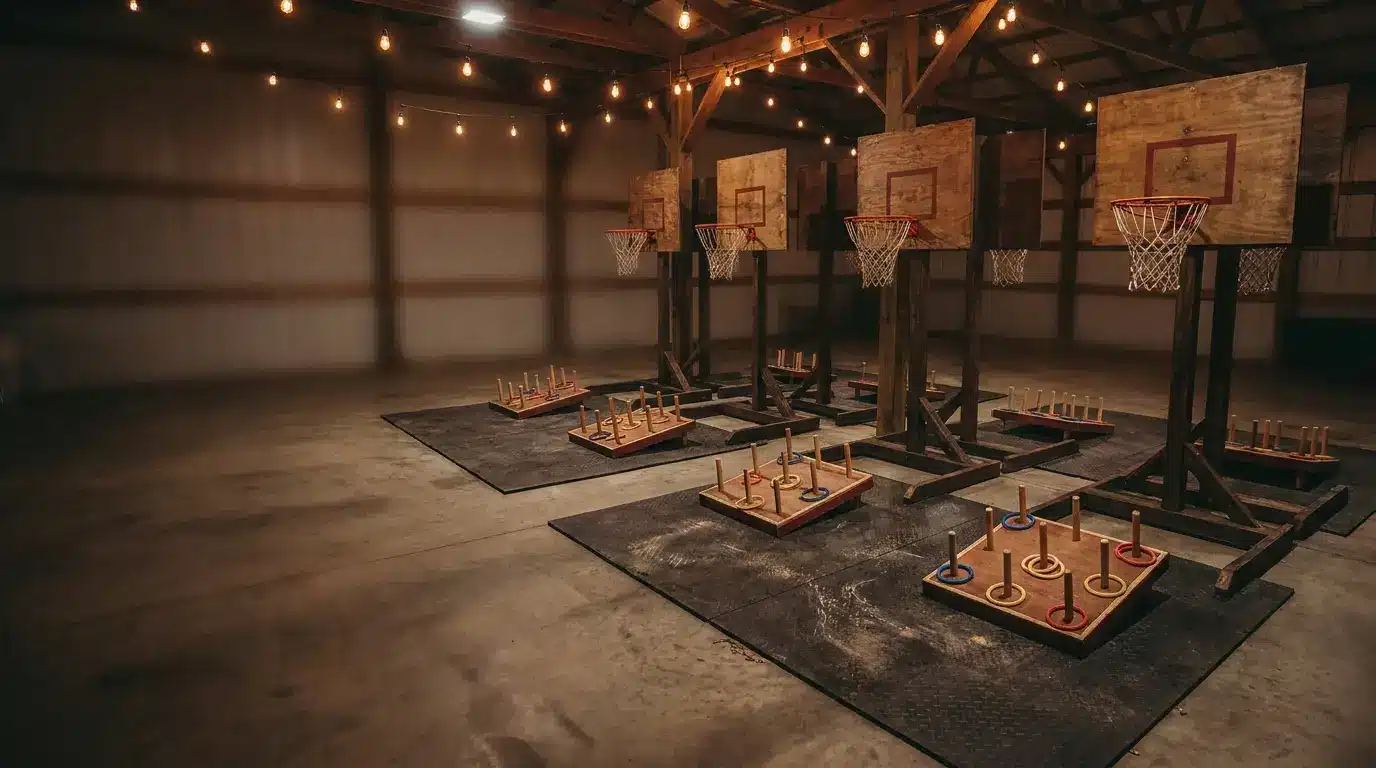
The type of event should guide the game selection from the beginning. A game that works well for one event may feel out of place at another.
Corporate Events and Networking Nights
Corporate events need games that support connection without taking over the room. Quick-play games work well because guests can join between conversations, drinks, or short program moments. The best games add energy while still keeping the event professional and smooth.
Trade Shows and Brand Activations
Trade shows need games that pull people toward the booth. Claw machines, prize games, branded arcade cabinets, and spin-style games can help create that first stop. When prizes or branding are included, the game becomes part of the event marketing experience.
School Events and Fundraisers
School events and fundraisers need games that are simple, safe, and easy to manage. Guests should understand the rules quickly and move through turns without confusion. Games with prizes, scores, or team challenges can help keep the energy high.
What to Check Before Booking Games
Before booking, check the details that affect setup, safety, and guest experience. These questions help you avoid problems with space, power, timing, and crowd flow.
- Confirm the guest age range first, because the best games should match comfort level, attention span, and event energy.
- Ask how much space each game needs, including player room, waiting lines, and nearby guest movement areas.
- Check power needs early, so outlets, circuits, cords, and cable covers are planned before setup day.
- Ask which games work best for short turns, especially when the event has breaks or limited activity time.
- Confirm whether prizes, branding, custom wraps, or signage can be added to support the event theme.
- Review delivery, setup, testing, and pickup details, so your team is not handling equipment during the event.
Keep Gameplay Simple and Easy to Join
Games should feel inviting from the first look. If guests need too many instructions, they may walk away before playing.
Use Games With Clear Rules
The best event games are easy to understand quickly. Guests should know what to do within a few seconds of stepping up. Simple rules help people join faster and keep the game area moving.
Avoid Long Wait Times
Long lines can make a game look popular, but they can also reduce participation. Quick turns help more guests play and keep the energy moving across the event. If one game is expected to be very popular, add nearby options to spread the crowd.
Make the Area Feel Social
Games work better when people can watch, cheer, and laugh together. Leave enough room for small groups to gather without blocking the main event flow. This turns the game zone into a social space, not just an equipment setup.
Connect Games With Event Flow and Production
A good event production company will not treat games as random extras placed in a corner. The games should support the schedule, the room design, the guest flow, and the energy you want at each point of the event. When games are planned with the full production, they feel like part of the experience.
Timing matters a lot. Games can work during arrival, cocktail hour, session breaks, after dinner, or open networking. The best placement depends on when guests have time to play without missing the main program.
The game area should also connect with sound, lighting, signage, and other activities. If the music is too loud, guests may avoid conversation-based games. If the area is too dark or hidden, even strong games may not get enough attention.
Rental Details That Improve the Experience
The rental process should make the event easier, not add more work for your team. Ask these questions before finalizing your game selection.
- Ask for game dimensions and photos, so you can picture the setup clearly inside the actual event space.
- Confirm whether attendants are recommended, especially for prize games, younger guests, large crowds, or branded activations.
- Check how early setup begins, because games should be tested before guests arrive at the venue.
- Ask about backup options, so one unavailable game does not weaken the full entertainment plan suddenly.
- Choose a mix of competitive and casual games, so guests can join whether they want pressure or relaxed fun.
- Confirm pickup timing with the venue, especially if the event ends late or has strict load-out rules.
Conclusion
Choosing the right games for an event audience is not just about picking what looks fun. It is about understanding who will attend, how they will move, and what kind of energy the event needs.
The best game setup feels easy, active, and natural inside the event. When you match the games with the audience, layout, schedule, and production plan, guests get more than something to play. They get a reason to stay involved, connect with others, and remember the event.

Film-buff journalist Felix Moreno earned his Film Studies degree at NYU and has reviewed cinema and streaming culture since 2012. Joining us in 2025, he spotlights must-watch releases, crafts spoiler-free synopses, and interviews behind-the-scenes talent. Felix’s playful trivia keeps readers ahead of the pop-culture curve. Offscreen, he runs a community film club and experiments with short-film screenwriting in his Brooklyn studio.