

What Uses Gas in a House? A Homeowner’s Guide to Gas Appliances, Remodeling, Fire Damage Restoration, and Design-Build Planning
Many homeowners receive a gas bill every month but are not always sure which appliances or systems are actually using gas. In some homes, gas may power only the furnace or water heater. In others, it may also run the stove, oven, clothes dryer, fireplace, outdoor grill, pool heater, or backup generator.
So, what uses gas in a house?
Most commonly, gas is used for space heating, water heating, cooking, clothes drying, fireplaces, outdoor appliances, and backup power. The exact list depends on the home, the age of the property, local utility availability, and whether the home uses natural gas, propane, or electricity.
Understanding which systems use gas can help homeowners manage utility costs, plan remodels, improve safety, and make smarter decisions when repairing or upgrading a home.
Natural Gas vs. Propane
Before looking at specific appliances, it helps to understand the difference between natural gas and propane.
Natural gas usually comes through underground utility lines connected to the home. If your property has a gas meter outside, there is a good chance at least one appliance or system uses natural gas.
Propane is typically stored in a tank on or near the property. It is more common in rural areas or locations without natural gas utility service. Propane can power many of the same appliances as natural gas, but the equipment must be designed or converted for the correct fuel type.
Homeowners should not assume that a gas appliance can safely switch between natural gas and propane without professional conversion. The appliance label, owner’s manual, or a qualified technician can confirm the correct fuel type.
Common Gas Appliances in a Home
Gas can be used in several parts of a house. Some systems are obvious, such as a gas stove with visible flames. Others are less noticeable, especially furnaces, water heaters, and dryers.
Gas Furnace or Heating System
A gas furnace is often one of the largest gas users in a home. It burns gas to create heat, then distributes warm air through ducts.
Gas heating is most noticeable during colder months, when usage can rise sharply. If your gas bill is much higher in winter, the furnace is likely the reason.
Common signs of a gas furnace include a gas shutoff valve, a gas line connection, a burner compartment, a flue pipe, and labels showing natural gas or propane. Some homes may also have gas wall heaters, gas boilers, or other fuel-burning heating systems.
Gas Water Heater
A gas water heater heats water for showers, sinks, laundry, and dishwashing. It may be a traditional tank-style water heater or a tankless system.
Water heating is often one of the biggest year-round gas uses because hot water is needed every day. A gas water heater may have a vent pipe, gas line, burner access panel, pilot light, or electronic ignition system.
If a home has gas service but no gas stove, the water heater and furnace are two of the first systems to check.
Gas Stove, Range, or Oven
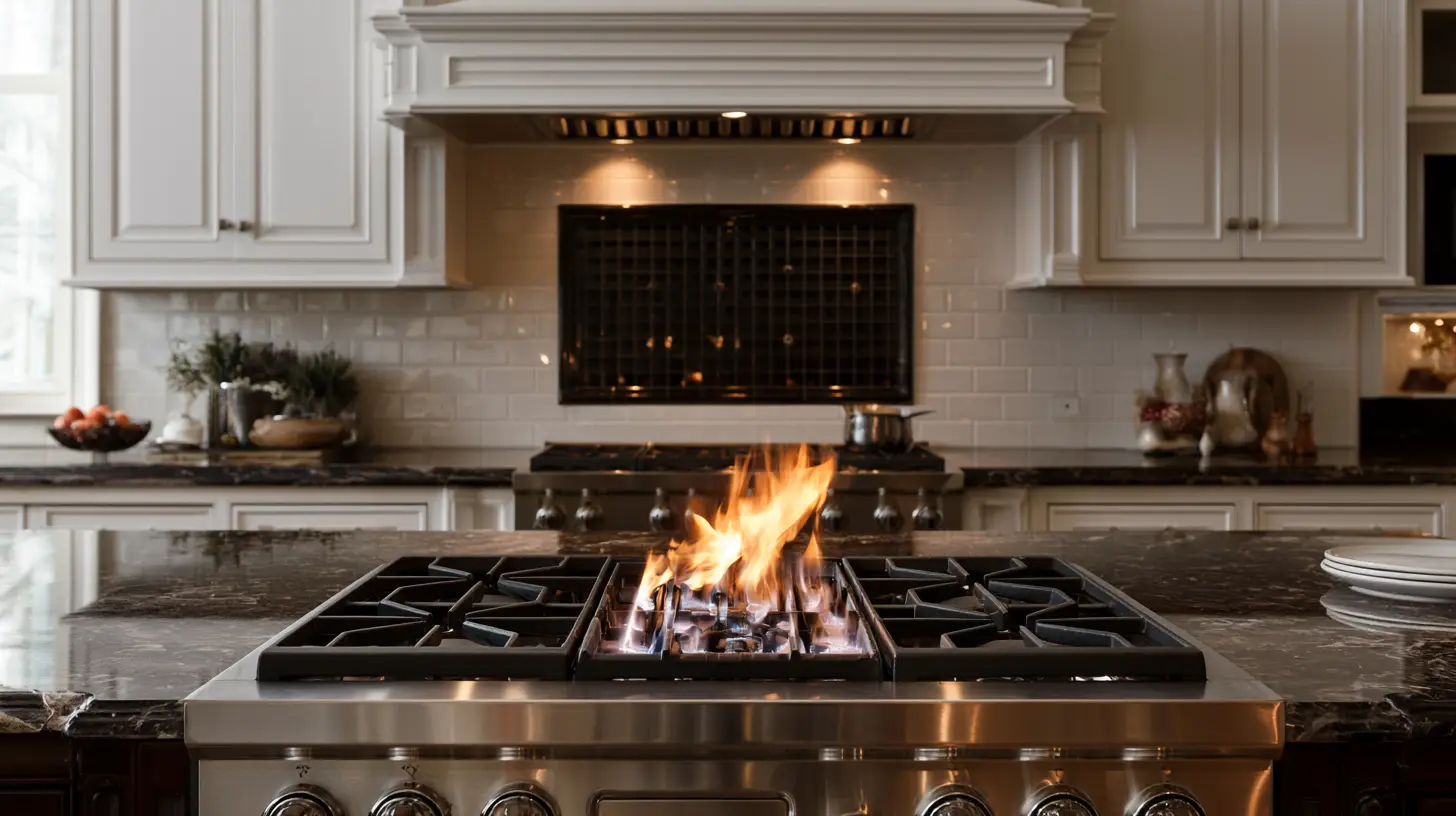
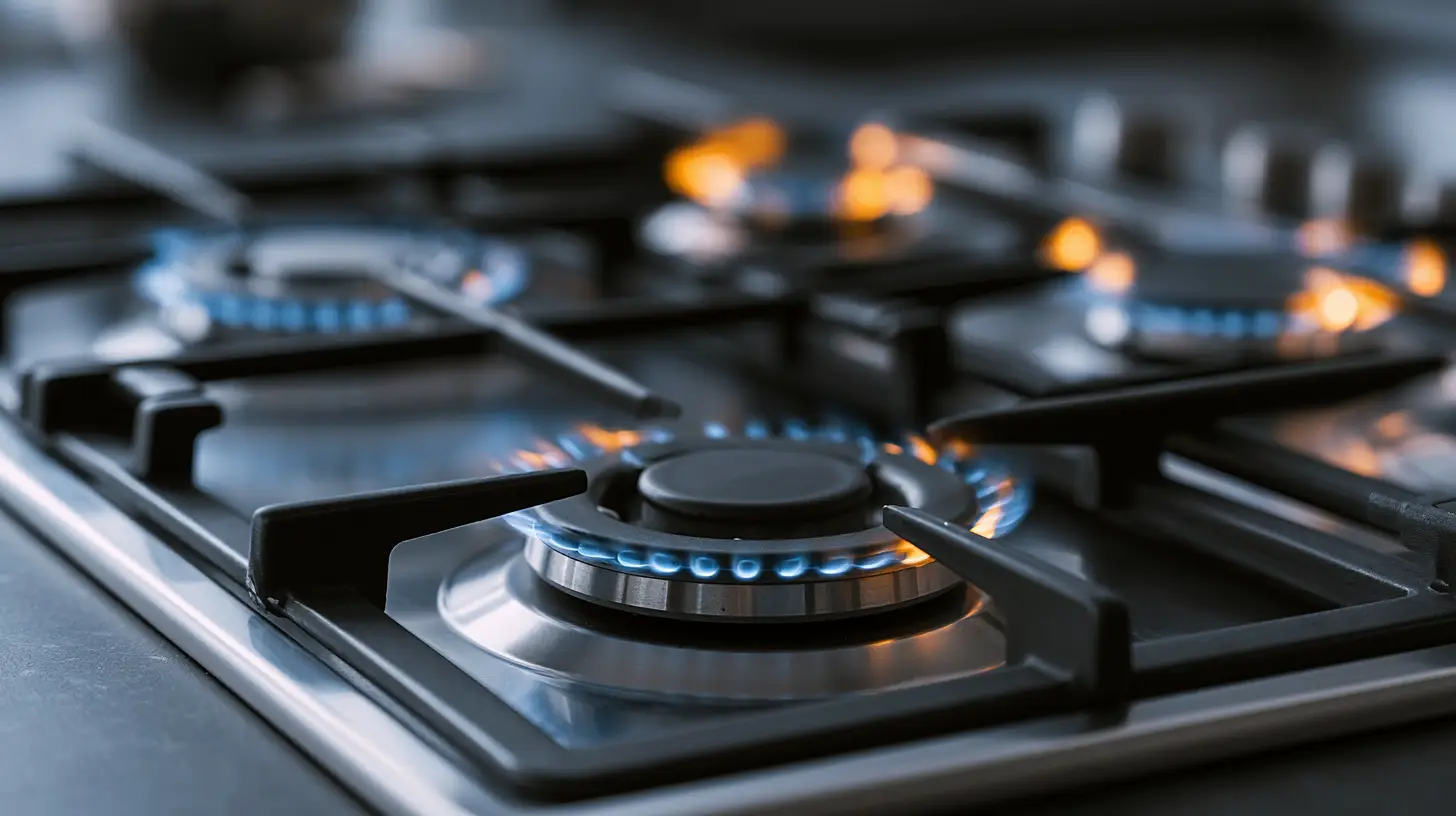
Gas stoves and ranges are among the easiest gas appliances to identify because the burners produce a visible flame. Some kitchens have a full gas range with both gas cooktop and gas oven. Others may have a gas cooktop with an electric oven.
Cooking usually uses less gas than heating or water heating, but ventilation still matters. Gas cooking produces combustion byproducts, heat, moisture, and cooking fumes, so a properly functioning range hood or ventilation system is important.
Gas Clothes Dryer
A gas clothes dryer uses gas to create heat, but it still uses electricity to tumble clothes and operate controls. Gas dryers usually have a gas line connection and an exterior vent.
Compared with electric dryers, gas dryers may dry clothes quickly, but they require proper installation and ventilation. If a dryer is being replaced, homeowners should confirm whether the existing setup is gas or electric before buying a new unit.
Gas Fireplace
Gas fireplaces can provide heat, atmosphere, or both. Some use a pilot light, while others use electronic ignition. Depending on the fireplace type, it may vent through a chimney, wall, or direct-vent system.
A gas fireplace should be maintained properly because poor combustion or blocked venting can create safety concerns. Homeowners should also make sure the fireplace is appropriate for regular heat use, not just occasional ambiance.
Outdoor Gas Appliances
Gas may also be used outside the home. Built-in grills, outdoor kitchens, fire pits, patio heaters, and pool or spa heaters can run on natural gas or propane.
Outdoor gas appliances should be installed with equipment rated for exterior use. Proper clearances, shutoff valves, ventilation, and protection from weather are important for safety and long-term performance.
Pool and spa heaters can use a significant amount of gas, especially if they are used often or set to high temperatures.
Backup Generators
Some whole-home backup generators run on natural gas or propane. These systems can provide power during outages and may be connected directly to the home’s fuel source.
Generators require careful installation, fuel planning, ventilation, and safe placement away from openings. They should not be treated like ordinary plug-in appliances.
Which Appliances Use the Most Gas?
In most homes, space heating and water heating use the most gas. A furnace may dominate winter gas usage, while the water heater contributes throughout the year.
Cooking, fireplaces, and clothes drying usually use less gas, depending on how often they are used. Outdoor heaters, pool heaters, and generators can increase usage significantly.
If a gas bill seems high, possible causes include cold weather, an older furnace, an inefficient water heater, poor insulation, air leaks, frequent hot water use, gas fireplace usage, pool heating, or a mechanical issue.
A sudden unexplained increase should be taken seriously, especially if there is any concern about a leak or malfunctioning appliance.

How to Tell If an Appliance Uses Gas
Homeowners can often identify gas appliances with a few visual clues.
A gas appliance usually has a gas line or shutoff valve nearby. This may be a flexible metal connector, black iron pipe, or other approved gas piping. There may also be a valve handle near the appliance.
Many gas appliances have a burner, flame, pilot light, or ignition system. Stoves, furnaces, water heaters, fireplaces, and some dryers use burners to create heat.
Venting is another clue. Gas appliances often need a vent pipe, flue, chimney, or direct-vent system to remove combustion byproducts. Water heaters, furnaces, fireplaces, and dryers often have some type of venting.
The appliance label can also help. Look for terms such as natural gas, propane, LP, gas-fired, electric, or dual fuel.
Gas Safety Basics Every Homeowner Should Know
Gas appliances can be safe and effective when installed, maintained, and ventilated correctly. However, gas systems require care.
A gas leak may smell like rotten eggs because utility companies add an odorant to help people detect leaks. Other warning signs can include a hissing sound near a gas line, dead vegetation near an outdoor gas line, or physical symptoms such as dizziness, headaches, or nausea.
If a gas leak is suspected, leave the home immediately and call the gas provider or emergency services from a safe location. Do not turn lights on or off, use electronics, light flames, or try to find the leak yourself.
Carbon monoxide is another concern with fuel-burning appliances. It is colorless and odorless, which makes detectors essential. Homes with gas appliances should have working carbon monoxide detectors, clear vents, and properly maintained furnaces, water heaters, fireplaces, and other combustion systems.
Gas lines should not be moved, extended, or modified casually. Permits and inspections may be required, and improper work can create fire, explosion, or carbon monoxide risks.
Gas Appliances During Remodeling or New Construction
Gas planning matters during kitchen remodels, laundry room updates, additions, outdoor living projects, fireplace installations, and whole-home renovations.
In a kitchen remodel, homeowners may need to decide whether to keep a gas range, move the appliance, improve ventilation, or convert to induction or electric cooking. Moving a gas line can affect cost, layout, permits, and the project schedule.
Laundry room remodels also require planning. A gas dryer needs a gas line and proper venting, while an electric dryer may require a different outlet. Mechanical rooms, water heaters, furnaces, and fireplaces all need similar attention during remodels.
For homeowners planning a remodel, addition, or new construction project where gas lines, appliance placement, ventilation, plumbing, and electrical systems need to work together, a design-build team like Skyline Design Build helps coordinate those decisions early in the planning process.
The earlier these utility decisions are made, the easier it is to avoid layout conflicts, delays, and unexpected changes.
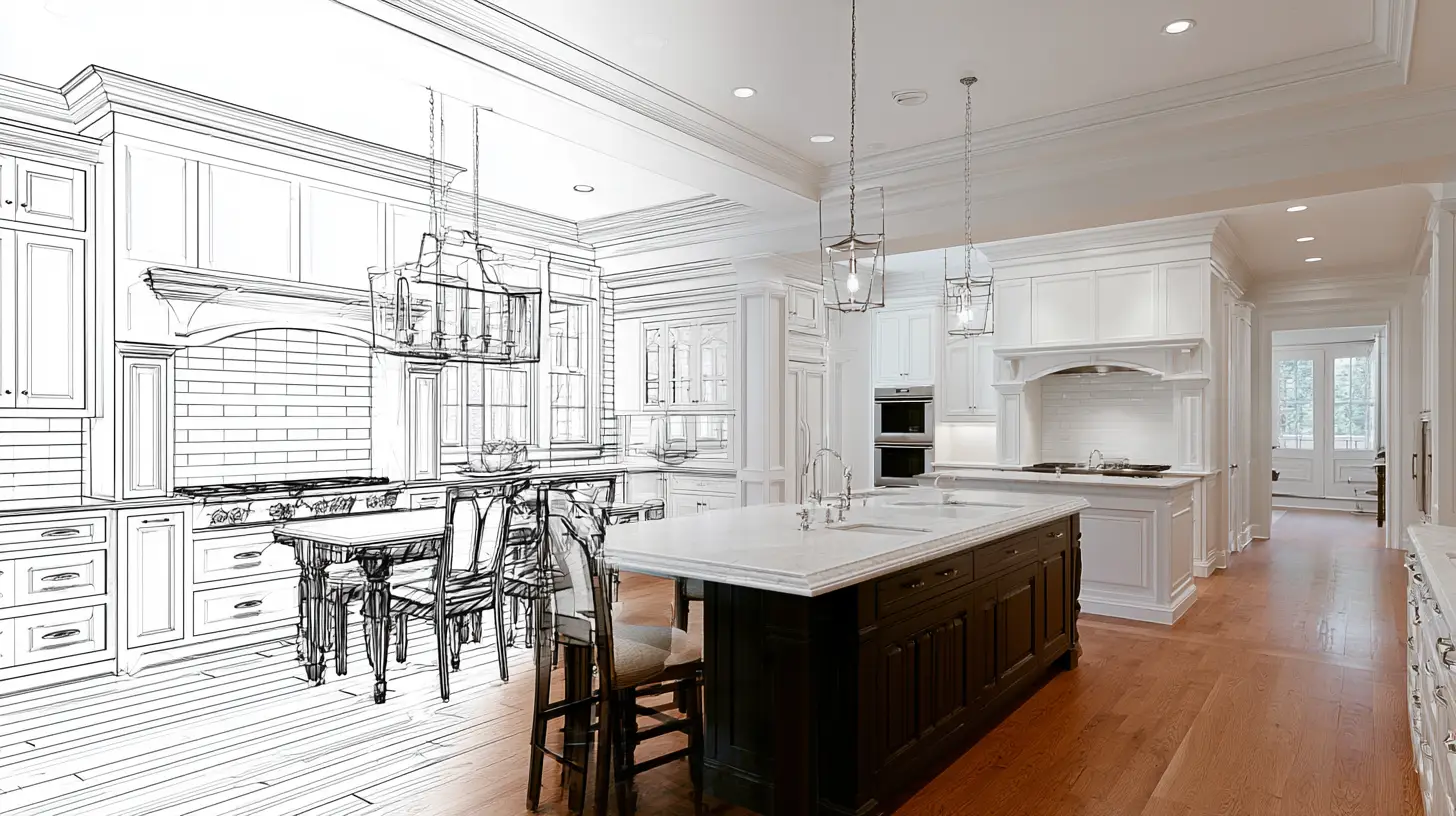
Gas, Fire Damage, and Home Restoration
Gas systems can become a major concern after fire, smoke, explosion, or structural damage. Even if an appliance looks intact, gas lines, vents, mechanical systems, and surrounding materials may need inspection before anything is used again.
Fire-damaged homes may require cleanup, smoke and soot removal, structural review, demolition, drying, reconstruction, and utility safety checks. If firefighting water was used, there may also be water damage that affects floors, walls, cabinets, electrical systems, and mechanical equipment.
If a home has experienced fire, smoke, structural, or utility-related damage, professionals from Golden Coast Construction & Restoration company can help homeowners understand what may need cleanup, repair, reconstruction, or restoration before gas-powered systems are used again.
In any damage situation, safety should come before convenience. Gas-powered appliances should not be restarted until the appropriate professionals confirm that the systems are safe.
Gas vs. Electric: Should Homeowners Switch?
Many homeowners are comparing gas and electric systems during remodels or appliance upgrades. Gas may still be preferred for heating, cooking, hot water, fireplaces, outdoor appliances, or backup generators. Electric systems may appeal to homeowners interested in induction cooking, heat pumps, electrification, or reducing combustion appliances inside the home.
There is no one-size-fits-all answer. The right choice depends on the home’s existing utilities, local energy costs, climate, appliance condition, budget, electrical panel capacity, local codes, and long-term goals.
Before switching from gas to electric, homeowners should check whether the electrical system can support the new load. Some upgrades may require new circuits, panel improvements, or ventilation changes.
Questions to Ask Before Changing Gas Appliances
Before replacing or moving a gas appliance, homeowners should ask which appliances currently use gas, whether the gas lines are in good condition, and whether ventilation is adequate.
It is also important to ask whether permits are required, whether carbon monoxide detectors are installed, and whether the project involves moving gas lines. If switching to electric, ask whether the electrical panel can support the change.
After fire, smoke, structural, or utility-related damage, homeowners should ask whether the system has been inspected and cleared before use.
Final Thoughts
So, what uses gas in a house? Gas may power the furnace, water heater, stove, oven, clothes dryer, fireplace, outdoor grill, pool or spa heater, garage heater, or backup generator.
In many homes, heating and water heating use the most gas. Cooking, drying clothes, fireplaces, and outdoor appliances may also contribute depending on how often they are used.
Understanding gas systems helps homeowners manage utility bills, plan remodels, compare gas and electric options, and protect the safety of the home. Gas lines, ventilation, repairs, and restoration work should always be taken seriously because they affect both daily comfort and long-term home performance.

Holding a Master’s in Architecture from the University of Texas at Austin, Emily Rodriguez has dedicated more than two decades to the art and science of building renovation. Starting her journey in historic preservation, she developed a profound respect for blending old with new in building design. Emily became a vital part of our team in 2019, renowned for her insightful and innovative renovation tips. She has been leading our DIY home improvement series since ever since, where she shares her wealth of knowledge in turning outdated spaces into modern havens. When not engaged in writing or consulting, Emily is a passionate advocate for heritage conservation and enjoys exploring vintage architecture, a hobby that complements her professional expertise.