
You do not always need a full renovation to make your home feel fresh, warm, and pulled together. Sometimes, the smallest design details make the biggest impact. A new texture, better lighting, updated hardware, or even custom fabric touches can change the way a room feels without draining your budget.
That is the fun part about DIY home design. You can start small, move at your own pace, and improve one corner at a time. Simple projects like adding new pillow covers, framed art, or personalized embroidery designs can bring more character into your space without making it feel overdone.
The goal is not to make your home look like a showroom. It is to make it feel more like you. A few thoughtful upgrades can help your home feel cleaner, cozier, and more finished.
Start With the Details You Touch Every Day
One of the easiest ways to improve a room is to look at the things you use daily. Cabinet handles, door knobs, light switches, hooks, and drawer pulls may seem small, but they are seen and touched all the time.
Old hardware can make a room feel dated, even if the rest of the space looks nice. Swapping it out is usually simple and does not require major tools.
You can update:
- Kitchen cabinet handles
- Bathroom drawer pulls
- Closet knobs
- Interior door handles
- Wall hooks near the entryway
Choose finishes that match the feel of your home. Matte black can look modern. Brass feels warm and classic. Brushed nickel is simple and clean.
Use Paint in Smart, Small Ways
Paint is one of the best DIY tools because it is affordable and powerful. You do not have to repaint an entire room to see a difference.
A painted accent wall, updated trim, or refreshed door can give a space new life. Even painting old furniture can help it fit better with your current style.
For bigger projects, it is smart to know when DIY ends and professional help begins. If you are changing layouts, opening walls, or updating several rooms at once, working with a trusted home remodeling team can help make sure the final result looks clean, safe, and well planned.
Try These Small Paint Projects
If you want a weekend project, start with something simple. Paint the inside of a bookcase, refresh an old mirror frame, or update a plain bathroom vanity.
You can also paint interior doors a soft neutral, deep green, navy, or charcoal. It gives the home more style without feeling too bold.
Add Texture So Rooms Feel Warmer
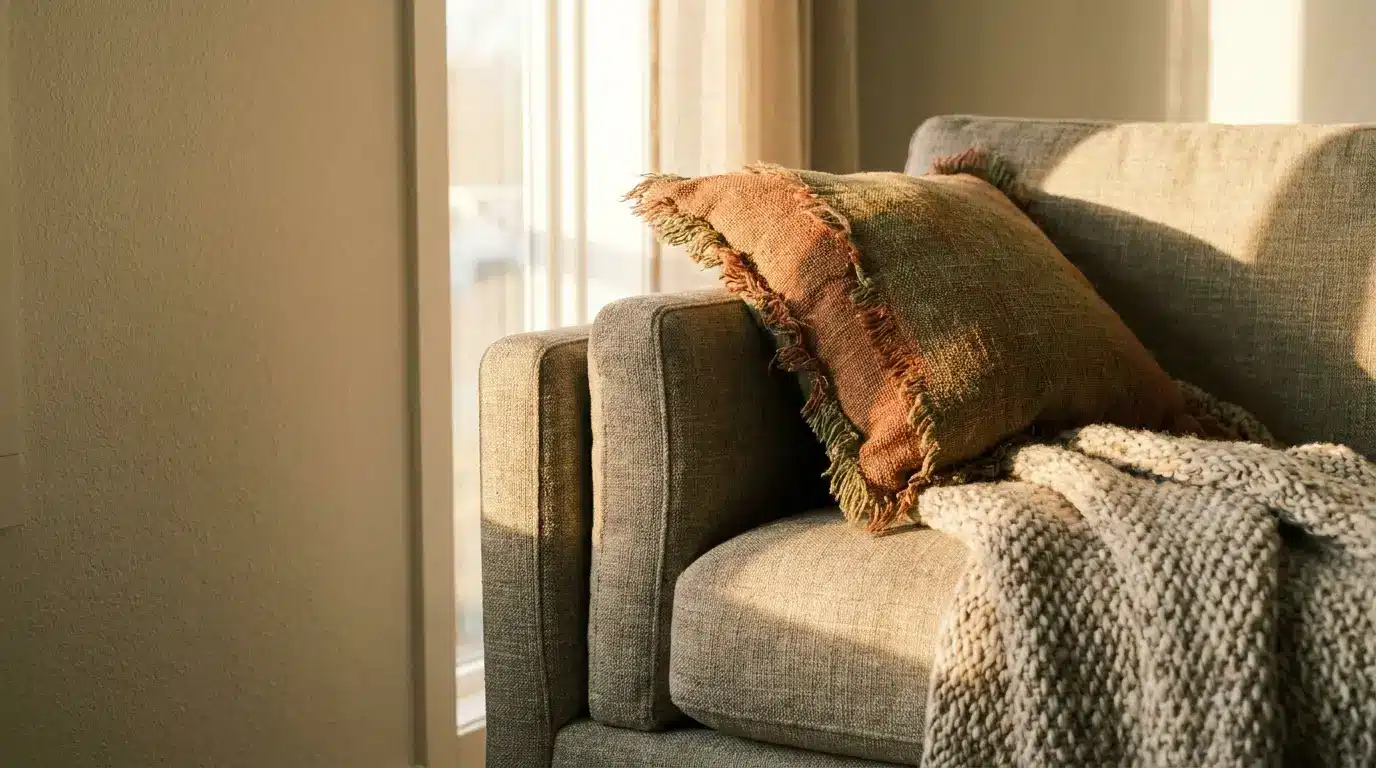
A room can have nice furniture and still feel flat. Texture fixes that. It adds depth and makes a space feel more comfortable.
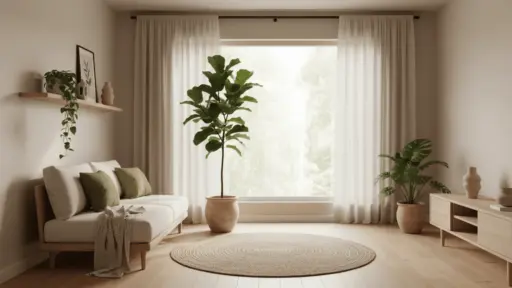
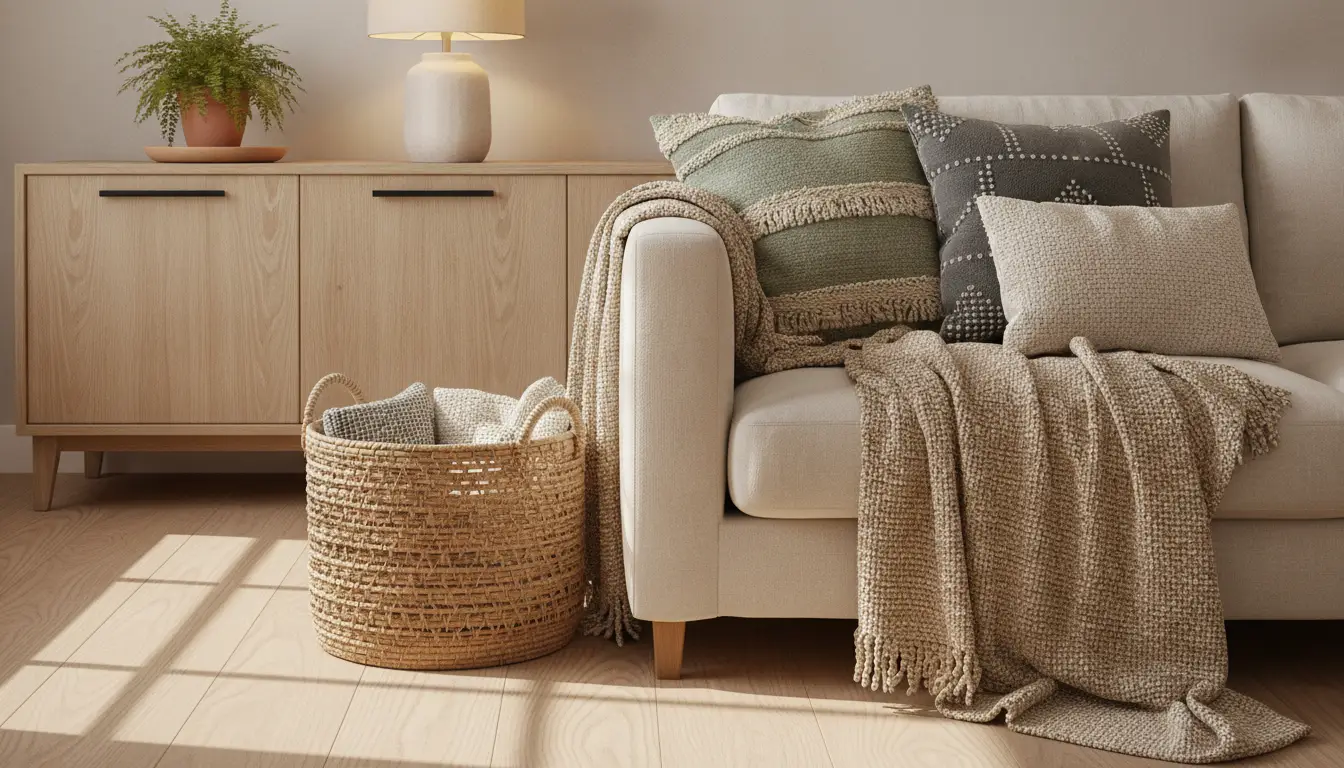
Think about soft blankets, woven baskets, linen curtains, wood trays, and textured pillows. These pieces do not have to be expensive. They just need to add a little contrast.
For example, if your sofa is smooth and plain, add pillows with stitching, fringe, or a different fabric. If your room has lots of hard surfaces, bring in a soft rug or fabric bench.
Mix Materials Without Overthinking It
You do not need every item to match. In fact, rooms often look better when they have a mix of materials.
Try combining:
- Wood with metal
- Linen with leather
- Glass with woven accents
- Smooth surfaces with handmade details
This makes the room feel lived-in instead of stiff.
Improve Lighting Before Buying More Decor
Lighting can completely change how a room feels. A dark room may look smaller, colder, or less inviting. Better lighting can make the same space feel larger and more welcoming.
Start by checking your bulbs. Warm white bulbs usually feel better in living rooms, bedrooms, and dining areas. Bright white bulbs work better in bathrooms, laundry rooms, and workspaces.
Layering light also helps. Instead of relying only on one ceiling light, add table lamps, floor lamps, or wall lights.
Simple Lighting Fixes
Small changes can make a big difference. Add a lamp to a dark corner. Use under-cabinet lights in the kitchen. Place a small lamp on an entry table.
You can also swap old lampshades for cleaner, lighter ones. This is a tiny change, but it can brighten the whole room.
Style Your Walls With Purpose
Blank walls can make a home feel unfinished. But filling every wall with random decor can feel messy. The best approach is to be selective.
Choose wall pieces that mean something or support the room’s style. Family photos, simple artwork, mirrors, shelves, and handmade pieces can all work well.
A mirror is especially useful in smaller spaces. It reflects light and can make a room feel more open.
Create a Simple Gallery Wall
A gallery wall does not need to be complicated. Pick one wall and use frames in the same color for a clean look.
Before hanging anything, lay the frames on the floor and test the layout. Keep the spacing even so it feels planned.
Make Entryways More Useful
The entryway sets the tone for the whole home. It is also where clutter builds up quickly. Shoes, bags, keys, and mail can make the space feel messy fast.
A few small fixes can help. Add hooks, a narrow table, a small bench, or a basket for shoes. Even a simple tray for keys can make the area feel more organized.
If the space is small, use the wall. Floating shelves and wall hooks save floor space while keeping things easy to reach.
Refresh Soft Decor Seasonally
You do not need to redecorate your whole home for every season. Just switch a few soft items.
Pillow covers, throws, table runners, and small rugs are easy to change. Lighter fabrics work well in spring and summer. Warmer textures feel better in fall and winter.
This keeps your home feeling fresh without buying new furniture.
Do Not Ignore Small Repairs
Tiny repairs may not feel exciting, but they matter. A loose handle, chipped paint, cracked caulk, or crooked shelf can make a room feel less cared for.
Fixing these details helps your home look cleaner right away. It also prevents small problems from turning into bigger ones.
Walk through your home with fresh eyes. Make a quick list of small things that need attention, then tackle one or two each weekend.
Conclusion
Home design does not have to be expensive or stressful. Small DIY details can make your home feel more polished, personal, and comfortable.
Start with one room or even one corner. Update the hardware, improve the lighting, add texture, or fix something you have been ignoring. These little changes add up, and before long, your home will feel more finished without needing a major makeover.
FAQ
What Is the Easiest DIY Home Design Update?
Changing cabinet hardware, adding new pillows, or improving lighting are some of the easiest updates. They are affordable and can be done quickly.
How Can I Make My Home Look Better on a Budget?
Focus on paint, lighting, texture, and organization. These changes cost less than major renovations but still make a strong impact.
Do Small Design Details Really Matter?
Yes. Small details help a room feel complete. Hardware, trim, lighting, wall decor, and fabric choices all affect the overall look.
What Should I Avoid When Decorating?
Avoid buying too many random pieces at once. It is better to choose items that fit your space, colors, and lifestyle.
When Should I Hire a Professional Instead of Doing It Myself?
Hire a professional for major changes involving walls, plumbing, electrical work, layout changes, or full-room renovations.

Holding a Master’s in Architecture from the University of Texas at Austin, Emily Rodriguez has dedicated more than two decades to the art and science of building renovation. Starting her journey in historic preservation, she developed a profound respect for blending old with new in building design. Emily became a vital part of our team in 2019, renowned for her insightful and innovative renovation tips. She has been leading our DIY home improvement series since ever since, where she shares her wealth of knowledge in turning outdated spaces into modern havens. When not engaged in writing or consulting, Emily is a passionate advocate for heritage conservation and enjoys exploring vintage architecture, a hobby that complements her professional expertise.