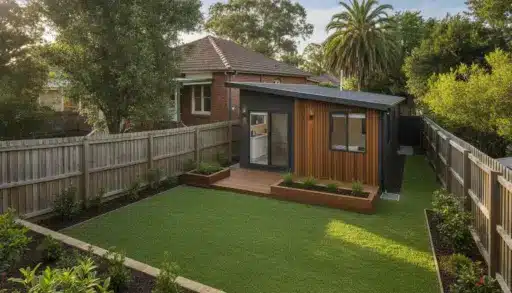
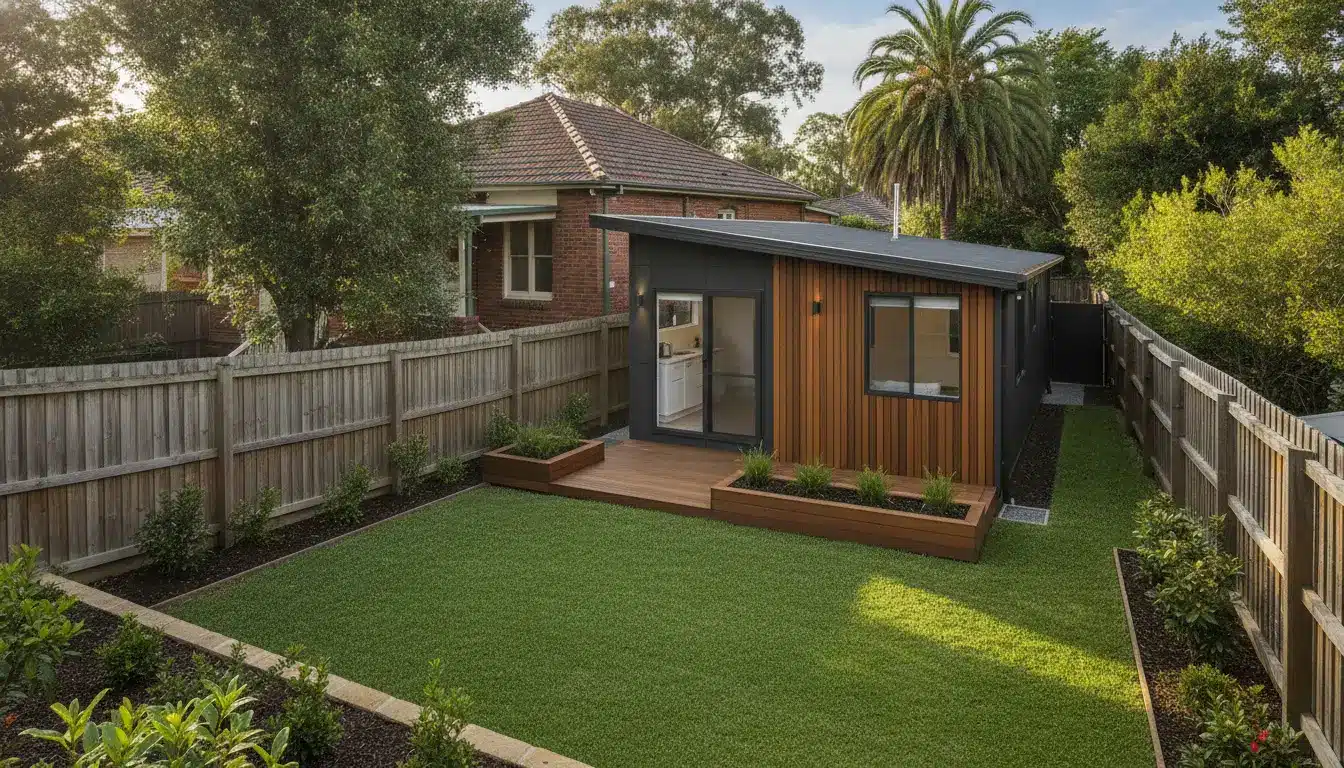

Across Sydney’s residential landscape, there’s a quiet shift happening in suburban property development; less about building bigger, and more about building smarter within constraints that already exist. What used to be seen as a secondary addition has become a deliberate design strategy, shaped by regulation, land efficiency, and long-term property thinking. For homeowners and investors, the value is no longer just in construction, but in how predictably a project moves from concept to completion.
Navigating Sydney’s CDC Framework with Clarity
In Sydney, most construction delays don’t start on site. They start in the drawings. The CDC pathway in NSW looks simple from the outside, but it’s extremely unforgiving underneath. One wrong assumption and the “fast track” disappears instantly.
Specialist builders like granny flat building company from Sydney respect the boundaries of the geometric framework of compliance, but work with the logic of performance-led design. That means, while they strictly follow the rules, true motivation is the performance (thermal, economic, and functional) of the building.
They build around rules like:
- Minimum lot sizes around 450m² or more
- Strict setback requirements (often ~0.9m from boundaries)
- Single-story height limitations
- Controlled floor area relative to the main dwelling
Where many general builders fall into redesign cycles, specialists in Sydney anticipate compliance early. They work closely with private certifiers and align layouts to avoid DA escalation. The result isn’t just faster approval—it’s fewer surprises, fewer revisions, and a smoother transition from concept to construction-ready status.
Structured Delivery Built on Repetition and Control
One of the less visible advantages in Sydney’s granny flat niche is operational consistency. Rather than reinventing each project, specialist builders refine a repeatable system that becomes more efficient with every build.
This often includes:
- Pre-sequenced construction stages adapted to small-lot environments
- Familiar subcontractor teams working in coordinated cycles
- Standardized material ordering to reduce delays and shortages
- Predictable build durations, often around 10–14 weeks post-approval
This repetition isn’t about limitation, it’s about removing uncertainty. In Sydney’s busy construction environment, consistency becomes a form of risk management. Clients benefit from clearer timelines and fewer disruptions, especially when builds occur in occupied residential backyards.
Sydney Backyard Constraints and Practical Site Intelligence
Backyards in Sydney rarely offer ideal building conditions. Tight access, heritage overlays, and hidden infrastructure often define what is possible more than the design itself. This is where specialist knowledge becomes especially valuable.
Common site realities include:
- Narrow side access limiting machinery and delivery options
- Easements for drainage or sewer lines restricting footprint flexibility
- Sloping blocks requiring careful management of excavation limits
- Tree preservation rules influencing placement and orientation
Experienced builders don’t treat these as obstacles, they plan around them from the initial site review. That saves something most homeowners underestimate: disruption, not just cost. Because the real pain in Sydney isn’t building, it’s stopping because of the unexpected, and restarting.
Furthermore, a high-quality builder defines a ‘clean zone’ for installing quality fences while accounting for neighborhood proximity. This prevents ‘site friction’ early on, ensuring the construction process protects neighbor relations and eliminates the need for reactive repairs or fence rebuilds at the end of the project.
Financial Structure and Long-Term Property Thinking
In Sydney’s investment-driven property market, granny flats are rarely just construction projects—they are financial instruments. Specialist builders understand this dynamic and structure their approach accordingly.
This is reflected in:
- Fixed-price models based on proven build sequences
- Standardized inclusion packages reducing cost variability
- Design decisions aligned with rental yield and tenant demand
- Strategic options like separate access and utility considerations
So the conversation shifts. Not “what looks premium?” but “what survives tenants, time, and vacancy risk?” That’s where investors start noticing the difference. Not in finishes—but in consistency of outcome.
A Practical Balance Between Efficiency and Flexibility
Specialization in Sydney’s granny flat sector naturally introduces structure, and with it, certain boundaries. These builders typically prioritize proven systems over experimental design approaches.
What this means in practice:
- Fewer deviations from established layouts
- Limited appetite for highly bespoke architectural requests
- Strong emphasis on build efficiency and sequencing discipline
In exchange, what you gain is something most builds actually fail to deliver in Sydney: a project that moves forward without constant friction. That means less chaos, fewer revisions, and minimal unknowns.
In essence, construction of granny flats and other secondary dwellings in Sydney doesn’t reward complexity for its own sake anymore. Between planning rules, land constraints, and rising build expectations, the winners aren’t the builders who can do everything—they’re the ones who know exactly what shouldn’t be attempted in the first place. Specialization isn’t limiting the process. It’s stripping away everything that usually breaks it.

Holding a Master’s in Architecture from the University of Texas at Austin, Emily Rodriguez has dedicated more than two decades to the art and science of building renovation. Starting her journey in historic preservation, she developed a profound respect for blending old with new in building design. Emily became a vital part of our team in 2019, renowned for her insightful and innovative renovation tips. She has been leading our DIY home improvement series since ever since, where she shares her wealth of knowledge in turning outdated spaces into modern havens. When not engaged in writing or consulting, Emily is a passionate advocate for heritage conservation and enjoys exploring vintage architecture, a hobby that complements her professional expertise.