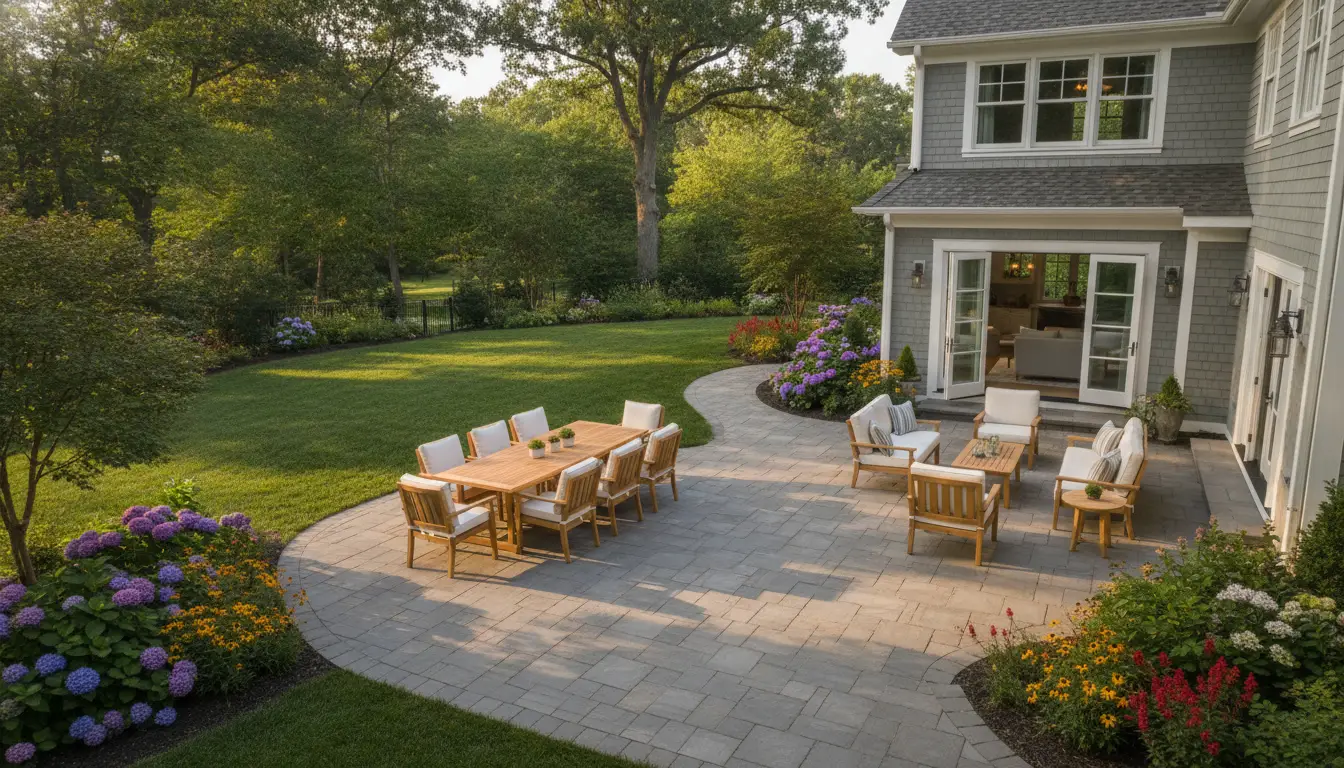

A well designed patio can transform an ordinary backyard into a comfortable place for relaxing, entertaining, and spending time with family. While choosing materials and finishes is important, selecting the right patio size has an even greater impact on how practical the space will be. A patio that is too small can feel cramped, while one that is too large may overwhelm your yard and increase construction costs without adding meaningful value.
Before settling on a design, take time to think about how you plan to use the space. Your lifestyle, the size of your property, and your future plans should all influence the final dimensions.
Start With the Purpose of Your Patio
The first step is deciding what activities your patio will support. Some homeowners only need enough room for a small table and a few chairs, while others want an outdoor kitchen, fire pit, or lounge area.
Before finalizing measurements, consulting experienced professionals such as San Diego patio paver installers can help you understand how different layouts work with your available space while ensuring the finished patio complements your home’s overall design.
Think about your daily habits. If you enjoy outdoor dining several nights a week, prioritize space for a dining set. If your family spends weekends relaxing outside, comfortable seating may become the main focus. Planning around your lifestyle helps prevent building a patio that looks attractive but doesn’t serve your needs.
Measure Your Backyard Carefully
It is tempting to estimate available space by eye, but accurate measurements make a significant difference during planning.
Measure the width and depth of your yard, then identify any permanent features such as trees, sheds, fences, gardens, utility boxes, or air conditioning units. These elements may limit where the patio can be placed.
Sketching a simple layout can help visualize different patio sizes before construction begins. Even a basic drawing allows you to compare several options and determine which dimensions leave enough open lawn and walking space.
Consider Your Furniture First
Furniture often determines the minimum patio size required.
A dining table with six chairs requires more room than just the table itself. Guests need enough space to pull chairs out comfortably and walk around them. Likewise, outdoor sofas, coffee tables, and loungers all require additional clearance.
Instead of designing the patio first and shopping for furniture later, reverse the process. List the furniture you want to include and estimate the total footprint before choosing the final patio dimensions.
Leaving adequate space between furniture pieces also creates a more inviting environment that feels open rather than crowded.
Leave Room for Movement
One of the biggest planning mistakes is focusing only on where furniture will sit while forgetting about how people move through the space.
Walkways should remain clear so guests can comfortably move between seating areas, doors, and the yard. Narrow pathways quickly become frustrating during gatherings, especially when multiple people are outside.
A patio should feel spacious enough for everyday use, not just when everything is perfectly arranged.
Balance the Patio With Your Home
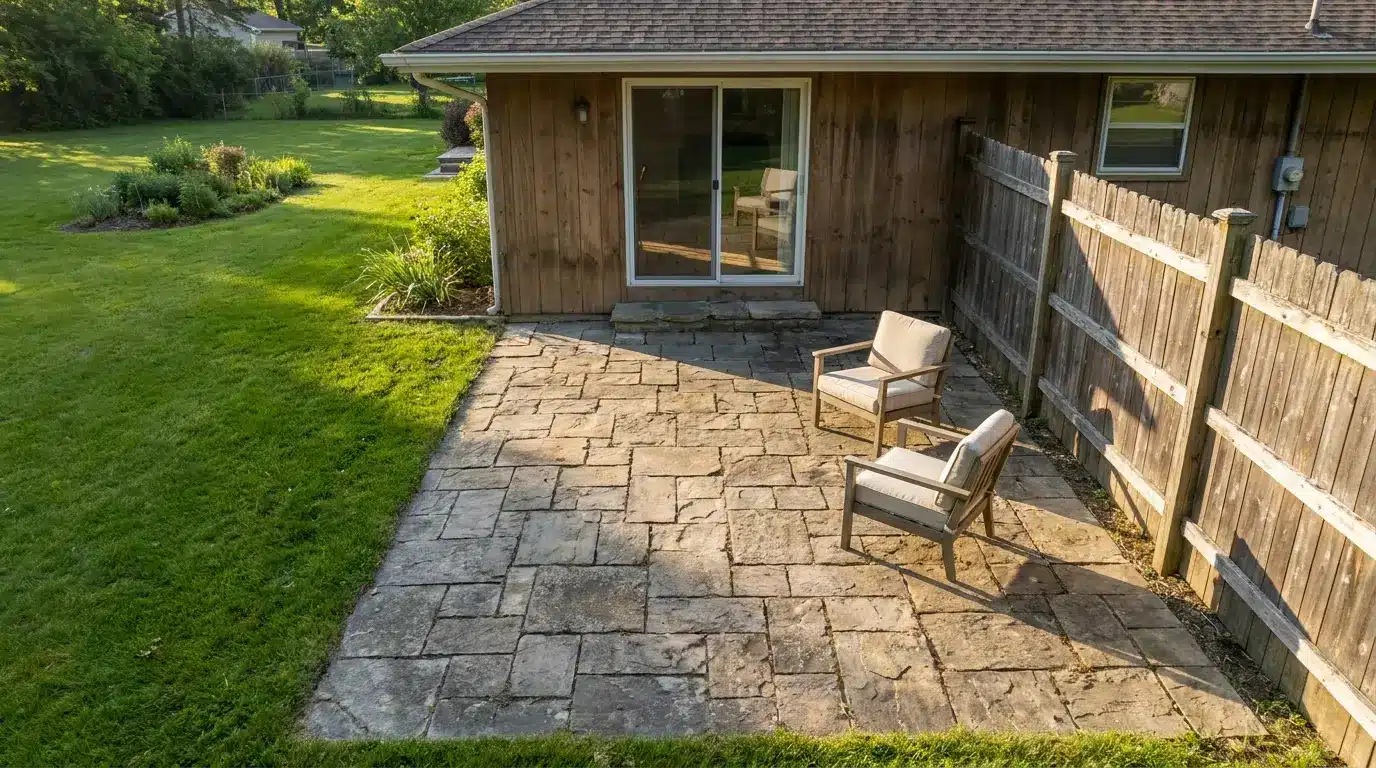
Your patio should feel like a natural extension of your house instead of an oversized feature placed in the backyard.
A small home paired with an enormous patio can look out of proportion, while a large home may benefit from a more generous outdoor living area. Matching the patio’s scale to both the house and the surrounding landscape creates a more balanced appearance.
Pay attention to how the patio connects with existing doors and windows. Easy access encourages people to use the outdoor space more often.
Think About Future Needs
Your lifestyle may change over the next several years.
Perhaps your family will grow, you’ll purchase new outdoor furniture, or you may eventually add a pergola, outdoor kitchen, or hot tub. Planning with future upgrades in mind can save time and money later.
Leaving enough surrounding space for additions allows your patio to evolve without requiring a complete redesign.
Maintain Plenty of Green Space
Although patios provide excellent outdoor living areas, they should not completely replace your yard.
Many homeowners appreciate having room for children to play, pets to run, or gardens to flourish. Keeping a healthy balance between hardscaping and landscaping also improves the overall appearance of your property.
Retaining some natural greenery helps soften the look of paved surfaces while making the backyard feel more welcoming.
Factor in Your Budget
Larger patios require more materials, labor, and site preparation, increasing the overall project cost.
Rather than building the biggest patio possible, focus on building the right size. A thoughtfully designed medium sized patio often delivers better functionality than an oversized space filled with unused areas.
Prioritizing features that you will use regularly ensures your investment provides lasting value.
Test the Layout Before Construction
Before making final decisions, mark the proposed patio dimensions using stakes, string, or landscape marking paint.
Walk around the outlined area, place temporary furniture inside the space, and imagine how you would use it during meals, gatherings, or quiet evenings outdoors. This simple exercise often reveals whether the patio feels too large, too small, or just right.
Making adjustments during the planning stage is much easier than changing the finished project.
Conclusion
Choosing the best patio size involves more than selecting dimensions that fit your backyard. The ideal patio supports your daily activities, complements your home’s proportions, accommodates furniture comfortably, and leaves enough room for landscaping and future improvements.
By carefully measuring your yard, thinking about how the space will be used, and planning for both present and future needs, you can create a patio that remains practical, attractive, and enjoyable for many years to come.

Robert Thompson, a proud alum of the University of Oregon with a degree in Landscape Architecture, has been a leading figure in outdoor space enhancement for over 17 years. He started his career with a landscape design firm, gaining invaluable experience creating functional and attractive outdoor living areas. Robert joined our website in 2018, where he quickly became known for his innovative yet practical advice on outdoor renovations. He has been the chief editor of our deck and patio section ever since then, helping readers transform their outdoor spaces into personal retreats. When not drafting designs or writing, Robert is an avid kayaker, often drawing inspiration from nature for his creative projects.