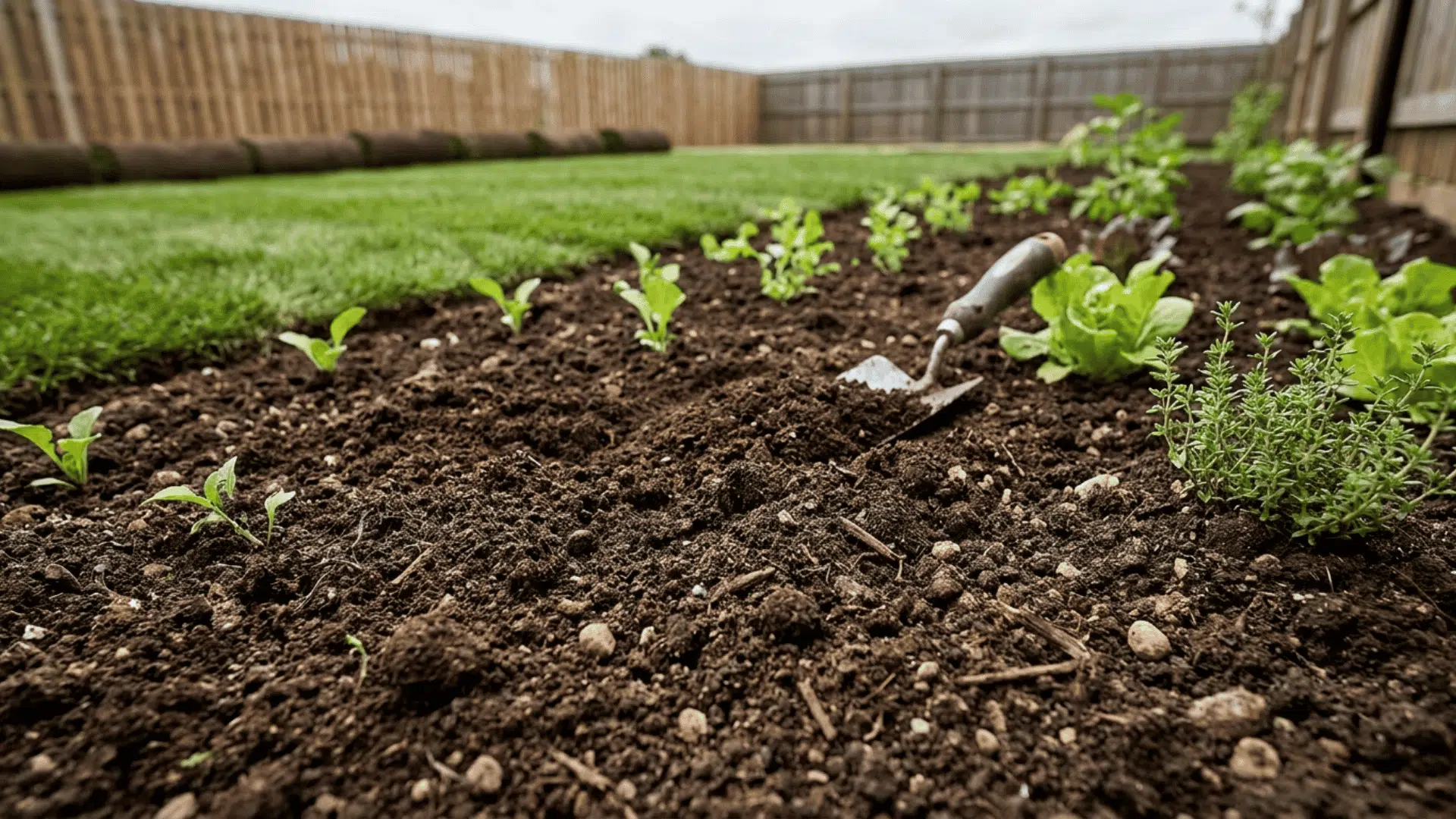

You planted the seeds, watered regularly, and did everything right. But the plants are struggling, the lawn looks thin, and nothing seems to take hold.
The problem might not be your practices; it might be what’s underneath. Having poor soil is a big reason many gardens don’t do well.
You see, the top layer of soil is where all the magic happens: it’s where plants start to grow.
But if this layer is poor quality, or if it’s all compacted and dense, or even if it’s just not there at all, then it doesn’t matter how good your seeds or plants are, they’re just not going to grow.
This guide covers everything you need to know about topsoil: what it is, what it’s made of, how to use it, and how to buy the right type for your needs.
What is Topsoil?
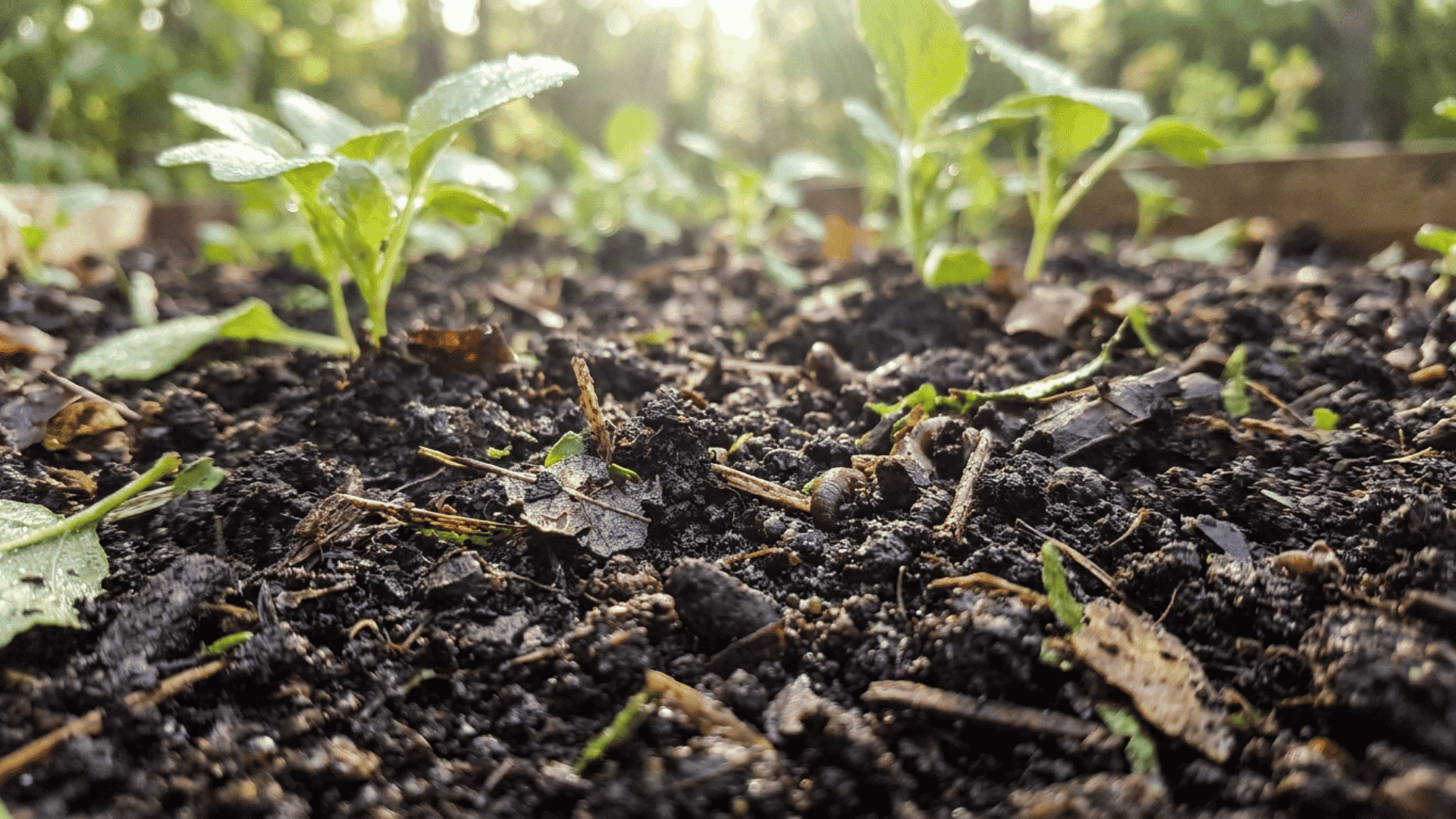
Topsoil is the uppermost layer of soil, usually found in the top 5 to 12 inches of ground. It’s darker in color than the soil below it and is generally much richer in nutrients.
This is the layer where seeds germinate, roots establish themselves, and most soil organisms live.
In nature, topsoil forms over hundreds of years through the slow breakdown of organic material, fallen leaves, decaying plants, animal matter, and weathered rock.
It’s found all over the world, though its depth and quality vary depending on the region and land use. Healthy topsoil is common in forests, meadows, and agricultural land.
In urban areas or on construction sites, topsoil is often removed or damaged, so it often needs to be replaced or replenished.
What is Topsoil Made Of?
Good topsoil is a mix of several key components:
- Organic matter: decomposed plant and animal material that adds nutrients and improves soil structure
- Minerals: tiny particles of weathered rock that provide essential nutrients like calcium, potassium, and magnesium
- Sand, silt, and clay: these three particle types determine the texture and drainage ability of the soil. The ideal balance is roughly 40% sand, 40% silt, and 20% clay, a mix known as loam.
Topsoil vs. Subsoil
Subsoil sits directly below the topsoil layer. It’s lighter in color, lower in nutrients, and much harder for plant roots to penetrate.
Subsoil has little to no organic matter, which makes it a poor growing medium on its own.
When construction disturbs or removes topsoil, subsoil is often left exposed. This is why freshly built homes and landscaped areas frequently need topsoil added before any planting or lawn work can take place.
Topsoil is rich in organic matter and nutrients, including nitrogen, phosphorus, and potassium. This makes it the primary growing medium for lawns, flowers, and most garden plants, as it is loose, well‑aerated, and easy for roots to spread through.
Types of Topsoil
Not all topsoil is the same. The type you need will depend on what you’re planting and the condition of your existing ground.
1. Screened Topsoil
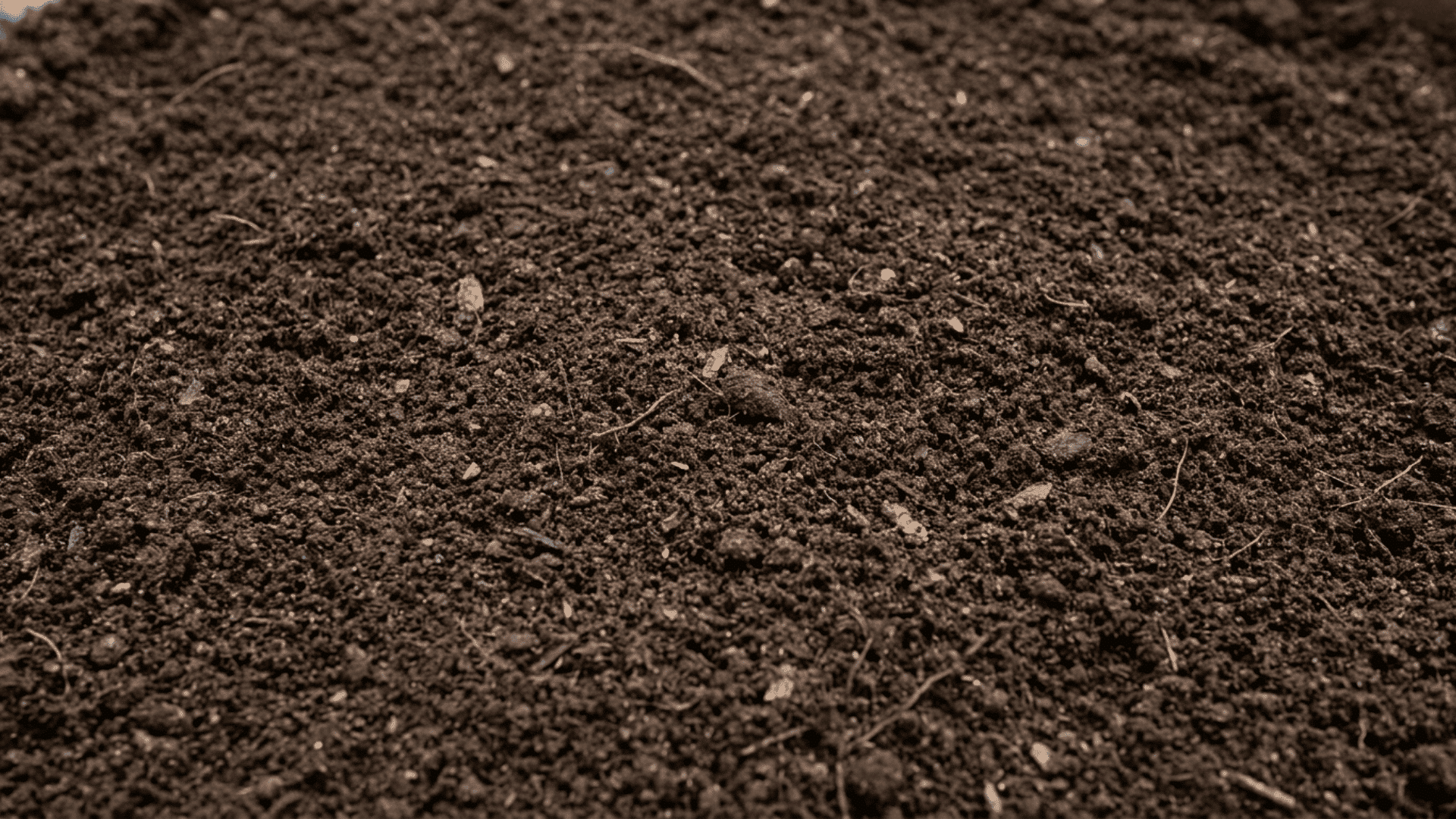
Screened topsoil has been passed through a mesh or sieve to remove large rocks, clumps, roots, and debris. It has a finer, more uniform texture that’s easier to spread, level, and rake, and it blends smoothly with existing soil.
This makes it ideal for lawns, garden beds, and general landscaping projects where a clean, consistent finish is important.
2. Unscreened Topsoil
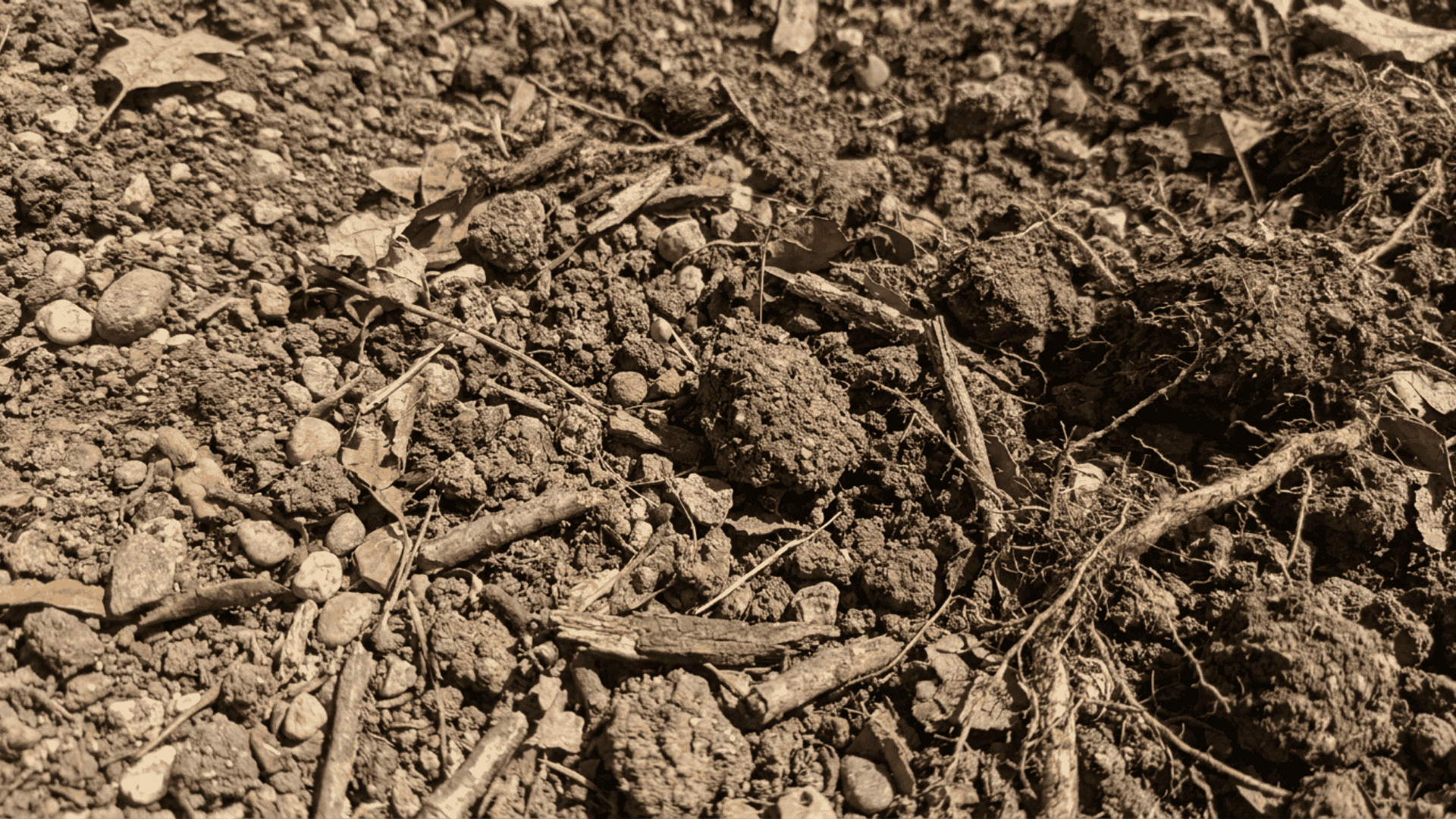
Unscreened topsoil is in its natural state and has not been processed to remove stones, clods, roots, or partially decomposed organic matter.
It’s usually cheaper and coarser, so it suits large‑area filling, rough grading, or low‑priority zones where appearance and texture are less important. For fine planting, it’s often best to screen it further on‑site or mix it with compost.
3. Sandy Topsoil
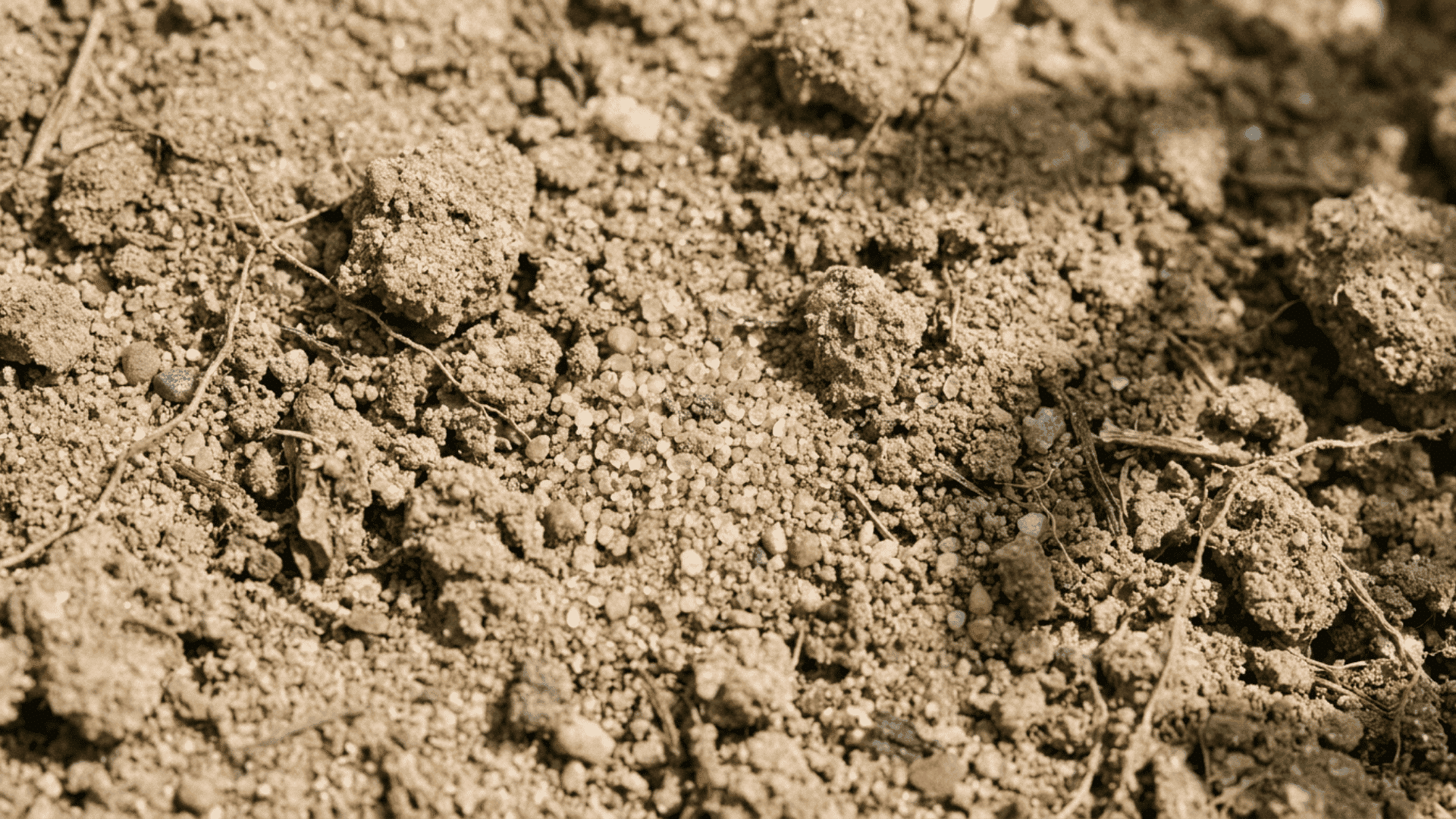
Sandy topsoil contains a higher proportion of sand particles, giving it an open, gritty structure and excellent drainage. It is useful in low, wet areas or heavy soils because it helps excess water move away from plant roots.
However, it dries out quickly and does not hold nutrients well, so it benefits from being mixed with compost or organic matter to improve moisture retention and fertility.
4. Loamy Topsoil
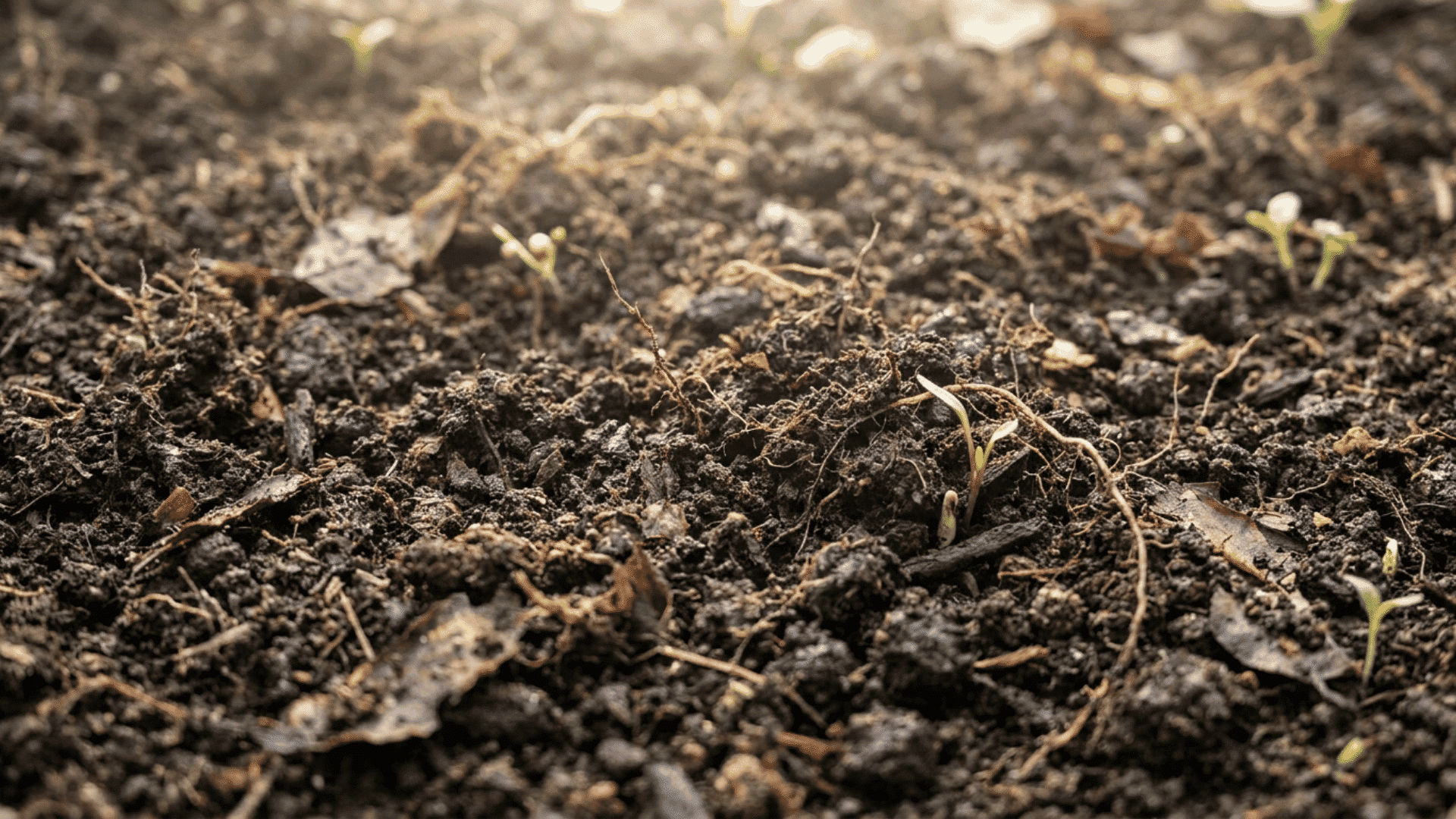
Loamy topsoil is widely considered the best all-round growing medium. It combines sand, silt, and clay in roughly balanced proportions, which gives it good drainage, moderate water retention, and strong nutrient‑holding capacity.
It is easy to work, warms up quickly in spring, and supports healthy root growth, making it the top choice for most gardening, lawns, and flower beds.
5. Clay-Based Topsoil
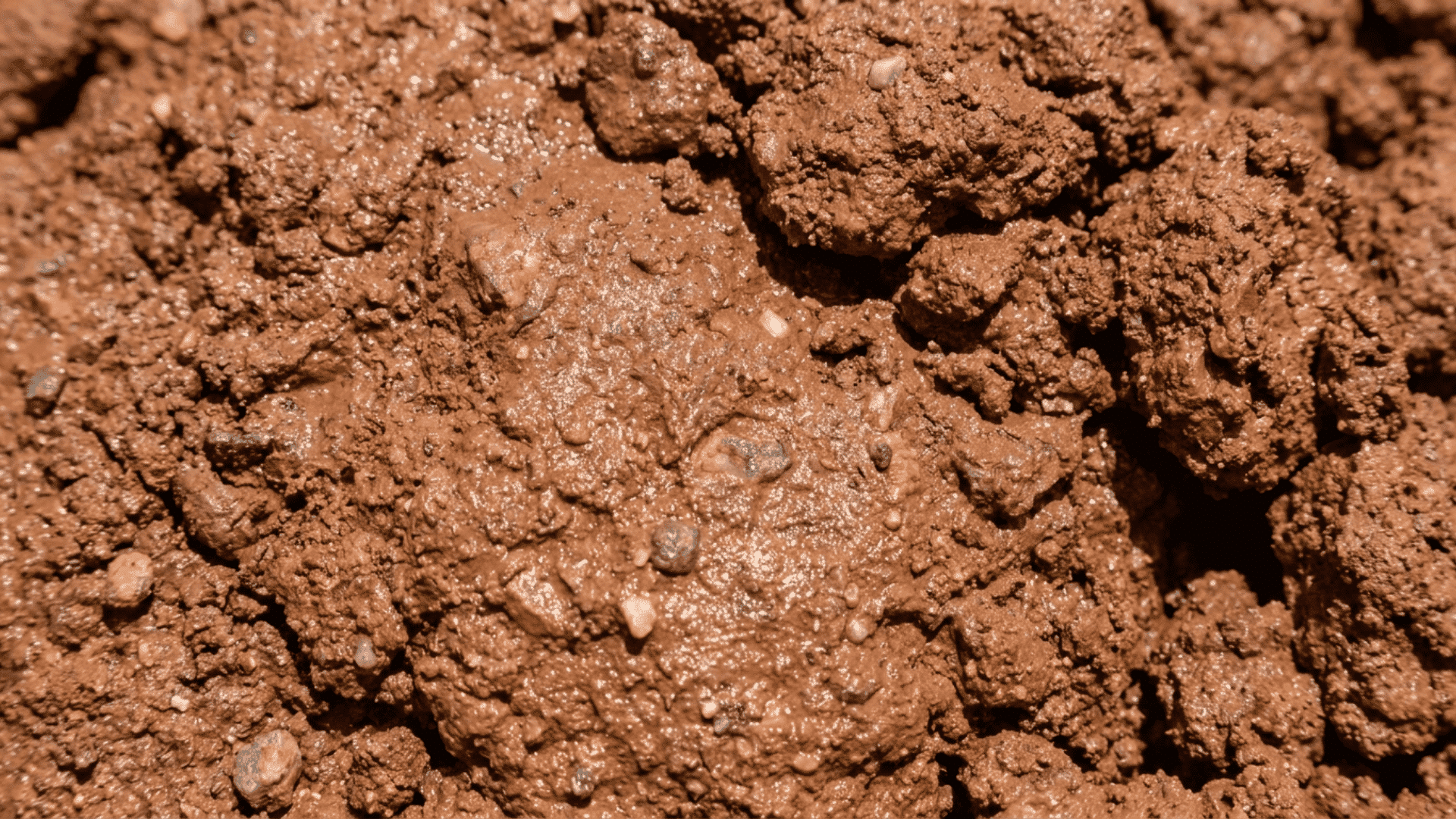
Clay‑based topsoil is heavy and dense, with very fine particles that bind tightly together.
It holds water and nutrients well, which can benefit plants in dry periods, but it is slow to drain and can become compacted and waterlogged if not managed carefully.
It is best used where you want to slow water runoff, such as on slopes or in areas that need extra moisture retention, and it often improves when mixed with sand or organic matter.
6. Organic-Enriched Topsoil
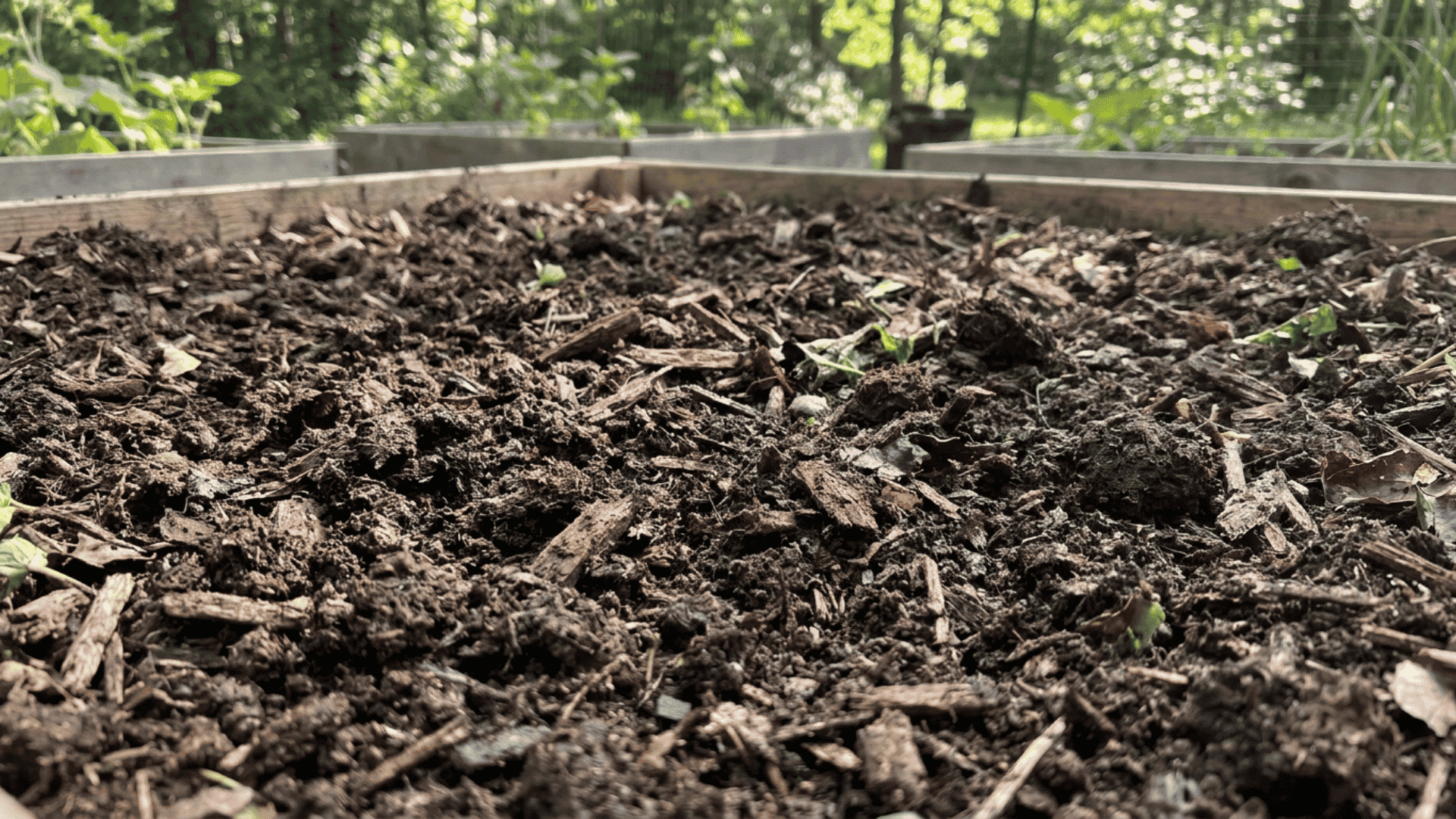
Organic‑enriched topsoil is a blend of standard topsoil with added compost or other organic material, such as aged manure or peat‑free organic matter.
It provides more nutrients, better moisture retention, and improved soil structure, making it especially suitable for vegetable gardens, flower beds, and new lawns where plants need a strong start.
While it tends to be more expensive than basic blends, the added organic content can significantly boost plant growth and long‑term soil health.
What is Topsoil Used For?
Topsoil has wide-ranging uses, from home gardening to large-scale construction projects.
Gardening
- Planting Flowers and Shrubs: topsoil provides a nutrient-rich layer for their roots to establish. It’s often added on top of existing ground or mixed in to improve growing conditions before planting.
- Vegetable Gardens: Vegetables need plenty of nutrients throughout the growing season. Good-quality topsoil for gardening provides the right foundation, especially when mixed with compost to boost fertility further.
- Raised Beds: raised garden beds are typically filled with a combination of topsoil, compost, and sometimes sand or grit. Topsoil makes up the bulk of the mix and provides the weight and structure that plants need.
Lawn Care
Putting a thin layer of topsoil over the bad areas before you plant new seeds helps fill in the gaps and makes it easier for the new grass to grow.
Topsoil is also great for making your lawn more even. If you’ve got dips or bumps, you can add some topsoil to level them out. Just put it on in thin layers so you don’t hurt the grass that’s already there.
When you’re starting a new lawn from scratch, having good topsoil is really important. It helps keep the seeds moist while they’re germinating and gives the new roots a nice, healthy place to grow.
Landscaping
Topsoil is commonly used to fill holes, level out uneven terrain, and build up low areas in a garden or yard, providing a more stable and even surface for plants and foot traffic.
It is also ideal for creating new flower beds, as adding a layer of topsoil before planting greatly improves growing conditions, especially where the native soil is poor, compacted, or very sandy.
In areas where the existing ground has been stripped, compacted, or depleted, topdressing with fresh topsoil helps gradually restore soil structure, aeration, and fertility, making it better suited for healthy plant growth.
Erosion control on slopes and bare areas: topsoil helps anchor plant roots and reduces the risk of soil erosion from rain and wind. It’s often used alongside grass seed or ground cover plants.
Benefits of Using Topsoil
Topsoil enriches your garden by providing essential nutrients, supporting healthy roots, improving drainage, and promoting vibrant plant growth for thriving lawns, flowers, and crops.
1. Improves fertility
The organic matter and minerals in topsoil provide plants with the nutrients they need to grow, including nitrogen, phosphorus, potassium, and a range of trace elements.
This makes it far more productive than subsoil or heavily compacted ground, and it supports lush, vigorous plant growth over time.
2. Helps Drainage and Moisture Balance
Good topsoil holds enough moisture for plant roots to access between watering sessions, while also allowing excess water to drain away.
This balance is critical for preventing both drought stress and root rot and keeps root zones healthy.
3. Supports Root Growth
Plants establish themselves more easily in well-structured topsoil.
Roots can spread out freely, access water and nutrients more efficiently, and anchor the plant securely, leading to stronger, more stable growth above ground
4. Encourages Healthy Soil Activity
Topsoil is full of life, bacteria, fungi, earthworms, and other microorganisms that break down organic matter and make nutrients available to plants.
This biological activity is a key part of what makes topsoil so productive and helps recycle nutrients naturally.
5. Helps Plants Grow Properly
When plants have access to quality topsoil, they tend to be stronger, more productive, and better able to resist disease and drought.
The quality of the soil underneath makes a significant difference in the final result and can greatly improve yields and the appearance of lawns and flower beds.
How to Choose Good Quality Topsoil
Buying topsoil without checking its quality first is a common and costly mistake. Here’s what to look for:
- Texture and Color – Good topsoil should be dark brown to black in color and have a loose, crumbly texture. It shouldn’t be overly compacted, sticky, or lumpy.
- Organic Content – The presence of organic matter is what sets good topsoil apart from poor-quality fill. Ask your supplier about the organic content. A higher percentage generally means more nutrients and better soil structure.
- Avoiding Rocks, Debris, and Weeds – Inspect the topsoil before accepting delivery. It should be free of large stones, construction debris, plastic, and visible weed seeds or roots.
- Checking Soil pH if Needed – Most plants grow best in soil with a pH between 6.0 and 7.0. If you’re buying topsoil for gardening purposes, it’s worth checking the pH before applying it.
- Buying from Trusted Suppliers – When buying topsoil, choose a reputable local supplier who can provide information about where the soil came from and how it has been processed.
How Much Topsoil Do You Need?
Start by measuring the length and width of the area you want to cover, in meters or feet. Multiply these two figures together to get the surface area.
Recommended Depth
- Lawns and topdressing: 50–75 mm (2–3 inches)
- Flower beds and shrubs: 100–150 mm (4–6 inches)
- Vegetable gardens and raised beds: 200–300 mm (8–12 inches)
Simple Calculation Formula
Volume (m³) = Length (m) × Width (m) × Depth (m)
Example: 12 m² garden bed at 150 mm depth → 12 × 0.15 = 1.8 m³ of topsoil
Tip: Always order 10–15% extra to account for settling.
How to Apply Topsoil
Applying topsoil correctly is key to getting healthy, strong plants and a level, attractive lawn or garden surface:
Step 1: Preparing the Area
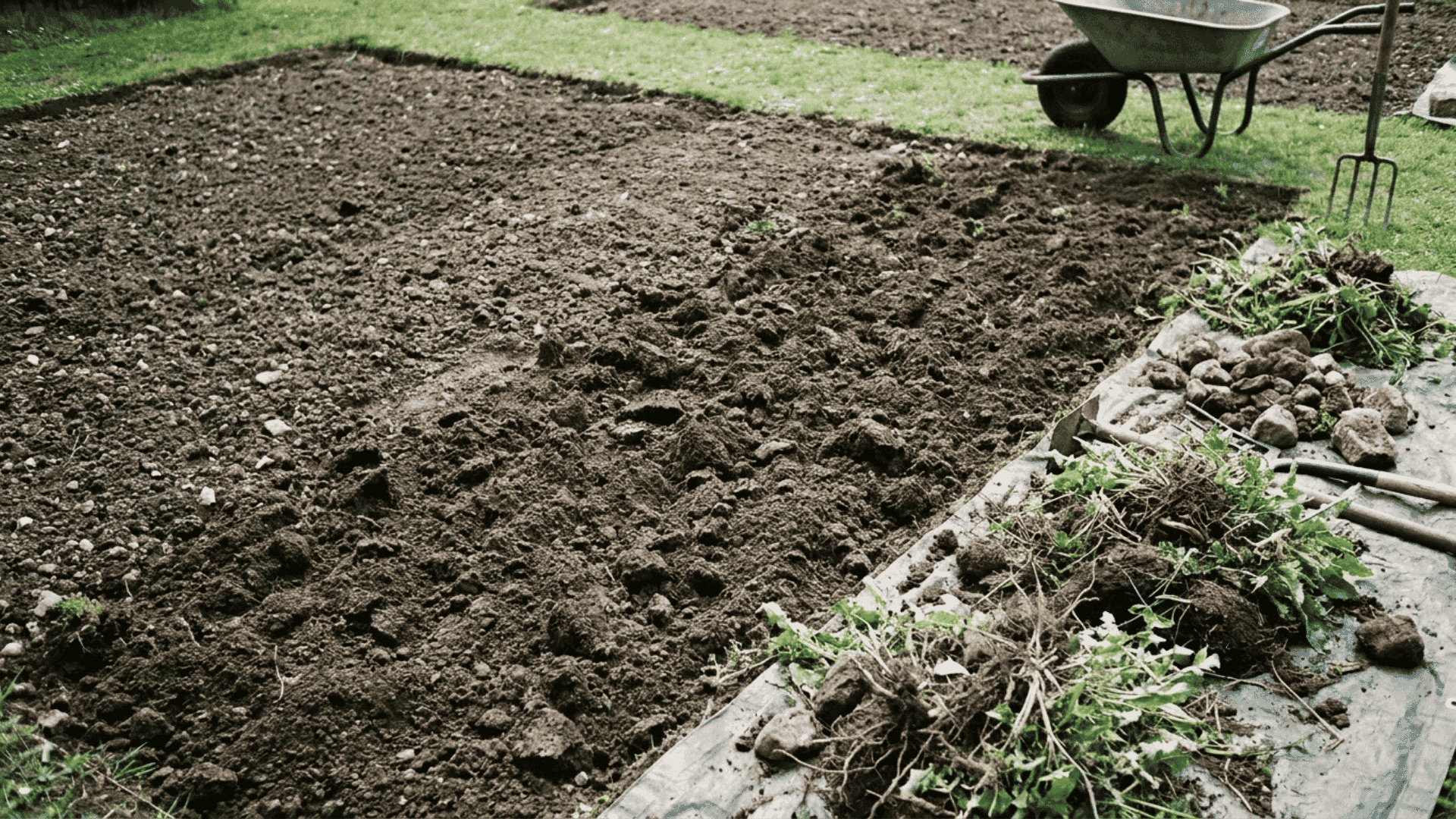
Before adding topsoil, it is important to prepare the area properly so the new soil can work effectively.
Start by removing weeds, grass clumps, stones, sticks, roots, and any other debris from the surface. If weeds are left behind, they may grow back through the new soil and compete with your plants.
If the ground is hard or compacted, loosen it with a garden fork, spade, or rotovator. This helps create space for air, water, and roots to move through the soil.
A compacted base can cause drainage problems and stop roots from spreading deeply. Preparing the area also gives you a chance to level rough spots and identify low areas that need extra filling.
The goal is not to make the ground perfect, but to create a clean, open, and workable base. Good preparation saves time later and improves the long term success of lawns, flower beds, and vegetable plots.
2: Spreading Evenly
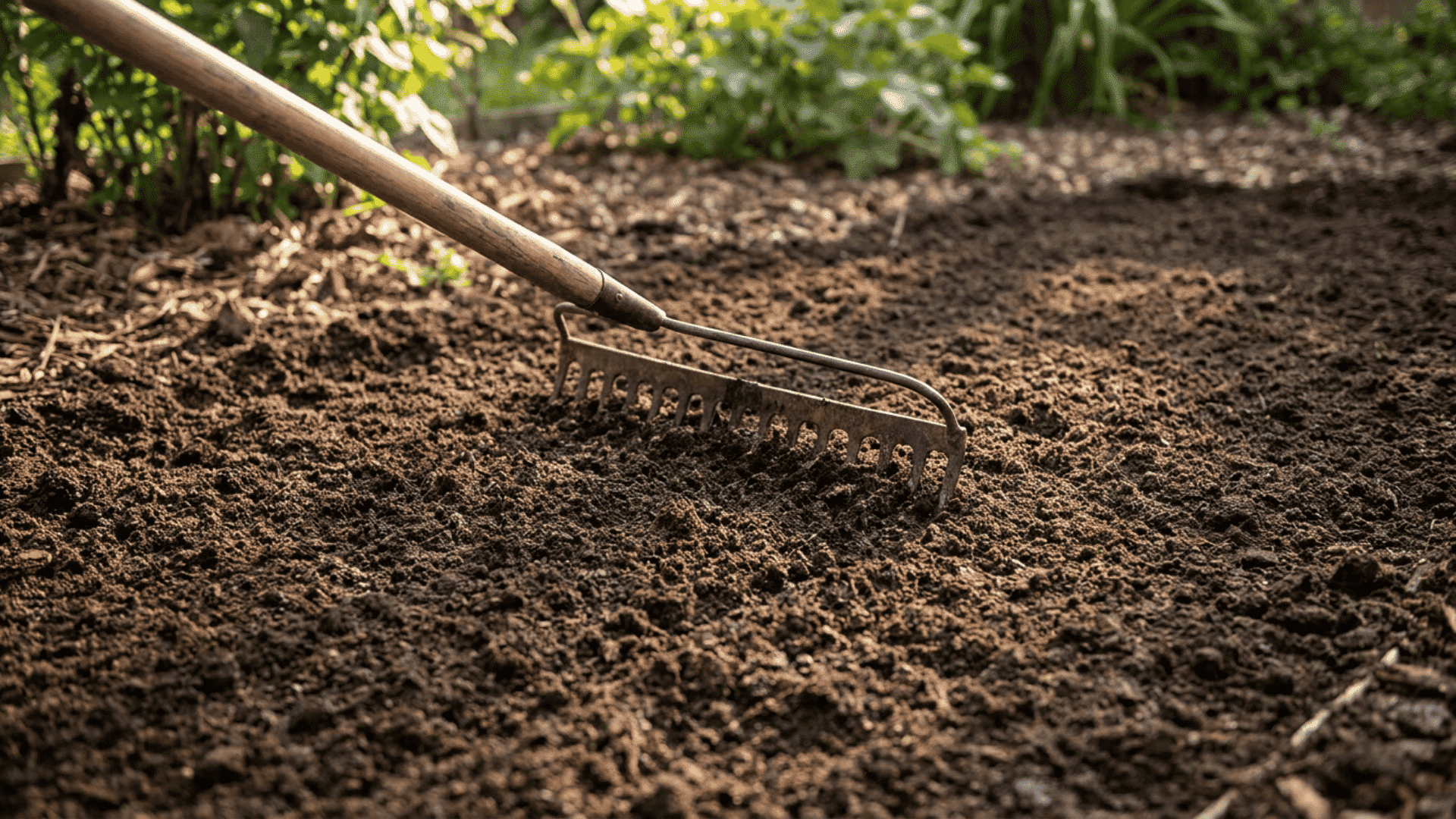
Once the area is ready, spread the topsoil evenly across the surface. This step is important because uneven soil can lead to poor drainage, patchy plant growth, and an unattractive finish.
Use a shovel, rake, or soil spreader to place the topsoil in manageable sections rather than dumping it all in one place. Work slowly and check the depth as you go.
For lawns, a thin, consistent layer is usually best, while garden beds may need a slightly deeper application, depending on the project.
Try to avoid creating high piles or thin spots, since these can dry out or settle unevenly later. If you are leveling a garden or lawn, pay special attention to low areas, but do not overfill them all at once.
Spreading the soil carefully helps create a smooth surface that is easier to plant, seed, and maintain. A consistent layer also gives roots the same growing conditions across the whole area.
Step 3: Mixing with Existing Soil
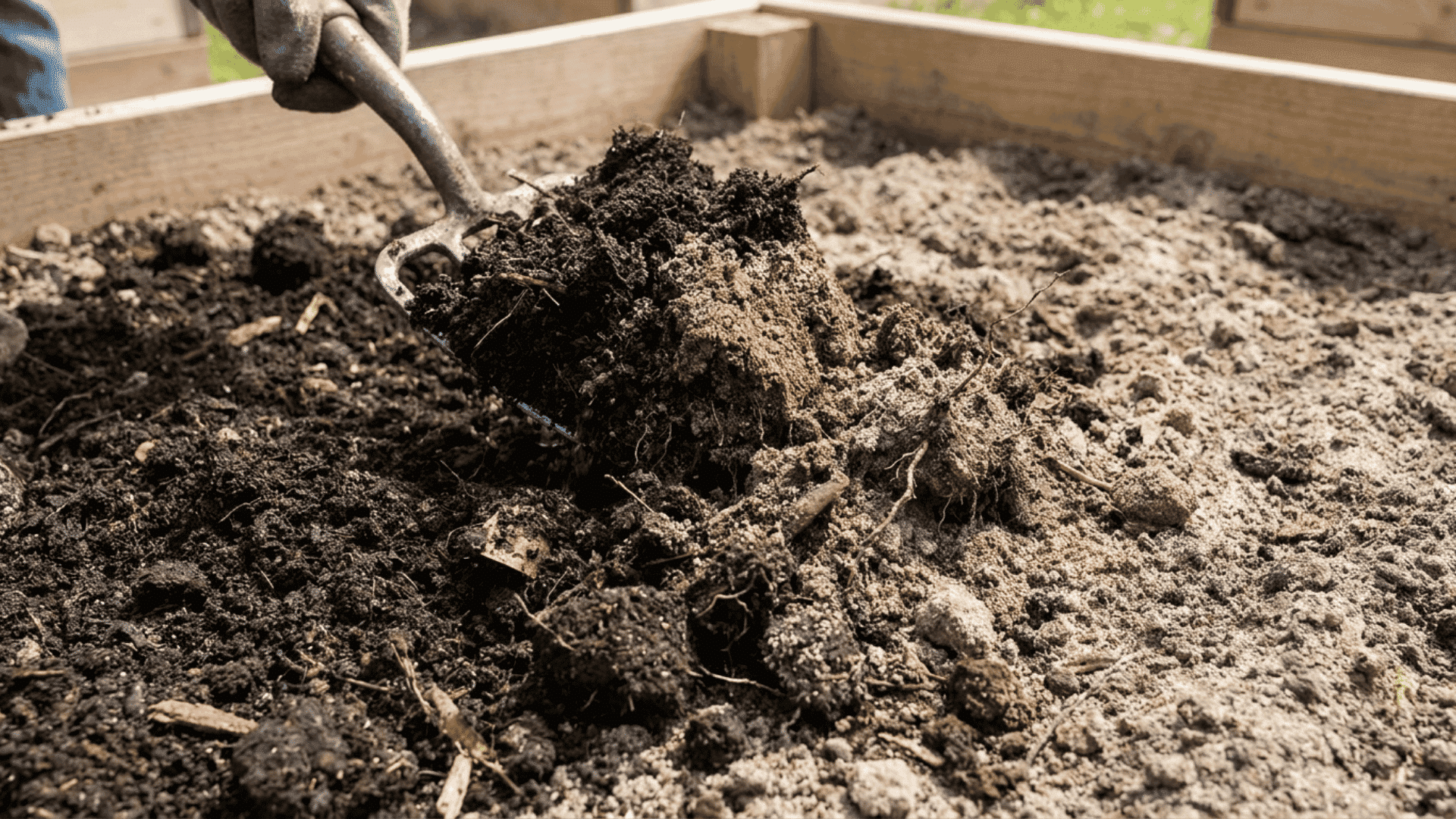
For garden beds, lightly mixing the topsoil with the existing soil is one of the best ways to improve plant growth. Use a garden fork or rake to blend the top few inches of the old soil with the new topsoil.
This prevents a sharp boundary from forming between the two layers, which can sometimes stop water and roots from moving freely.
When soils are left in separate layers, the lower layer may become compacted and act as an almost impermeable barrier.
Mixing them together helps create a more natural growing medium with better texture, drainage, and root access. This is especially useful for flowers, shrubs, and vegetables that need a strong root system.
A light blend is usually enough to improve the upper root zone. If you also add compost, this is a good time to incorporate it into the topsoil, as it can further improve fertility and moisture retention.
Step 4: Watering and Aftercare Tips
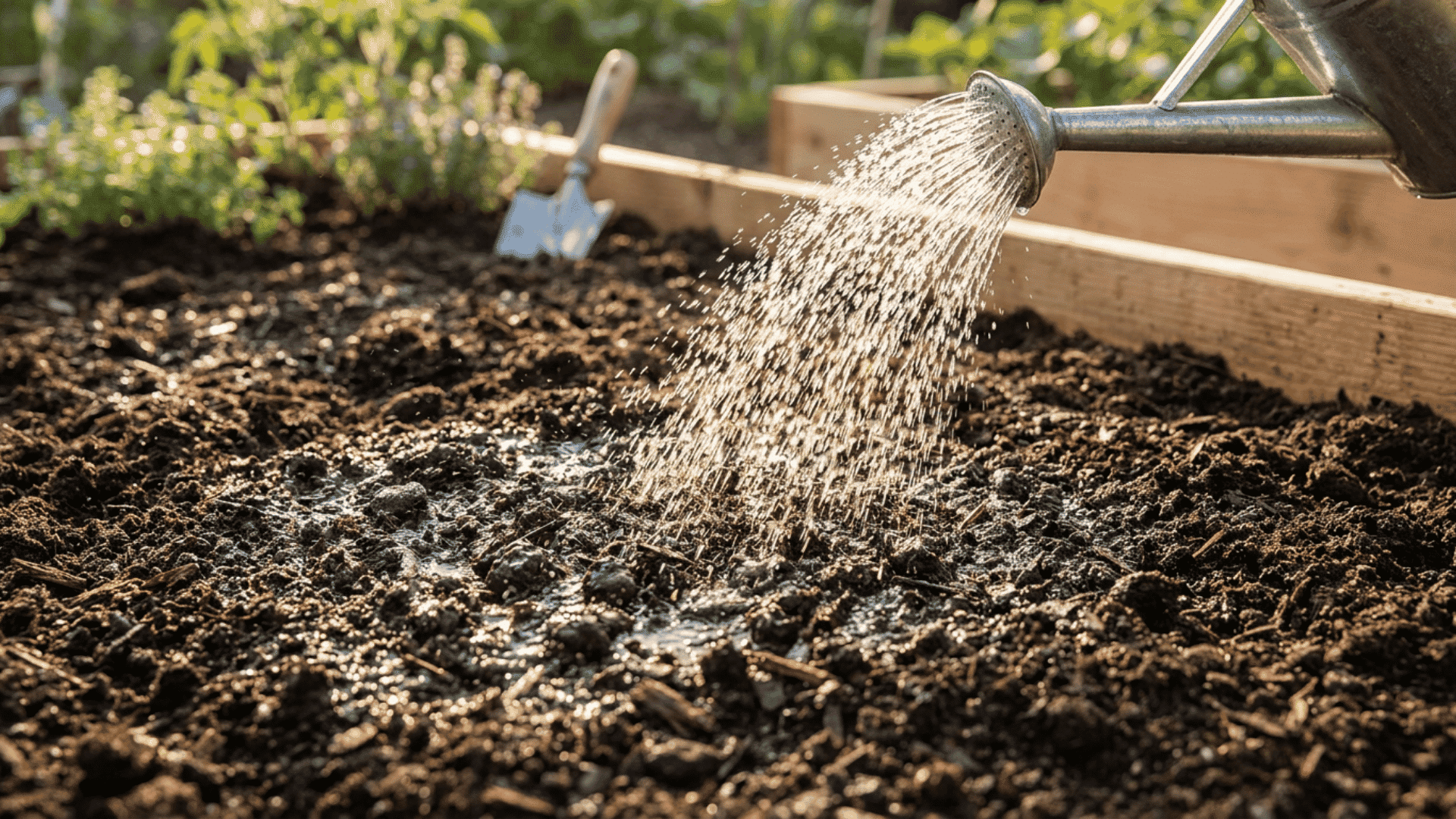
After spreading topsoil, water the area thoroughly so the soil settles properly. Water helps remove air pockets and allows the new soil to sit more naturally against the existing ground.
It also gives seeds and roots a better start if you are planting soon after. Be careful not to wash the soil away with too much pressure; a gentle soak is usually better than a strong spray.
After watering, let the area rest for a day or two if possible, especially if you have added a thick layer. This settling period helps reveal any low spots that may need to be topped up before planting.
If you are sowing grass seed, keep the surface evenly moist until germination. If you are planting flowers, shrubs, or vegetables, follow their normal watering needs and avoid disturbing the soil too much at first.
Good aftercare is just as important as the application itself, because it helps the topsoil stabilize and creates the right conditions for healthy, strong growth.
Common Mistakes to Avoid
By avoiding these simple mistakes, you can make sure your topsoil works as intended and supports healthy plant growth:
- Using Poor-Quality Topsoil: This is the most common mistake when buying topsoil. Cheap or unverified topsoil can introduce weed seeds, pests, contamination, or compacted material into your garden. Always buy from a trusted source and inspect what you’re getting.
- Using Too Much or Too Little: Applying too thick a layer of topsoil can smother existing grass or roots. Too little, and plants won’t have enough growing medium to establish properly.
- Ignoring Drainage Issues: Adding topsoil to an area with poor underlying drainage won’t solve waterlogging problems, it may make them worse. If water consistently pools in an area, address the drainage issue first before adding soil.
- Picking the Wrong Type of Topsoil: Sandy topsoil won’t hold moisture in a hot, exposed bed. Heavy clay topsoil will compact badly in a raised vegetable bed. Always match the topsoil type to the conditions and plants you’re working with.
Topsoil vs. Compost vs. Potting Soil:
These three materials are often confused, but they serve different purposes.
| Feature | Topsoil | Compost | Potting Soil |
| What it is | Naturally occurring soil | Decomposed organic matter | Manufactured mix for pots |
| Nutrients | Moderate | High | Balanced for container plants |
| Structure | Firm and heavy | Light and crumbly | Loose and well-draining |
| Best for | Beds, lawns, large areas | Improving existing soil | Containers & hanging baskets |
| Open ground use? | Yes | Yes, when mixed with soil | Not recommended |
Best Uses for Each
- Topsoil is best for filling large areas, raising ground levels, and creating a growing medium in garden beds and lawns.
- Compost is best used as a soil improver mixed into existing topsoil to add nutrients and boost organic content.
- Potting soil is designed specifically for containers, pots, and hanging baskets. It’s too light for use in open ground.
When Mixing Them Makes Sense
Combining topsoil and compost is a widely used approach for vegetable gardens and flower beds.
A mix of about 2 parts topsoil to 1 part compost gives you a nutrient-rich, well-structured growing medium. For raised beds, some gardeners also add a small amount of sand or grit to improve drainage.
Final Thoughts
Topsoil is one of the most useful and widely needed materials in gardening, lawn care, and landscaping. The quality of the topsoil you use will directly affect how well your plants grow.
The key is to buy the right type for your specific project, check the quality before it arrives, and apply it at the correct depth.
Pairing good topsoil with compost will give most gardens an even better result, and combining them is simple and cost-effective.
Good soil is the foundation of any successful garden. Take the time to get it right, and everything you grow on top of it will benefit.
Let me know in the comments what you’re planting next.
Frequently Asked Questions
What is 4-Way Topsoil?
4‑way topsoil is a blended mix of topsoil with added organic matter such as compost, manure, and sand, designed to improve fertility, drainage, and structure for lawns, beds, and gardens.
What is the Best Type of Topsoil?
The best type of topsoil is a screened loam with balanced sand, silt, and clay, 3% or more organic matter, and a near‑neutral pH, suitable for most plants and lawns.
How to Identify Topsoil?
You can identify topsoil as the dark, crumbly upper layer of soil that feels gritty but loose, holds together slightly when squeezed, and lies directly above a lighter, denser subsoil layer.

Jordan Mathews, who has a degree in horticulture from Texas A&M University, has been a guiding force in plant health and sustainable gardening for over 16 years. His career began with a role at a renowned botanical garden, where he deepened his understanding of plant physiology and eco-friendly cultivation methods. Jordan joined our website as a freelancer in 2020, becoming a go-to expert for readers seeking advice on nurturing diverse plant species apart from offering insights grounded in scientific knowledge and practical experience. Beyond his professional achievements, Jordan is a keen nature photographer, capturing the beauty of flora in its immensely diversified forms.