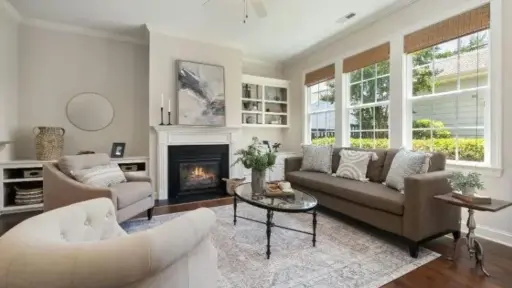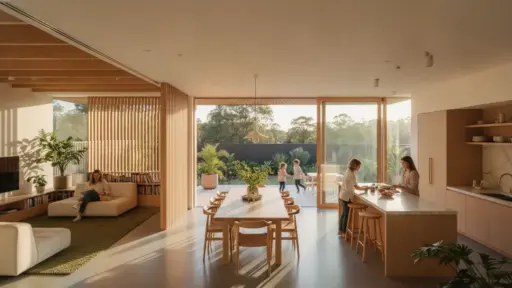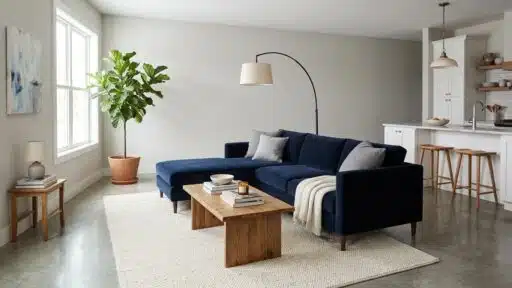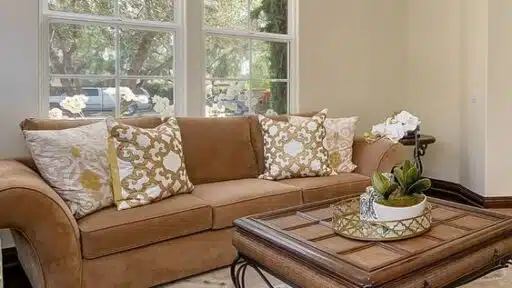
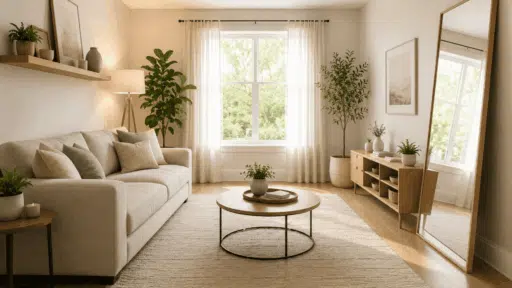
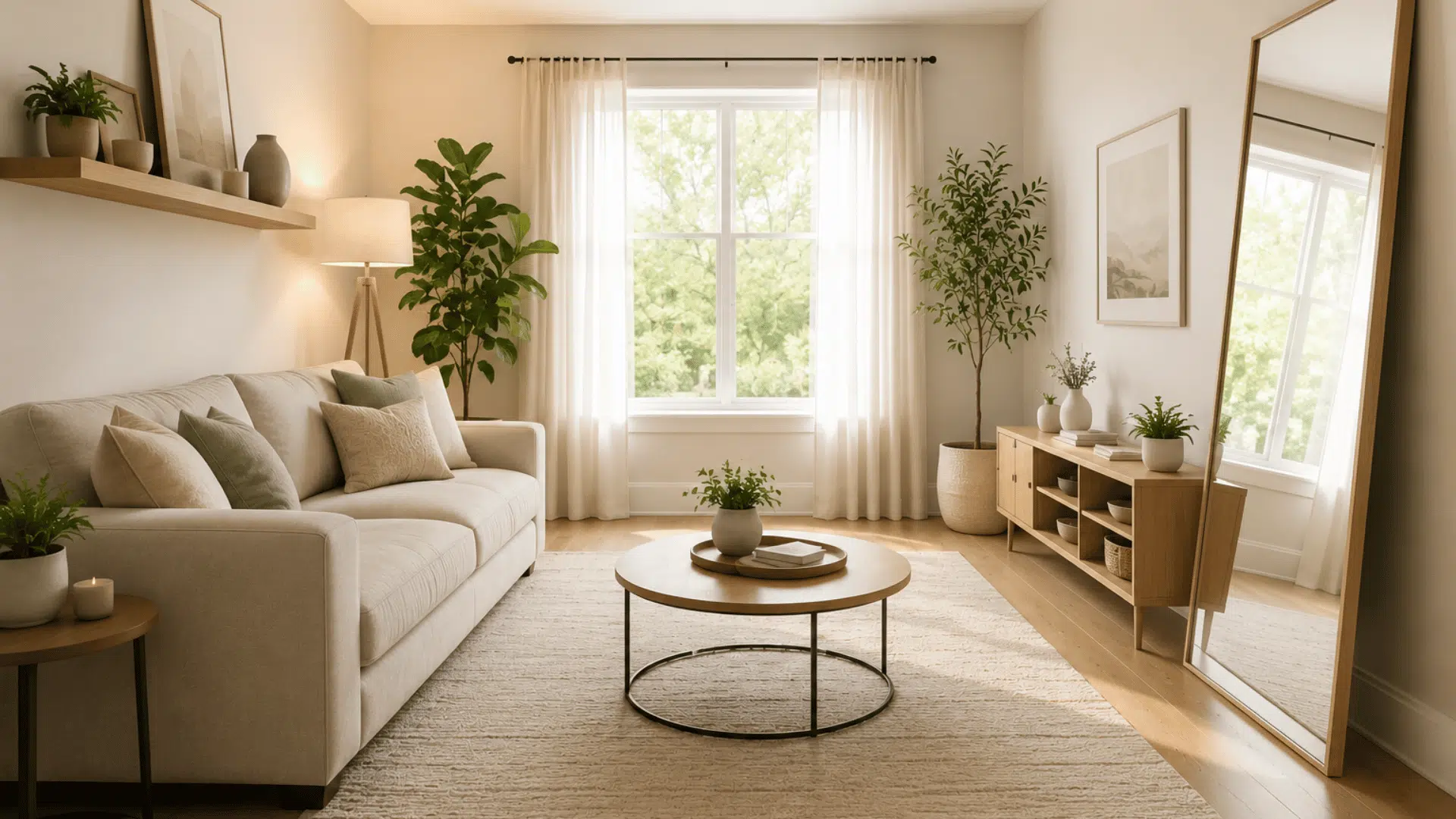

A small room can feel tight fast, especially when furniture, storage, and daily items all compete for space. I have worked on many home projects, and one lesson stands out: small rooms need smart choices, not big budgets.
I have seen how the right layout, color, lighting, and furniture can change how open a room feels without a full makeover.
Simple updates, like clearing clutter, raising curtains, using mirrors, and choosing the right rug size, can make the space feel calmer and easier to use.
In this guide, I will show how to make a small room look bigger with practical ideas that work in bedrooms, living rooms, offices, and other tight spaces.
I will also cover common mistakes to avoid and budget-friendly tips that can make a small space feel larger, brighter, and more comfortable without spending much money.
Why Small Rooms Often Feel Smaller than They Really Are
Small rooms usually feel smaller because too many things compete for attention at once.
Large furniture, extra decor, blocked windows, and poor lighting can make the space feel crowded. Even a room with enough floor space can feel tight when the layout does not let the eye move easily.
Clutter is often the biggest reason. When every surface has items on it, the room feels busy and heavy. Low curtain rods, small rugs, dark corners, and furniture pushed against every wall can also make the room feel closed in.
The goal is not to make the room empty. The goal is to create breathing space. When furniture fits well, walkways stay open, and light moves through the room, a small space starts to feel calmer, cleaner, and larger.
Ways to Make a Small Room Look Bigger
Once you understand why the room feels tight, these simple ideas can help you create more breathing space without major changes.
1. Clear Out Extra Clutter First
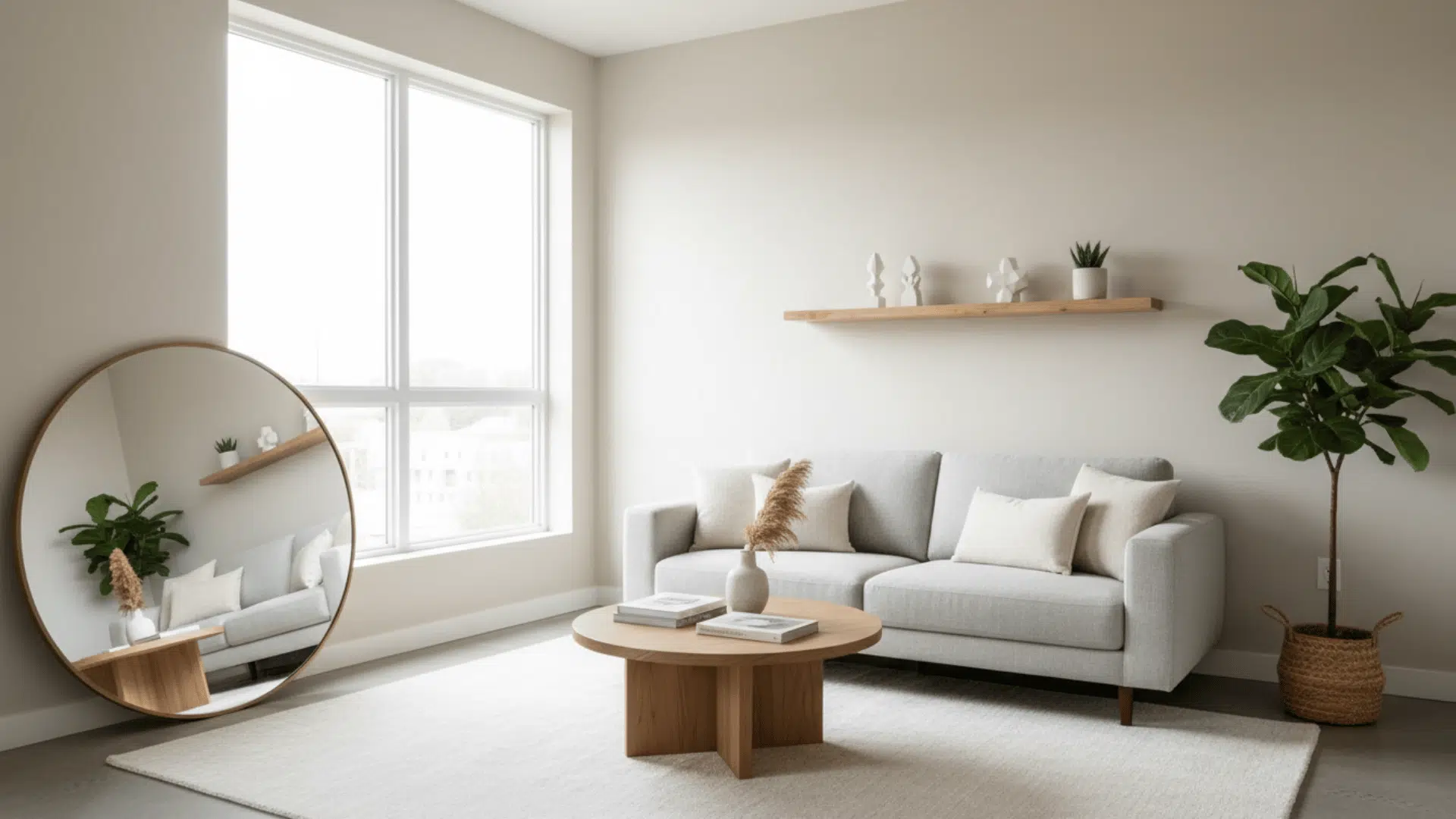
Extra items make a small room feel busy before anything else. Start by removing things you do not use daily, especially from tabletops, corners, shelves, and the floor. You do not need an empty room, but every visible item should have a clear purpose.
- Why it works: Less visual clutter gives the eye more open space to rest.
- Try this: Remove 10 items from the room before changing furniture, paint, or decor.
2. Choose Paint Colors Based on Natural Light
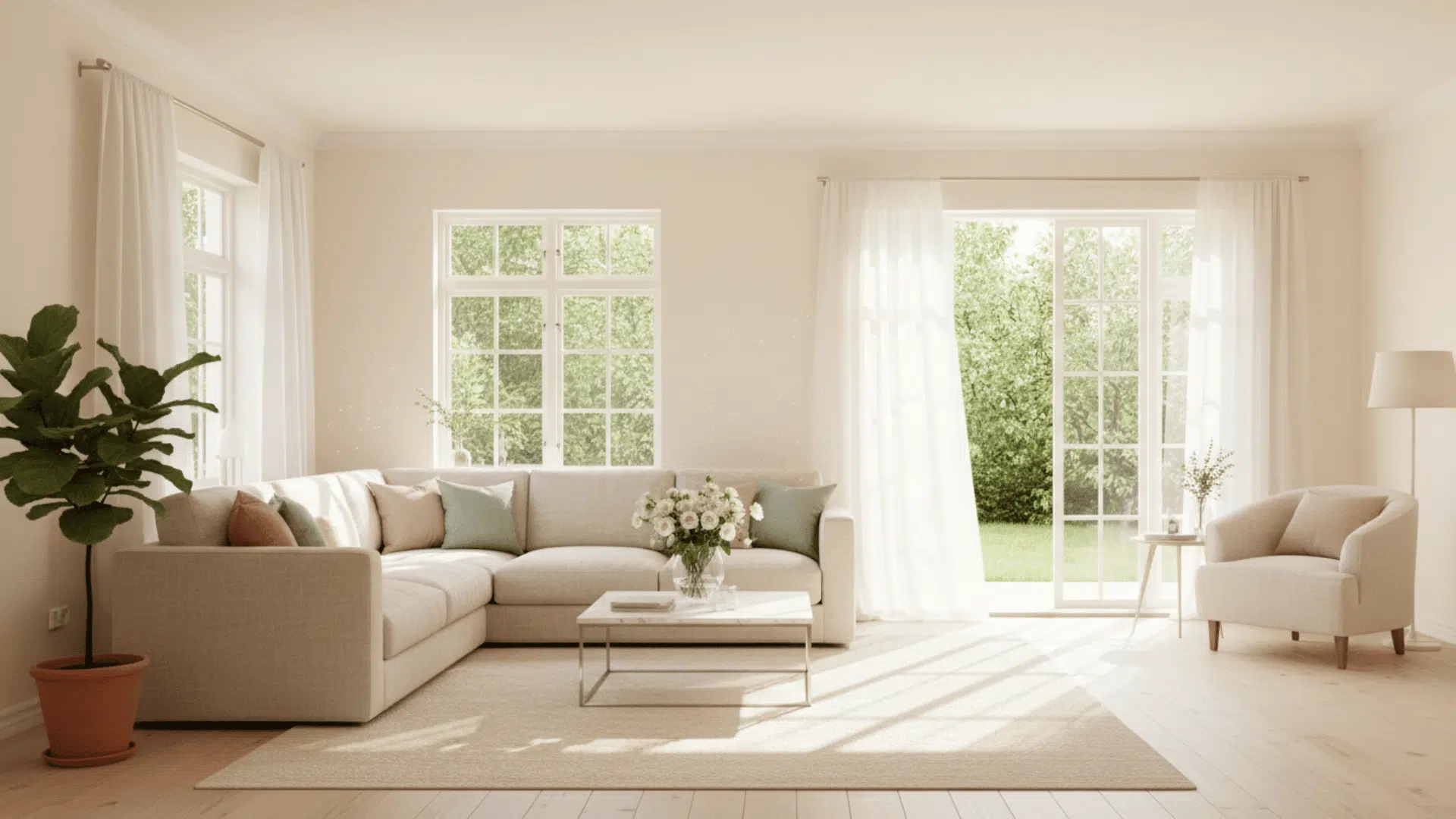
Paint can change how large or tight a room feels. Bright rooms often look larger with soft white, cream, or pale colors. Rooms with little daylight may feel better with a deeper shade, as it can make the space feel calm rather than dull.
- Why it works: The right color complements the room’s light rather than fighting it.
- Try this: Paint a sample on two walls and look at it during the morning, afternoon, and evening.
3. Hang Curtains Higher Than the Window
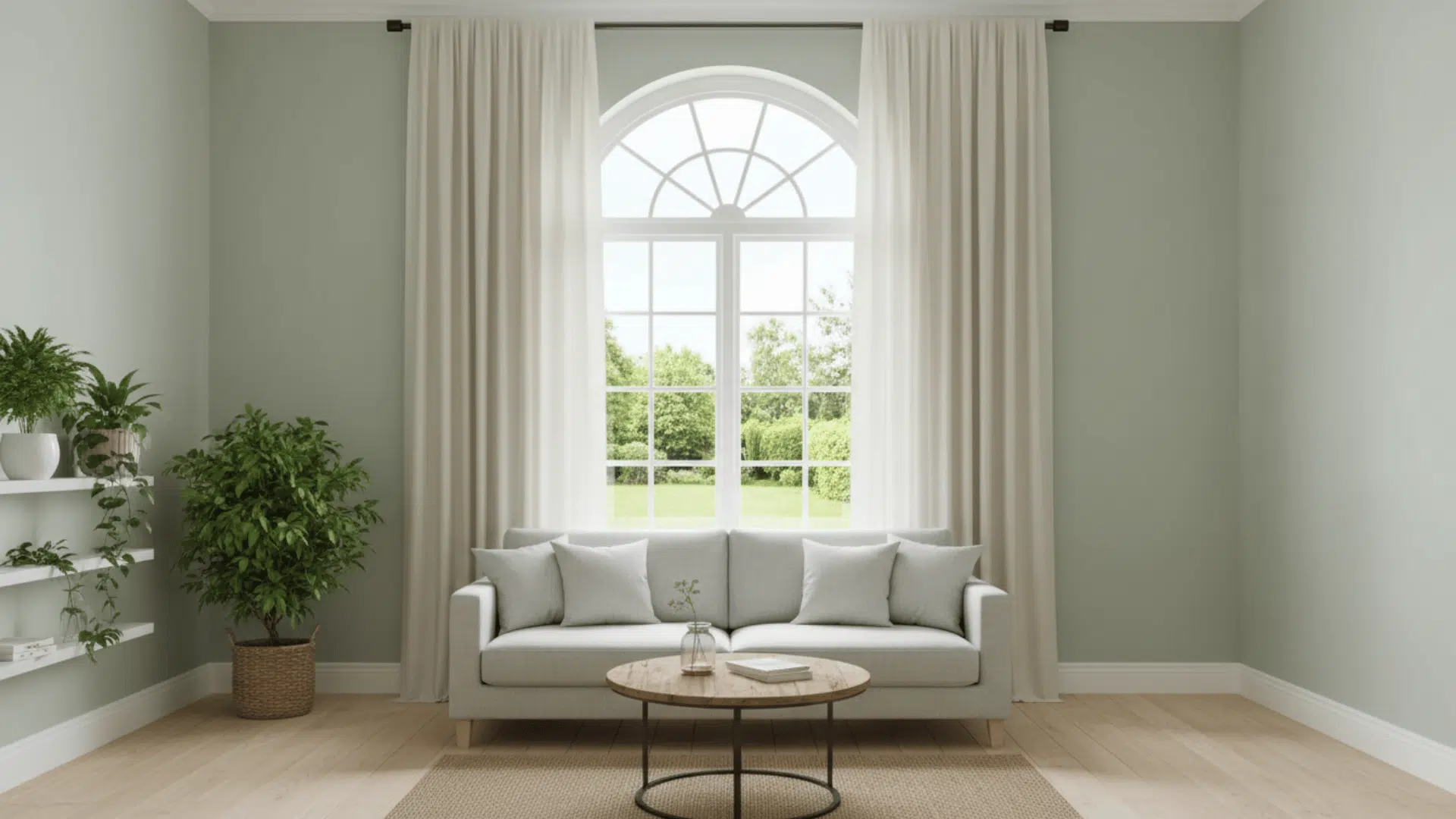
Curtains can make the ceiling feel higher when placed above the window frame. I have seen this small change make short walls feel much higher without touching the structure of the room. Let the curtains fall close to the floor for a cleaner look.
- Why it works: Higher curtains pull the eye upward and make the room feel taller.
- Try this: Place the curtain rod closer to the ceiling instead of directly above the window.
4. Use Mirrors to Reflect Light and Views
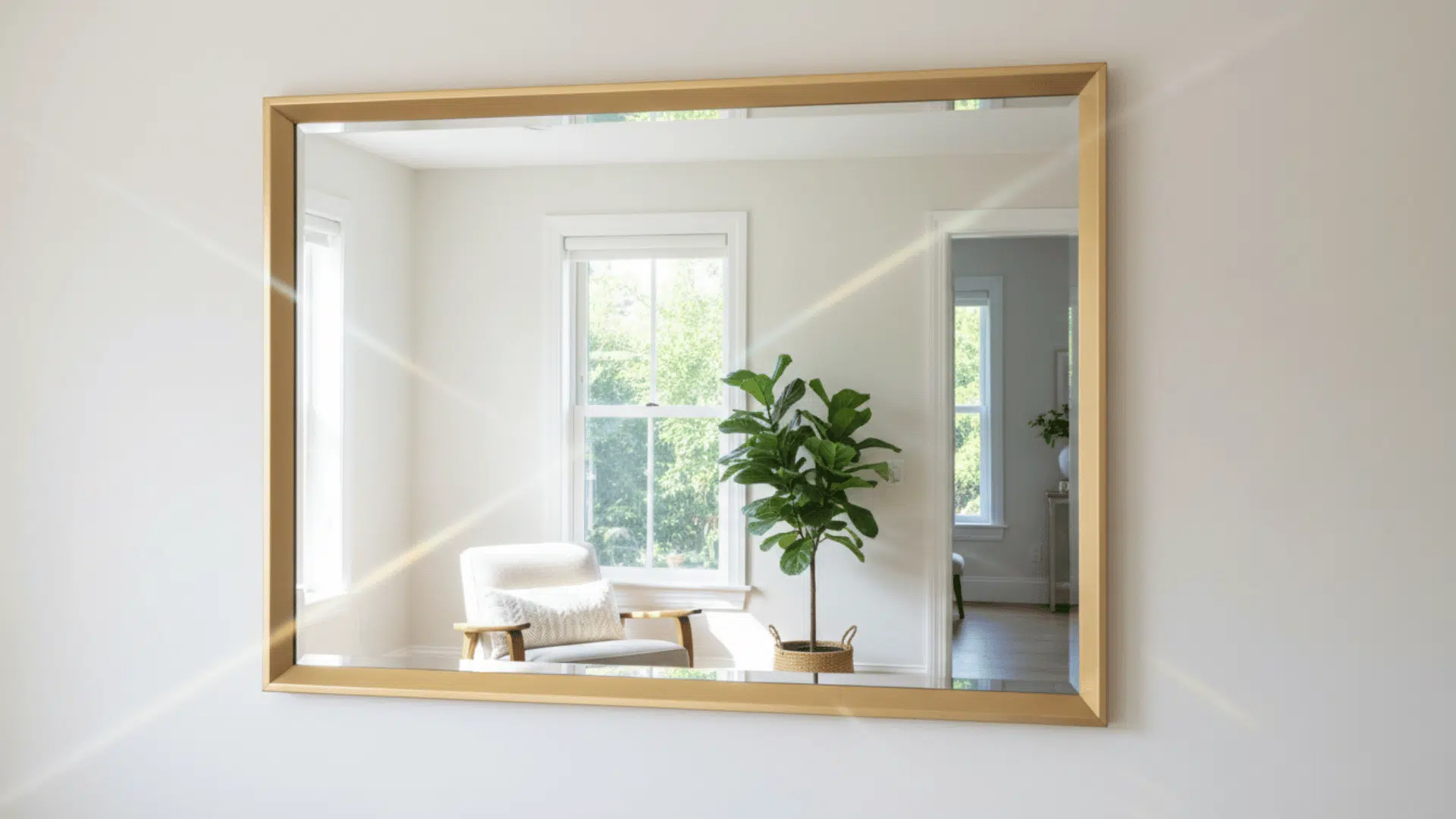
Mirrors are one of the easiest ways to make a small room feel more open. Place one opposite a window, doorway, or light source so it reflects light and movement. Avoid placing mirrors where they only reflect clutter or crowded shelves.
- Why it works: Mirrors bounce light and create the feeling of more depth.
- Try this: Hang one medium or large mirror where it reflects the brightest part of the room.
5. Leave a Small Gap Between Furniture and Walls
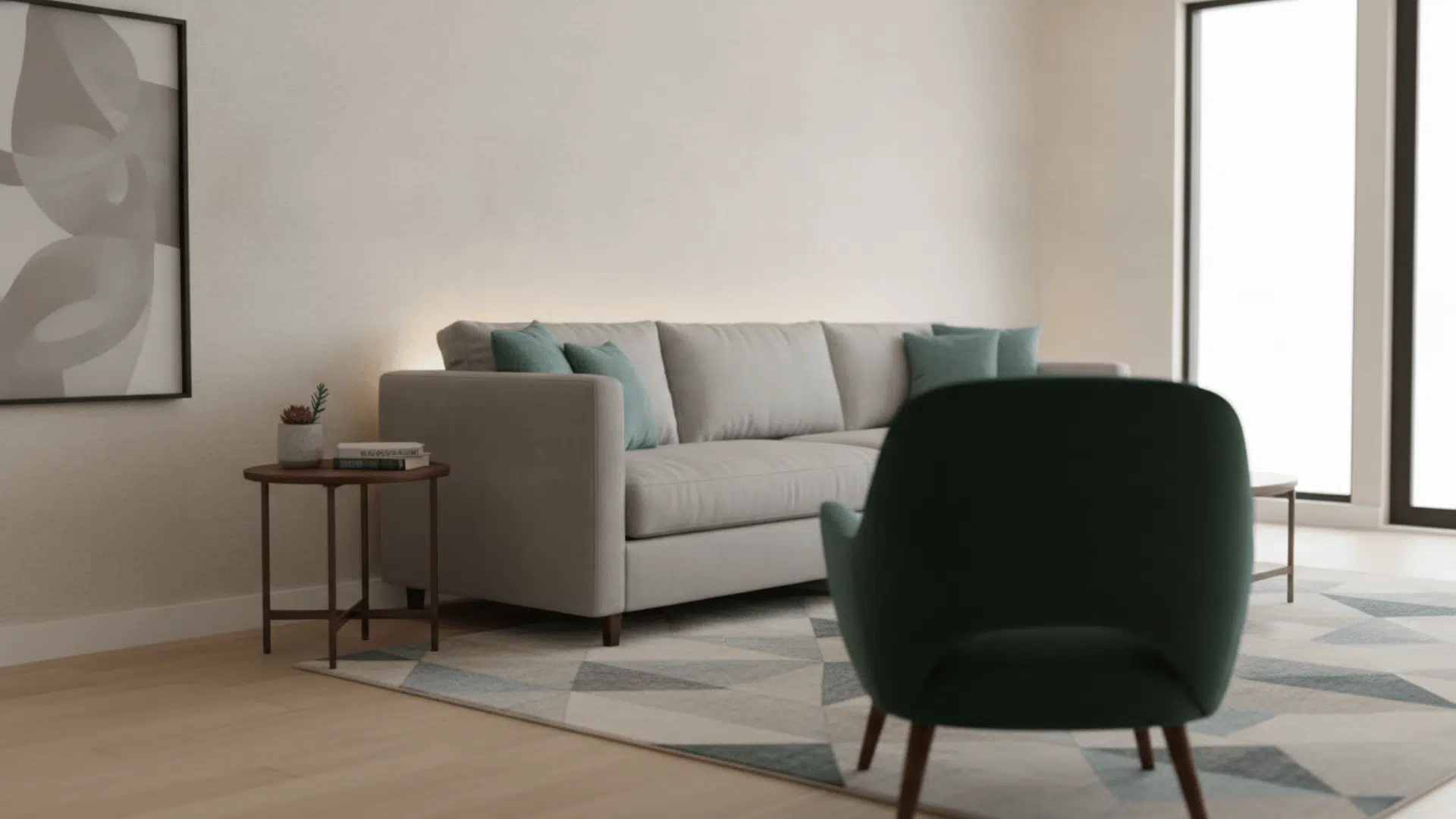
Pushing every piece against the wall can make a room feel boxed in. A small gap behind a sofa, chair, or side table can make furniture feel carefully placed. I often notice that even a few inches can improve the flow of a room.
- Why it works: Breathing space around furniture makes the layout feel lighter and less cramped.
- Try this: Pull your sofa or chair 2 to 4 inches away from the wall.
6. Pick Furniture That Fits the Room Scale
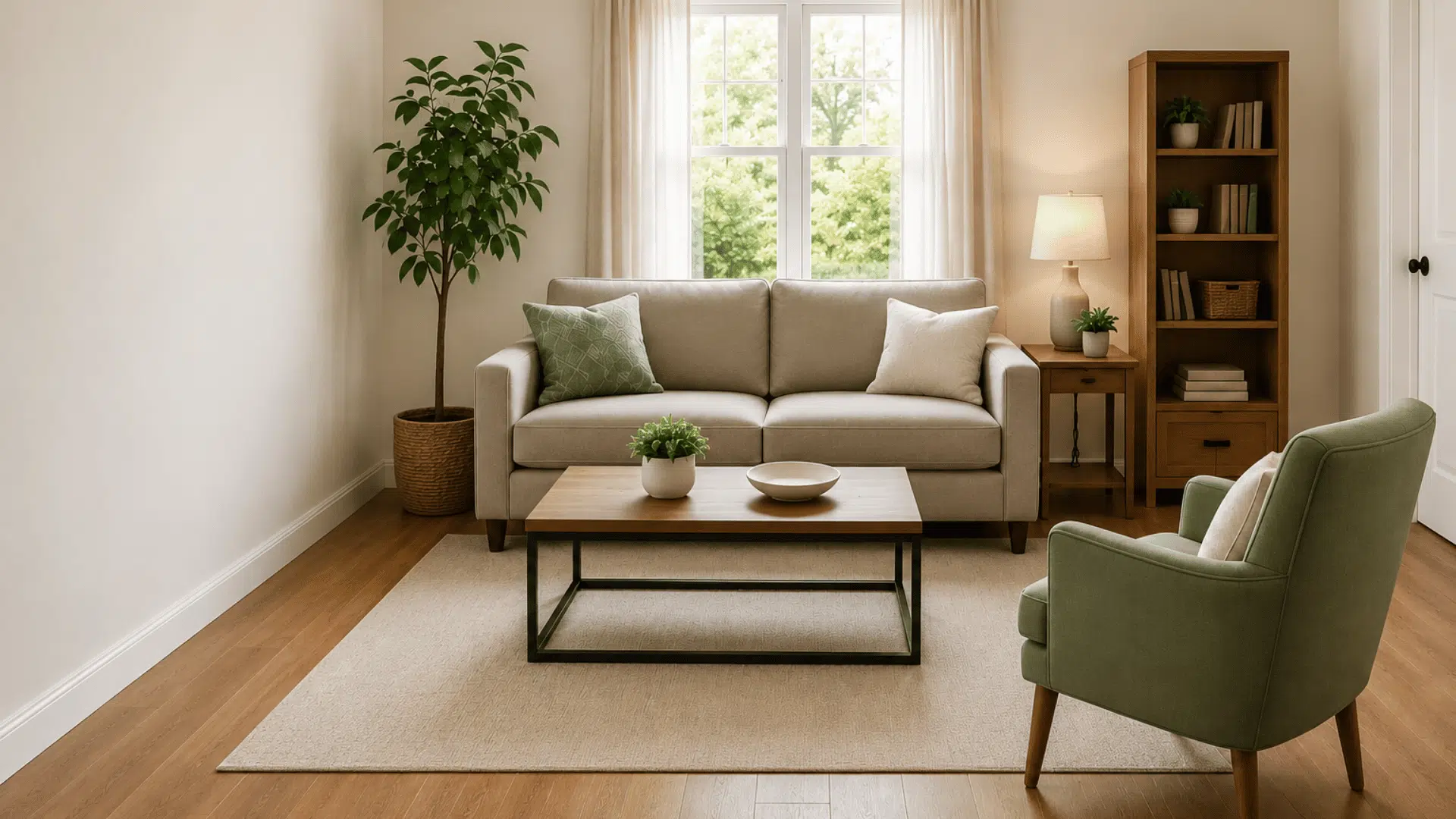
Small rooms do not always need tiny furniture. Pieces that are too small can make the room feel scattered and unfinished. Choose furniture that fits the space, supports daily use, and leaves enough room to walk around comfortably.
- Why it works: Proper scale makes the room feel balanced instead of crowded or awkward.
- Try this: Measure the room before buying and mark furniture sizes on the floor with tape.
7. Use a Large Rug Instead of a Small One
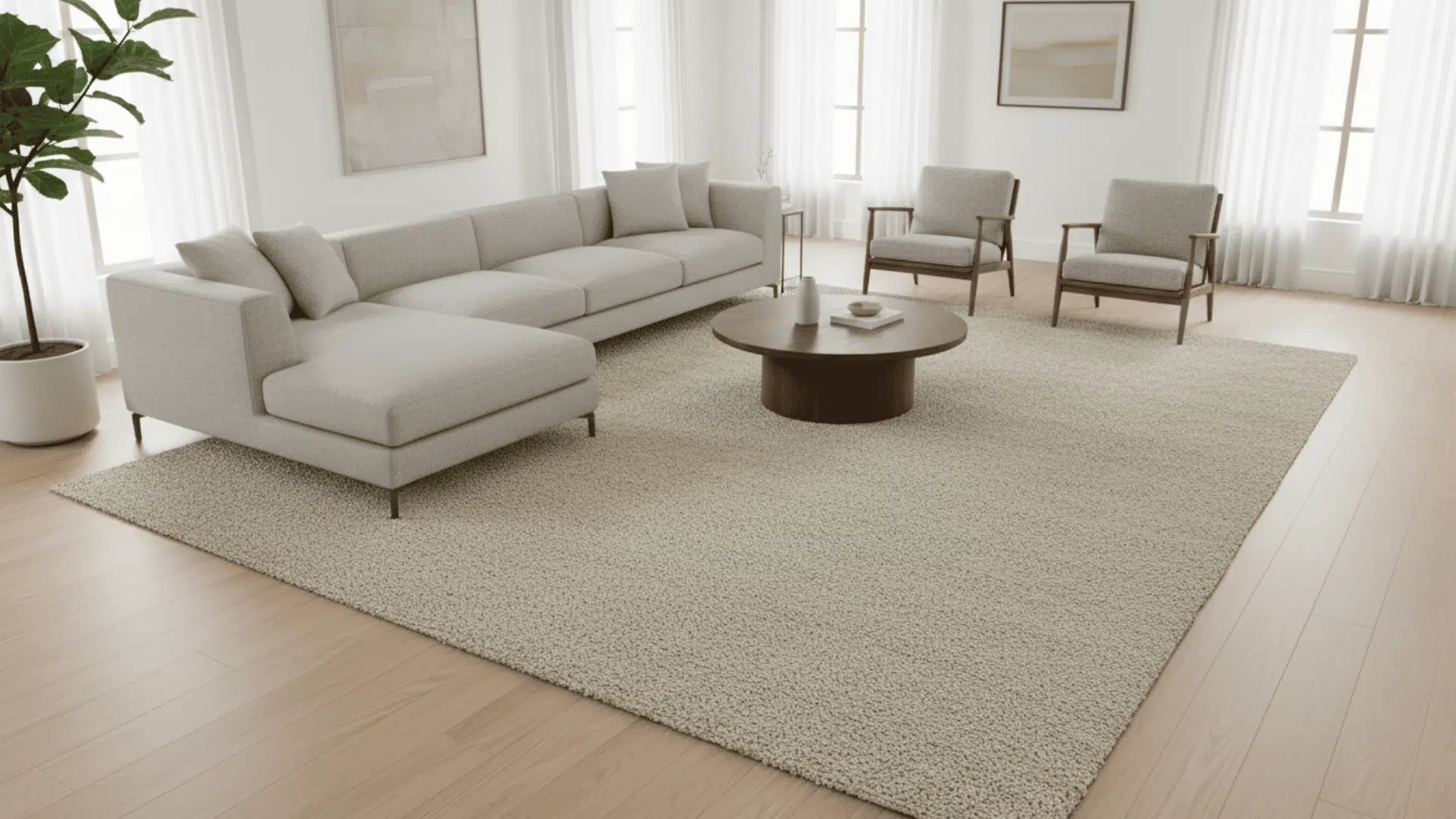
A small rug can break up the floor and make the room feel smaller. A larger rug helps connect the furniture and creates one calm area. In a living room, try to place at least the front legs of the sofa and chairs on the rug.
- Why it works: A larger rug makes the floor feel more connected and open.
- Try this: Choose a rug that sits under the main furniture instead of floating in the center.
8. Hang Large Wall Art Instead of Many Small Pieces
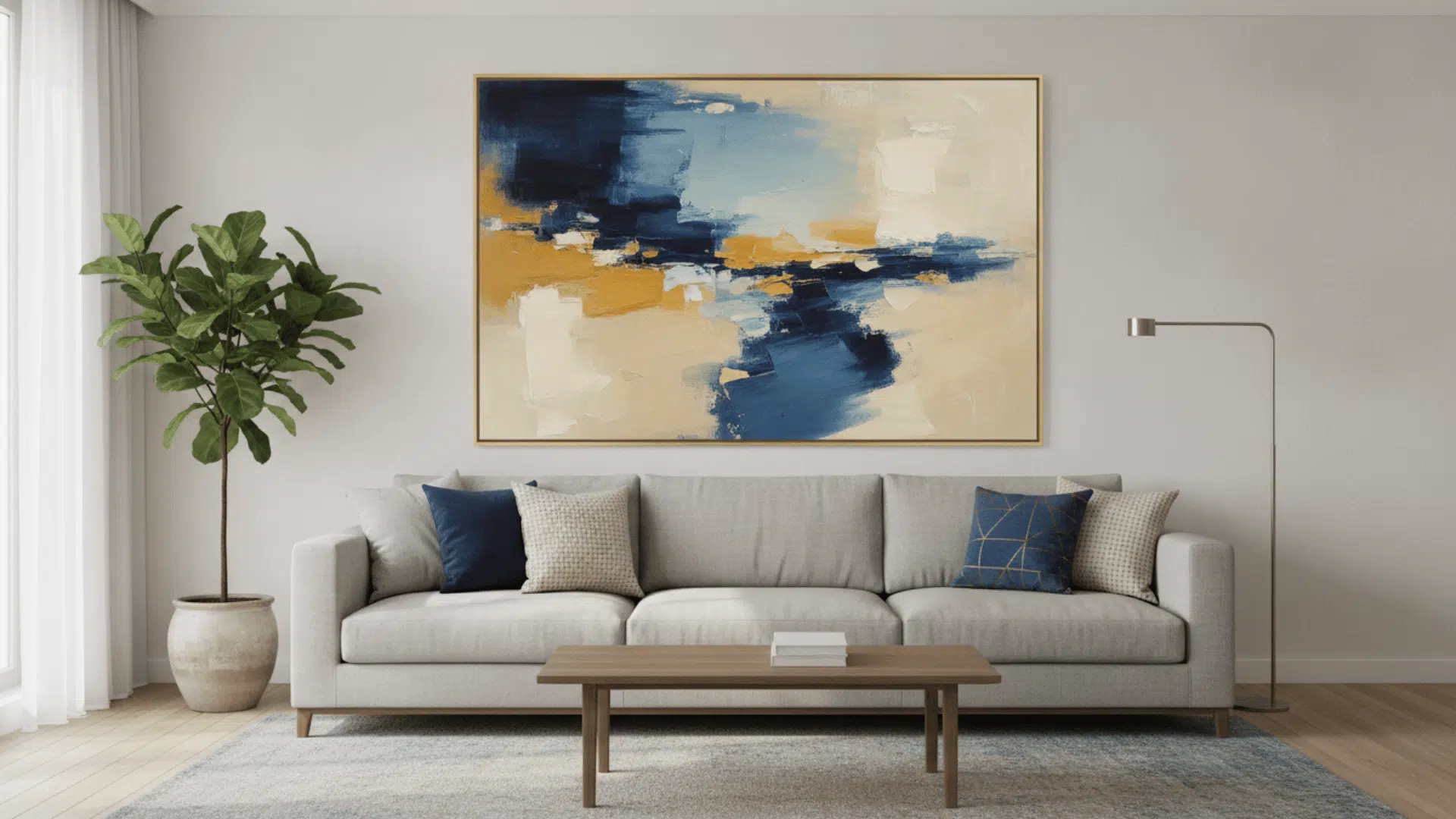
Too many small frames can make a wall feel busy. One large piece, or a simple gallery with larger frames, gives the eye a clear place to land. This works well above sofas, beds, desks, or dining benches.
- Why it works: Larger art reduces visual noise and makes the wall feel more open.
- Try this: Replace several small frames with one larger piece that better fits the wall width.
9. Paint Walls, Trim, and Ceiling the Same Color
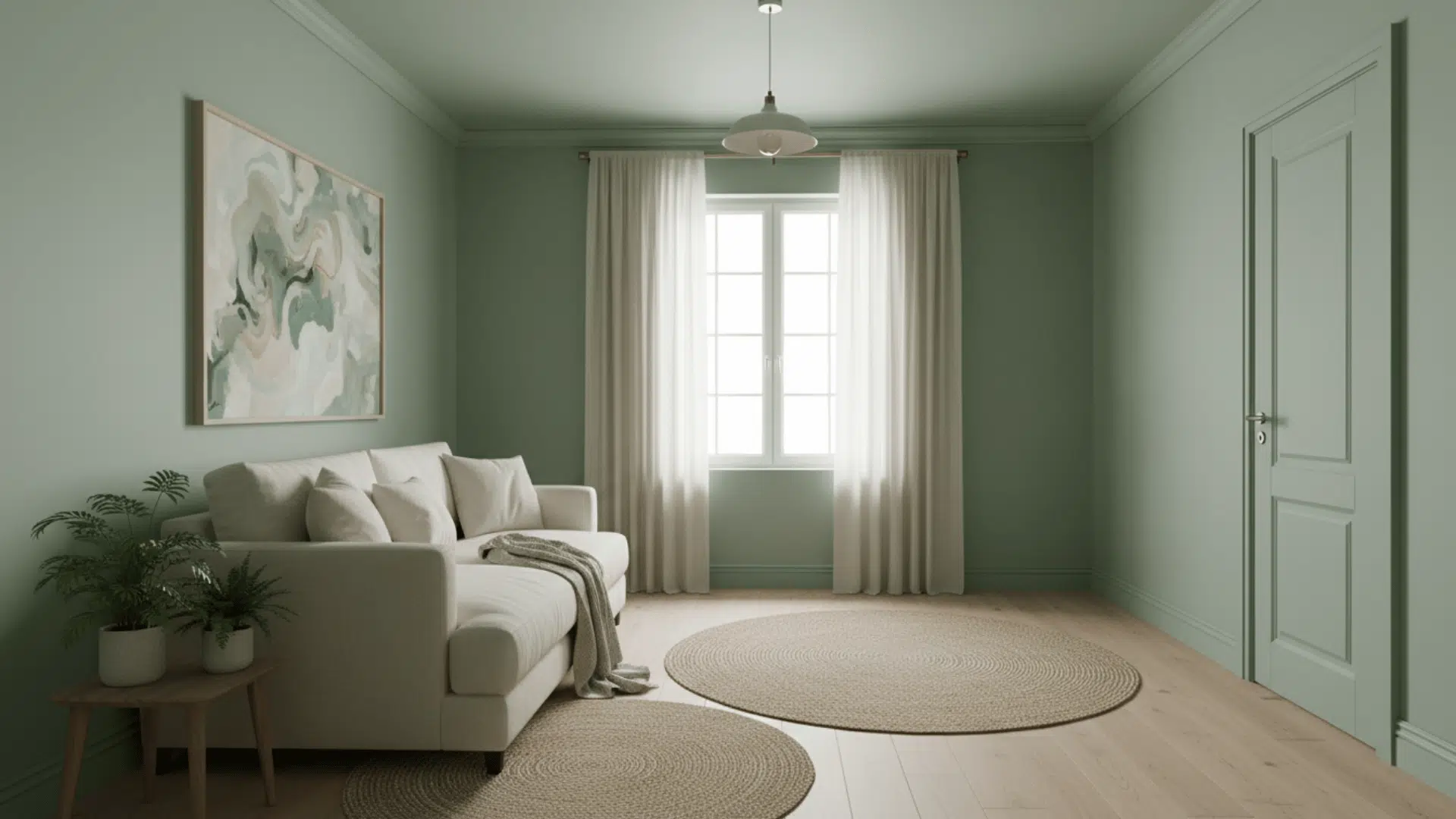
Sharp color breaks can make a small room feel chopped into parts. Painting the walls, trim, and ceiling the same color creates a smoother look. This does not have to be white; soft neutrals, muted greens, or deeper tones can also work.
- Why it works: One color reduces visual stops and helps the eye move around the room.
- Try this: Use the same paint color on trim and doors for a cleaner room outline.
10. Add Clear Glass or Acrylic Furniture
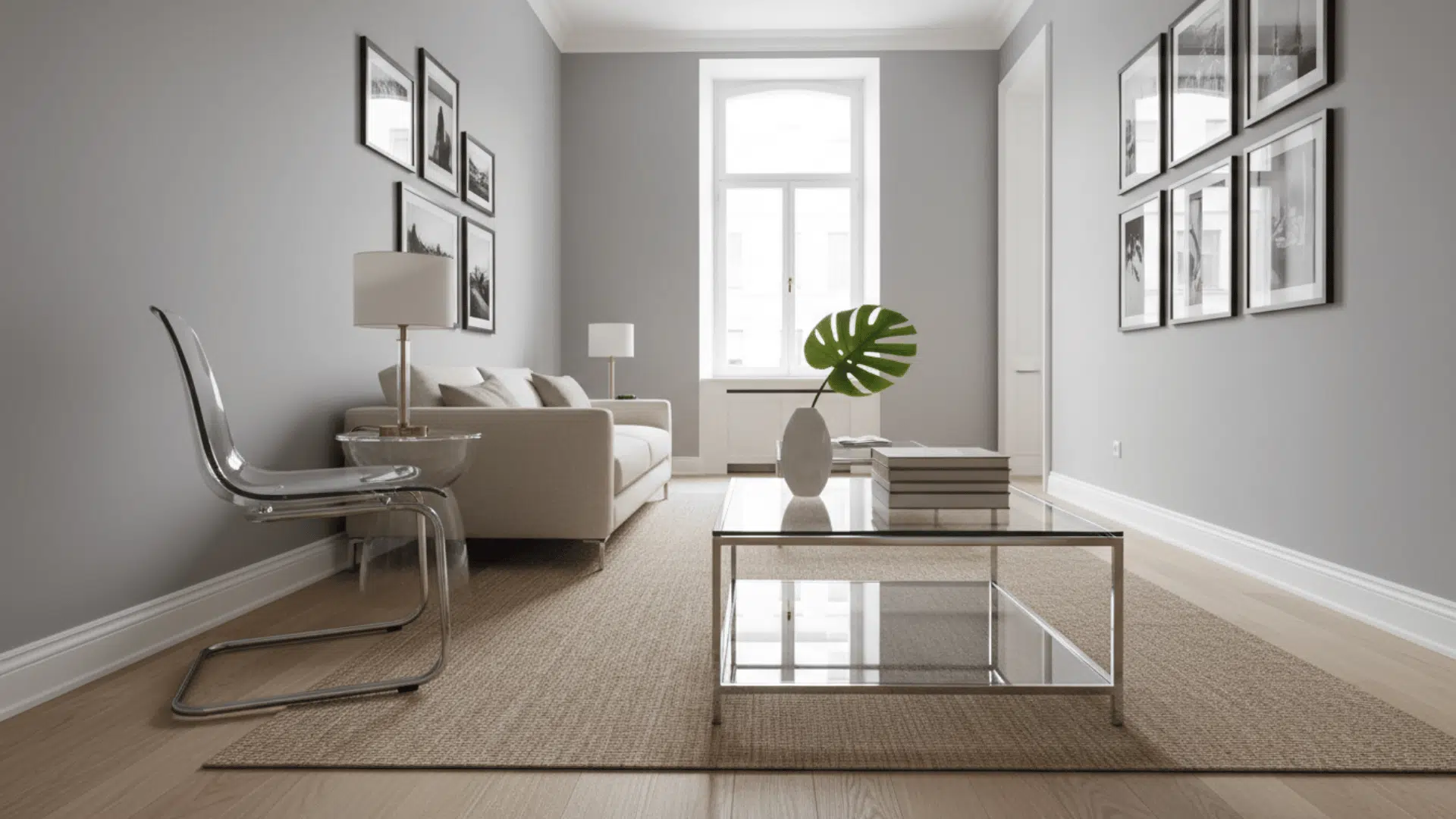
Clear furniture can be useful when a room needs function without looking packed. A glass coffee table, acrylic chair, or clear side table can serve a purpose while taking up less visual space. I like this idea most in narrow rooms.
- Why it works: Clear pieces let light and sightlines pass through them.
- Try this: Swap one heavy table for a glass or acrylic version.
11. Keep Walkways Open
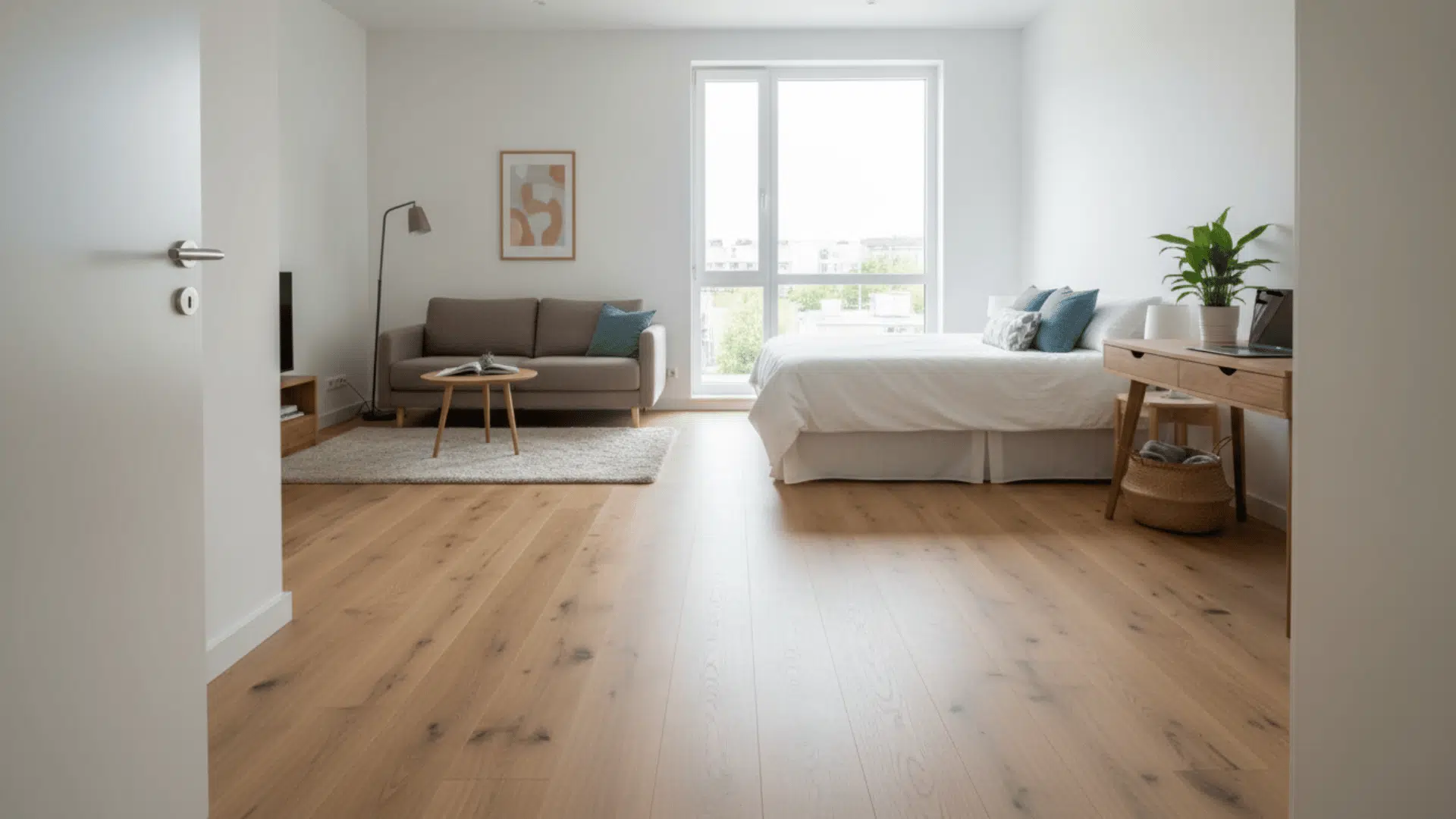
A room feels smaller when you have to move around furniture at odd angles. Clear paths help the space feel easier to use. Keep the main walkway from the door to the bed, sofa, desk, or window as open as possible.
- Why it works: Open walkways make the room feel less packed and more comfortable.
- Try this: Move small tables, baskets, or floor lamps out of the main walking path.
12. Use Vertical Storage to Free Floor Space
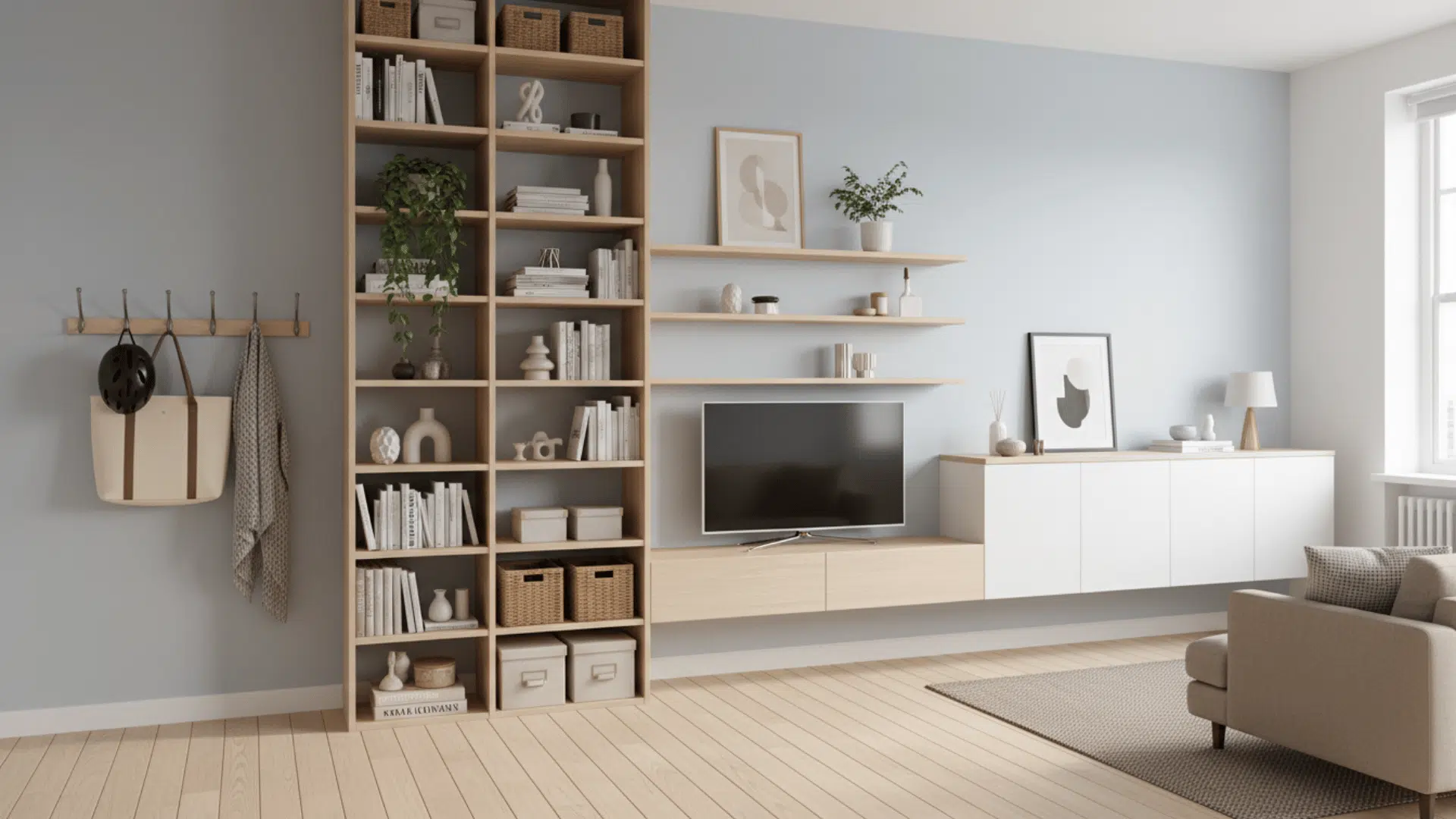
When floor space is limited, use the walls more wisely. Tall shelves, wall hooks, mounted cabinets, and floating shelves can hold items without crowding the floor. Keep the upper storage neat so it does not make the walls feel heavy.
- Why it works: Vertical storage clears the floor and makes the room easier to move through.
- Try this: Add one tall shelf or wall-mounted storage piece instead of another floor cabinet.
13. Keep Window Treatments Light and Simple
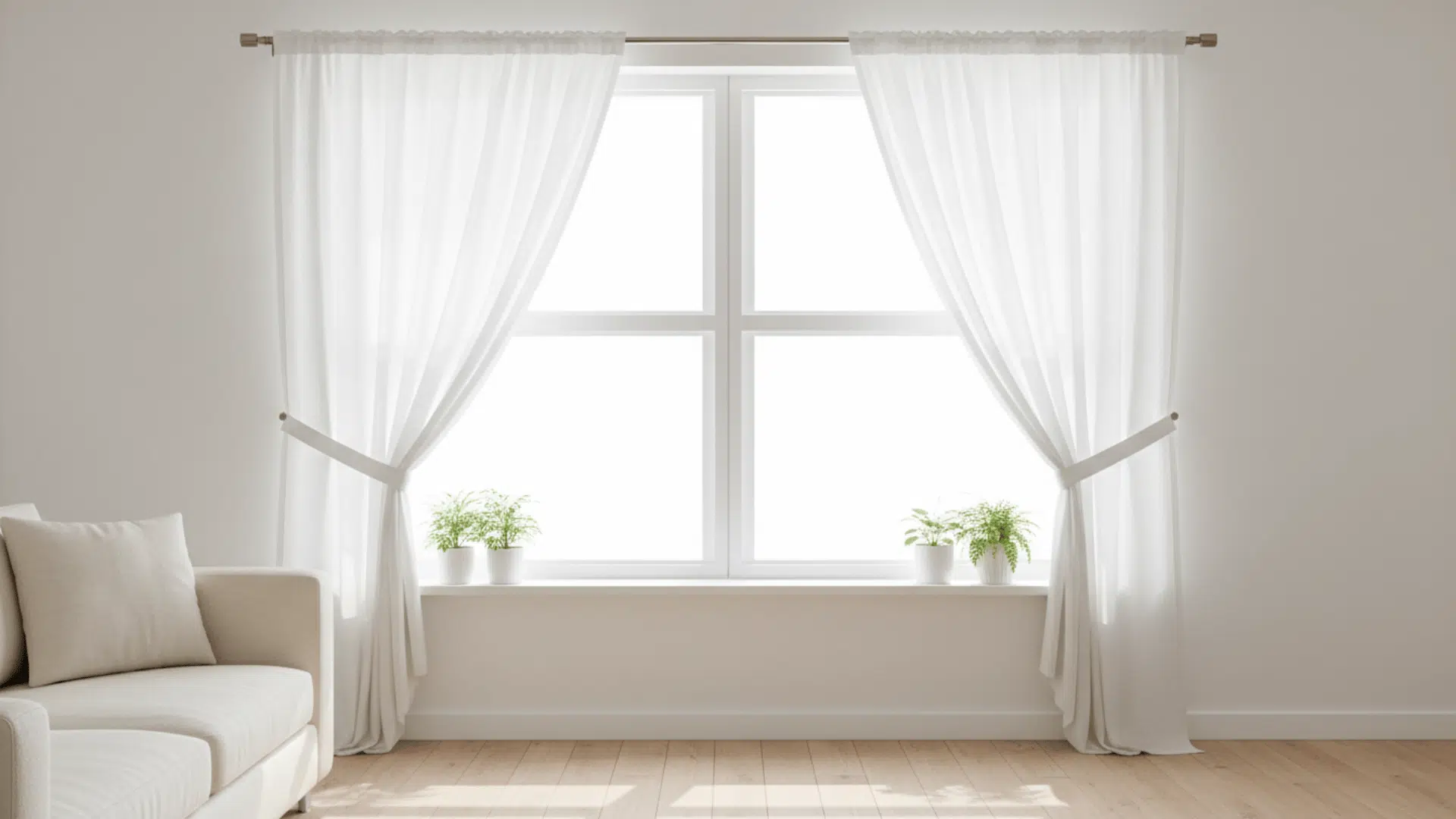
Heavy curtains can block light and make windows feel smaller. Simple curtains, blinds, or shades let the room feel brighter and cleaner. Choose fabrics that hang well and do not crowd the window frame.
- Why it works: More visible window space lets more light into the room.
- Try this: Use light-filtering curtains and keep them wide enough to clear the glass when the windows are open.
14. Layer Lighting Across the Room
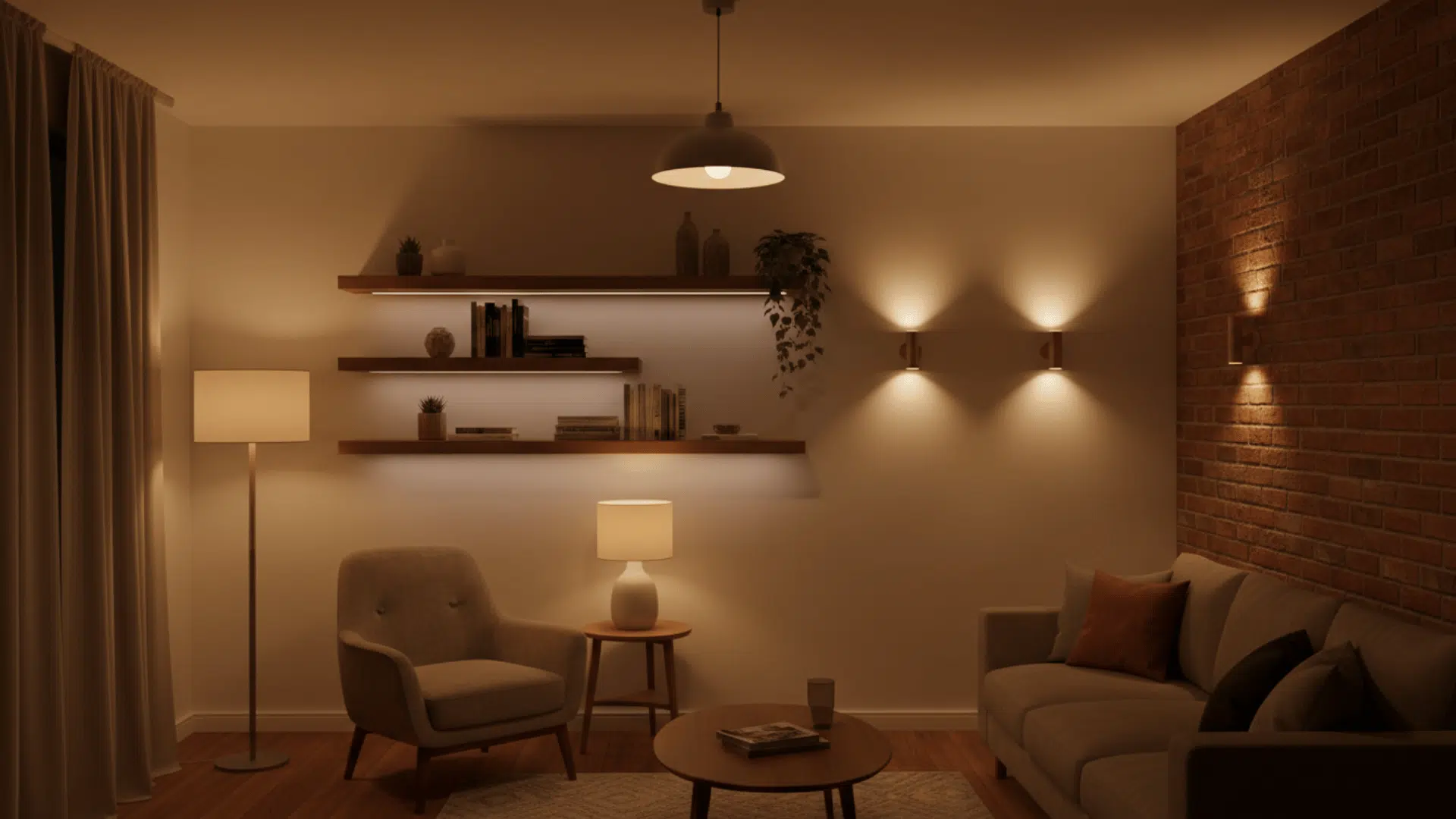
One ceiling light can leave corners dark, which makes a room feel smaller. Add light at different heights with table lamps, wall lights, floor lamps, or under-shelf lighting. I have found that bright corners can change the whole mood of a room.
- Why it works: Balanced lighting removes dark spots and makes the room feel wider.
- Try this: Add one lamp to the darkest corner before buying more decor.
15. Keep Decorations Simple and Purposeful
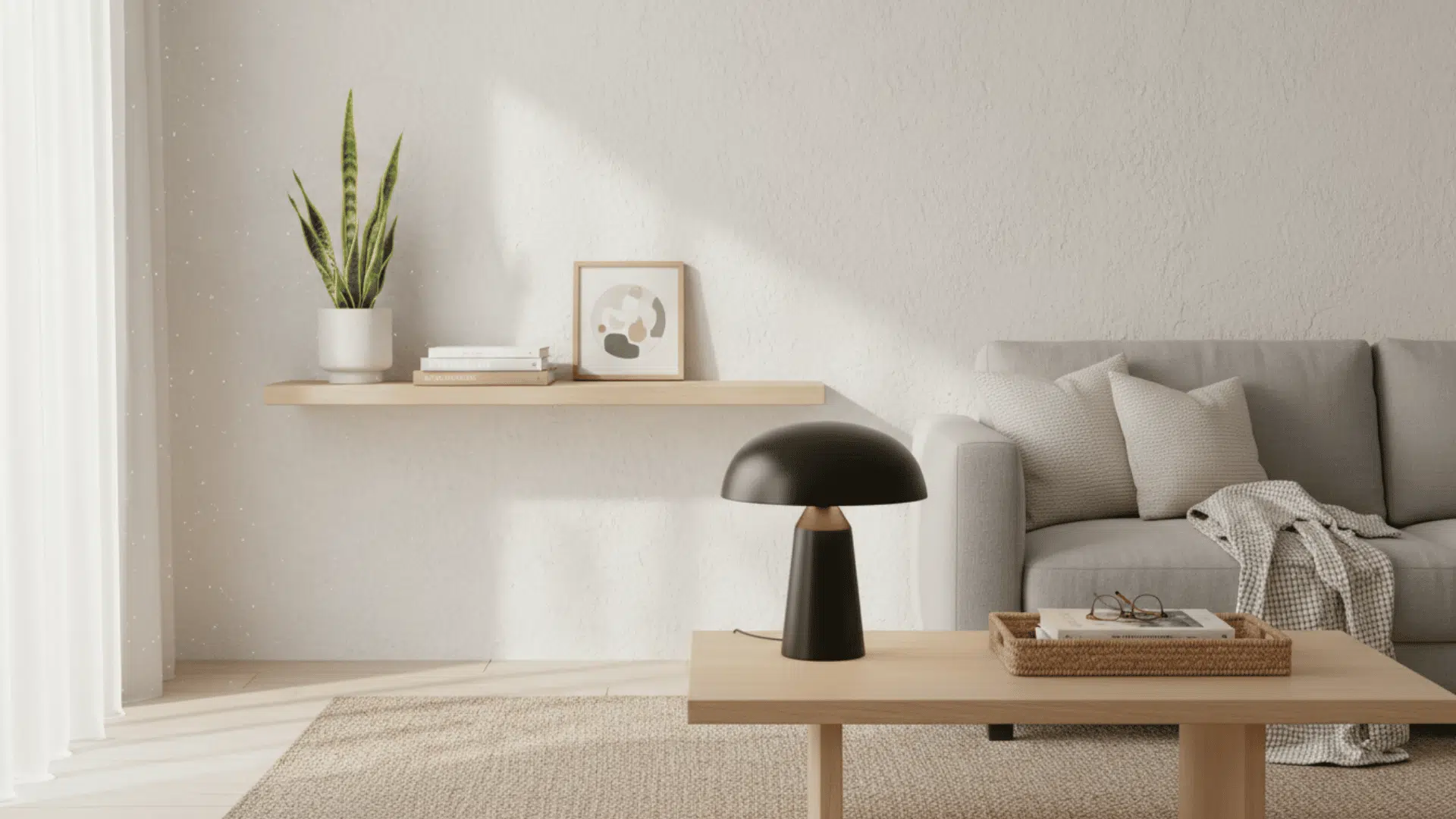
Decor should support the room, not crowd it. Choose fewer items that add comfort, color, or use. A tray, plant, lamp, book stack, or framed print can work well when each piece has space around it.
- Why it works: Simple decor keeps the room calm and helps key pieces stand out.
- Try this: Clear one shelf or tabletop, then add back only the items you truly like or use.
Budget-Friendly Ways to Make a Small Space Feel Large
You do not need a large budget to make a room feel more open. A few simple changes using items you already own can make a noticeable difference.
- Rearrange before you buy: Move furniture around first to see what opens the room. Sometimes shifting a sofa, bed, or table can create better walkways without spending money.
- Remove one bulky item: Look for one piece that takes up too much space. A large chair, unused table, or extra cabinet may be making the room feel tight.
- Move curtains higher: Raising the curtain rod can make the ceiling feel taller. This small change often costs less than buying new furniture.
- Use what you already own: Try moving a mirror, lamp, rug, or artwork from another room. The right piece in the right spot can make the space feel more open.
- Clear the floor: Use baskets, wall hooks, or shelves to lift items off the floor. More visible floor space makes the room feel cleaner and larger.
- Simplify open shelves: Remove extra decor from shelves and tabletops. Leave a few useful or favorite items so the room feels calm rather than crowded.
- Improve dark corners: Add a lamp to a dim corner. Better lighting helps the whole room feel wider and more comfortable.
Common Mistakes That Make Small Rooms Feel Smaller
Even good design choices can have less impact if a few common mistakes are left unchecked. Avoid these errors to help your small room feel more open.
| Mistake | Why It Makes the Room Feel Smaller |
|---|---|
| Leaving too much clutter on display | Crowded surfaces create visual noise and reduce the feeling of open space. |
| Using furniture that is too large | Oversized pieces take up too much floor space and restrict movement. |
| Choosing furniture that is too small | Tiny furniture can make the room feel unbalanced and less intentional. |
| Hanging curtains too low | Low curtain rods make the ceiling appear shorter than it is. |
| Buying a rug that is too small | A small rug breaks up the floor and makes the room feel disconnected. |
| Blocking windows with furniture | Less natural light makes the room look darker and more enclosed. |
| Filling every wall with decor | Too many frames or shelves make walls feel busy instead of open. |
| Using too many paint colors | Frequent color changes create visual breaks that make the room feel smaller. |
| Ignoring dark corners | Poorly lit corners reduce the sense of depth and openness. |
| Placing furniture in every corner | Overfilling the room leaves little breathing space and makes it feel cramped. |
At the End
Making a small room feel bigger starts with simple choices that change how the space feels each day. Clear extra clutter, let in more light, choose the right furniture size, and keep walkways open.
These steps help the room feel easier to use, not just nicer to look at.
Small changes like raising curtains, using a larger rug, adding a mirror, or improving dark corners can make a real difference. You do not need to remodel or spend a lot to make the room feel calmer and more open.
Start with one idea from this guide and test it in your room today. Then share your experience in the comments below so others can learn what worked for you.
Frequently Asked Questions
Can Plants Make a Small Room Feel Bigger?
Yes, one tall plant can add height and depth. Avoid too many plants because they can make the room feel crowded.
Should Small Rooms Have Doors Removed?
Sometimes, but it is not always needed. Sliding doors, pocket doors, or lighter doors can improve space without removing the door.
How Often Should I Refresh a Small Room Layout?
Refresh it when the room feels crowded. Moving furniture, clearing surfaces, and changing lighting can quickly make it feel open again.

Ava Taylor, holding a Bachelor’s degree in Interior Design from the Pratt Institute, has made her mark in creating engaging and functional living spaces for over 14 years. She began her career with a New York-based design studio, where she gained a reputation for her innovative and user-centric designs. Ava joined our team in 2019, bringing a blend of artistic flair and practicality to our home improvement section. Since the she has been the lead contributor to our room transformation series, inspiring readers with her unique approach to maximizing space utility and aesthetic appeal. Beyond her professional work, Ava is a passionate collector of vintage furniture, a hobby that enriches her design perspective.