
You buy a beautiful vine hoping for nonstop tropical blooms, but keeping it happy can feel like a guessing game. It is disappointing when the flowers fall off or the green leaves turn yellow.
Many people struggle to figure out the right routine to keep their new additions alive. I have grown these vines for years, and after some trial and error, I finally learned what actually works.
It took time, but I figured out how to stop the leaves from dropping and encourage better growth. This guide covers the exact mandevilla plant care steps you need.
I will walk you through watering, sunlight, soil, feeding, pruning, and seasonal changes. We will look at how much water to use and the best spot for bright sunlight.
You do not need to worry about confusing terms or hard tasks. With these simple tips, you can keep your plant healthy and blooming.
What is a Mandevilla Plant?
Before I get into care steps, let me quickly explain what this plant is and why its needs are a little different.
I first brought one home because of its bright, tropical look, but I quickly realized it does not behave like typical garden greenery. Understanding its origins helps make sense of how it actually grows.
It naturally comes from warm, tropical climates, meaning it craves heat and high humidity above all else. Once you know its basic traits and how it responds to the environment, keeping it healthy becomes much easier.
Let us look at what makes this climbing plant unique.
Quick Mandevilla Care Snapshot:
| Care Factor | What It Needs |
| Sunlight | 6+ hours, bright direct light |
| Water | When the top inch of soil is dry |
| Soil | Light, well-draining, rich in organic matter |
| Temperature | 65–85°F; protect below 50°F |
| Feeding | Balanced fertilizer every 2–3 weeks in season |
| Bloom time | Late spring to frost |
Mandevilla Flower and Vine Basics
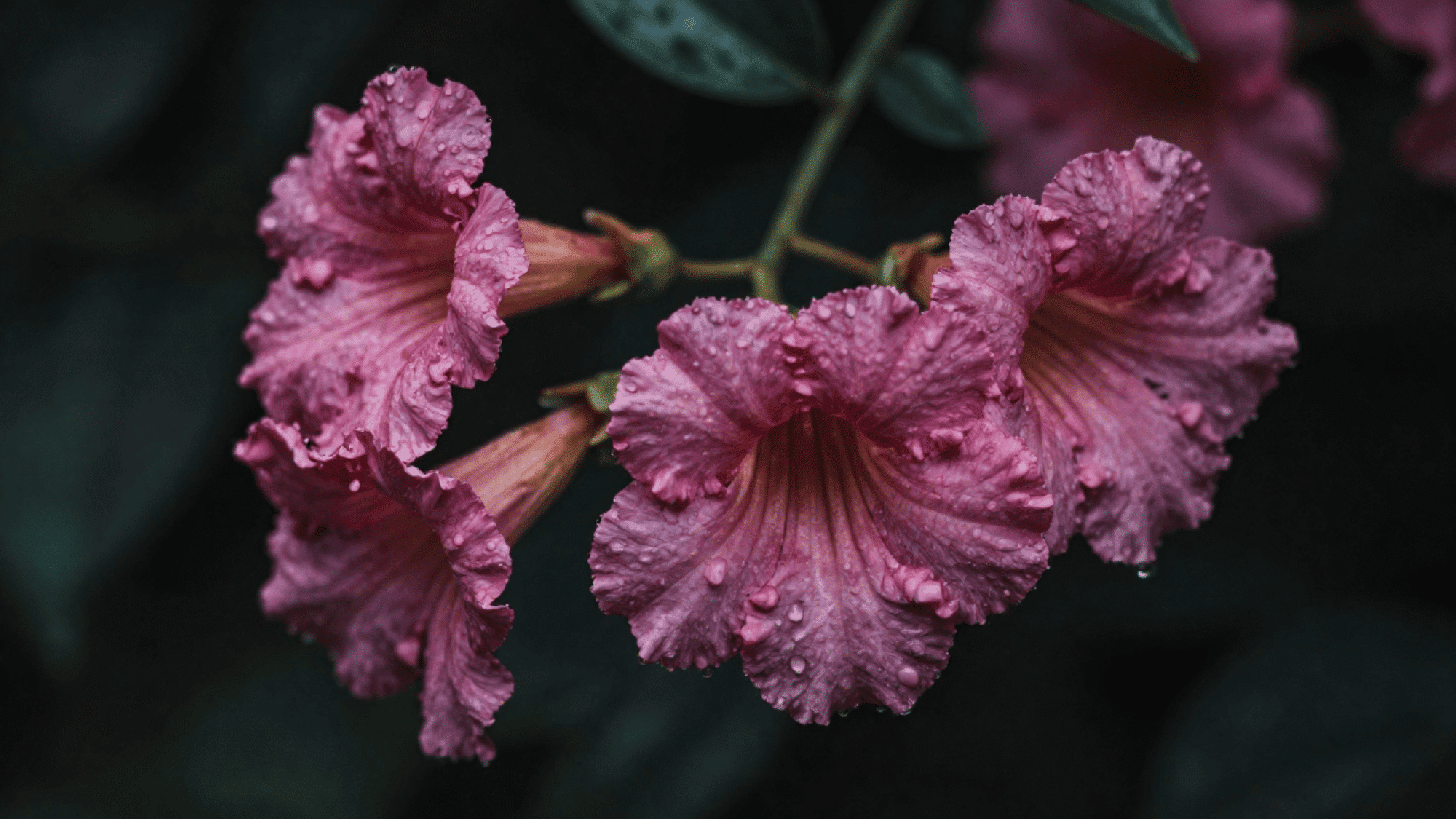
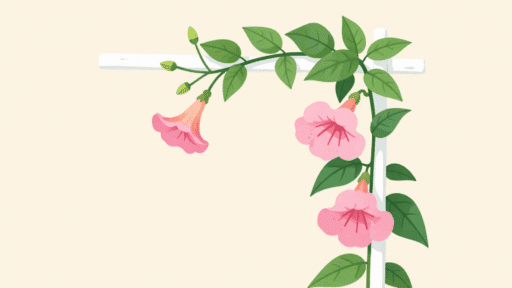
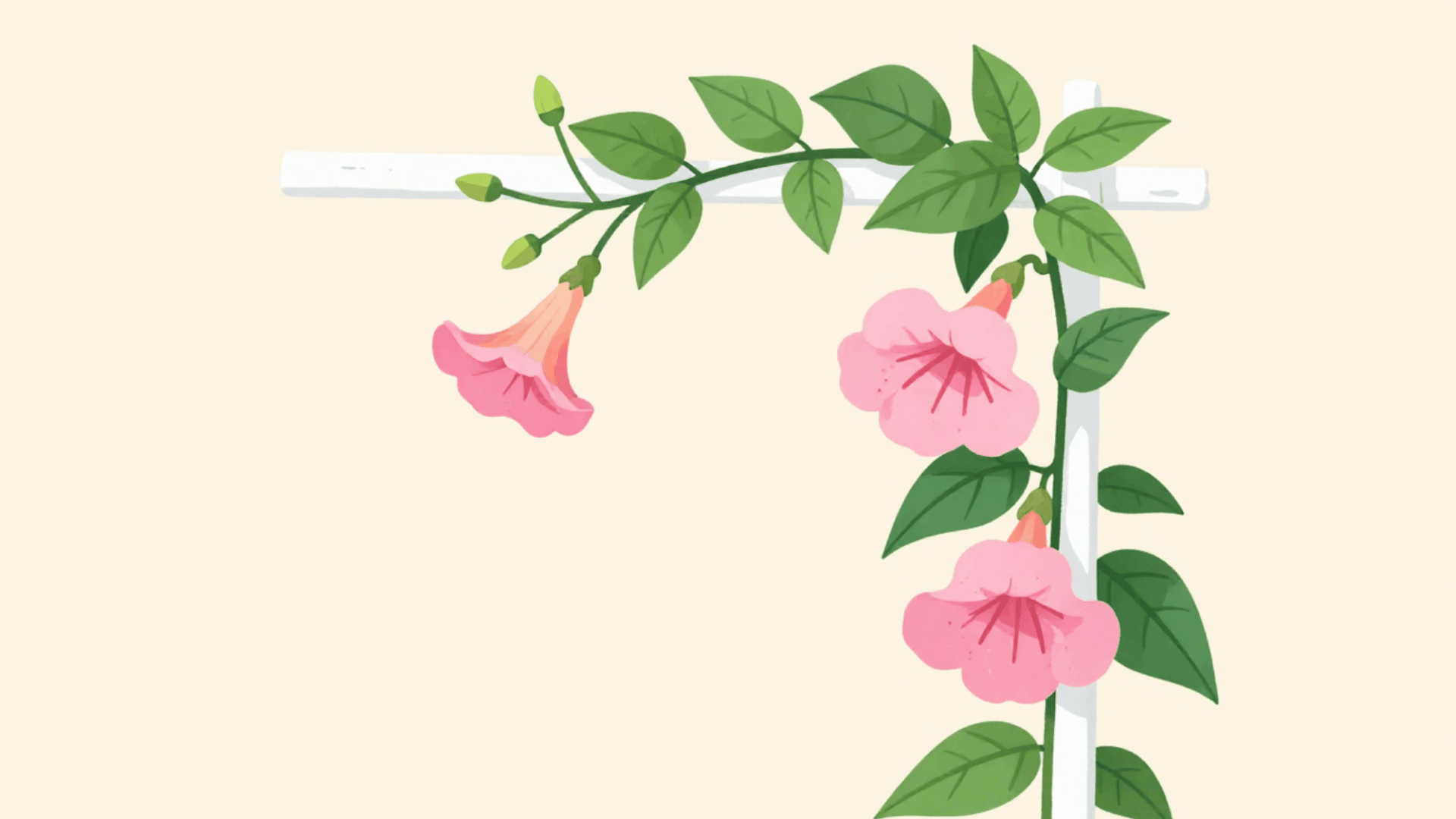
This plant is known for its fast-growing vine habit and glossy green leaves. The real draw is the mandevilla flower, which is large, brightly colored, and trumpet-shaped.
These blooms appear constantly from late spring all the way until the first frost. Because it loves to climb, you will need to provide a trellis, fence, or other support structure to keep it tidy and growing upward.
Is Mandevilla a Perennial?
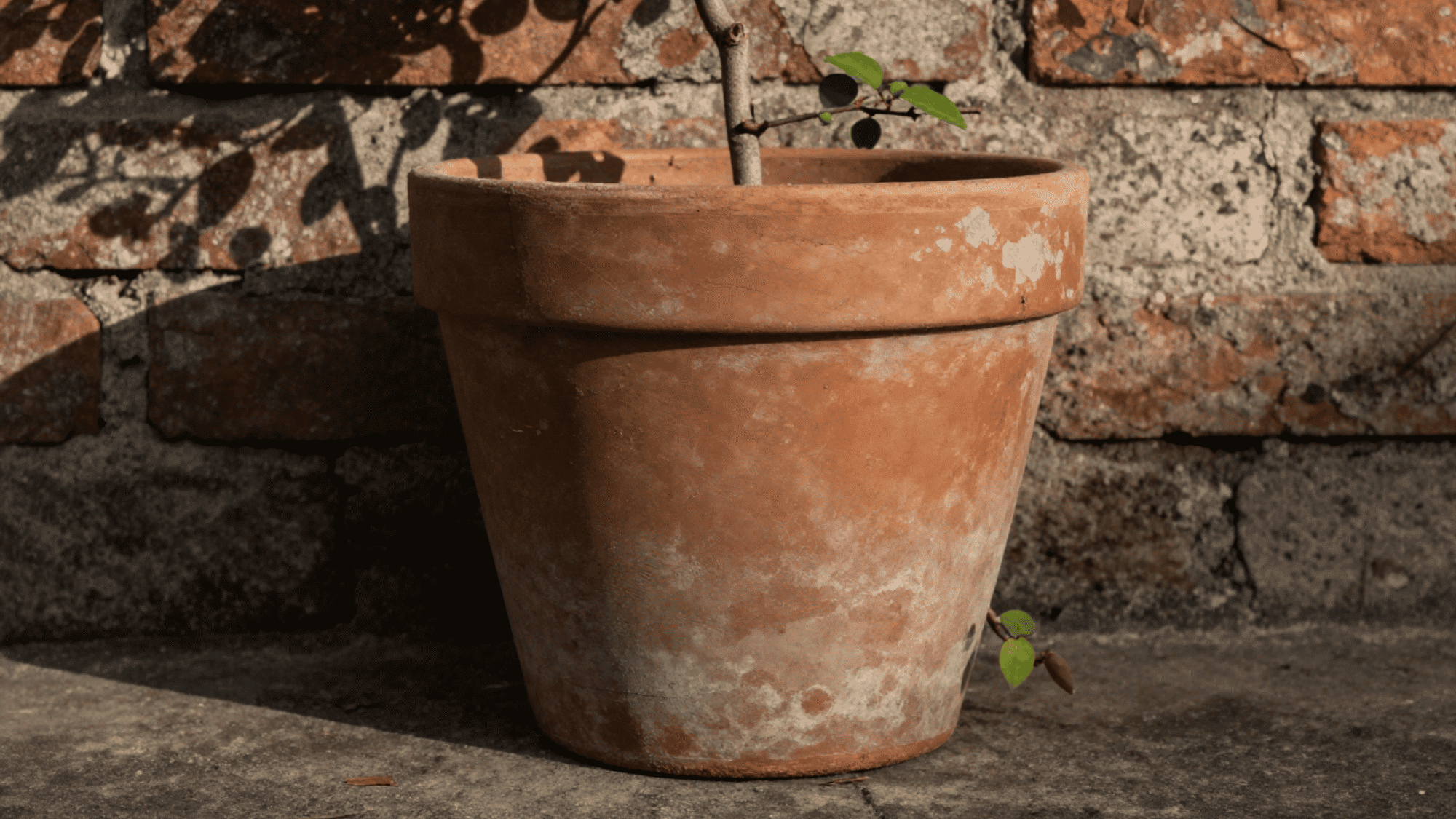
Many people wonder if they are buying a mandevilla perennial or an annual. The answer depends heavily on where you live.
In very warm areas, such as USDA zones 9 through 11, it grows as a tender perennial, surviving year-round. In colder climates, it will not survive freezing temperatures outside.
Most gardeners in cooler zones treat it as an annual or bring it indoors before the winter chill hits.
Taking Care of Your Mandevilla
Once you know what a mandevilla is and how it grows, the next step is learning how to keep it healthy at home.
1. How Much Sun does it Need
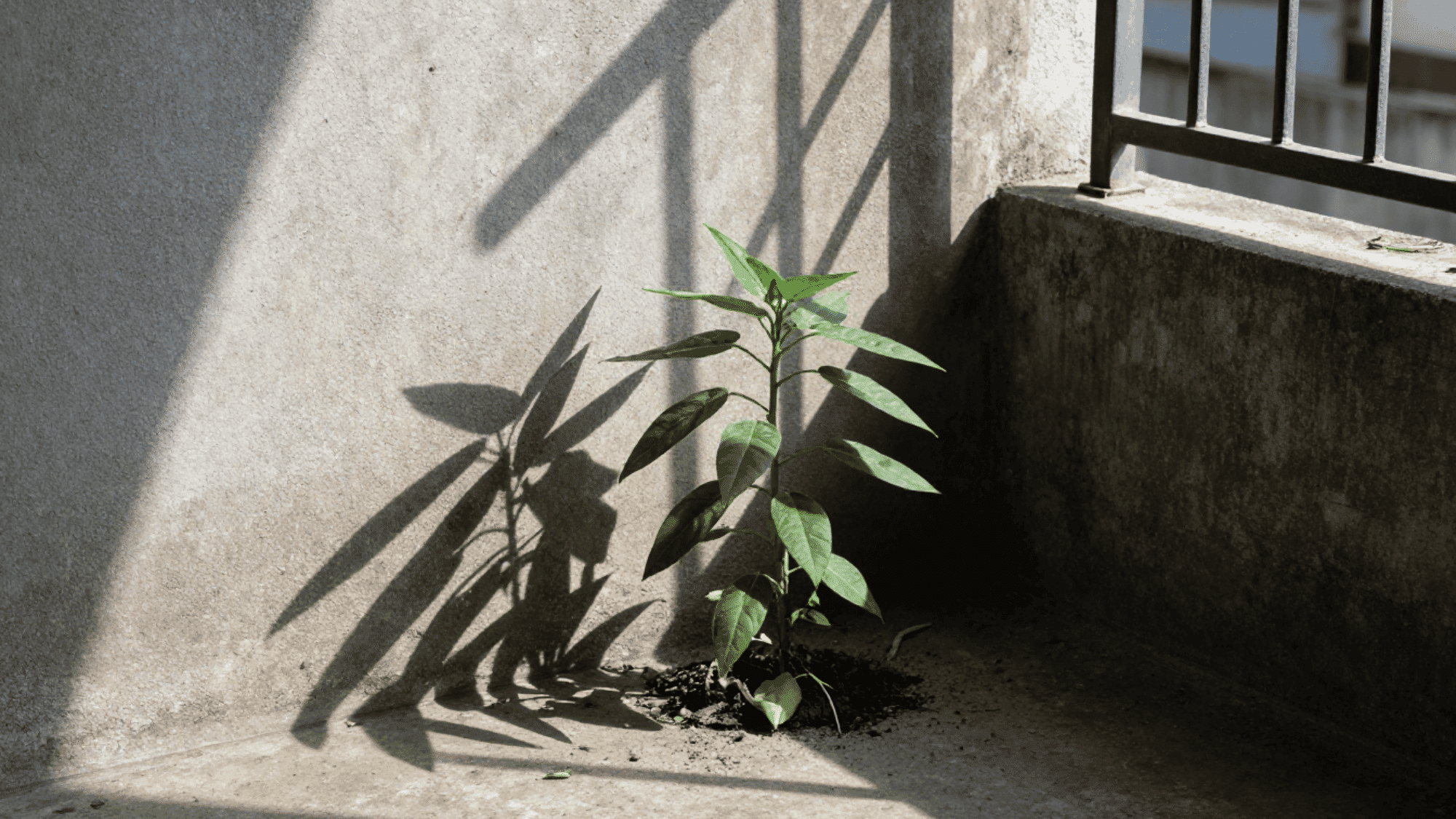
These vines need at least six hours of bright light each day to produce flowers. If you put them in heavy shade, they grow green leaves but very few blooms. In very hot climates, give them morning sun and afternoon shade.
This prevents the strong midday rays from burning the leaves.
2. Ideal Temperature Range
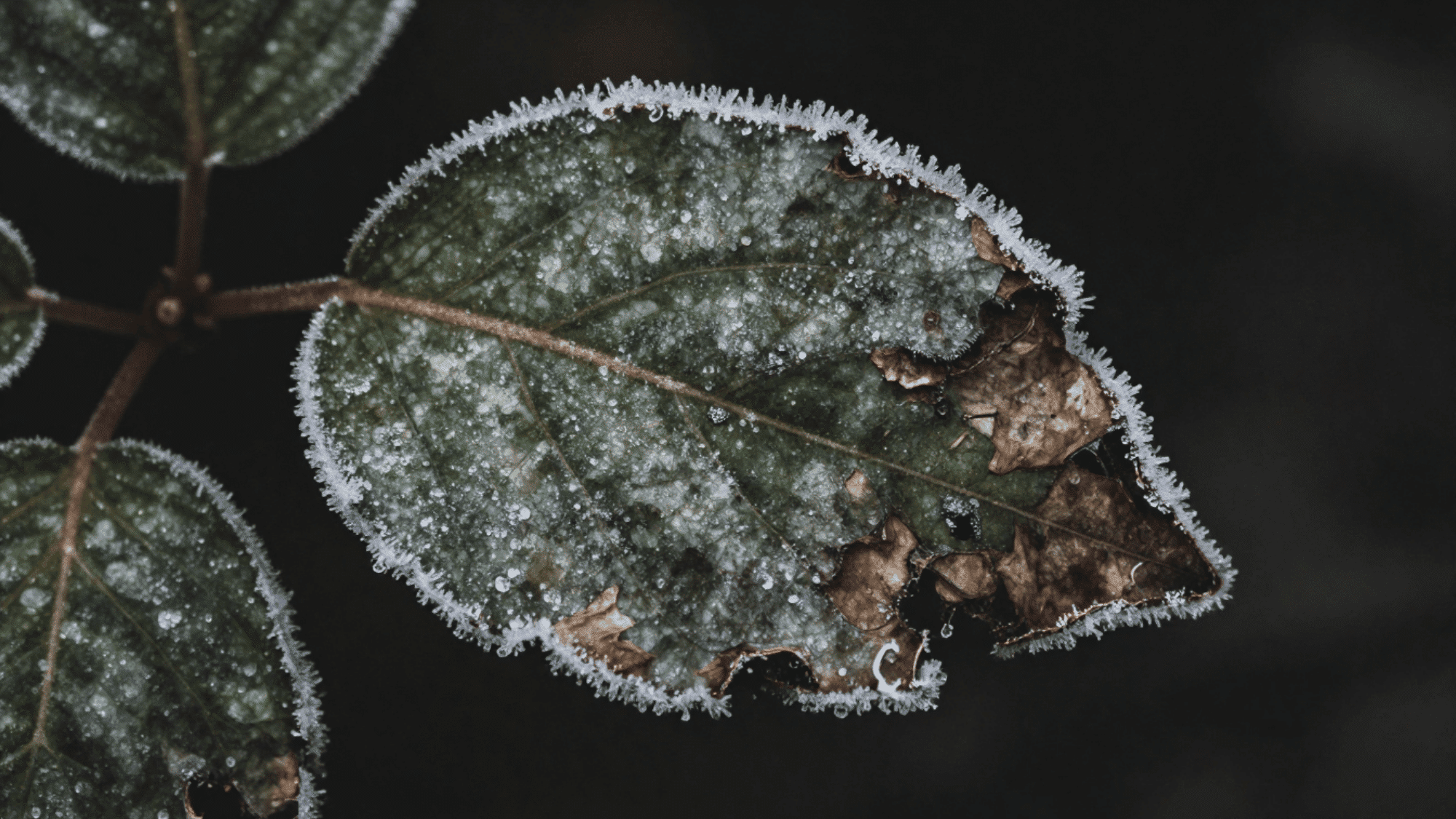
As a tropical vine, it thrives in warm weather. The best temperatures for growth are between 65 and 85 degrees Fahrenheit.
It is highly sensitive to cold and will suffer if the temperature drops below 50 degrees Fahrenheit. Always check the forecast in late fall to protect your plant from frost.
3. How Often to Water

When watering your vine, give it a deep soak until water drains out of the bottom, then wait until the top inch of soil feels dry again before
- Check your plant every few days using the finger test
- Only water again when the top inch of soil feels dry
- Avoid keeping roots constantly wet for long periods
- Prevent root rot and weak or poor blooming
I check plants every few days using the finger test, ensuring soil dries properly between waterings to prevent root rot and encourage healthy blooming vine growth
4. Best Soil and Drainage
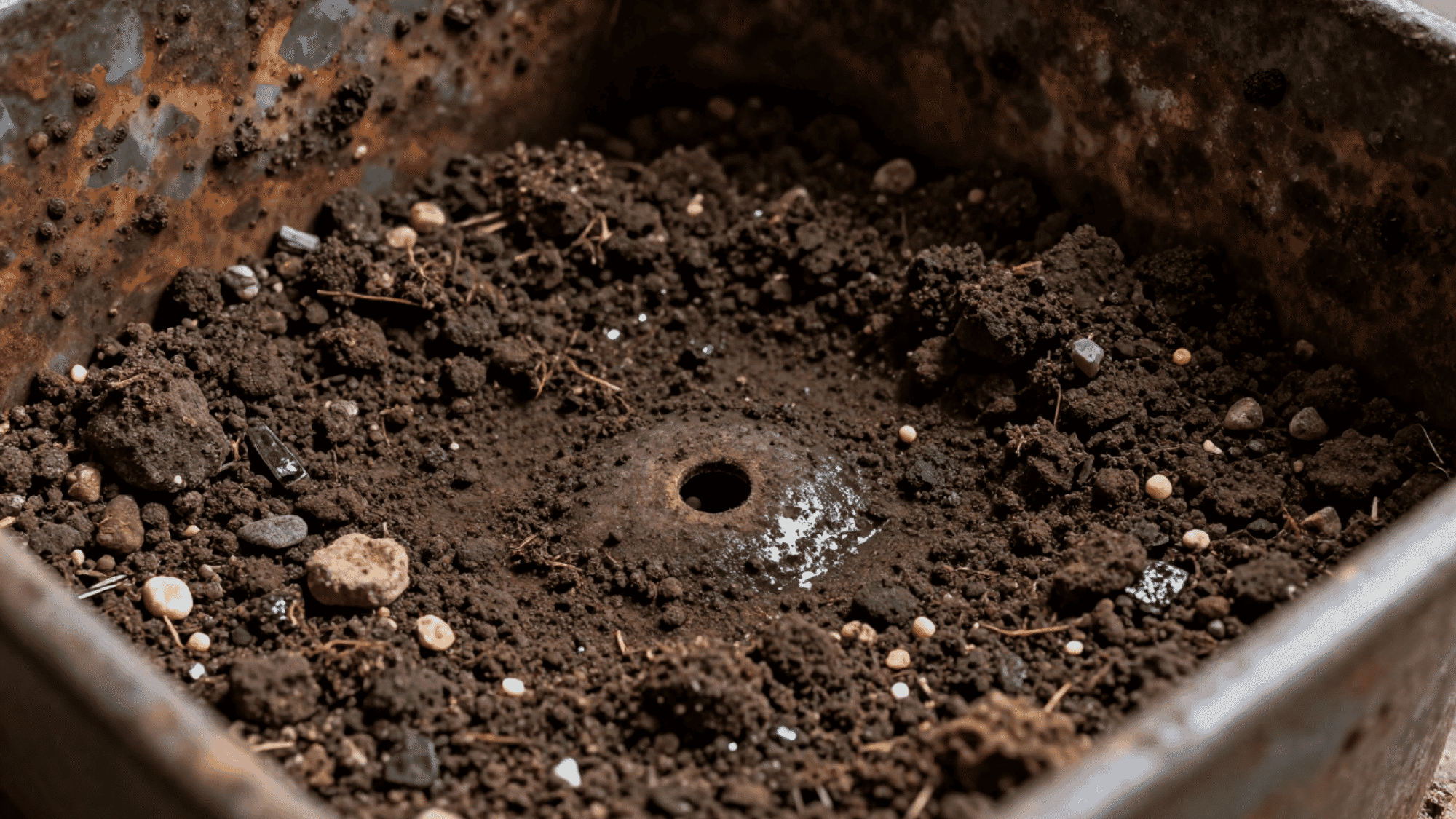
This plant needs a light, well-draining soil mix to stay healthy. I like to use a standard potting mix and mix in some peat moss for extra organic matter. Always make sure your pot has large drainage holes at the base.
Good soil is a big part of successful mandevilla plant care. Here is a quick guide to managing moisture:
- Watering: Wait until the top layer is dry before soaking.
- Drainage: Check that extra water escapes quickly from the pot.
- Overwatering: Watch out for yellow leaves and dropping flower buds.
5. Fertilizing Schedule
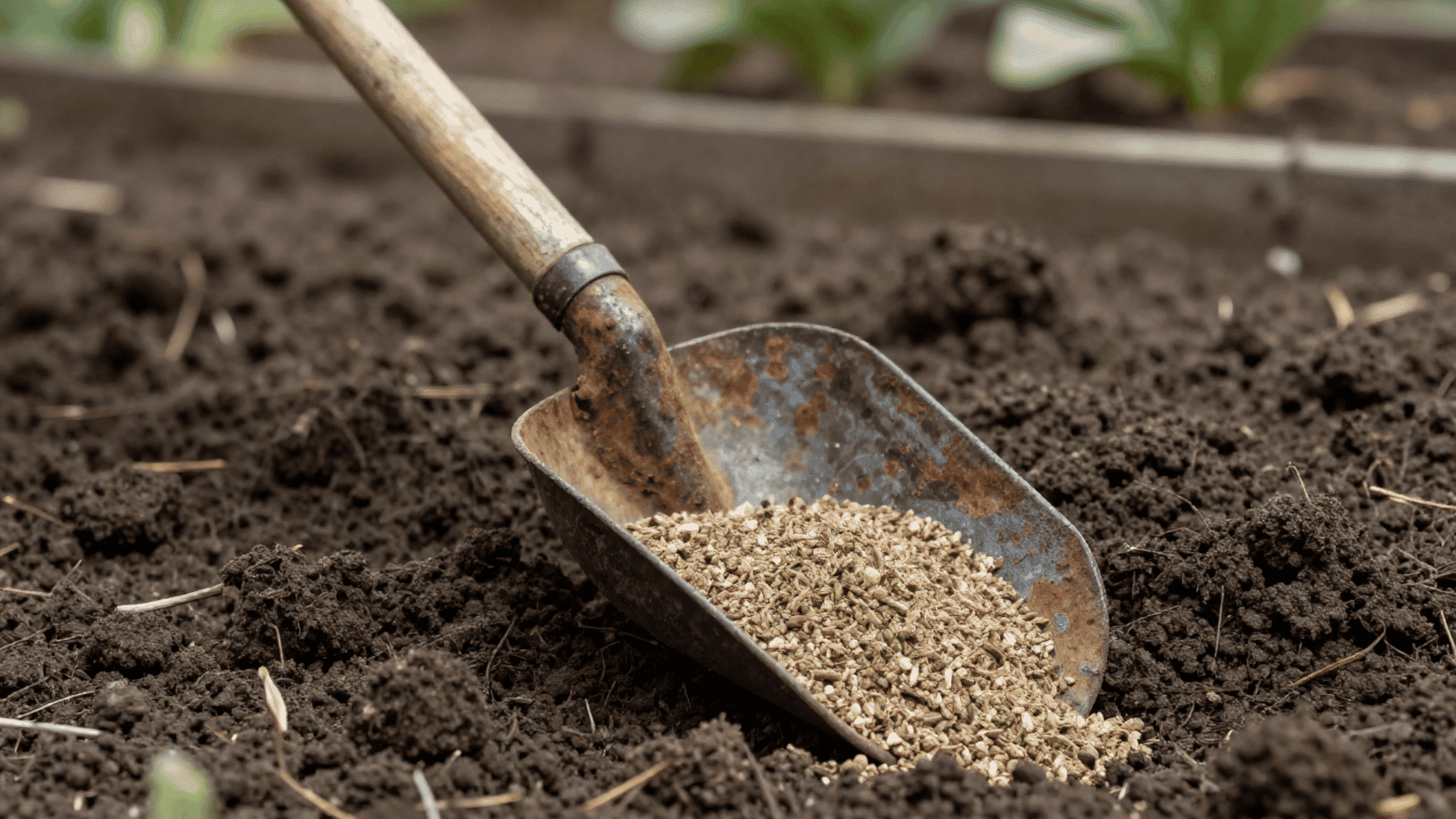
During the warm growing season, your vine uses lots of energy to produce new leaves and flowers, so regular feeding supports healthy, steady, vibrant growth overall.
- Feed with balanced, water-soluble fertilizer every 2–3 weeks from spring through late summer
- Switch to high-phosphorus plant food if you want more flowers
- Stop fertilizing completely when the weather cools down in the fall
I follow a simple feeding routine through warm months, then ease off completely in fall, helping vines stay strong, balanced, and ready seasonally each year
6. Pruning
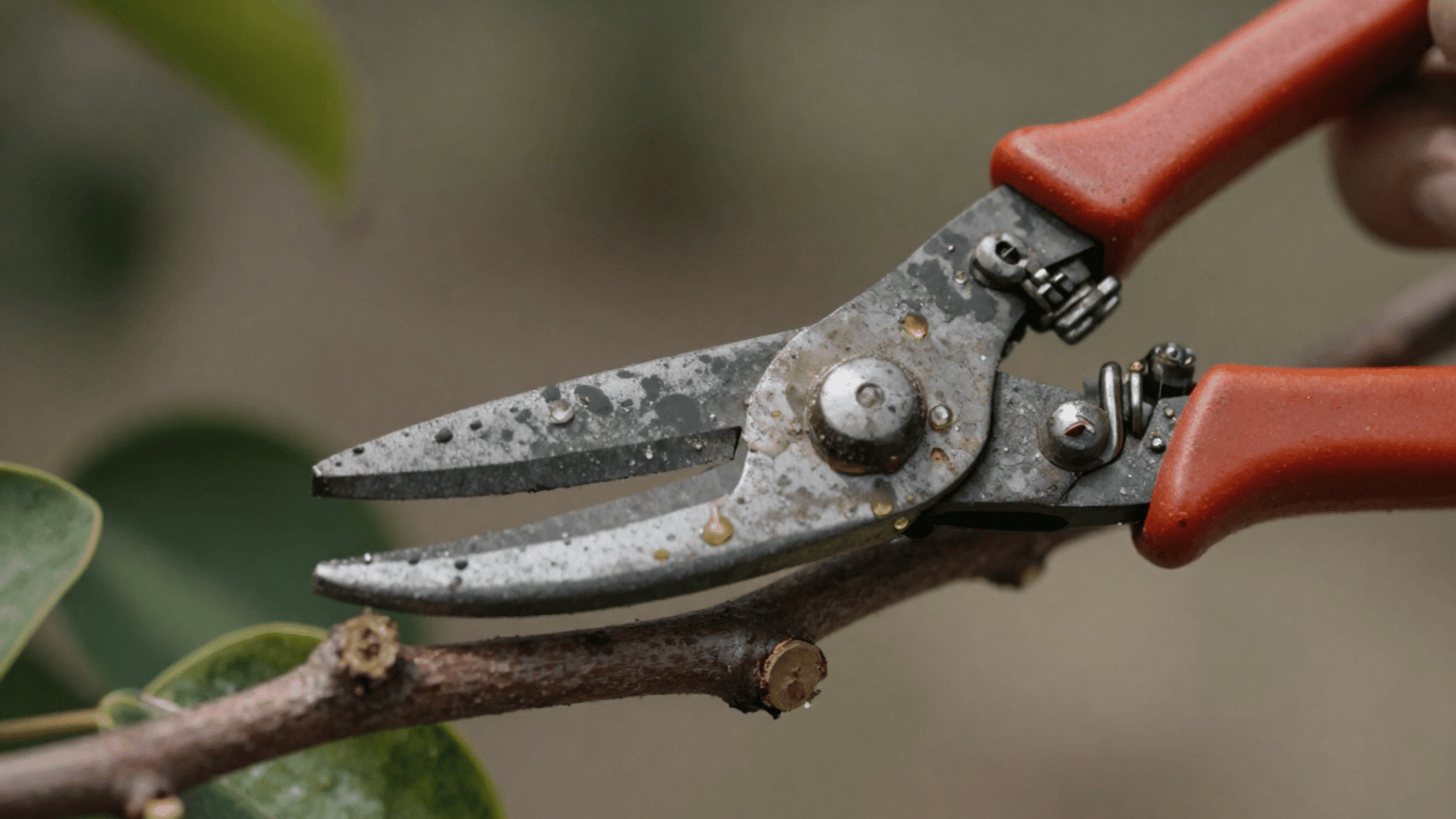
This easy trick encourages the plant to branch out and become fuller, which ultimately leads to more flower buds covering your trellis.
| Season | Pruning Steps | What It Does |
| Early Spring | Use clean shears to cut away any dead or damaged stems before new growth starts. | Clears out old growth and keeps the plant healthy for the upcoming season. |
| Summer | Gently pinch off the tips of the new vines as they grow. | Encourages the plant to branch out, grow fuller, and produce more flower buds for your trellis. |
Overwintering and Common Problems
Because this is a tropical plant, cold months need a plan, and I will walk you through mine. Leaving it outside during a hard freeze is a guaranteed way to lose your beautiful vine.
I used to think I could just cover it with a blanket, but that is never enough in winter. Instead, you have to decide how you want to keep it alive until spring returns.
1. Bringing the Plant Indoors
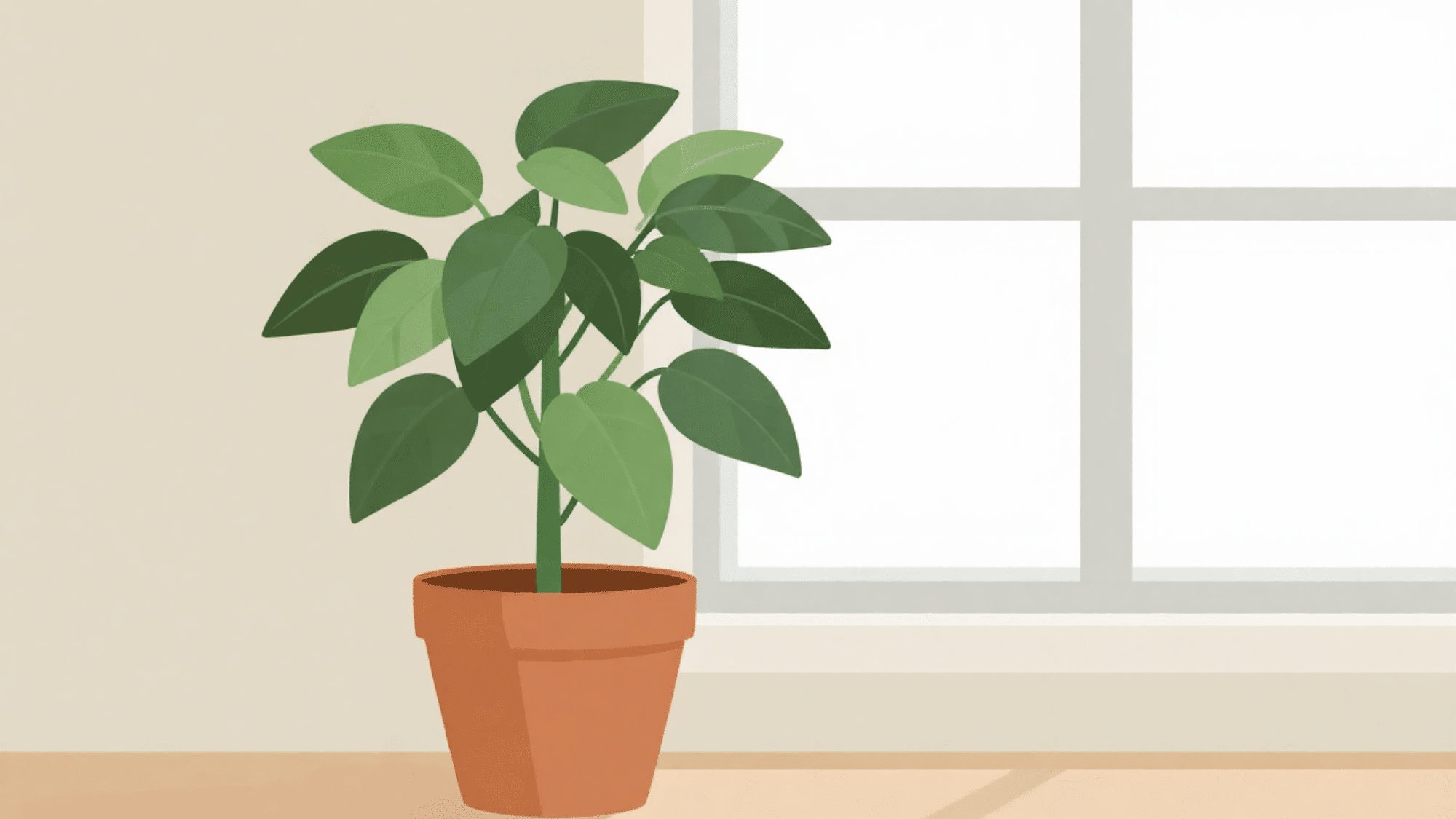
If you want to keep the leaves green, bring the pot inside before the first frost hits. Find a spot near a bright window where the air stays somewhat cool.
The vine will not grow much during this time, so it needs less moisture. I only water mine when the soil is completely dry, which helps prevent root rot while the plant rests indoors.
2. Forcing Dormancy in Storage
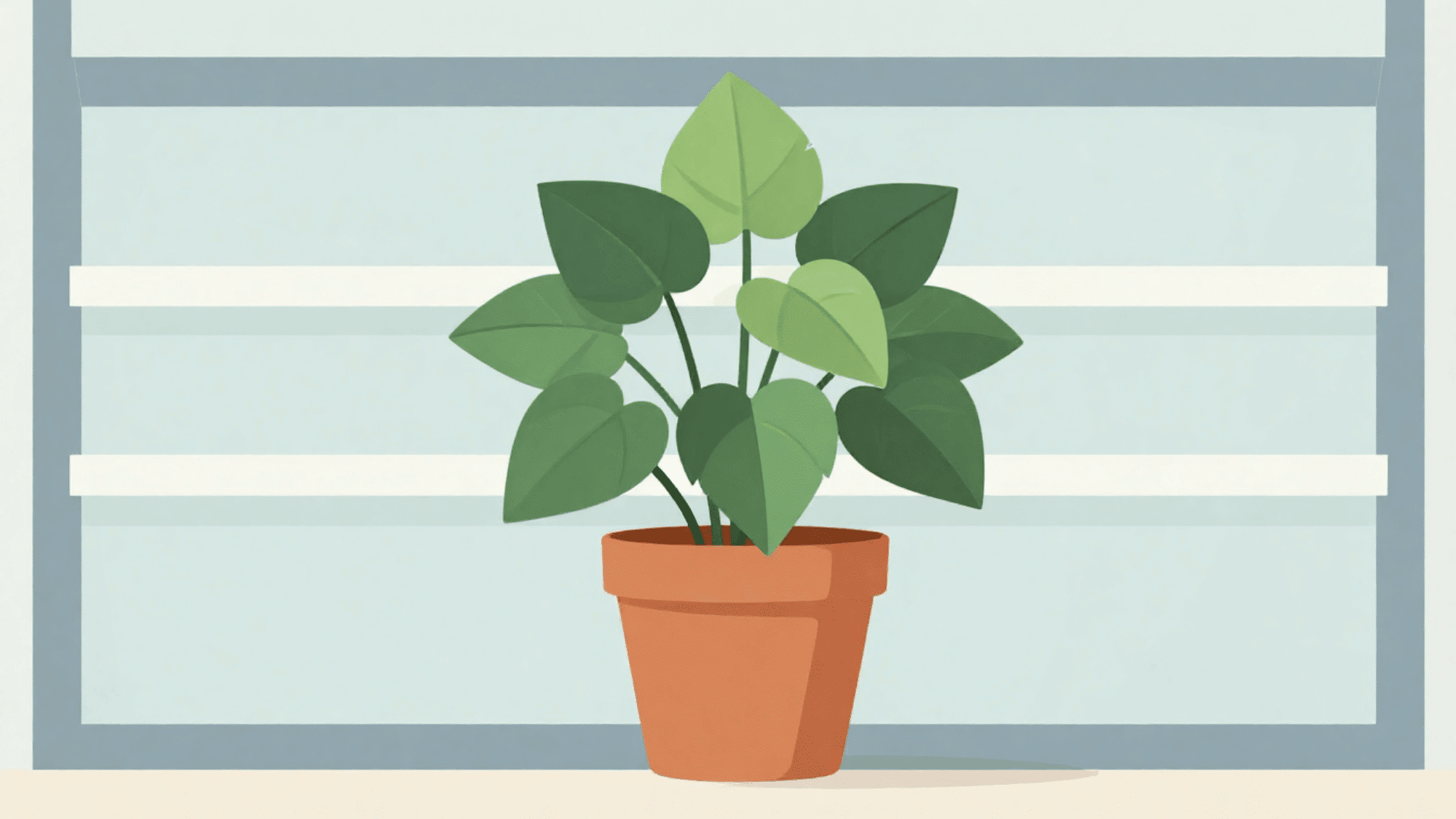
If you do not have sunny window space, you can let the plant go dormant. Cut the vine back to about twelve inches tall and place the pot in a cool, dark garage or basement.
The leaves will drop, which is totally normal. Give it just enough water to keep the roots from drying out completely, usually once a month, until spring.
3. Problems and Fixes
Even with good care, issues pop up, so here is a quick way to spot what is wrong and fix it fast. I always try to catch problems early before they spread to the entire vine.
When you grow plants outdoors, the weather can bring unexpected changes. Sometimes it is just a matter of adjusting your watering routine or moving the pot to a brighter spot.
If something looks wrong, do not worry. Use this simple troubleshooting chart to find the cause and fix it immediately.
| Symptom | Likely Cause | Quick Fix |
| Yellow leaves | Overwatering | Let soil dry, check drainage |
| No flowers | Too little sun or high nitrogen | Move to more light, switch fertilizer |
| Sticky leaves | Aphids or whiteflies | Wash with insecticidal soap or neem oil |
| Dropping buds | Sudden temperature shifts | Stabilize location and avoid cold drafts |
4. Pests to Watch For

Bugs love these tropical vines just as much as we do. You should regularly check the undersides of the leaves for spider mites, whiteflies, and fluffy mealybugs.
If I see any insects, I act quickly to stop them from multiplying. A strong spray from the garden hose knocks most of them off immediately.
For stubborn pests, treating the stems with neem oil or a mild insecticidal soap safely clears the problem.
Is Mandevilla Safe Around Pets?
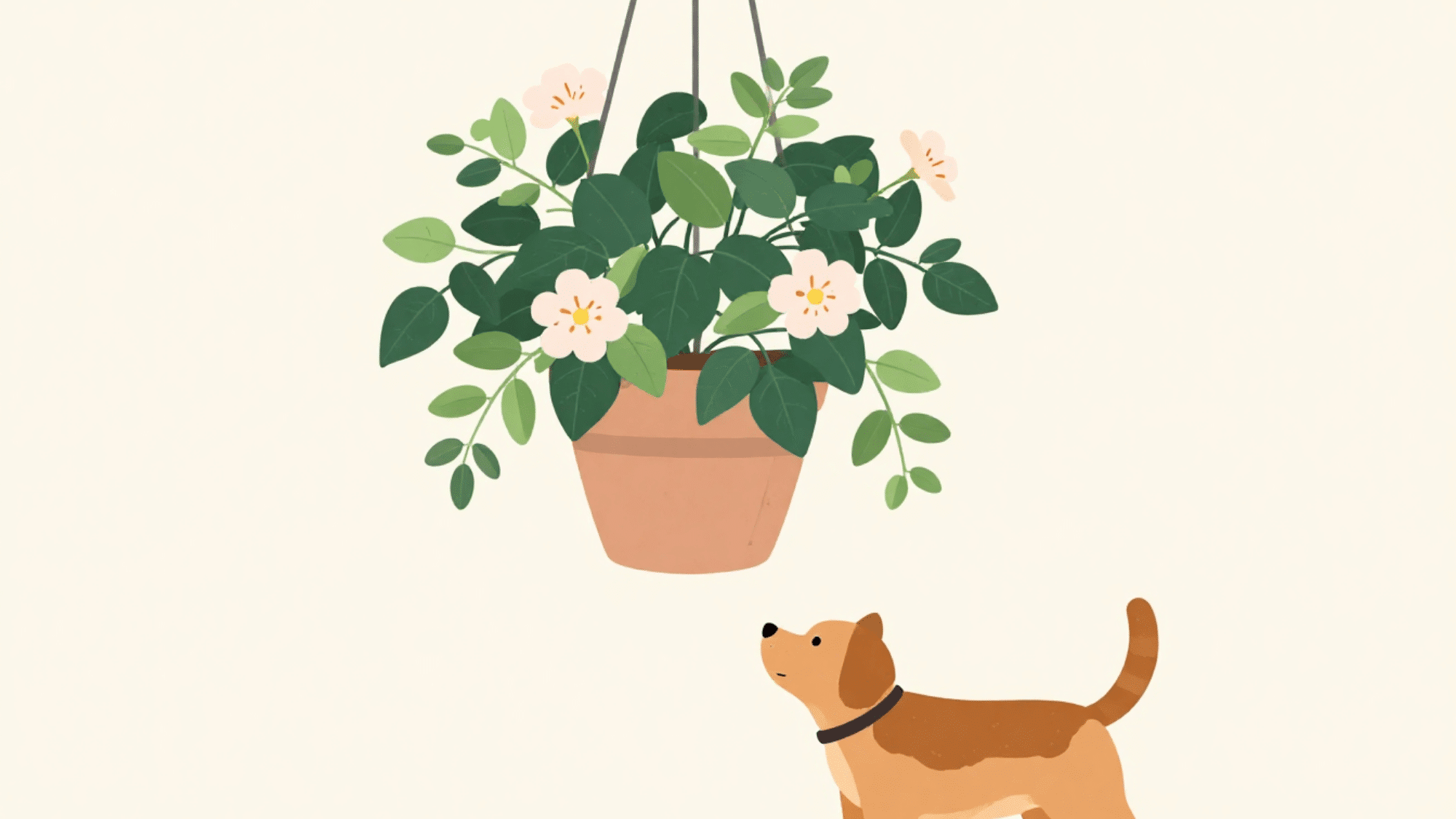
Before you place your plant, it helps to know how safe it is around curious pets and kids. I have often had to move my favorite vines because a playful dog decided the leaves looked like a fun toy.
Here are the safety details for keeping mandevilla around pets:
Toxicity Risks:
- The stems and leaves contain a milky sap that can be irritating if ingested.
- If a cat or dog bites into the vine, it might show signs of digestive distress, such as an upset stomach or drooling.
- Skin irritation can occur if your pet comes into contact with the sap.
- Always monitor your pets closely when introducing this new plant to your home collection.
- Contact your veterinarian immediately if you notice your pet acting unusually or showing signs of discomfort after being near the plant.
Safe Placement Strategies:
- You can still keep the vine by placing it where pets cannot reach the stems or leaves.
- Use hanging baskets to keep long, trailing vines safely above the floor and out of reach.
- Utilize high shelves that are inaccessible to curious climbers.
- Place the plant on raised stands that pets cannot easily climb or jump onto.
- Wear gloves when pruning the plant to protect your own skin from the sap.
Conclusion
With consistent mandevilla plant care, you can enjoy months of vibrant tropical color in your home or garden.
By ensuring your vine receives enough sunlight, monitoring your water intake, and keeping up with a regular feeding and pruning schedule, you provide exactly what it needs to thrive.
Remember to move your plant indoors before the first frost to keep it protected through the winter months.
Whether growing this vine as a patio feature or as a sunny indoor companion, these simple habits will keep it healthy and lush.
Try these care tips this season and watch your vine reach its full potential. I would love to hear how your plant grows, so please share your results in the comments below!
Frequently Asked Questions
Can I Grow Mandevilla from Seed at Home?
Yes, but it is slow and uncommon. Most gardeners use stem cuttings in late spring for faster, more reliable results than starting from seed.
Why is My Mandevilla Not Climbing?
It needs a support structure and gentle training. Without a trellis or twine guide, the vine sprawls instead of climbing upward as it naturally wants to.
Can Mandevilla and Dipladenia be Grown Together?
Yes. They share nearly identical care needs, so pairing them in a single container or bed works well with no extra effort to manage their different requirements.
How Long does a Mandevilla Plant Live?
With good care and winter protection, a mandevilla can live several years, returning each season as a tender perennial, provided you keep it away from frost.
Does Mandevilla Attract Pollinators?
Yes. Its trumpet-shaped flowers attract hummingbirds and butterflies, making it a valuable plant for anyone looking to create a beautiful, pollinator-friendly garden.

Jordan Mathews, who has a degree in horticulture from Texas A&M University, has been a guiding force in plant health and sustainable gardening for over 16 years. His career began with a role at a renowned botanical garden, where he deepened his understanding of plant physiology and eco-friendly cultivation methods. Jordan joined our website as a freelancer in 2020, becoming a go-to expert for readers seeking advice on nurturing diverse plant species apart from offering insights grounded in scientific knowledge and practical experience. Beyond his professional achievements, Jordan is a keen nature photographer, capturing the beauty of flora in its immensely diversified forms.