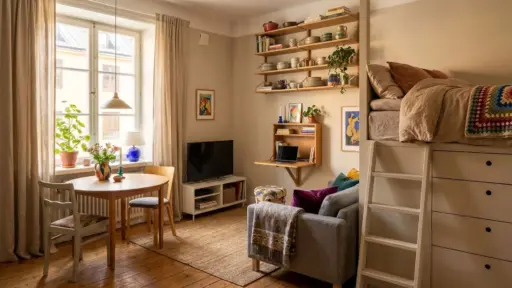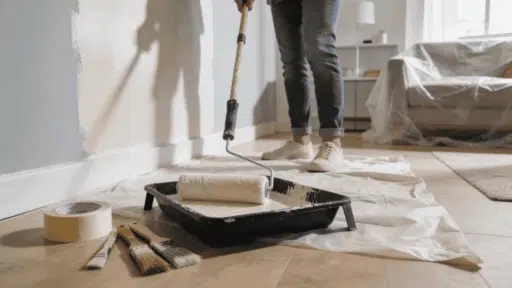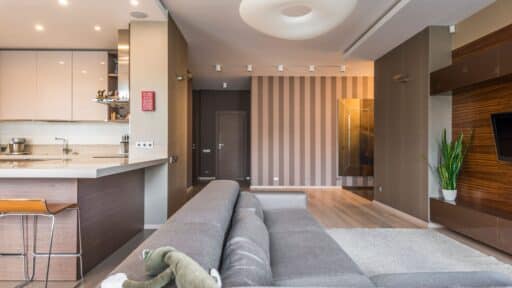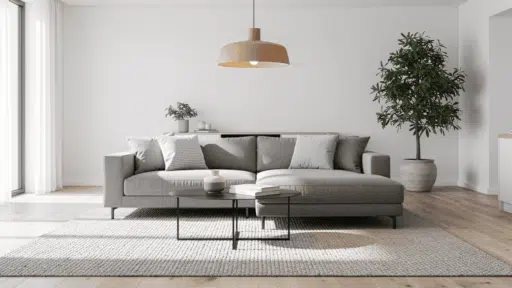
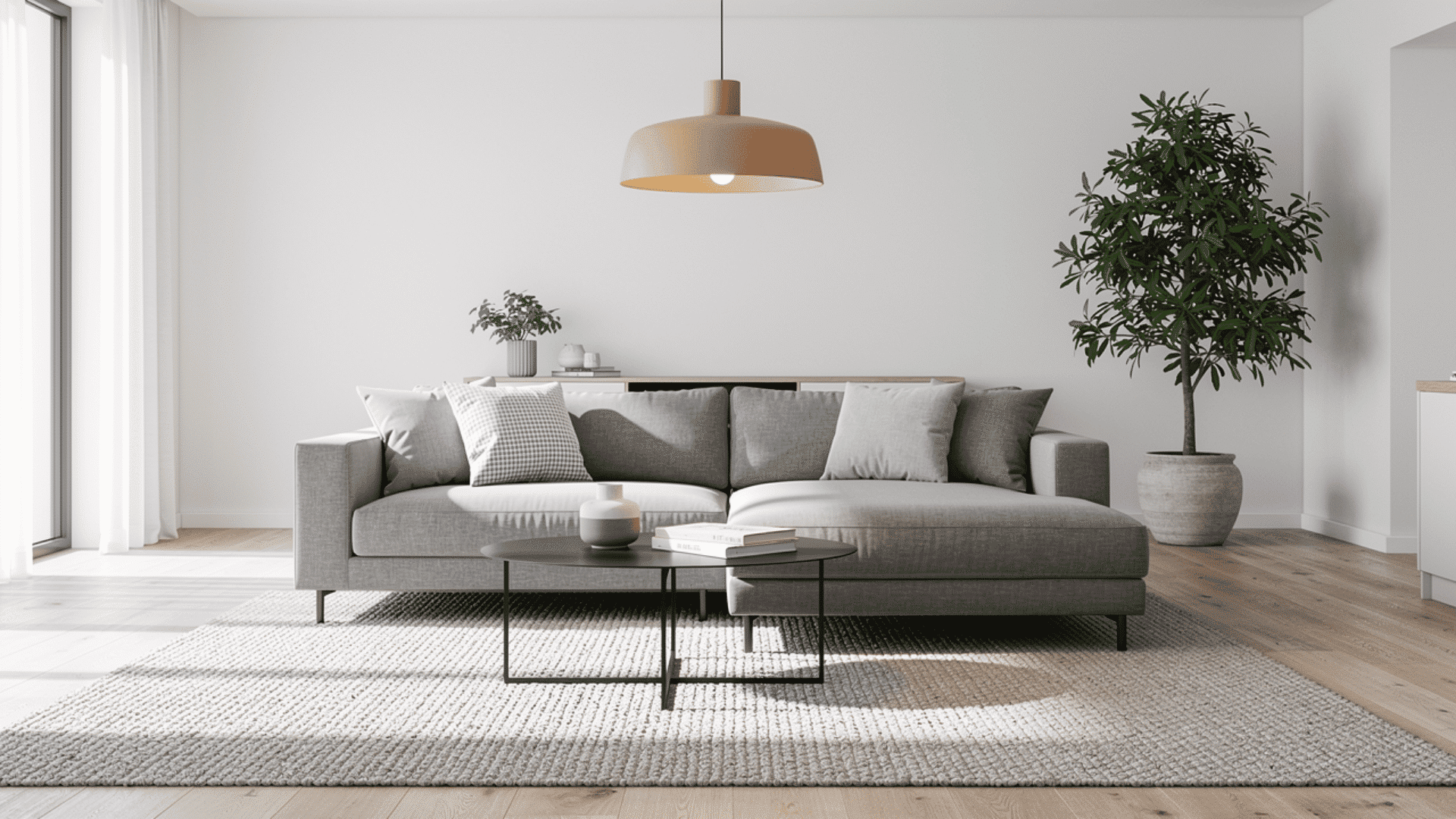

I’ve been there, standing in the middle of my apartment living room, staring at four walls that felt both too small and empty at the same time.
If you’ve just moved into your first place or you’ve been living in the same apartment for years and finally decided something needs to change, you’re in the right place.
I’ve put together 60+ fresh, modern living room ideas organised by category, so you can jump straight to what matters most to you and help you create a living room that feels bigger, smarter, more personal, and, honestly, just better to live in.
Let’s get into it.
Change Your Apartment Living Room without Adding Space
The biggest myth about small living rooms is that you need more square footage to make them feel good. You don’t.
You just need to use the space you already have more intentionally. Here are ten ideas that completely changed how I think about layout.
1. Create Invisible Zones with Rugs, Lighting, and Furniture Placement
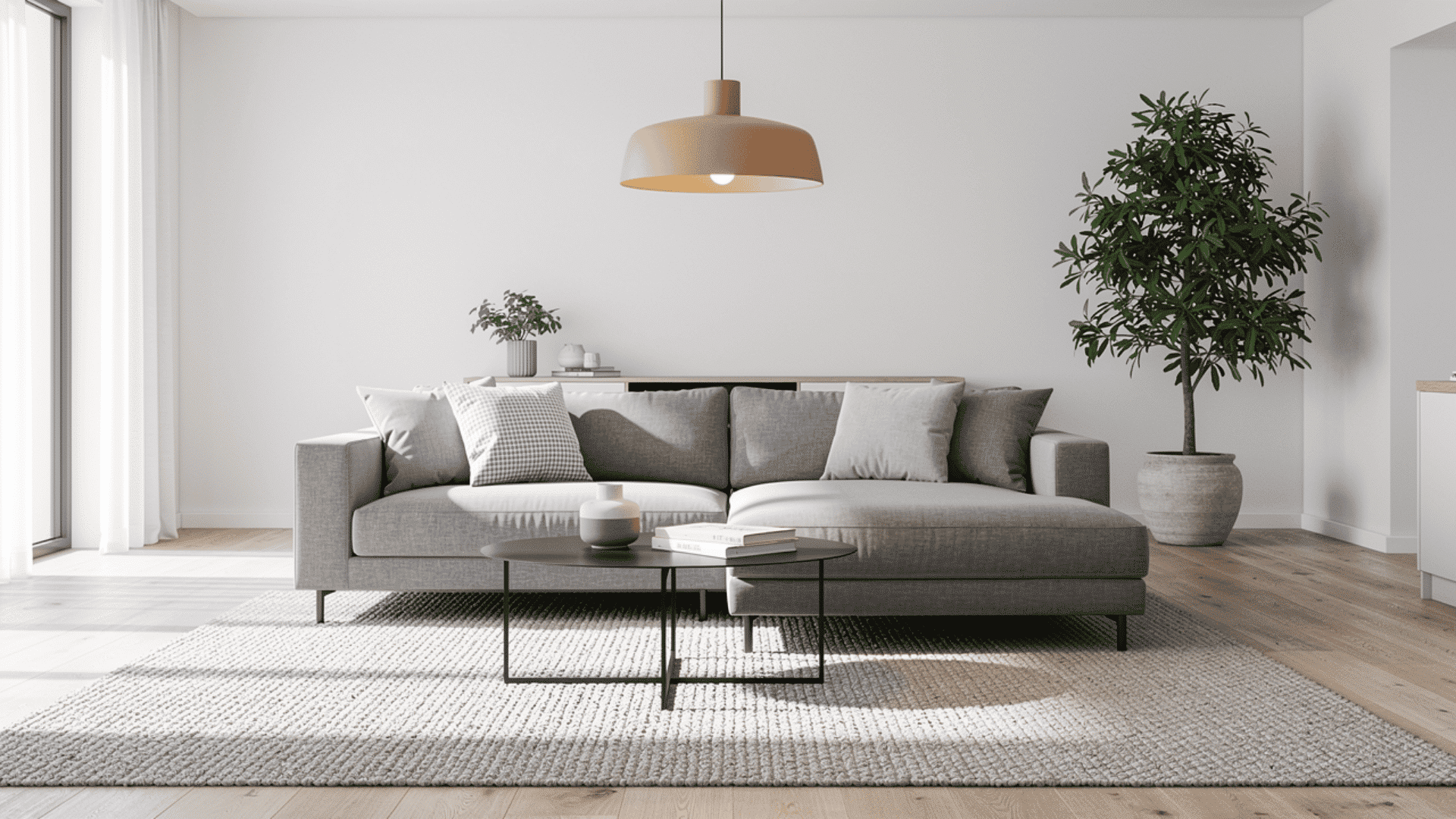
You don’t need walls to separate spaces. A well-placed rug anchors your seating area, while a pendant light overhead signals “this is where we sit and talk.”
Combine the two with deliberate furniture placement – sofa facing inward, chairs angled slightly, and your living room suddenly has a clear sense of purpose without feeling divided.
2. Use Transparent Shelves or Glass Dividers for Separation
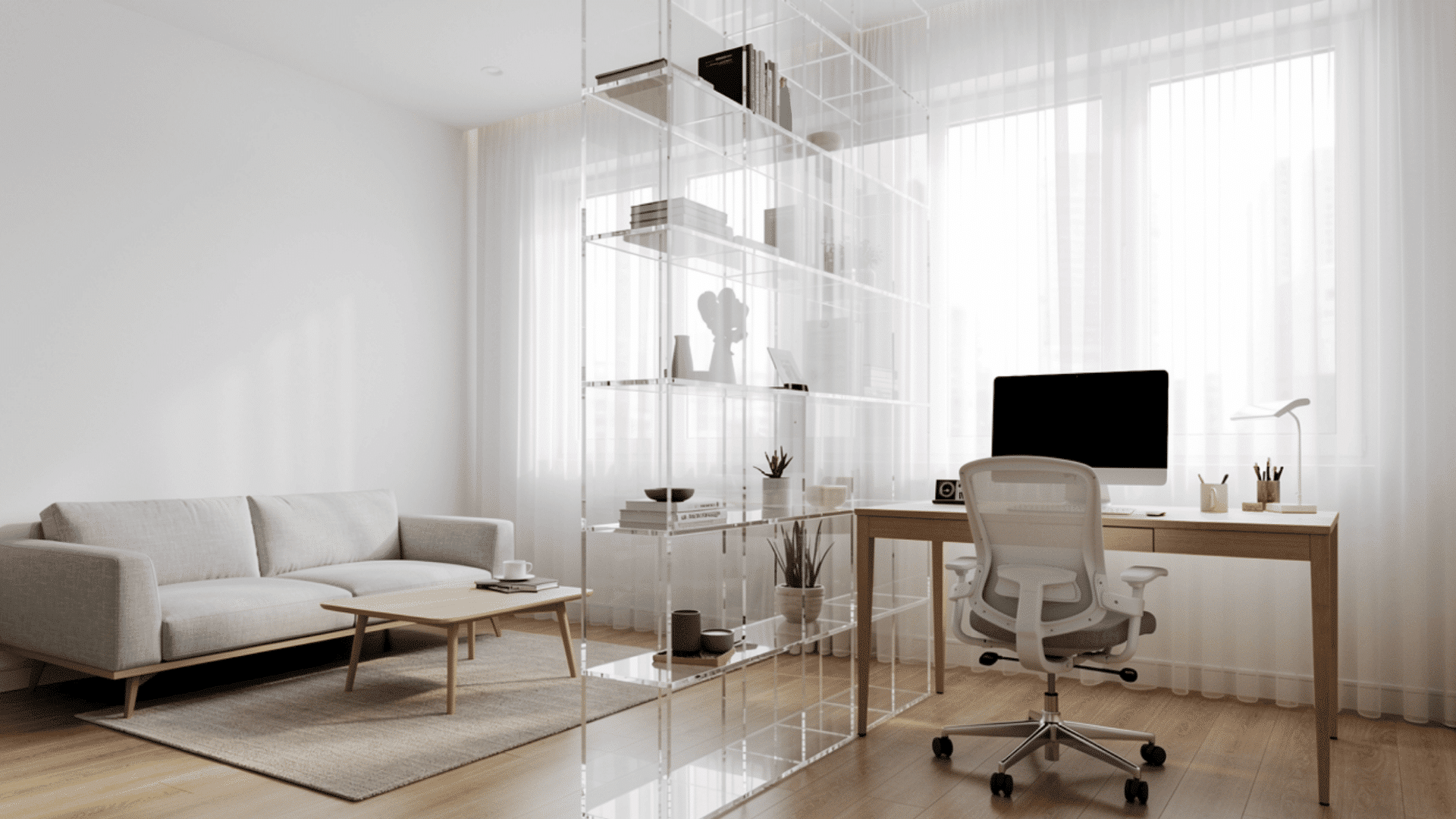
If you share an open-plan space between your living area and a home office or dining nook, glass or acrylic dividers give you psychological separation without blocking light.
Transparent shelves keep the visual line open while still giving you storage. It’s one of my favorite tricks for small apartments because it defines zones and keeps everything feeling airy.
3. Invest in Modular Furniture that Adapts to the Moment
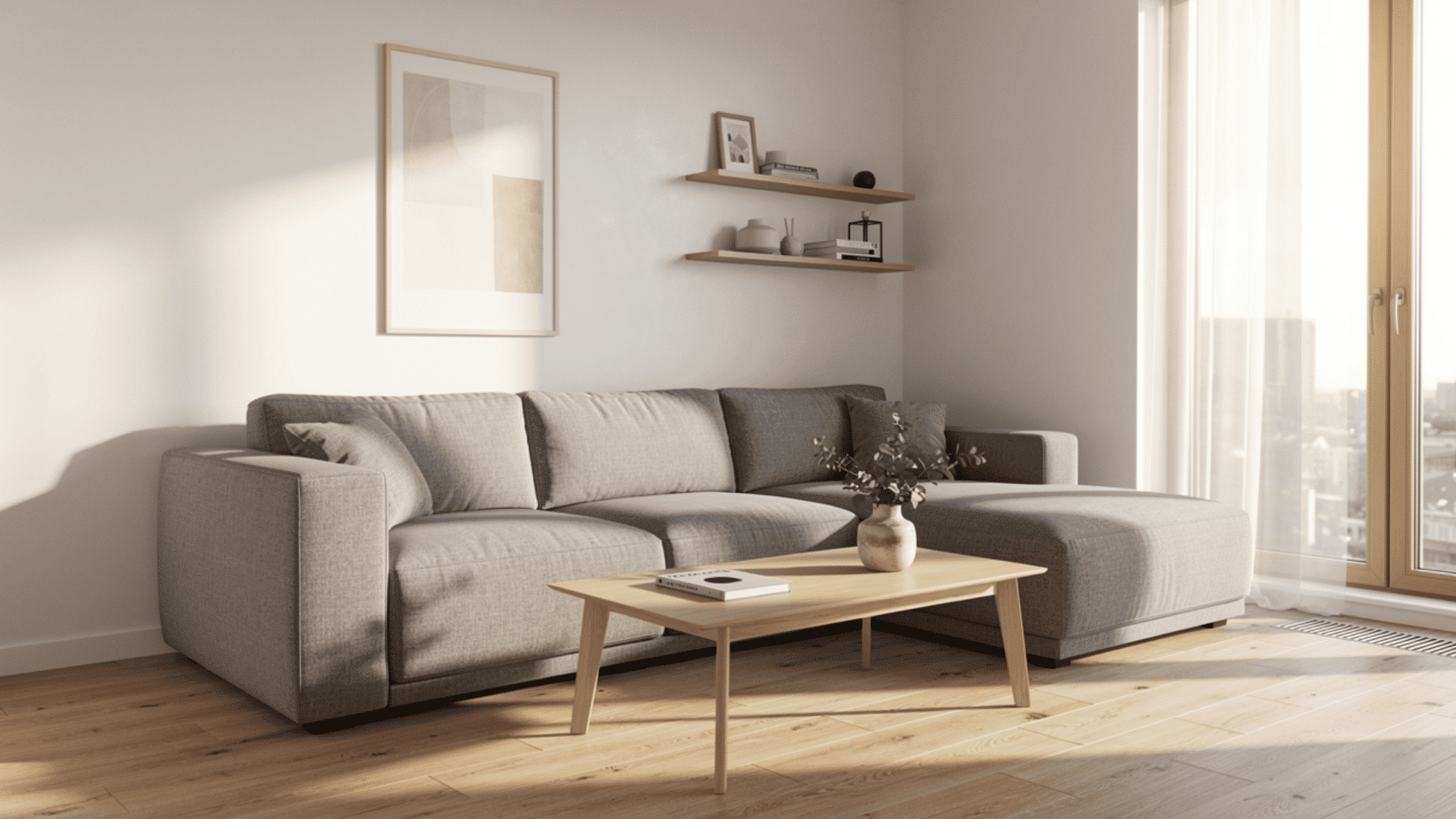
Some sofas split into individual seating pieces. Some coffee tables expand into dining tables.
This kind of furniture pays off not just by looking good on a Tuesday afternoon, but by shapeshifting for a Friday dinner party.
If your living room needs to wear multiple hats, your furniture should too.
4. Make Your Coffee Table do Double Duty
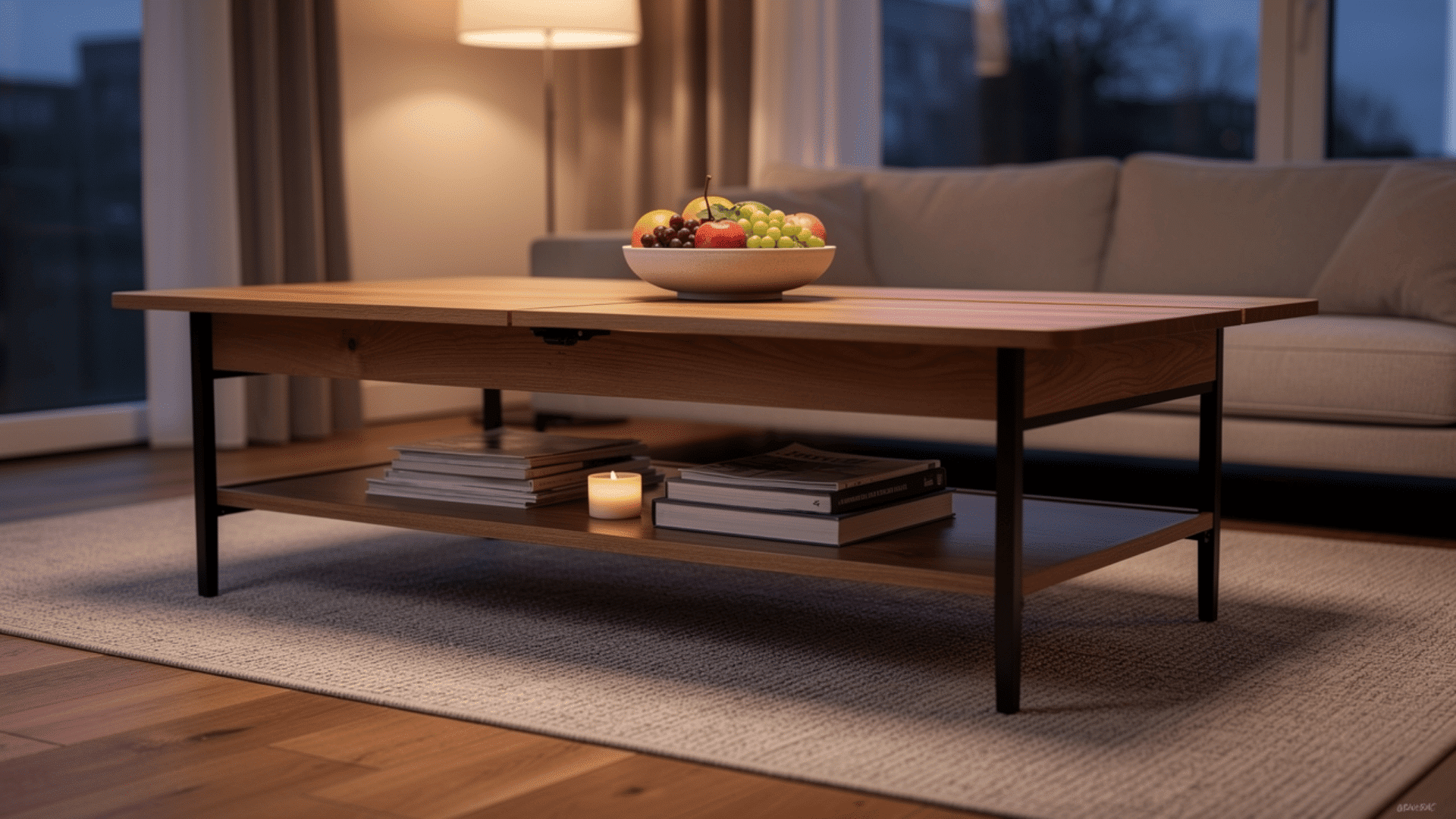
A coffee table with built-in storage drawers or a lift-top mechanism can serve as a work surface, dining tray, storage unit, and display platform – all in one piece.
I ditched my old solid wood slab and replaced it with one that opens up, and I genuinely use it every single day for something different.
5. Mount a Fold-out Desk on the Wall
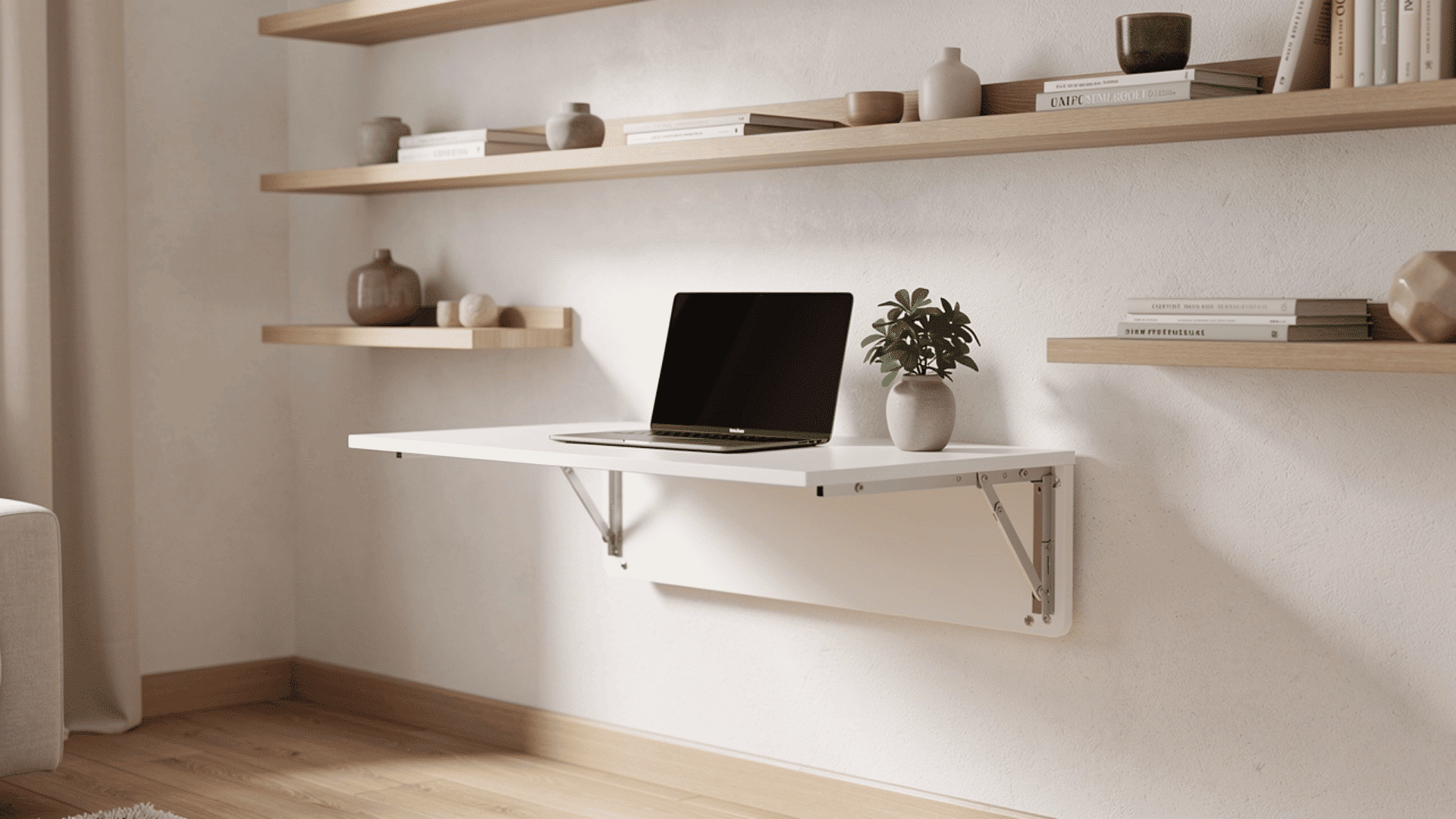
If you work from home even occasionally, a wall-mounted foldable desk keeps you from permanently sacrificing floor space to a workstation.
When it’s folded up, it blends into the wall. When it’s open, you have a proper workspace. Fold it back down after hours, and your living room is back to being a living room.
6. Use Zone-Specific Lighting to Influence Mood
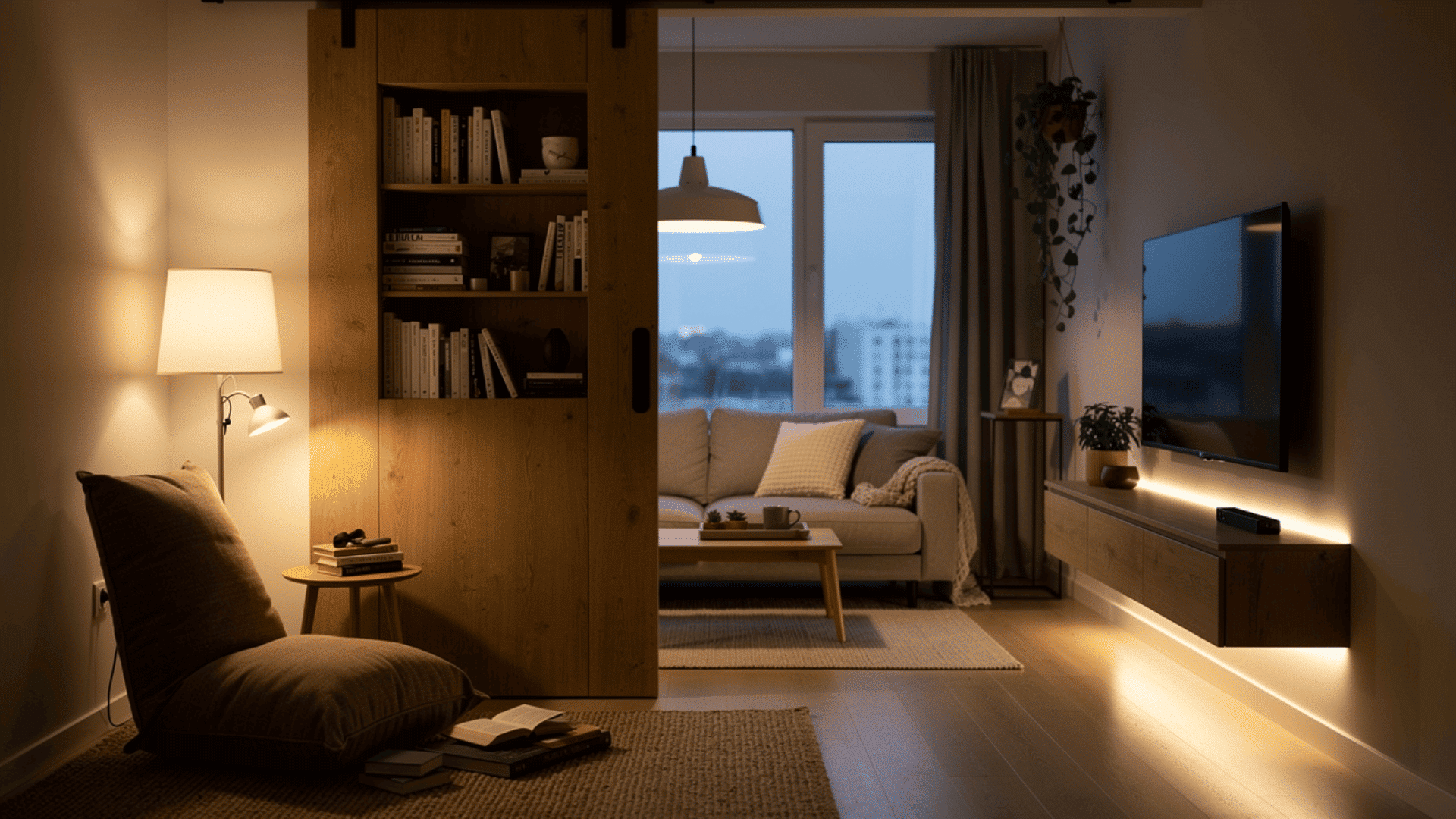
Overhead ceiling lights are for getting things done. Warm, low-level lamps are for winding down. Side table lamps are for conversations.
If your living room only has one light source, you’re forcing every moment to feel the same. Layer at least three different light sources and you’ll be amazed at how dramatically the room’s feel changes throughout the day.
7. Carve Out a Hidden Corner Reading Nook
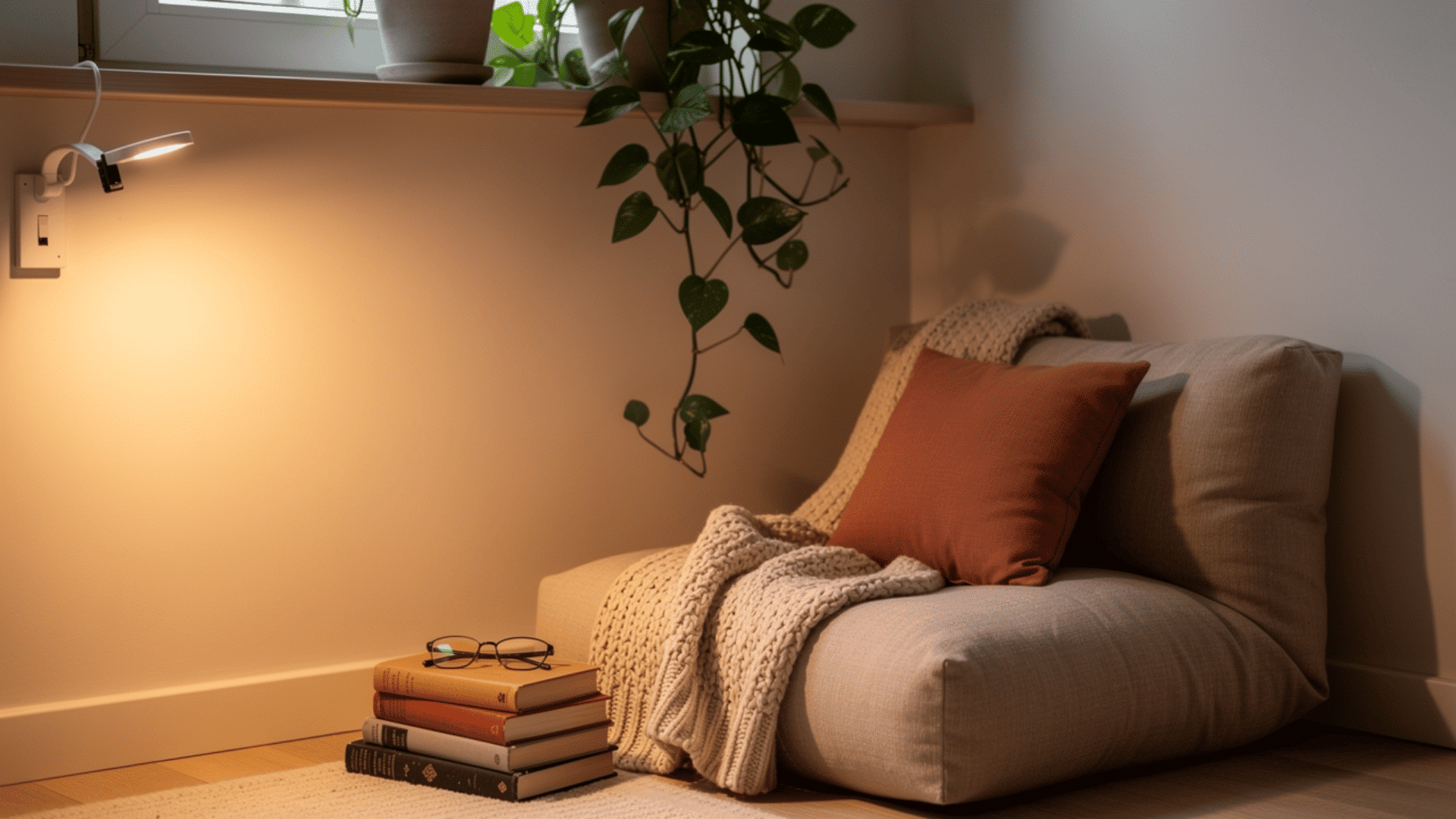
That awkward corner behind the door, or the space between the window and the wall?
That’s prime real estate for a floor cushion, a small shelf of books, and a clip-on reading light. It doesn’t take up any practical space, but it makes the room feel like it has personality and intentional design.
8. Try Sliding Partitions that Hide Storage
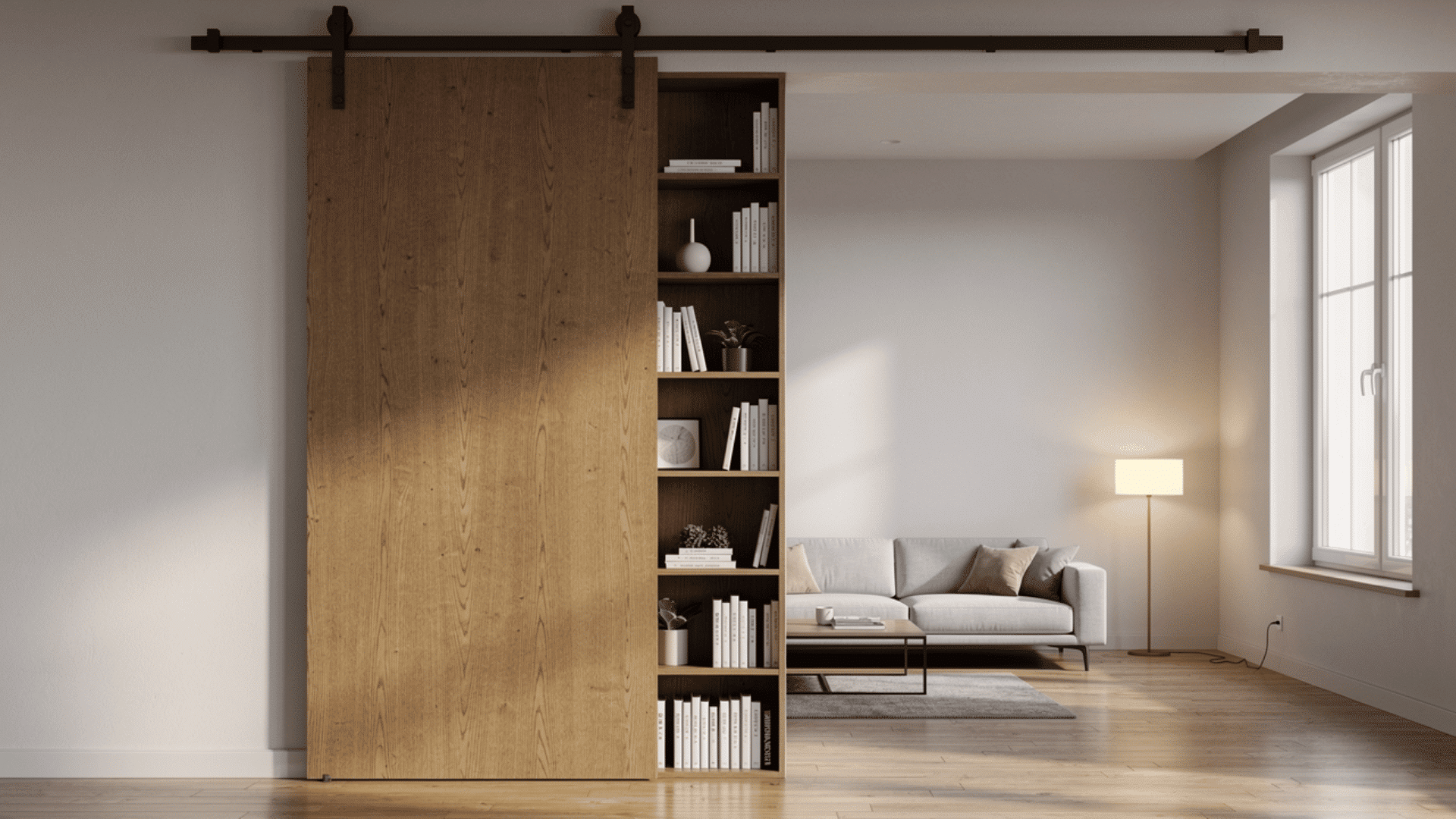
Instead of a fixed bookcase or a permanent room divider, sliding barn-door-style panels let you open up the room or close it off depending on your mood.
Add shelving to the back of the panel, and it becomes storage and a room separator in one move.
9. Design Your Layout Around Your Daily Routine
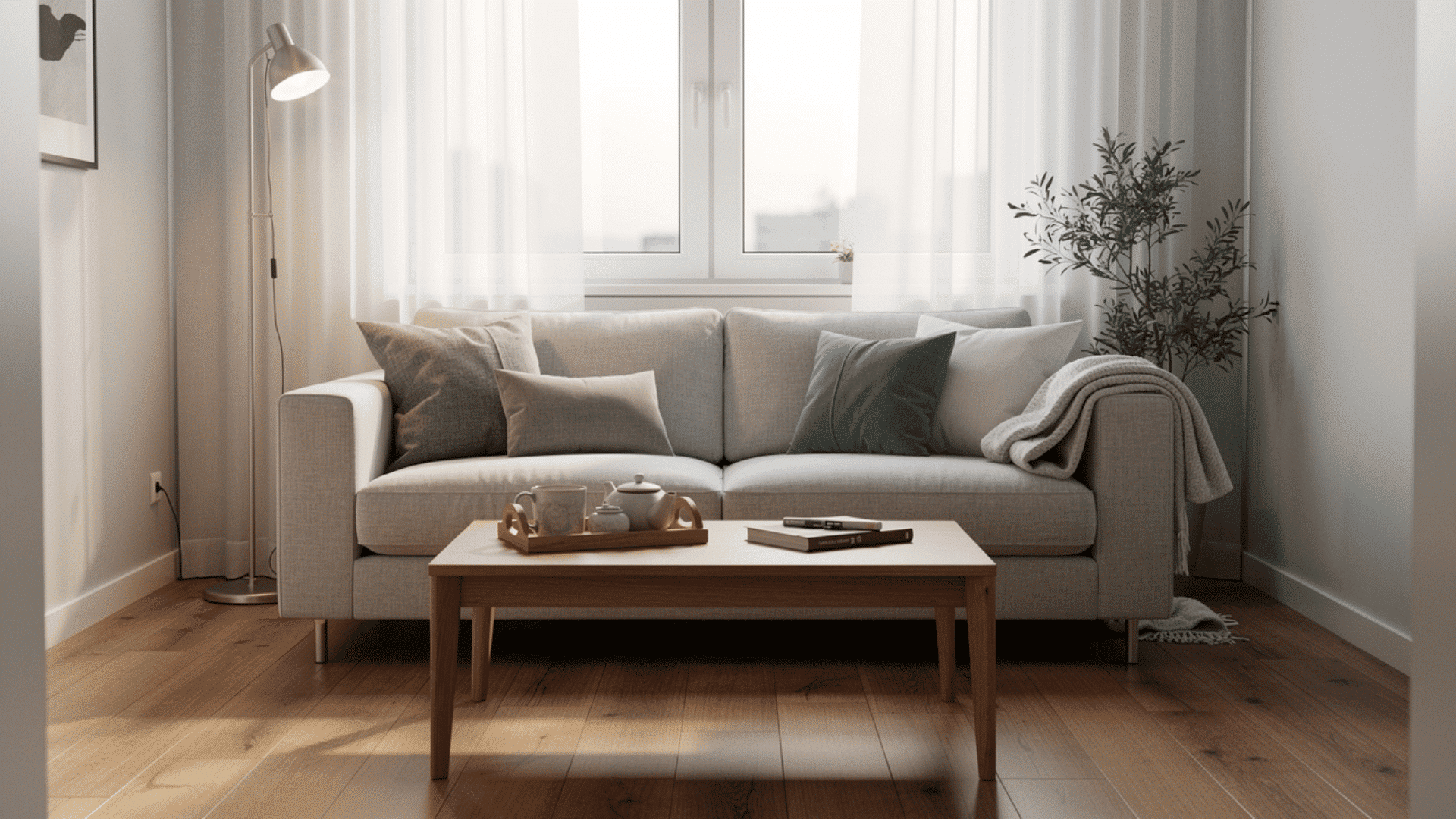
This one sounds obvious, but most people skip it. Before you place a single piece of furniture, trace how you actually move through your living room in a day.
Where do you sit first thing in the morning? Where do you land after work? Design the room around those real patterns, not around what looks good in photos.
10. Put Your Furniture on Wheels
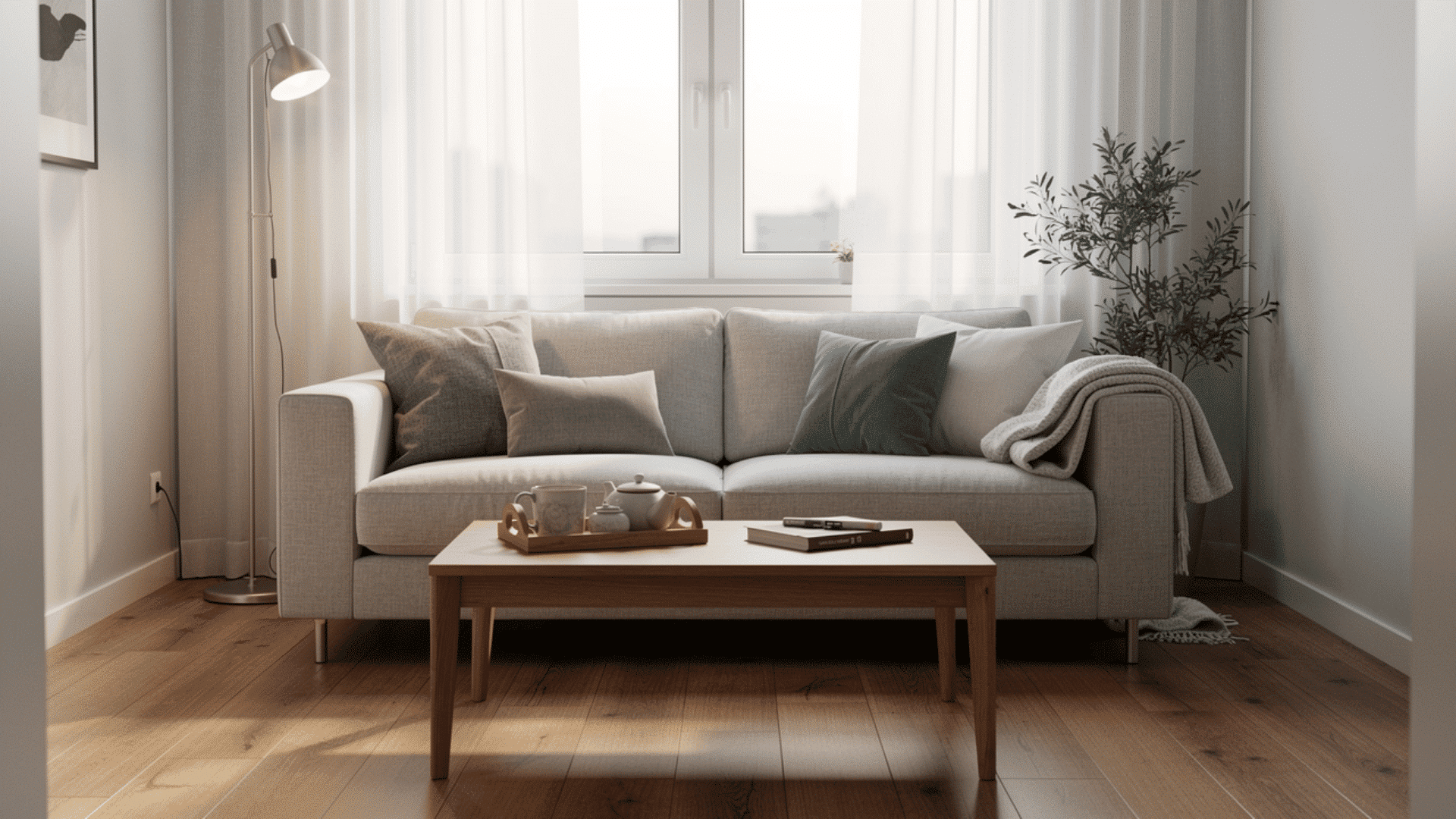
Seriously. Furniture with hidden casters means you can reconfigure your living room in minutes. Movie night with friends? Push the sofa back. Yoga in the morning? Clear the center.
The ability to change your layout quickly makes a small room feel far more versatile than any single piece of furniture ever could.
Clever Storage that Blends With Style
Storage in small apartments is one of those things that can either make a room feel intentional or make it feel like a storage unit you accidentally decorated.
The goal is to hide clutter while keeping everything looking good. These ten ideas helped me finally feel in control of my space.
11. Use Floating Shelves as Both Décor and Storage
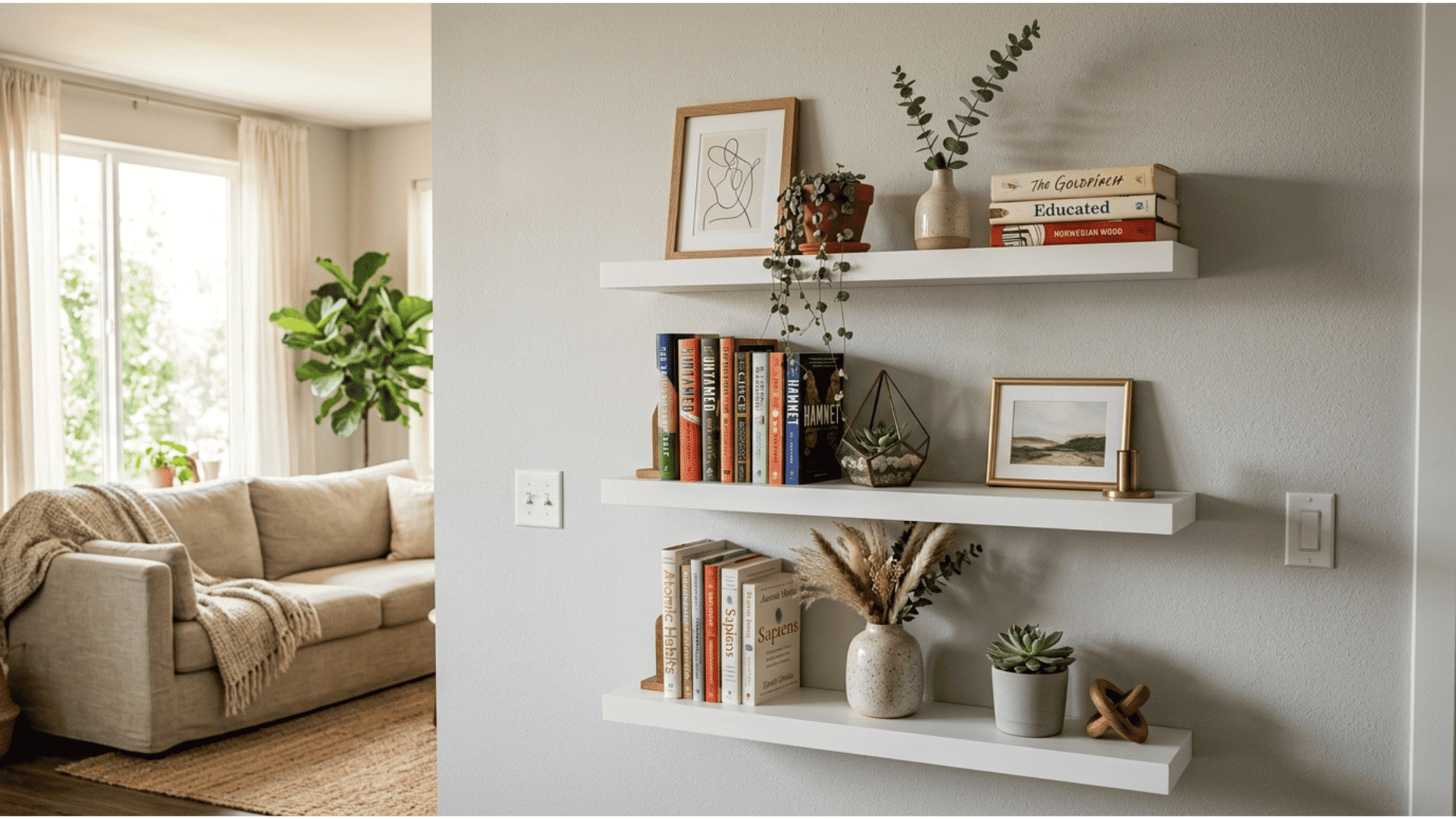
Floating shelves are a living room classic for a reason – they take dead wall space and turn it into something functional and beautiful.
The key is to style them with a mix of books, small plants, and decorative objects rather than stuffing them entirely with things you need to hide. Leave some breathing room on each shelf.
12. Install Overhead Shelves Above Windows or the Sofa
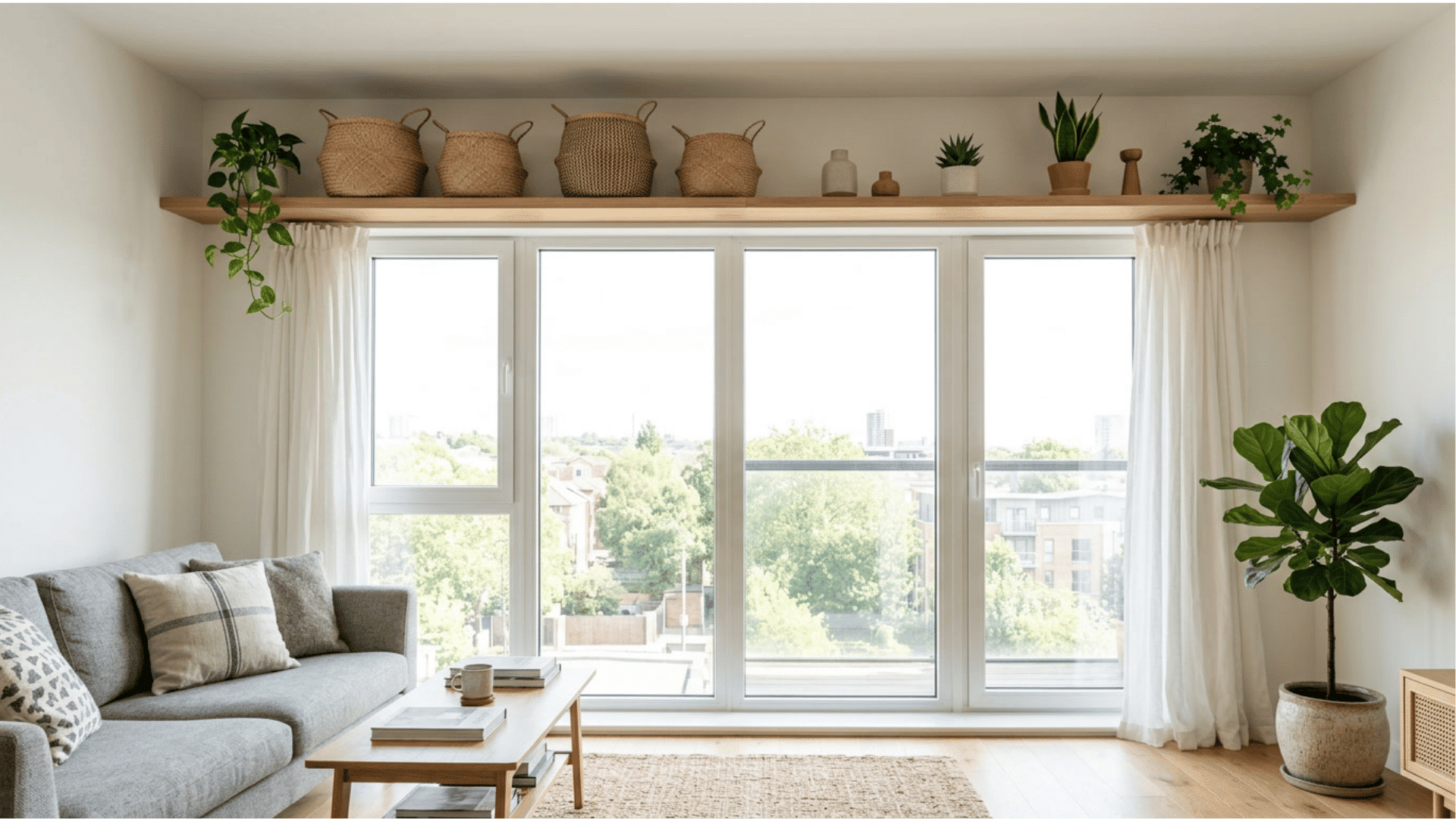
The strip of wall above your windows or above your couch is almost always ignored. A long, narrow shelf installed up there can hold books, baskets, or decorative items without eating into your visual space.
It’s storage that most guests won’t even notice until you point it out.
13. Choose a Sofa or Ottoman with Built-In Storage
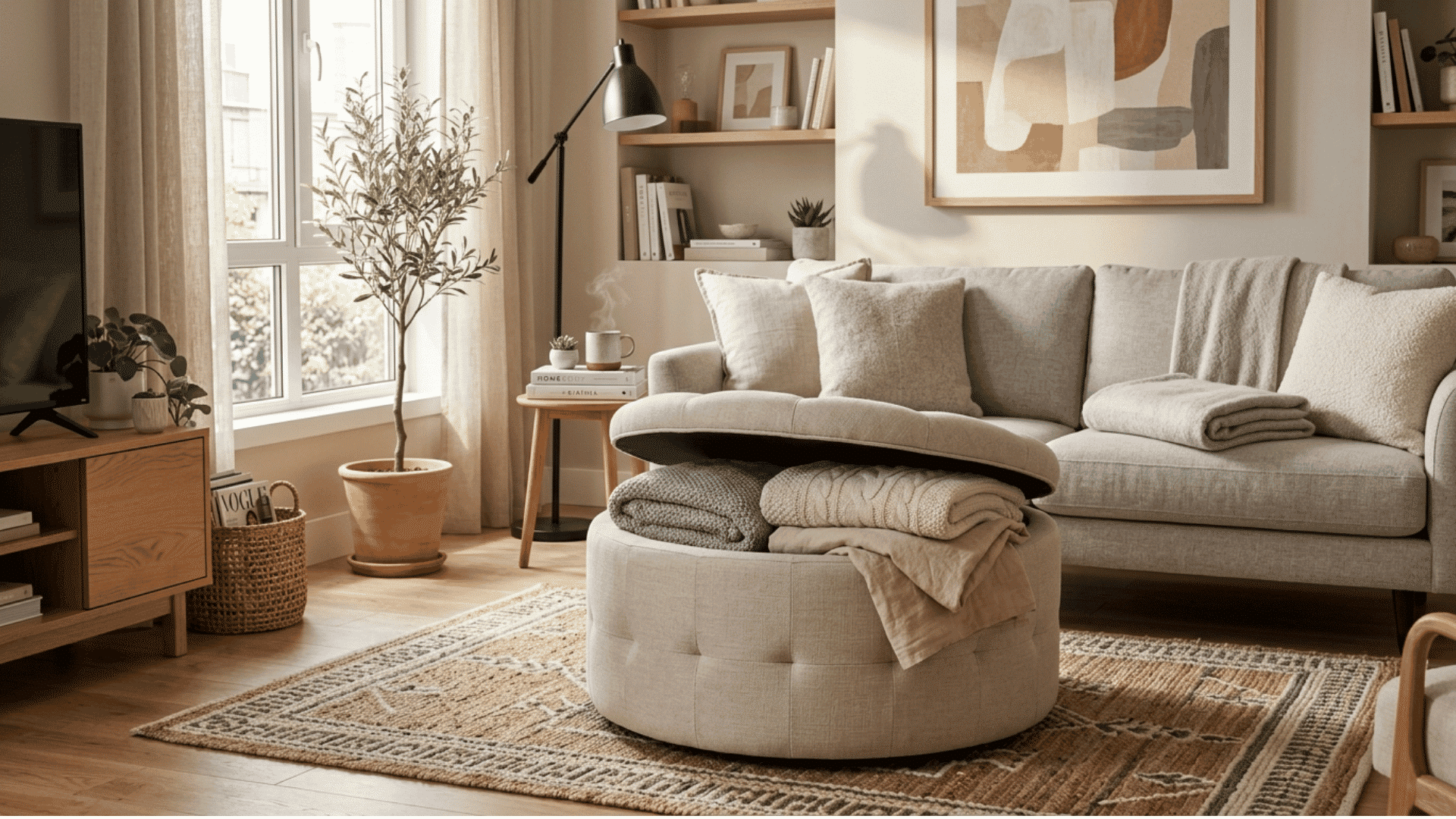
If you’re in the market for a new sofa, choose one with under-seat storage. It’s practically invisible, and it can hold blankets, pillows, board games, or anything else that would otherwise clutter your space.
Storage ottomans pull work as seating, footrests, and containers – one of the best value-for-space purchases you can make.
14. Look for Hidden Drawers in Stair-Style Furniture
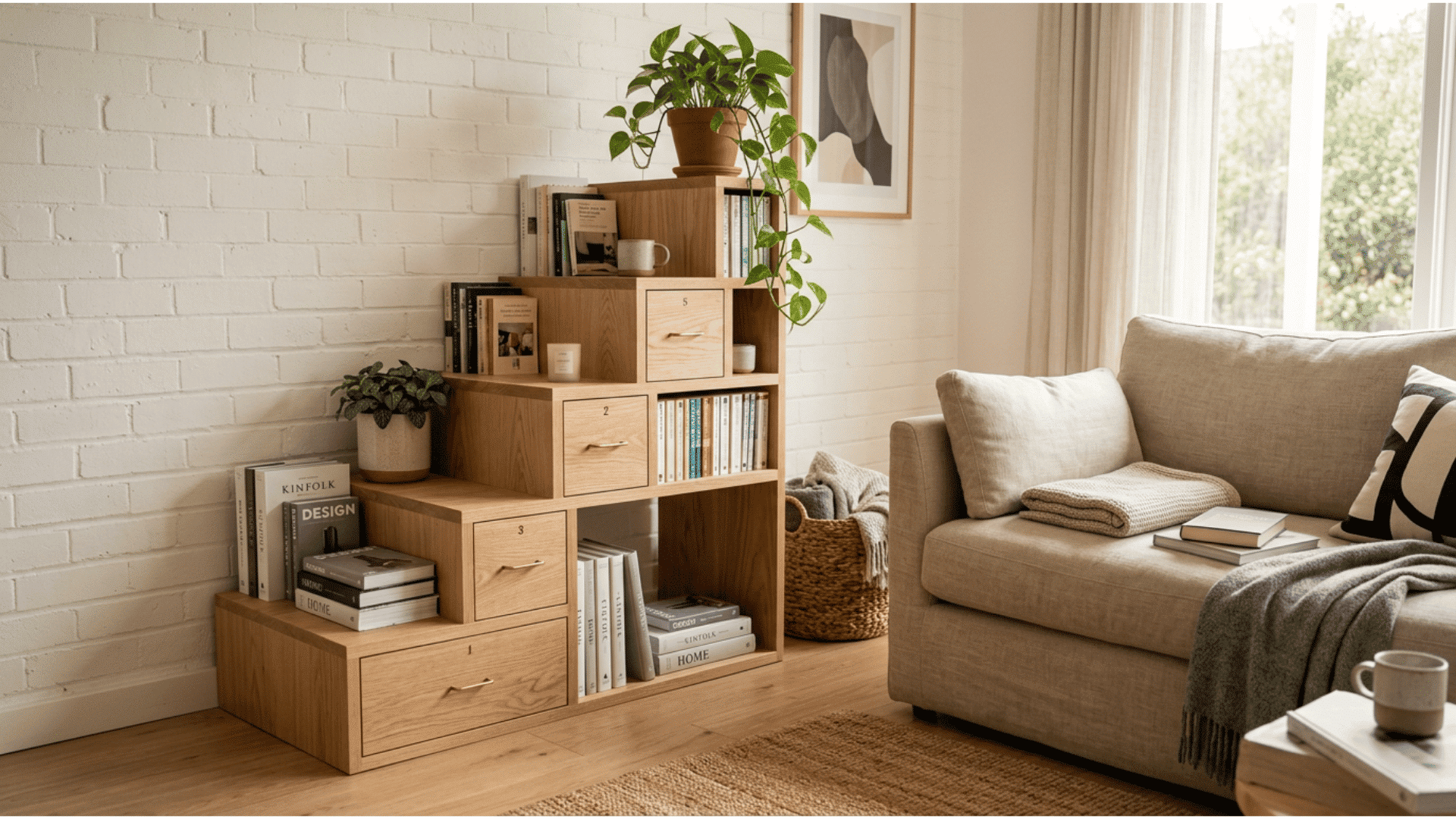
Stair-shelf units, those cascading shelves that look like a set of steps, often have the option to include drawers in the risers. Most people only use the surfaces. The drawers are where the magic is.
They’re the kind of storage that hides in plain sight. Closed, they look like part of the design; open, they swallow remotes, chargers, stationery, and all the small things that never seem to have a home.
If you’re buying one, always check whether the riser drawers are included or an add-on. It’s worth paying extra for.
15. Install Vertical Cabinets in Corners
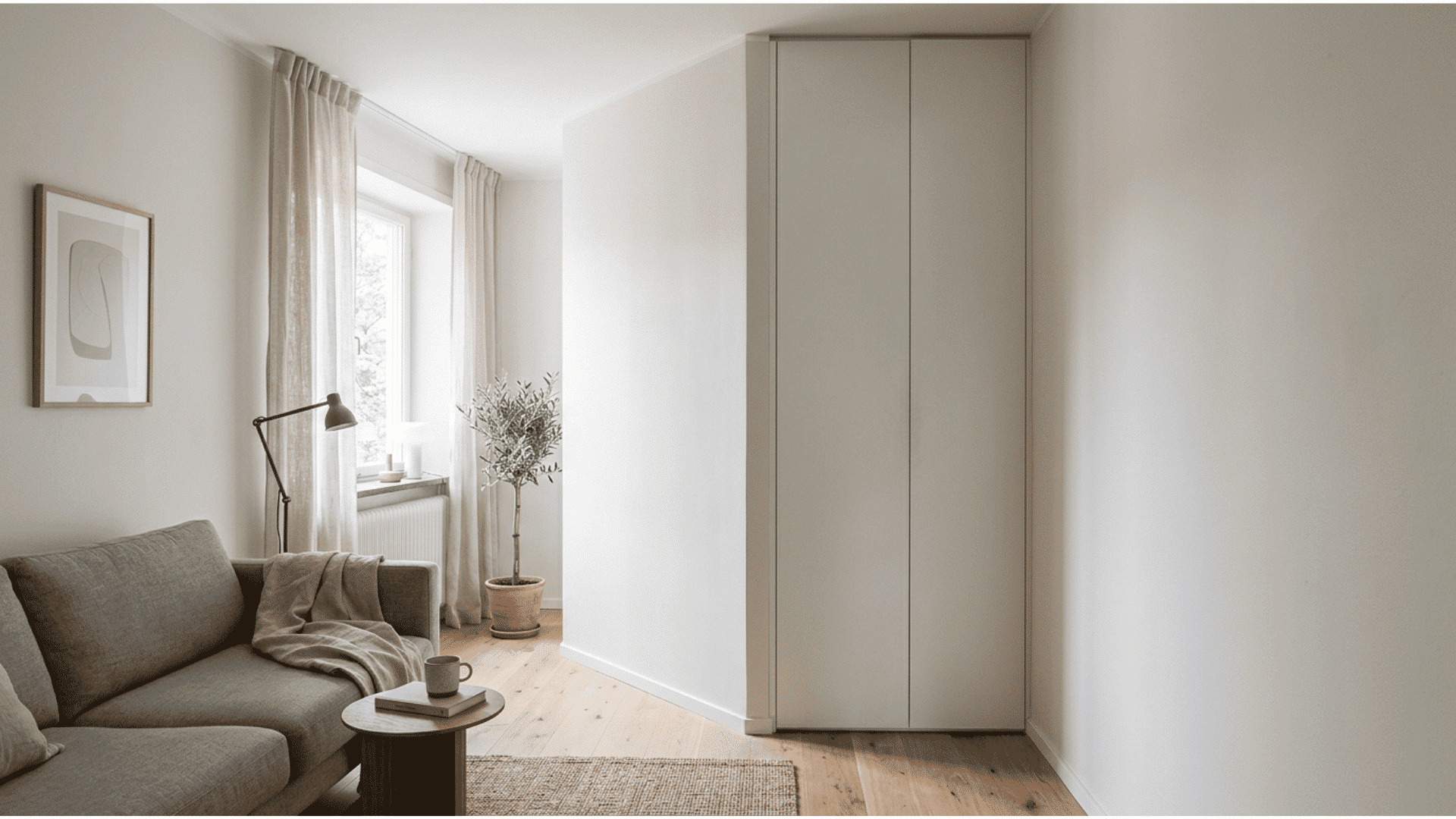
Corners are wasted in most apartments. A tall, narrow cabinet that fits snugly into a corner can store an enormous amount while only using about two square feet of floor space. Choose one with doors to keep the contents out of sight for a cleaner look.
Go floor-to-ceiling if you can, because the taller the cabinet, the more you gain without sacrificing any additional floor area.
It also draws the eye upward, which makes the ceiling feel higher. Painted in the same tone as your walls, it almost disappears entirely
16. Mount a Pegboard on an Empty Wall
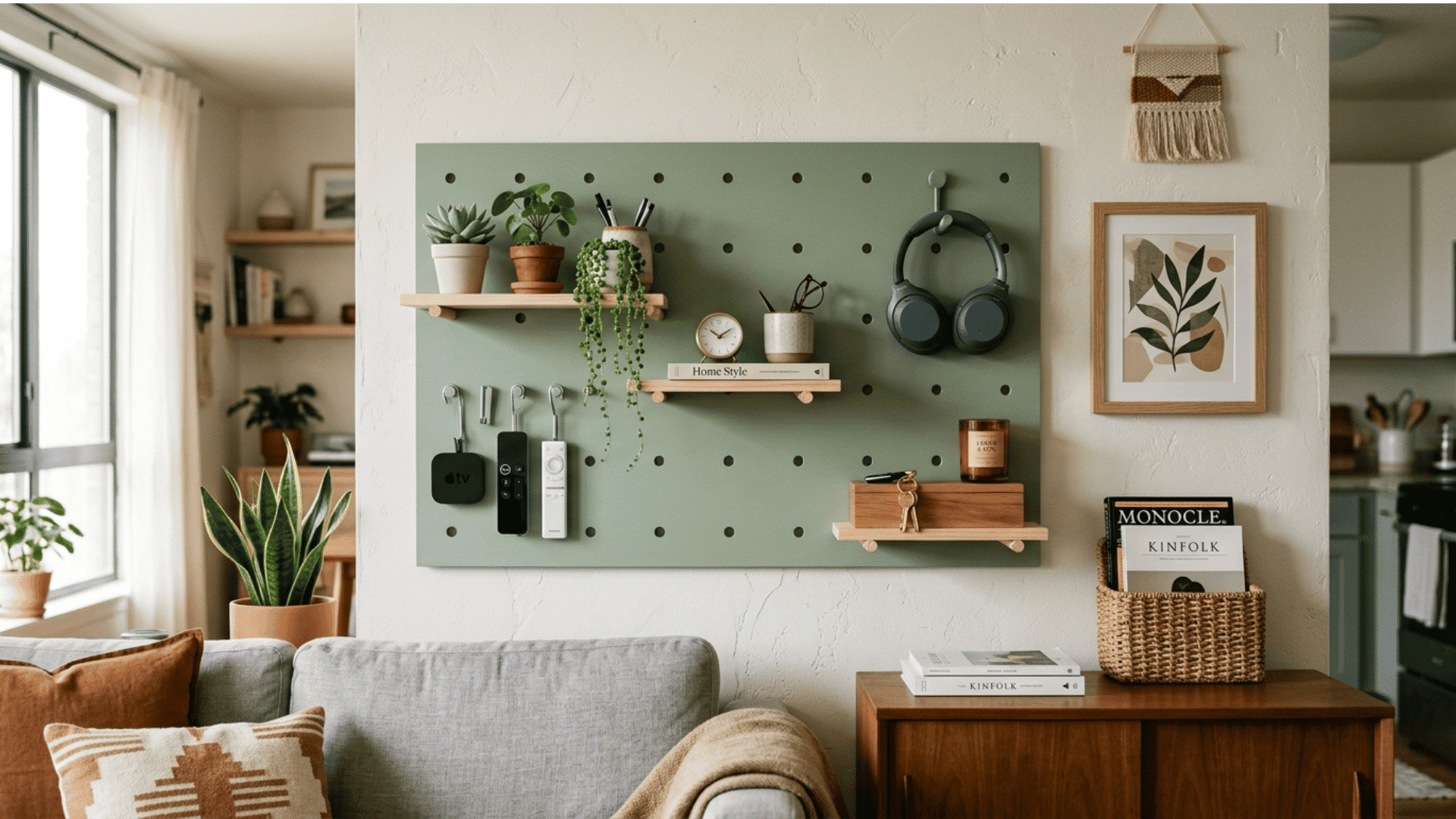
Pegboards aren’t just for garages and craft rooms.
A painted pegboard in your living room, hung in a grid pattern with hooks, small shelves, and bins, becomes a flexible, customizable organizer for remotes, chargers, keys, plants, and anything else that tends to pile up on surfaces.
It looks intentional and keeps the room tidy.
17. Create Multi-Layered Shelving for Books and Art
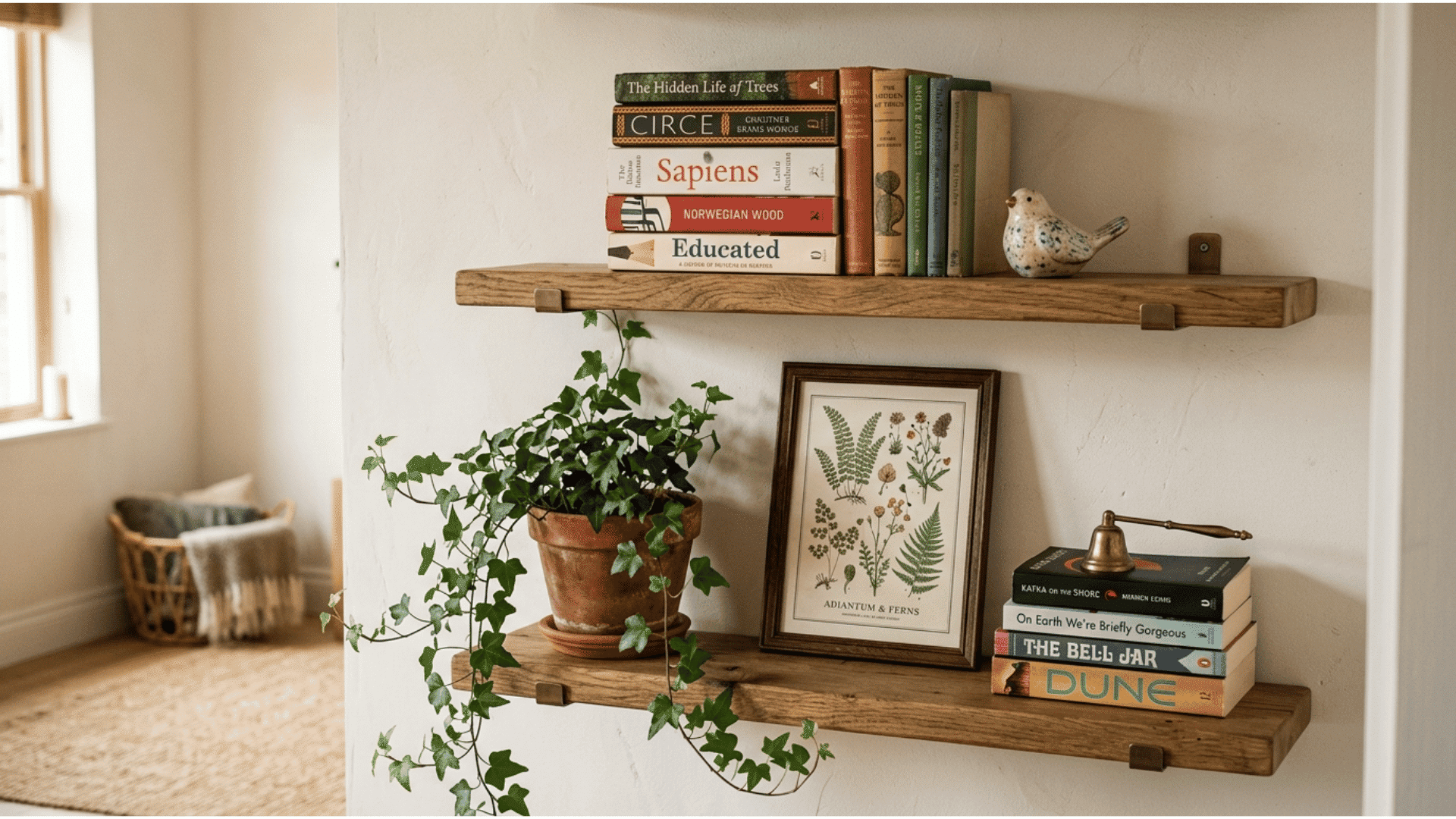
Instead of dedicating one shelf to books and another to décor, intentionally mix the two. Stand a few books horizontally, lean a small framed print against the wall behind them, and tuck a small vase into the gap.
Layered shelving looks curated, not cluttered.
18. Use Storage Baskets that Work as Extra Seating
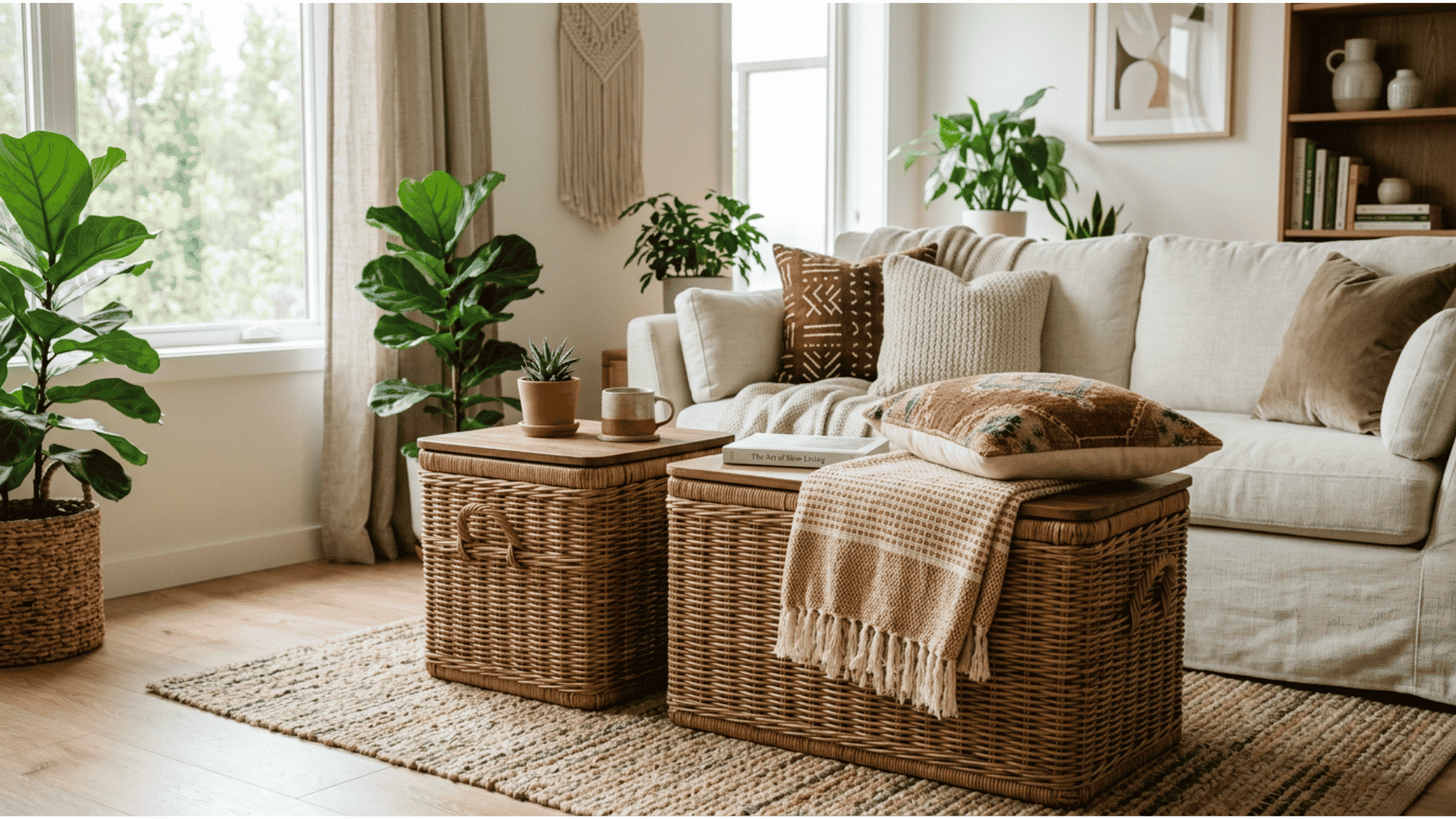
Large, firm wicker or rattan baskets with flat tops can hold blankets or magazines inside while serving as casual extra seating when you have guests over. They look warm and organic, and they pull their weight in terms of function.
Unlike a pouffe or a stool, a well-made rattan basket with a solid lid doesn’t announce itself as storage. It just looks like a considered design choice.
Stack two different sizes together in a corner, and you get a side table, extra seating, and hidden storage from two objects that cost less than most accent chairs.
19. Try Multi-Compartment Coffee Tables
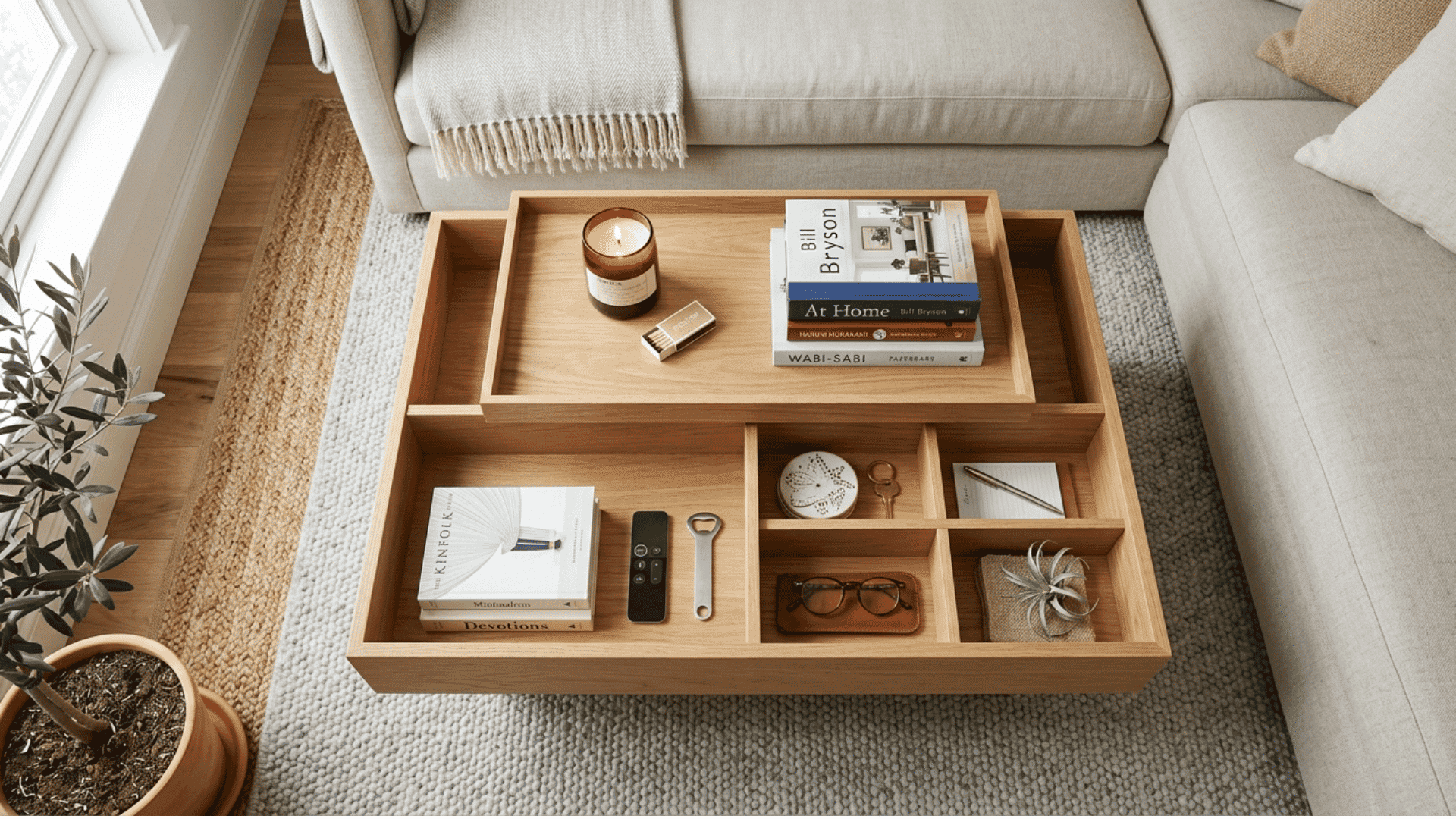
Some coffee tables come with removable trays, inner compartments, and multiple levels.
These are perfect for someone who uses their coffee table for everything – remote controls, books, snacks, charging cables – because everything has a designated spot within arm’s reach but out of plain sight.
20. Consider Under-Floor or Under-Rug Storage Panels
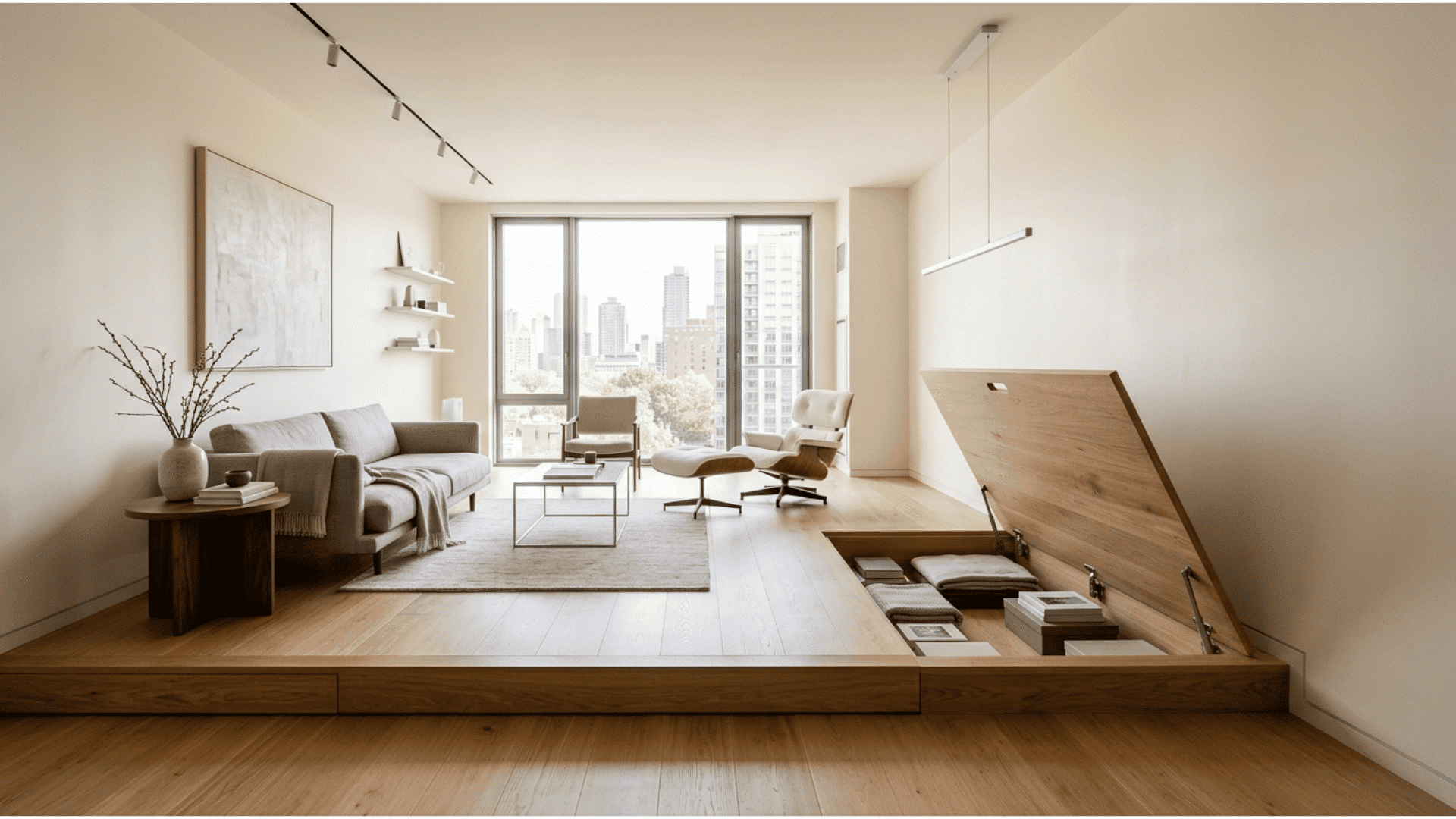
This one is more of a renovation-level idea, but if you’re open to it, lift-up floor panels or recessed storage under a raised platform area can hold a surprising amount while staying completely invisible.
In a studio apartment, especially, reclaiming vertical space from below is a clever way to hide things you need but don’t want to see every day.
Smart Surfaces and Furniture
The best apartment furniture doesn’t just sit there looking pretty. It earns its keep by doing more than one thing.
These eight ideas are all about making the hard-working pieces of your room work even harder.
21. Build a Media Wall that Doubles as an Art Display
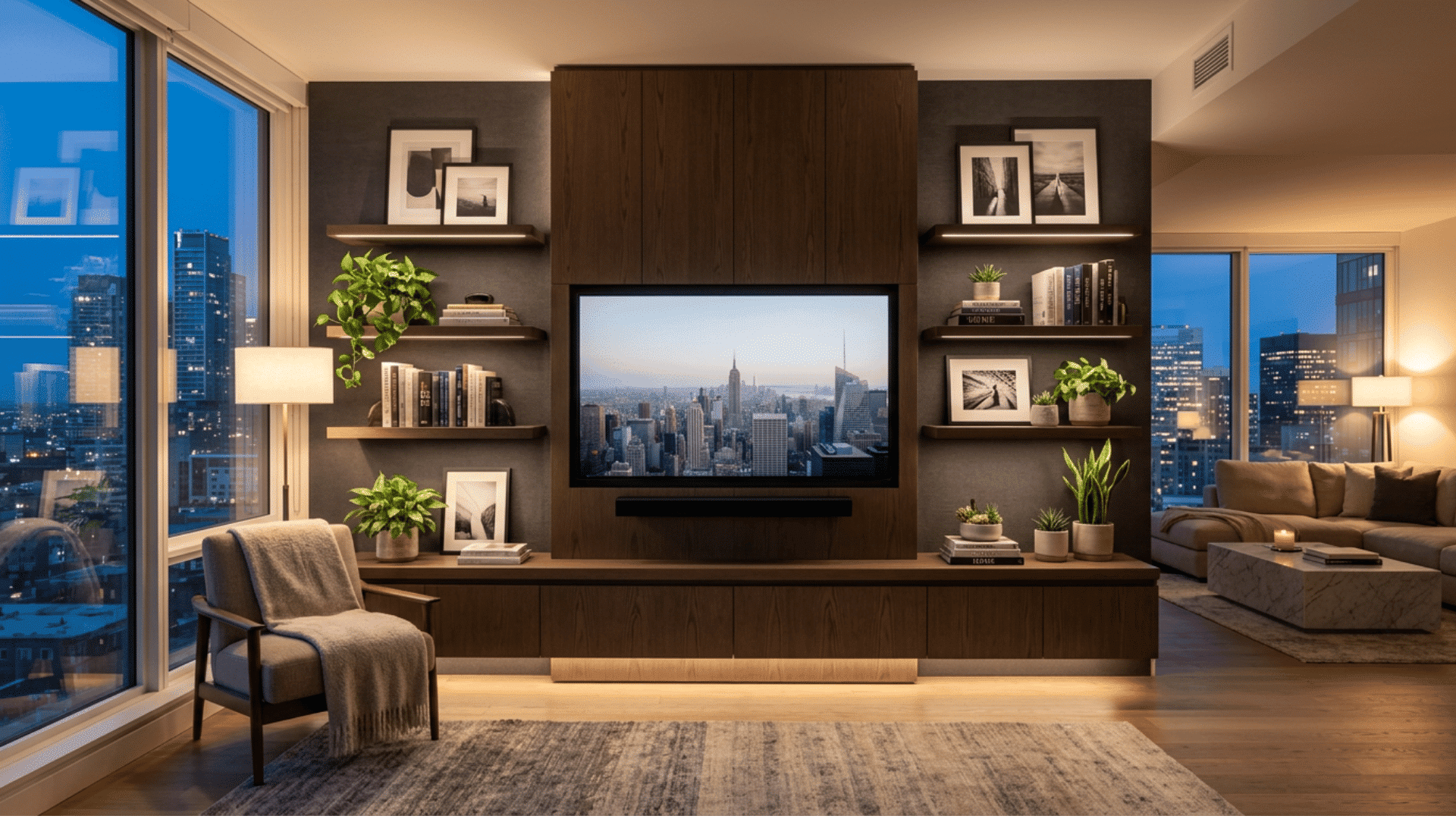
Instead of a TV floating on one wall and art scattered everywhere else, unify the whole wall. Mount your TV in the center, add symmetrical shelving on either side, and curate art, plants, and objects around it.
When the TV is off, the whole wall looks like a gallery. When it’s on, the TV is just one element of a bigger, more intentional composition.
22. Get a Coffee Table with a Built-In Charging Station
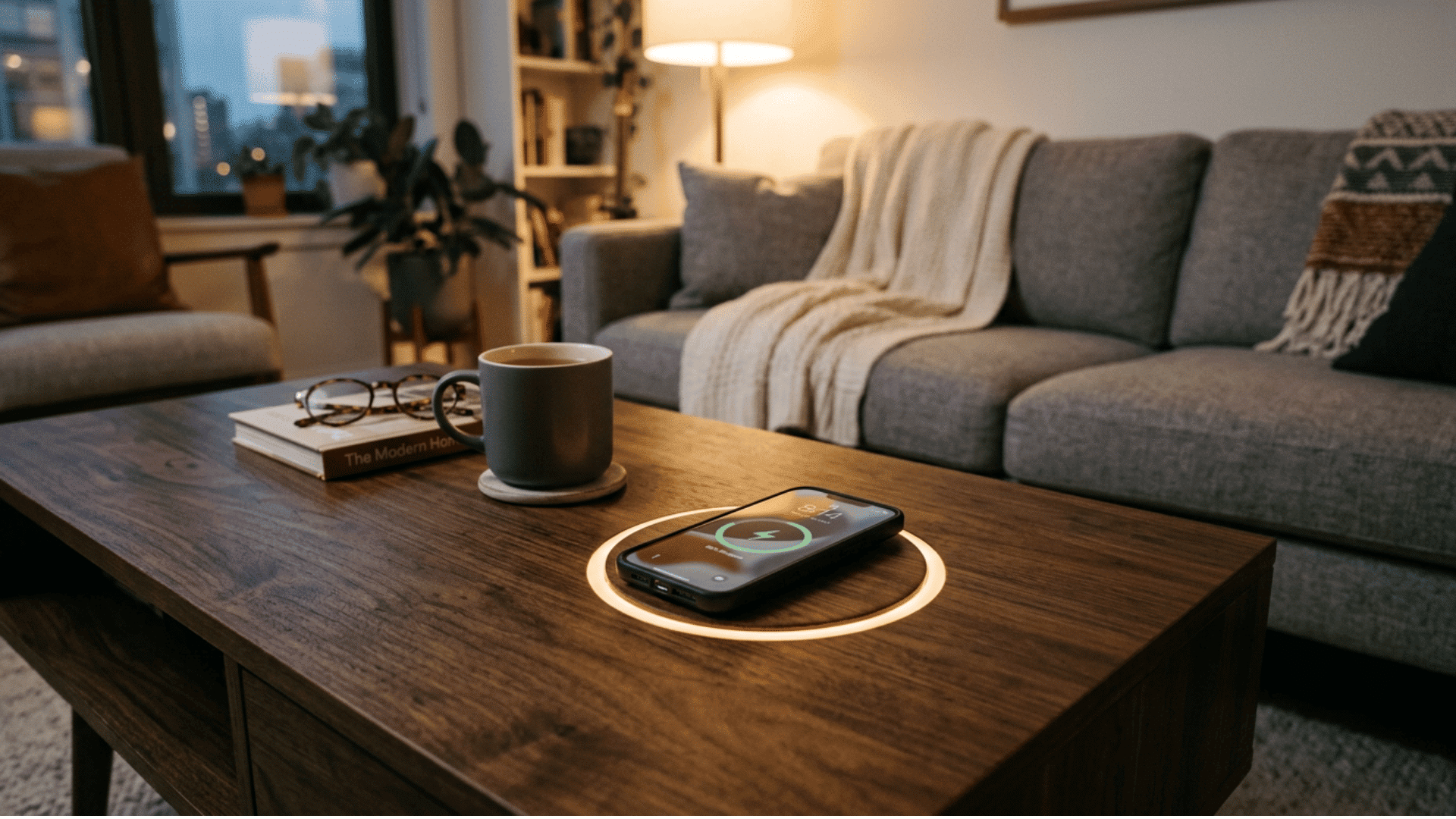
Wireless charging pads and USB ports built into the surface of a coffee table mean your devices charge where you actually use them – on the sofa – without cables running across the floor.
It’s a small upgrade that makes a disproportionately big difference to everyday life.
23. Use Nesting Tables for Flexible Guest Hosting
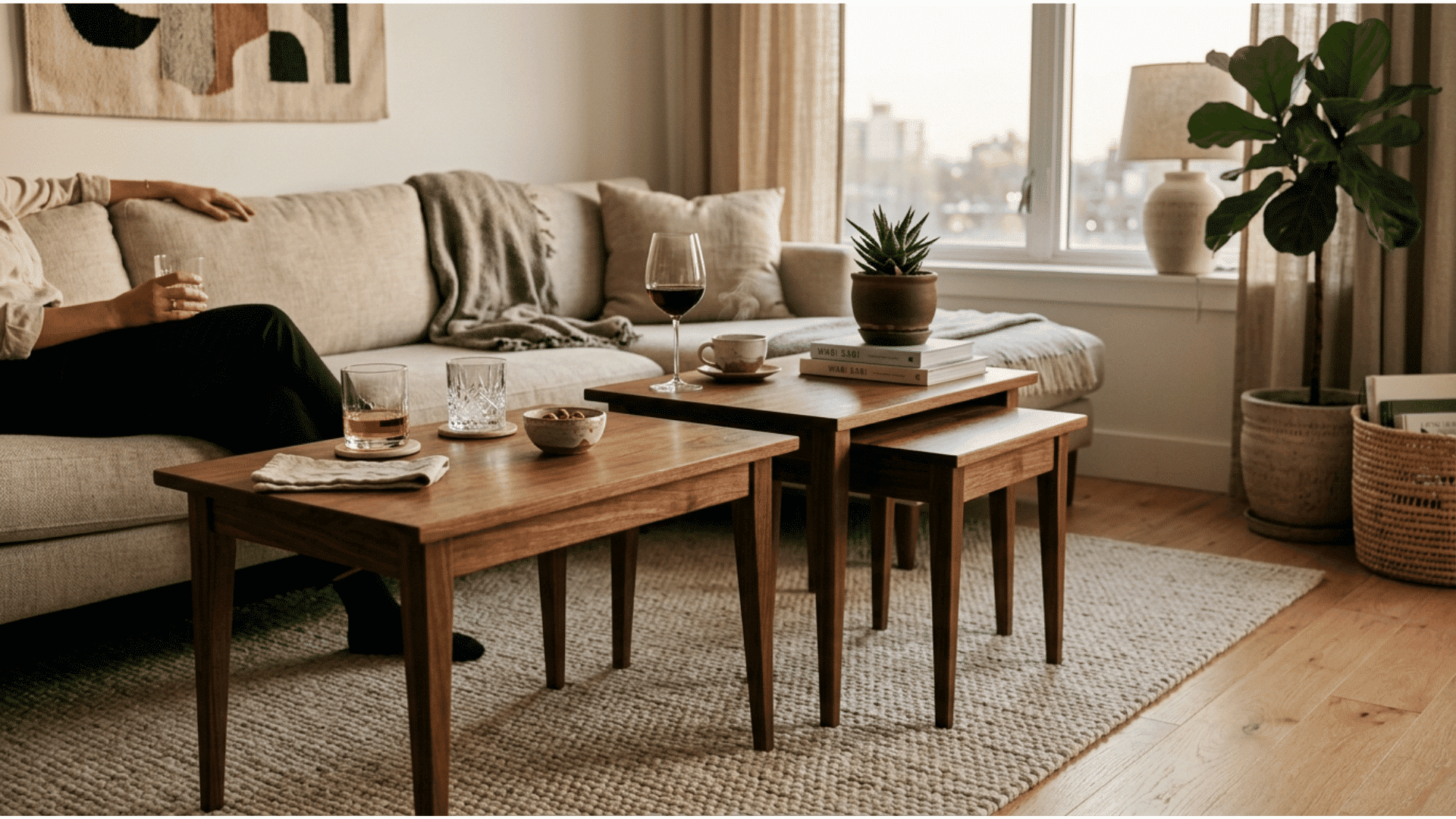
A set of two or three nesting tables takes up the space of one side table but gives you the flexibility of three. Slide them out when you have guests, nest them back when you don’t.
They’re particularly useful for living rooms that occasionally need to serve as dining spaces during gatherings.
24. Mount a Fold-Out Wall Table for Dual Use
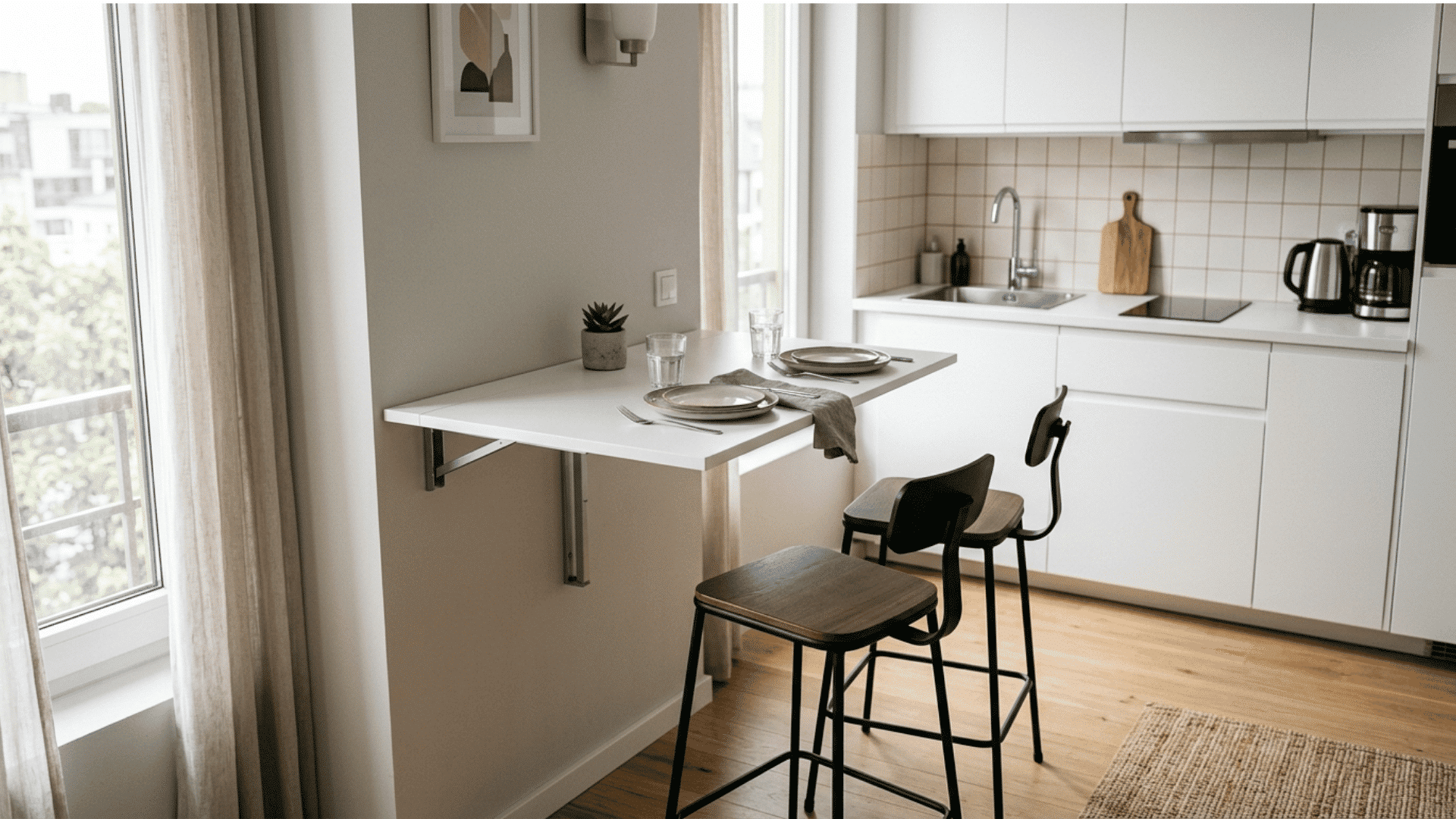
In a studio or very small apartment, a wall-mounted table that folds down can serve as a dining table, work desk, and bar surface depending on what you need.
When it’s folded back up, you reclaim the floor completely. It’s one of the highest-impact space solutions available for small apartments.
25. Keep a Convertible Bar Cart
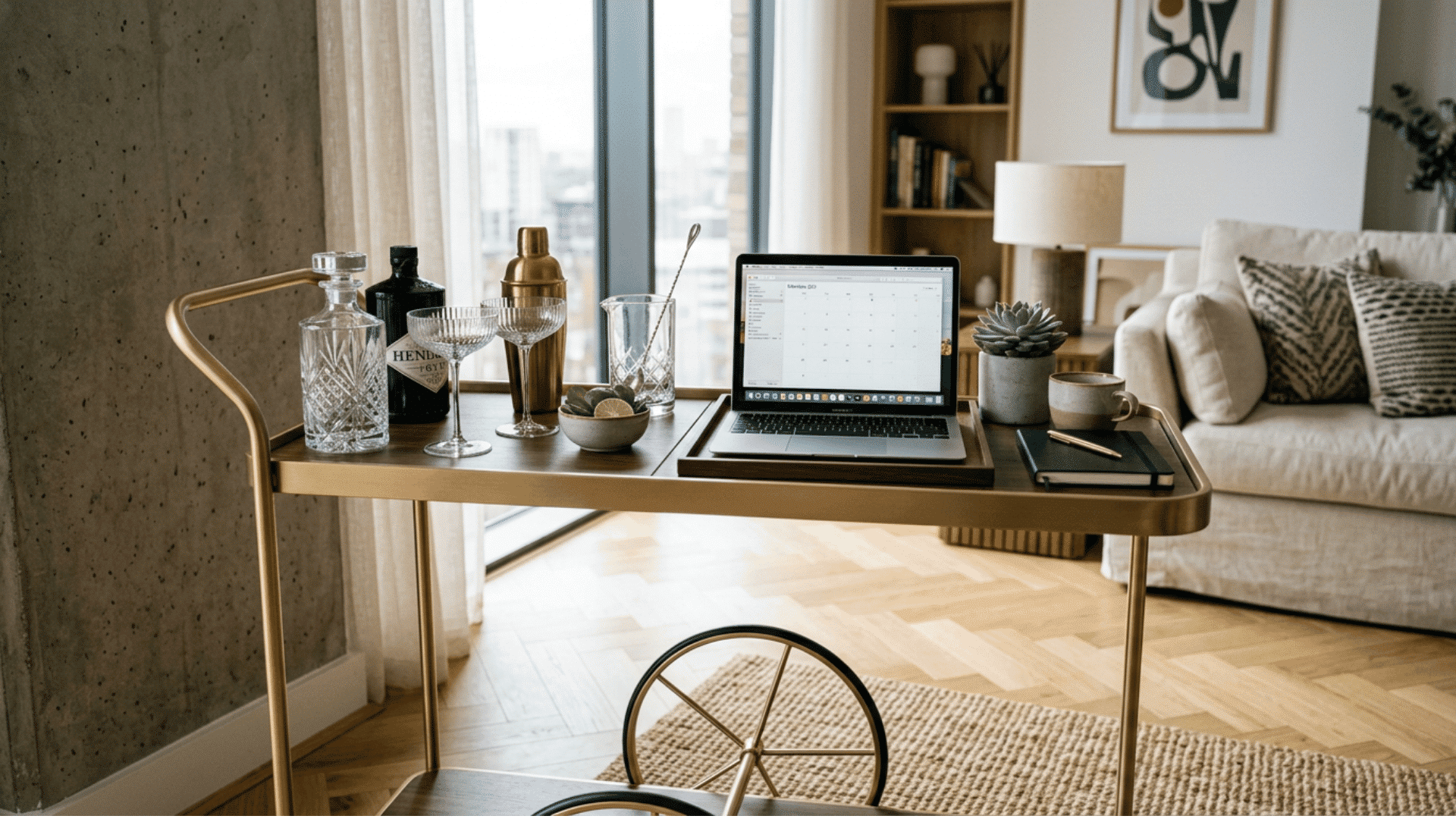
A bar cart on wheels can serve drinks in the evening, become a coffee station in the morning, hold your printer and office supplies during work hours, and slide into a corner when you need more space.
The wheels are the key – position them where it’s needed, move them when it isn’t.
26. Choose Chairs With a Built-In Side Table Surface
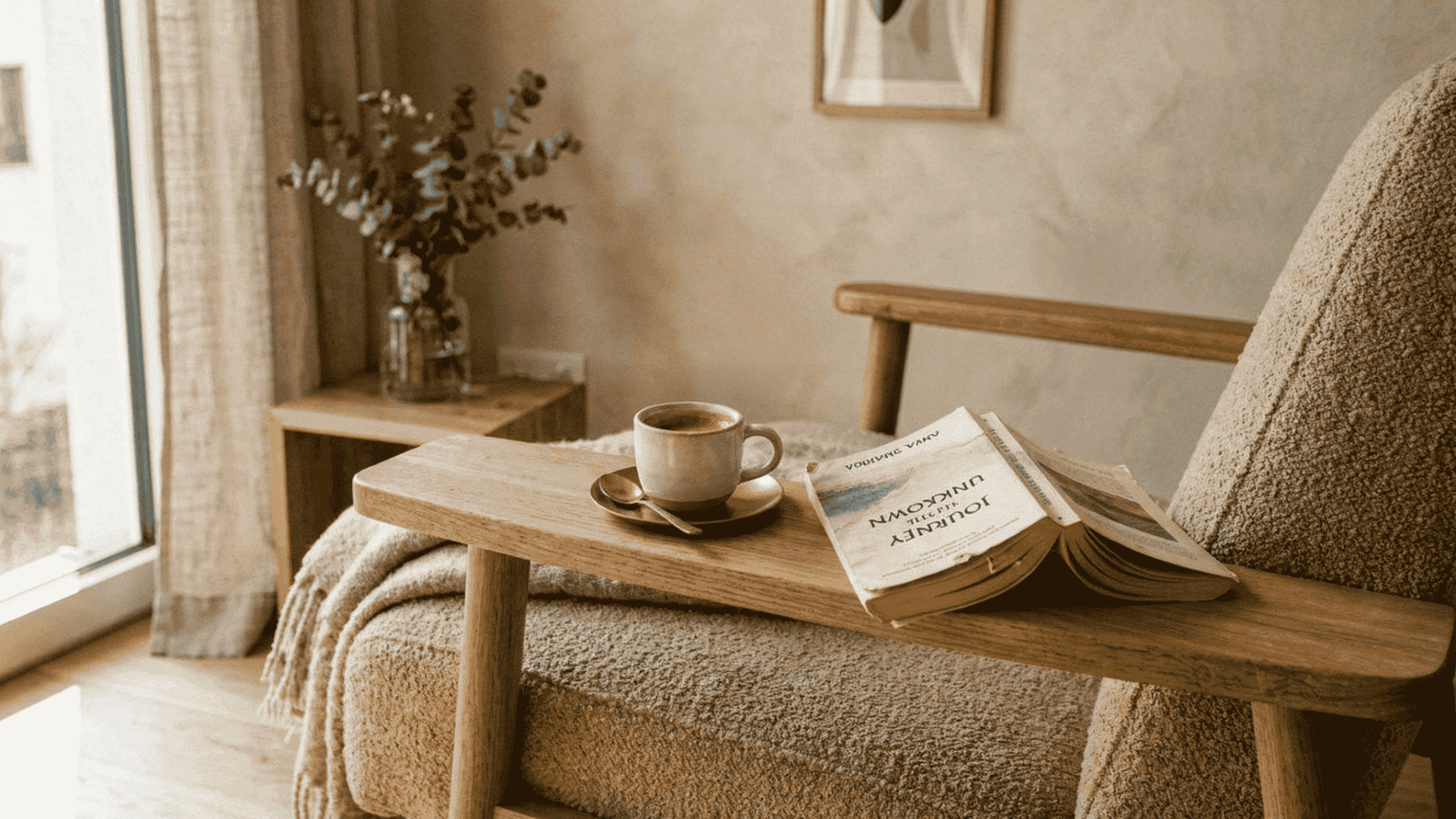
Some accent chairs have flat, wide arms that function as a side table surface. Others have integrated side table attachments.
Either way, this replaces two pieces of furniture with one and keeps the room from feeling cluttered with too many separate surfaces.
27. Use Transparent Furniture To Reduce Visual Weight
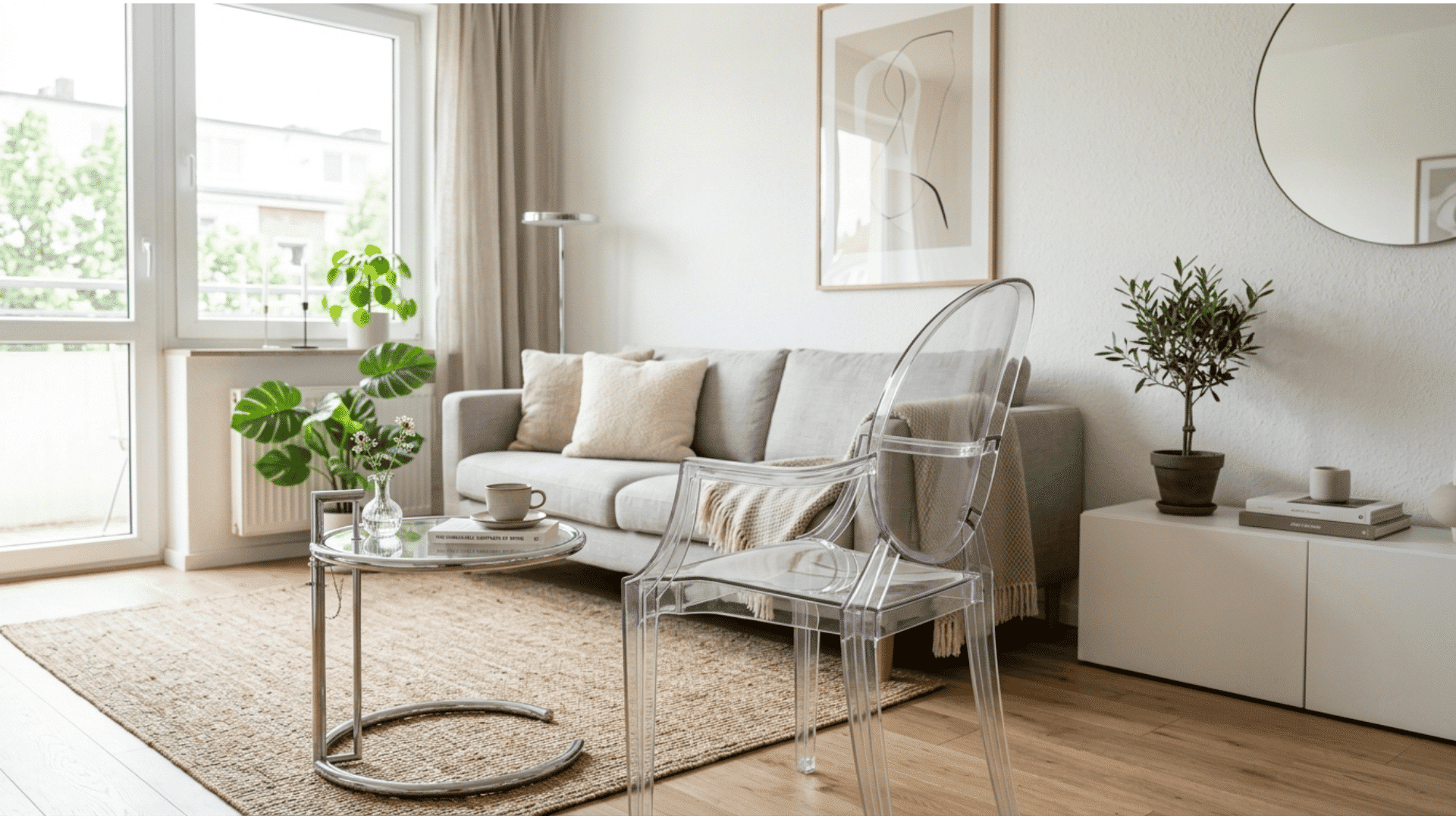
An acrylic ghost chair, a glass-topped side table, or a clear lucite stool takes up physical space but barely registers visually.
In a small room, visual weight is just as important as physical space. The less the eye has to process, the bigger the room feels.
28. Invest in an Adjustable-Height Table
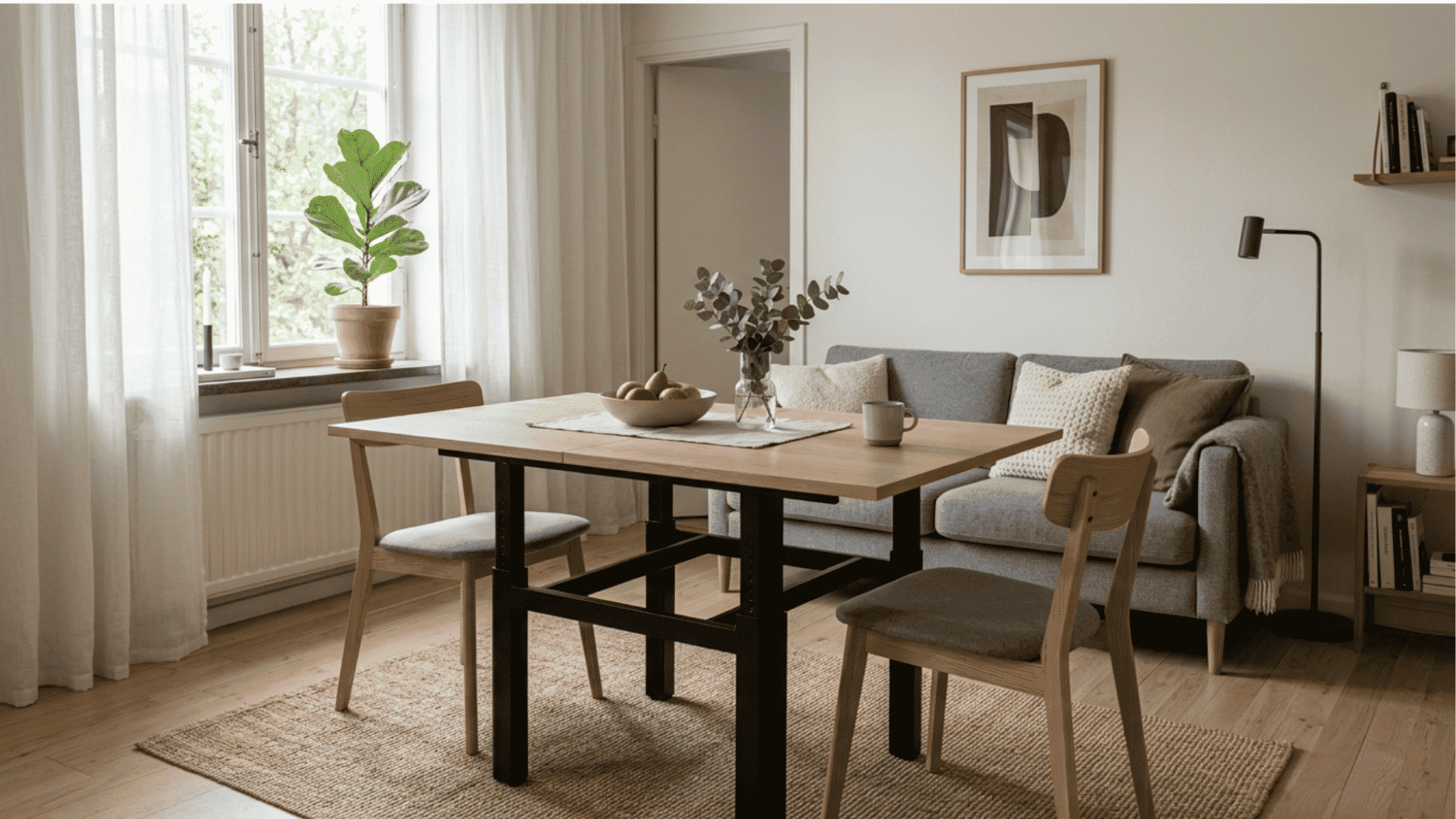
An adjustable-height table can be a coffee table around 18 inches and a dining or work table around 30 inches.
If your living room is also your dining room or occasional home office, this single piece of furniture makes all three configurations possible without you needing three separate tables.
Lighting That Works for Every Mood
Lighting is the most underrated tool in home design.
The right lighting can make a 400-square-foot apartment feel like a warm, intimate retreat. The wrong lighting – or no thought given to it at all – makes even a large room feel flat and uninviting.
These six ideas will change how you think about light.
29. Layer Your Lighting: General, Task, and Accent
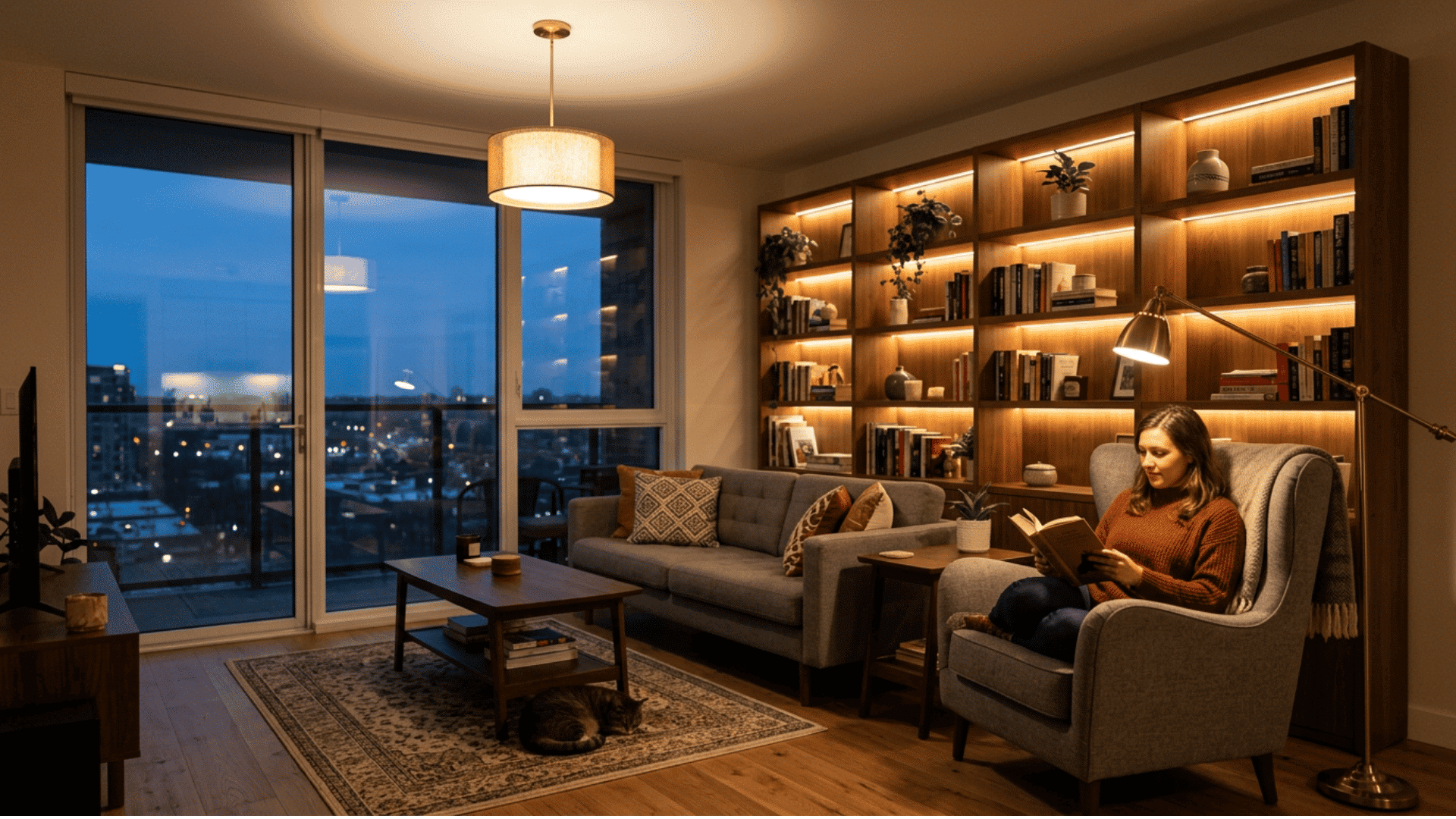
General room lighting is the overall glow of the space. Task lighting is focused light for specific activities – reading, working, and cooking. Accent lighting highlights objects, shelves, or architectural details.
Most apartments only have ambient lighting and wonder why the room feels sterile. Add at least one task light and one accent light, and you’ll feel the difference immediately.
30. Install LED Strips Behind Furniture or Shelving
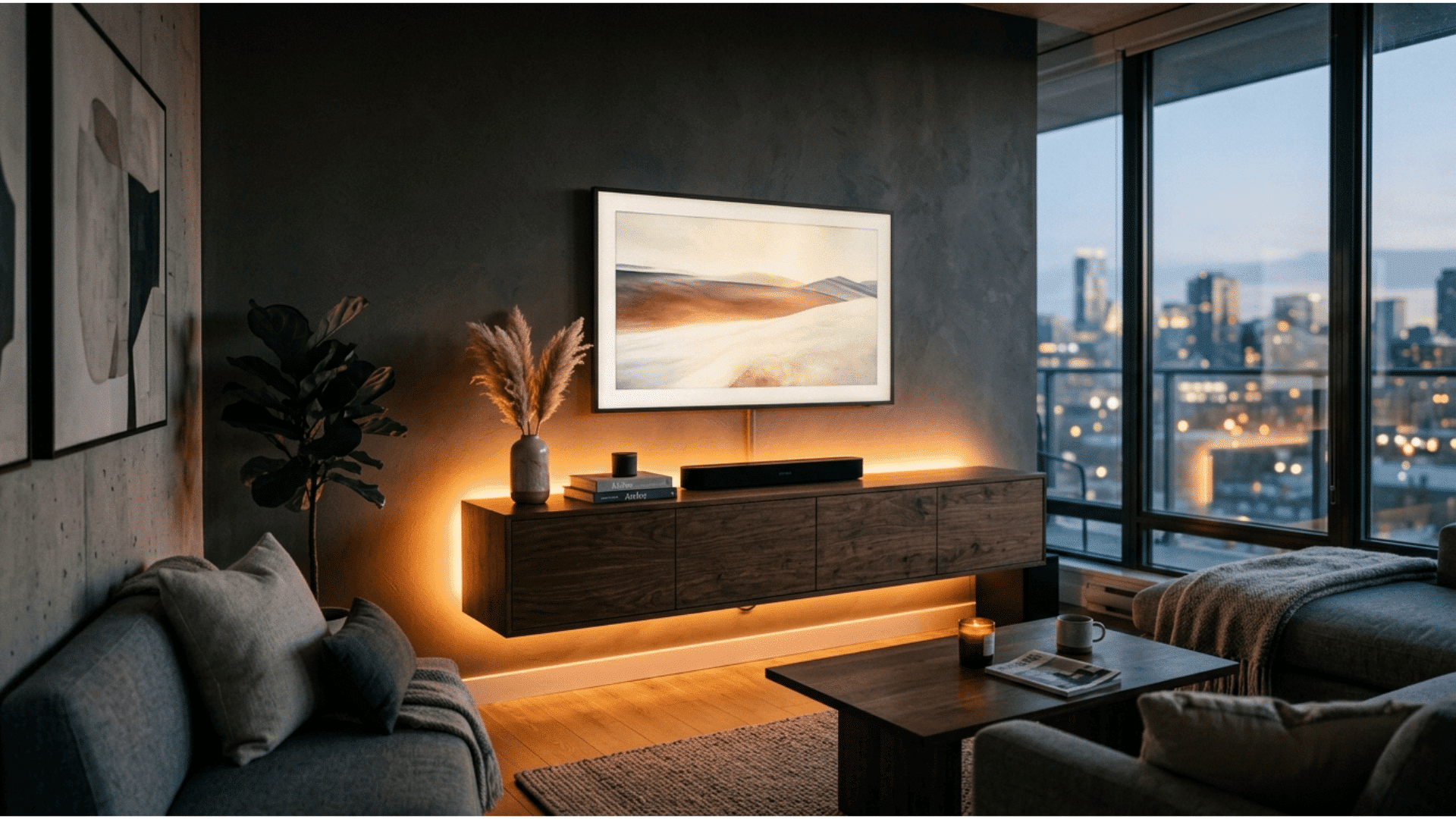
LED strips tucked behind a floating shelf, behind the TV unit, or behind the sofa create a warm glow that illuminates the wall without anyone seeing the source.
It’s the lighting equivalent of mood music, subtle but completely changes the feel of the room. Choose warm white (around 2700K) for a cozy feel, or soft amber if you want it warmer still.
31. Use Smart Bulbs with Color Temperature Control
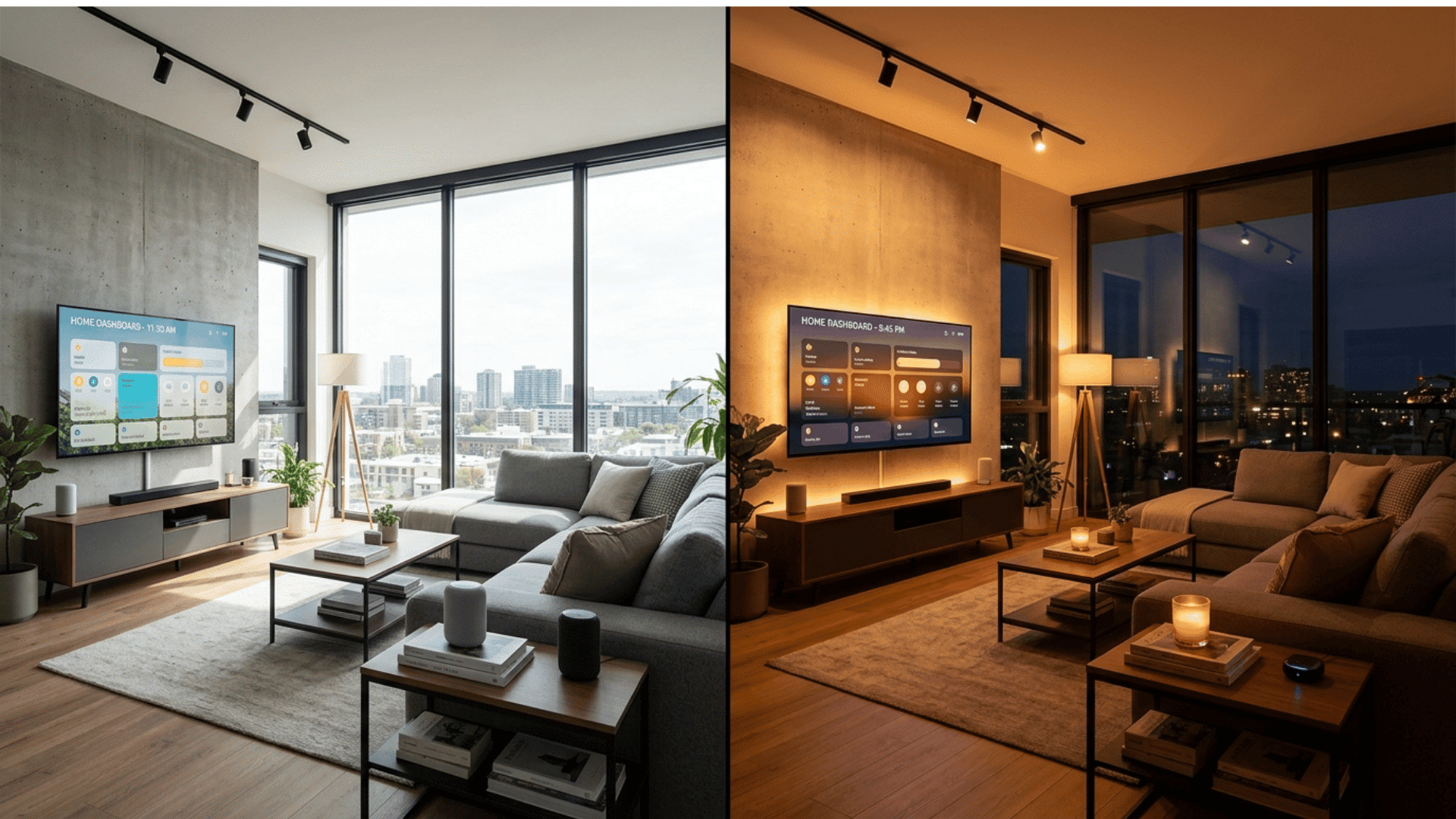
Smart bulbs let you shift the color temperature of your lighting from cool and energizing during the day to warm and relaxing in the evening – without touching a single lamp.
You can automate this by time of day or trigger it with a simple voice command. It’s one of the cheapest smart home upgrades you can make and one of the most noticeable.
32. Hang Pendant Lights that Don’t Consume Floor Space
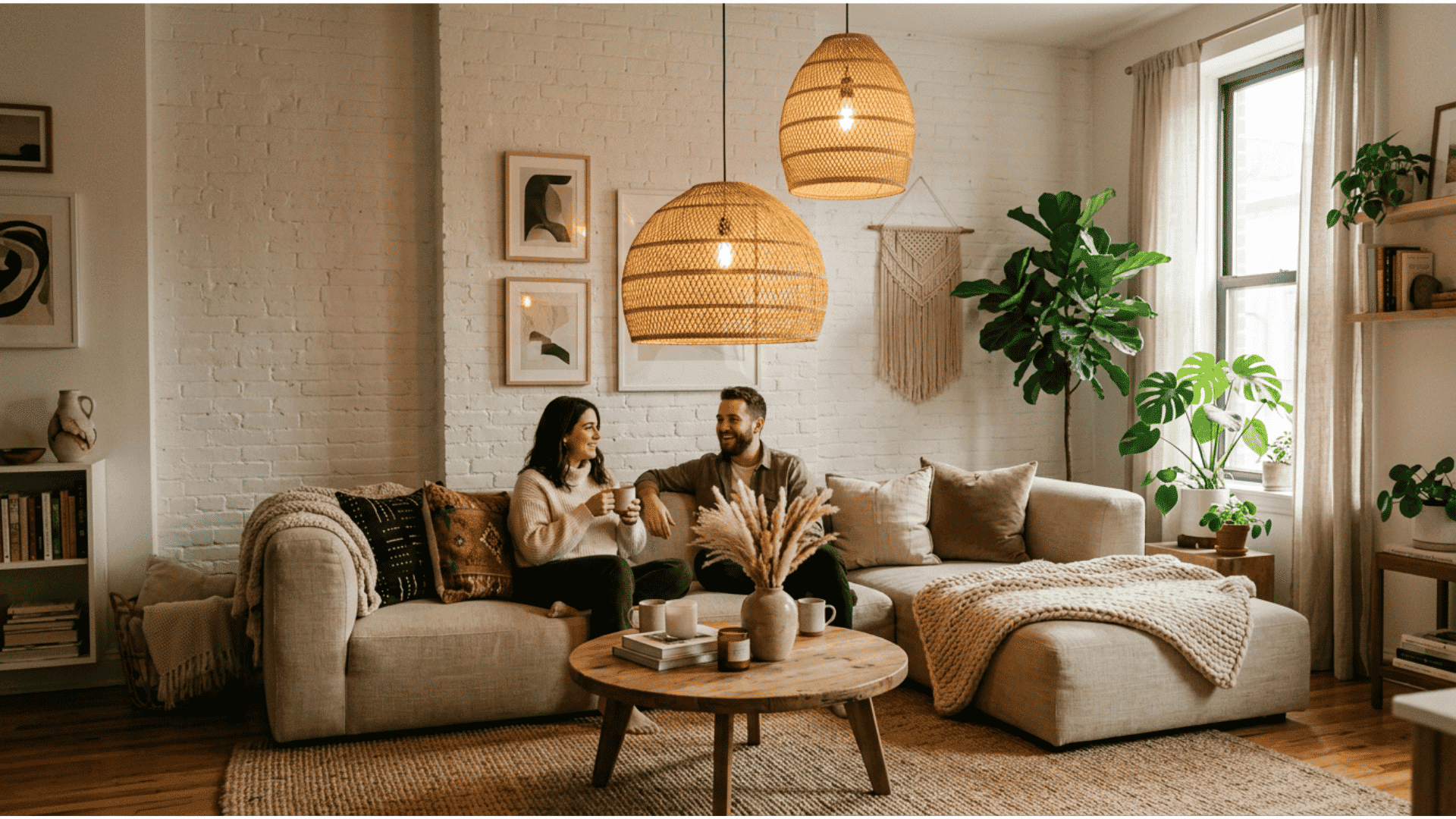
Floor lamps are great, but in a small room, they eat into your floor plan. Pendant lights and hanging bulb fixtures drop from the ceiling, creating the same warm glow without taking up any floor space.
A cluster of two or three pendants at different heights over a coffee table area is both functional and striking.
33. Choose Minimalist Floor Lamps for Corners
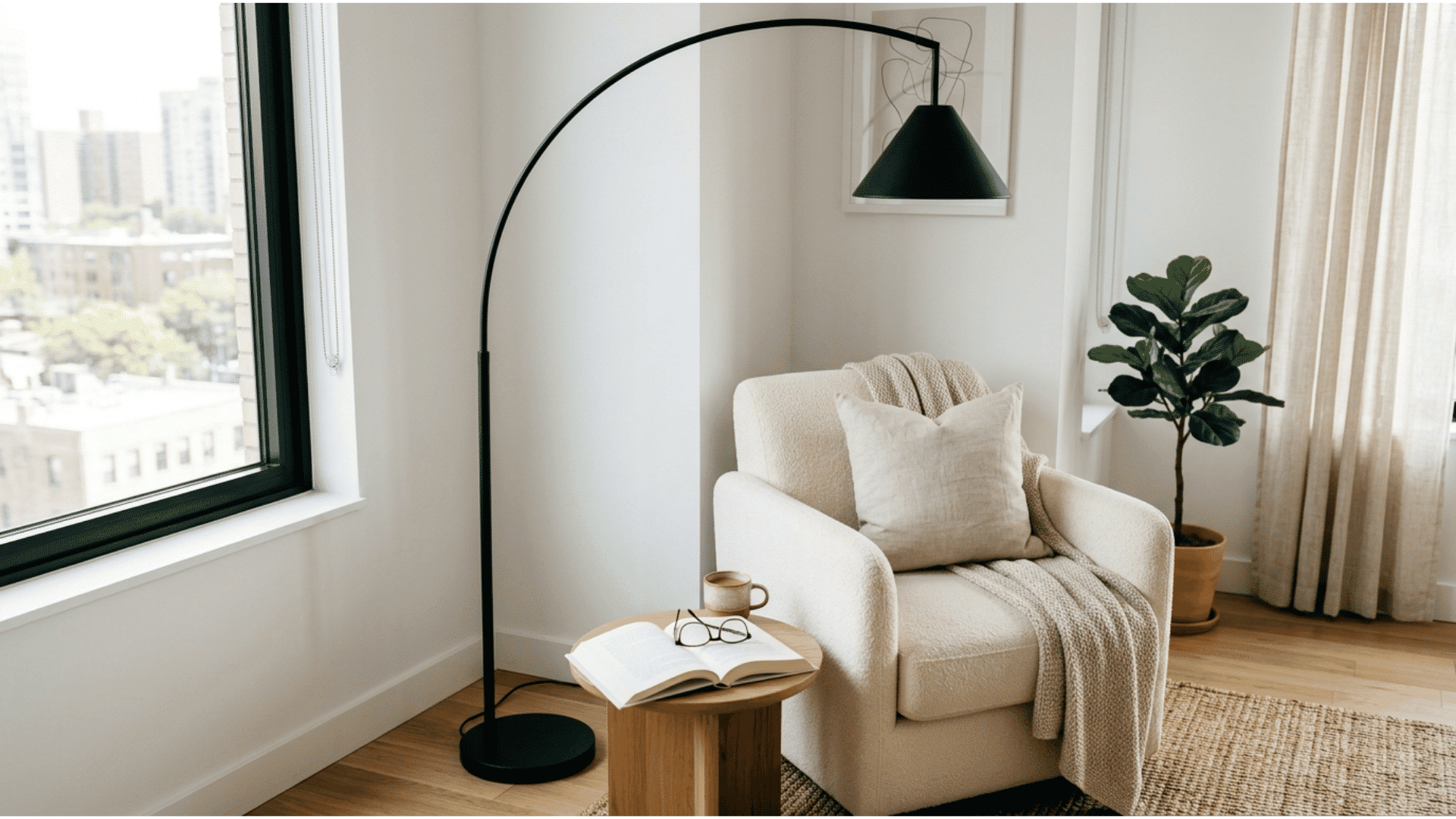
If you do go for a floor lamp, choose one with a slim, minimal silhouette. Arched lamps that extend over a reading chair are particularly useful because they direct light exactly where you need it while taking up minimal visual space.
Avoid chunky, wide-base floor lamps in small rooms – they become obstacles.
34. Let Lighting Define Your Zones
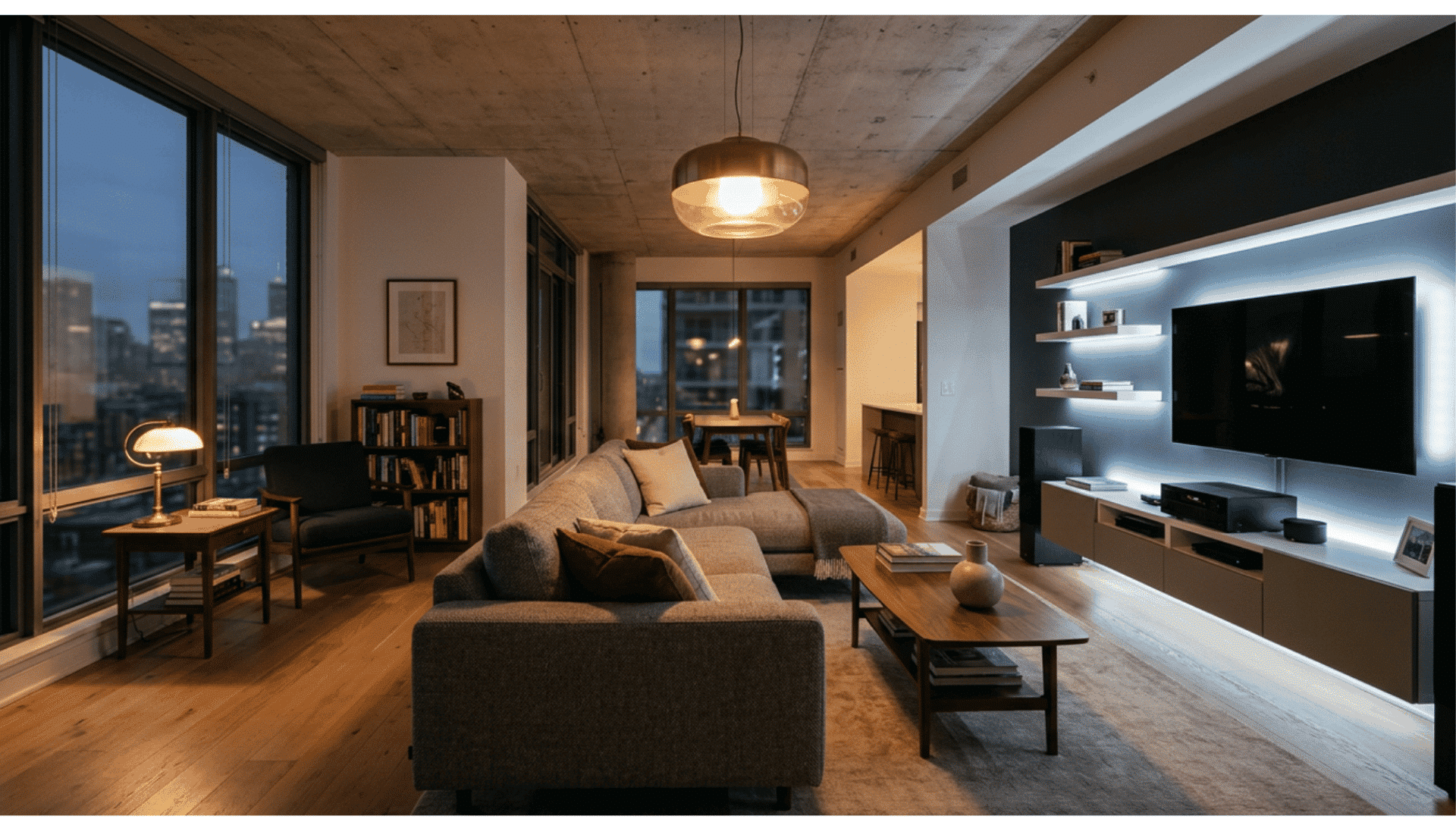
A pendant over the sofa grouping, a warm lamp near the reading nook, cool accent lighting around the media wall – each zone gets its own light signature, which reinforces the sense of distinct, purposeful areas even in an open-plan space. Lighting is architecture you can adjust.
Décor that Feels Personal and Modern
Décor is where most people either overthink it or stop caring entirely
The goal isn’t to copy a style from a magazine – it’s to make the room feel like yours. These eight ideas lean into personality without sacrificing the clean, modern look.
35. Add Micro-Biomes and Terrariums
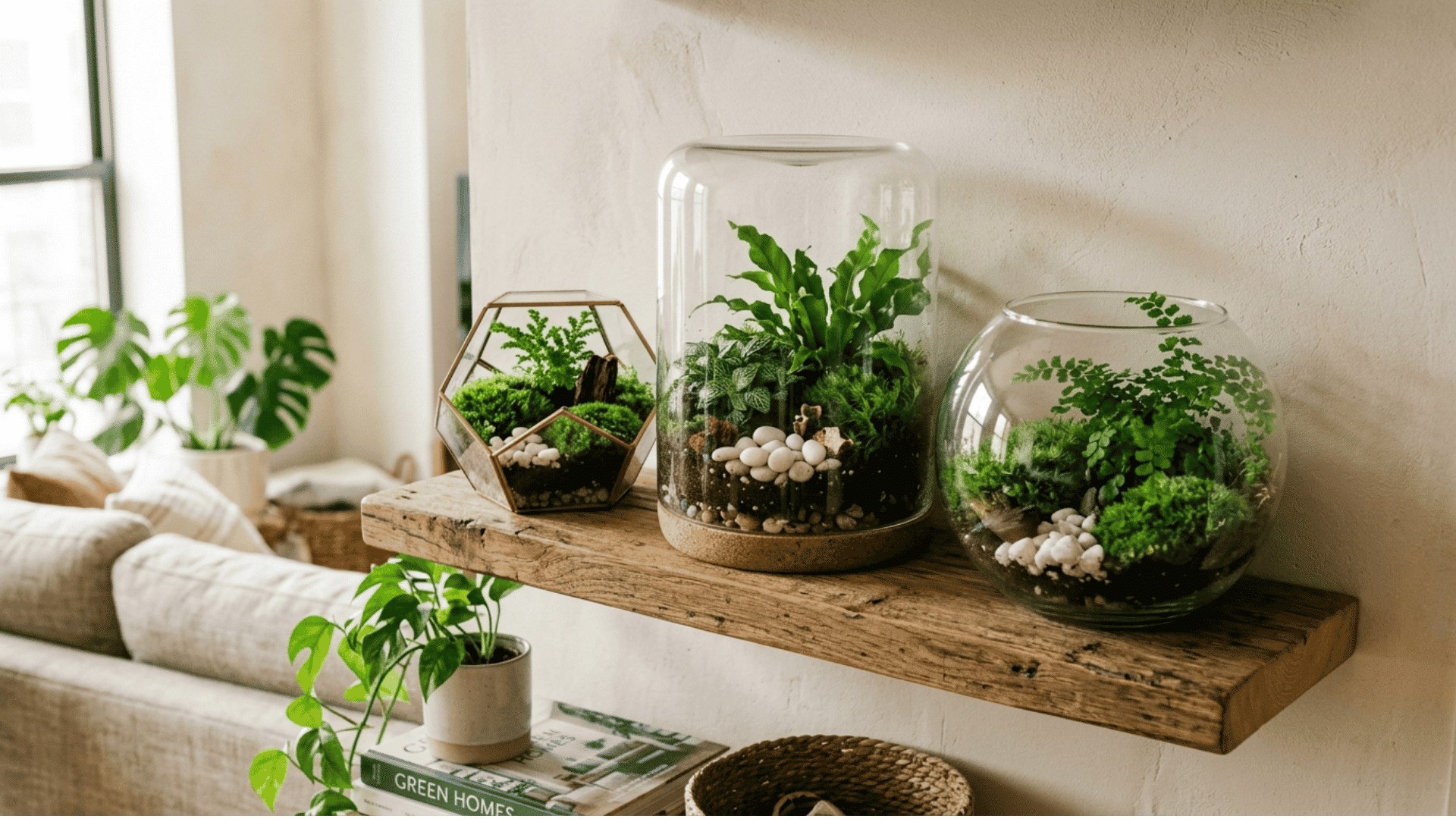
Instead of a big vase of flowers or a single potted plant, try a terrarium – a sealed or open glass container with moss, small plants, pebbles, and miniature decorative elements inside.
They’re low maintenance, they bring nature into your home in an unexpected way, and they become conversation starters. Cluster two or three different sizes together for the most impact.
36. Layer Textures with Rugs, Pillows, and Throws
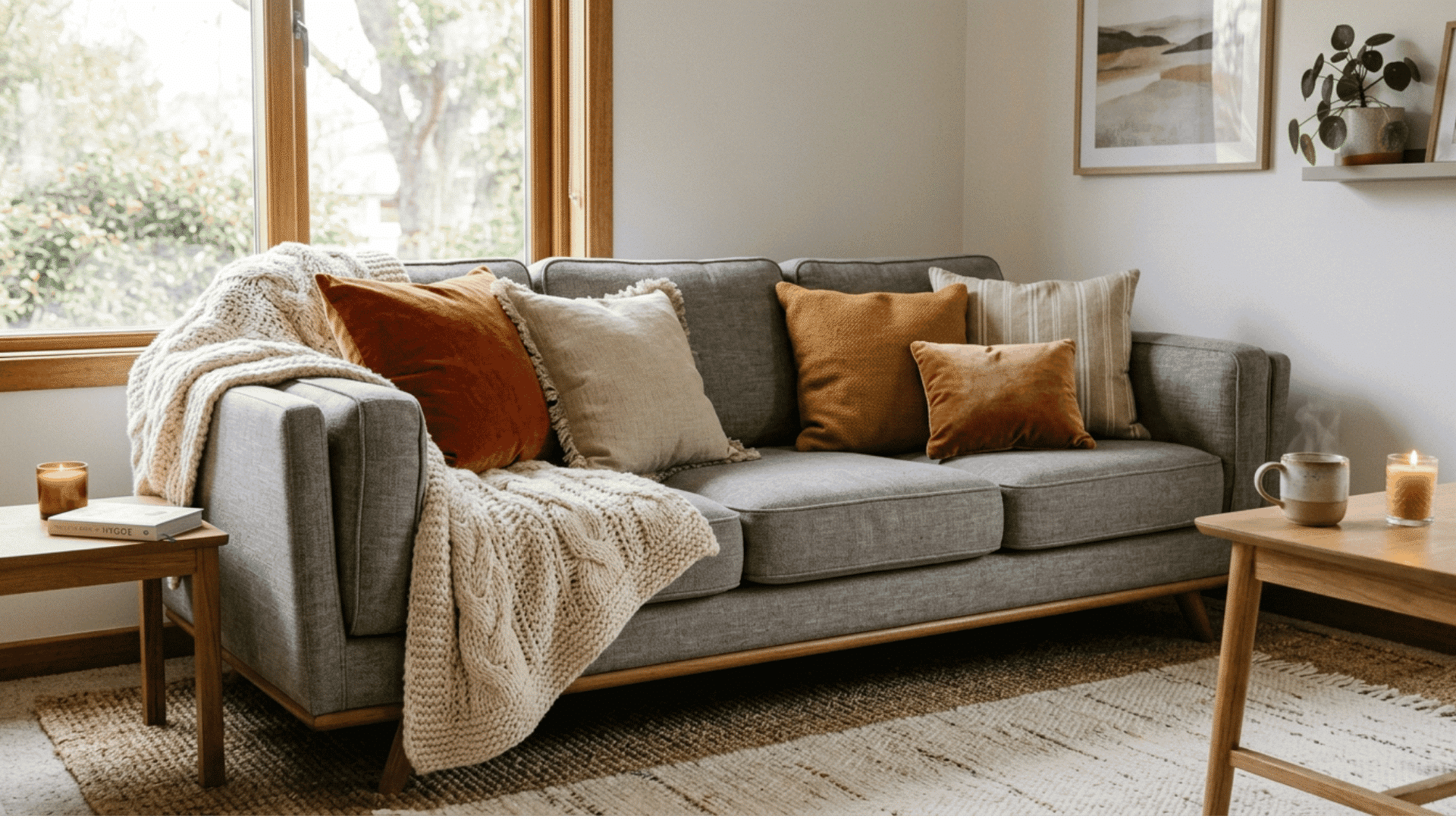
A room with one texture – say, a smooth leather sofa on a hardwood floor – feels cold and incomplete.
Introduce a chunky knit throw, a jute rug, a velvet cushion, and a woven basket, and suddenly the room has depth and warmth.
You don’t need more things; you need more texture contrast between the things you already have.
37. Commit to One Statement Wall – Art or Mural
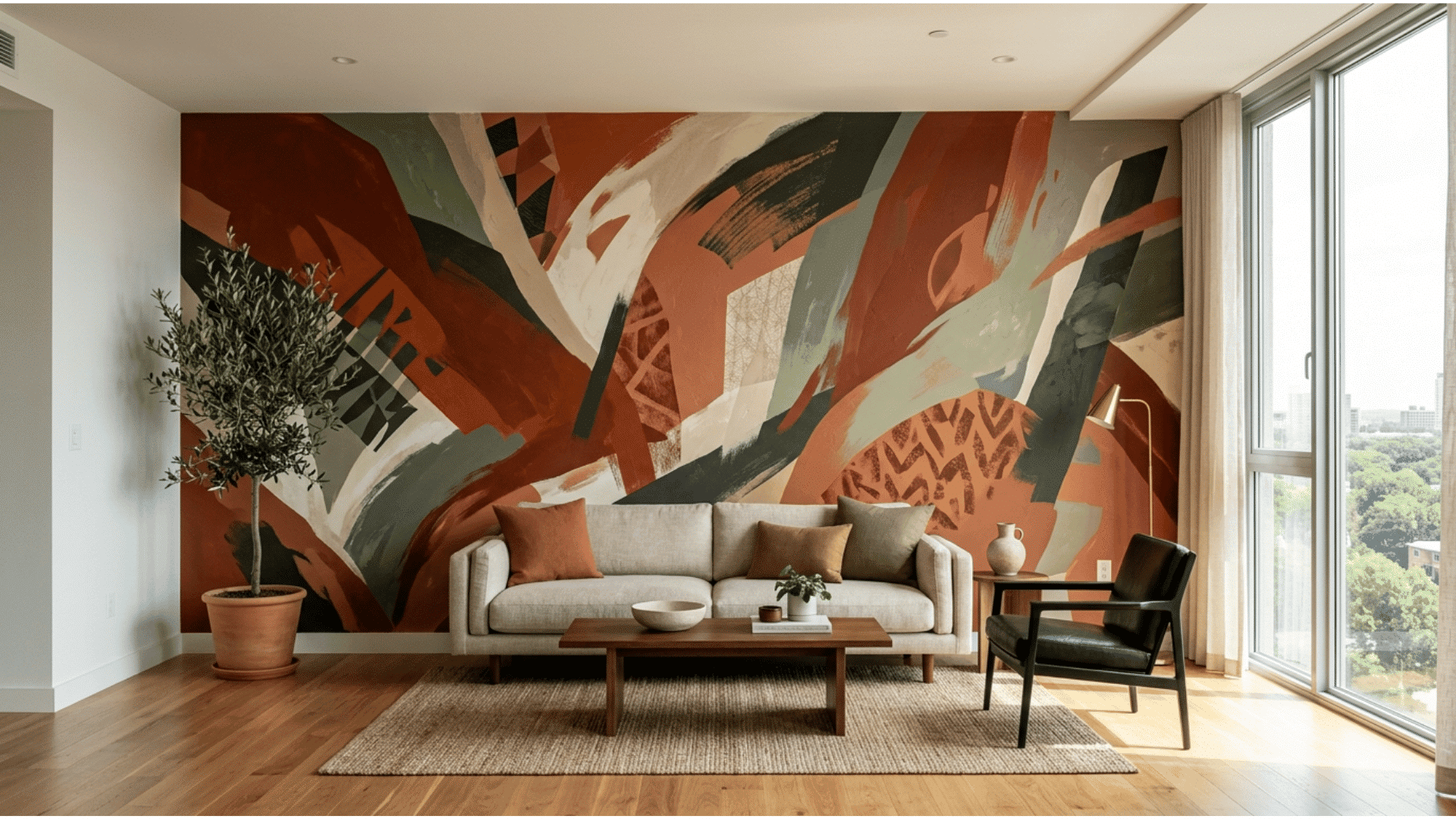
Instead of spreading small art pieces across every wall and ending up with a cluttered gallery you never quite love, pick one wall and go bold.
A large-scale print, a hand-painted mural, or a single oversized canvas can anchor the room visually and provide a clear focal point. Everything else can stay simple.
38. Rotate Your Seasonal Décor

Instead of redecorating every few years when you’re bored, build a system for seasonal rotation. Keep a box of items – cushions, throws, small decorative objects, candle holders – that you swap in and out with the seasons.
Warm textures and rich colours in winter. Light linens and fresh greens in summer. It keeps the room feeling fresh without a major investment.
39. Bring in Multi-Sensory Touches
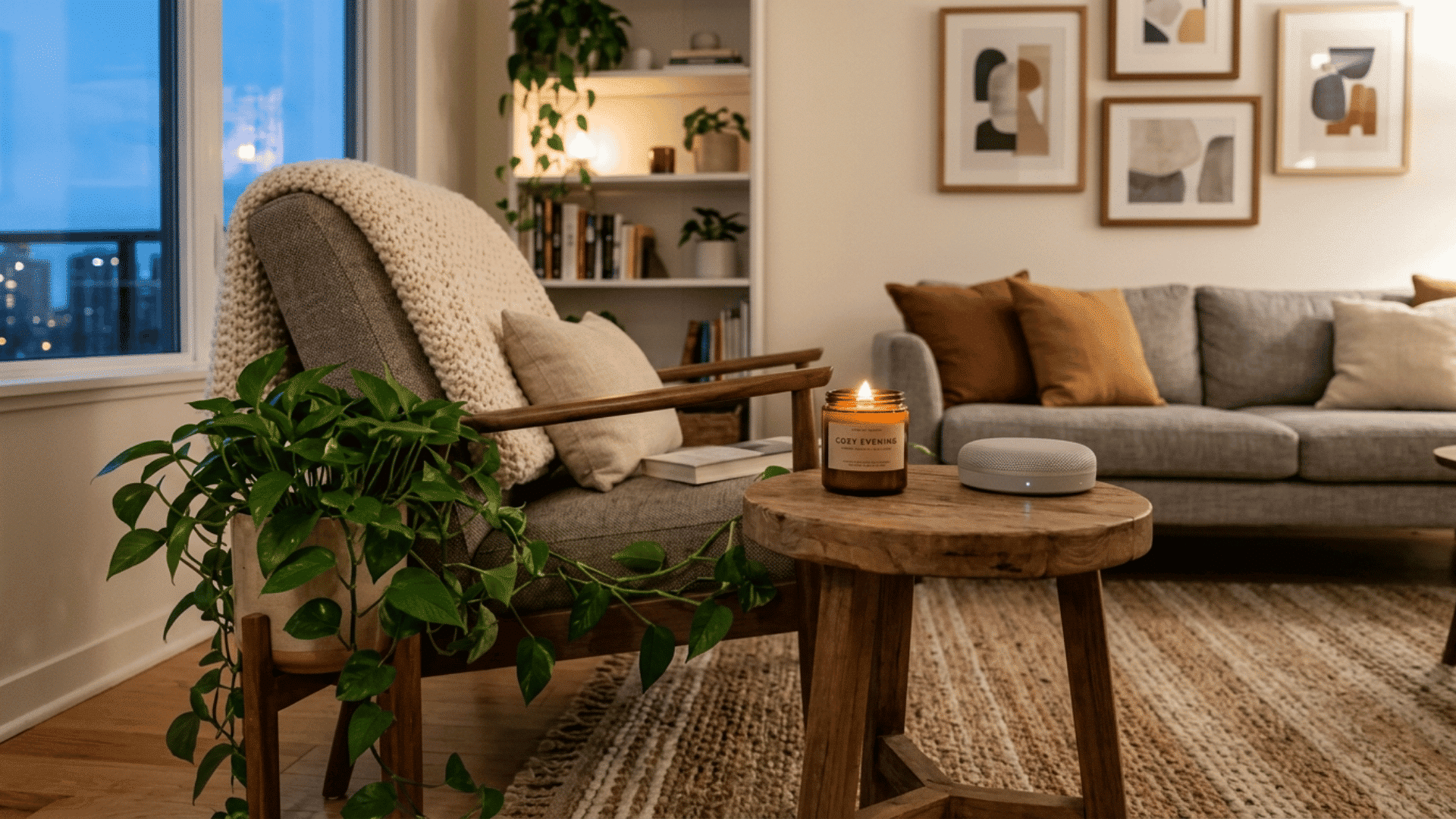
Your living room is experienced through more than just sight.
A good-smelling candle or diffuser, a soft playlist playing quietly in the background, a chunky throw that people reach for naturally – all of these things make the room feel alive and inviting in ways that no furniture arrangement can replicate.
Don’t design just for photographs; design for how the room feels to be in.
40. Build a Minimalist Gallery Wall
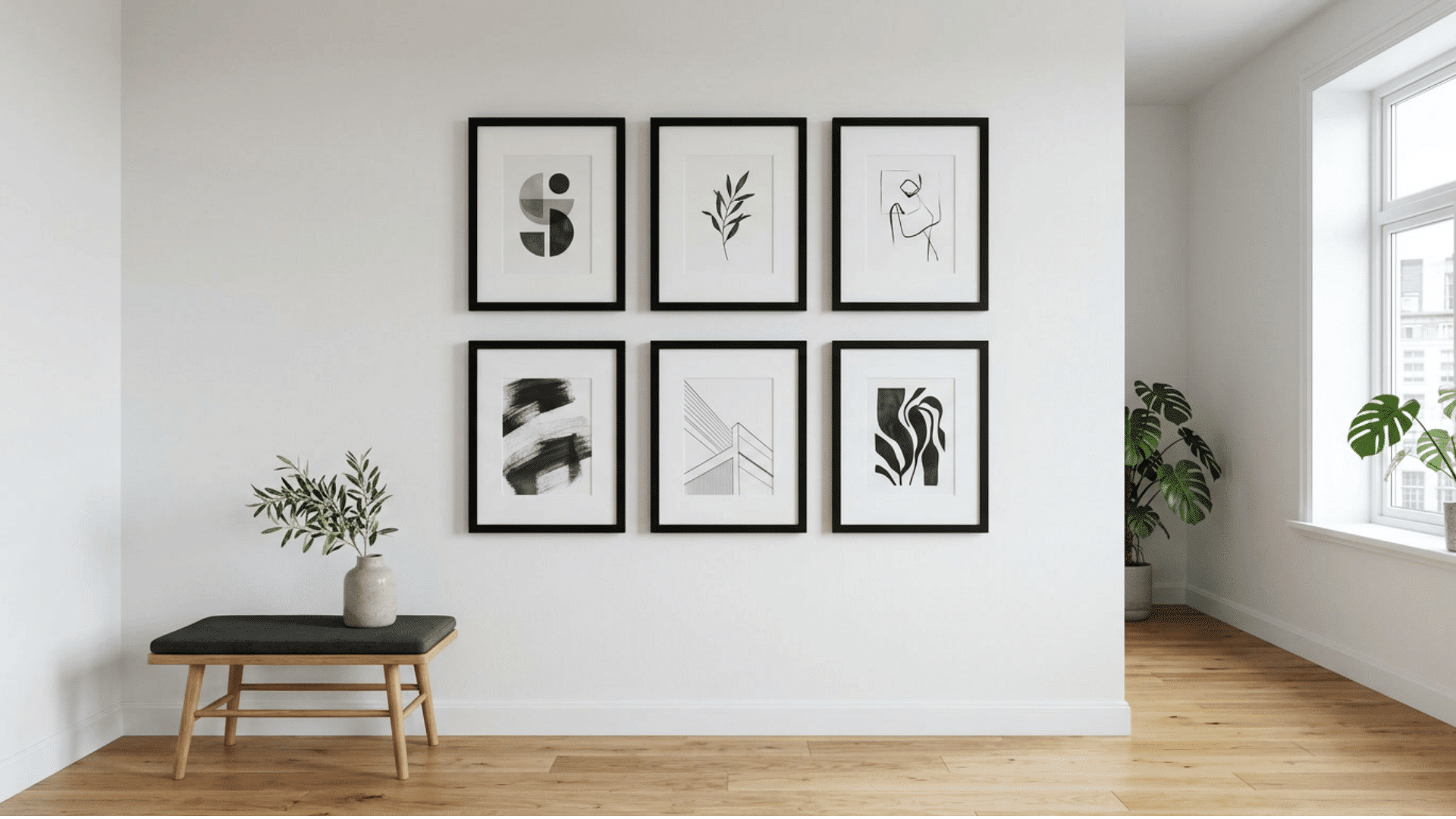
If you love the idea of a gallery wall but hate the cluttered look, commit to a strict format. Same-size frames in one or two complementary colors, evenly spaced, all in a straight grid.
Minimalist gallery walls look intentional and modern rather than chaotic. The secret is editing ruthlessly – five excellent pieces in matching frames beat twenty mixed ones every time.
41. Personalize Your Shelving Arrangements
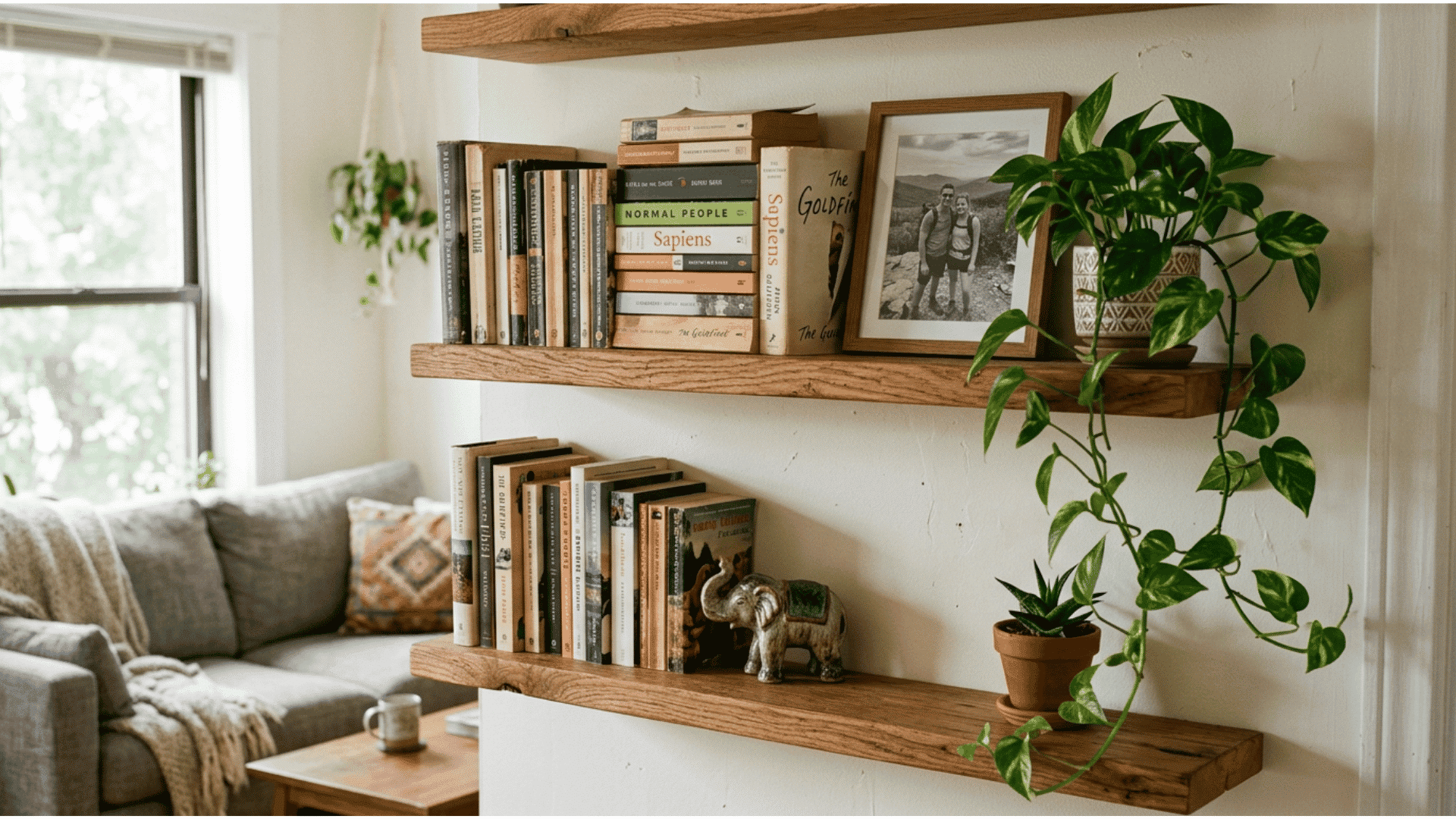
Your shelves should tell a story about you. Books you’ve actually read. A photo from a trip. An object you picked up at a market. A plant you’ve kept alive longer than expected.
Don’t decorate your shelves with things bought specifically for decoration – they’ll look hollow. Decorate them with things you own that happen to look good when arranged thoughtfully.
42. Use Functional Decorative Objects
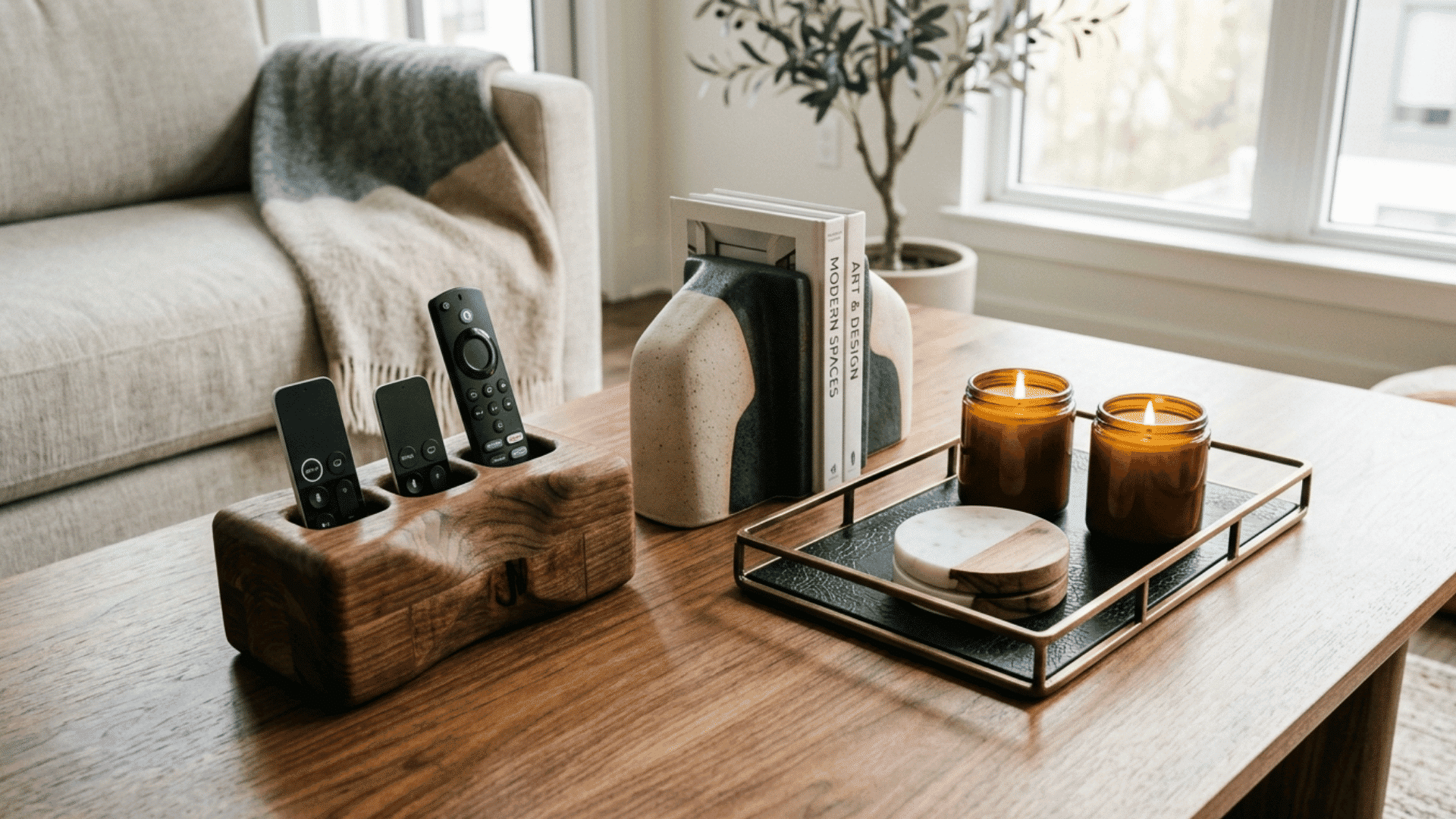
A sculptural bookend that doubles as art. A beautiful wooden box that hides your remote controls. A decorative tray that corrals your coffee table items.
The best decorative objects in a small apartment can be both useful and beautiful. If it only does one thing, make sure it does it exceptionally well.
Furniture Placement and Layout Tricks
Most people push all their furniture against the walls. It’s the most common mistake in small living rooms, and it actually makes the room feel smaller, not larger. Here are six layout strategies that genuinely work.
43. Float Your Furniture Away from the Walls
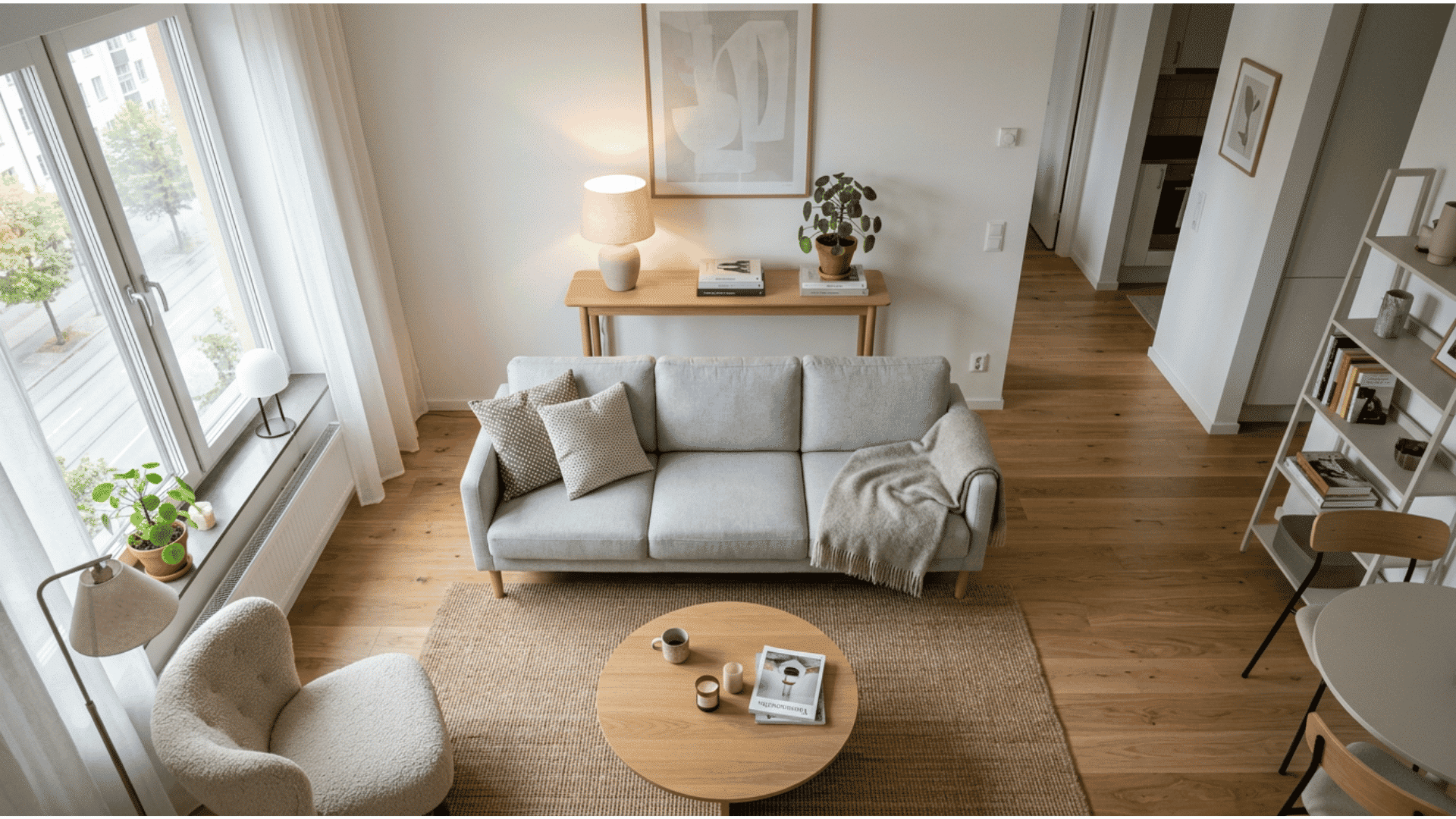
Pulling your sofa six to twelve inches away from the wall creates a sense of depth and makes the room feel larger.
It also allows for a narrow console table behind the sofa – a surface that’s incredibly useful for lamps, books, and décor without consuming any “room” because it sits behind existing furniture.
44. Anchor the Room with One Statement Piece
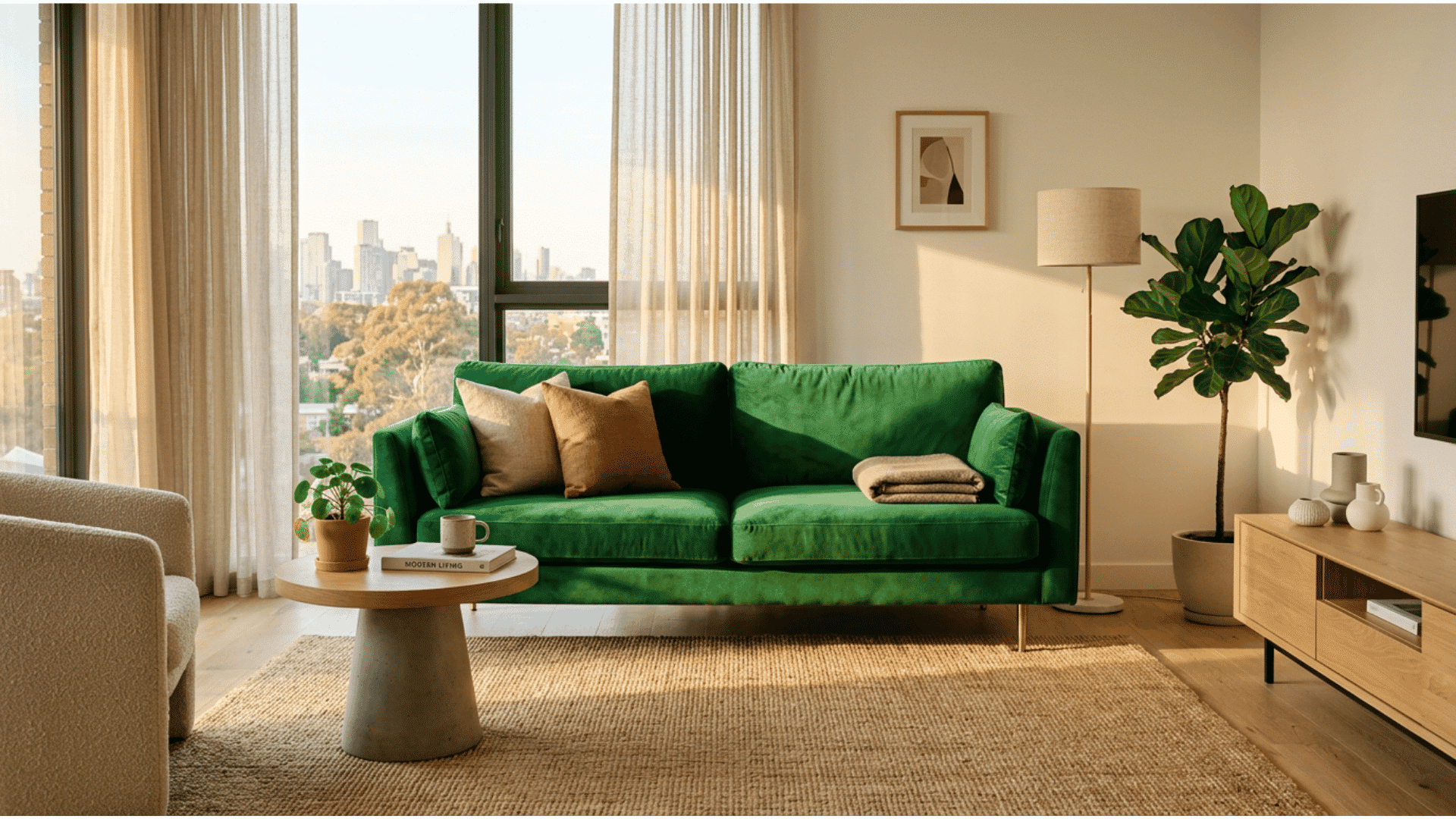
Rather than filling the room with a collection of medium-sized furniture pieces that compete with each other, choose one standout item – a bold sofa, a distinctive armchair, a sculptural shelf unit – and let everything else support it.
The room gets a visual focal point, and the supporting pieces stop fighting for attention.
45. Avoid Oversized Furniture in Small Rooms
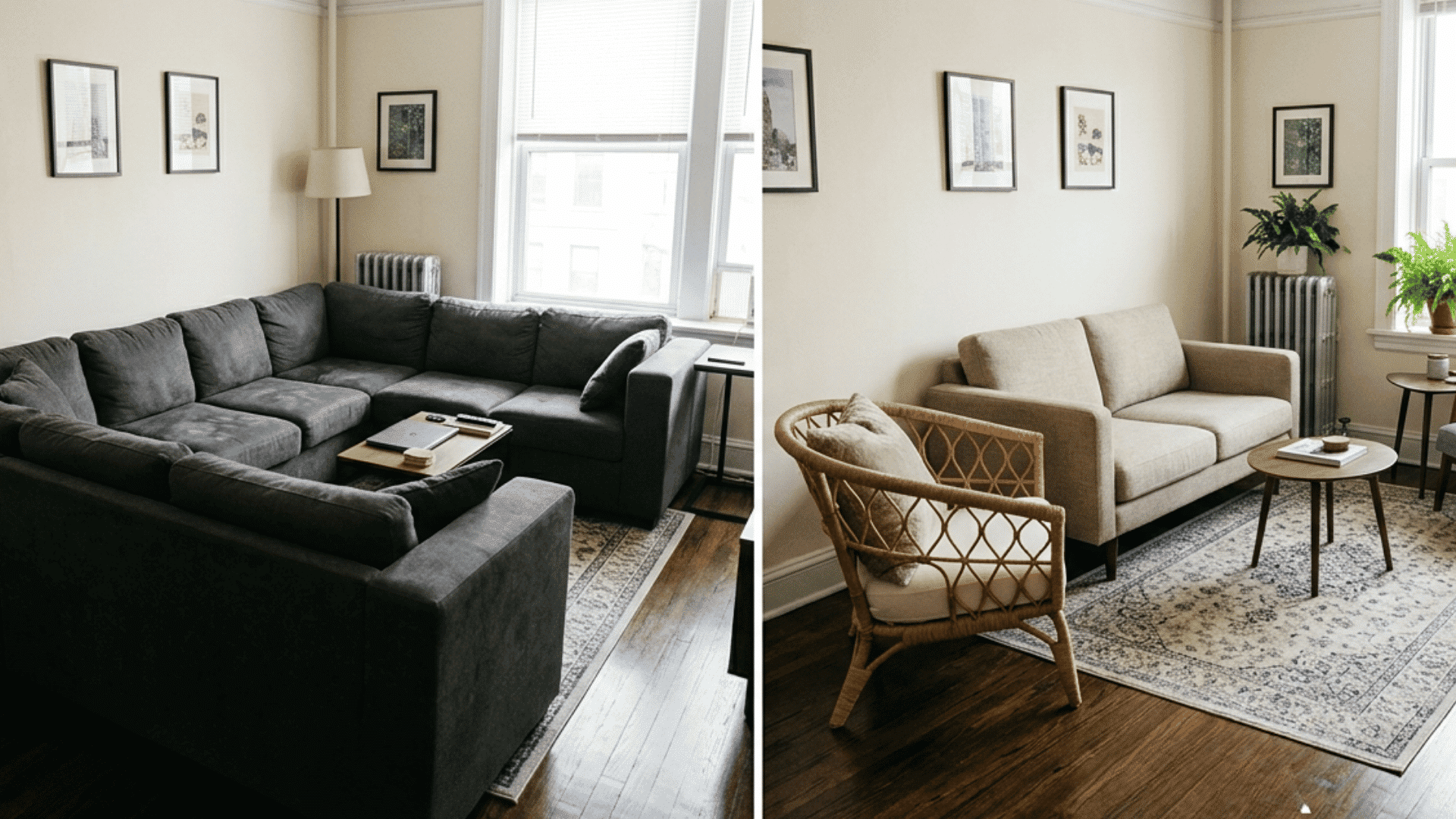
This seems obvious, but it’s the most common mistake.
A three-seater sofa that fills an entire wall, a coffee table you have to step around to reach the sofa, a TV unit that extends the full width of the room – all of these make a small room feel suffocating.
Scale down to two-seaters or loveseat sofas, slim-profile tables, and compact media units.
46. Pair Small Accent Chairs with Modular Sofas
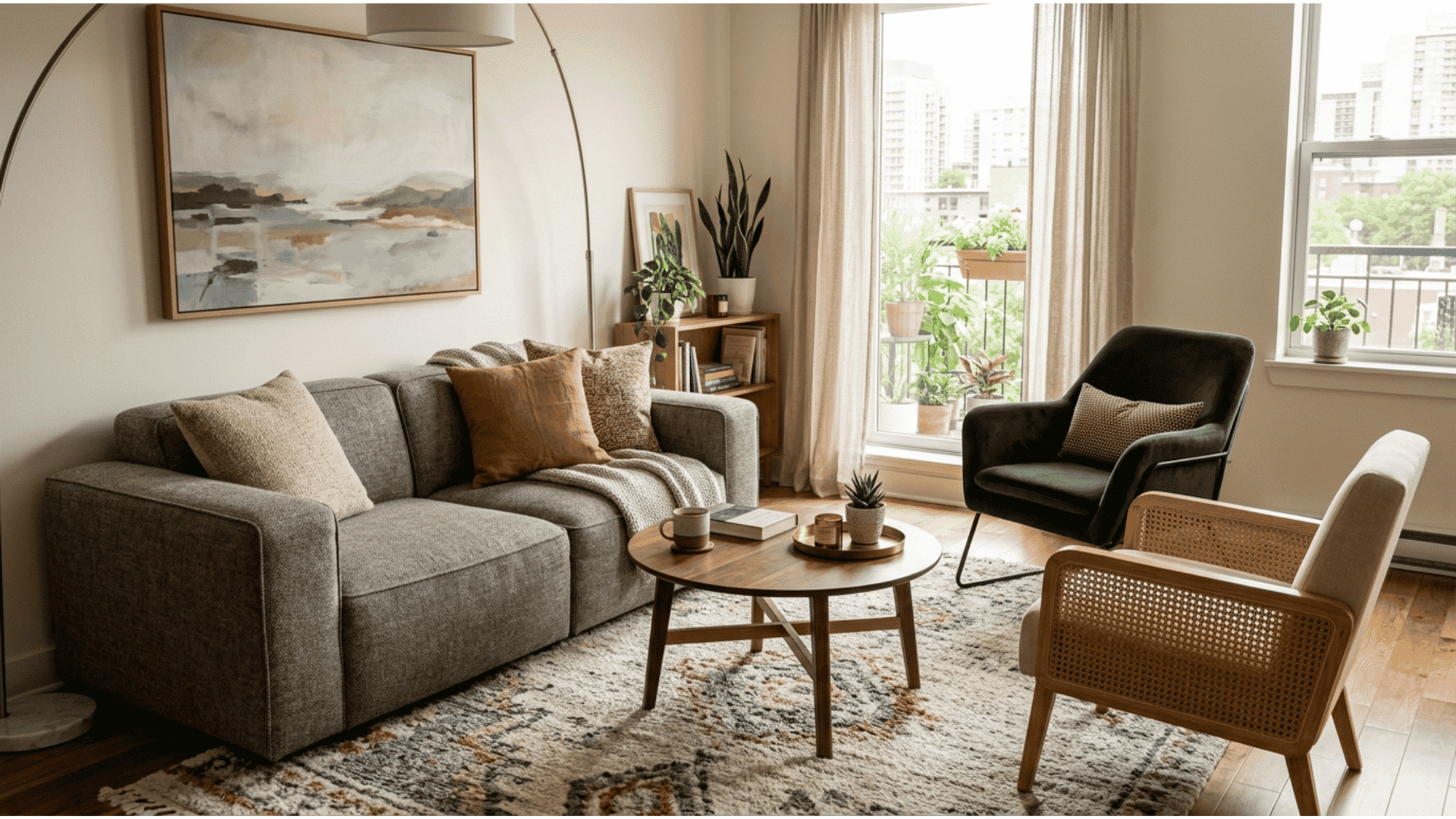
Instead of a fixed three-seater sofa, consider a two-seater modular sofa paired with two accent chairs facing it.
You get the same seating capacity, more flexibility for conversation, and the ability to pull the chairs away or rearrange them completely when you need the space.
47. Try a Diagonal Layout to Open Narrow Spaces
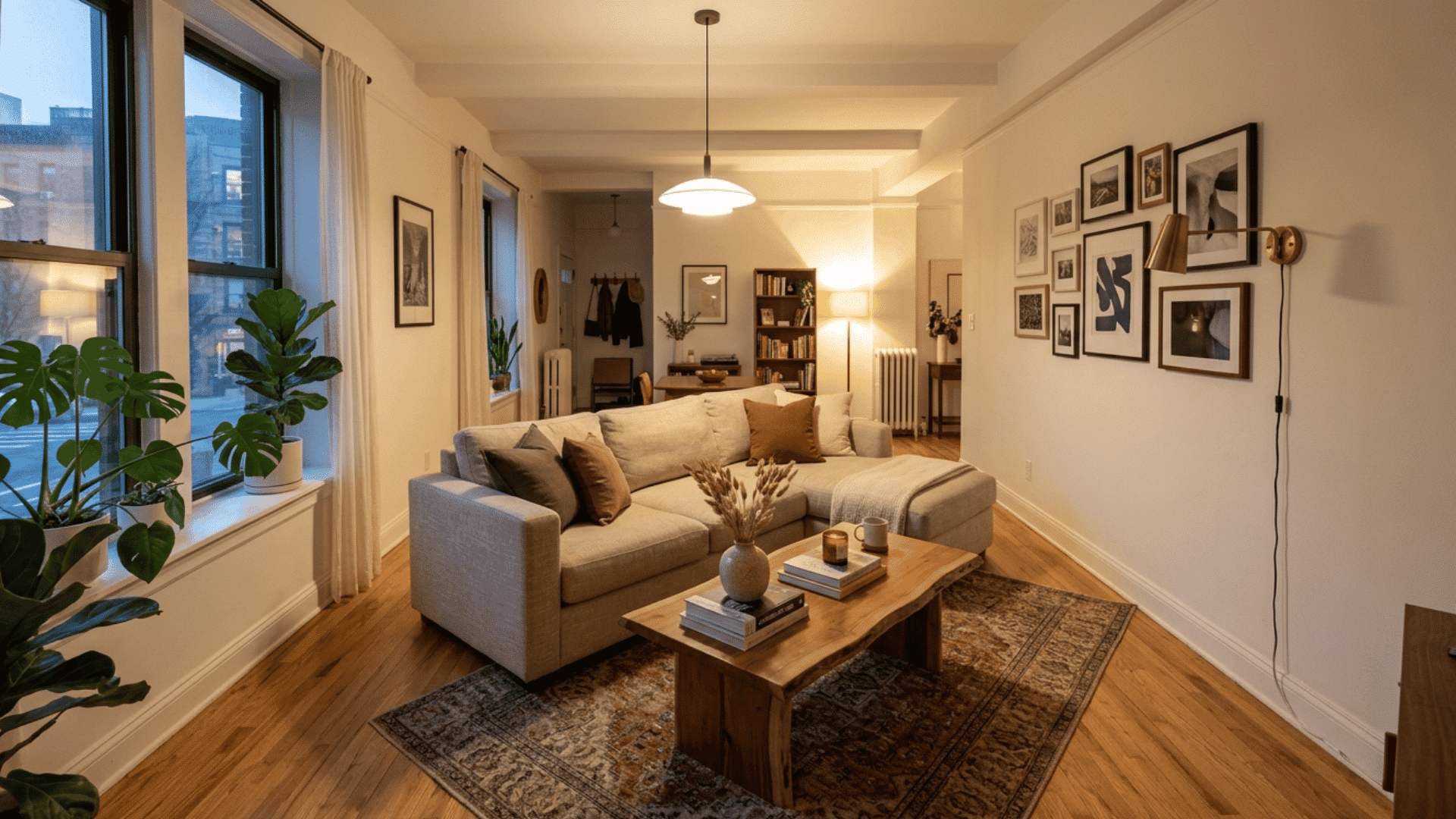
If your living room is long and narrow, placing your sofa and coffee table at a 45-degree angle to the walls breaks up the tunnel effect and creates a sense of width.
It feels counterintuitive, but it genuinely works – the diagonal line draws the eye across the width of the room rather than straight down its length.
48. Use Mirrors Strategically – Beyond the Cliché
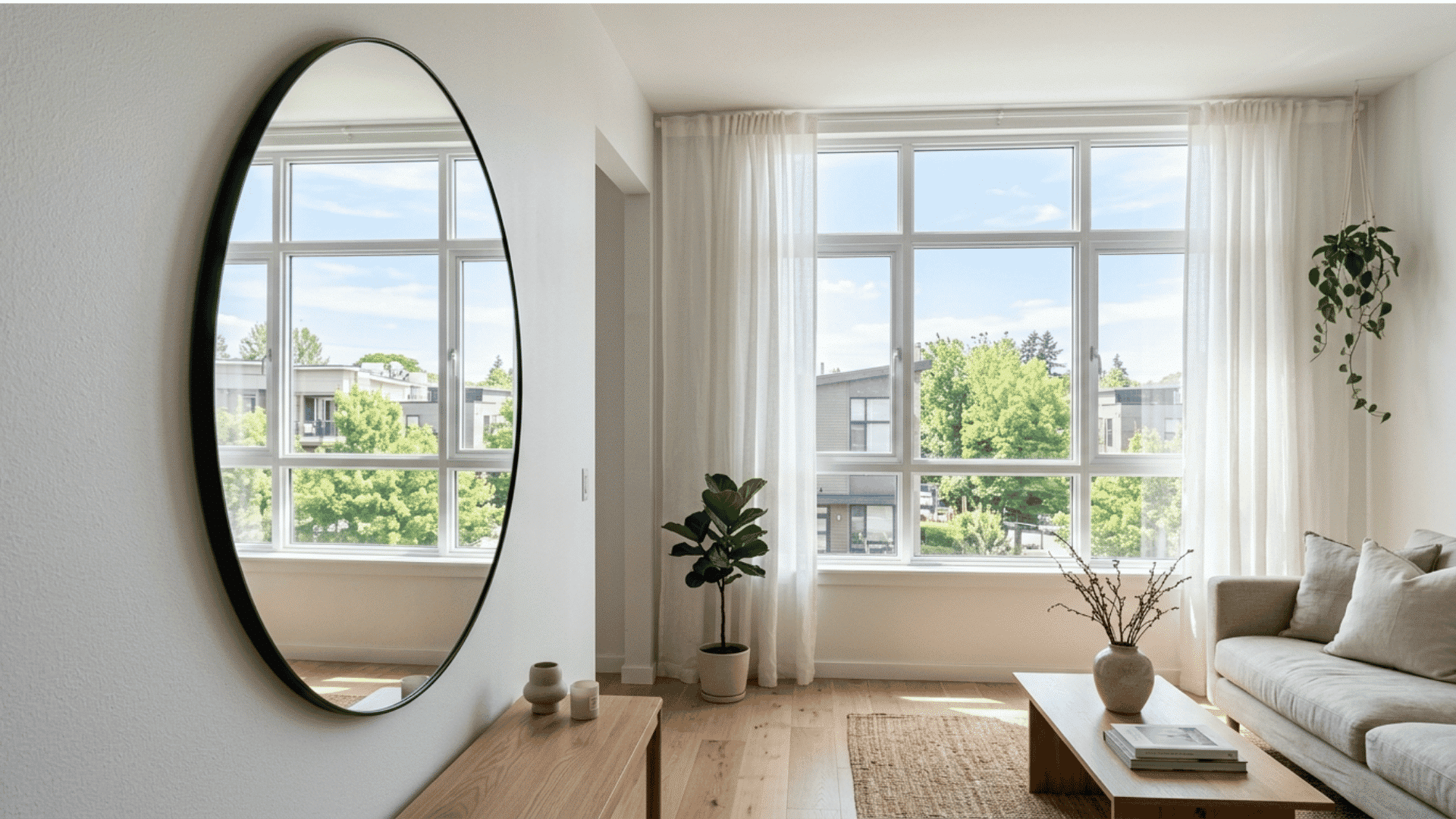
Yes, mirrors make rooms feel bigger. But placement matters. A large mirror placed behind a light source – a lamp or window – doubles the light in the room.
A mirror positioned to reflect an interesting view or a piece of art, rather than just bouncing the room back at itself, looks far more intentional.
Think about what the mirror is reflecting before you hang it.
Comfort and Cozy Vibes in Modern Apartments
Modern doesn’t have to mean cold. Some of the best contemporary living rooms I’ve seen are warm, textured, and deeply inviting.
These six ideas are about making sure your living room isn’t just good to look at but genuinely good to be in.
49. Create Mood Zones with Lighting and Texture
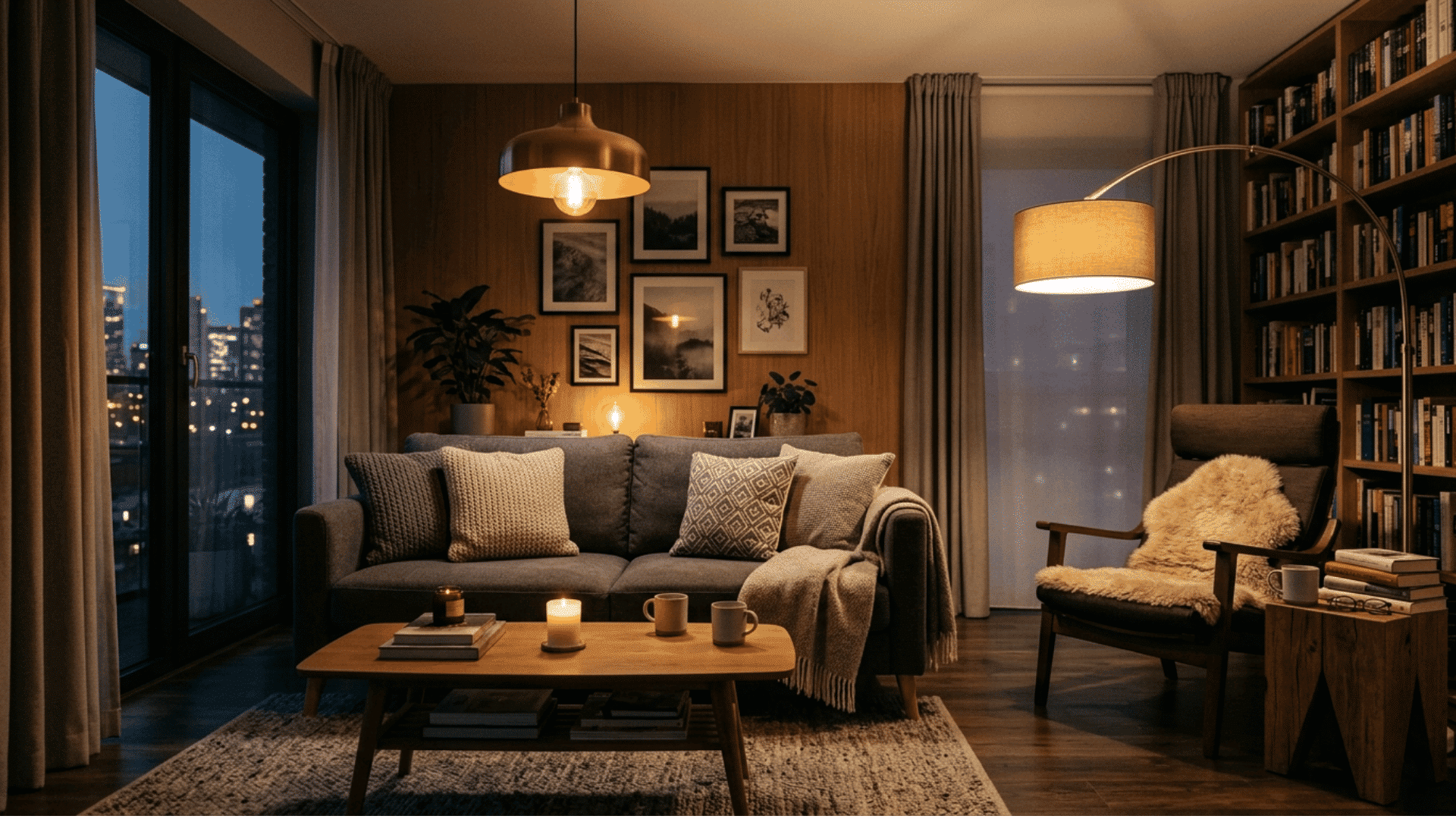
A reading corner with a warm lamp and a sheepskin throw feels completely different from the main sofa area with its overhead pendant and structured cushions – and that variety is exactly the point.
Different corners of the room should feel different, like different chapters of the same story. Give each zone its own lighting and texture signature.
50. Build Soft Seating Areas In Corners
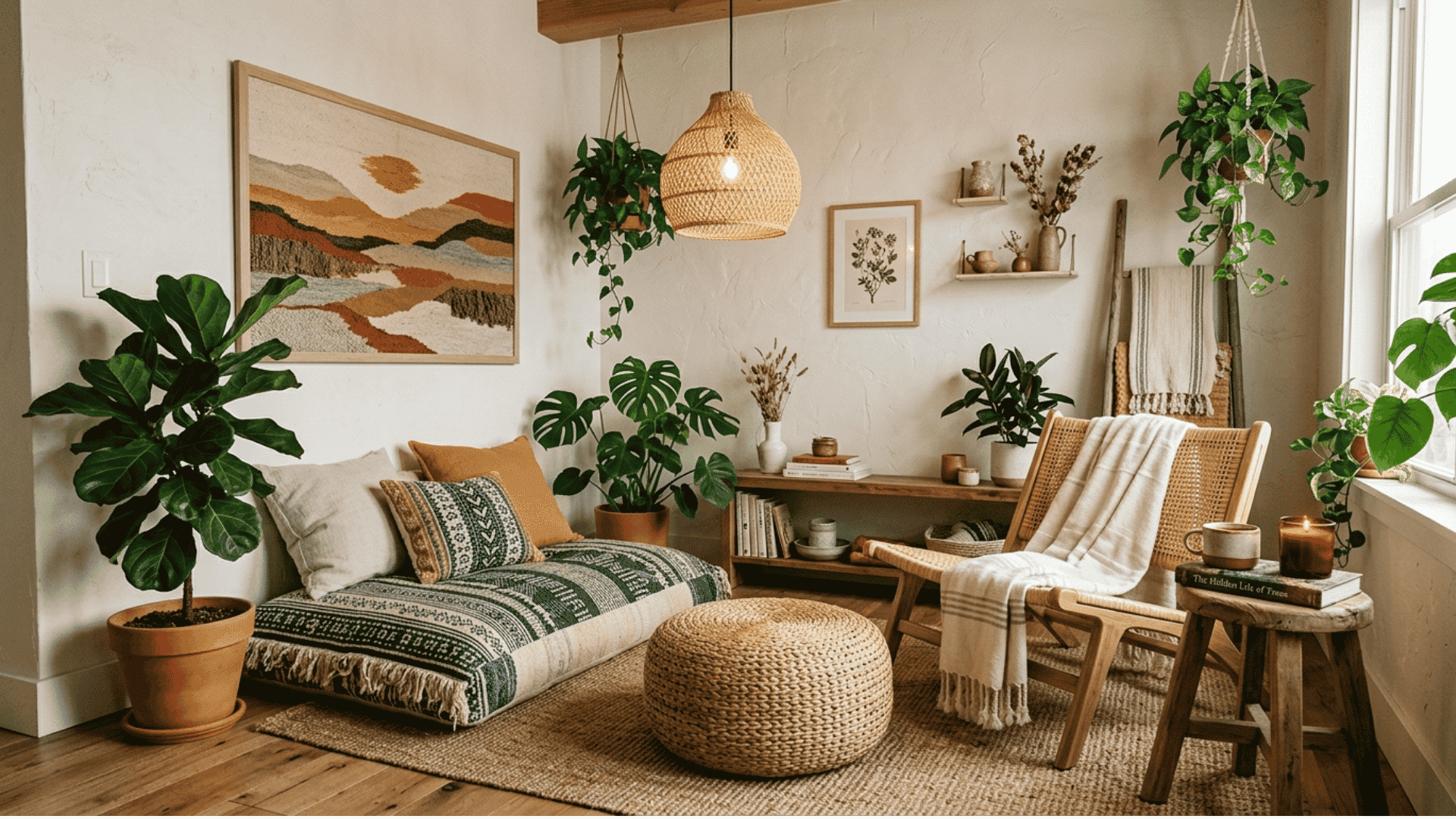
Floor cushions, poufs, and low-profile chairs tucked into corners create casual seating that invites people to settle in rather than perch politely on the sofa.
They’re particularly good for small gatherings, people naturally migrate toward them, and the room suddenly feels like it has more seating capacity than it technically does.
51. Layer Rugs for Warmth and Definition
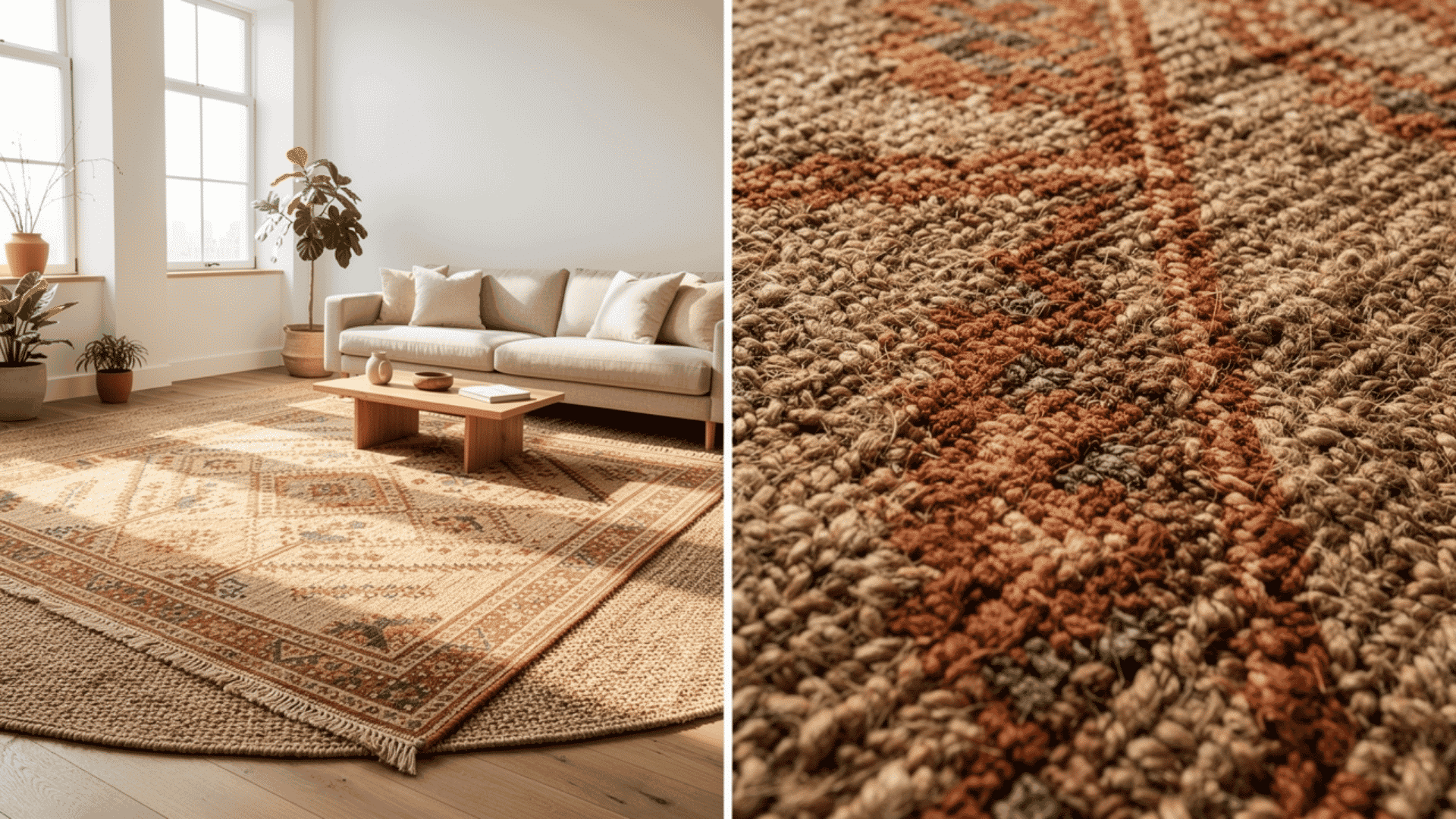
A large neutral base rug with a smaller, more textured or colorful rug layered on top adds visual depth and warmth without adding any clutter.
The layered rug look also lets you play with pattern and color in a forgiving way – if the combination doesn’t work, just swap the smaller rug out.
52. Create Window Seating with Storage Underneath
.png)
A window bay or even just a deep windowsill can become a built-in bench seat with cushions and storage drawers underneath.
It turns an architectural feature that’s often ignored into the coziest spot in the room, particularly if the window has a good view or gets good light.
53. Rotate Your Soft Furnishings with the Seasons
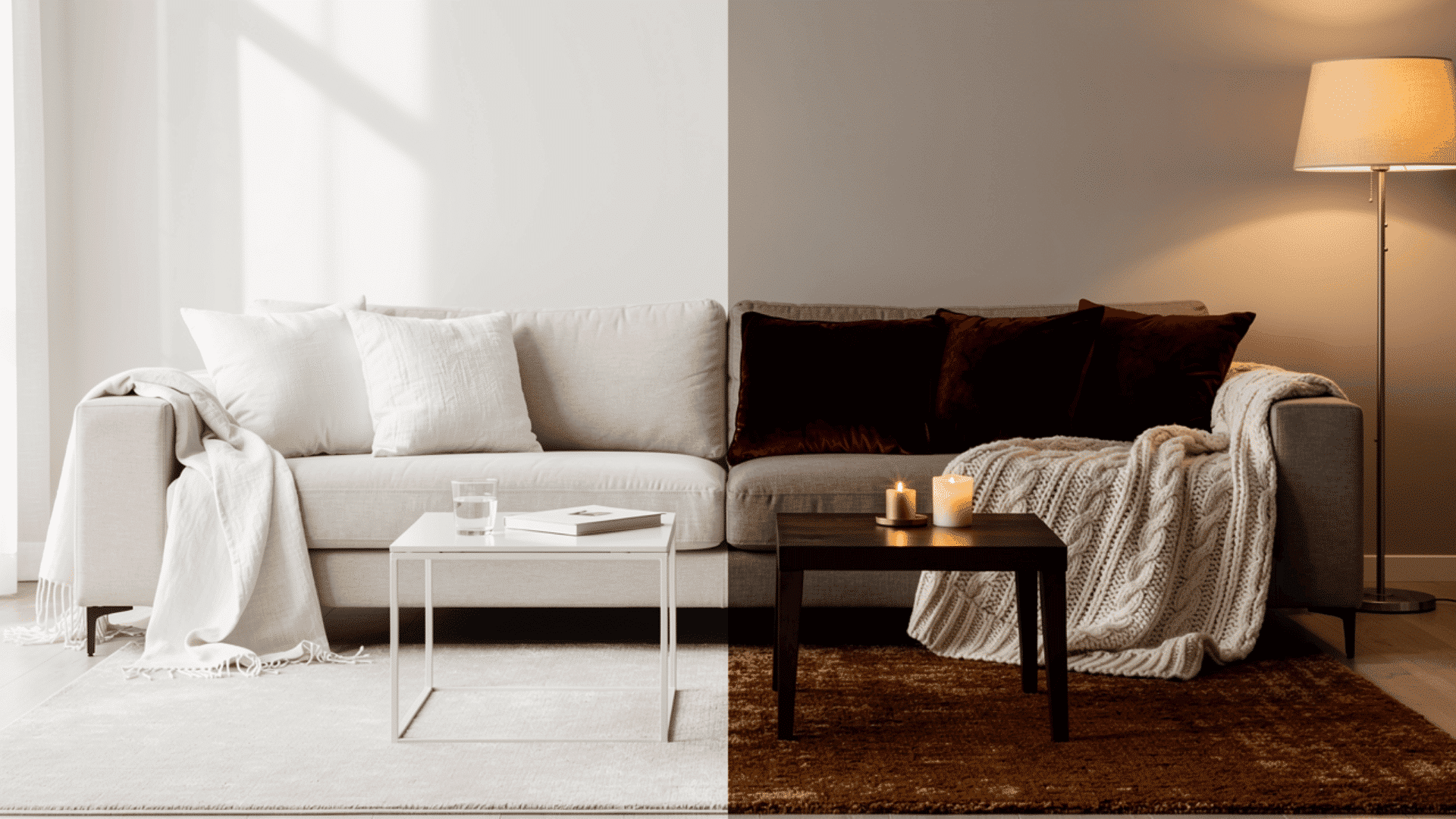
Swap out cushion covers, throws, and even small rugs seasonally. Linen and cotton in muted, natural tones for spring and summer.
Chunky knits, velvets, and deeper colors for autumn and winter. The room feels fresh and appropriate for the time of year without any major redesign effort.
54. Add Small Plants Intentionally, Not Randomly
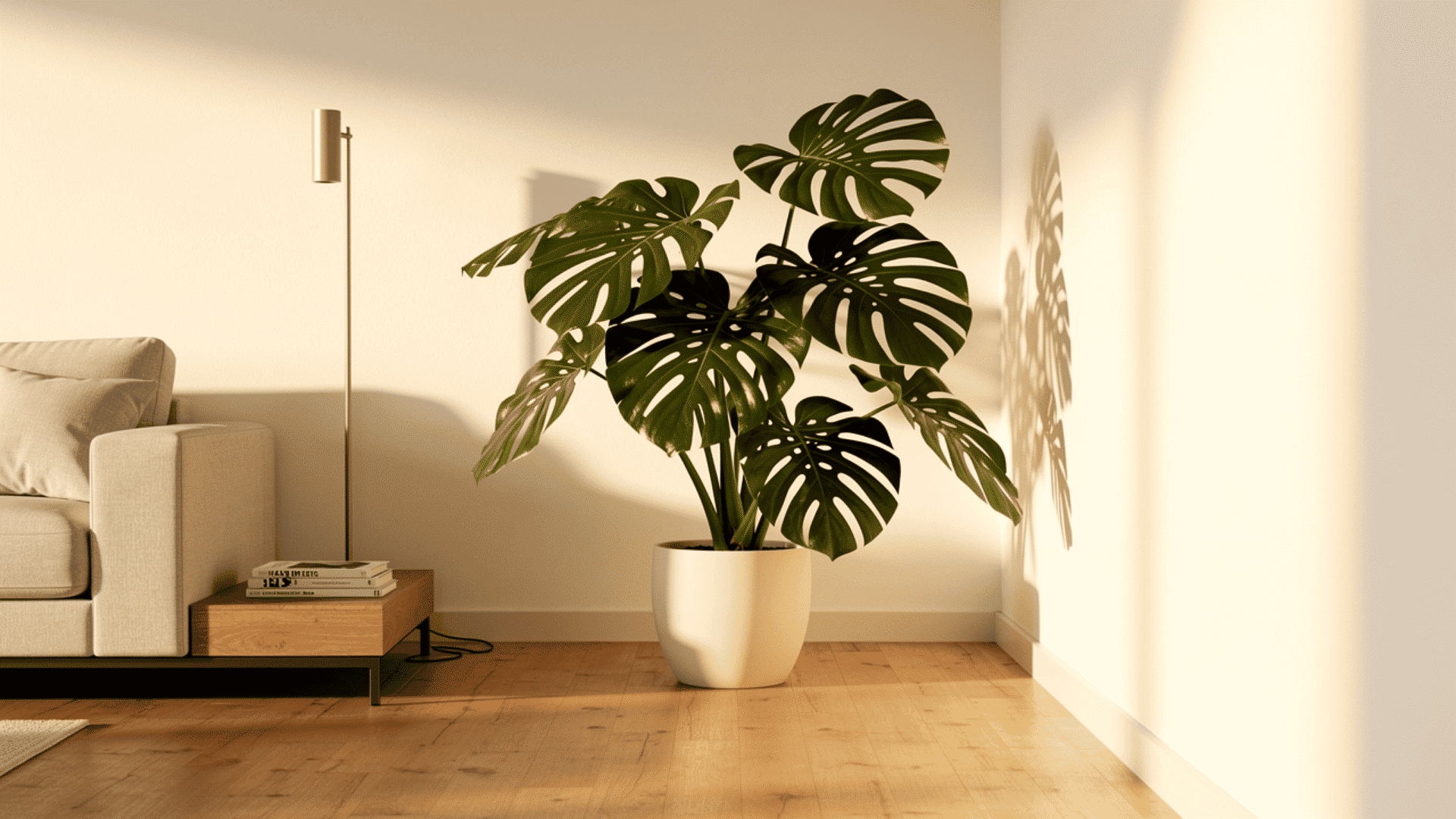
A single large-leaf plant in a corner – a fiddle-leaf fig, a monstera, a bird of paradise – makes more impact than six small plants scattered across shelves. And beyond looks, plants improve the quality of the air in a small apartment.
If you’ve struggled to keep plants alive before, start with a pothos or a snake plant – virtually indestructible and genuinely lovely.
Mistakes to Avoid
Even with the best ideas and intentions, certain habits can quietly undermine a living room. Here are six mistakes I’ve seen over and over and made myself that are worth knowing about before you start.
1. Overcrowding With Furniture
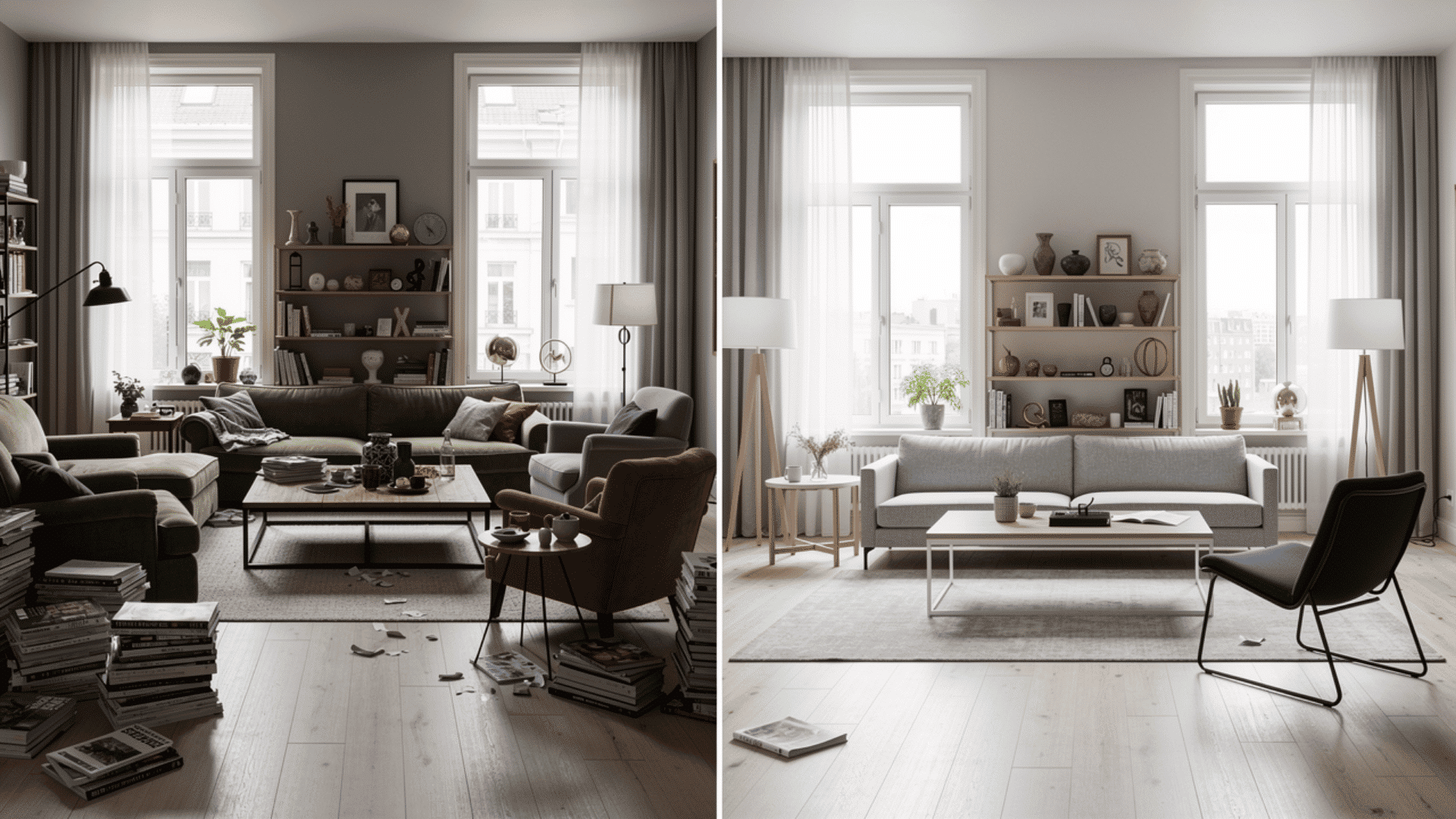
More furniture does not mean more comfort. In a small apartment, every additional piece of furniture shrinks the room visually and physically.
Be ruthless. If a piece doesn’t earn its place by being both used regularly and genuinely liked, it goes. Negative space – empty floor – is not wasted space. It’s breathing room.
2. Mixing Too Many Styles Without a Thread
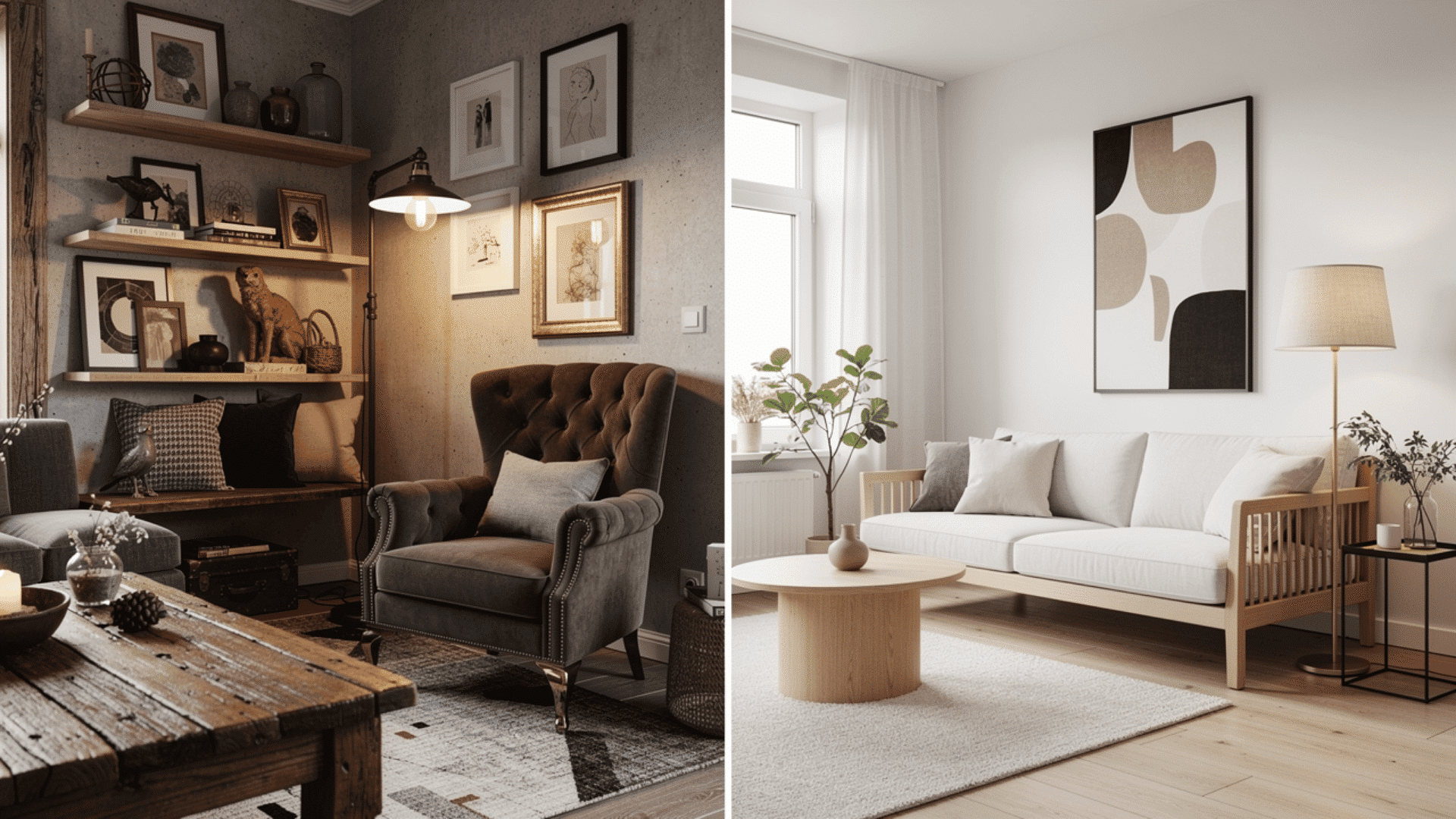
Eclectic design is beautiful when it’s intentional. But collecting furniture and décor from five different directions without a unifying element – a color palette, a material, a mood results in a room that feels restless and unresolved.
Pick one or two anchor styles (say, mid-century and Japandi) and let everything else support them.
3. Ignoring Vertical Space
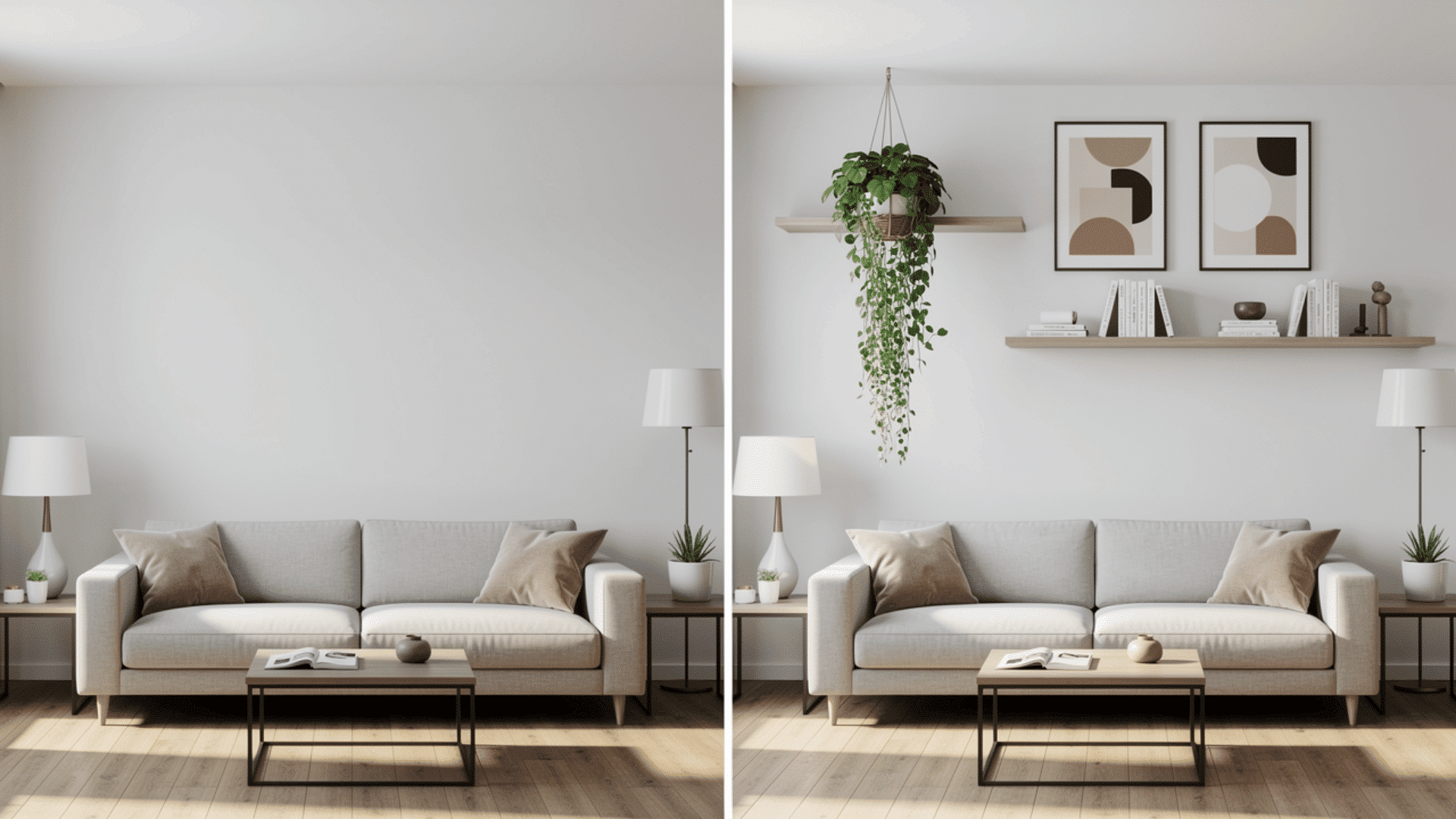
The area above your eye level – the top third of your walls – is almost always unused in apartments. This is where floating shelves, wall-mounted plants, hanging art, and architectural lighting can transform the perceived height of the room.
A room that uses its vertical space well feels taller, more designed, and more interesting.
4. Forgetting About Practical Daily Use
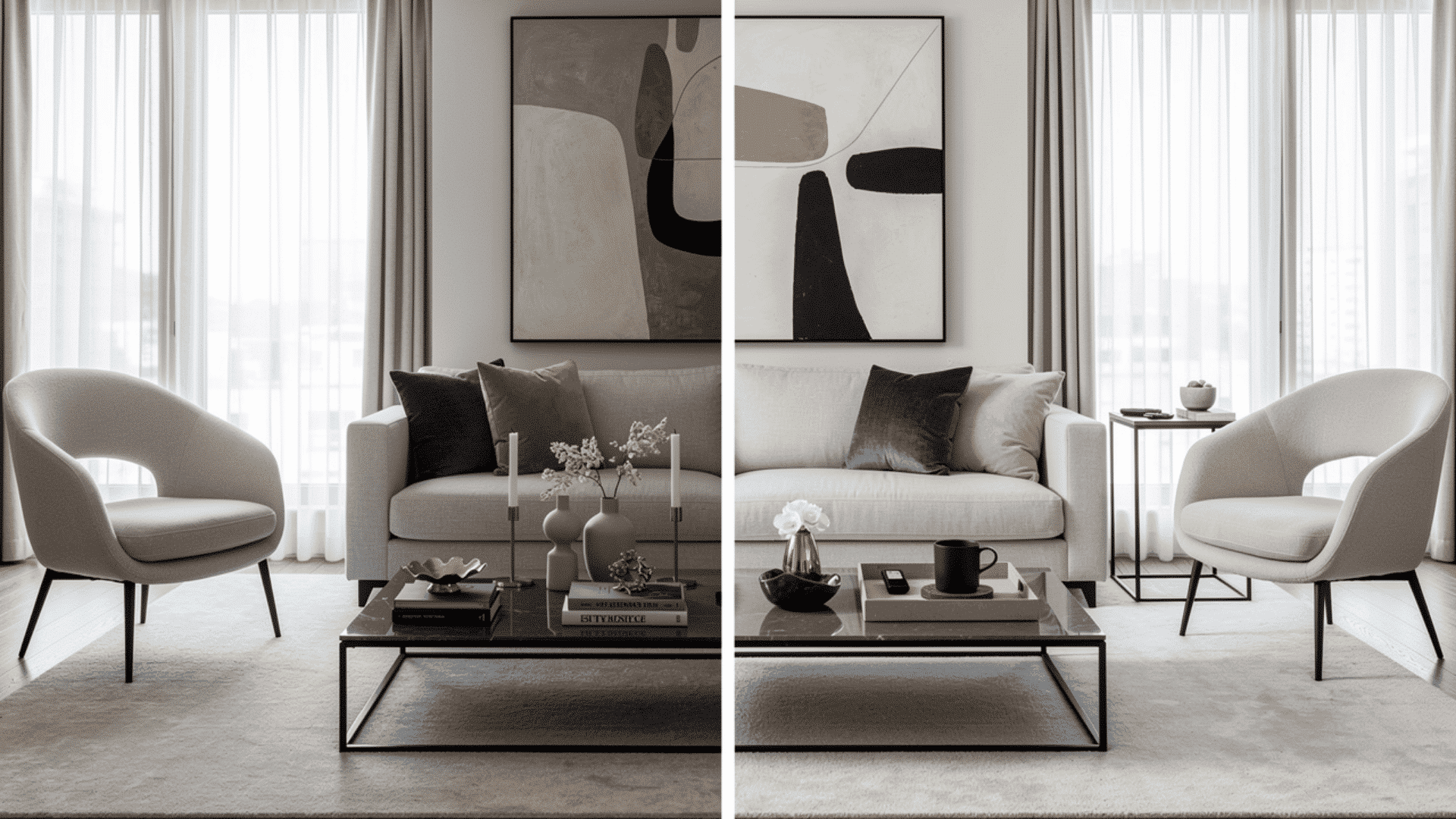
I’ve seen beautifully designed living rooms where you can’t find the remote, have nowhere to put your coffee cup, and have to move three decorative pillows to sit down. Design for the life you actually live.
If you watch TV every night, make sure the seating faces it comfortably. If you work from the sofa, make sure there’s a surface nearby. Good design should serve life, not replace it.
5. Choosing Décor Over Comfort
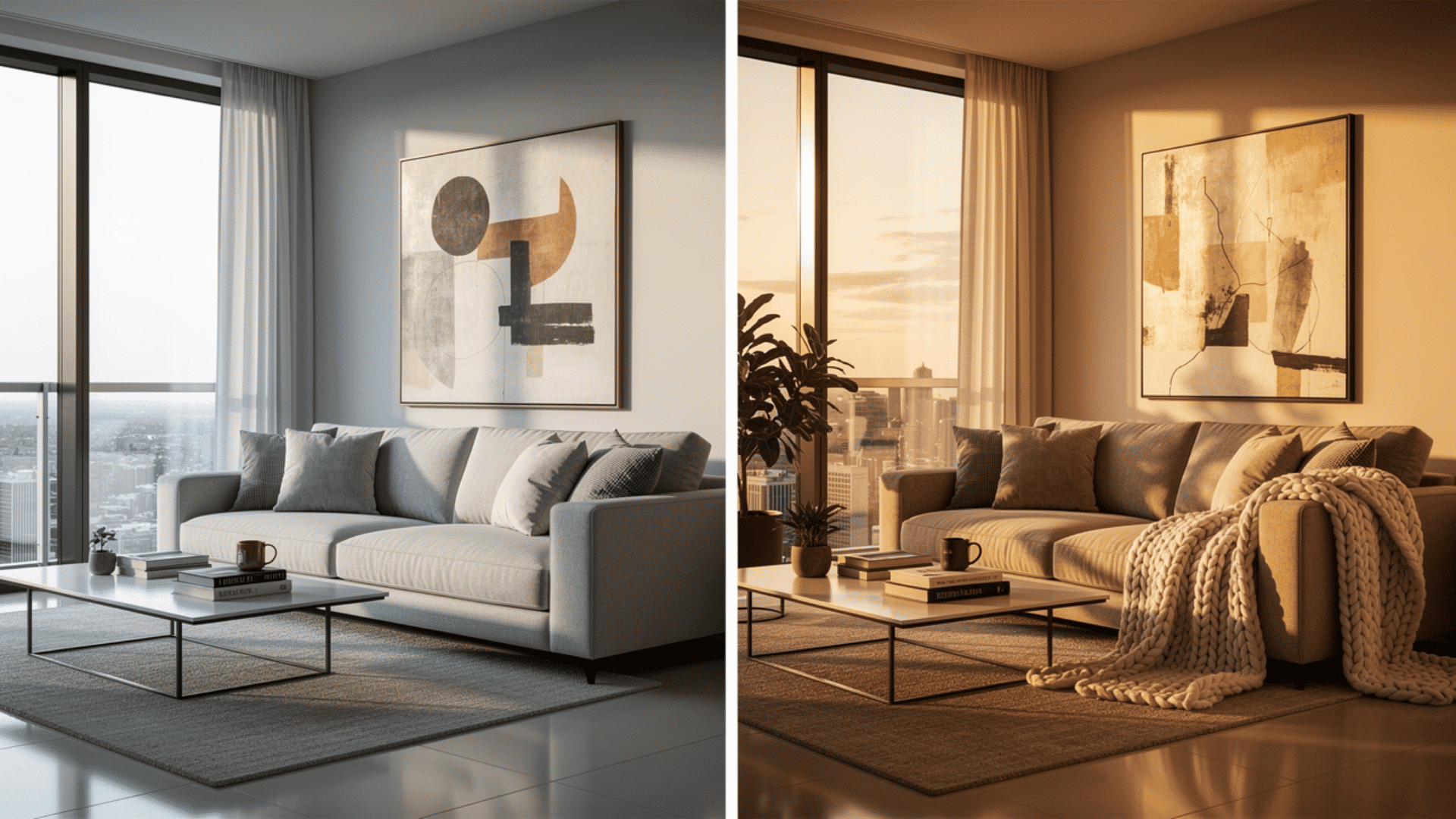
A sofa that photographs beautifully but is uncomfortable to sit on for more than twenty minutes is a design failure. A rug that looks beautiful but is cold underfoot in winter is a design failure.
Your living room is not a showroom. Make sure the things you interact with daily feel as good as they look.
6. Poor Lighting and Lack of Adaptability
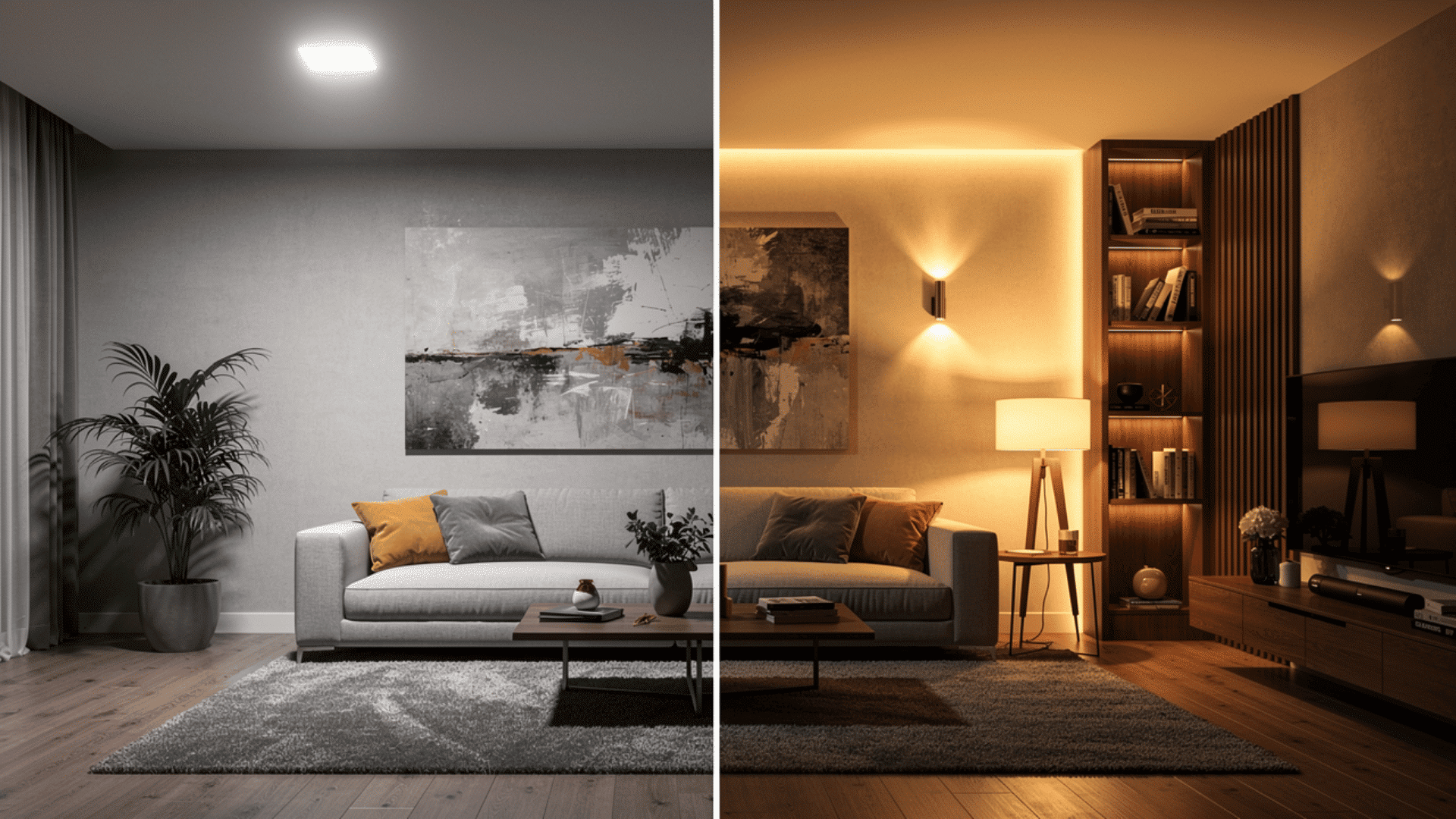
A single overhead light that can’t be dimmed, placed directly over the centre of the room, is one of the most common living room lighting mistakes.
It creates harsh shadows, it can’t be adjusted for mood, and it makes every hour of the day feel the same.
Build adaptability into your lighting plan from the start – multiple light sources, at least one on a dimmer, and ideally warm-toned bulbs throughout.
Final Thoughts
A better living room doesn’t start with a big budget or a complete overhaul. It starts with one honest look at what’s bothering you most about the space right now.
Maybe it’s the clutter with nowhere to go. Maybe it’s the lighting that makes everything feel flat. Maybe it’s furniture that’s too big and leaves you squeezing past it every day.
Pick one thing from this list that fixes your biggest problem first. Get that right, then move to the next. Small changes stack up faster than you’d expect, and before long, the room actually feels good to be in, not just decent.
Which tip are you trying first? Drop it in the comments, I’d love to know.
Frequently Asked Questions
How do I Make a Small Apartment Living Room Look Bigger?
Use light colors, pull furniture away from walls, and layer lighting instead of relying on one overhead light. A large rug, mirrors opposite windows, and removing clutter do more than any renovation.
What is the Best Furniture for a Small Living Room?
Multi-functional pieces like a storage ottoman, lift-top coffee table, and appropriately sized sofa are ideal. Each should serve at least two purposes. Avoid large sectionals to save space and prevent a cramped feel.
How do I Arrange Furniture in a Small Living Room?
Float your sofa a few inches from the wall and face seating inward around a central point, leaving a few inches for walking. Design based on your daily use, not just appearance.
What Rug Size Should I Use in an Apartment Living Room?
Bigger than you think. The front two legs of every seating piece should sit on the rug at a minimum. A rug that only fits under the coffee table makes the room feel disconnected.

With a Master in Architectural Studies from University of Pennysylvania, Marwa Haydar has pioneered living spaces since 2005. Her expertise, initially honed in a prestigious architectural firm, is evident in her approach to creating environments. Marwa became part of our team in 2019 and has since been a driving force in our home improvement section, known for her practical yet stylish solutions. She’s been spearheading our design workshops since then, infusing her passion for teaching into her work. In her leisure time, Marwa enjoys exploring historic architecture and is an enthusiastic pottery hobbyist, further enriching her understanding of form and texture.