
Have you noticed a bad smell coming from your laundry room lately? You might think your washer is always clean since it handles soap and water constantly.
However, hidden dirt and sticky soap scum build up inside the system over time. I have seen many people completely ignore this simple chore until their favorite clothes start smelling damp.
The good news is that figuring out exactly how to clean washing machine parts is actually very easy. In this post, I will share the exact routine I use to keep my own washer smelling incredibly fresh.
We will look at what common household supplies to grab, how to wash the metal drum properly, and simple daily tips to stop future mold.
Let’s start making your appliance look new again today.
What You Need to Get Started
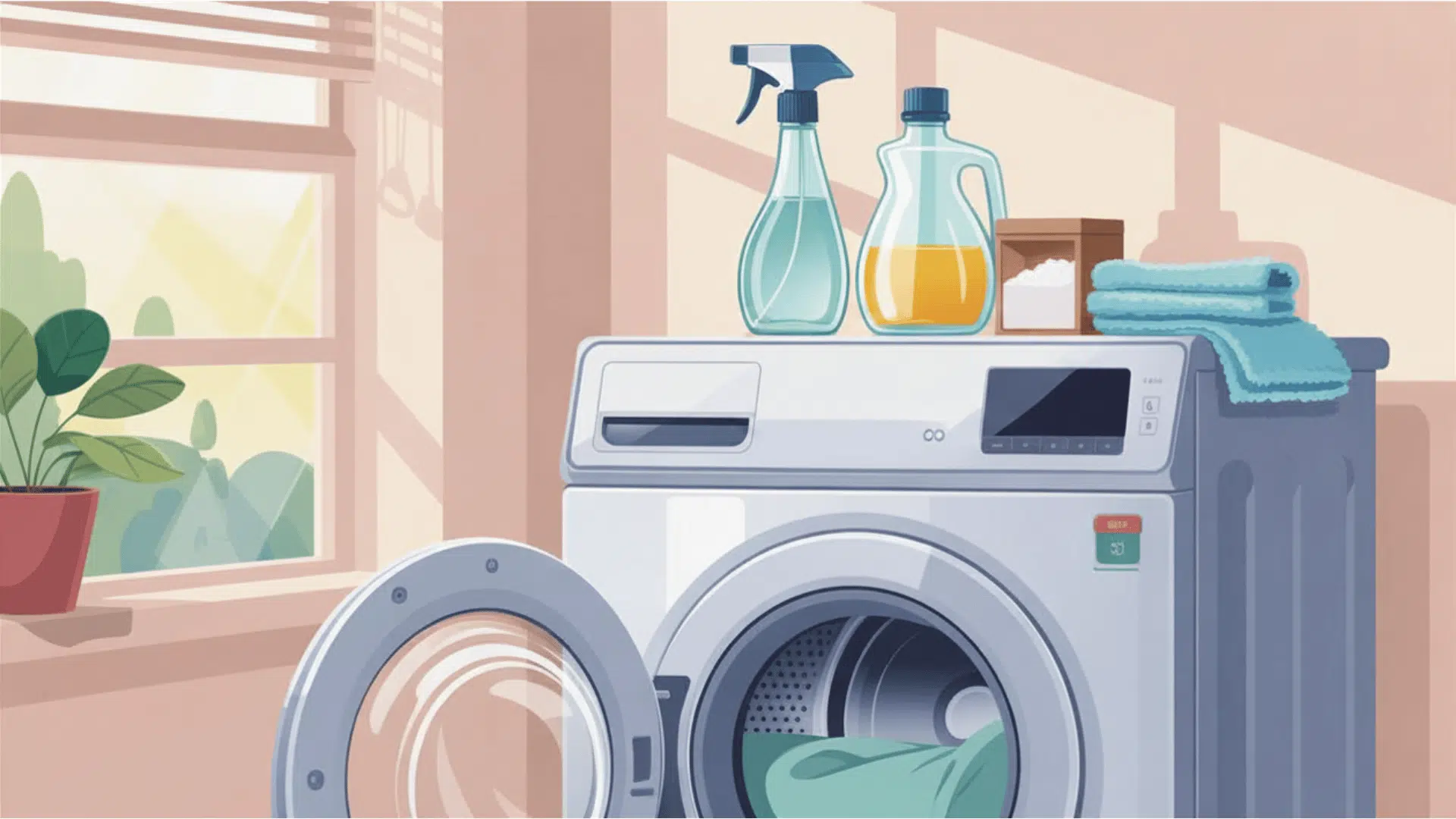
Before you begin, gather a few basic supplies you probably already have at home. You do not need expensive chemicals to get the job done. Here is what you need:
- White vinegar
- Baking soda
- Microfiber cloth
- Old toothbrush
- Spray bottle
I always recommend using white vinegar because it is a natural and safe cleaner that cuts through hard water stains.
You will also need baking soda to help scrub away stubborn grime and neutralize odors. A simple spray bottle filled with equal parts water and vinegar is handy for wiping down the exterior. Having these items ready will make the whole process much faster and smoother for you.
Step-by-Step Guide on How to Clean a Washing Machine
Now that your supplies are ready, it is time to tackle the cleaning process. I have broken this down into easy steps so you can follow along without feeling overwhelmed.
This method works well for both routine upkeep and deep cleaning sessions.
Make sure the room is well ventilated since vinegar has a strong smell. We will focus on the most important areas where dirt tends to hide, such as the detergent drawer and the rubber gasket.
By following these steps, you will understand how to clean washing machine systems safely.
Let’s walk through the exact routine I use to keep my own washer smelling fresh and working perfectly every single month.
Step 1: Empty and Wash the Dispenser
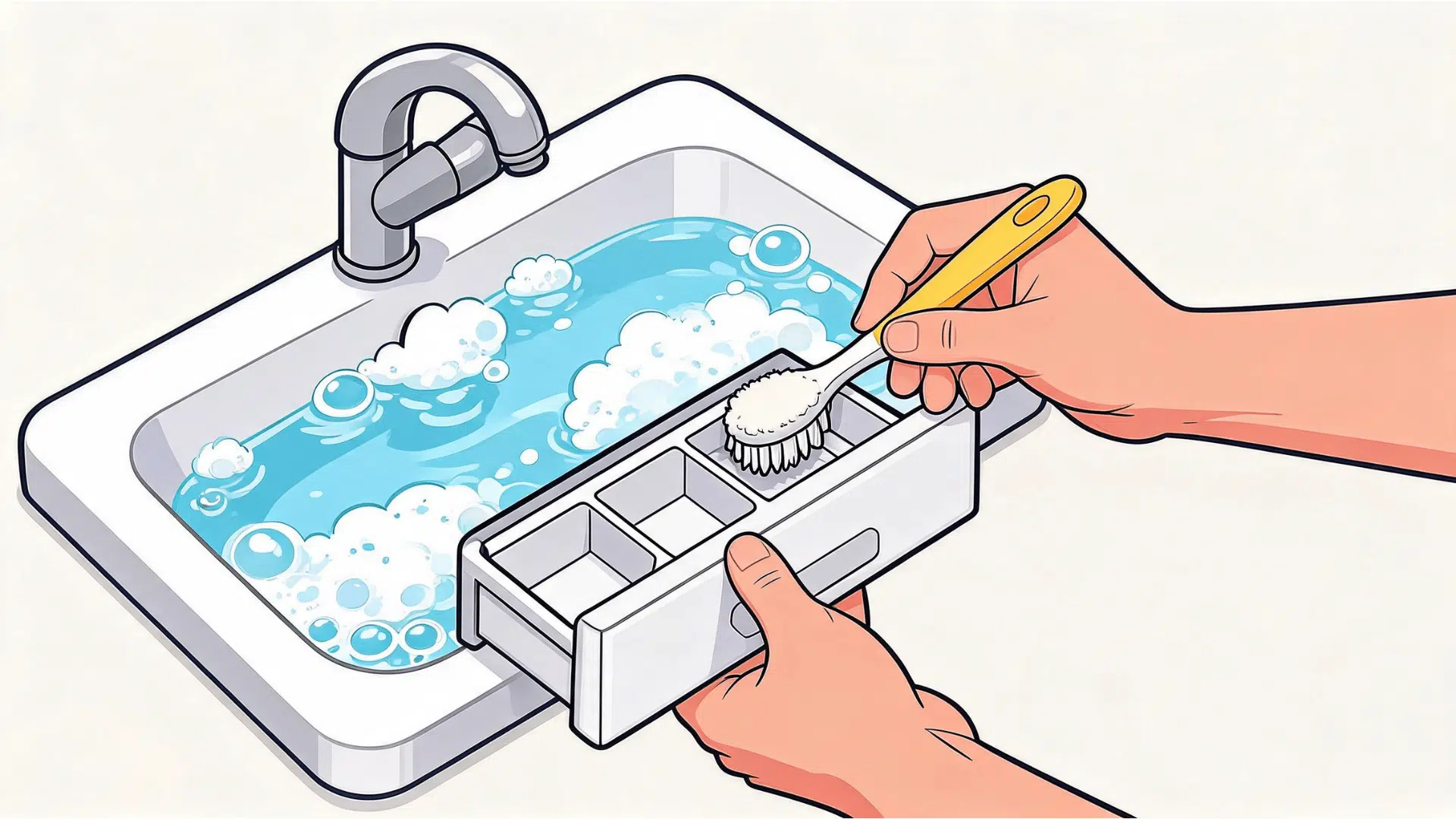
First, make sure the washing machine drum is completely empty. Carefully pull out the detergent and fabric softener dispenser drawer. I always soak this part in warm, soapy water for about ten to fifteen minutes.
Next, take an old toothbrush to scrub away any sticky soap residue or mold hiding in the tight corners. You want to make sure no grime is left behind. Rinse it thoroughly with clean water, dry it completely with a towel, and place it back inside.
This simple routine prevents mildew buildup over time and keeps your laundry smelling exceptionally fresh.
Step 2: Wipe Down the Rubber Seal
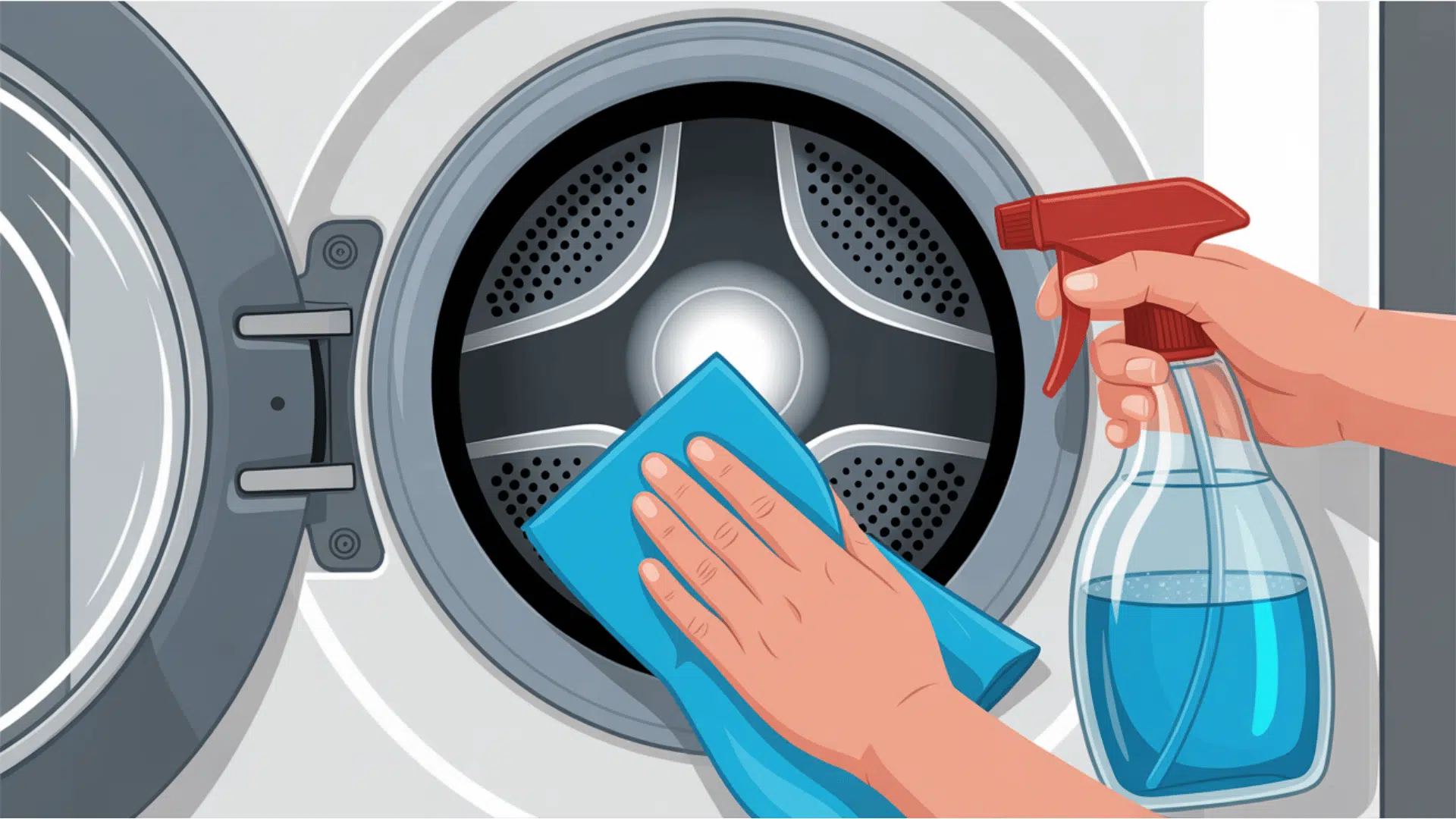
The rubber seal around the door traps lots of moisture, hair, and lint after every wash. I spray a strong mixture of white vinegar and water directly onto this gasket.
Use a dry microfiber cloth to carefully wipe inside the rubber folds. If you see tough mold spots, let the vinegar sit for at least ten minutes before wiping it away. You should repeat this process until no dirt remains on the cloth.
This ensures the seal stays completely clean and odor-free for your next laundry load. Leaving the door open afterward helps the rubber dry out completely.
Step 3: Run a Hot Cycle with Vinegar
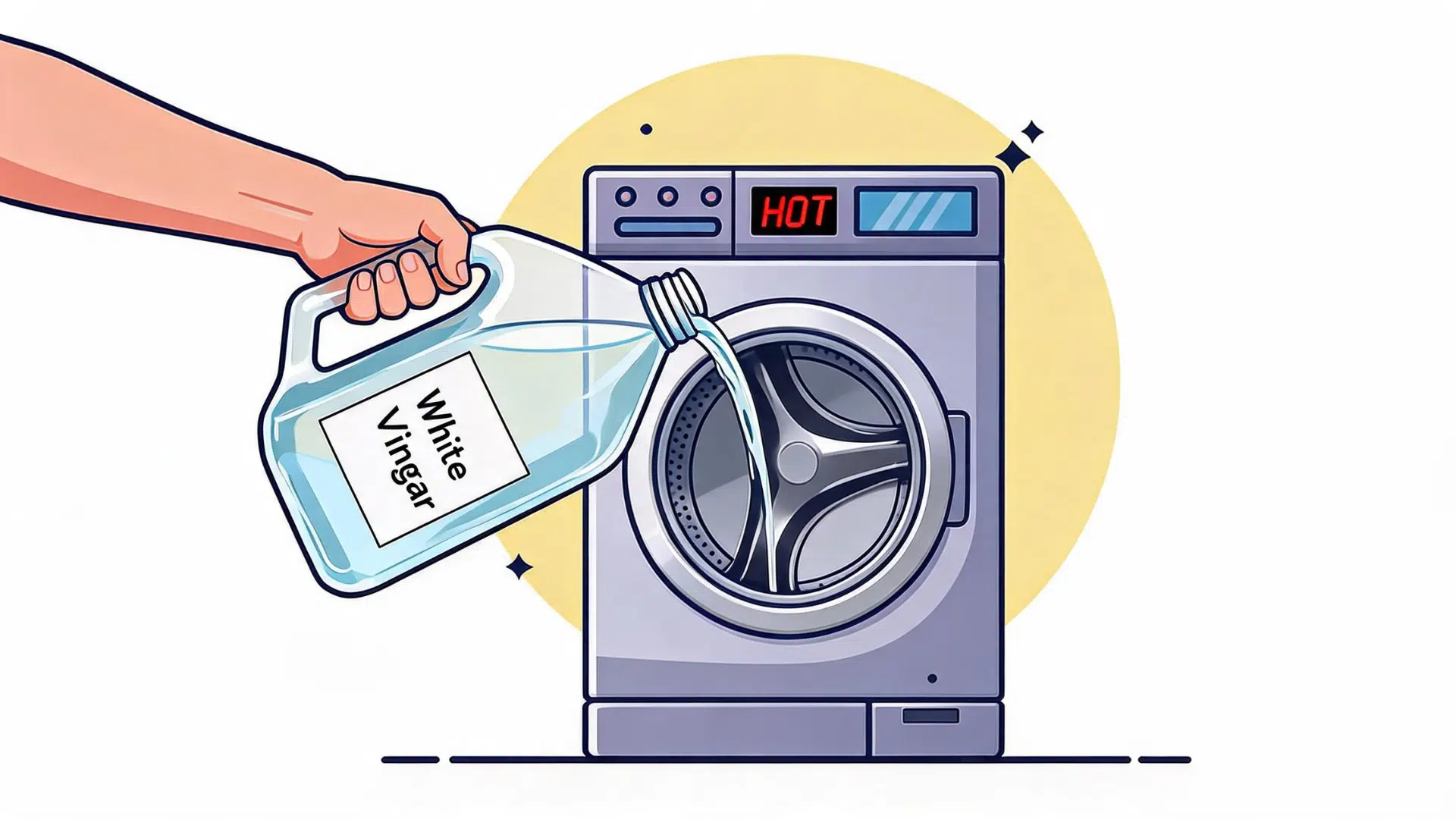
Next, pour exactly two cups of white vinegar directly into the empty drum or the detergent dispenser. Set your washer to the hottest water setting and choose the longest cycle available. Let the machine run completely without any clothes inside.
I find this hot vinegar wash effectively breaks down hidden mineral deposits, leftover detergent, and bad odors deep inside the system. The hot water combined with vinegar kills bacteria that cause musty smells in your clothes.
Doing this once a month provides a much better wash and keeps the internal hoses free of soap scum buildup.
Step 4: Scrub with Baking Soda
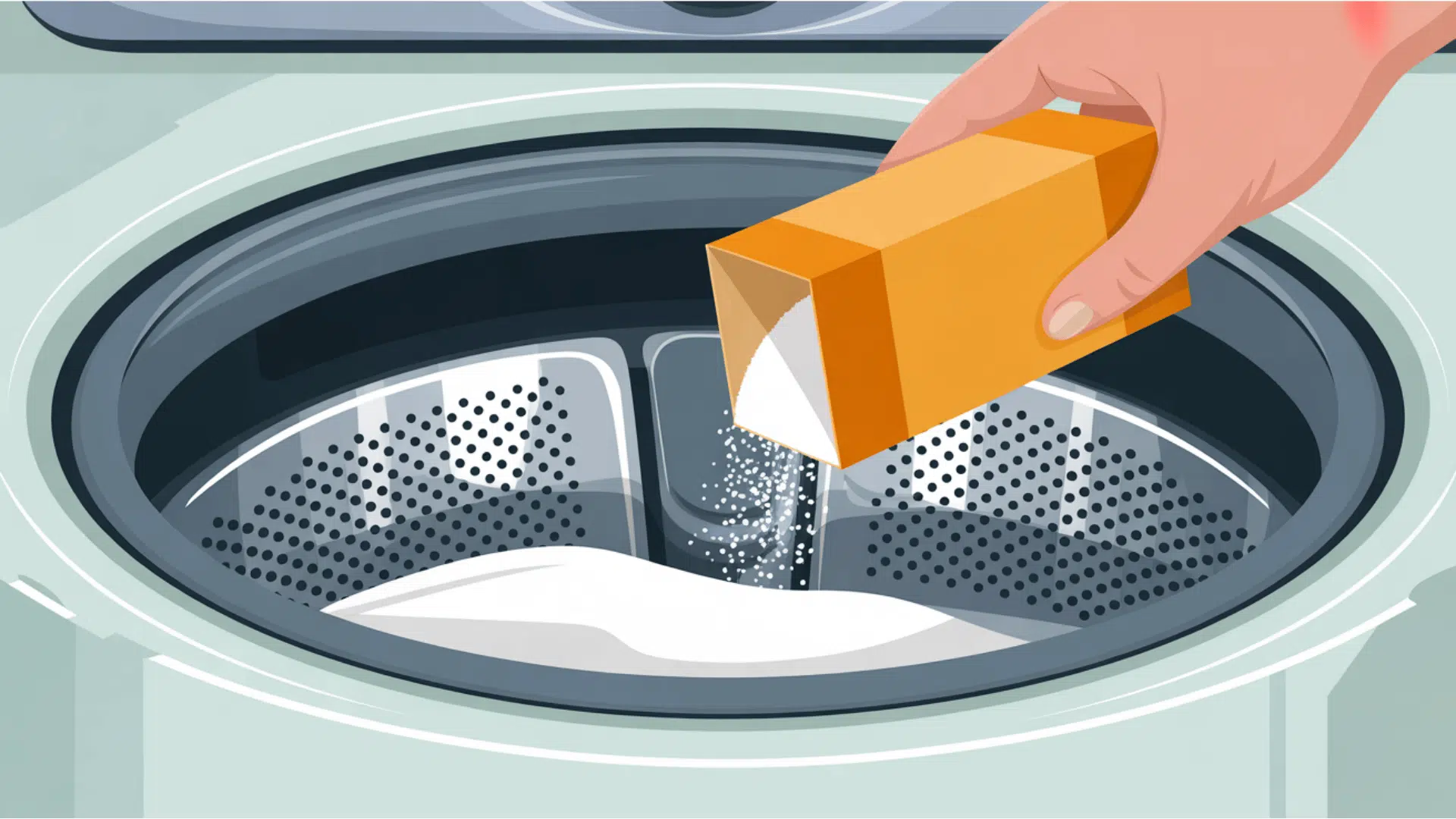
Once the vinegar cycle finishes, sprinkle half a cup of baking soda directly inside the drum. Run another hot-water cycle on the longest available setting.
The baking soda acts as a mild abrasive to gently scrub the inside of the drum while clearing out any lingering vinegar smells.
I love this step because it leaves the stainless steel interior shining and completely refreshed for future loads of laundry. It also neutralizes any remaining acids from the previous wash.
This two-step process guarantees your appliance stays clean, ensuring your favorite garments smell incredibly fresh every single time you wash them.
Step 5: Clean the Exterior and Filter
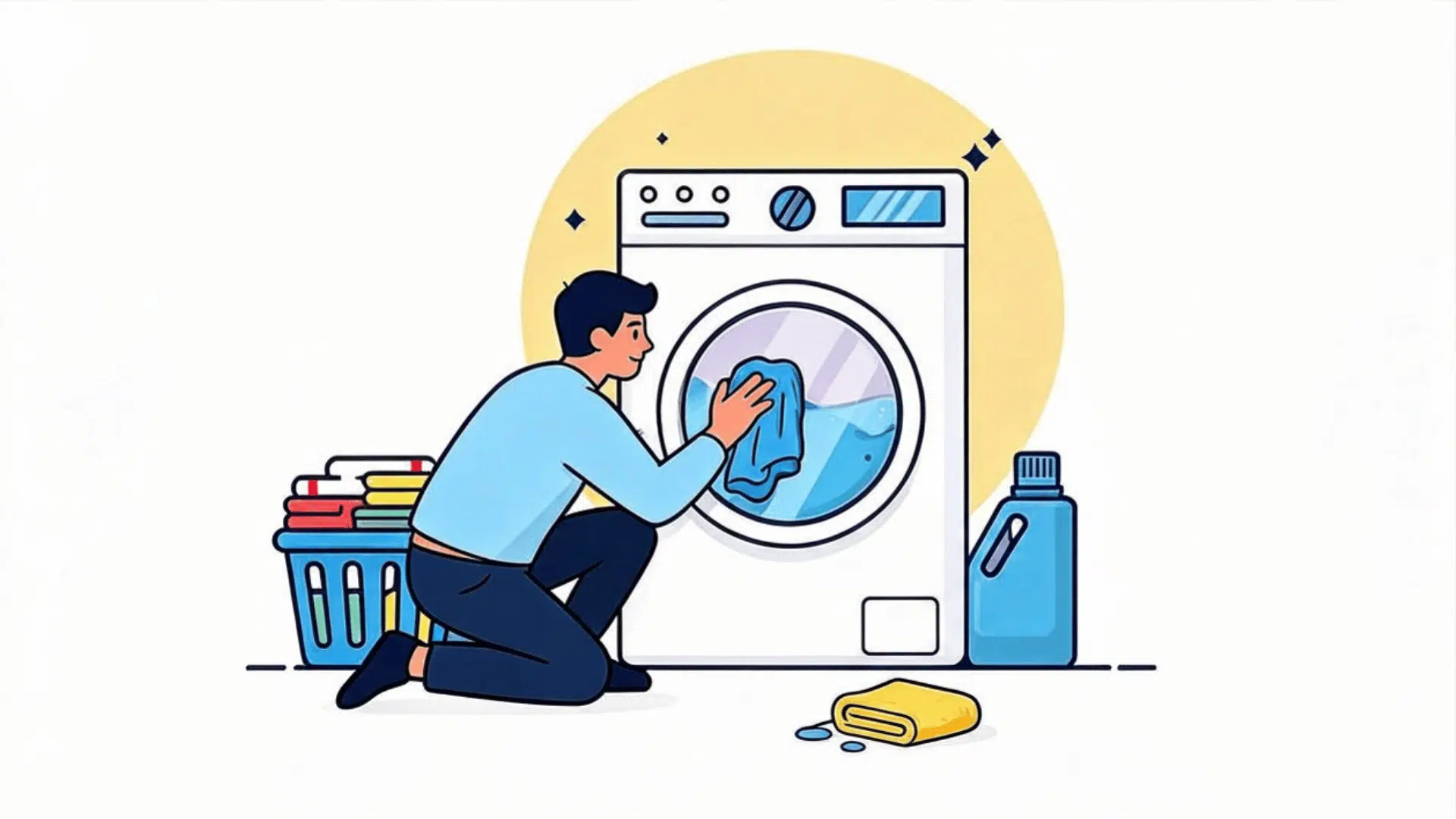
Finally, take a damp cloth and wipe down the entire exterior, including the control buttons and the front glass door. Do not forget to check the drain filter, usually located at the bottom of the machine.
I always recommend placing a dry towel down before opening it to catch any trapped water that spills out. Remove all the trapped debris, rinse the filter thoroughly under the tap, and put it back carefully. Doing this prevents unexpected clogs and drainage problems.
This final touch finishes the job properly and keeps your machine running well for many years to come.
What Makes Front Loaders Different from Top Loaders
Most guides on cleaning washing machines treat all models the same, but you need to adjust your cleaning method based on your machine type.
Front loaders require much more attention to the rubber door seal because water easily pools there, leading to rapid mold growth. I always leave my front loader door slightly open after every wash to let it air out.
Top loaders, on the other hand, tend to collect more dirt and grime under the central agitator. You can pause a top loader during the hot vinegar cycle and let the water soak inside the drum for an hour for better results. Knowing these small differences will help you properly maintain your specific model.
Here is a concise table that breaks down the cleaning differences between the two types of washing machines. I have included a few extra points to ensure you know exactly how to treat your specific model.
| Cleaning Aspect | Front Loaders | Top Loaders |
| Primary Mold Risk | Water easily pools in the rubber door seal, causing fast mold growth. | Less prone to mold, but dirt and grime collect heavily under the central agitator. |
| Daily Maintenance | Must leave the door slightly open after every wash to let it air out. | You can leave the top lid open, but moisture escapes much easier on its own. |
| Deep Clean Soaking | You cannot easily pause the wash cycle to soak the drum because the door locks. | You can pause the hot vinegar cycle and let the water soak inside for an hour. |
| Main Target Areas | The thick rubber door gasket and the front detergent drawer need the most attention. | The central agitator and the upper rim of the metal drum need the hardest scrubbing. |
| Drain Filter Cleaning | Usually has a small access door at the bottom front that needs manual clearing. | Most rely on self-cleaning pumps or hidden lint traps rather than front access filters. |
| Adding Cleaners | Vinegar and baking soda usually go into the dispenser drawer to flush the system. | Cleaners are poured directly into the open drum filled with hot water. |
How to Prevent a Dirty Washer
While you cannot skip deep cleaning entirely, you can easily stop bad odors and thick grime from taking over your machine. I always tell people that daily maintenance saves a lot of time.
If you treat your washer well with every load of laundry, you will not have to scrub it as often.
Many people unknowingly cause their own appliance problems by making simple mistakes. Taking just one extra minute before and after you wash a load makes a huge difference.
I follow a few basic rules to keep my laundry room smelling fresh and my appliances working all year round perfectly.
Here are my favorite tips to stop dirt buildup before it starts:
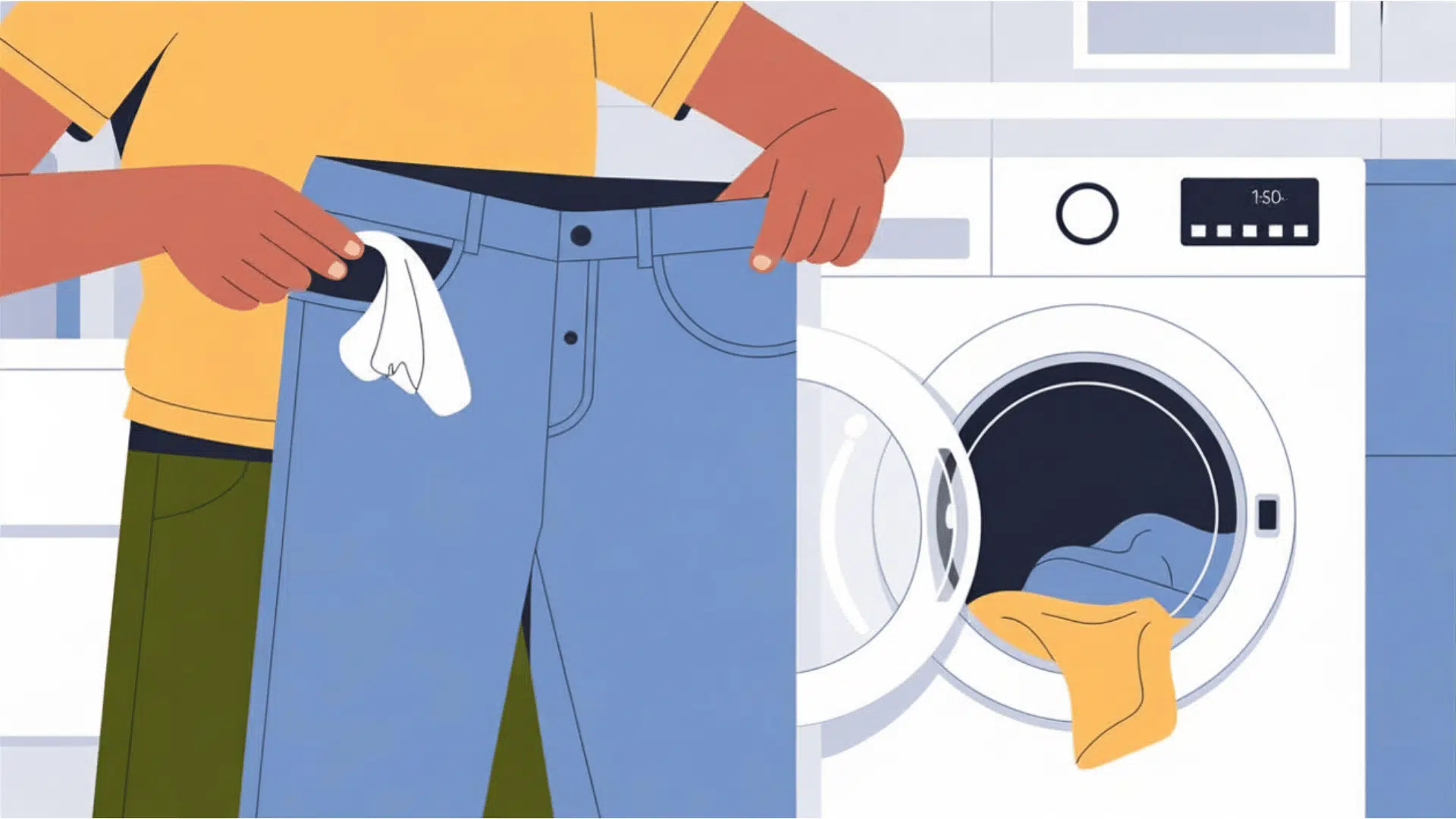
- Empty Every Pocket: Always check your pants and jackets before washing them. I often find forgotten tissues, wrappers, or loose coins that can easily clog the drain filter and cause a huge mess.
- Rinse Muddy Clothes First: Never put heavily soiled items straight into the drum. Hose off thick mud outside or in a sink; otherwise, that dirt just circulates and sticks to your washer walls.
- Inspect the Door Seal: After taking your clean laundry out, quickly check the rubber gasket. Small items like baby socks or hair ties often get stuck in the folds and block the flow of water.
- Measure Your Soap Carefully: Using too much liquid soap creates extra bubbles that trap dirt and moisture. Always use the correct amount of high-efficiency formula to prevent sticky soap scum from forming.
Simple Habits to Keep Your Washer Fresh
Cleaning your washer once a month is great, but daily habits matter just as much. I suggest leaving the door or lid open after every laundry session to allow moisture to escape. This single habit prevents most odors from forming.
Always remove wet clothes immediately after the cycle ends so dampness does not linger inside. I also wipe down the glass and the rubber gasket quickly with a dry towel at the end of laundry day.
Use the correct amount of high-efficiency detergent, as using too much creates excess suds that trap dirt. These small daily actions will greatly extend the life of your appliance.
Signs You Need a Professional Cleaning and Maintenance
Sometimes, home cleaning routines are simply not enough. I always suggest scheduling regular preventive maintenance with a professional technician to keep your laundry operations running smoothly.
If you lack the time to properly tend to your machines, hiring an expert saves you a massive headache and a lot of energy. You should call for professional help immediately if you notice any of these serious red flags:
- Rotten egg smells: A foul odor coming directly from your washer’s filters that will not go away.
- Moldy rubber seals: Thick, dark mold growing on the gasket that regular scrubbing cannot remove.
- Built-up detergent: Heavy, hardened soap residue stuck deep inside the machine’s dispensing drawers.
- Musty clothes: A strong, damp smell lingering in your garments right after finishing a wash cycle.
- Limescale residue: Chalky white spots or mineral stains visibly coating your freshly washed laundry.
Final Thoughts
Figuring out how to clean washing machine units does not have to be a difficult chore. By following this simple routine with vinegar and baking soda, you can easily remove bad odors and grime.
I always feel much better knowing my clothes are being washed in a truly clean environment.
Remember to leave the door open after each load and wipe down the seal to prevent future issues. Your machine will work better and last much longer when you give it a little care.
Share this guide with a friend who might need a reminder to freshen up their laundry routine today!
Frequently Asked Questions
Does Washing Silk Leave Residue in the Drum?
I often find that washing fine fabrics on gentle cycles leaves undissolved detergent behind. Since cold water does not break down soap easily, you must run a hot cycle monthly to stop this sticky buildup from ruining your clothes.
How Can I Clean Hard Water Scale from the Sensors?
I suggest soaking a cotton swab in white vinegar to gently dab the internal sensors. Hard water scale tricks these sensors into overfilling the drum. .
Why Do My Dark Clothes Look Dusty After Washing?
When my dark jeans come out looking dusty, I know the central agitator is full of trapped lint. This happens because hidden soap scum holds onto stray fibers.
Can Essential Oils Ruin My Washing Machine Seals?
I love adding eucalyptus oil to my laundry, but pure oils can slowly degrade rubber parts over time. Always dilute a few drops of baking soda before adding it to the drum, ensuring your machine stays safe while smelling fresh.

Tommy Hardy, an alumnus of the Georgia Institute of Technology with a degree in Mechanical Engineering, has been a go-to figure in residential upkeep and innovation for over 18 years. His career commenced in a leading home appliance manufacturing company, where he mastered the intricacies of household systems. Joining our platform in 2020, Tommy quickly became a reader favorite for his practical and easy-to-follow guides. He took the helm of our DIY section in 2019, consistently delivering content that empowers homeowners. Beyond his professional pursuits, Tommy is a passionate gardener and enjoys woodworking, skills enhancing his hands-on approach to home care.