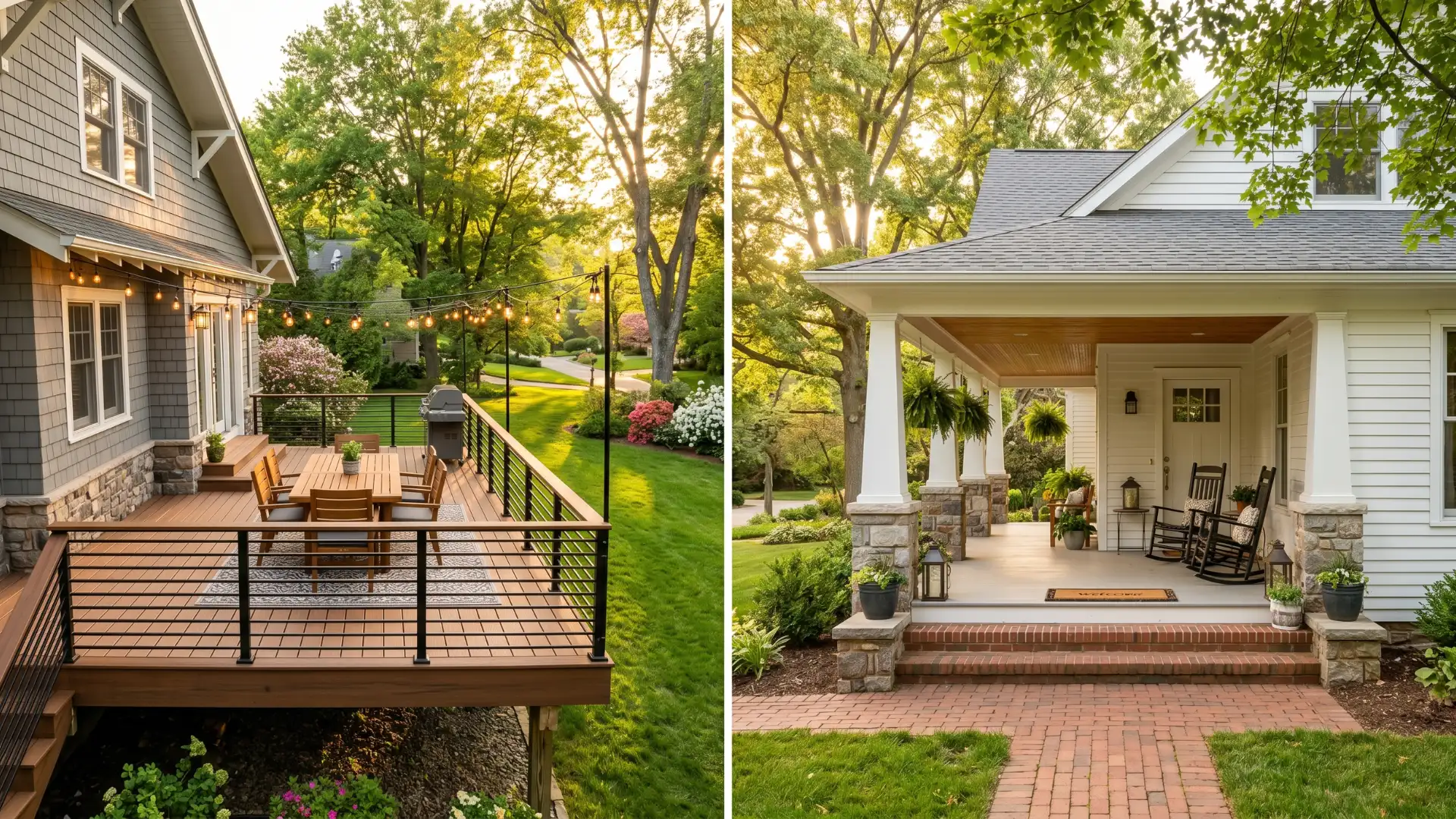

Decks and porches get mixed up more often than you’d think, and honestly, it makes sense.
Both pull your living space outside, both invite lazy afternoons and good conversation, and both can completely change how a home feels.
But the way they’re built, where they sit, and what they actually offer day-to-day are pretty different stories.
Roofing, materials, layout, and overall cost each tell their own side of that story. Figuring out which fits yours comes down to your lifestyle, your budget, and the kind of outdoor life you’re actually after.
What is a Deck?
A deck is an open-air outdoor platform that extends a home’s living space. Most decks are attached directly to the back of the house, sitting elevated above the ground and accessible through a rear door.
Unlike a porch, a deck has no roof overhead, making it a true outdoor experience rather than a sheltered retreat.
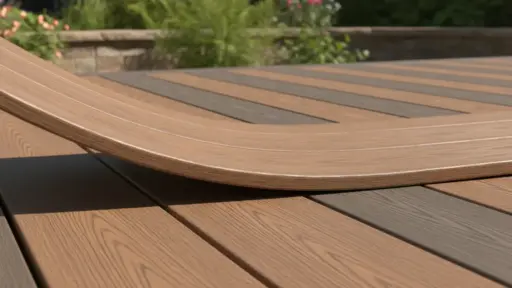
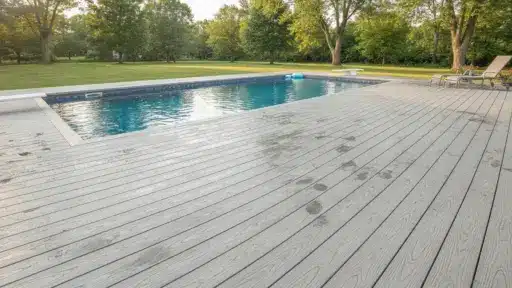
The most common deck materials are pressure-treated wood, composite decking, and PVC. Wood is the most affordable option; composite offers low maintenance, and PVC works best in humid climates.
Skirting can also improve the overall appearance of the structure, with styles similar to these deck skirting ideasoften used in outdoor designs.
Most decks include railings for safety, an open-air layout, and enough space for furniture and entertainment setups.
A well-designed deck becomes the hub of your outdoor lifestyle, giving you a defined space to cook, entertain, and unwind without stepping onto the grass.
What is a Porch?
A porch is a covered outdoor structure attached to the entrance of a home. Unlike a deck, a porch has a roof overhead, making it a sheltered space that protects you from sun, rain, and wind.
Most porches face the front of the home, serving as a transitional space between the outdoors and the interior.
Common porch features include a roof covering, support columns, and railings. These elements give porches their classic, architectural look, adding character and curb appeal to almost any home style.
Ceiling details also play a major role in the overall design, with styles similar to these porch ceiling ideasoften used in modern and traditional porches alike.
Porches come in several forms. A front porch sits at the home’s entrance, a wraparound porch extends along multiple sides of the house, and a screened-in porch adds mesh walls for bug-free outdoor living.
Homeowners use porches for relaxing, greeting guests, and upgrading the home’s exterior appearance. A well-designed porch creates a warm, welcoming first impression that no other outdoor structure quite matches.
Deck vs. Porch: Features
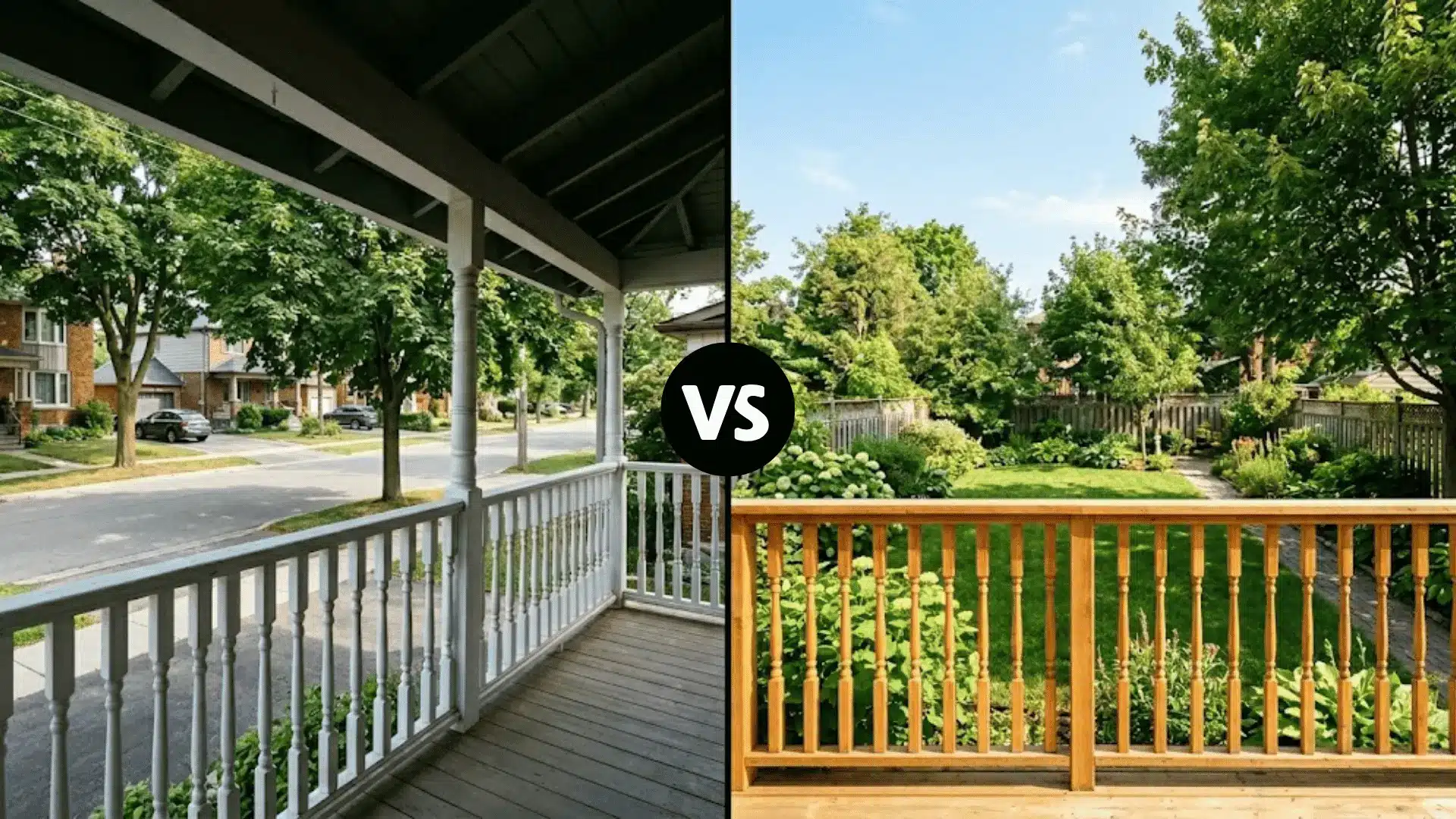
Before committing to either, it helps to see the full picture.
1. Location
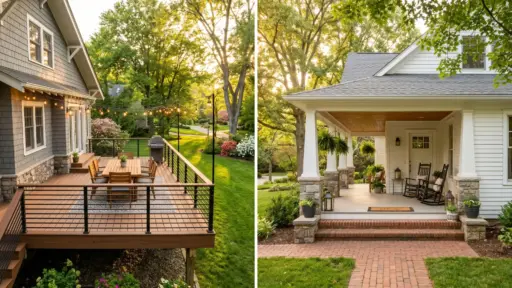
Decks are most commonly built at the back of the house, tucked away from street view and connected to the backyard.
Porches, on the other hand, are typically positioned at the front of the home, facing the street and serving as the main entry point.
2. Roof Structure
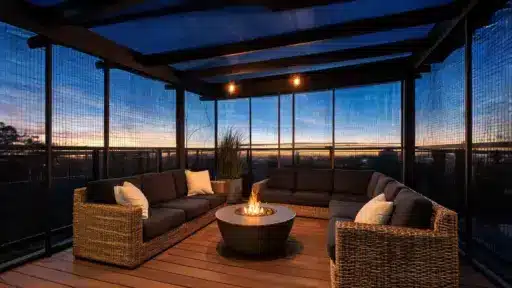
One of the biggest differences between the two is overhead coverage. Decks are open to the sky with no roof, leaving you fully exposed to the elements.
Porches are covered by roofs, offering shade and protection from rain and sun throughout the year.
3. Elevation and Foundation
Decks are often elevated above ground level, supported by posts and beams that raise the platform to match the home’s floor height.
Porches are generally integrated into the home’s foundation and structure, sitting closer to ground level as part of the original build.
4. Materials Used
Decks are typically built with deck boards made from wood, composite, or PVC.
Porches typically use traditional flooring materials, such as painted wood planks or concrete, often chosen to match the home’s existing exterior and architectural style.
5. Function and Lifestyle Use
Decks are primarily designed for entertainment and outdoor activities. They offer open space for dining, grilling, and hosting.
Porches serve a different purpose, acting as a welcoming entry space for guests and a quiet spot for relaxation away from the bustle of the backyard.
6. Privacy Levels
Decks sit in the backyard, naturally offering more privacy from neighbors and passersby.
Porches face the street, creating an open, community-facing environment that encourages neighborly interaction rather than seclusion.
Neither option is the wrong choice. It comes down to how you live, what your climate demands, and what your home’s layout actually supports.
Deck: Pros and Cons
A deck is a great choice for homeowners who love to entertain and want a flexible, open outdoor space. But like any structure, it comes with its own set of advantages and limitations worth considering before you commit.
| Pros | Cons |
| Larger entertaining space | Full weather exposure |
| Flexible, customizable layouts | Regular sealing and staining are needed |
| Open backyard views | UV and moisture damage over time |
| More square footage overall | Higher long-term maintenance costs |
| Great for grilling and dining | Less architectural curb appeal |
| Easy to expand or modify | Can feel exposed during bad weather |
A deck works best for homeowners who prioritize outdoor entertaining and are willing to put in the maintenance to keep it looking its best season after season.
Porch: Pros and Cons
A porch suits homeowners who value shelter, curb appeal, and a welcoming entryway over raw square footage. Before choosing one, it helps to weigh what it offers against what it gives up.
| Pros | Cons |
| Shade and weather protection | Usually smaller in size |
| Improved curb appeal | Less privacy from the street |
| Traditional, classic aesthetic | Limited layout flexibility |
| Usable in rain and harsh sun | Front-facing, less secluded |
| Adds welcoming entryway appeal | Can feel cramped with large groups |
| Lower long-term maintenance | Less space for grilling or dining setups |
A porch works best for homeowners who want a sheltered, low-maintenance outdoor space that adds charm and character to the front of their home without the upkeep demands of an open deck.
Which Costs More: A Deck or Porch?
Cost is one of the first things homeowners consider when planning an outdoor addition. While both decks and porches require a meaningful investment, their price points differ based on structure, materials, and complexity.
Understanding what drives the cost of each helps you plan a realistic budget before breaking ground.
Average Deck Costs
The cost to build a deck typically ranges from $15 to $35 per square foot, depending on materials and design complexity. For a standard 300 to 400-square-foot deck, most homeowners spend between $4,500 and $14,000.
Higher-end materials like composite or PVC decking can push total costs closer to $20,000 or more. A basic pressure-treated wood deck sits at the lower end of the range, making it the most budget-friendly starting point.
Average Porch Costs
Porches generally cost more than decks of a similar size. The addition of a roof, support columns, and foundation work adds significant labor and material expenses.
Most homeowners spend between $8,000 and $25,000 for a porch, with screened-in and wraparound styles sitting at the higher end. A simple front porch with basic finishes can cost $5,000 to $10,000, depending on the region and contractor.
Best Materials for Decks and Porches
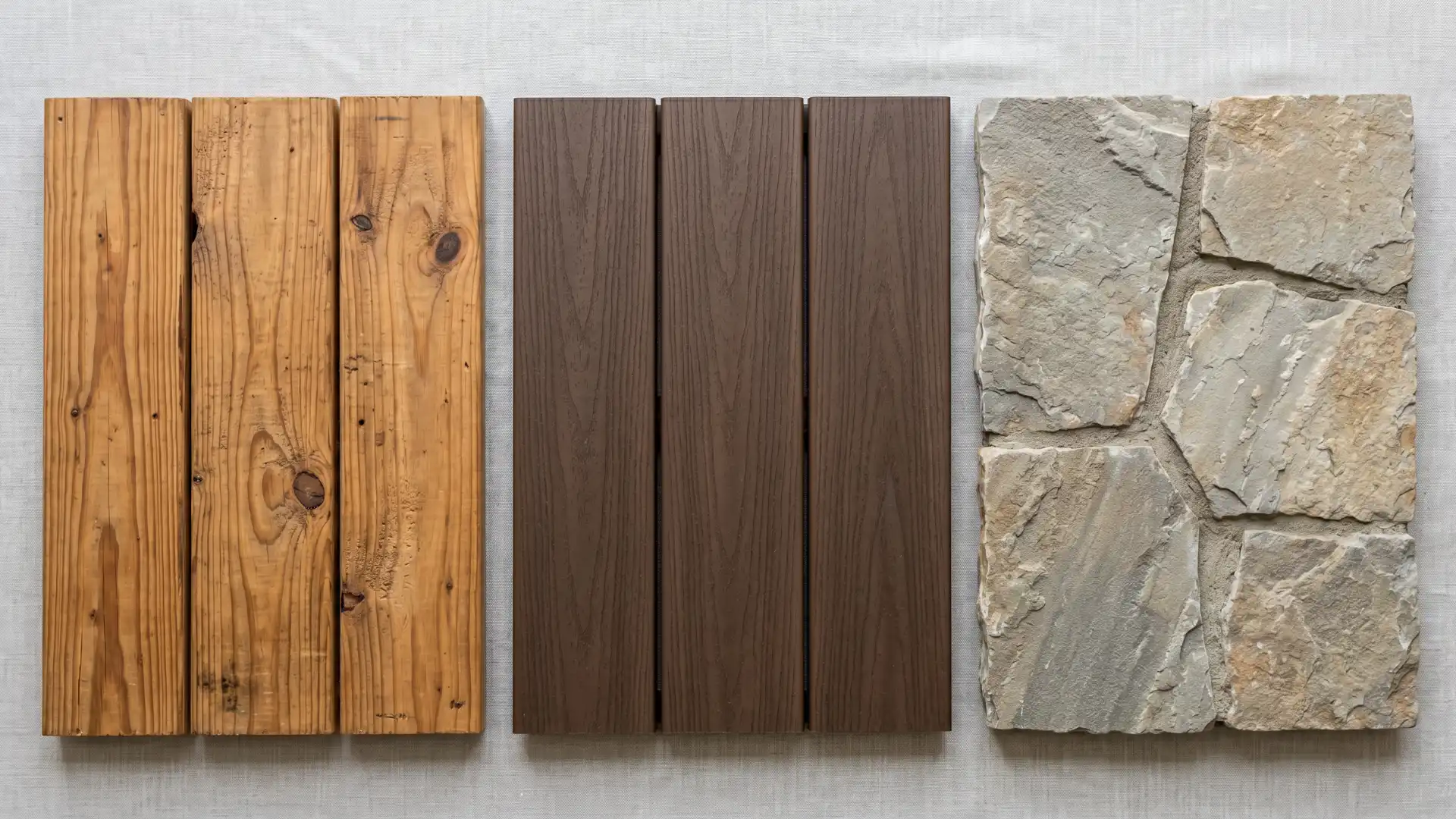
Choosing the right material is one of the most important decisions you will make when building a deck or porch. Here is a breakdown of the most popular options for both structures.
- Pressure-Treated Wood: The most affordable and widely used decking material, pressure-treated wood is chemically treated to resist rot, moisture, and insects. It requires sealing or staining every 2 to 3 years.
- Cedar and Redwood: Both woods are naturally resistant to rot, moisture, and pests without chemical treatment. They cost more than pressure-treated lumber but offer a warmer appearance and age well with periodic sealing.
- Composite Decking: Made from recycled wood fibers and plastic, it resists fading, staining, and moisture with zero sealing required, and saves significantly on long-term maintenance despite the higher upfront cost.
- Concrete and Stone: Virtually maintenance-free and built to last, both resist rot, pests, and weather damage, with concrete available in stamped or stained finishes and flagstone or slate adding natural character.
The material you choose will shape how your outdoor space looks, performs, and holds up over the years.
Which One Should You Choose?
The honest answer is that it depends on how you actually use your outdoor space. A few straightforward questions can point you in the right direction.
| Factor | Deck | Porch | Both |
|---|---|---|---|
| Budget | Tighter | More flexible | Comfortable |
| Climate | Mild and dry | Hot, rainy, buggy | Any |
| Primary goal | Entertaining, grilling | Shelter, curb appeal | Full outdoor living |
| Yard type | Sloped or uneven | Flat, at grade | Varied layout |
| Resale focus | Entertaining market | Curb appeal market | Maximum value |
If you are still on the fence, talk to a local contractor before making a final call. Yard slope, home orientation, and neighborhood style all affect which option actually works for your specific property.
Deck vs. Porch Maintenance Requirements
How much work you put in over the years depends on the material you choose and how well the space is protected from the elements.
Here is what to expect when maintaining a deck or porch.
- Cleaning and Sealing: Both need regular sweeping and an annual wash, with wood surfaces requiring sealing or staining every 2 to 3 years to withstand moisture and UV damage.
- Weather Damage Concerns: Decks take the full brunt of sun, rain, and wind, making them more prone to fading, cracking, and rot, while porch roofs shield the structure from direct exposure.
- Repair Frequency: Wood decks warp and crack most often, while porch flooring lasts longer under roof protection, though repainting and roof upkeep remain recurring tasks.
- Pest and Moisture Issues: Both wood decks and porches are vulnerable to termites and moisture damage, making good drainage, ventilation, and routine inspections essential to long-term structural health.
A little consistent effort each season goes a long way in protecting your investment, preserving the appearance of your outdoor space, and avoiding costly repairs down the road.
Deck vs. Patio vs. Porch
When planning an outdoor living space, most homeowners find themselves comparing not only decks and porches but also patios. Each structure serves a distinct purpose and suits different home styles, budgets, and lifestyles.
Here is a side-by-side comparison to help you understand how all three stack up.
| Feature | Deck | Patio | Porch |
|---|---|---|---|
| Structure | Elevated platform | Ground-level surface | Covered, integrated into the home |
| Roof | No roof | No roof | Always covered |
| Location | Back of the home | Back or side of the home | Front of the home |
| Materials | Wood, composite, PVC | Concrete, pavers, stone | Wood, concrete, stone |
| Cost | Moderate to high | Low to moderate | Moderate to high |
| Best For | Entertaining, dining | Casual seating, fire pits | Relaxation, curb appeal |
| Privacy | High | Moderate to high | Low |
Common Mistakes Homeowners Make
Many homeowners rush into construction without thinking through the practical details, leading to expensive, frustrating problems to fix.
Ignoring Drainage Needs: Water that pools on or around a deck or porch can accelerate rot, weaken structural supports, and create slippery surfaces that become costly to fix over time.
Choosing High-Maintenance Materials: If regular sealing and staining do not fit your lifestyle, investing in composite or PVC from the start will save you significant time and money down the road.
Overlooking Shade Requirements: Consider the sun’s path across your property before finalizing the design, and factor in shade solutions such as pergolas or roof extensions if needed.
Forgetting Permit Regulations: Always check with your local building authority before construction begins to ensure your build meets safety codes and avoids legal complications.
Avoiding these mistakes from the start puts you in a much stronger position to build an outdoor space that holds up well, stays safe, and delivers real value over the long term.
Final Thoughts
Always remember, a deck puts you in the outdoors, whereas a porch shelters you from it.
And that single difference drives everything else, from cost and structure to how the space actually feels day-to-day.
The key differences in structure and location, costs, materials, maintenance, and common mistakes are all here to give you a well-rounded picture of both options before making a decision.
The right choice comes down to your climate, your budget, and how you actually live outside.
Bookmark this page and come back to it when you are ready to plan. The right outdoor space starts with the right decision.
Frequently Asked Questions (FAQs)
Is a Deck Cheaper to Build than a Porch?
Generally, yes. A deck costs less per square foot than a porch because it does not require roofing or the structural work required to tie into the home’s roofline.
Do I Need a Permit for a Deck or Porch?
In most cases, yes. Decks attached to the home or elevated 30 inches or more off the ground almost always require a permit under IRC Section R507.
Can a Porch Be Converted into a Deck or Vice Versa?
Converting a deck into a porch means adding a roof tied into the home’s roofline, which is costly and requires a permit, while stripping a porch down to an open platform is simpler but still a significant renovation.
Can I Have Both a Deck and a Porch?
Yes, and it is a practical combination. A front porch enhances curb appeal and street presence, while a back deck provides space for grilling and entertaining.
How Long Does a Deck or Porch Last?
A pressure-treated wood deck typically lasts 15 to 25 years with regular maintenance. Composite decks can last 25 to 30 years or more.

Robert Thompson, a proud alum of the University of Oregon with a degree in Landscape Architecture, has been a leading figure in outdoor space enhancement for over 17 years. He started his career with a landscape design firm, gaining invaluable experience creating functional and attractive outdoor living areas. Robert joined our website in 2018, where he quickly became known for his innovative yet practical advice on outdoor renovations. He has been the chief editor of our deck and patio section ever since then, helping readers transform their outdoor spaces into personal retreats. When not drafting designs or writing, Robert is an avid kayaker, often drawing inspiration from nature for his creative projects.