

There is a particular kind of optimism that takes over when you sign the paperwork on your first brick-and-mortar space. You are picturing the grand opening, the window display, the smell of fresh paint. What you are usually not picturing is the fire marshal, the certificate of occupancy, or the afternoon on hold with an insurance underwriter. The gap between the dream and the operational reality is where a lot of new businesses quietly lose money in their first year, and most of those losses are preventable.
The good news is that the unglamorous parts of opening a location follow a predictable pattern. Know what to look for before you commit, and you can negotiate from a position of strength instead of scrambling after the lease is signed. What follows is a practical checklist built around the three areas first-time entrepreneurs most consistently underestimate: the lease, the insurance, and the physical security of the space itself.
Read the Lease Like It Is Trying to Trick You
A commercial lease is not a residential lease with bigger numbers. The base rent is often the least important figure on the page. Before you sign, get clear on the terms that will actually shape your monthly costs and your exit options.
Start with the lease structure. A triple-net (NNN) lease means you, not the landlord, pay a proportional share of property taxes, building insurance, and common-area maintenance on top of rent. Those pass-through costs can add several dollars per square foot annually. Ask for a breakdown of the prior two years of CAM charges so you are not surprised.
Then look for these specific clauses:
Personal guarantee. Many landlords require the owner to personally guarantee the lease, which means your house and savings are on the line if the business fails. Negotiate for a “good guy” clause that caps your personal exposure if you give proper notice and leave the space in good condition.
Assignment and subletting. If you ever want to sell the business or move, you will need the right to transfer or sublet the space. A lease that forbids it can trap you.
Build-out and tenant improvement allowance. Who pays to make the raw space usable? Get the allowance, the timeline, and the approval process in writing, including what happens to your improvements when you leave.
Renewal and escalation. Know your renewal options and exactly how much rent can increase. A lease with an uncapped renewal is not the security it appears to be.
One more practical note: verify that the space is zoned for your intended use and that you can obtain a certificate of occupancy before your rent obligation begins. Founders have paid months of rent on a space they were not legally allowed to open.
Buy the Insurance You Need, Not the Policy You Were Handed
Insurance is where new owners tend to either overpay for the wrong coverage or underinsure to save a few dollars a month. Build your coverage around how your business actually operates.
General liability is the baseline, and your landlord will almost certainly require proof of it before handing over keys. Beyond that, consider a business owner’s policy (BOP), which bundles liability with property coverage at a lower combined cost for many small operations.
The coverage founders most often skip is business interruption insurance, which replaces lost income if a covered event forces you to close temporarily. If a burst pipe or a fire shuts you down for six weeks, rent and payroll do not pause. This coverage is what keeps you solvent during the gap.
Also confirm whether you need commercial property coverage for inventory and equipment, workers’ compensation once you hire employees (required in most states), and any industry-specific coverage your category demands. Read the exclusions as carefully as the coverage, and ask your agent point-blank what a typical claim in your industry looks like.
Treat Security as Infrastructure, Not an Afterthought
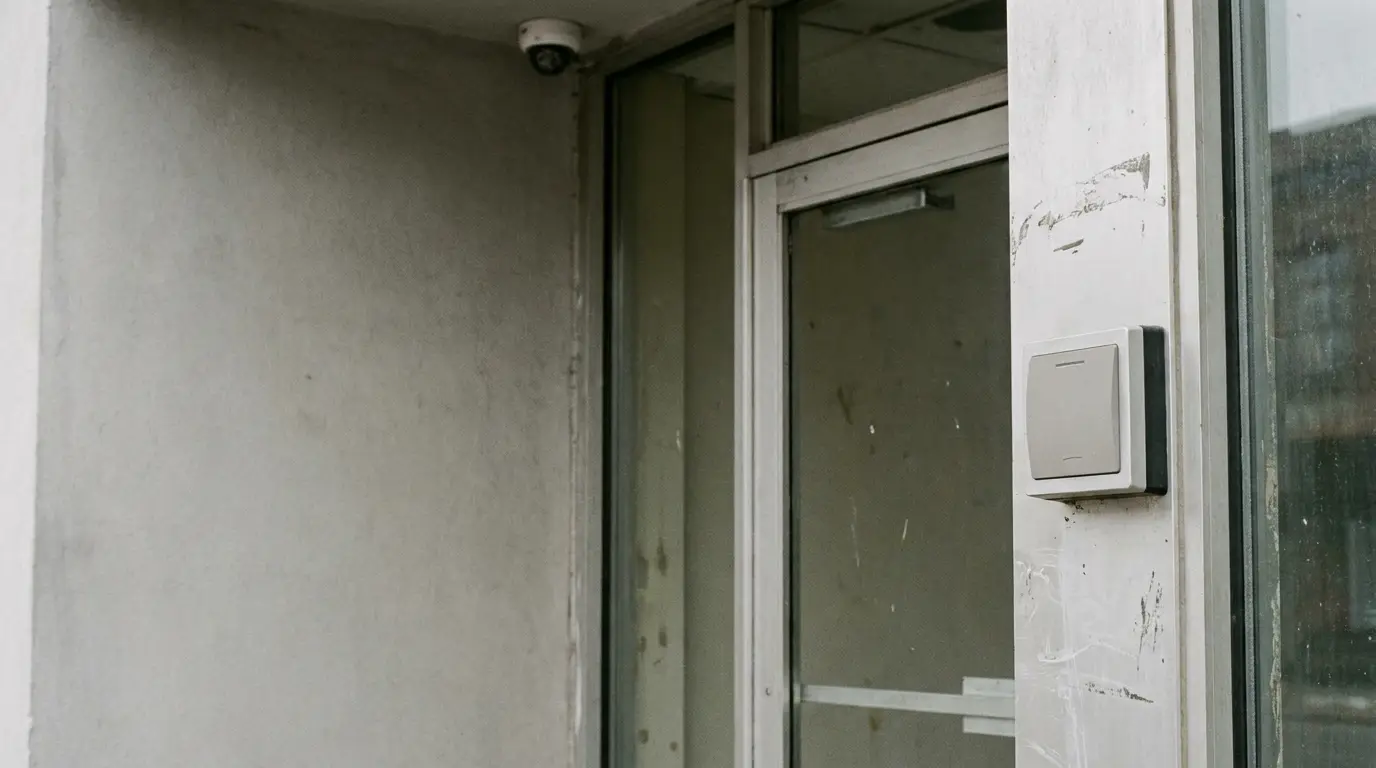
Here is the item that gets the least attention on opening-day lists and causes some of the most expensive surprises: physically securing the premises. New owners tend to think of security as an alarm sticker in the window and a padlock on the back door. In practice, premises security is a system, and the businesses that treat it that way sleep better and lose less.
Think about it in layers. The first layer is intrusion detection: door and window sensors, motion detectors, and a monitored alarm that dispatches help when it trips. An unmonitored alarm that only makes noise is far less useful than one connected to a monitoring center that verifies the event and calls authorities.
The second layer is video. Cameras do three jobs at once: they deter, they document, and they let you check the space remotely from your phone. Position them to cover entrances, the point of sale, storage, and any cash-handling zone. Good footage settles disputes, supports insurance claims, and protects you against fraudulent liability claims, which are more common than most new owners expect.
The third layer is access control. Physical keys are a liability the moment you have more than one employee. Keys get copied, lost, and never returned after someone quits, and re-keying locks is a recurring cost. Electronic access control lets you assign individual credentials, revoke them instantly, and see exactly who opened the door and when.
Getting these layers to work together, and choosing between a consumer DIY kit and a professionally installed, monitored commercial system, is worth a real conversation before you open. A provider with a dedicated commercial division, such as Alamo Smart Home, can assess a specific floor plan and recommend where sensors, cameras, and access points actually belong rather than selling a generic bundle. A system designed for a two-bedroom house rarely fits a retail floor, a warehouse, or an office with multiple entry points.
One often-overlooked bonus: a professionally monitored system can lower your commercial insurance premiums. Ask your insurer how monitoring, cameras, and access control affect your rate. In many cases the discount offsets a meaningful chunk of the monitoring cost, turning security from a pure expense into closer to a break-even investment.
Put It All Together Before You Sign
The founders who open smoothly are not the ones who avoid these details. They are the ones who front-load them. Walk the space with your lease, your insurance agent, and a security assessment in hand, and treat all three as negotiating leverage rather than paperwork to rush through.
A simple sequence works well. Confirm zoning and occupancy first, because they can kill a deal outright. Negotiate the lease next, with your personal exposure and exit options front of mind. Line up insurance that matches your real operations, including business interruption. Then design your security as a layered system and install it before inventory arrives, not after your first incident.
None of this is glamorous, and none of it will make the grand-opening photos. But it is the difference between a location that supports your business and one that quietly drains it. Do the boring work early, and the exciting part gets to last a lot longer.

Licensed broker Logan Patel holds an MBA in Urban Economics from UCLA and has steered buyers and investors through market swings for a decade. He joined us in 2024 to demystify listings, financing, and neighborhood data with clear, chart-backed advice. When he isn’t scanning comps, Logan coaches youth basketball and scouts mid-century districts for hidden architectural gems on weekend walks.