

By the team at Allto Construction, Orangeville, Ontario
If your home is on a septic system, you own a small wastewater treatment plant, and it works best when you barely notice it. The catch is that septic systems fail quietly. Nothing seems wrong for years, and then a soggy lawn or a slow drain announces a problem that has been building for a long time. The good news is that keeping a system healthy is simple and inexpensive compared to replacing one.
This guide covers what Ontario homeowners need to know: how often to pump, what to keep out of the drains, how to protect the leaching bed, and the warning signs that mean it is time to call for help.
How Often Should a Septic Tank Be Pumped in Ontario?
For most households, the tank should be pumped every three to five years, with an inspection done at the same time. Households with more people, or systems handling heavier daily water use, may need pumping more often. If you do not know when your tank was last pumped, that is reason enough to book a service call and start a record.
Pumping removes the solids and grease that accumulate faster than the tank can break them down. When those solids build past the tank’s working capacity, they wash out into the leaching bed and clog the soil, and a clogged bed is the failure that turns a routine service bill into a major excavation project.
What Does Regular Septic System Maintenance Involve?
A healthy maintenance routine is short and repeatable:
- Pump and inspect on schedule. Every three to five years for most homes, done together so the technician can assess the tank, baffles and bed in one visit.
- Clean the effluent filter. If your tank has one, it needs periodic cleaning. If it does not, ask about adding one, since it is inexpensive protection for the leaching bed.
- Keep records. Pumping dates, inspection reports and repairs. Records help your service provider spot changes, and they matter when you sell the property.
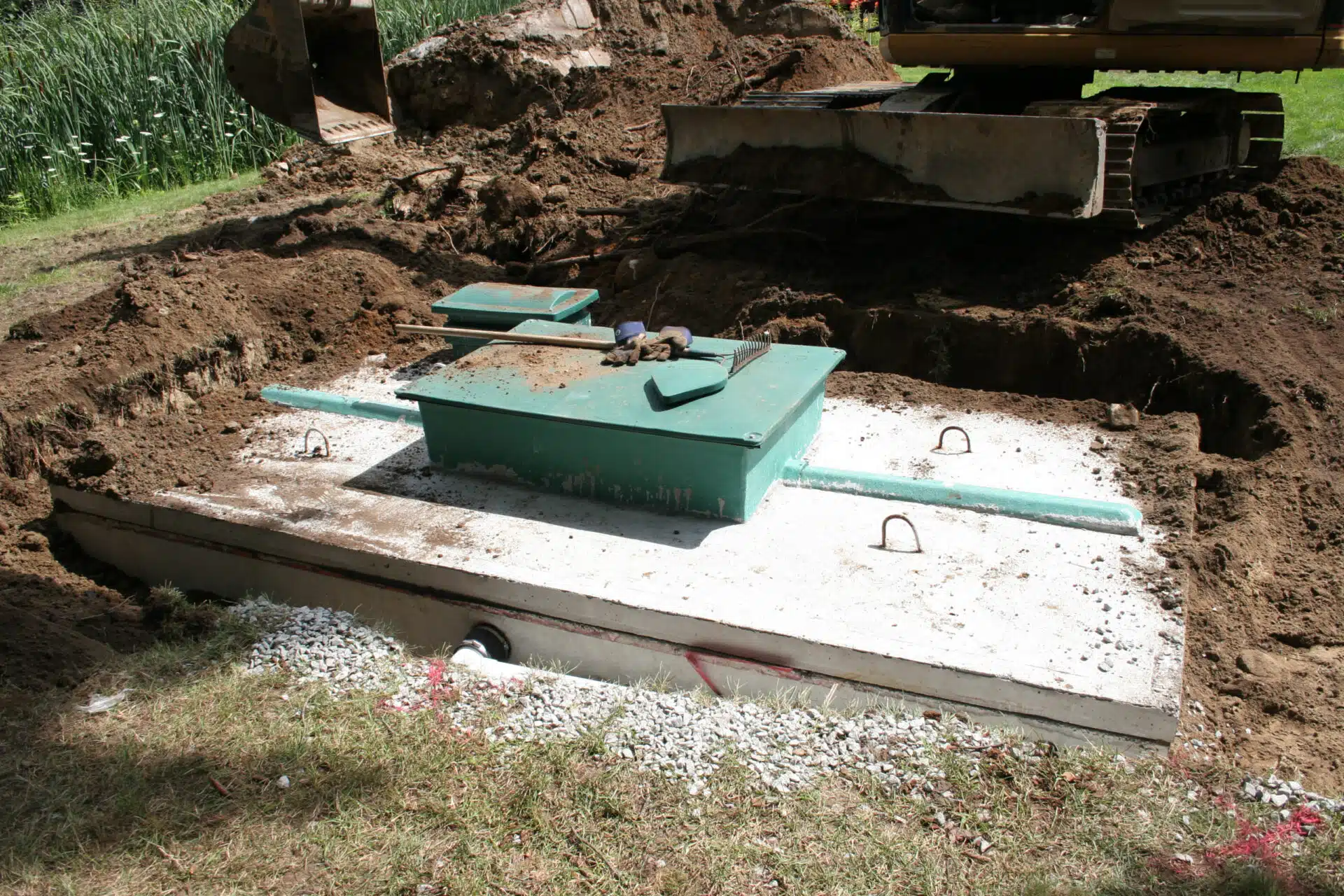
- Know your system’s layout. Where the tank, lids and leaching bed sit on your lot. It saves time on every service visit and prevents accidental damage during landscaping or construction.
What Should Never Go Down the Drain?
Your septic system relies on bacteria to break down waste, and it is easier to protect those bacteria than to rebuild a bed. Keep these out of your drains:
- Grease, fats and cooking oils, which accumulate as a layer the tank cannot process
- Wipes of any kind, including those labelled flushable, along with paper towels and hygiene products
- Coffee grounds, food scraps and heavy use of a garburator, which add solids the system was not sized for
- Paints, solvents, fuels, pesticides and harsh chemical drain cleaners, which kill the bacteria doing the work
- Excessive water in short bursts, so spread laundry loads across the week rather than running them all in one day
How Do You Protect the Leaching Bed?
The leaching bed is the most expensive part of the system to replace, and most bed damage comes from above. Never drive or park vehicles over it, and keep heavy equipment away during renovations. Do not build sheds, decks, pools or backyard ice rinks on top of it, since compaction and frost damage the pipes and soil below, a point Ontario’s Home Construction Regulatory Authority specifically warns homeowners about.
Direct roof downspouts and surface drainage away from the bed, because saturated soil cannot absorb effluent. Grass is the right cover for a bed; trees and deep rooted shrubs belong well away from it.
What Are the Warning Signs of Septic Trouble?
Call a licensed septic service if you notice any of the following:
- Ground over the tank or leaching bed that feels soggy or spongy underfoot
- Toilets, showers or sinks that back up or drain slower than usual
- Sewage odours, particularly noticeable after a rainfall
- Grey or black liquid surfacing in the yard or backing up into fixtures
- Unusually green or thick grass growing over the leaching bed
- Alarm lights or bells on treatment units, or a tank water level sitting higher than the outlet pipe
Acting within days rather than months protects your family’s health, your well water and your neighbours’ water too. Small problems caught early are usually repairs; ignored ones become replacements.
Why Design and Installation Matter for Maintenance
Decades of septic system maintenance work across South Central Ontario have taught our team one consistent lesson: the systems that are easiest and cheapest to maintain are the ones that were designed and installed properly in the first place.
A system matched to the site’s soil, sized for the household and built to Ontario Building Code requirements under permit gives you decades of quiet service. A poorly designed one fights its owner from year one. If you are building, replacing a system or buying a rural property, the design stage is where the maintenance story really begins.
Frequently Asked Questions
Who is responsible for septic system maintenance in Ontario?
The homeowner. Construction and major repairs are regulated under the Ontario Building Code and require permits and licensed installers, but routine maintenance, pumping and inspection are the property owner’s responsibility.
Are septic inspections mandatory in Ontario?
It depends on where you live. As the Federation of Ontario Cottagers’ Associations notes, some municipalities and conservation authorities run mandatory reinspection programs, often on a five year cycle, while others do not. Check with your local building department to confirm what applies to your property.
How long does a septic system last?
A properly designed, installed and maintained system commonly lasts 25 years or more, and many exceed that considerably. Neglected systems can fail in a fraction of that time, so maintenance is the difference between decades of quiet service and an early replacement.
What is an effluent filter and do I need one?
An effluent filter sits at the tank outlet and catches solids before they reach the leaching bed. It is one of the least expensive components in the whole system and one of the most protective. If your tank does not have one, ask your service provider about adding it at the next pumping.
The Bottom Line
Septic system maintenance is not complicated: pump and inspect every three to five years, keep the wrong things out of the drains, protect the bed from weight and water, and act quickly on warning signs. Homeowners who treat the system like the infrastructure it is routinely get decades out of it. If you are unsure where your system stands, a service call and an inspection report is the easiest place to start.
About Allto Construction
Allto Construction is a family-owned company based in Orangeville, Ontario that has been designing, installing, pumping and maintaining septic systems since 1969. The team is a member of the Ontario Onsite Wastewater Association and serves South Central Ontario including Dufferin County, Wellington County, and the Peel, York and Simcoe regions, with 24/7 emergency septic service.

Holding a Master’s in Architecture from the University of Texas at Austin, Emily Rodriguez has dedicated more than two decades to the art and science of building renovation. Starting her journey in historic preservation, she developed a profound respect for blending old with new in building design. Emily became a vital part of our team in 2019, renowned for her insightful and innovative renovation tips. She has been leading our DIY home improvement series since ever since, where she shares her wealth of knowledge in turning outdated spaces into modern havens. When not engaged in writing or consulting, Emily is a passionate advocate for heritage conservation and enjoys exploring vintage architecture, a hobby that complements her professional expertise.