
A home usually tells you what needs fixing during the busiest parts of the day. The walkway feels too narrow when your hands are full of groceries. The porch light feels too dim when you’re unlocking the door after dark. The entry bench disappears under shoes, bags, coats, and whatever else gets dropped there on the way in.
That’s where practical upgrades can make a real difference. The right changes make it easier to park, unload, get inside, put things away, and move between indoor and outdoor spaces without turning every routine into a small hassle.
Start With the Entry Points You Use Most
The front door may be the official entrance, but it’s not always the one carrying the daily load. Many households come in through the garage, side door, back door, or mudroom because those spots are closer to the driveway, storage, pets, or outdoor gear.
Pay attention to how people actually move through the house. Which door gets used when groceries come in? Where do shoes and coats end up? Which entrance feels awkward when it rains, snows, or gets dark early? Those patterns usually point to the upgrades that matter most.
A sturdier mat, a better handle, a wider landing area, or a cleaner path can make the entrance feel more useful and intentional. The goal is to improve the route your household already uses, not redesign your habits around a doorway that only looks good in photos.
Improve Walkways, Steps, and Driveway Flow
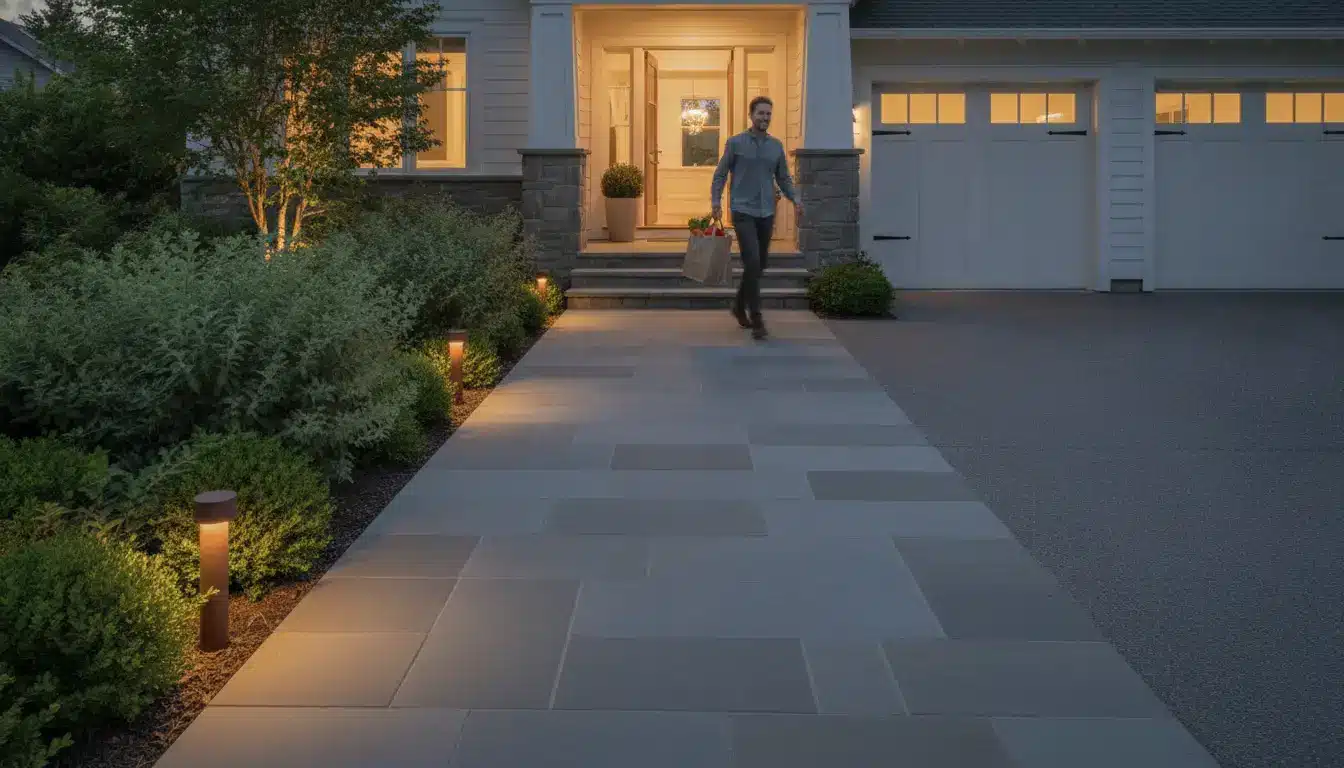
The outside route to the door can shape the whole experience of coming home. A narrow path makes carrying bags harder. Uneven steps feel risky in wet weather. A driveway with awkward edges can make parking and unloading more frustrating than it should be.
Walk the route people use most, from the car, sidewalk, or yard to the entrance. Look for cracked pavers, loose stones, puddles, slippery spots, or areas where people naturally step off the path because it feels cramped. These small details can affect comfort and safety every day.
You may not need a major exterior project to make the route work better. Widening a walkway, adding a stable landing near the door, smoothing uneven surfaces, or improving drainage can make the home feel easier to move through before anyone even gets inside.
Add Lighting Where It Solves Real Problems
Good lighting should make the home easier to use, not just prettier from the street. A dark porch, a shadowy side path, or a dim garage area can turn simple routines into minor frustrations, especially when someone is carrying bags, searching for keys, or walking in after sunset.
Focus on the places where movement actually happens. Porch lights, driveway lighting, path lights, and motion lights near side entrances can make daily movement feel safer and more comfortable. Lighting near the garage is especially helpful when that area connects to parking, storage, trash bins, or a side entrance.
Think about the specific problem before adding fixtures. A brighter light near the main door can make locks and steps easier to see. Low path lighting can help define the walkway. A motion light near the driveway can make late arrivals feel less clumsy. Small, well-placed changes often do more than flooding every corner with light.
Make Garage Access Work With Your Weather and Routine
Garage access becomes noticeable when it gets in the way. If the garage is where you park, store tools, bring in groceries, or enter the house during rough weather, the door setup needs to support the way the space is used day after day.
The right setup can look different from one region to another. In Florida, a homeowner might pay closer attention to ventilation and shade around entry areas. In parts of Ohio or Michigan, shifting seasons can make insulation and smooth operation feel more important. In the Pacific Northwest, moisture around exterior access points may become a bigger concern. Pennsylvania has its own mix of warm days, cold mornings, rain, and regular seasonal swings, so garage access has to hold up as part of the everyday routine. When the garage doubles as a main entrance, the garage door installer Camp Hill PA homeowners rely on can make a difference in how the right fit, seal, and setup support everyday routines, from unloading groceries to keeping stored items protected during rough weather.
Treat the garage as part of the home’s main traffic pattern, not as a separate utility space. When that entry works well, the whole routine feels smoother.
Create a Drop Zone Near the Door You Actually Use
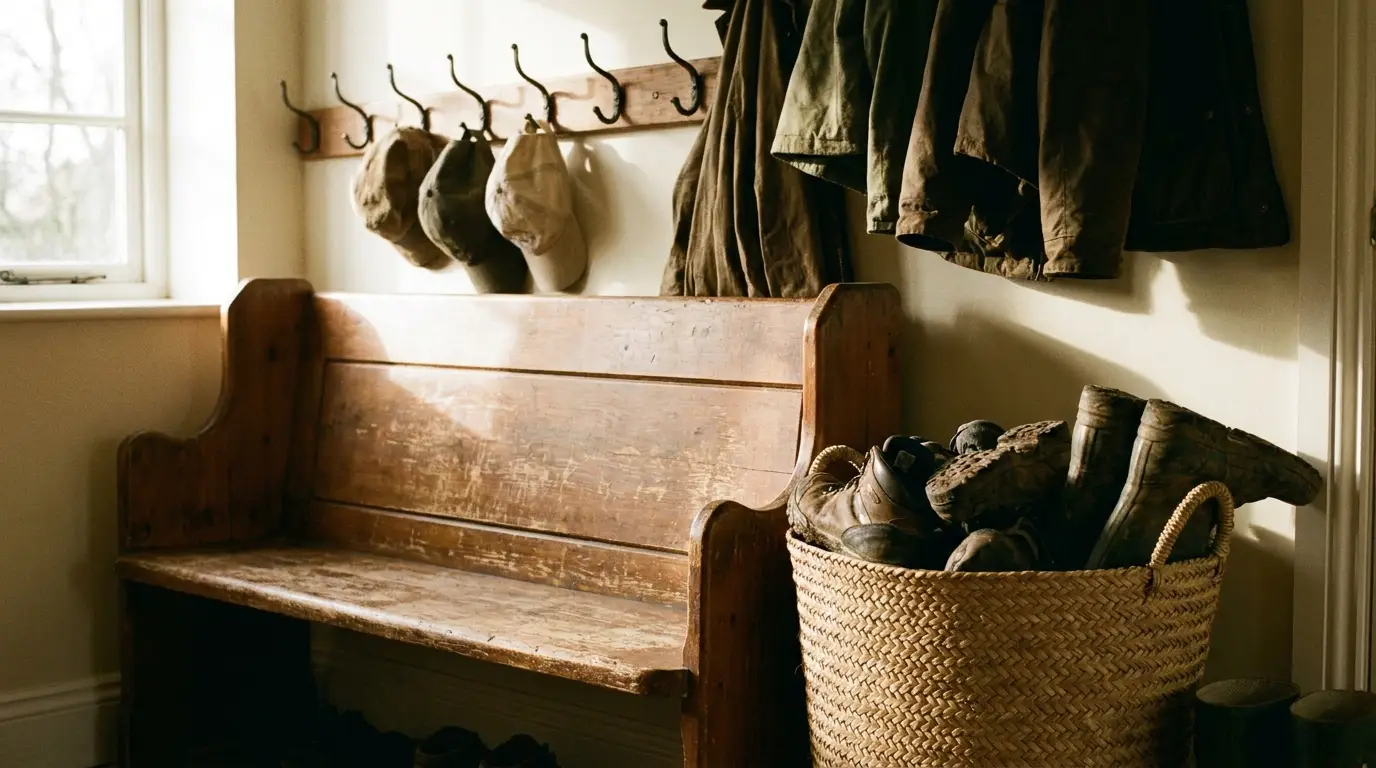
The most-used entrance is often the messiest one. Shoes collect by the door, bags land on the floor, keys go missing, and coats end up wherever there’s an empty chair or hook. A simple drop zone can bring order to that area without turning it into a full renovation project.
Start with what your household grabs or drops every day. A bench, hooks, baskets, shoe storage, and a small tray for keys can make the space feel more controlled. If the entrance connects to the garage, side yard, or driveway, that setup becomes even more helpful because it catches the clutter before it spreads through the house.
For homes that need a more organized landing spot, practical entryway storage can make coming and going smoother while keeping everyday items easy to reach.
Seal the Gaps That Make Entries Uncomfortable
A door can look perfectly fine and still let in drafts, dust, moisture, and outdoor noise. Around busy entrances, those gaps become more noticeable because people pass through them all day, especially near garages, side doors, and back entries.
Start with the usual trouble spots. Worn door sweeps, loose thresholds, cracked caulk, and tired seals can make an entry feel colder, draftier, or harder to keep clean. Checking the weatherstripping around doors and other movable parts of the home is a practical way to reduce air leaks where they tend to show up most.
This kind of upgrade won’t steal attention, but it can make the most-used entrances feel more comfortable and finished. A tighter seal helps the doorway do its job, especially where outdoor weather tends to follow people inside.
Choose Upgrades That Fit the Way Your Household Moves
The best improvements are the ones that match real habits. If everyone enters through the garage, that area deserves more attention than a front porch that rarely gets used. If the side door handles muddy shoes, pet leashes, packages, and school bags, it should be set up for that kind of traffic.
Before changing anything, watch where the friction happens. Maybe the path from the driveway feels awkward. Maybe the porch light misses the steps. Maybe the entry table becomes a pileup spot by the end of the day. Those clues show where a small change can make the home easier to use.
A good plan doesn’t have to make every entrance perfect. It should make the most-used routes cleaner, safer, and more comfortable, so coming and going feels less like something you have to work around.
A More Practical Way to Think About Home Entry
Coming and going is part of daily life, so the home has to accommodate it repeatedly. When the main paths, doors, lights, and storage spots work together, the whole house feels easier to live in.
The most useful upgrades are usually the ones that fix the small problems people keep tolerating. A clearer walkway, better lighting, a more dependable garage entry, or a simple drop zone near the door can remove stress from routines that already happen several times a day.
Start with the entrance your household uses most, then work outward. That keeps the project focused on real comfort, safer movement, and everyday convenience that lasts.

Holding a Master’s in Architecture from the University of Texas at Austin, Emily Rodriguez has dedicated more than two decades to the art and science of building renovation. Starting her journey in historic preservation, she developed a profound respect for blending old with new in building design. Emily became a vital part of our team in 2019, renowned for her insightful and innovative renovation tips. She has been leading our DIY home improvement series since ever since, where she shares her wealth of knowledge in turning outdated spaces into modern havens. When not engaged in writing or consulting, Emily is a passionate advocate for heritage conservation and enjoys exploring vintage architecture, a hobby that complements her professional expertise.