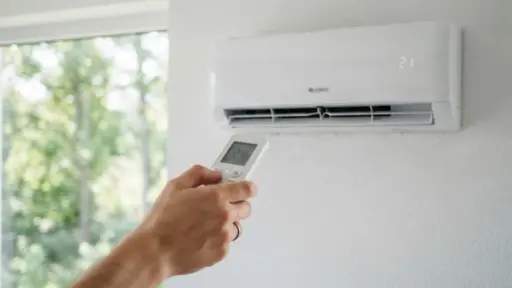


Summer heat is no joke. If you own a rental property, you need to be extra mindful about it. If the air conditioning system stops working, you will have to deal with angry tenants. To make sure it doesn’t happen, you should think about regular air conditioning maintenance. Read on, and we will share some useful tips on how to do it.
Top 3 Air Conditioning System Maintenance Tips in Rental Properties
Change the Air Filter
This tip is probably the easiest on the list. Sadly, it’s also the most overlooked. Filters catch all of that dirt and dust floating around. Eventually, they fill up and don’t let anything through. When the filter is clogged, your AC unit struggles to blow air through it. That means more strain on your system. It uses more energy and wears out faster. Not to mention it won’t cool your space as well.
A clean filter is your AC system’s best friend. A dirty filter is one of the leading causes of premature AC unit failure. Don’t be that landlord. Change the filter regularly.
For most rentals, you should replace the AC filter every 1-3 months. Exactly how often depends on some variables:
- Pet owners will require more frequent changes (about every 30 days)
- No pets and one tenant? You can get away with 90 days
- Multiple occupants mean more traffic and dust. Change every 60 days.
Whatever schedule you pick, don’t just grab the cheapest filter at the store. Look for ones with a MERV rating between 8 and 11. They trap more particles without restricting airflow.
Schedule Annual Professional Tune-Ups
Changing the air filter is easy for anyone. Certain maintenance tasks should be left to the pros. An annual AC tune-up from a certified HVAC technician will keep your system running smoothly. It’s like having your AC checked at the doctor’s office. Hiring a proactive Austin TX property manager will schedule a professional inspection to ensure all systems run efficiently throughout the year.
Here are the things they’ll do:
- Check refrigerant levels and inspect for leaks
- Clean evaporator and condenser coils
- Inspect electrical connections and tighten if necessary
- Lubricate all moving parts
- Test thermostat calibration
- Inspect the condensate drain line for clogs
- Measure airflow and system output
All of these tasks are important, but let’s look at a few examples. Dirty coils force your AC to work harder. Leaks cause your unit to cool less efficiently. Both of these problems make your AC consume more energy. They also shorten the overall life of your unit.
Timing is everything with AC tune-ups. Late winter and spring are the ideal times. HVAC techs are slammed once temperatures rise. If you wait too long, you might have to wait weeks for service. Service companies also offer discounts for early bookings.
Keep the Outdoor Unit Clean & Clear
Your AC unit provides most of the cooling in your home, but did you know your outdoor unit works just as hard? The condenser unit releases all of the heat collected from inside.
Just like the interior unit, your outdoor unit requires airflow. Leaves, grass, dirt, and other debris constantly build up around it. This restricts airflow. When good airflow is restricted, your AC may overheat. It can even trigger your system to shut off on its own.
Follow these steps to ensure your outdoor unit is always in great shape:
- Remove debris around the unit. Allow two feet of clearance on all sides
- Keep plants and shrubs trimmed so they don’t encroach on the system
- Rinse the unit off with a garden hose 1-2x per year
- Straighten bent fins with a fin comb when needed
- Never cover your AC unit with a tarp while in operation
After severe storms, go out and inspect the AC unit. Hail, wind, and falling tree limbs can do serious damage. Catching damage early can save you expensive repairs later.
Lastly, make sure tenants keep the area around the unit clear. If it’s close to the ground in a backyard, kids love to stack stuff up against it. Wagons, bikes, lawn mowers, you name it. A simple clause in your lease agreement can help remind them.
Landlord’s Role in Preventive Maintenance

Maintenance is part of being a landlord. Read your lease agreement to confirm who is responsible for cleaning the air conditioner. However, every state requires you to keep rental properties in habitable condition. Functional air conditioning is part of that in Texas.
However, your responsibility goes far beyond just keeping your Texas rental property cool when it’s hot out. Conducting preventative AC maintenance will save you money, reduce maintenance calls, and help ensure your tenants are happy. You need to keep them renting from you for years to come.
Take these steps today to improve:
- Schedule annual maintenance and stick to it. Annual inspections should include filter changes, tune-ups, and ensuring the outside unit is clear of debris.
- Keep records. Document every service call, repair, and filter change.
- Educate your tenants. Help them understand what to expect and how to notify you of any potential problems.
- Have a small HVAC repair budget. Having $500-$1,000 set aside for HVAC repairs can cover most situations.
- Fix small problems immediately. That little refrigerant leak won’t fix itself and will cost you far less now than a full compressor replacement.
Landlords who play defense with their HVAC maintenance end up spending less money. Those who play reactionary cost themselves in emergency fees, rushed service charges, and equipment that could have been avoided.
Final Words
Air conditioner maintenance isn’t difficult. There are three things you need to do: change the filter, schedule annual maintenance, and keep the outdoor unit clean and clearances trimmed.
Changing these three items will help prolong the life of your AC system, reduce energy bills, and ensure your tenants stay comfortable all season. And as a landlord, that’s peace of mind worth every penny.
Start with the simplest task today and check your filters. Everything else is built around that.

Tommy Hardy, an alumnus of the Georgia Institute of Technology with a degree in Mechanical Engineering, has been a go-to figure in residential upkeep and innovation for over 18 years. His career commenced in a leading home appliance manufacturing company, where he mastered the intricacies of household systems. Joining our platform in 2020, Tommy quickly became a reader favorite for his practical and easy-to-follow guides. He took the helm of our DIY section in 2019, consistently delivering content that empowers homeowners. Beyond his professional pursuits, Tommy is a passionate gardener and enjoys woodworking, skills enhancing his hands-on approach to home care.